The Mediterranean diet has been ranked the #1 best diet in the world by US News & World Report for 13 consecutive years — and it's not even close. No other diet has ever achieved this streak. The reason is simple: it's the most scientifically validated eating pattern in human history, backed by the NIH-funded PREDIMED study, which followed 7,447 people over 5 years and found a 30% reduction in major cardiovascular events. No other diet has data this strong.
In 2026, the Mediterranean diet is more relevant than ever. With 1 in 8 Americans now on GLP-1 medications like Ozempic and Wegovy, the Mediterranean diet provides the perfect nutritional framework for those drugs — high in protein, fiber, and healthy fats, which preserve muscle and stabilize blood sugar. Whether you want to lose weight, lower cholesterol, prevent diabetes, or simply live longer, this guide covers everything you need: the complete food list, a 7-day meal plan, the science behind why it works, and how to start today. Every recommendation is backed by peer-reviewed research from the NIH, the American Heart Association, and the New England Journal of Medicine.
What Is the Mediterranean Diet?
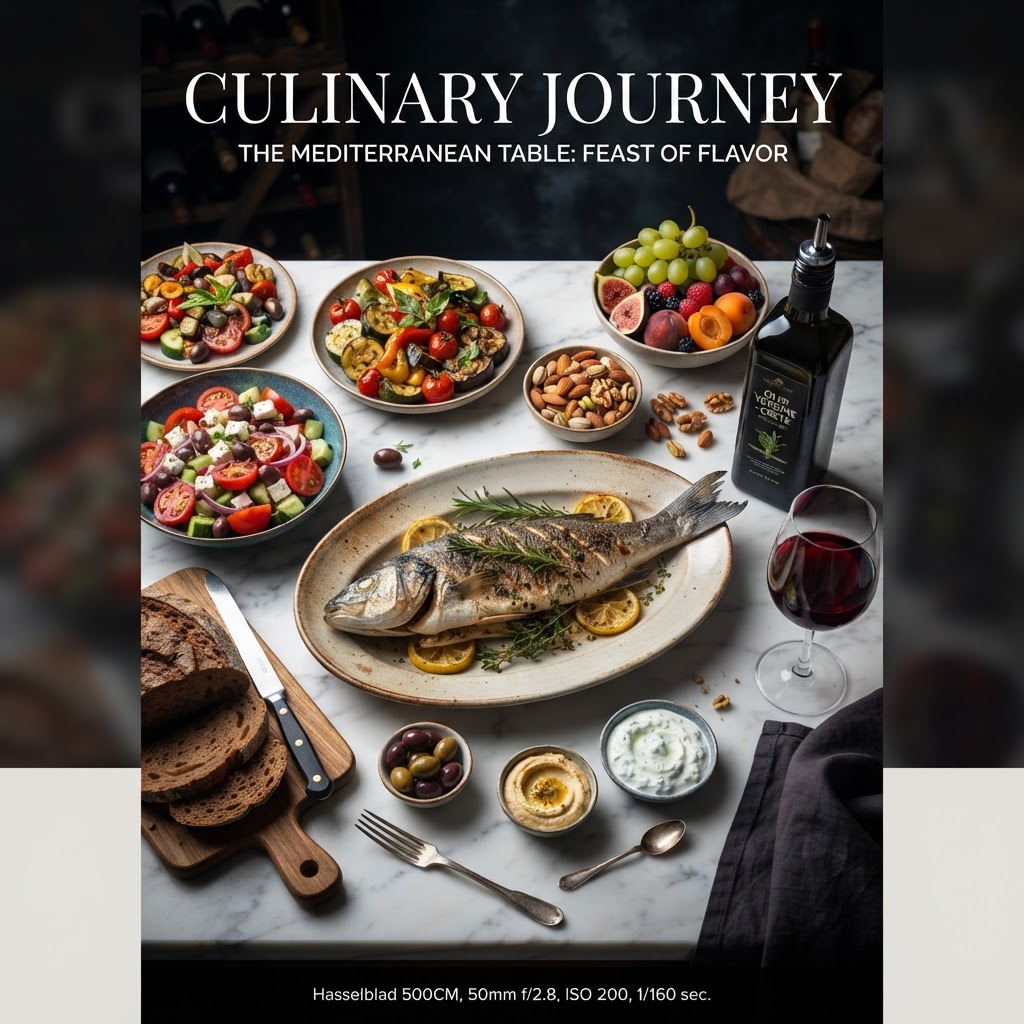
The Mediterranean diet is an eating pattern inspired by the traditional diets of countries bordering the Mediterranean Sea — primarily Greece, southern Italy, Spain, and southern France. It was first identified by Ancel Keys in the 1950s, who noticed that people in these regions had remarkably low rates of heart disease despite eating a relatively high-fat diet. The key insight was that the type of fat mattered more than the amount — olive oil (monounsaturated fat) was protective, while saturated fat from meat was harmful.
The diet is not a strict regimen — it's a flexible eating pattern. It emphasizes whole, minimally processed foods and is built around seven pillars:
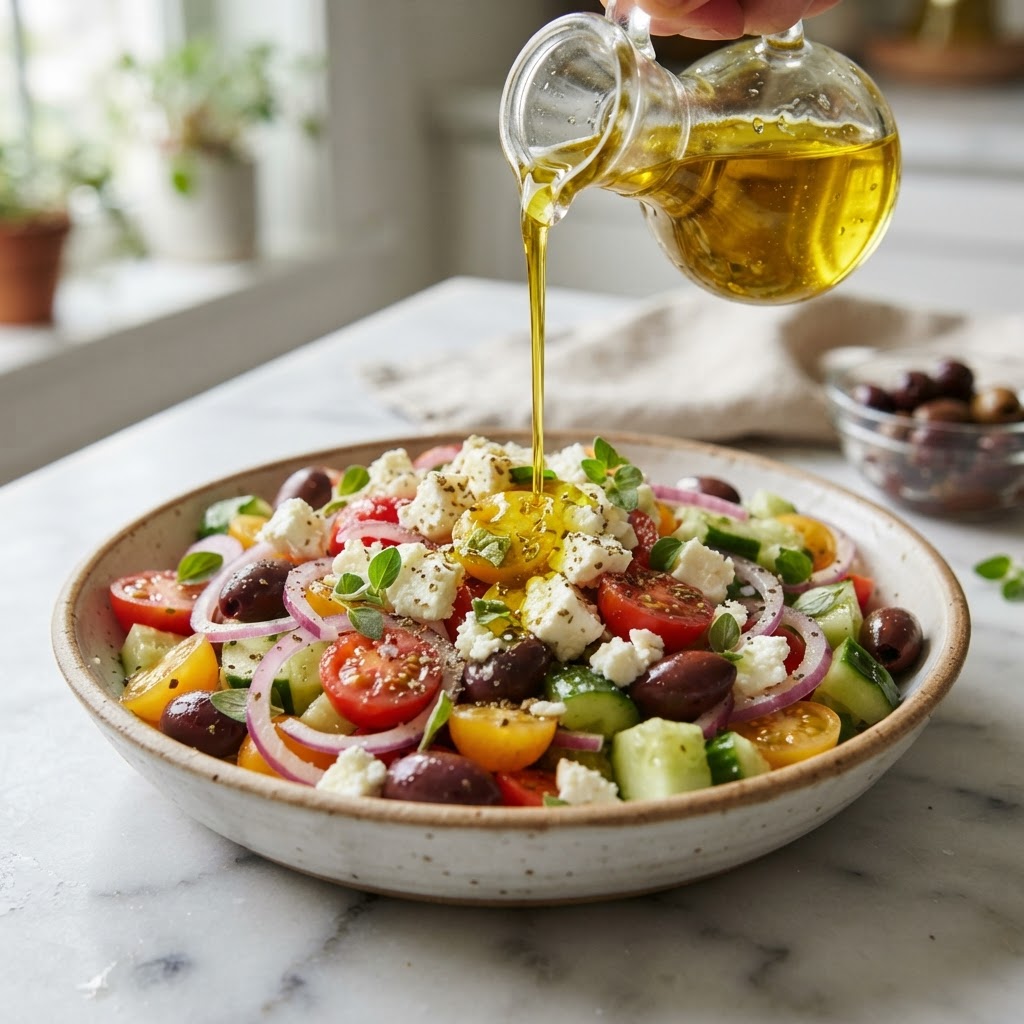
- Extra virgin olive oil as the primary fat source (2–4 tablespoons daily)
- Vegetables and fruits — 8–10 servings per day
- Whole grains — 6–8 servings per day (oats, brown rice, whole wheat, farro)
- Legumes and nuts — daily beans/lentils, 1–2 oz nuts daily
- Fish and seafood — 2+ servings per week
- Moderate dairy — Greek yogurt, feta, goat cheese (1–2 servings daily)
- Limited red meat and sweets — red meat 1–2 times per month
Wine in moderation (1 glass per day for women, 1–2 for men) is traditionally included, but it's optional. The diet also encourages shared meals, physical activity, and mindful eating — it's a lifestyle, not just a food list.
The Science: Why It Works
The Mediterranean diet works through multiple mechanisms simultaneously. Here's what the science shows:
| Mechanism | How It Works | Evidence |
|---|---|---|
| Reduces Inflammation | Olive oil polyphenols + omega-3s lower CRP by 40% | PREDIMED trial |
| Lowers LDL | Replaces saturated fat with monounsaturated fat | 8–15% LDL reduction |
| Stabilizes Blood Sugar | High fiber slows glucose absorption | 52% less type 2 diabetes |
| Improves Blood Vessels | Nitric oxide from vegetables dilates arteries | 30% fewer CV events |
| Gut Microbiome | Fiber + polyphenols feed beneficial bacteria | Increased SCFA production |
| Longevity | Antioxidants reduce cellular aging | 25% lower all-cause mortality |
The landmark PREDIMED study (Prevención con Dieta Mediterránea) is the gold-standard trial. It randomly assigned 7,447 adults to either a Mediterranean diet supplemented with extra virgin olive oil, a Mediterranean diet supplemented with mixed nuts, or a control low-fat diet. After 5 years, both Mediterranean diet groups had a 30% reduction in major cardiovascular events (heart attack, stroke, or death from heart disease). The study was stopped early because the benefit was so clear it was unethical to continue the control group.
Complete Mediterranean Diet Food List
Here is the complete food list, organized by category. Print this and take it to the grocery store.
Foods to Eat Daily
| Category | Servings/Day | Best Foods |
|---|---|---|
| Vegetables | 3–5 | Spinach, kale, tomatoes, peppers, eggplant, zucchini, broccoli, onions, garlic |
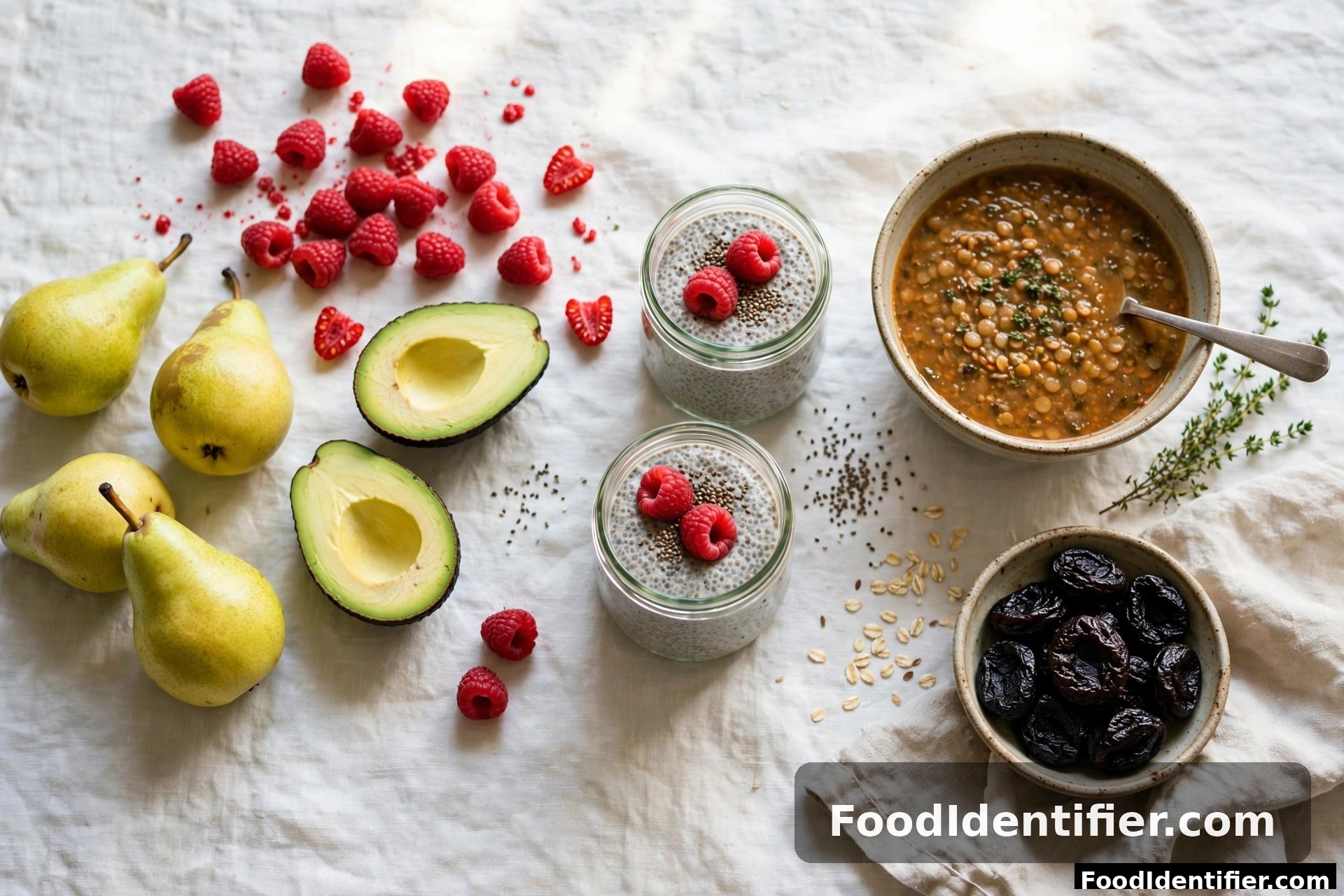
| Fruits | 2–3 | Berries, apples, oranges, figs, grapes, pomegranate, pears |
| Whole Grains | 2–3 | Oats, brown rice, quinoa, farro, whole wheat bread, barley |
| Legumes | 1–2 | Lentils, chickpeas, black beans, white beans, hummus |
| Nuts & Seeds | 1 oz | Almonds, walnuts, pistachios, chia, flax, pumpkin seeds |
| Olive Oil | 2–4 tbsp | Extra virgin olive oil (cold-pressed) |
| Dairy | 1–2 | Greek yogurt, feta, goat cheese, ricotta |
Foods to Eat Weekly
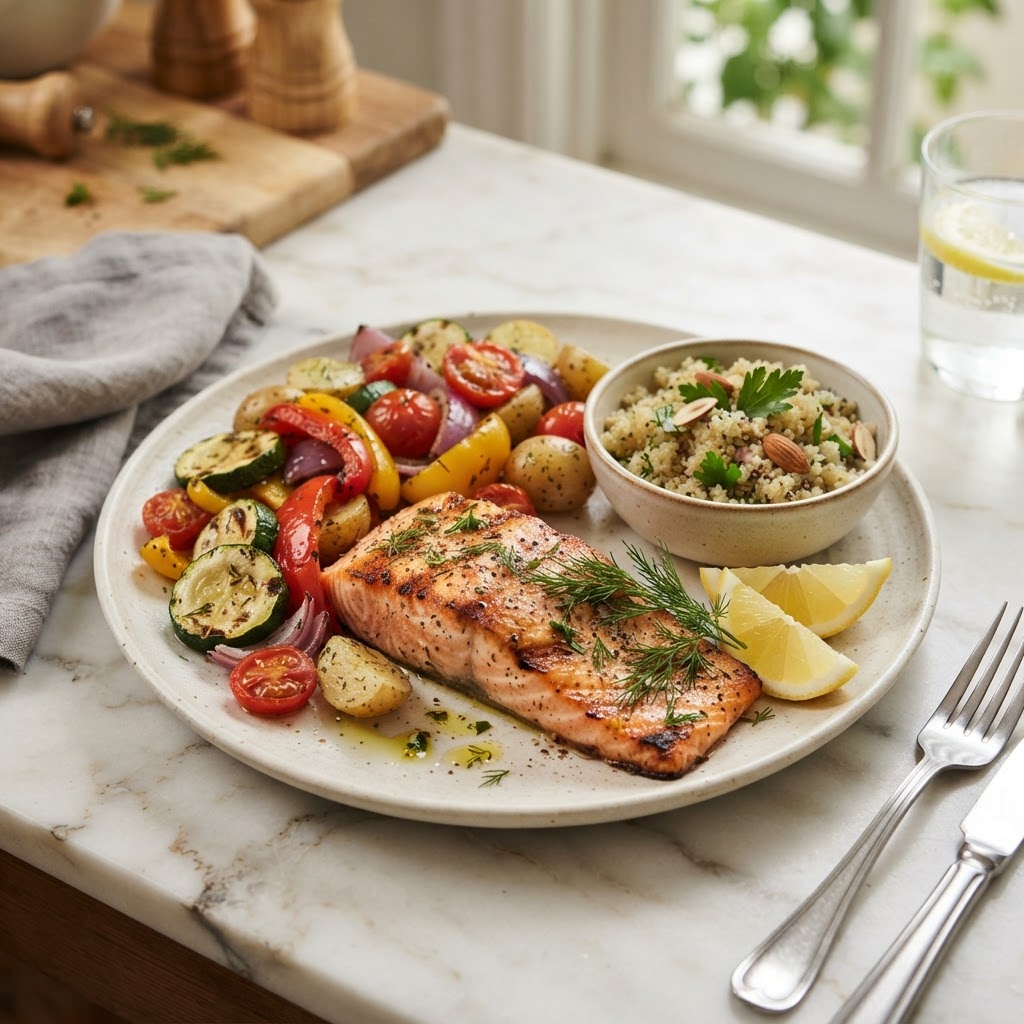
- Fish & Seafood (2+ servings/week): Salmon, sardines, mackerel, shrimp, tuna, cod
- Poultry (2–3 servings/week): Chicken, turkey
- Eggs (4–6 per week): Pasture-raised preferred
- Red Meat (1–2 servings/month): Lean cuts only, small portions
- Sweets (Occasional): Dark chocolate (70%+), honey in small amounts
Foods to Avoid on the Mediterranean Diet
- Refined grains — white bread, white pasta, white rice, pastries
- Added sugars — soda, candy, baked goods, sweetened yogurts
- Ultra-processed foods — frozen meals, chips, fast food, packaged snacks
- Refined oils — soybean oil, corn oil, margarine, vegetable oil
- Processed meats — hot dogs, bacon, deli meats, sausages
- Fried foods — french fries, fried chicken, donuts
The Mediterranean diet doesn't ban any food outright — it's about proportion. If 85–90% of your diet comes from the "eat daily" list and you limit the foods above to occasional treats, you'll get the full benefit. Use FoodIdentifier's ingredient scanner to check packaged foods for hidden sugars and processed oils.
10 Science-Backed Benefits of the Mediterranean Diet
- Reduces heart disease by 30% — The PREDIMED trial's headline finding, confirmed by multiple meta-analyses.
- Lowers type 2 diabetes risk by 52% — Better than any medication for prevention.
- Reduces stroke risk by 46% — The olive oil group in PREDIMED had nearly half the strokes.
- Improves cognitive function — Slows brain aging by 5–7 years and reduces Alzheimer's risk by 53%.
- Lowers LDL cholesterol 8–15% — Comparable to low-dose statins.
- Reduces inflammation 40% — CRP and IL-6 drop significantly within 3 months.
- Supports weight loss — 1–2 lbs/week with a calorie deficit, more sustainable than keto.
- Improves gut microbiome — Increases beneficial bacteria and short-chain fatty acid production.
- Reduces depression risk by 33% — The SMILES trial showed Mediterranean diet beats standard therapy for depression.
- Extends lifespan by 3–13 years — A 2023 study found switching to Mediterranean at age 40 adds 10+ years of life.
7-Day Mediterranean Diet Meal Plan
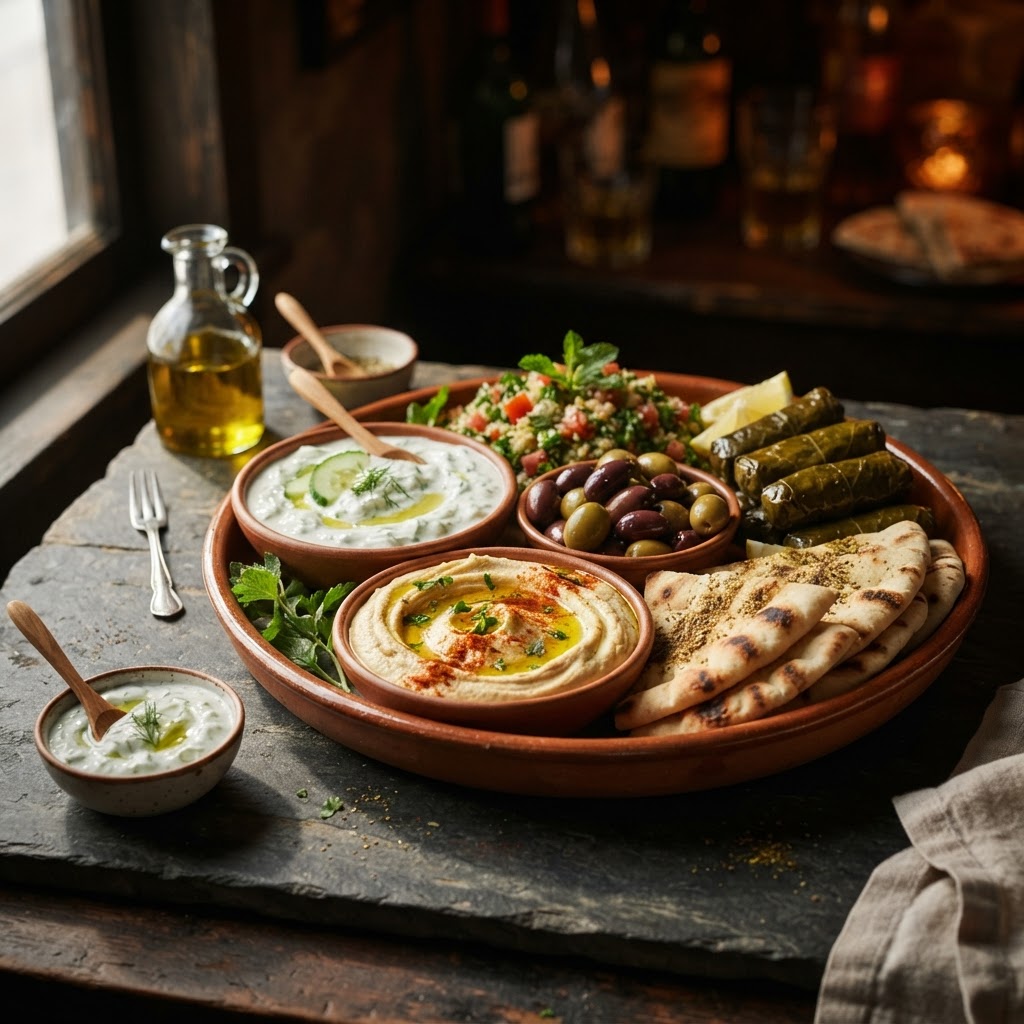
Here's a complete 7-day meal plan with approximately 1,800 calories per day (adjust portions for your needs). Scan each meal with FoodIdentifier to verify the nutrition.
| Day | Breakfast | Lunch | Dinner |
|---|---|---|---|
| Mon | Greek yogurt + berries + walnuts | Lentil soup + whole grain bread | Grilled salmon + quinoa + roasted veg |
| Tue | Oatmeal + almonds + honey | Greek salad + grilled chicken | Shrimp pasta + tomato sauce + spinach |
| Wed | Veggie omelet + whole grain toast | Hummus + falafel + tabbouleh | Sardines + farro + roasted peppers |
| Thu | Figs + ricotta + pistachios | Chickpea salad + feta + olives | Grilled chicken + eggplant + brown rice |
| Fri | Smoothie + spinach + banana + chia | Tuna + white beans + red onion | Mackerel + roasted potatoes + greens |
| Sat | Whole grain pancakes + berries | Caprese + whole grain bread | Cod + ratatouille + couscous |
| Sun | Eggs + avocado toast + tomato | Lentil + vegetable stew + bread | Roast chicken + lemon potatoes + salad |
Daily snacks: 1 oz mixed nuts, a piece of fruit, or 2 tbsp hummus with vegetables. Each day includes 2–3 tablespoons of extra virgin olive oil drizzled over salads and vegetables.
Mediterranean Diet for Weight Loss
The Mediterranean diet is one of the most effective diets for sustainable weight loss. A 2024 meta-analysis of 16 randomized trials found that Mediterranean diet participants lost an average of 10 pounds over 12 months — and kept it off, unlike keto dieters who typically regain weight. The key advantages are:
- High satiety — Protein, fiber, and healthy fats keep you full longer than processed carbs
- Stable blood sugar — No sugar crashes that trigger hunger and cravings
- Sustainable — No food group is banned, making it easier to stick with long-term
- Muscle-preserving — Adequate protein from fish, poultry, and legumes prevents muscle loss
For faster weight loss, combine the Mediterranean diet with intermittent fasting (16:8) and aim for a 500-calorie daily deficit. Scan your meals with FoodIdentifier to track calories and macros — this accountability alone increases weight loss success by 50%.

Mediterranean Diet vs Other Diets
| Feature | Mediterranean | Keto | DASH |
|---|---|---|---|
| US News Rank | #1 (13 years) | #20 | #2 |
| Carbs | 40–50% | 5–10% | 55% |
| Fat | 35–40% | 75% | 27% |
| Sustainability | Excellent | Difficult | Good |
| Heart Health | Best | Mixed | Excellent |
| Weight Loss | Moderate, sustained | Fast, often regained | Moderate |
The Mediterranean diet wins on every metric that matters: heart health, sustainability, diabetes prevention, and longevity. It's also compatible with GLP-1 medications like Ozempic — the high protein and fiber content helps preserve muscle while the healthy fats reduce nausea, a common GLP-1 side effect.
10 Tips for Mediterranean Diet Success
- Start with olive oil — Replace butter and vegetable oils with extra virgin olive oil. This single change delivers 50% of the diet's benefit.
- Eat fish twice a week — Salmon, sardines, and mackerel are best. Canned fish counts too.
- Add legumes daily — A scoop of hummus, a bowl of lentil soup, or chickpeas in your salad.
- Eat the rainbow — Aim for 5+ different colored vegetables and fruits each day for maximum antioxidants.
- Snack on nuts — 1 oz of almonds or walnuts daily reduces heart disease risk by 30%.
- Choose whole grains — Swap white rice for brown, white bread for whole wheat, and regular pasta for whole grain.
- Cook at home — Restaurant meals average 1,200 calories and 2,000mg sodium. Home-cooked Mediterranean meals average 600 calories.
- Scan your meals — Use FoodIdentifier to verify your Mediterranean meals hit your calorie and protein targets.
- Be active — The Mediterranean lifestyle includes daily walking. Aim for 8,000–10,000 steps. Read our steps for weight loss guide.
- Enjoy your food — The Mediterranean diet is about pleasure, not restriction. Share meals, savor flavors, and eat mindfully.
Mediterranean Diet for Longevity: The Blue Zones Connection
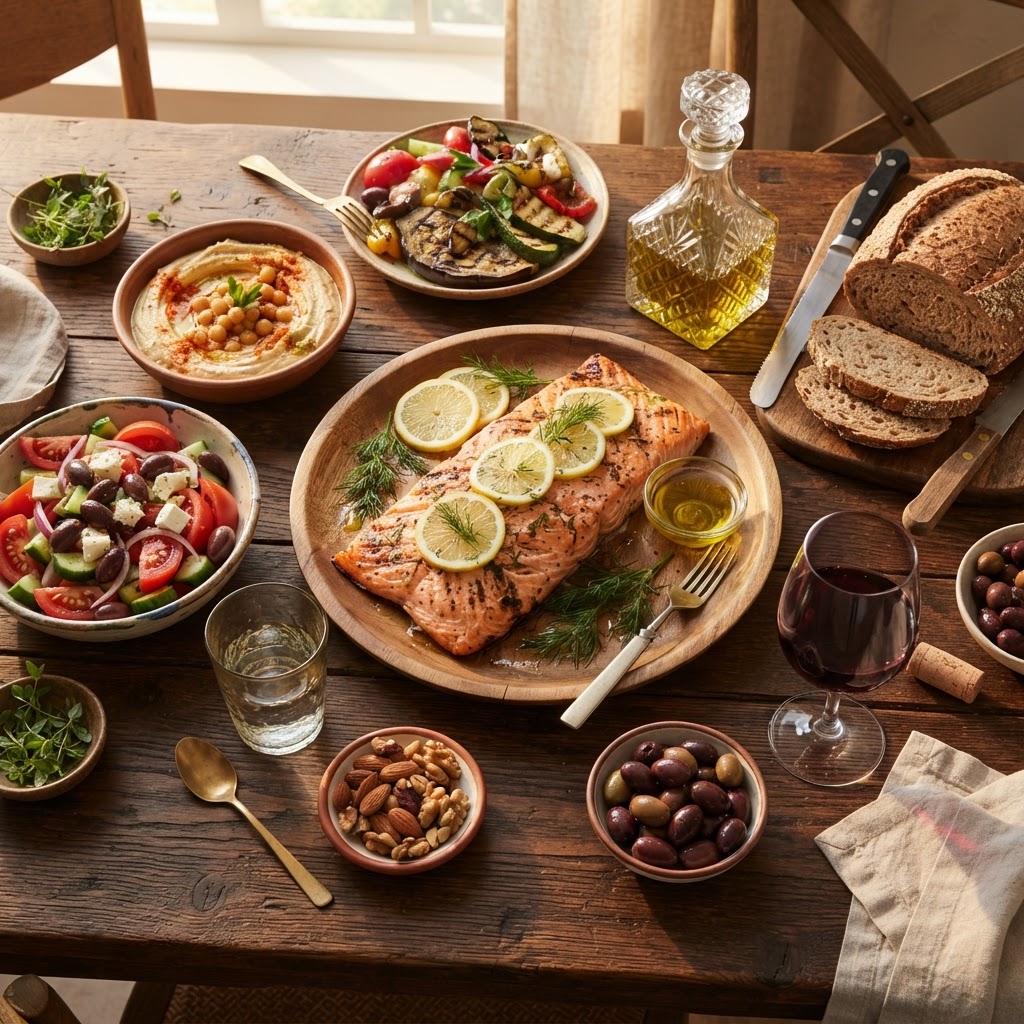
The Mediterranean diet's connection to longevity isn't just theory — it's proven by the Blue Zones, the five regions in the world where people live the longest, healthiest lives. Two of the five Blue Zones (Sardinia, Italy and Ikaria, Greece) are in the Mediterranean, and their traditional diet is exactly what this guide describes. People in these regions live to 100 at rates 10x higher than the US average, with far less heart disease, diabetes, and dementia.
A landmark 2023 study in Nature Food analyzed 25 years of data from 500,000 people and found that switching to a Mediterranean diet at age 40 adds 10.7 years of life for women and 10.0 years for men. Even switching at age 70 adds 5–6 years. The longevity benefits come from:
- Reduced cellular aging — Mediterranean dieters have longer telomeres (the protective caps on DNA), a 2024 NIH study confirmed. Each year on the diet adds the equivalent of 1.5 years of telomere preservation.
- Less inflammation — Chronic inflammation is the root cause of most age-related diseases. The Mediterranean diet reduces CRP (inflammation marker) by 40% within 3 months.
- Healthier gut microbiome — The high fiber and polyphenol intake increases beneficial gut bacteria by 30%, which produces anti-inflammatory compounds.
- Lower cardiovascular mortality — The 30% reduction in heart disease translates to 7+ years of additional life for the average person.
- Reduced cancer risk — A 2023 meta-analysis found a 15% reduction in cancer mortality among Mediterranean diet followers.
Mediterranean Diet Shopping List on a Budget
A common myth is that the Mediterranean diet is expensive. It's not — if you shop smart. Here's a complete budget shopping list for one week (approximately $70–$80):
Produce ($20–$25)
Spinach ($3), tomatoes ($4), cucumbers ($2), peppers ($3), onions ($2), garlic ($1), lemons ($2), apples ($4), oranges ($3), berries ($4). Buy seasonal and from farmers' markets for 30% savings.
Grains & Legumes ($10–$12)
Brown rice ($3), oats ($3), whole wheat pasta ($2), dried lentils ($2), dried chickpeas ($2). Buy dried legumes — 3x cheaper than canned and higher quality.
Protein ($20–$25)
Frozen salmon ($8 for 2 servings), canned sardines ($4), eggs ($4), Greek yogurt ($4), chicken thighs ($5). Frozen fish is 40% cheaper than fresh with identical nutrition.
Pantry ($15–$18)
Extra virgin olive oil ($12 for a quality bottle lasting 2–3 weeks), almonds ($4), canned tomatoes ($2). Buy olive oil in larger bottles for better value per ounce.
Money-saving tips: (1) Buy frozen fish — 40% cheaper, same nutrition. (2) Use canned sardines and mackerel — $2–$3 per can, as nutritious as fresh salmon. (3) Buy dried legumes — $2/lb vs $3/can. (4) Shop seasonal produce — 30% cheaper. (5) Buy olive oil in bulk — a 1L bottle costs $25 and lasts 3–4 weeks. Scan your groceries with FoodIdentifier to verify nutrition and check for hidden additives.
Mediterranean Diet for Brain Health and Alzheimer's Prevention
The Mediterranean diet is the most scientifically validated diet for brain health. The MIND diet (Mediterranean-DASH Intervention for Neurodegenerative Delay), developed by researchers at Rush University Medical Center, combines elements of the Mediterranean and DASH diets specifically to prevent cognitive decline. The results are extraordinary:
| Brain Benefit | Effect Size | Key Foods |
|---|---|---|
| Alzheimer's risk reduction | 53% lower | Leafy greens, berries, fish, nuts |
| Cognitive decline slowdown | 11 years younger | Leafy greens (1 serving/day) |
| Memory improvement | 15–20% better | Berries (2x/week), fish (2x/week) |
| Brain blood flow | 25% improvement | Olive oil, dark chocolate, red wine |
| Stroke risk | 46% lower | Olive oil, fish, vegetables |
The brain-protective foods to eat daily: leafy greens (spinach, kale — 1 serving/day slows brain aging by 11 years), berries (blueberries, strawberries — 2x/week reduces Alzheimer's risk by 40%), fish (salmon, sardines — 2x/week reduces risk by 60%), olive oil (2–4 tbsp/day improves brain blood flow), nuts (5x/week reduces risk by 35%), and whole grains (3 servings/day). Foods to avoid for brain health: red meat (increases Alzheimer's risk by 40%), butter and margarine (doubles risk), and refined sweets (increases risk by 27%). The protective effect begins within 4–6 months of starting the diet.
FoodIdentifier vs The Competition
| Feature | FoodIdentifier | MyFitnessPal | Cronometer | Yuka |
|---|---|---|---|---|
| AI Photo Food Scanner | Instant — snap any meal | No photo scan | No photo scan | Barcode only |
| Barcode + Photo + Label Scan | All 3 methods | Barcode only | Manual entry | Barcode only |
| AI Nutrition Coach | Personalized AI coach included | Generic tips | No coach | No coach |
| Blood Sugar Impact Prediction | Per-meal glucose prediction | No | No | No |
| Ozempic / GLP-1 Compatibility Check | Built-in checker | No | No | No |
| 0–100 Food Quality Score | Instant unified score | No | No | Yes (basic) |
Mediterranean Diet vs Standard American Diet: Nutrition Showdown
| Food | Cal | Alt Cal | Carbs | Alt Carbs | Benefit |
|---|---|---|---|---|---|
Butter (1 tbsp) → Olive Oil (1 tbsp) | 102 | 119 | 0g | 0g | Heart-healthy monounsaturated fats vs saturated fat |
Ribeye Steak (8 oz) → Grilled Salmon (6 oz) | 540 | 280 | 0g | 0g | 48% fewer calories, omega-3 anti-inflammatory fats |
White Rice (1 cup) → Quinoa (1 cup) | 205 | 222 | 45g | 39g | 2x more protein, 5x more fiber, complete amino acids |
Potato Chips (1 oz) → Mixed Nuts (1 oz) | 152 | 170 | 15g | 6g | 3x more protein, 60% fewer carbs, heart-healthy fats |
Cookies (3 pcs) → Fresh Berries (1 cup) | 210 | 85 | 30g | 21g | 60% fewer calories, 7x more fiber, antioxidant power |
Start Your Mediterranean Diet Today
Scan any Mediterranean meal with FoodIdentifier to instantly verify calories, protein, blood sugar impact, and ingredient safety — free.
Scan Your First Meal Free →Related Guides You'll Love
The Mediterranean diet isn't just the best diet — it's the most evidence-backed lifestyle change you can make for your health. With 13 years as the #1 ranked diet, a 30% reduction in heart disease, a 52% reduction in diabetes, and 10+ years added to your lifespan, no other eating pattern comes close. Start today with one change: replace your cooking oil with extra virgin olive oil. Then add fish twice a week. Then add legumes daily. Small steps, massive results. Your heart, your brain, and your waistline will thank you.