Nobody warned you about this part. The appetite suppression? Expected. The nausea? You'd heard. But the constipation — days of discomfort that nobody mentions in the commercials — that one blindsided you.
Here's what's happening: GLP-1 medications slow your entire digestive tract. That's the mechanism that keeps you full longer, and it's also the mechanism that slows everything downstream. Less food moving through + less water intake (you're less thirsty too) + smaller meals with less bulk = a system running at half speed.
The good news: food is genuinely the first-line fix here, and the right foods work with your slowed digestion instead of against it. Below are the 12 foods worth building your days around, the 6 that make things worse, and the fiber-plus-water formula that ties it together.
Eating less but want to know your fiber?
The short answer: what foods help Ozempic constipation?
Direct answer
Why GLP-1 slows everything down
GLP-1 medications mimic a gut hormone that tells your brain you're full — and tells your stomach to empty slowly. Three compounding factors make constipation worse:
- You eat less bulk — smaller meals mean less material to push things along.
- You drink less — reduced appetite often means reduced thirst signals, and fiber without water can worsen constipation.
- You avoid trigger foods — many people drop fruits and vegetables because raw produce feels heavy on a sensitive stomach, accidentally removing their main fiber sources.
12 foods that help (fiber + why each works)
Fiber values are widely-published rounded figures per typical serving — check current labels for exact numbers.
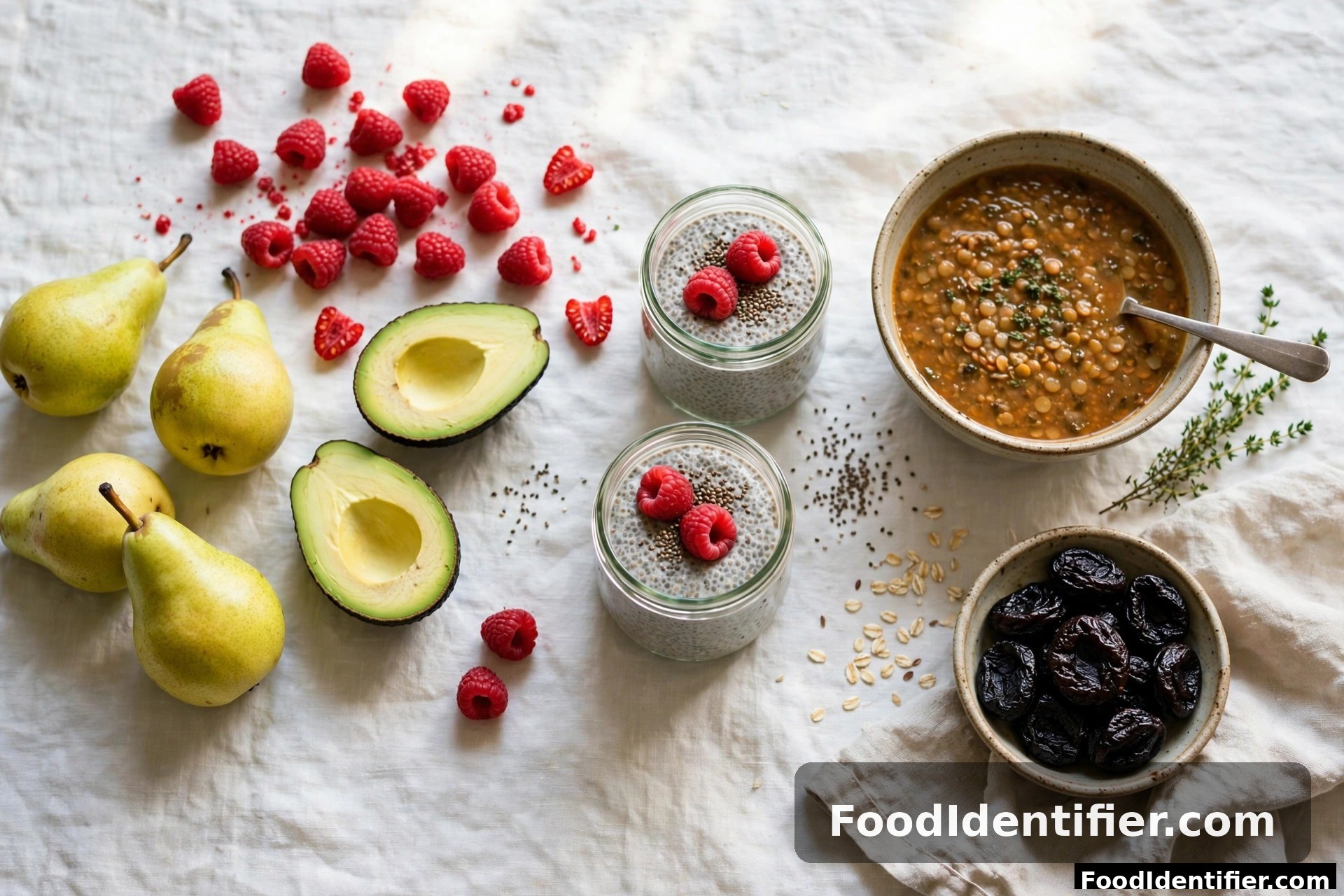
- Raspberries — 8g fiber per cup. Highest-fiber fruit; the seeds do the work. Frozen works identically and costs less.
- Prunes — 3g fiber per 5 prunes (plus sorbitol). Sorbitol draws water into the colon — fiber plus a gentle osmotic nudge.
- Chia seeds — 10g fiber per ounce. Stir into yogurt/oatmeal/drinks; introduce gradually with plenty of water.
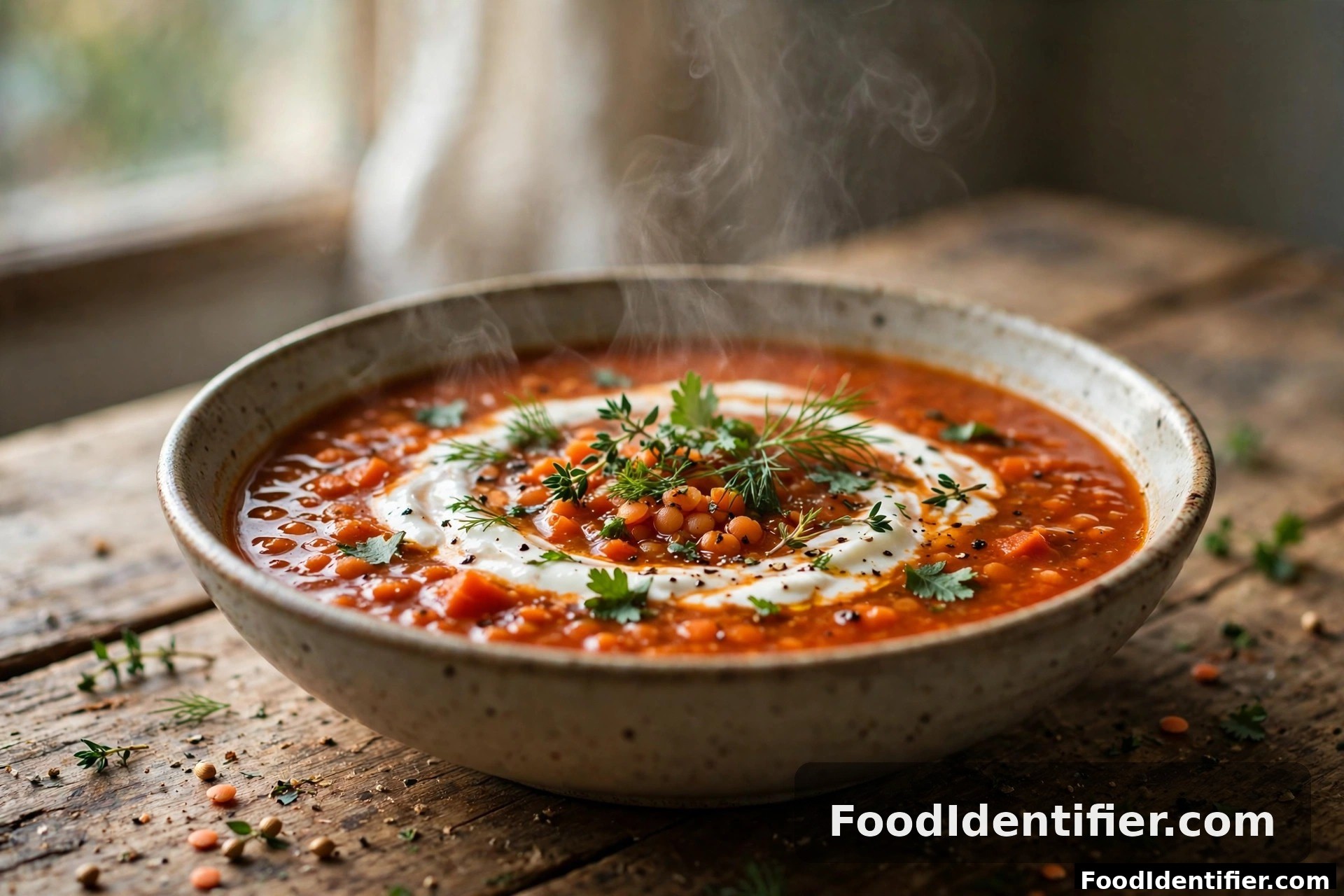
- Lentils — 8g fiber per half cup cooked. Red lentils cook soft and soupy; a small bowl of red lentil soup is the single best constipation-fighting meal here.
- Pears — 6g fiber per medium pear. Fiber + water + sorbitol; soft ripe pears are easy on nausea-prone stomachs.
- Kiwi — 2g fiber per kiwi (plus actinidin, an enzyme studied for its pro-motility effect). Two kiwis a day is the amount most often referenced.
- Oatmeal — 4g fiber per cup cooked. Soluble fiber forming a soft gel; a natural vehicle for chia, berries, or prunes.
- Avocado — 7g fiber per half avocado. Fiber plus healthy fats plus potassium.
- Sweet potatoes — 4g fiber per medium potato. Baked until very soft.
- Flaxseed (ground) — 3g fiber per tablespoon. Grind it; add to yogurt, oatmeal, or smoothies.
- Broth-based vegetable soups — 3–5g fiber per bowl. Fluid plus fiber plus warmth; lentil, split pea, or minestrone.
- Applesauce (unsweetened) — 2g fiber per half cup. Pectin; the "something is better than nothing" fiber.
6 foods that make it worse
- Cheese and heavy dairy — low fiber, high fat, slows transit further.
- Fried and greasy foods — worsen nausea AND slow digestion.
- White bread, pastries, refined crackers — fiber stripped out.
- Red meat in large portions — dense, zero fiber.
- Unripe bananas — high in resistant starch that can worsen constipation in sensitive people.
- Highly processed snacks — displace the foods that would actually help.
The fiber + water formula
- 25–35g of fiber per day, spread across small meals (not one giant fiber bomb).
- Water between meals, not with them. Aim for pale-yellow urine as your gauge.
- Increase gradually — add one high-fiber food every 2–3 days.
- Move gently — a 10-minute walk after meals stimulates motility.
- How to know your number: photograph your meals — the free scanner reports fiber grams per meal.
What NOT to do
- Don't start fiber supplements or laxatives without your doctor.
- Don't chug a gallon of water at once — steady sipping beats flooding.
- Don't ignore severe symptoms: constipation lasting more than a few days, severe abdominal pain, vomiting, or inability to pass gas warrants a prompt call to your doctor — this is general information, not a diagnosis.
A sample high-fiber small-meal day
| Meal | Food | Approx. Fiber |
|---|---|---|
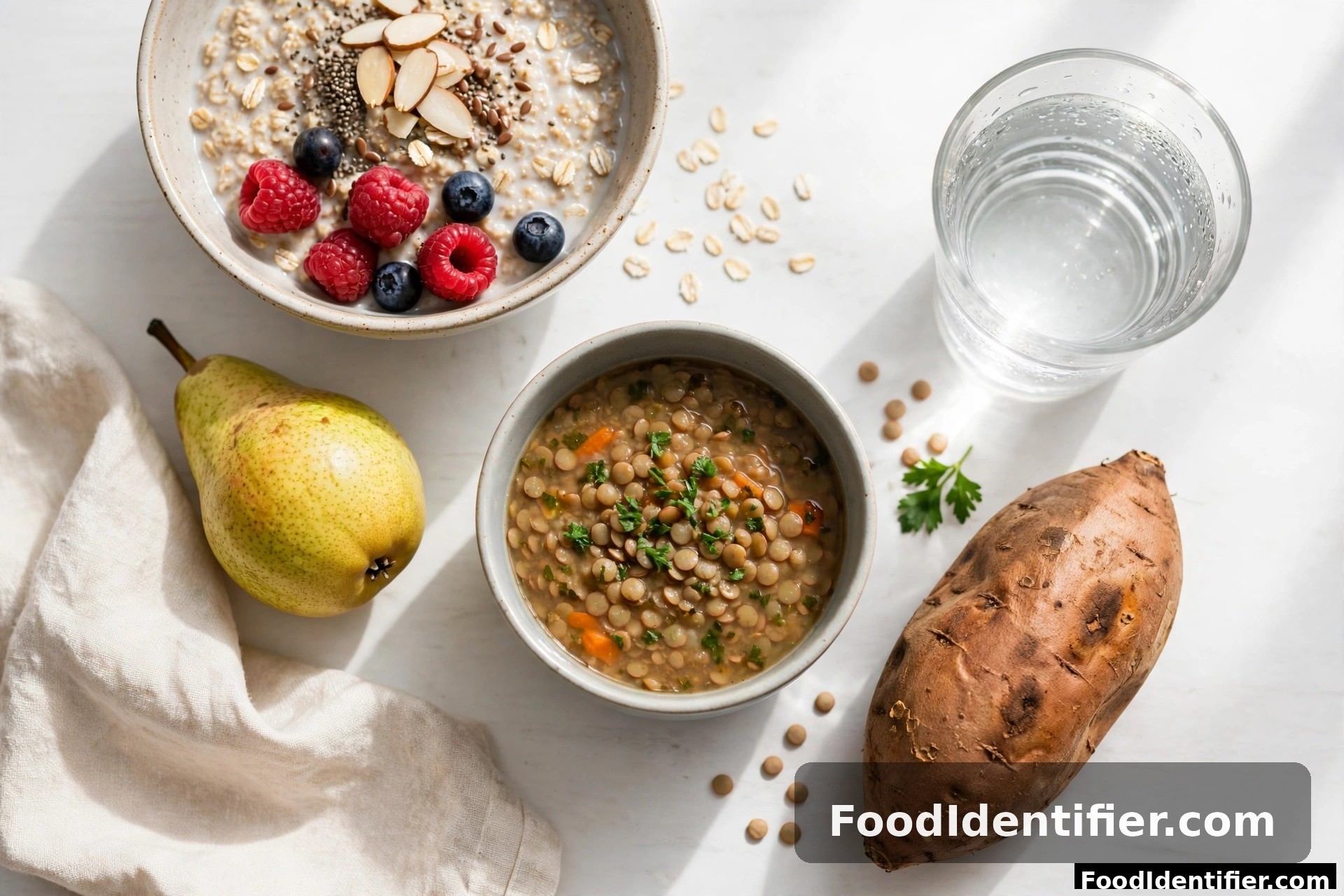
| Breakfast | Oatmeal with raspberries and a teaspoon of chia | ~10g |
| Snack | A pear | ~6g |
| Lunch | Red lentil soup, small bowl | ~8g |
| Snack | Applesauce cup | ~2g |
| Dinner | Baked sweet potato with a little avocado | ~7g |
| Fluids | Water, herbal tea, broth — between meals | — |
| Day total | ~33g |
Wondering where your fiber stands today?
The bottom line
Constipation on GLP-1 medication is common and, for most people, manageable with food. Build up to 25–35g of fiber daily across small meals, sip water between meals, walk gently after eating, and keep the cheese and fried stuff to a minimum. Scan your meals to watch the fiber add up — and if symptoms are severe or persistent, call your doctor.
This is not medical advice
Get the free printable cheat sheet
Join thousands of readers getting weekly, evidence-based nutrition insights. No spam, unsubscribe anytime.
Small meals, smart fiber, steady water
Scan your next meal free at foodidentifier.com and check the fiber first. No app, no account, no card.