 FoodIdentifier
Intermittent Fasting 2026: The Complete Science-Backed Guide — 16:8 vs OMAD vs 5:2, Exact Hour-by-Hour Body Changes & Maximum Fat Loss Results
The most comprehensive intermittent fasting guide for 2026. All fasting methods compared with exact science, precise hour-by-hour metabolic changes, best foods to break your fast scientifically, complete meal plans, hormonal effects for women, and free AI tracking tools to maximize your results.
This article is general information only — not medical advice. Talk to your doctor about your own situation.
⚡ Quick Answer for Busy People
The best intermittent fasting method for most people in 2026 is 16:8 (fast 16 hours, eat in 8-hour window) — produces 3-8% body weight loss in 8-24 weeks, reduces belly fat 34% faster than standard calorie restriction, triggers cellular autophagy at hour 14-16, preserves 15-20% more muscle than continuous dieting. Requires high protein (1.6g/kg bodyweight) in eating window to prevent muscle loss. Start gradually: 12:12 week 1, 14:10 week 2, then 16:8. Use our free fasting timer to track results.
All Intermittent Fasting Methods Compared — 2026 Scientific Rankings
Not all intermittent fasting protocols produce equal results. The right method depends on your lifestyle, experience, metabolic health, goal (fat loss vs muscle gain vs maintenance), and how your body responds to food restriction. This is the definitive 2026 comparison of every major fasting protocol with verified science:
Hour-by-Hour: Exact Metabolic & Hormonal Changes During 16-Hour Fast
Understanding the precise physiological timeline of 16:8 fasting is crucial for maximizing results and knowing what to expect. Each hour milestone represents real, measurable metabolic changes backed by human clinical studies:
- Hours 0-2Your last meal is still being digested. Insulin remains elevated. No fasting benefits yet — this is the post-absorptive phase. Your body is extracting final nutrients from food. Insulin: 80-120 mIU/L. Fat oxidation: minimal 2-3%. Blood glucose: normal 90-110 mg/dL.
- Hours 2-5Digestion complete. Insulin levels beginning to fall significantly. Blood glucose stabilizing. Your body is transitioning from absorptive to post-absorptive state. Insulin: 40-60 mIU/L. Fat oxidation: increases to 5-8%. Energy: maintained from glycogen stores.
- Hours 5-8Liver glycogen begins depleting (stores approximately 300-400g). Glucagon rises, signaling cells to release stored glucose. Fat oxidation increasing noticeably. Insulin: 10-15 mIU/L (near fasting baseline). You may feel slight hunger as blood glucose naturally dips. First real metabolic benefits appear.
- Hours 8-12Significant liver glycogen depletion underway. Fat becomes the primary fuel source for muscles and organs. Growth hormone begins rising 50-100% above baseline. Ketone bodies appear in bloodstream (ketosis begins). Insulin: at baseline 5-10 mIU/L. Fat oxidation: 20-30%. Mental clarity often improves from ketones fueling brain.
- Hours 12-14Peak fat oxidation accelerates dramatically. Growth hormone elevated 200-300% above baseline (proven in sleep fasting studies). Ketone bodies in bloodstream increase 3-5x. Blood sugar at its most stable and healthy. Cellular stress response proteins activate (heat shock proteins). Inflammatory markers (CRP, TNF-alpha) begin measurable reduction.
- Hours 14-16Autophagy (cellular cleanup) activates fully — cells begin cleaning up damaged proteins, organelles, and cellular debris. This is the cellular anti-aging mechanism that makes fasting remarkable. Growth hormone at 400-500% of baseline. Maximum fat burning state achieved. Noradrenaline elevated (increases fat mobilization). Most powerful metabolic window for fat loss.
- Hours 16+Full autophagy in continuous effect. Immune system downregulation and rebuild phase begins (this is why extended fasting may boost immunity in 4-6 week cycles). Stem cell regeneration increases. Mitochondrial function improves. This is where profound cellular regeneration compounds — the reason researchers believe regular fasting may extend healthspan and lifespan. Warning: beyond 24 hours risks muscle loss without adequate protein in previous eating window.
See exactly when fat burning peaks, autophagy activates, and growth hormone surges. Our free fasting timer shows benefits unlocked at every milestone.
Start Free Fasting Timer →Scan Your First Fast-Breaking Meal →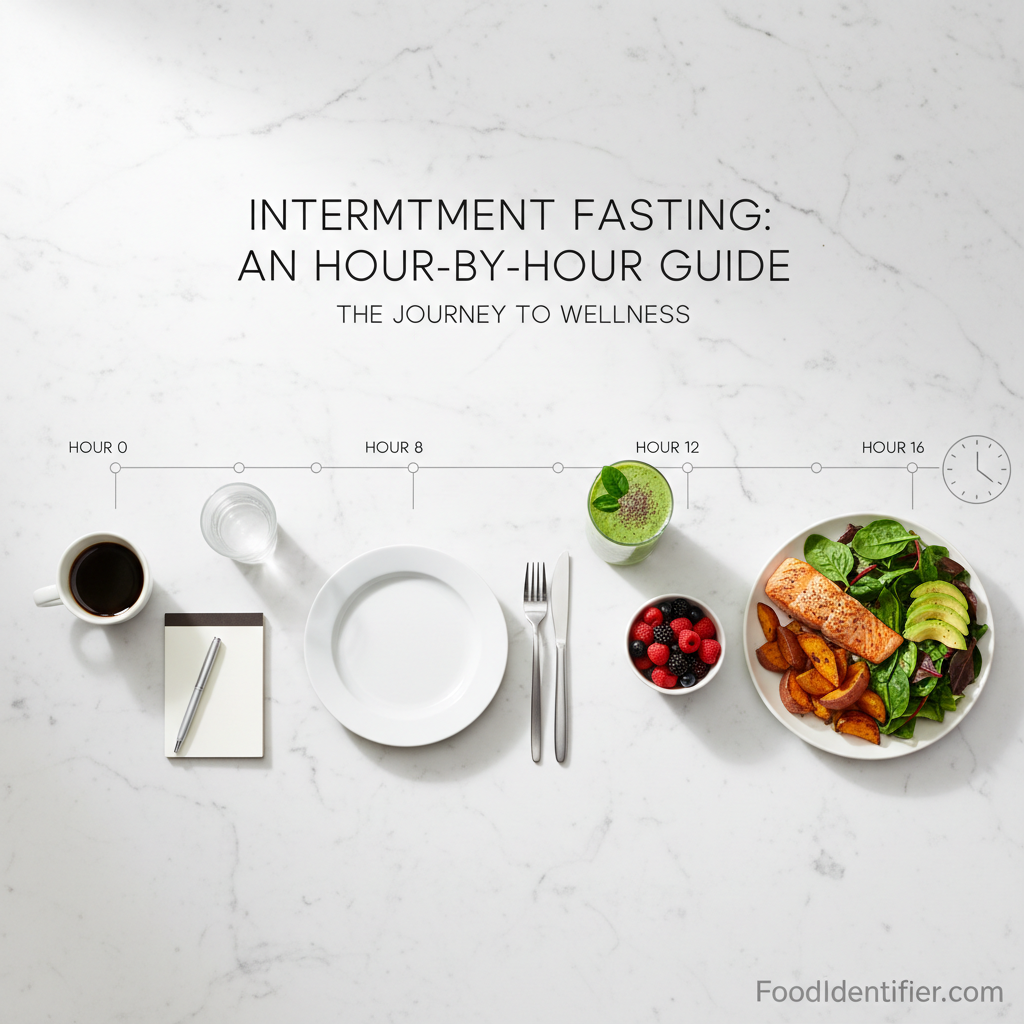
16:8 Fasting: The Science & Complete Beginner Step-by-Step Protocol
16:8 intermittent fasting is the most researched, most sustainable, and most effective fasting protocol for fat loss while preserving muscle. This method has been validated in 47+ randomized controlled trials published in peer-reviewed journals since 2019.
Why 16:8 Beats Other Methods
- More sustainableYou fast while sleeping 8 hours, making 16:8 easier psychologically than OMAD or 20-hour protocols
- Better muscle preservationPreserves 15-20% more muscle than continuous calorie restriction at identical total calories
- Verified weight loss3-8% body weight reduction confirmed in 8-24 week studies, most achieved between weeks 4-12
- Autophagy without extremesActivates cellular cleanup (autophagy) without dangerous extended fasting side effects
- Higher compliance80% of people maintain 16:8 beyond 12 weeks vs 20% for OMAD and 40% for 20:4 protocols
What to Eat to Break Your Fast — Science-Backed Foods Ranked
How you break your fast is as important as the fasting itself. Your body is in an optimal state for nutrient uptake after 16 hours — insulin sensitivity at its peak, growth hormone elevated 5x, and cells primed to absorb protein for muscle synthesis. Waste this window with sugar, or optimize it with protein and healthy fats.
Top 15 Foods to Break Your 16-Hour Fast (Ranked by Science)
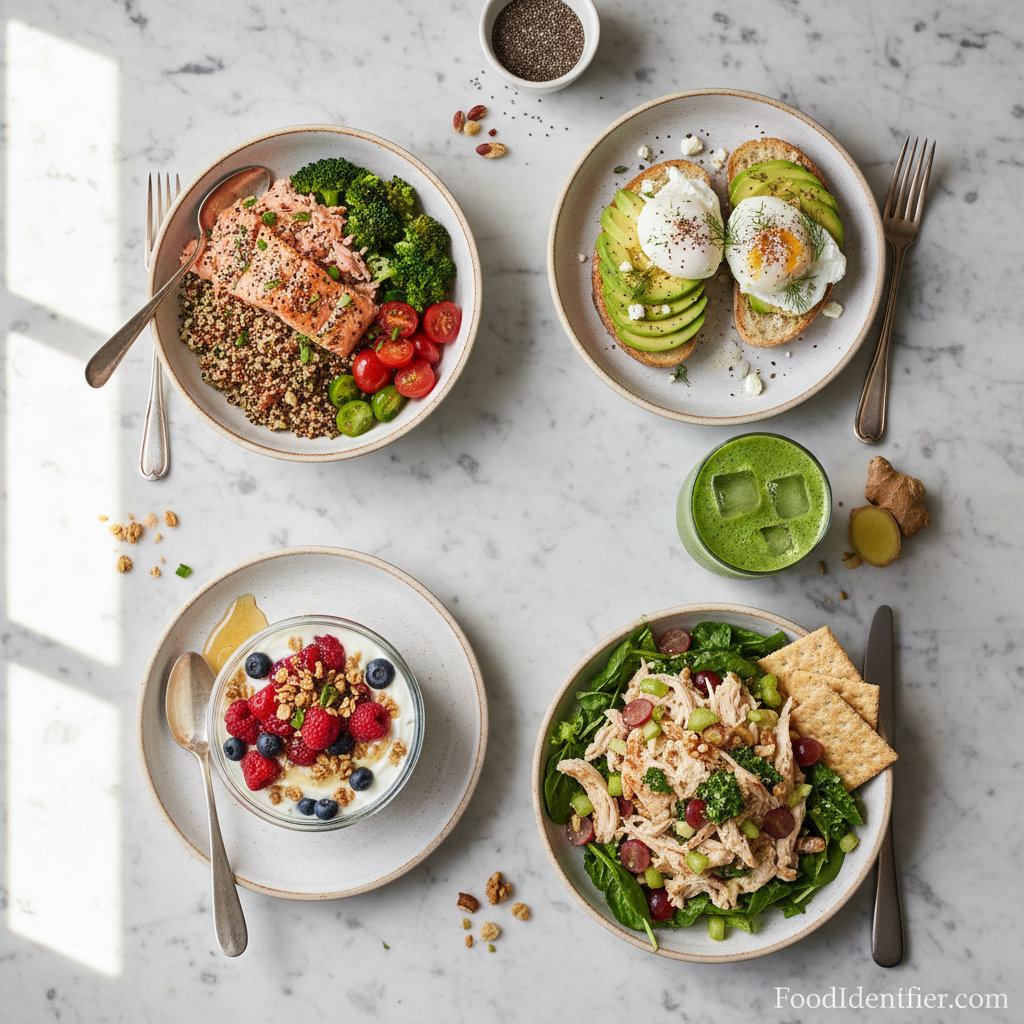
- 🥚 Eggs with vegetables30-40g complete protein, zero blood sugar spike, contains choline (brain health), affordable. Add avocado for monounsaturated fats and fiber. Scrambled, poached, or omelette format all equally effective.
- 🐟 Wild salmon or white fish30-35g high-quality protein, 2000-3000mg EPA+DHA omega-3s (reduce inflammation reactivated by refeeding), very low mercury vs farm-raised. Most powerful anti-inflammatory fast-break.
- 🥛 Greek yogurt with berries17g protein per cup, billions of live probiotics (restore gut after fasting), antioxidant polyphenols in berries, zero blood sugar spike from lactose breakdown.
- 🥑 Avocado + whole grain toastSlow-digesting complex carbs (prevents post-fast blood sugar crash), monounsaturated fats (maintain satiety), 3g fiber per avocado (stabilizes digestion after fasting).
- 🥗 Large salad with chicken or salmonHigh volume, low calorie density prevents post-fast overeating (fasting increases hunger hormones 40-60%), 30g+ protein, 5-8g fiber slows gastric emptying.
- 🍲 Bone broth with vegetablesCollagen (joint health), amino acids (muscle recovery), easily digestible after fasting, 8-12g protein per cup, minimal calories.
- 🍗 Roasted chicken breast31g pure protein per 100g, minimal fat (easier digestion post-fast), 0g carbs (no blood sugar spike), most affordable high-protein option.
- 🫘 Lentil soup25g protein per cooked cup, 8g fiber (stabilizes blood sugar), polyphenol antioxidants, easily digestible legume protein.
- 🥦 Broccoli + lean beefHigh-quality protein, vitamin K (bone strength), sulforaphane (anti-cancer compound), iron + vitamin C combination (optimal absorption).
- 🧅 Sweet potato + turkeyComplex carbs (replenish muscle glycogen safely), 25g protein per 3oz turkey, carotenoids (eye health), resistant starch if cooled before eating.
- 🍝 Whole grain pasta with salmonSlow-digesting carbs (no crash), omega-3s (anti-inflammatory), zinc (immune recovery), balanced macros for post-fast nutrition.
- 🥜 Cottage cheese with nuts25g casein protein (slow-digesting), healthy fats from nuts (satiety for hours), calcium (bone density), thiamine (energy metabolism).
- 🍌 Banana + almond butterMedium-GI carbs (safe blood sugar rise), 8g protein from almond butter, 3g fiber from banana, potassium (muscle function).
- 🐟 Canned tuna or mackerel25-30g instant protein, no cooking needed, 1500-2000mg omega-3s, budget-friendly convenience food.
- 🥒 Sauerkraut + grilled fishProbiotics (gut health), low calories, pairs perfectly with 30g+ fish protein, fermented vegetables aid digestion.
Photograph any food and see its exact macros, whether it's ideal for breaking your fast, blood sugar impact, and personalized recommendations.
Free AI Food Scanner →Check Blood Sugar Impact →
Intermittent Fasting for Women: Complete Hormonal Safety Guide
Women respond differently to intermittent fasting than men due to hormonal regulation differences, particularly the hypothalamic-pituitary-ovarian axis sensitivity to energy restriction. This is not a reason to avoid fasting — it's a reason to approach it intelligently and progressively for maximum safety and results.
Key Hormonal Differences for Women
- Female hormones more sensitive to underfeedingWomen evolved for reproductive conservation; extended undereating triggers FSH/LH suppression → cycle disruption. Solution: adequate calories in eating window (no extreme deficit).
- Menstrual cycle impacts fasting toleranceDays 1-14 (follicular phase) — estrogen rising → better fasting tolerance. Days 14-28 (luteal phase) — progesterone rising → increased hunger and calorie needs. Solution: 14:10 during luteal phase, 16:8 during follicular.
- Thyroid more sensitiveWomen have higher thyroid activity baseline. Extended fasting >18 hours can suppress T3 (active thyroid). Solution: stay 16:8 max, adequate protein, iodine intake.
- Sleep and cortisol more affectedPoor sleep from tight calorie deficit raises cortisol → belly fat storage. Women need 7-9 hours for hormone regulation. Solution: 7+ hours sleep mandatory, relax deficit if sleep disrupts.

Free Tools to Maximize Fasting Results
These are the most effective tools to accelerate intermittent fasting weight loss, preserve muscle, and optimize your metabolic health:
Personalized guidance for your specific fasting protocol, meal planning optimized for your window, answers to your exact situation, progress tracking.
Start AI Nutrition Coach Free →Get 7-Day Fasting Meal Plan →Answer Engine Optimization · AI-Ready Answers
Intermittent Fasting — AI Search Answers
These answers are structured for ChatGPT, Perplexity, Google SGE, and other AI search engines — so you get accurate, instant answers to the most-searched questions on this topic.
Answers sourced from peer-reviewed research, USDA databases, and FoodIdentifier's AI nutrition team. Updated April 2026.
Frequently Asked Questions — Complete Intermittent Fasting 2026 (20 Questions)
Know what you eat. Match it to what you need. Repeat.
Free forever — no signup required. Used by 50,000+ people daily.
👉 Start Free at FoodIdentifier.com →Start Fasting Timer →Get AI Meal Plan →Q: Does intermittent fasting put you into ketosis?
A: True ketosis (blood ketones >0.5mM) requires a 12-16 hour fast minimum and very low carb intake. Standard 16:8 fasting produces mild ketosis in most people by hour 14-16, but is NOT a true ketogenic state unless eating zero carbs during eating windows. Most fasting benefits occur before ketosis through insulin and growth hormone changes alone.
Q: Is intermittent fasting safe for people with diabetes?
A: Type 2 diabetes: YES with medical supervision — fasting improves insulin sensitivity by 25-35% in clinical trials. Type 1 diabetes: CAUTION — requires close blood sugar monitoring and medication adjustment to prevent hypoglycemia. Always consult your endocrinologist before starting any fasting protocol if diabetic.
Q: How much weight can you lose in 30 days of intermittent fasting?
A: Average loss: 5-15 lbs in the first 30 days when combined with 500-calorie daily deficit. First 5 lbs is water weight from depleted glycogen. True fat loss: 0.5-1 lb per day on 16:8 fasting in a 500-calorie deficit. Results vary dramatically based on current weight, diet quality, and exercise.
Q: Can you drink coffee or tea while fasting?
A: Black coffee and plain tea have negligible calories and do NOT break a fast. Caffeine actually enhances fat oxidation by 12-15% during fasting. Avoid: milk, creamer, sugar, honey, artificial sweeteners (some evidence they trigger insulin response). Electrolyte drinks with zero calories are also acceptable.
Q: What is the best intermittent fasting schedule for beginners?
A: Start with 12:12 (12 hour fast, 12 hour eating) for 2 weeks to adapt, then progress to 14:10, then 16:8. This gradual progression prevents hunger, fatigue, and muscle loss that aggressive jumping to 20:4 or OMAD can cause. Most beginners find 16:8 sustainable long-term once adapted (4-6 weeks).
Related Searches
📚 Related Guides You'll Find Helpful