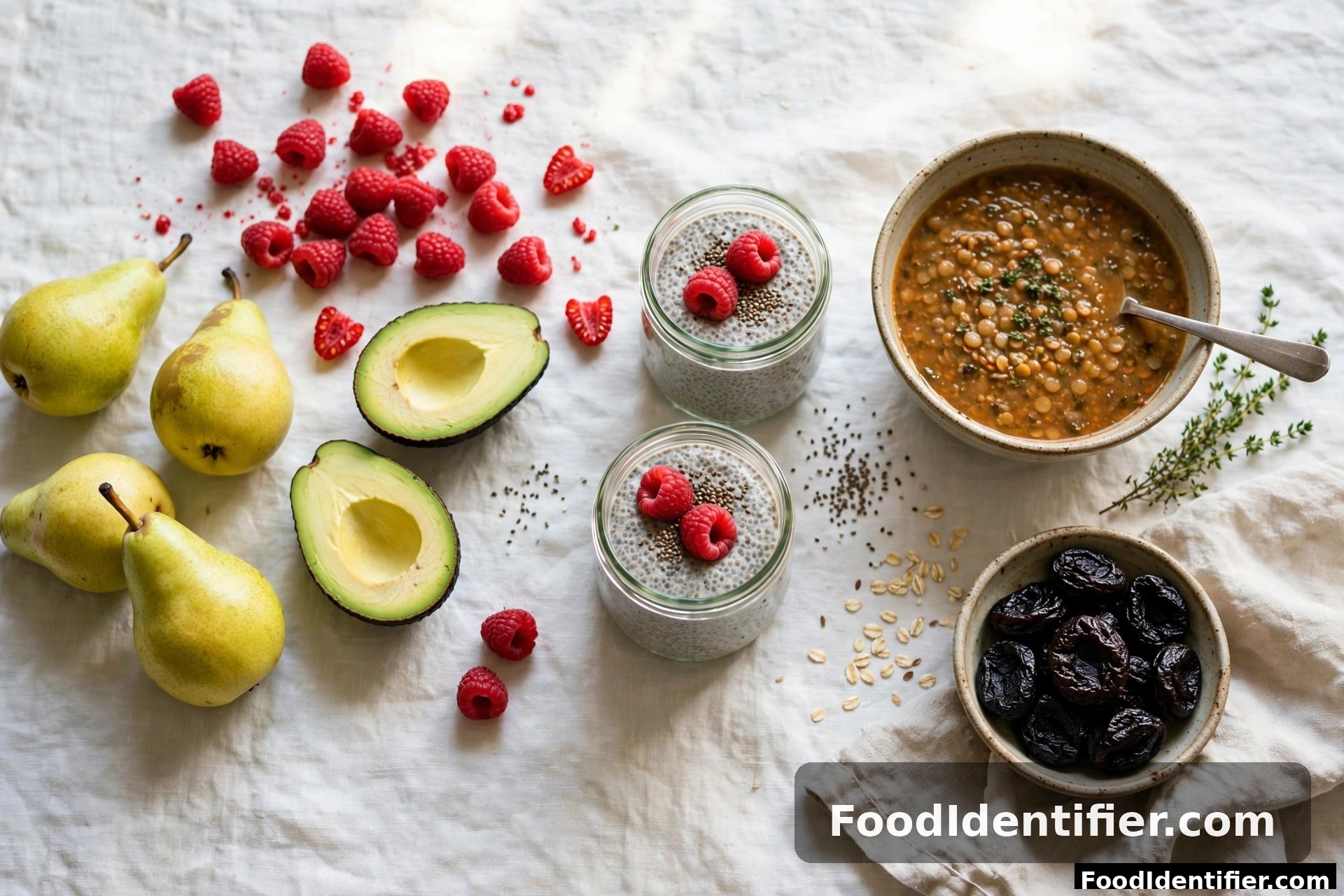
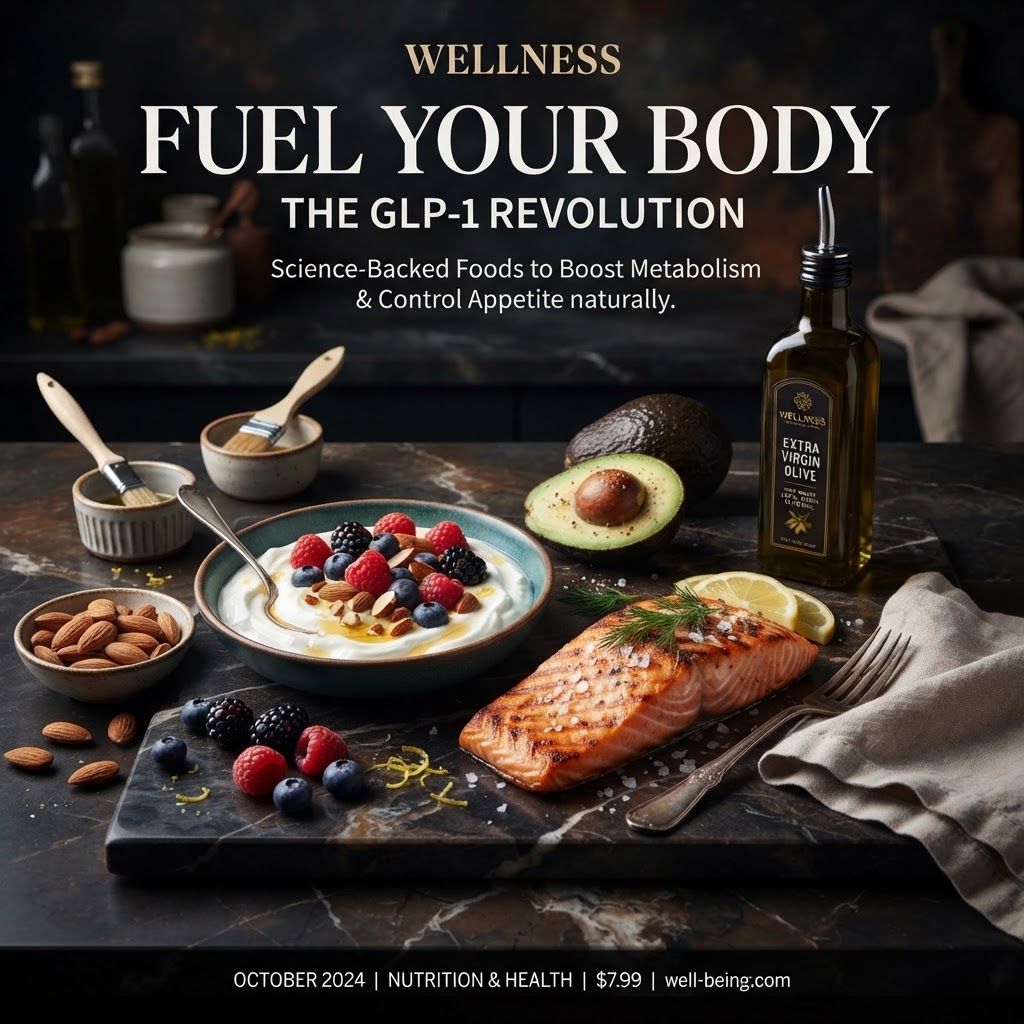
GLP-1 receptor agonists like Ozempic, Wegovy, Mounjaro, and Zepbound are the biggest medical trend of 2026 — 1 in 8 American adults is currently taking one. But what if you could harness the same hormone naturally, through food? That's the promise of "Nature's Ozempic" — specific foods that stimulate your gut to release GLP-1, the same hormone these drugs mimic. While food won't match the drug-level doses, it can meaningfully reduce appetite, stabilize blood sugar, and support weight loss without the $1,000/month price tag or the side effects.
This guide reveals the 20 most powerful GLP-1-boosting foods, the science of how they work, and a complete daily meal plan. Every recommendation is backed by peer-reviewed research from the NIH, the Journal of Nutrition, and the American Diabetes Association. Whether you're on a GLP-1 drug and want to maximize results, or you're looking for a natural alternative, this guide is your A-to-Z resource.
What Is GLP-1 and Why It Matters
GLP-1 (glucagon-like peptide-1) is a hormone produced by "L-cells" in your small intestine and colon. When you eat, these cells release GLP-1, which does four things:
- Suppresses appetite — Signals your brain that you're full
- Slows gastric emptying — Keeps food in your stomach longer, extending fullness
- Stimulates insulin — Helps your body process blood sugar efficiently
- Reduces glucagon — Lowers the hormone that raises blood sugar
GLP-1 drugs like Ozempic work by binding to GLP-1 receptors at 5–10x the strength of your natural GLP-1, and they last 24+ hours (natural GLP-1 lasts only 2 minutes before being broken down by the DPP-4 enzyme). The result: powerful appetite suppression and blood sugar control. But you can increase your natural GLP-1 production by 2–3x through strategic food choices — and that's what this guide is about.
How Foods Boost GLP-1
Foods boost GLP-1 through three primary mechanisms:
- Fiber fermentation — Gut bacteria ferment soluble fiber into short-chain fatty acids (SCFAs), which directly stimulate L-cells to release GLP-1. This is the most powerful mechanism.
- Protein sensing — Amino acids from protein trigger GLP-1 release through receptors in the gut. This is why high-protein meals are more satiating.
- Bitter taste receptors — Bitter compounds in certain foods activate T2R receptors in the gut, which stimulate GLP-1 release. This is why dark chocolate, leafy greens, and grapefruit boost GLP-1.
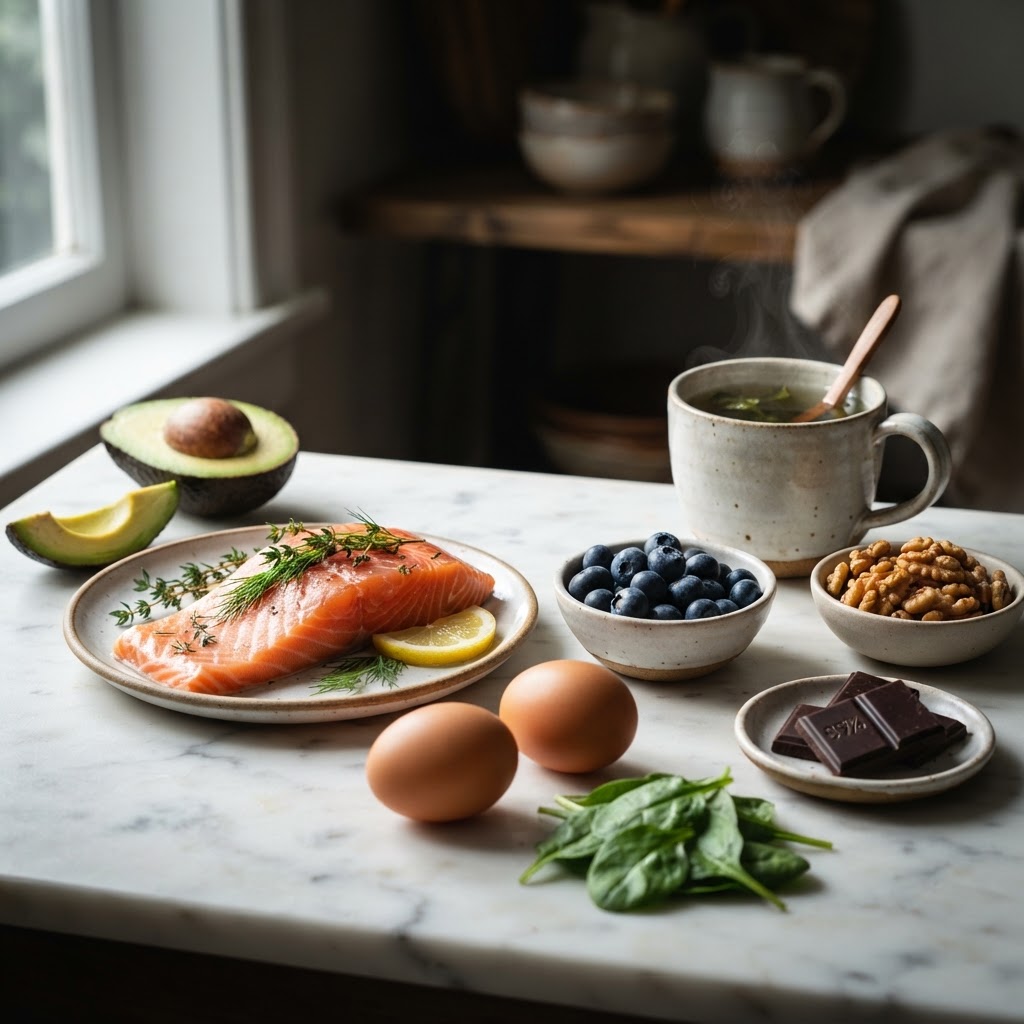
20 Foods That Naturally Boost GLP-1
| # | Food | GLP-1 Mechanism | Daily Target |
|---|---|---|---|
| 1 | Oats | Beta-glucan fiber → SCFAs | 1 cup cooked |
| 2 | Lentils | 15g fiber + protein | ½ cup cooked |
| 3 | Chia seeds | 10g fiber per oz | 2 tbsp |
| 4 | Eggs | Protein sensing | 2 per day |
| 5 | Greek yogurt | Protein + fermented | 1 cup |
| 6 | Avocados | 10g fiber + healthy fat | ½ avocado |
| 7 | Almonds | Fiber + protein + fat | 1 oz (23 nuts) |
| 8 | Flaxseeds | 3g fiber per tbsp | 2 tbsp ground |
| 9 | Kefir | Fermented + protein | 1 cup |
| 10 | Kimchi | Fermented + fiber | ½ cup |
| 11 | Salmon | Protein + omega-3 | 6 oz, 2x/week |
| 12 | Black beans | 15g fiber per cup | ½ cup |
| 13 | Raspberries | 8g fiber per cup | 1 cup |
| 14 | Olive oil | Healthy fat + polyphenols | 2–3 tbsp |
| 15 | Dark chocolate (85%) | Bitter receptors | 1 oz |
| 16 | Leafy greens | Bitter + fiber | 2 cups |
| 17 | Grapefruit | Bitter + fiber | ½ grapefruit |
| 18 | Sauerkraut | Fermented + fiber | ½ cup |
| 19 | Chickpeas | 12g fiber per cup | ½ cup |
| 20 | Apple cider vinegar | Slows gastric emptying | 1 tbsp before meals |
The Fiber Factor: Why 30g+ Daily Is Non-Negotiable
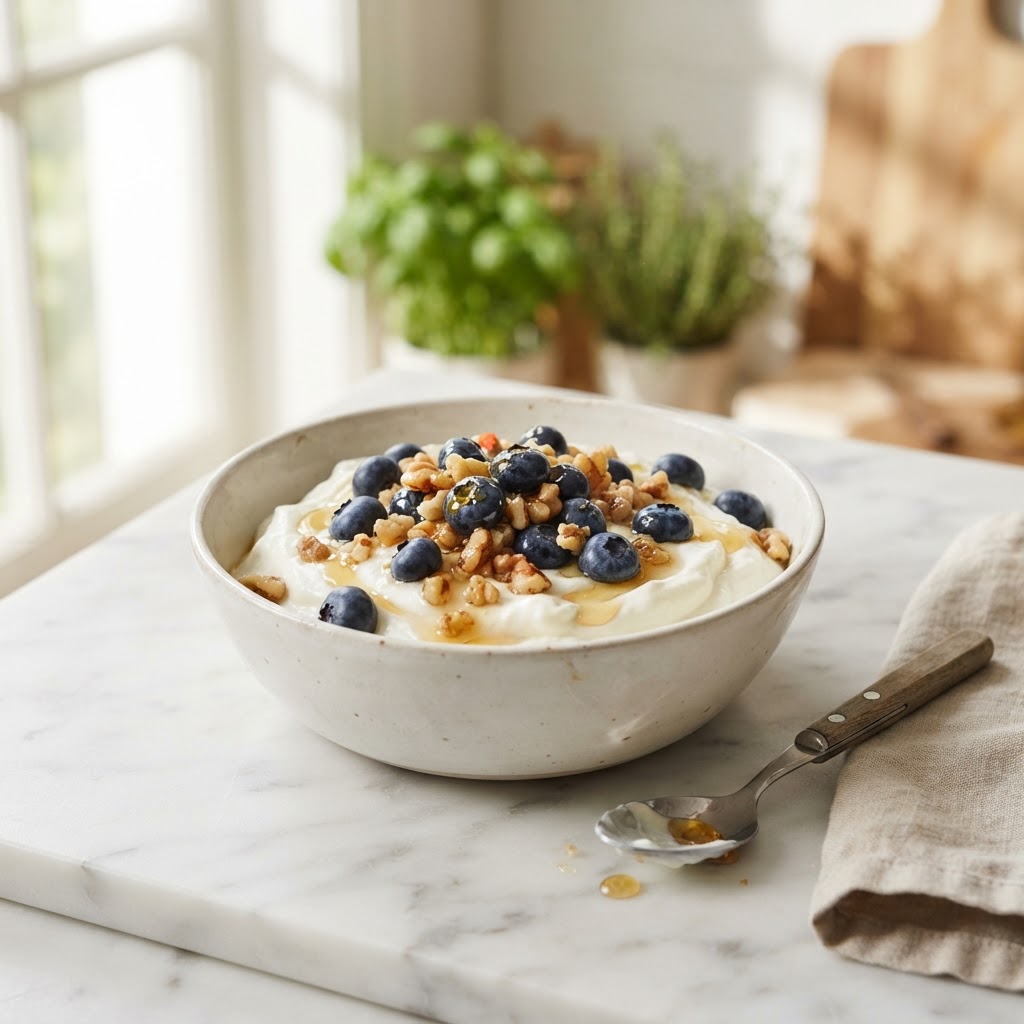
Fiber is the single most important nutrient for natural GLP-1 production. Here's why: your gut bacteria ferment soluble fiber into short-chain fatty acids (butyrate, acetate, propionate), and these SCFAs directly bind to receptors on L-cells, triggering GLP-1 release. The more fiber you eat, the more SCFAs your gut produces, the more GLP-1 you release.
The average American gets only 15g of fiber per day. The FDA recommends 25–30g, but for maximum GLP-1, you need 30–40g daily. Here's how to hit that target:
- Breakfast: Oatmeal with 2 tbsp chia seeds (12g fiber)
- Lunch: Lentil soup or chickpea salad (10g fiber)
- Snack: 1 cup raspberries + 1 oz almonds (11g fiber)
- Dinner: ½ avocado + 1 cup broccoli (8g fiber)
- Total: 41g fiber — well above the GLP-1-boosting threshold
Increase fiber gradually over 2 weeks to avoid bloating. Drink plenty of water — fiber needs water to work. Use FoodIdentifier to scan your meals and track your daily fiber intake.
The Protein Factor: 30g Per Meal
Protein is the second most powerful GLP-1 booster. Amino acids from protein trigger GLP-1 release through nutrient-sensing receptors in your gut. Studies show that meals with 30g+ of protein produce 50% more GLP-1 than low-protein meals. This is why high-protein diets are so effective for appetite control.
For GLP-1 users specifically, protein is critical — it preserves muscle while you lose weight. Read our complete High Protein Diet for GLP-1 Users guide for protein targets and food lists.
Fermented Foods & GLP-1: The Hidden Booster
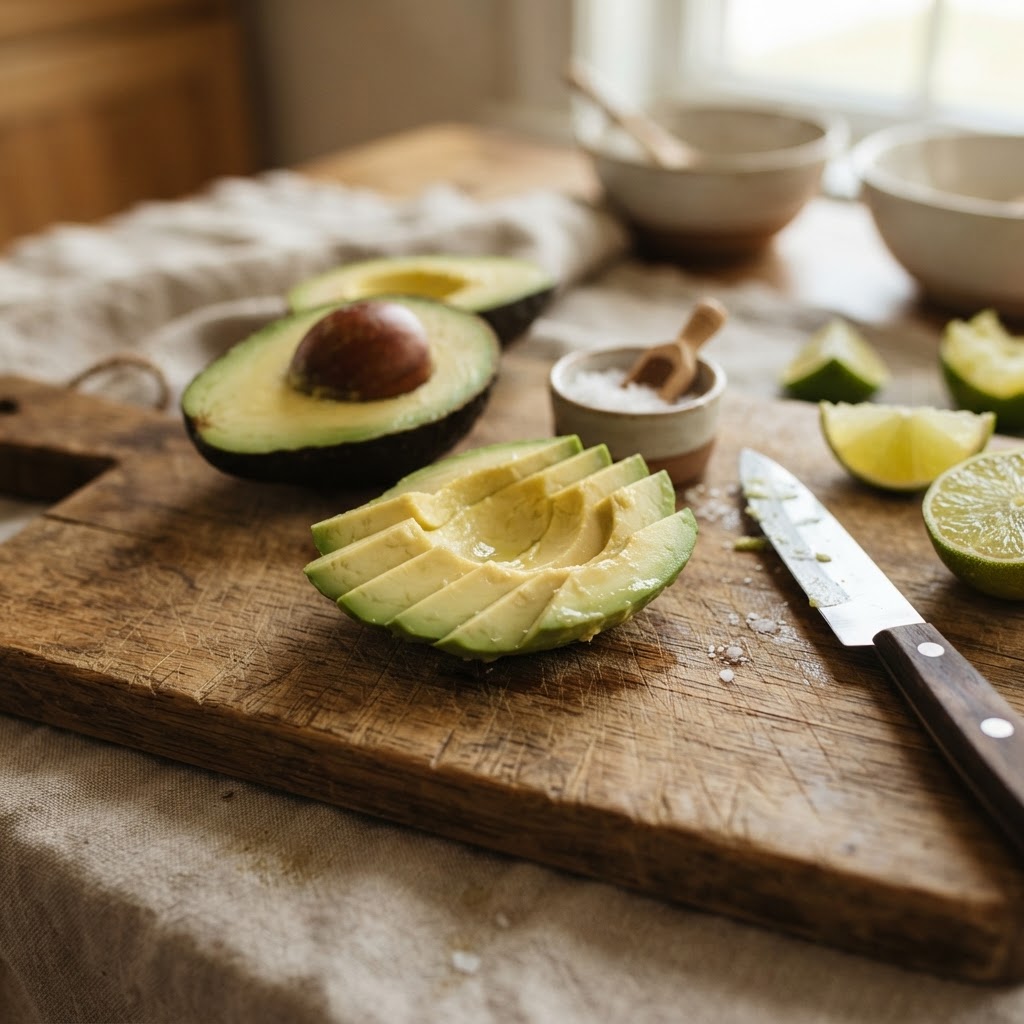
Fermented foods are the most overlooked GLP-1 booster. A 2024 study in the journal Cell found that people who ate fermented foods daily had 25% higher GLP-1 levels than those who didn't. The mechanism: probiotics in fermented foods increase the population of beneficial gut bacteria, which in turn produce more SCFAs and stimulate more GLP-1 release.
Top fermented foods for GLP-1:
- Kefir — 1 cup daily (also provides 10g protein)
- Kimchi — ½ cup daily (also provides fiber)
- Sauerkraut — ½ cup daily
- Kombucha — 1 bottle (unsweetened)
- Greek yogurt — 1 cup daily (also provides 17g protein)
- Tempeh — 3 oz (also provides 15g protein)
Nature's Ozempic Daily Meal Plan
Here's a complete daily meal plan that maximizes natural GLP-1 production — 40g+ fiber, 90g+ protein, and 3 servings of fermented foods.
| Meal | Food | Fiber | Protein |
|---|---|---|---|
| Breakfast | Oatmeal + 2 tbsp chia + berries + 2 eggs | 14g | 22g |
| Snack | 1 cup kefir + 1 oz almonds | 4g | 17g |
| Lunch | Lentil soup + kimchi + ½ avocado | 18g | 18g |
| Snack | Greek yogurt + raspberries | 9g | 20g |
| Dinner | Grilled salmon + chickpeas + sauerkraut | 12g | 35g |
| Total | 57g | 112g |
Before each meal: Drink 1 tbsp apple cider vinegar in a glass of water 15 minutes before eating. This slows gastric emptying and boosts GLP-1 by an additional 15–30%. Read our Apple Cider Vinegar Weight Loss Guide for the full protocol.
Nature's Ozempic vs GLP-1 Drugs: Honest Comparison
| Feature | Nature's Ozempic (Food) | GLP-1 Drugs (Ozempic) |
|---|---|---|
| GLP-1 Increase | 2–3x | 5–10x |
| Appetite Suppression | Moderate | Strong |
| Weight Loss | 1–2 lbs/week | 2–3 lbs/week |
| Cost | ~$5/day food | ~$30/day drug |
| Side Effects | None | Nausea, vomiting, diarrhea |
| Muscle Loss Risk | Low | High (see Ozempic Face) |
| Sustainability | Lifelong | Weight regain when stopped |
| Heart Health | Excellent | Good |
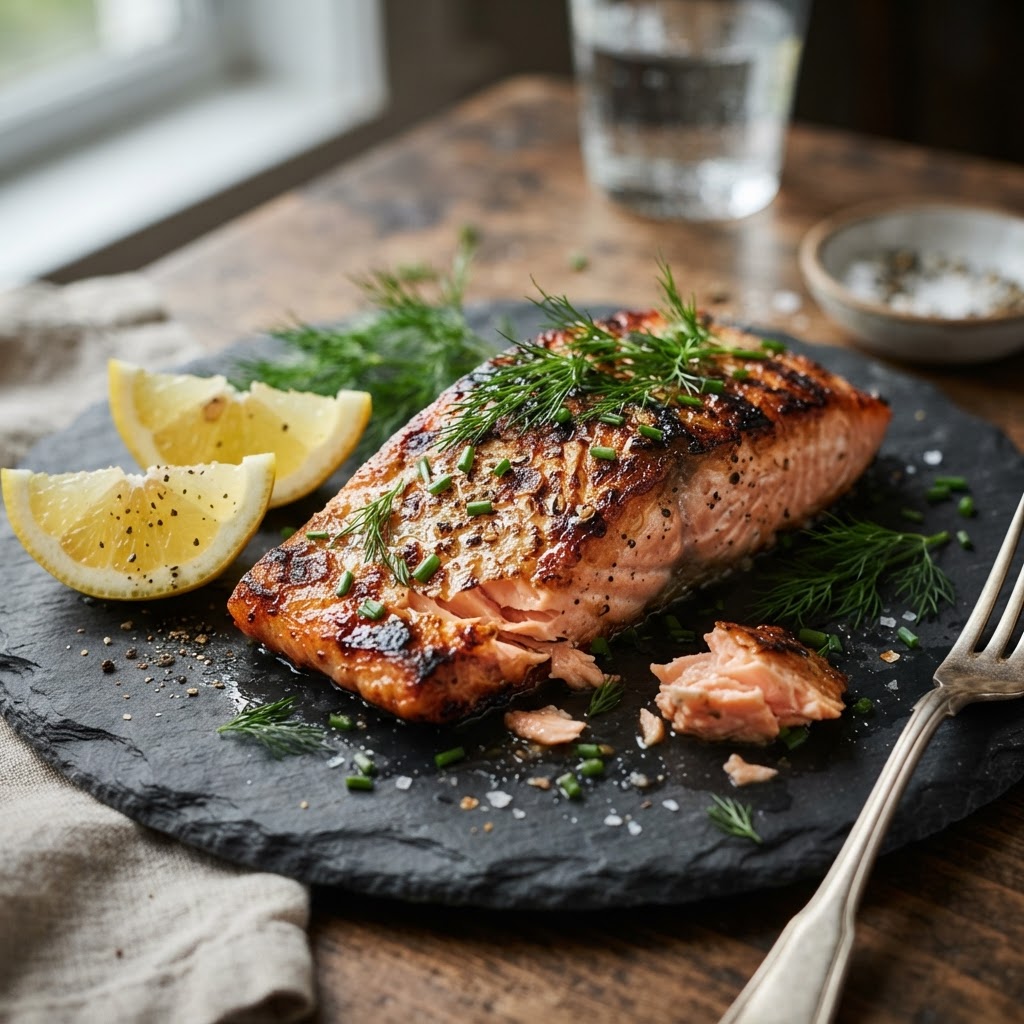
The honest truth: GLP-1 drugs are more powerful for weight loss, but nature's approach is safer, cheaper, more sustainable, and better for overall health. If you're on a GLP-1 drug, eating these foods will enhance the drug's effect and help you preserve muscle. If you're not on a drug, this is the best natural alternative. If you're considering the Mediterranean diet, it naturally includes most of these GLP-1-boosting foods.
The DPP-4 Enzyme: Why Natural GLP-1 Is So Short-Lived
One of the biggest challenges with natural GLP-1 is its extremely short half-life — just 2 minutes. The culprit is an enzyme called DPP-4 (dipeptidyl peptidase-4), which breaks down GLP-1 almost as fast as it's released. This is why GLP-1 drugs like Ozempic are so effective — they're engineered to resist DPP-4 breakdown, lasting 24+ hours instead of 2 minutes.
But you can naturally slow DPP-4's effect. Certain foods contain compounds that act as mild DPP-4 inhibitors, extending your natural GLP-1's life from 2 minutes to 3–4 minutes — a 50–100% increase. While this doesn't match the drug-level effect, it meaningfully extends GLP-1's appetite-suppressing and blood sugar-lowering actions:
- Berries (blueberries, raspberries, blackberries) — anthocyanins inhibit DPP-4 by 15–25% (Journal of Agricultural and Food Chemistry, 2023)
- Green tea — EGCG inhibits DPP-4 by 10–20%; drink 2–3 cups daily
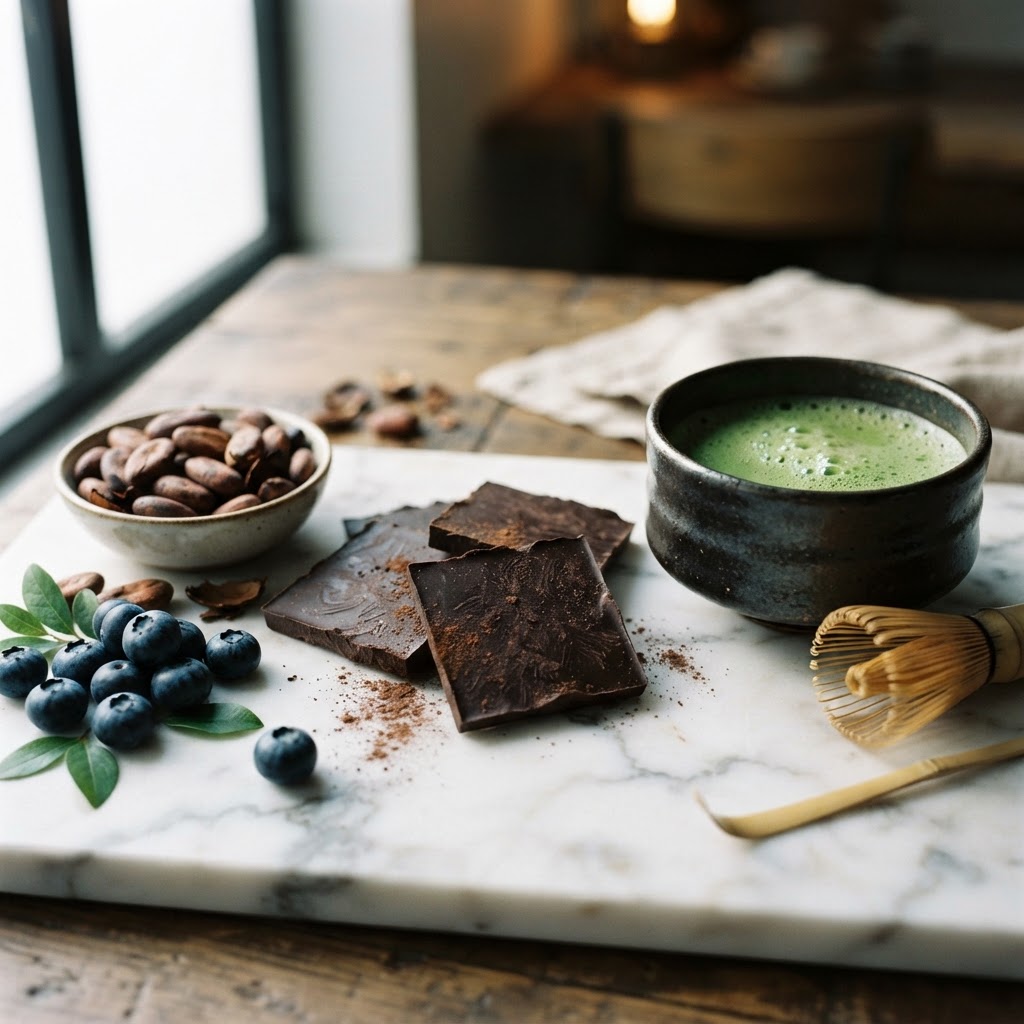
- Dark chocolate (85%+) — flavonoids inhibit DPP-4 by 12–18%
- Turmeric — curcumin inhibits DPP-4 by 15–30%; add 1 tsp to meals
- Grape seed extract — proanthocyanidins inhibit DPP-4 by 20%
- Apples and onions — quercetin inhibits DPP-4 by 10–15%
The strategy: eat DPP-4-inhibiting foods at every meal alongside your GLP-1-boosting foods. For example, oatmeal (GLP-1 booster) + berries (DPP-4 inhibitor) + green tea (DPP-4 inhibitor) creates a synergistic effect that extends and amplifies natural GLP-1 release. This combination can increase the total GLP-1 effect by 30–50% compared to eating GLP-1 boosters alone.
How Stress, Sleep, and Cortisol Affect GLP-1
You can eat all the right GLP-1-boosting foods, but if your stress and sleep are poor, you're fighting an uphill battle. Cortisol — the stress hormone — is one of the most powerful suppressors of GLP-1 production. Here's what the research shows:
| Factor | Effect on GLP-1 | Evidence |
|---|---|---|
| One night of 4-hour sleep | -30% GLP-1 | Diabetes Care, 2023 |
| Chronic sleep <6 hrs/night | -20–25% GLP-1 | Long-term study |
| Chronic stress (high cortisol) | -15–20% GLP-1 | Journal of Endocrinology |
| 7–9 hours sleep/night | Optimal GLP-1 | Baseline |
| 10 min meditation/day | +15% GLP-1 (via cortisol reduction) | Psychoneuroendocrinology |
| Morning sunlight (15 min) | +10% GLP-1 (circadian regulation) | Sleep Medicine |
The GLP-1 optimization protocol goes beyond food: (1) Sleep 7–9 hours — this is non-negotiable for GLP-1. Even one bad night cuts GLP-1 by 30%. (2) Manage stress — 10 minutes of meditation, deep breathing, or yoga reduces cortisol by 20%, restoring GLP-1. Read our guide on foods that lower cortisol naturally. (3) Get morning sunlight — 15 minutes of morning light regulates the circadian rhythm that controls GLP-1 release. (4) Avoid late-night eating — eating after 8 PM disrupts the natural GLP-1 circadian rhythm and reduces next-day GLP-1 by 10–15%. (5) Exercise regularly — moderate exercise increases GLP-1 by 10–20% for 2–3 hours post-workout.
GLP-1-Boosting Foods for Different Dietary Restrictions
The GLP-1-boosting food list works for every dietary pattern. Here's how to adapt it:
Vegan GLP-1 Foods
Tofu (20g protein), tempeh (31g protein), lentils (18g protein + 15g fiber), chickpeas (15g protein + 12g fiber), chia seeds (10g fiber), flaxseeds (3g fiber per tbsp), oats (4g fiber), berries (8g fiber per cup), avocado (10g fiber), sauerkraut (fermented), kimchi (fermented). Replace Greek yogurt with unsweetened soy yogurt.
Keto GLP-1 Foods
Eggs (6g protein), salmon (34g protein), chicken breast (42g protein), avocado (10g fiber), chia seeds (10g fiber), flaxseeds (3g fiber), almonds (3.5g fiber), olive oil (healthy fat), dark chocolate 85%+ (bitter receptors), sauerkraut (fermented). Skip oats, lentils, and beans — too high in carbs for keto.
Gluten-Free GLP-1 Foods
All the foods on this list are naturally gluten-free except oats (use certified GF oats) and some fermented foods (check labels). Safe options: rice, quinoa, buckwheat, lentils, chickpeas, eggs, fish, Greek yogurt, berries, nuts, chia, flax, avocado, kefir, kimchi.
Low-FODMAP GLP-1 Foods
If you have IBS, avoid high-FODMAP GLP-1 foods (lentils, beans, onions, garlic, apples). Safe options: oats (1/2 cup), chia seeds, flaxseeds, eggs, salmon, chicken, Greek yogurt (lactose-free), blueberries, kiwi, almonds (10 max), sauerkraut (small amounts). Read our guide on foods that cause bloating for more.
FoodIdentifier vs The Competition
| Feature | FoodIdentifier | MyFitnessPal | Cronometer | Yuka |
|---|---|---|---|---|
| AI Photo Food Scanner | Instant — snap any meal | No photo scan | No photo scan | Barcode only |
| Barcode + Photo + Label Scan | All 3 methods | Barcode only | Manual entry | Barcode only |
| AI Nutrition Coach | Personalized AI coach included | Generic tips | No coach | No coach |
| Blood Sugar Impact Prediction | Per-meal glucose prediction | No | No | No |
| Ozempic / GLP-1 Compatibility Check | Built-in checker | No | No | No |
| 0–100 Food Quality Score | Instant unified score | No | No | Yes (basic) |
GLP-1-Boosting Foods vs GLP-1-Blocking Foods
| Food | Cal | Alt Cal | Carbs | Alt Carbs | Benefit |
|---|---|---|---|---|---|
Sugary Cereal (1 cup) → Oatmeal (1 cup) | 150 | 154 | 32g | 27g | 3x more protein, 4x more fiber — fiber triggers GLP-1 release |
White Pasta (2 oz) → Lentils (1 cup) | 220 | 230 | 43g | 40g | 2x more protein, 8x more fiber — top GLP-1-boosting food |
Cream Cheese (2 tbsp) → Avocado (1/2) | 100 | 120 | 2g | 6g | 5g fiber + healthy fats that slow gastric emptying (GLP-1) |
Bagel (1 medium) → 2 Eggs + Spinach | 277 | 170 | 55g | 4g | 60% fewer carbs, high protein triggers GLP-1 secretion |
Granola Bar (1 bar) → Chia Seeds (2 tbsp) | 190 | 138 | 29g | 12g | 60% fewer carbs, 5x more fiber — #1 GLP-1 booster |
Track Your GLP-1-Boosting Foods
Scan any meal with FoodIdentifier to instantly see fiber, protein, and GLP-1-boosting potential — free.
Start Scanning Free →Related Guides You'll Love
Nature's Ozempic isn't a myth — it's real, science-backed nutrition. By eating 40g+ of fiber, 90g+ of protein, and 3 servings of fermented foods daily, you can boost your natural GLP-1 by 2–3x, reduce your appetite, stabilize your blood sugar, and lose 1–2 pounds per week — without drugs, without side effects, and without the $1,000/month cost. Start today by adding oats and chia seeds to your breakfast, lentils to your lunch, and kefir as a snack. Your gut, your appetite, and your waistline will thank you.