Foods That Lower Blood Sugar Naturally: The Complete 2026 Guide
Foods that lower blood sugar are high in fiber, protein, and healthy fat and low in refined carbs — leafy greens, beans and lentils, oats, fatty fish, nuts and seeds, avocado, berries, plain Greek yogurt, eggs, and olive oil. They slow digestion, blunt glucose absorption, and improve insulin sensitivity; eating vegetables and protein first cuts the post-meal peak by ~30%.
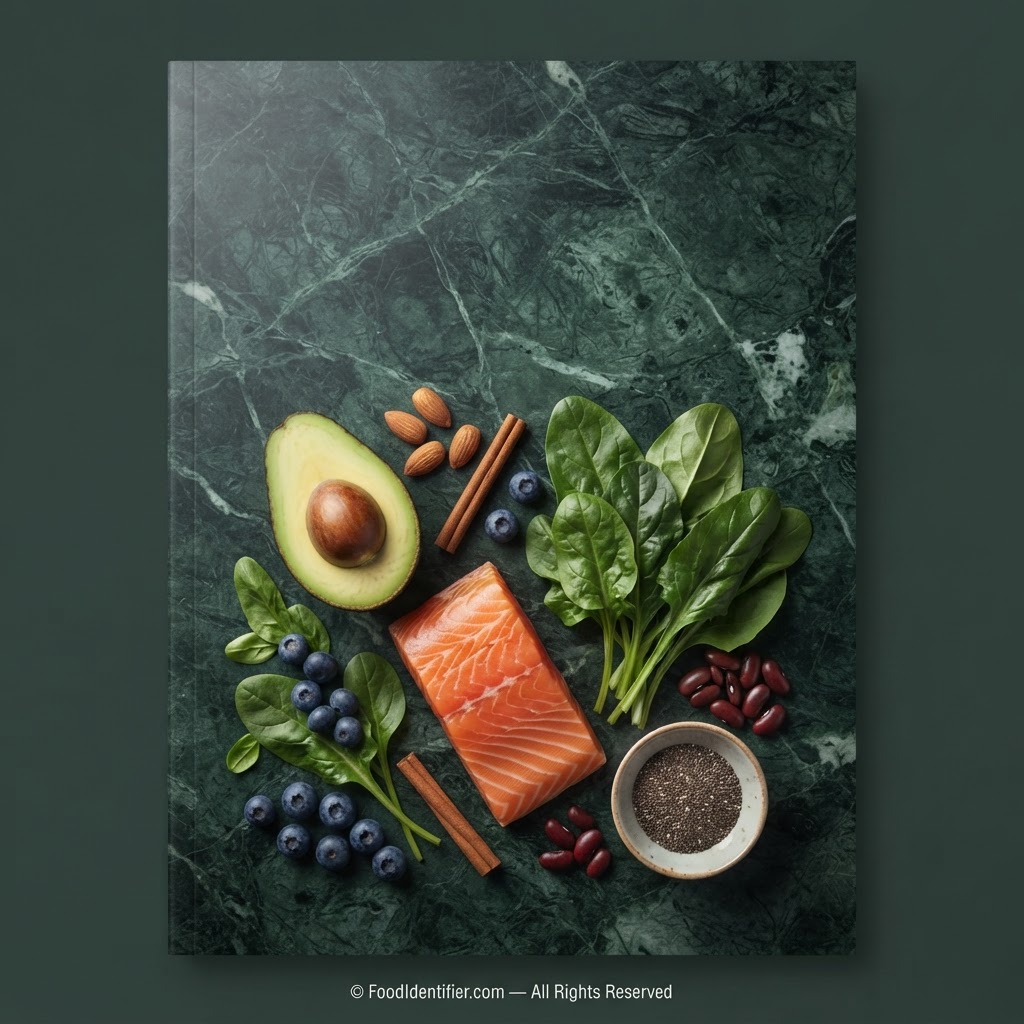
If you are trying to lower your blood sugar — because of prediabetes, type 2 diabetes, a GLP-1 medication like Ozempic or Wegovy, or simply to feel less tired after meals — food is the single most powerful lever you control every day. This is the complete, evidence-based guide to which foods lower blood sugar naturally, how fast they work, and exactly what to put on your plate this week.
Why Blood Sugar Matters More in 2026
Blood sugar — the amount of glucose circulating in your bloodstream — is no longer just a concern for people with a diabetes diagnosis. In 2026, the conversation has shifted. More than 1 in 3 adults in the United States now has prediabetes, the vast majority without knowing it. Continuous glucose monitors, once reserved for type 1 diabetes, have moved into mainstream wellness. And the explosion of GLP-1 medications like Ozempic, Wegovy, Mounjaro, and Zepbound has put blood sugar management at the center of weight loss, metabolic health, and longevity.
The reason food matters so much is mechanical. Every carbohydrate you eat is broken down into glucose, which enters your bloodstream. Your body releases insulin to move that glucose out of blood and into cells. When this system works smoothly, blood sugar rises modestly after a meal and returns to baseline within two hours. When it does not — because of insulin resistance, large refined-carb loads, or skipping protein and fiber — glucose spikes higher and stays elevated longer, damaging blood vessels, increasing hunger two hours later, and accelerating fat storage.
The encouraging news: the same foods that blunt these spikes also improve insulin sensitivity over weeks and months. You do not need a restrictive diet. You need a structure: protein and fiber first, smart carbs second, and a short list of foods to keep within easy reach. This guide gives you that structure with 20 specific foods, the science of why they work, quick-reference lists, a 7-day meal plan, and the practical swaps that make it sustainable.
How Food Actually Moves Your Blood Sugar

To choose foods that lower blood sugar, it helps to understand three mechanisms: glycemic index, the glucose-insulin loop, and the order in which you eat.
Glycemic index (GI) ranks carbohydrates from 0 to 100 by how quickly they raise blood sugar compared to pure glucose. Low-GI foods (55 or below) — beans, lentils, oats, most fruit, non-starchy vegetables — release glucose slowly. High-GI foods (70 or above) — white rice, white bread, most cold cereals, potatoes — release it fast. Glycemic load (GL) refines this by accounting for portion size, which matters more in practice: a small amount of a high-GI food can have a modest total effect.
The glucose-insulin loop is the second lever. When glucose rises, insulin rises to clear it. If your cells are insulin-resistant, the pancreas pumps out more insulin to compensate, which drives fat storage and worsens the resistance. Protein and fat produce almost no insulin response and slow stomach emptying, so a meal that pairs carbs with protein and fat produces a far lower, flatter glucose curve than the same carbs eaten alone.
The third, often-overlooked lever is food order. Studies show that eating vegetables and protein first, starches and sweets last, can cut the post-meal glucose peak by roughly 30%. It is the same foods, rearranged. Add a short walk after eating and the peak drops further — skeletal muscle pulls glucose from blood without needing insulin.
The practical takeaway: you do not have to eliminate carbohydrates to lower blood sugar. You have to change which carbs, how much, and what you pair them with. The 20 foods below do all three.
The 20 Best Foods That Lower Blood Sugar Naturally
These twenty foods are chosen because they are high in fiber, protein, or healthy fat; low on the glycemic index; and repeatedly linked in observational and clinical research to lower fasting glucose, lower HbA1c, or improved insulin sensitivity. None of them "cure" diabetes, and none work in isolation — but together they form the backbone of a blood-sugar-steady way of eating.

1. Leafy greens (spinach, kale, collards, Swiss chard)
Non-starchy leafy greens are nearly free of digestible carbohydrate and dense in magnesium, a mineral strongly linked to insulin sensitivity. A large observational study found higher leafy-green intake associated with a 14% lower risk of type 2 diabetes. Eat them daily, cooked in olive oil or raw in salads.
2. Beans and lentils
Beans and lentils are among the lowest-glycemic carbohydrate sources on earth, packed with resistant starch and soluble fiber that slow glucose absorption. A meta-analysis of 41 trials found that eating a serving of pulses daily lowered HbA1c and fasting glucose. They are the single best swap for white rice or bread.
3. Oats (steel-cut or rolled, not instant)
Whole oats contain beta-glucan, a soluble fiber that forms a gel in the gut, slowing glucose release. Steel-cut and rolled oats have a GI around 55; instant sweetened packets can exceed 80. Pair with nuts and seeds to flatten the curve further.
4. Fatty fish (salmon, sardines, mackerel)
Fatty fish is pure protein and omega-3 fat with zero carbohydrate — it cannot raise blood sugar and improves the insulin response to the carbs you eat alongside it. Omega-3s also reduce the low-grade inflammation that drives insulin resistance. Aim for two to three servings per week.
5. Nuts and seeds (almonds, walnuts, chia, flax)
Nuts are high in fat, protein, and fiber and very low in digestible carbs. A large trial found that a handful of nuts five times a week was associated with significantly lower diabetes risk. Chia and flax add viscous fiber that blunts post-meal glucose. Keep portions to a handful — calories add up.
6. Avocado
Avocado is rich in monounsaturated fat and fiber with less than 1g of net carb per half. Adding avocado to a high-carb meal measurably reduces the glucose and insulin response. It is the easiest blood-sugar upgrade to almost any lunch.
7. Berries (blueberries, raspberries, strawberries)
Berries are the lowest-sugar fruits and among the highest in polyphenols and fiber. A study in overweight adults found that a blueberry smoothie with a high-carb meal reduced the post-meal glucose peak. Berries satisfy a sweet craving without the spike that juice or dried fruit produce.

8. Plain Greek yogurt
Unsweetened Greek yogurt is high-protein, low-carb, and fermented — the probiotics may improve glucose metabolism. Skip the flavored versions, which can carry more sugar than a soda. Add your own berries and a sprinkle of cinnamon.
9. Eggs
Eggs are essentially pure protein and fat with negligible carbohydrate. A breakfast of eggs produces a dramatically lower glucose response than a breakfast of cereal or toast with the same calories. They are the simplest way to start the day without a spike.
10. Extra-virgin olive oil
Olive oil is 100% fat with zero carbs, and its polyphenols are linked to improved insulin sensitivity. Drizzling olive oil over vegetables or grains slows glucose absorption and adds flavor without raising sugar.
11. Cinnamon
Cinnamon is the most-studied spice for blood sugar. Several small trials suggest 1–2 grams daily may modestly lower fasting glucose and improve insulin sensitivity, though results vary. It is safe, cheap, and worth adding to oats, yogurt, or coffee — just do not expect it to replace medication.

12. Apple cider vinegar
Diluted apple cider vinegar before a carb-containing meal can reduce the post-meal glucose rise by improving insulin sensitivity and slowing stomach emptying. One to two tablespoons in a tall glass of water, taken before eating, is the studied dose. Never drink it undiluted — it can damage tooth enamel and the esophagus.
13. Broccoli and broccoli sprouts
Broccoli is high in fiber and sulforaphane, a compound that in cell and animal studies improves glucose metabolism. As a practical matter, broccoli is a low-calorie, low-carb vegetable that fills half a plate for almost no glucose cost.
14. Quinoa
Quinoa is a seed cooked like a grain, higher in protein and fiber than white rice, with a lower glycemic load. It is not a "free" food — a large bowl still raises glucose — but as a rice or pasta substitute it is a clear upgrade.
15. Chia seeds
Chia seeds are roughly 40% fiber by weight and form a viscous gel in water, which slows digestion dramatically. A chia pudding before or with a meal flattens the glucose curve and keeps you full for hours.
16. Pumpkin seeds
Pumpkin seeds are rich in magnesium and healthy fat. Magnesium deficiency is common in people with insulin resistance, and correcting it is associated with better glucose control. A small handful makes a blood-sugar-safe snack.
17. Tofu and tempeh
Soy foods are high-protein, low-carb, and low-GI. Tempeh is also fermented, adding gut-friendly probiotics that may support glucose regulation. Both are excellent plant proteins for a blood-sugar-steady plate.
18. Green tea
Green tea contains catechins that may modestly improve insulin sensitivity. Several meta-analyses link regular green tea intake with lower fasting glucose. It is also a zero-calorie, zero-sugar drink — the opposite of soda.
19. Sweet potato (in moderation)
Sweet potatoes have a lower glycemic index than white potatoes, especially when boiled and cooled (which creates resistant starch). A fist-sized portion with protein and fat is a reasonable carb; a loaded sweet potato with syrup and marshmallows is not.
20. Garlic and onions
Garlic and onions contain sulfur compounds and prebiotic fiber that support gut health and, in observational research, are associated with better metabolic markers. They add flavor to blood-sugar-friendly cooking without adding carbohydrate.

Foods That Lower Blood Sugar Fast
To be clear: no food lowers blood sugar "instantly" in a clinical sense. If your glucose is dangerously high, food is not the tool — your medication plan is. But if you have eaten something carb-heavy and want to keep the spike from climbing, a few choices help glucose settle faster or keep it from rising further in the first place.
Reach for high-fiber, high-protein, near-zero-carb foods: a handful of almonds, a hard-boiled egg, a few spoonfuls of plain Greek yogurt, cucumber with hummus, or a small salad dressed with olive oil and vinegar. These add almost no glucose and the protein and fat blunt further absorption. A short 10–15 minute walk right after eating is the fastest non-food way to lower a post-meal spike, because working muscle pulls glucose from blood.
Diluted apple cider vinegar before a meal is the best-studied "fast" intervention that is actually food, reliably reducing the post-meal glucose rise. Cinnamon and green tea are gentler, slower helpers. Avoid the trap of adding more carbs — even "healthy" ones like fruit — on top of a spike; that only extends it.
Drinks That Lower Blood Sugar
Beverages are the single biggest hidden source of blood-sugar spikes, because liquid sugar enters the bloodstream faster than any food. The most important drink change you can make is simply removing sweetened drinks: soda, sweet tea, fruit juice, sweetened coffee, and sports drinks. Replace them with the following.
Water is the foundation. Unsweetened green or black tea and black coffee contain compounds that may improve insulin sensitivity and add zero sugar — just skip the syrups and sweeteners that turn them into desserts. Apple cider vinegar (1–2 tablespoons diluted in a tall glass of water before meals) is the best-researched drink for blunting the post-meal glucose rise. Sparkling water with lemon or lime is a satisfying zero-sugar substitute for soda. Herbal teas (cinnamon, chamomile, hibiscus) add variety with no sugar.
One drink to be careful with: fruit juice. Even 100% fresh juice, with no added sugar, hits the bloodstream as fast as cola because the fiber has been removed. Eat the whole fruit instead — the fiber is what makes it blood-sugar-safe.
Best Breakfast for Stable Blood Sugar
Breakfast sets the glucose tone for the entire day. A sugary breakfast — cereal, a bagel, fruit juice — produces a large spike followed by a crash that increases hunger and cravings for the rest of the morning. A protein-and-fiber breakfast produces a flat, stable curve that keeps you full until lunch.
The best blood-sugar breakfasts combine protein, fiber, and healthy fat with minimal refined carbohydrate. Three reliable templates: (1) eggs with spinach and avocado on a slice of whole-grain or sourdough toast; (2) plain Greek yogurt with berries, chia seeds, and a few almonds; (3) steel-cut oats with walnuts, cinnamon, and a scoop of protein or milk. Each delivers 20–35g of protein, 8–12g of fiber, and slow carbs.
Avoid: sweetened cereals (even "healthy" granola is often 15g+ of sugar per serving), fruit juice, large bagels, pancakes with syrup, and flavored coffees. If you are short on time, a hard-boiled egg and a handful of almonds beats a "healthy" smoothie loaded with fruit and honey every time for blood sugar.
Snacks That Don’t Spike Blood Sugar
Snacks are where most people accidentally spike blood sugar, because the convenient options — crackers, granola bars, fruit, trail mix with chocolate — are mostly carbohydrate. The rule for blood-sugar-safe snacks: lead with protein or fat, add fiber, keep carbs small. Here are reliable options under 10g of net carbs.
A handful of almonds or walnuts; a hard-boiled egg; plain Greek yogurt with berries; cucumber and bell pepper with hummus; a slice of cheese with a few olives; half an avocado with everything seasoning; edamame; a small apple with a tablespoon of peanut butter; celery with almond butter; a few squares of 85% dark chocolate. Each is satisfying, portable, and keeps glucose flat between meals.
Foods to Avoid With High Blood Sugar
What you remove matters as much as what you add. The foods below are the most reliable glucose-spikers and are worth limiting, not necessarily eliminating forever — but they should not be daily staples.
Sugary drinks: soda, fruit juice, sweet tea, sweetened coffee, sports drinks. Refined grains: white bread, white rice, regular pasta, most cold cereals, bagels. Sweets and baked goods: cookies, cake, donuts, pastries, candy. Hidden sugar: flavored yogurt, ketchup, BBQ sauce, "low-fat" packaged foods that replace fat with sugar, granola, instant oatmeal packets. Liquid and concentrated sugar: honey, maple syrup, agave, dried fruit in large amounts — "natural" sugar still spikes glucose.
A useful mental model: anything that comes in a box with a long ingredient list and sugar in the first five ingredients is a likely spiker. Anything that grew in the ground, swam, or walked, and that you cooked yourself, is a likely steadier. Use the Ingredient Scanner to decode any label in seconds.
The Prediabetes Food List
Prediabetes — a fasting blood sugar between 100 and 125 mg/dL, or HbA1c between 5.7% and 6.4% — is a warning, not a sentence. The Diabetes Prevention Program found that modest weight loss plus a structured diet and activity reduced progression to type 2 diabetes by 58%. Food is the center of that intervention.
A prediabetes food list emphasizes: non-starchy vegetables at every meal (half the plate), lean protein (fish, chicken, eggs, beans, tofu — a quarter of the plate), small portions of whole, low-GI carbs (oats, quinoa, beans, berries — a quarter of the plate), and healthy fats (olive oil, avocado, nuts). Snack on the blood-sugar-safe list above. Drink water, tea, and black coffee. Aim for 25–35g of fiber daily — most people get under 15.
The single highest-impact swap for prediabetes is replacing refined carbs and sugary drinks with whole-food, fiber-rich alternatives. The Healthy Grocery Swap Finder will suggest three healthier alternatives for any food you type — a practical way to put this list into action.
GLP-1 & Ozempic Foods That Help
GLP-1 medications (Ozempic, Wegovy, Mounjaro, Zepbound) reduce appetite and slow stomach emptying, which makes what you eat matter even more. Because you eat less, every bite needs to work harder: enough protein to protect muscle, enough fiber to support the gut, and foods that do not worsen the nausea and reflux these medications can cause.
The best foods on a GLP-1 medication prioritize lean protein (aim 1.2–1.6 g per kg body weight, or about 20–35g per meal): eggs, fish, chicken, Greek yogurt, tofu, beans. Fiber-rich, easy-to-digest foods: oats, cooked vegetables, berries, bananas (if tolerated), soups. Hydration is critical because GLP-1s increase dehydration risk — water, broth, herbal tea. Small, frequent meals beat large ones, since the delayed stomach emptying makes big portions uncomfortable.
Foods to limit on GLP-1s: high-fat, fried, and very spicy foods (worsen nausea and reflux); large portions of refined carbs; alcohol; and carbonated drinks. For a structured plan, the AI Nutrition Coach and the Medical Diet Assistant build personalized, blood-sugar-aware meal plans.
7-Day Blood Sugar Meal Plan
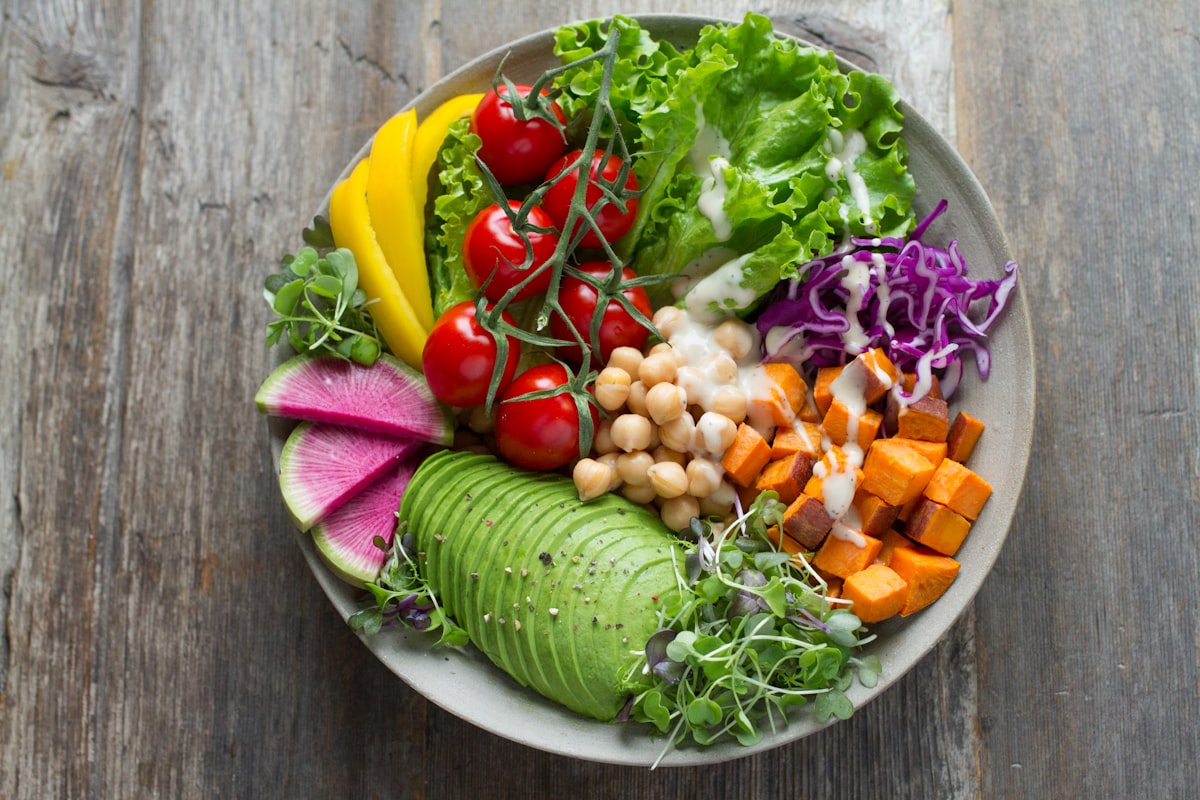
This sample plan keeps net carbs moderate, protein and fiber high, and added sugar near zero. It is a starting point, not a prescription — adjust portions to your needs and confirm any plan with your doctor or dietitian, especially on medication.
Myths: Cinnamon, ACV & “Sugar-Free” Foods
Myth: Cinnamon cures diabetes. Cinnamon may modestly help, but the effect is small and inconsistent. It is a useful addition, not a treatment. Myth: Apple cider vinegar replaces medication. ACV can reduce post-meal glucose, but it does not lower chronically high blood sugar the way medication does. Myth: "Sugar-free" means blood-sugar-safe. Many sugar-free foods use refined flours and sugar alcohols that still raise glucose or cause digestive issues. Read the ingredients, not just the front of the package.
Myth: Fruit is bad for blood sugar. Whole fruit, in reasonable portions, is consistently associated with lower diabetes risk in large studies — the fiber slows absorption. The problem is juice and dried fruit in large amounts. Myth: You must cut all carbs. You do not. The quality and pairing of carbs matters far more than eliminating them, and very-low-carb diets are hard to sustain and not necessary for most people to see major improvement.
When to See a Doctor
This guide is educational and is not medical advice. See a doctor if you have symptoms of high blood sugar (excessive thirst, frequent urination, unexplained weight loss, fatigue, blurred vision), a fasting glucose at or above 100 mg/dL, an HbA1c at or above 5.7%, or a family history of diabetes. If you are on insulin or a GLP-1 medication, never change your diet or dose without your prescriber — changing how you eat can change how much medication you need, and that adjustment must be supervised.
Food is powerful, but it is part of a plan that may include medication, activity, sleep, and stress management. Work with a registered dietitian for a personalized approach, and use the tools on this page to make day-to-day choices easier.
Put This Guide Into Action
Free tools that turn this knowledge into daily wins — 3 free uses, no sign-up.
🔗 Related Guides
❓ Frequently Asked Questions
📋 Educational nutrition information only. Not a substitute for professional medical advice, diagnosis, or treatment. Always consult your physician or a registered dietitian, especially if you have diabetes or take medication that affects blood sugar.