You've heard it everywhere: eat more protein. For your muscles, your appetite, your metabolism. So you decide to actually track it — and immediately hit the wall. Download an app, create an account, search "chicken breast" seventeen times, weigh everything like a lab technician.
Here's the thing the fitness internet doesn't say out loud: if you're wondering how to track protein without an app, you absolutely can — and it takes less effort than the app ever did. Below are five methods that work, from a 5-second photo scan to a pen-and-paper tally your grandmother would approve of. Pick one and you'll know your protein number every day by dinner.
Fastest method first: photograph your dinner at foodidentifier.com and see your protein grams in seconds — free, no app, no sign-up.
Why protein tracking beats calorie tracking for most people
Quick detour, because this changes the whole game. Most people who "count calories" are really trying to do one of three things: lose fat without losing muscle, build muscle, or stop feeling hungry all afternoon. Protein is the lever for all three.
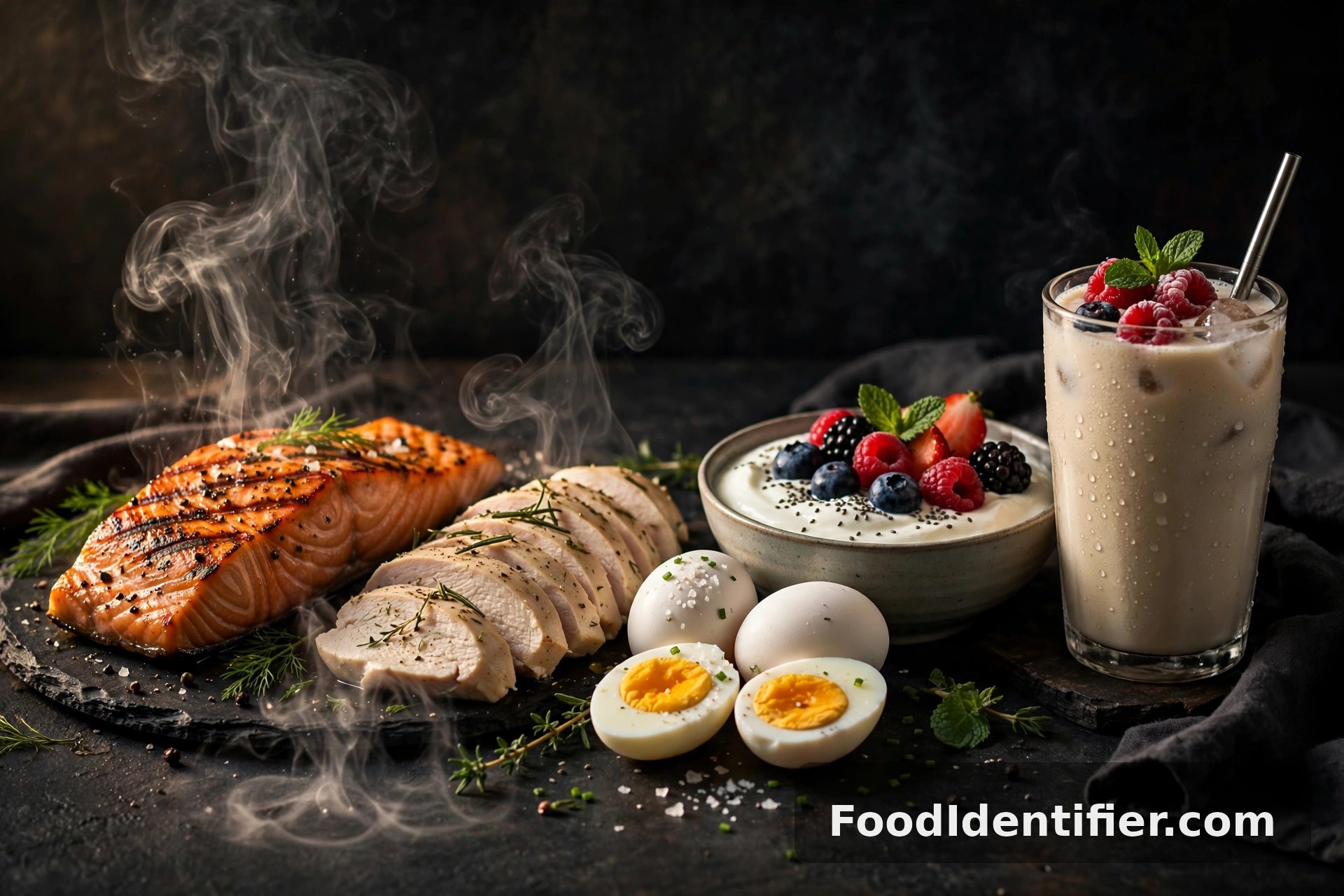
Protein is the most filling macro — a 400-calorie chicken meal keeps you full hours longer than a 400-calorie pastry. In a calorie deficit, eating enough protein is what protects your muscle while the fat comes off. And lifters already know: no protein, no progress.
So if full calorie tracking feels like too much, tracking just protein gets you most of the benefit for a fraction of the effort. One number instead of four. That's the whole pitch for everything below.
The short answer: how to track protein without an app (5 methods at a glance)
Track protein without an app five ways: photograph your meal for instant protein grams, use the 10-calorie label rule on packaged foods, measure portions with your palm, eat the same high-protein anchor meals daily, or keep a paper tally. Fastest is a photo scan at foodidentifier.com — protein grams in 5 seconds, no app, no account.
First, though — you need a target.
First: your target in 30 seconds
Forget the RDA minimums (they're about avoiding deficiency, not about results). The rule that works for active people:
0.7–1 gram of protein per pound of body weight, per day.
Weigh 160 lbs? Your target is roughly 110–160g. Dieting or lifting seriously? Aim for the top of the range. Mostly sedentary? The bottom still beats what most people eat.
Two things make hitting it dramatically easier: spread it across 3–5 meals (your body uses protein better in distributed doses than in one giant shake), and anchor each meal with a real protein source instead of hoping the sides add up.
Want your exact number? Run it through the free protein calculator — thirty seconds, then come back.
Method 1: Photograph your meal (protein grams in seconds)
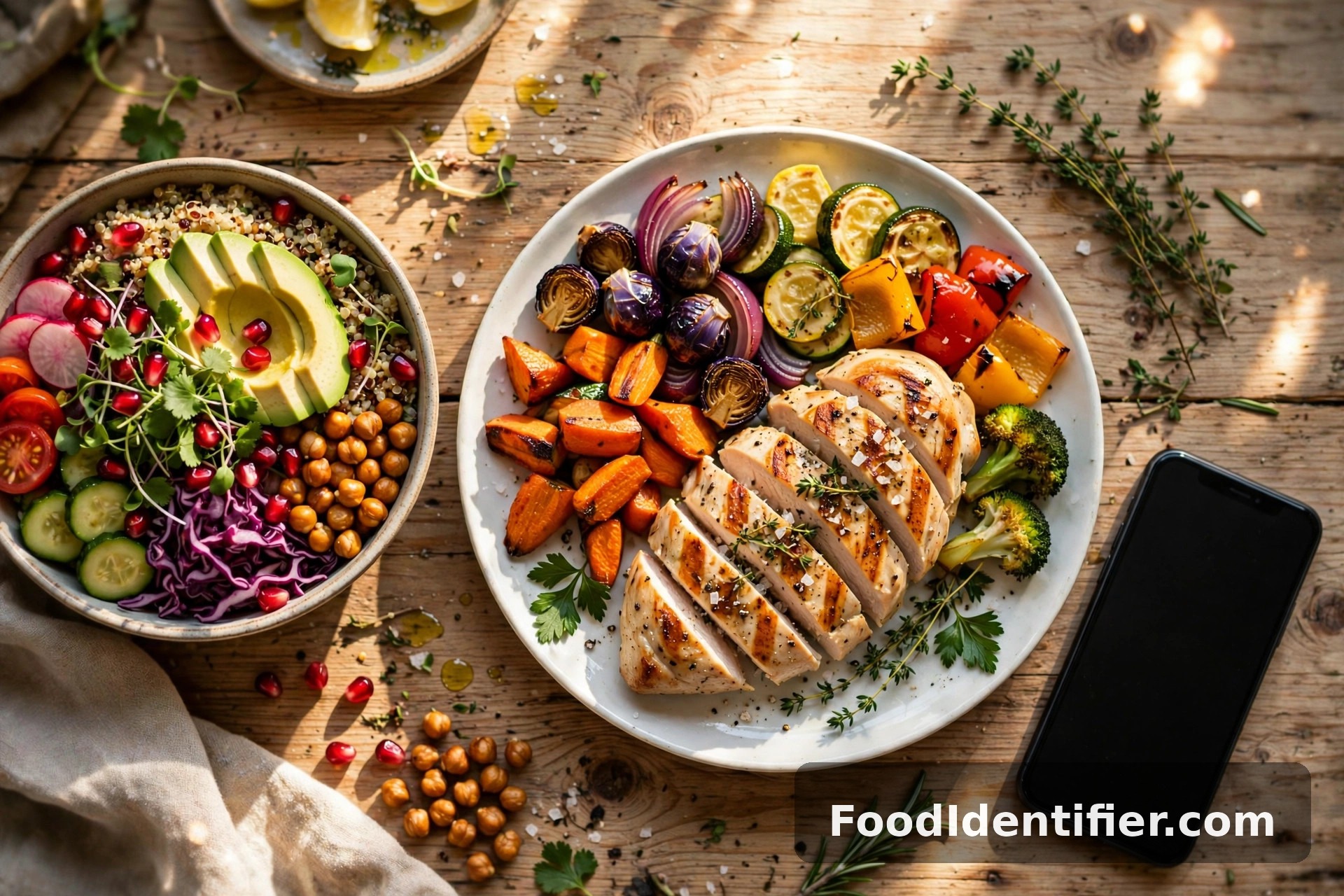
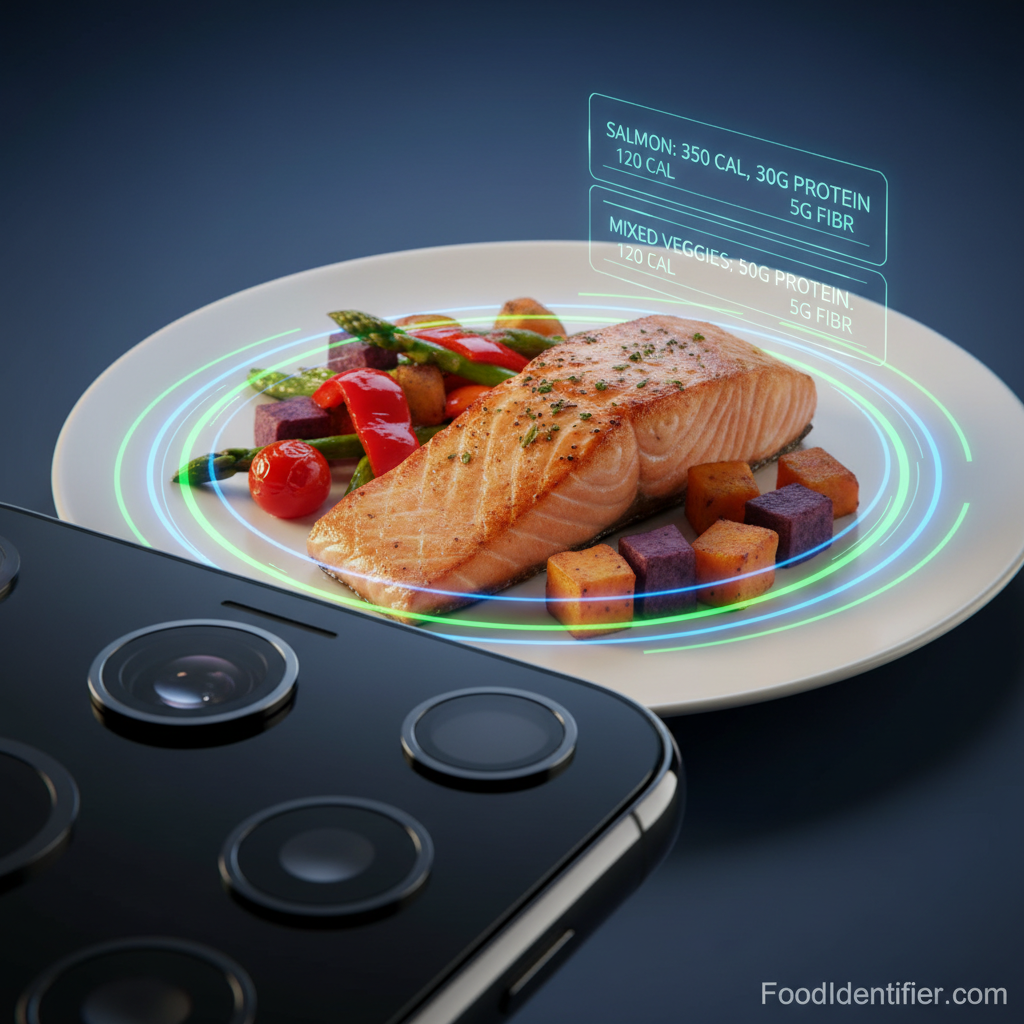
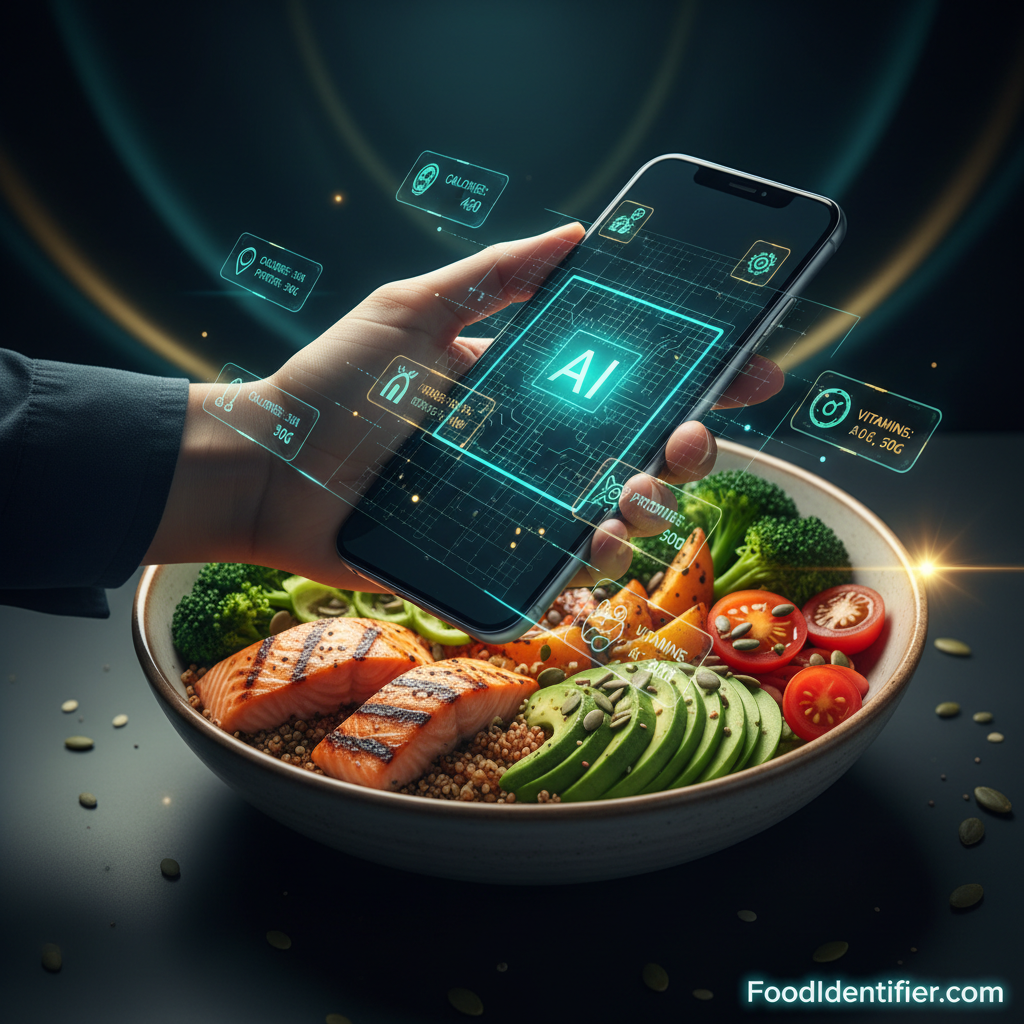
The laziest method is also the most accurate. Take a photo of your plate, and the AI identifies the foods and portions and tells you the protein grams — along with calories and the rest of the macros.
In practice: open foodidentifier.com in your phone's browser, tap the camera button, photograph your meal. Five seconds later you see something like "Grilled chicken breast — 38g protein." No searching databases, no weighing, no guessing whether that was 4 ounces or 6.
Do it for every meal and your daily total builds itself. By dinner you know exactly where you stand: 92g down, need ~40 more — so dinner gets the bigger chicken portion, not the pasta-heavy plate.
Best for: everyone. It's the only method that's both instant and specific. Try it on your next meal — free, no account.
Method 2: The 10-calorie label rule (TikTok's "add a zero" hack, done right)
You've probably seen the viral trick: look at a label's protein grams, "add a zero," and compare to the calories. Here's what it actually means and how to use it properly.
The rule: multiply the protein grams by 10. If the result is close to (or higher than) the calorie count, it's a genuinely high-protein food.
Examples:
| Food | Protein | Calories | 10x protein | Verdict |
|---|---|---|---|---|
| Greek yogurt (170g) | 17g | 100 | 170 | Excellent — protein-dominant |
| Chicken breast (100g) | 31g | 165 | 310 | Excellent |
| Eggs (2 large) | 12g | 140 | 120 | Good |
| Peanut butter (2 tbsp) | 8g | 190 | 80 | Poor — mostly fat |
| "Protein" cookie | 10g | 280 | 100 | Poor — candy with marketing |
This kills label-reading paralysis. Standing in the grocery aisle, you can judge any package in three seconds: protein x 10 vs. calories. Close together or protein winning? In the cart.
Best for: grocery shopping and packaged foods. Useless for restaurant meals — that's what Method 1 is for.
Method 3: The palm method (per-meal portions)
Your hand is a portion tool that scales with your body. Bigger person, bigger hand, bigger protein needs — it just works.
- One palm (fingers excluded) of meat, fish, or tofu = roughly 20–30g protein.
- One fist of Greek yogurt or cottage cheese = roughly 15–20g protein.
- One cupped handful of lentils or beans = roughly 12–15g protein.
- Two eggs = 12g protein. One scoop of whey = ~25g protein.
The daily math becomes trivial: one palm of protein at lunch (25g) + one palm at dinner (25g) + Greek yogurt at breakfast (17g) + two eggs as a snack (12g) = ~80g before you even try hard. Add a protein shake or a bigger dinner portion and most people land in range.
Best for: visual eaters, restaurant meals, and anyone who refuses to weigh food (correctly).
Method 4: Anchor meals (eat the same high-protein breakfast daily)
Decision fatigue kills protein targets. Every morning you improvise breakfast is a morning you end up with a 6g-protein pastry.
The fix: pick 2–3 high-protein anchor meals and put them on permanent rotation. You count the protein once, then never again.
Proven anchors (protein counted once, remembered forever):
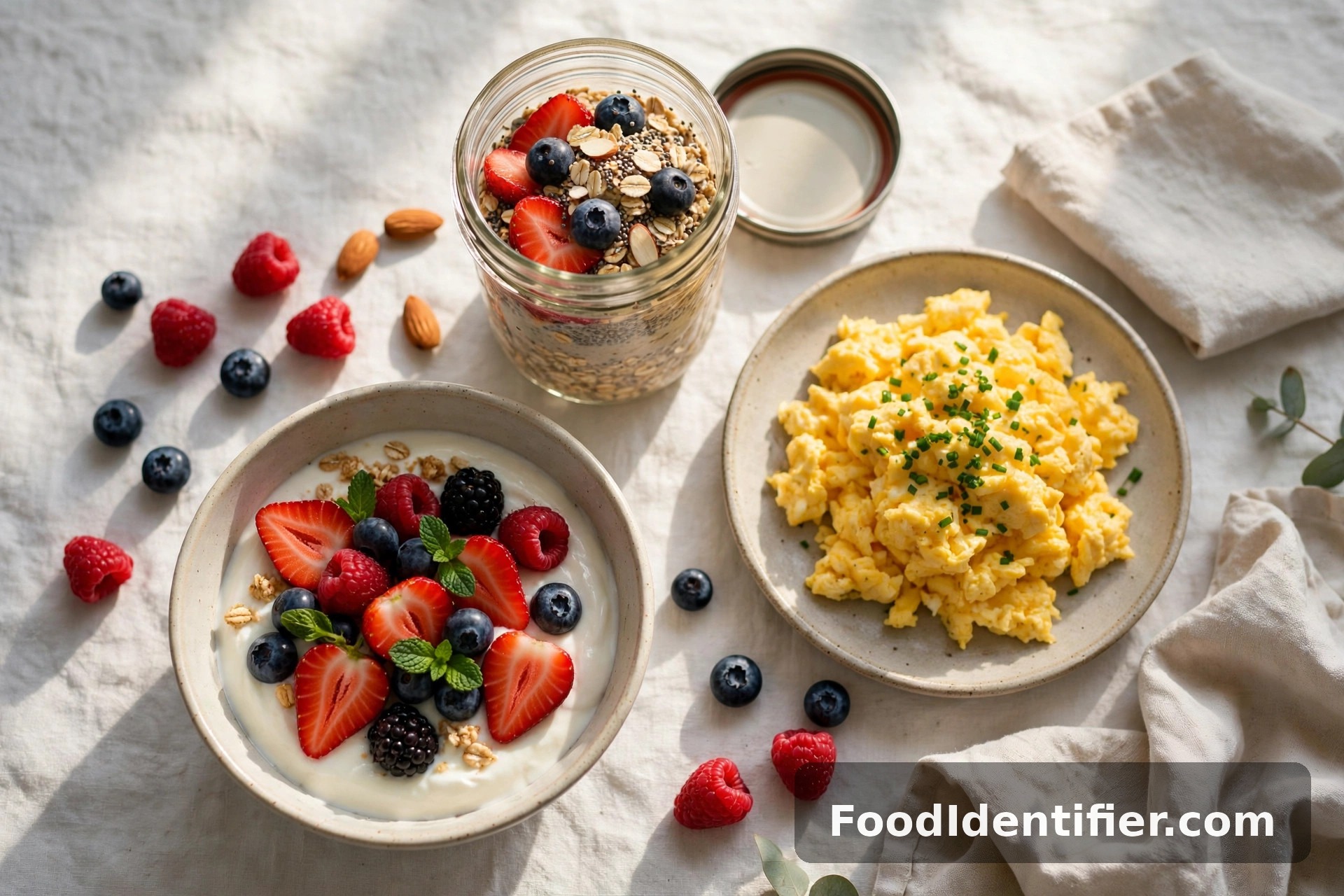
- Greek yogurt bowl: 200g Greek yogurt + berries + spoon of oats = ~22g protein
- 3-egg scramble: 3 eggs + spinach + feta = ~22g protein
- Overnight oats: oats + milk + scoop of whey + peanut butter = ~30g protein
- Cottage cheese toast: cottage cheese on sourdough + tomato = ~20g protein
If breakfast alone delivers 25g and lunch is a palm of chicken (25g), you're at 50g by 1pm without a single moment of tracking. Dinner just needs to be normal.
Best for: routine people and breakfast-skippers who need a system, not willpower.
Method 5: The paper tally (two-column note)
The lowest-tech method, and weirdly effective. Draw two columns on paper or a phone note: meal and protein. After eating, jot the meal and your best protein estimate.
Breakfast — yogurt bowl ......... 22g
Lunch — chicken salad ........... 30g
Snack — handful almonds ......... 6g
Dinner — salmon + rice .......... 35g
TOTAL ........................... 93g
You don't need exact numbers — your estimates get good within a week because you eat the same foods repeatedly. The tally's real power is psychological: writing "6g" next to a sad desk snack makes tomorrow's snack a Greek yogurt without any lecture.
Best for: minimalists, journal lovers, and anyone doing a short protein audit (try it for one week — you'll learn your patterns permanently).
Or skip the tally entirely — photograph each meal and let the grams add up themselves, free at foodidentifier.com.
A sample 120g-protein day: how to track protein without an app in practice
Here's what a full day looks like using nothing but the methods above. Target: ~120g (a 150-lb person in the middle of the range).
- Breakfast (anchor meal): overnight oats with whey — 30g. Counted once, remembered forever.
- Lunch (palm method): big salad with a palm-and-a-half of grilled chicken — ~38g.
- Snack (label rule): Greek yogurt cup, checked with the 10-calorie rule — 15g.
- Dinner (photo scan): photographed the salmon plate to confirm — 35g.
- Evening: small handful of almonds — 6g.
Total: ~124g. Zero apps opened. Zero foods weighed. That's the whole point — protein tracking should be a background habit, not a second job.
Want to sanity-check your own day? Scan your dinner free and see your grams in seconds.
FAQ
How much protein do I really need per day?
The practical rule: 0.7–1g per pound of body weight. A 150-lb person targets roughly 105–150g. Lifters and dieters aim higher in the range; sedentary folks can sit at the lower end.
Can I hit 100g of protein without supplements?
Easily, with animal protein or soy at every meal: yogurt or eggs at breakfast (20g), a palm of chicken at lunch (30g), fish or meat at dinner (35g), plus snacks. That's ~100g before trying. Supplements are convenience, not a requirement.
What is the 10-calorie protein rule?
Multiply a food's protein grams by 10 and compare to its calories. If the numbers are close, it's genuinely protein-rich. Greek yogurt (17g protein, 100 cal) passes easily; a "protein cookie" (10g protein, 280 cal) fails — it's candy with marketing.
How to track protein without an app at a restaurant?
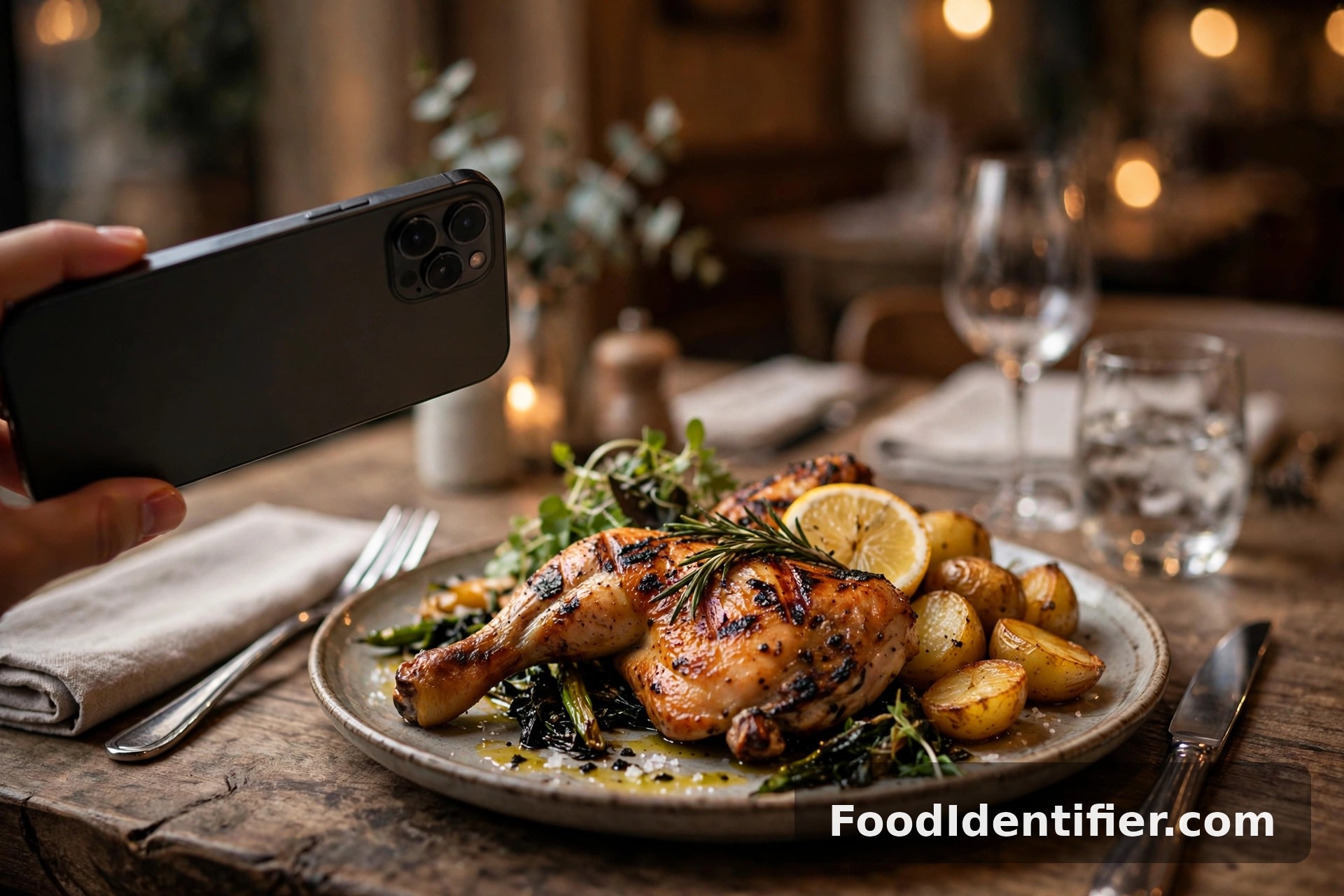
Use the palm method: a palm of meat is ~25g protein, and most restaurant entrees serve 1–1.5 palms. Or photograph the plate for an instant estimate — no app download needed.
Do I need to spread protein across the day?
Yes — it matters more than most people think. Your body uses protein better in 25–40g doses across 3–5 meals than in one giant dinner. Anchor each meal with a protein source.
Is tracking protein enough, or do I need calories too?
For many goals, protein plus sensible portions is enough. If fat loss stalls for 2–3 weeks, layer in calorie awareness — counting without an app is easier than you think.
Does the keto diet change protein targets?
Not much — keto is about limiting carbs, not maximizing protein. The same 0.7–1g/lb rule applies. Our keto food scanner checks the carb side while you track the protein side.
Is the photo protein scan really free?
Yes — FoodIdentifier's scanner is free at foodidentifier.com. Photograph any meal and get protein grams plus full macros in about 5 seconds. No app, no account, no card.
Know your number, then hit it daily. Scan your next meal free at foodidentifier.com — see your protein grams in 5 seconds, no app, no sign-up.
Nutrition Guides — Frequently Asked Questions
Quick answers to the questions readers ask most.
People Also Ask
Related questions readers search for — tap any to get a full evidence-based answer.