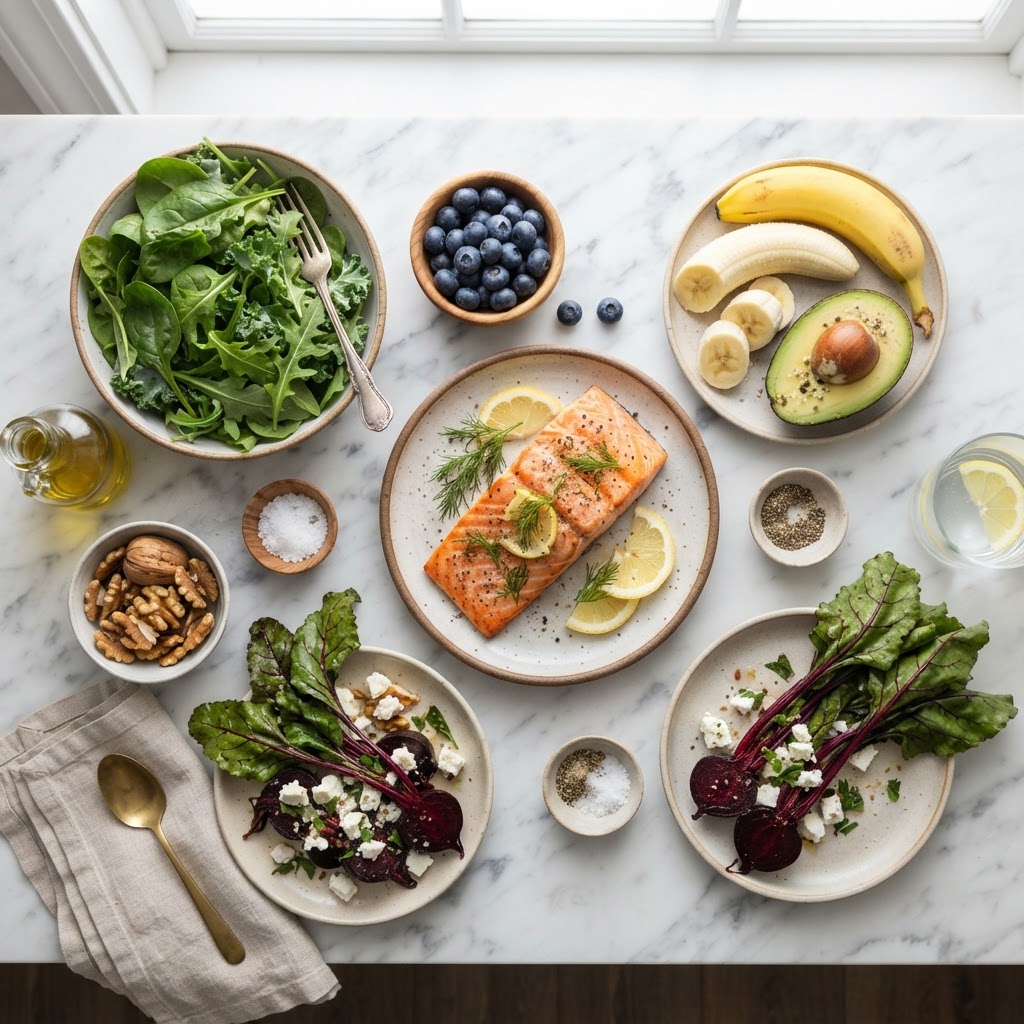
High blood pressure — hypertension — is called the "silent killer" for a reason. It affects 1 in 3 American adults (122 million people) and 1 in 3 of those do not know they have it. There are no symptoms until the damage is done: heart attack, stroke, kidney failure, vision loss. But here is the good news: blood pressure is one of the most diet-responsive conditions in all of medicine. What you eat can lower it by 10–20 points in two weeks.
This guide covers the 15 best foods that lower blood pressure naturally, the full DASH diet protocol backed by NIH research, daily sodium and potassium targets, a 7-day meal plan, and the lifestyle factors that multiply the effect. Every recommendation is grounded in peer-reviewed studies from the National Institutes of Health, the American Heart Association, and the New England Journal of Medicine.
Understanding Blood Pressure
Blood pressure is the force of blood pushing against your artery walls. It is measured in two numbers:
- Systolic (top number) — pressure when your heart beats
- Diastolic (bottom number) — pressure when your heart rests between beats
| Category | Systolic | Diastolic |
|---|---|---|
| Normal | < 120 | < 80 |
| Elevated | 120–129 | < 80 |
| Stage 1 Hypertension | 130–139 | 80–89 |
| Stage 2 Hypertension | 140+ | 90+ |
| Hypertensive Crisis | 180+ | 120+ |
Diet affects blood pressure through three primary mechanisms: sodium balance (excess sodium raises pressure), potassium intake (potassium helps excrete sodium and relax vessels), and nitric oxide production (certain foods dilate blood vessels directly).
The DASH Diet Explained
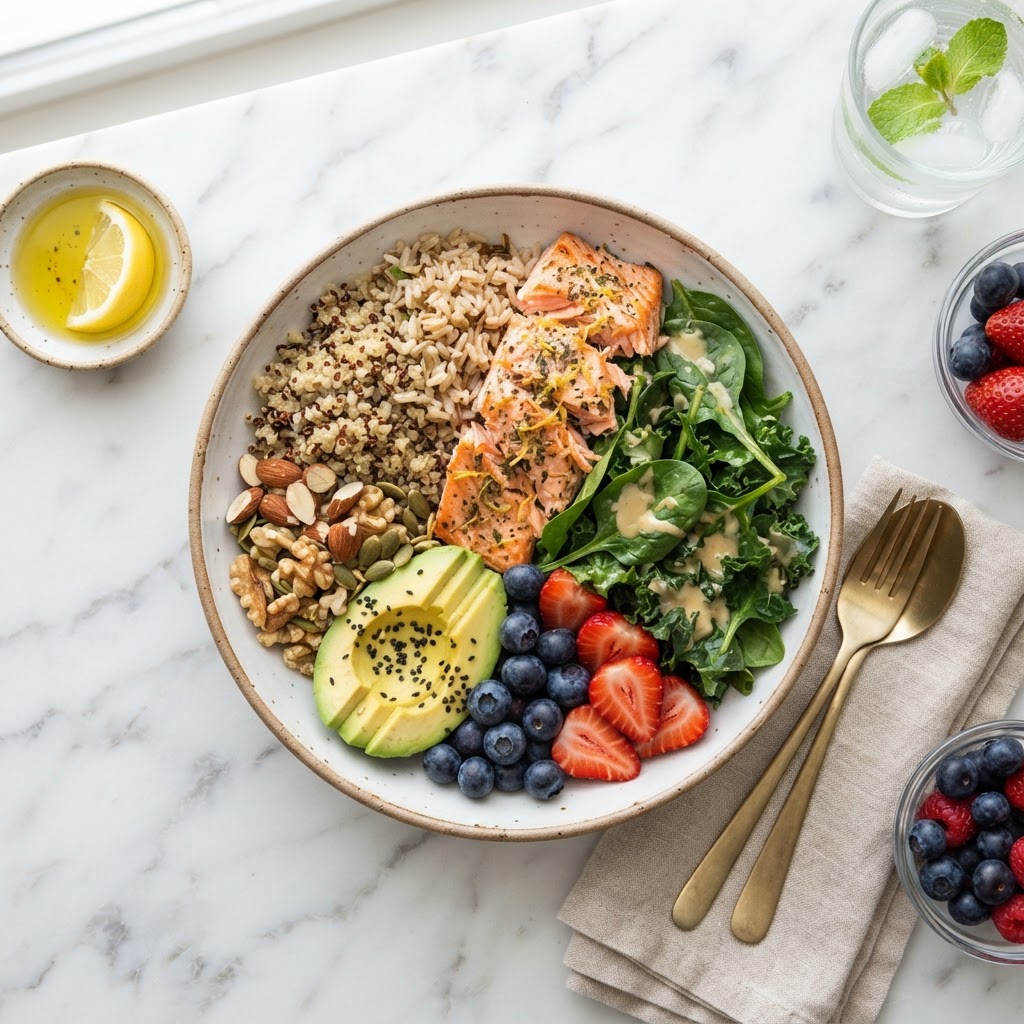
The DASH diet (Dietary Approaches to Stop Hypertension) was developed by the NIH in the 1990s and remains the most evidence-based eating pattern for blood pressure. It is not a fad — it was designed specifically to lower blood pressure, and multiple clinical trials prove it works. US News & World Report has ranked it the #1 best diet for 13 consecutive years.
The DASH diet emphasizes:
- Vegetables and fruits — 8–10 servings/day (potassium, fiber, magnesium)
- Whole grains — 6–8 servings/day (fiber, magnesium)
- Lean protein — poultry, fish (6 or fewer servings/day)
- Low-fat dairy — 2–3 servings/day (calcium, which helps vessels contract properly)
- Nuts, seeds, legumes — 4–5 servings/week (magnesium, healthy fats)
- Limited sodium — under 2,300mg/day (ideal: 1,500mg)
- Limited saturated fat and added sugar
Clinical trials show the DASH diet lowers systolic blood pressure by 8–14 mmHg — comparable to a single blood pressure medication. Combined with sodium restriction to 1,500mg/day, the effect can reach 15–20 mmHg.
15 Best Foods That Lower Blood Pressure
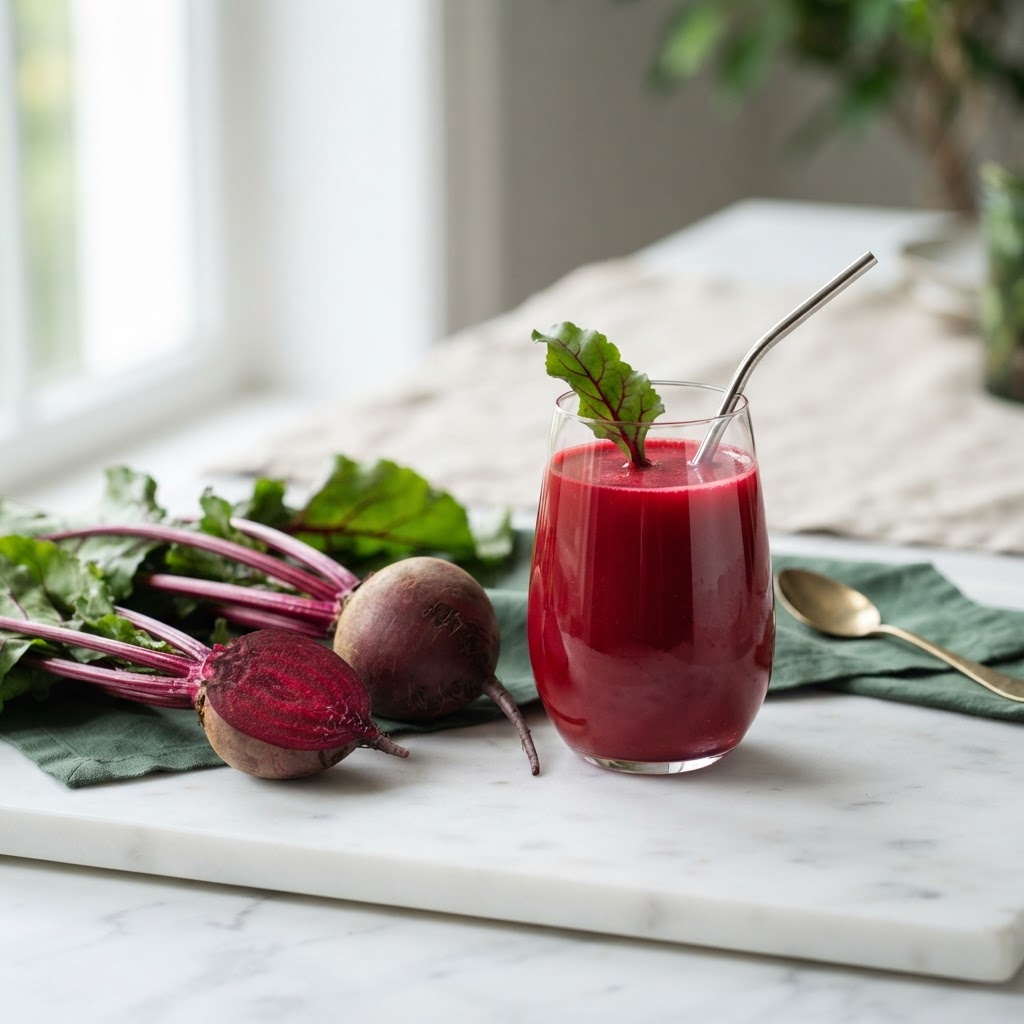
1. Beetroot
Beetroot is the single most potent food for blood pressure. It is packed with dietary nitrates, which your body converts to nitric oxide — a molecule that relaxes and dilates blood vessels. A meta-analysis of 22 studies found beetroot juice lowers systolic blood pressure by 3.5–10 mmHg, with effects beginning within 2–3 hours of consumption. Drink 250ml of beetroot juice daily or eat 1 roasted beet.
2. Leafy Greens (Spinach, Swiss Chard, Kale)
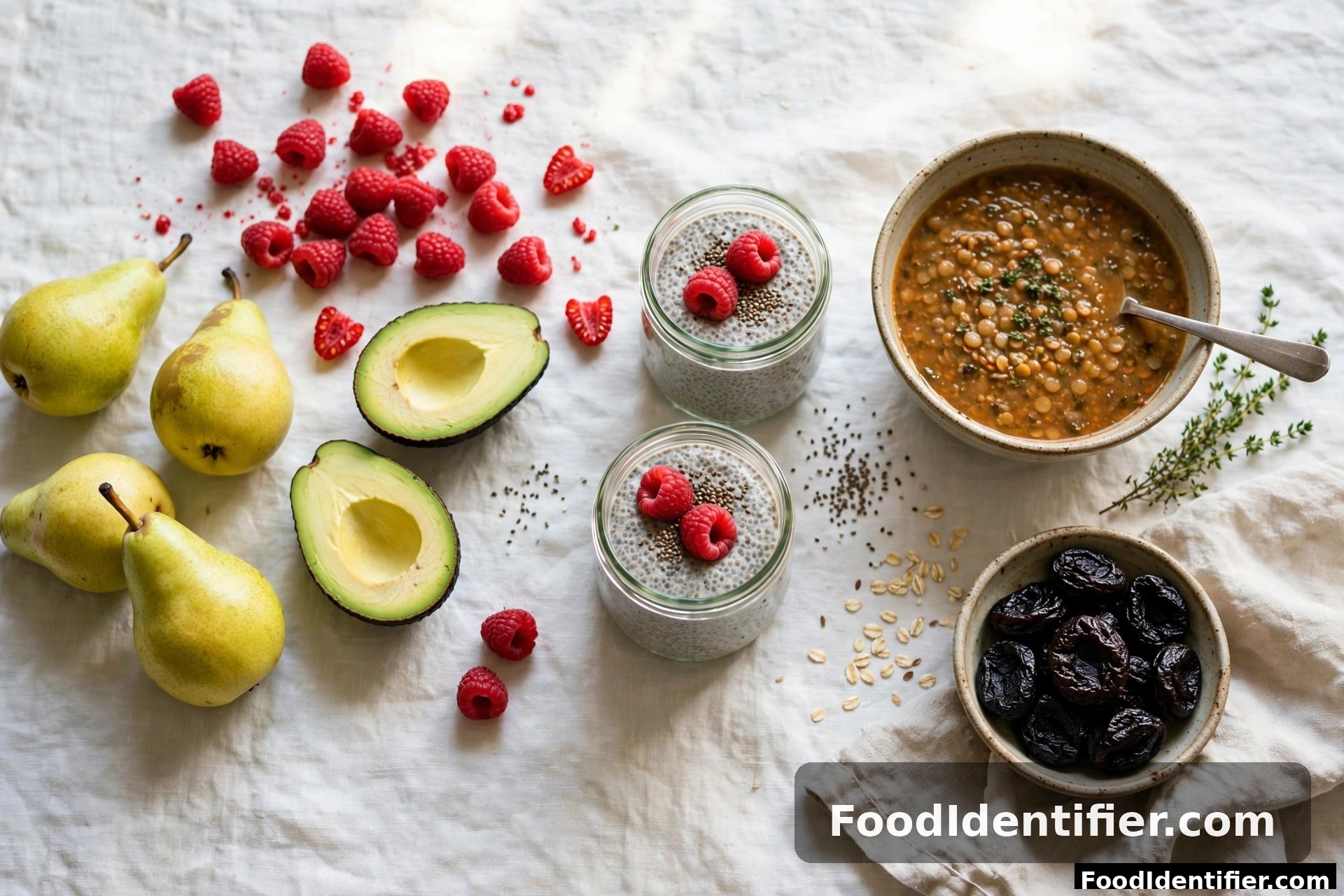
Leafy greens are the highest dietary source of potassium, magnesium, and nitrates — the trifecta for blood pressure. One cup of cooked spinach provides 839mg potassium (24% of your daily need) and 157mg magnesium. Aim for 2–3 cups of leafy greens daily. The DASH trial showed that high vegetable intake alone reduced systolic pressure by 7 mmHg.
3. Bananas
One medium banana provides 422mg potassium — 12% of your daily target. Potassium helps your kidneys excrete excess sodium and relaxes blood vessel walls. The FDA allows bananas to carry a health claim for blood pressure. Eat 1–2 per day, but note that if you have kidney disease, consult your doctor before increasing potassium.
4. Salmon and Fatty Fish
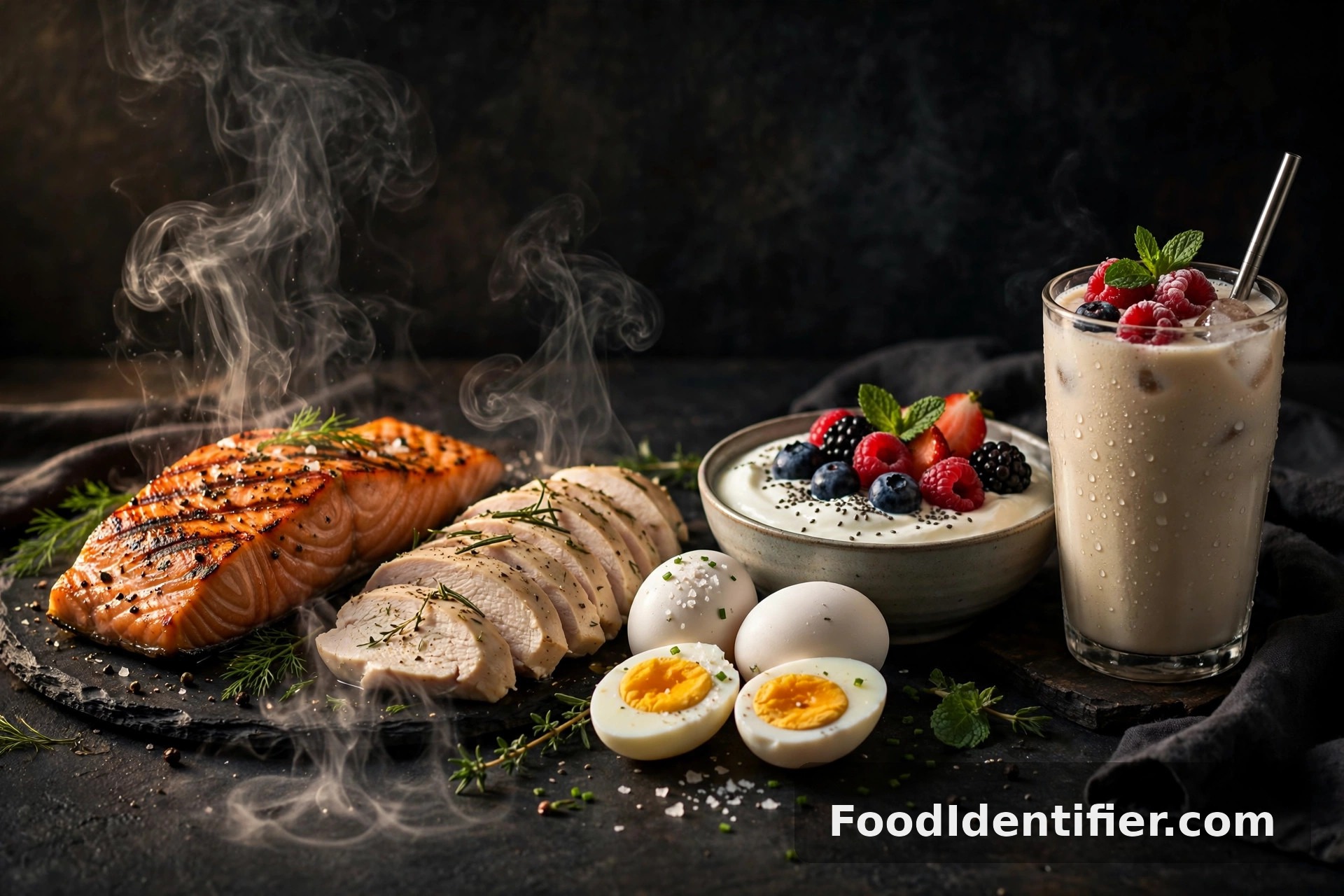
Salmon, mackerel, sardines, and trout are rich in omega-3 fatty acids (EPA and DHA), which reduce inflammation and improve blood vessel function. A study of 2,000 adults found that eating fatty fish 2+ times per week lowered systolic pressure by 4.5 mmHg. Aim for 2 servings per week (6 oz each). Scan your salmon with FoodIdentifier to confirm you are getting the full omega-3 benefit.
5. Greek Yogurt
Low-fat dairy is a DASH staple because of its calcium content. Calcium helps blood vessels contract and relax properly. A study of 2,500 adults found that those who ate 5+ servings of low-fat dairy per week had a 20% lower risk of high blood pressure. One cup of plain Greek yogurt provides 250mg calcium plus 17g protein. Avoid sweetened yogurts — the added sugar negates the benefit.
6. Oats and Oatmeal
Oats contain beta-glucan, a soluble fiber that reduces cholesterol and improves blood vessel function. A 12-week study found that eating 60g of oats daily lowered systolic blood pressure by 7.5 mmHg. Eat a bowl of plain oatmeal (not instant, which has added sugar) with berries for breakfast 5 days per week.
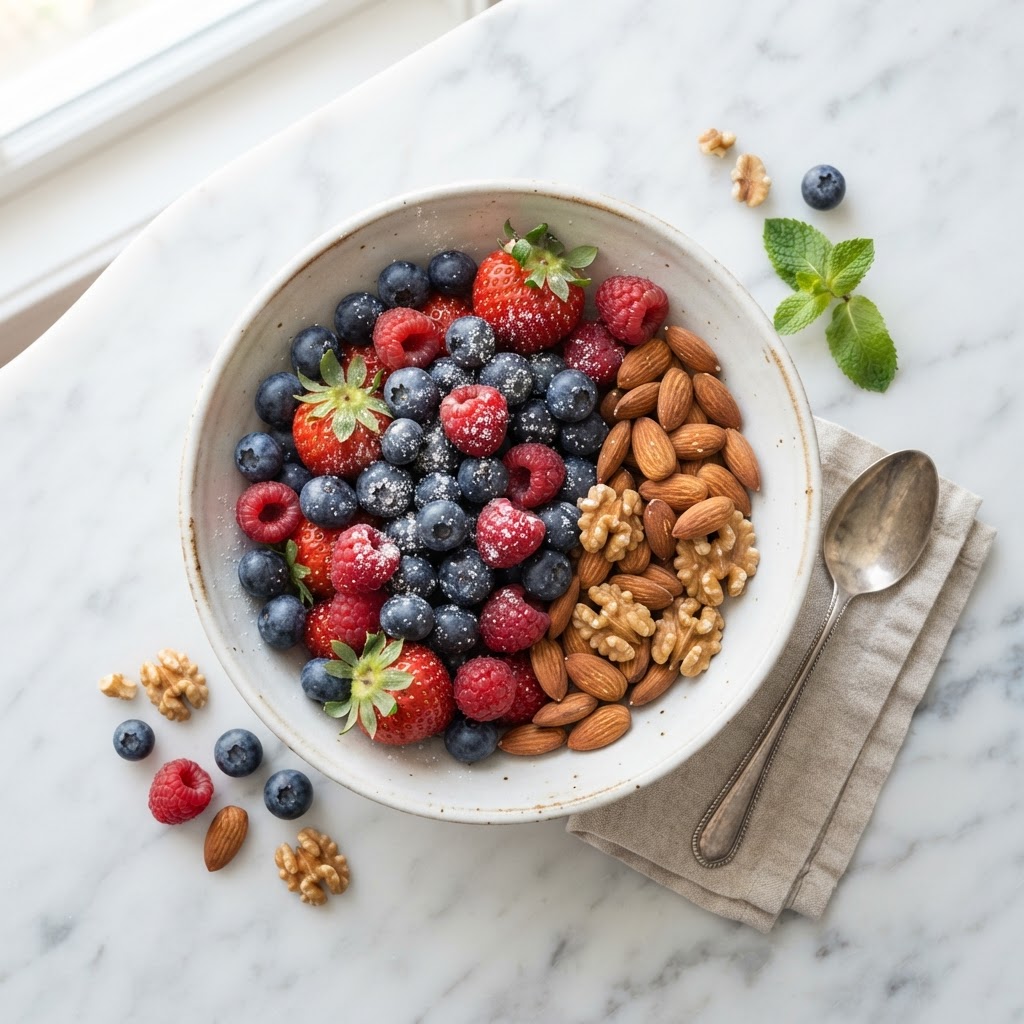
7. Berries (Blueberries, Strawberries)
Berries are loaded with anthocyanins, antioxidants that increase nitric oxide production and reduce inflammation in blood vessels. A study of 90,000 women found that those who ate 3+ servings of blueberries per week had an 8% lower risk of hypertension. Eat 1 cup of mixed berries daily.
8. Avocados
One avocado provides 690mg potassium (20% daily), 58mg magnesium, and healthy monounsaturated fats. A study of 68,000 adults found that eating 1 avocado per week was associated with a 17% lower risk of high blood pressure. Add half an avocado to salads or toast daily.
9. Garlic
Garlic contains allicin, a compound that increases nitric oxide production and relaxes blood vessels. A meta-analysis of 12 trials found garlic supplements lowered systolic blood pressure by 5–8 mmHg in hypertensive patients. Use fresh garlic (not garlic powder) — crush it and let it sit for 10 minutes before cooking to maximize allicin.
10. Dark Chocolate (70%+ cacao)
Dark chocolate is rich in flavanols that stimulate nitric oxide production. A meta-analysis of 35 studies found that dark chocolate (70%+ cacao) lowered systolic pressure by 2–3 mmHg. Eat 1–2 squares (1 oz) of 70%+ dark chocolate daily — not milk chocolate, which has minimal flavanols and high sugar.
11. Lentils and Beans
Lentils and beans are packed with potassium, magnesium, and fiber. A study of 554 adults found that eating 1 cup of lentils or beans per day lowered systolic blood pressure by 4 mmHg in 8 weeks. Add them to soups, salads, and stews 3–4 times per week.
12. Pistachios
Among nuts, pistachios have the strongest blood pressure evidence. A study found that eating 1 serving of pistachios per day lowered systolic pressure by 4.8 mmHg. They are rich in potassium, magnesium, and healthy fats. Eat a small handful (1 oz, 49 nuts) daily.
13. Pomegranate
Pomegranate juice is one of the most potent antioxidant foods, with 3x the polyphenols of green tea. A study found that drinking 150ml of pomegranate juice daily for 2 weeks lowered systolic pressure by 5–9 mmHg. Drink 4–8 oz of 100% pomegranate juice (not cocktail blends with added sugar).
14. Tomatoes
Tomatoes are rich in lycopene, an antioxidant that improves blood vessel function. A study of 7,000 adults found that eating 1 tomato per day was associated with a 3 mmHg lower systolic pressure. Cooking tomatoes (sauce, soup) increases lycopene absorption — add olive oil for even better absorption.
15. Celery
Celery contains phthalides, compounds that relax blood vessel muscles and increase calcium flow. A traditional Chinese remedy, modern research confirms that 4 celery stalks per day can lower blood pressure by 2–5 mmHg. It is also high in water and low in calories — ideal for the DASH diet.
Foods That Raise Blood Pressure
Avoid or strictly limit these blood-pressure-raising foods:
- Canned soups — 800–1,000mg sodium per can
- Frozen meals — 700–1,500mg sodium per serving
- Fast food burgers and fries — 1,000–2,000mg sodium per meal
- Processed meats (bacon, sausage, deli meat) — 500–800mg sodium per serving
- Soy sauce — 900mg sodium per tablespoon
- Pizza — 1,200–2,000mg sodium per slice
- Condiments (ketchup, BBQ sauce, salad dressing) — hidden sodium
- Alcohol — more than 1 drink/day raises pressure 2–4 mmHg
- Added sugar — linked to higher blood pressure independent of weight
Daily Sodium Targets
Sodium is the single most important dietary factor in blood pressure. The American Heart Association recommends:
- Ideal: under 1,500mg sodium per day
- Acceptable: under 2,300mg per day
- Average American: 3,400mg per day (more than double the ideal)
Reducing sodium from 3,400mg to 1,500mg/day lowers systolic blood pressure by 6–8 mmHg. The easiest way: cook at home from whole ingredients, avoid restaurant and packaged foods, and scan meals with FoodIdentifier to check sodium content instantly.
The Potassium Secret
Potassium is the counterbalance to sodium. It helps your kidneys excrete excess sodium and relaxes blood vessel walls. The FDA recommends 4,700mg of potassium per day — the average American gets only 2,500mg.
Top potassium sources (per cup, cooked):
- Spinach — 839mg
- Avocado — 690mg (whole)
- Sweet potato — 542mg
- White beans — 1,189mg
- Beet greens — 1,300mg
- Banana — 422mg (medium)
- Salmon — 534mg (per 6 oz)
Increasing potassium from 2,500mg to 4,700mg/day lowers systolic blood pressure by 4–6 mmHg. If you have kidney disease, consult your doctor before increasing potassium — high potassium can be dangerous with impaired kidney function.
7-Day Blood Pressure Meal Plan
This plan delivers 4,700mg+ potassium, under 1,500mg sodium, and follows the DASH principles. Scan each meal with FoodIdentifier to verify macros and sodium.
| Day | Breakfast | Lunch | Dinner |
|---|---|---|---|
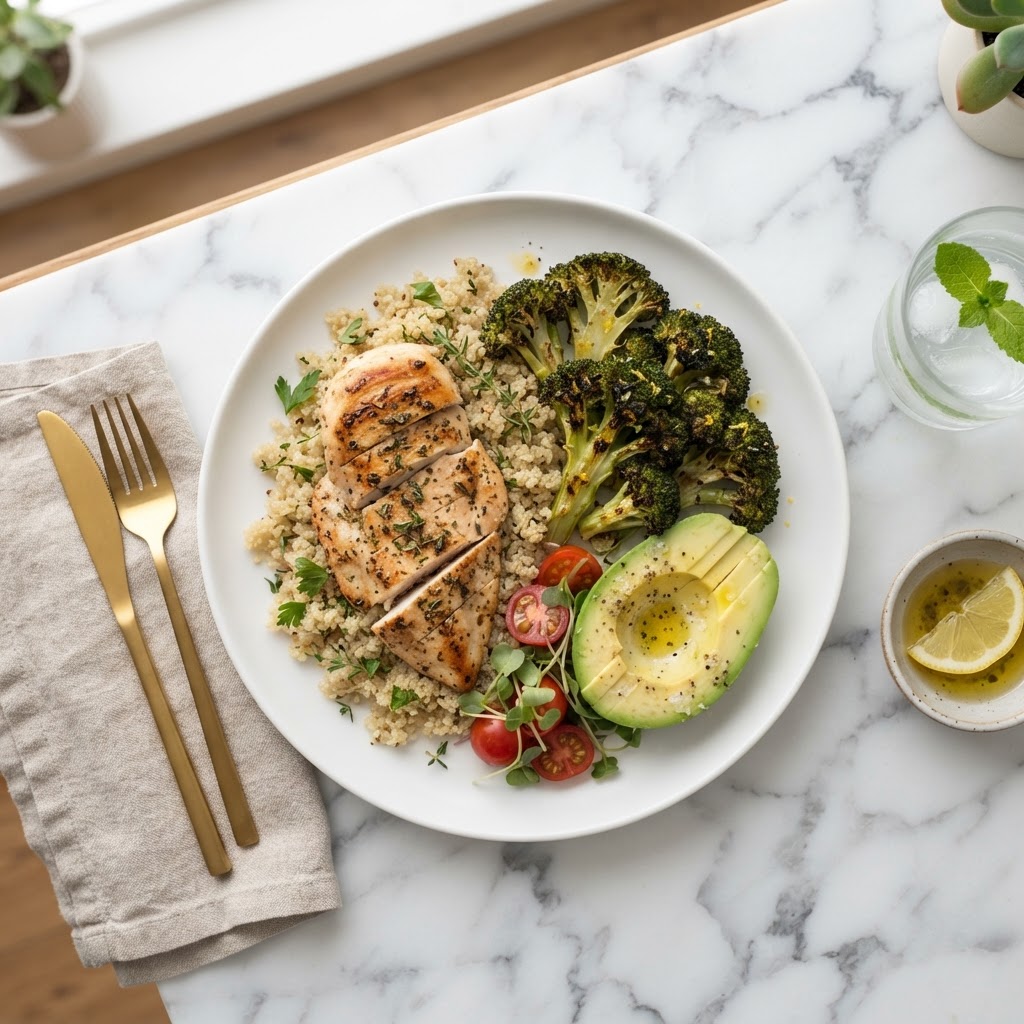
| Mon | Oatmeal + berries + walnuts | Spinach salad + salmon + avocado | Grilled chicken + broccoli + quinoa |
| Tue | Greek yogurt + banana + chia | Lentil soup + side salad | Baked salmon + asparagus + sweet potato |
| Wed | Eggs + spinach + whole grain toast | Chicken + beet salad + walnuts | Tofu stir-fry + brown rice + bok choy |
| Thu | Smoothie: banana + spinach + yogurt | Tuna + white bean + kale salad | Turkey + roasted beets + green beans |
| Fri | Oatmeal + banana + almonds | Avocado + tomato + lentil bowl | Mackerel + Swiss chard + quinoa |
| Sat | Greek yogurt + blueberries + pistachios | Chicken + avocado + tomato wrap | Vegetable + bean chili + side salad |
| Sun | Eggs + avocado + tomato | Spinach + salmon + beet salad | Roasted chicken + Brussels sprouts + potato |
Beyond Diet: Lifestyle Factors That Multiply the Effect
Diet is the foundation, but these lifestyle factors multiply the blood pressure reduction:
- Exercise: 150 minutes of moderate cardio per week lowers systolic pressure by 5–8 mmHg
- Weight loss: losing 5% of body weight lowers pressure by 5–7 mmHg
- Sleep: 7–9 hours; each hour of sleep lost raises pressure 2–3 mmHg
- Alcohol: limit to 1 drink/day (women) or 2 (men)
- Stress management: meditation, deep breathing — lowers pressure 3–5 mmHg
- Quit smoking: each cigarette raises pressure 5–10 mmHg temporarily
Combined, the DASH diet + exercise + weight loss + stress management can lower blood pressure by 20–30 mmHg — enough to move from Stage 2 hypertension to normal for many people.
How FoodIdentifier Helps You Lower Blood Pressure
FoodIdentifier makes the DASH diet effortless:
- Instant sodium tracking — scan any meal and see the sodium content immediately
- Potassium + magnesium awareness — know if your meals hit your mineral targets
- Healthier alternatives — scan a high-sodium food and get instant DASH-friendly swaps
- Food diary — track your full day of sodium and potassium intake in seconds
- Blood Sugar Impact — stable blood sugar supports stable blood pressure
Start by scanning your next three meals. Most people are shocked to discover their "healthy" restaurant meal contains 2,000mg+ sodium — more than a full day's target. Awareness is the first step to lower blood pressure.
Related Guides & Free Tools
Blood pressure is one of the most diet-responsive conditions in medicine. The DASH diet, sodium restriction, and the 15 foods above can lower your pressure by 10–20 points in two weeks. Start today — scan your next meal, check the sodium, and make one swap. Your heart will thank you.