 FoodIdentifier
Anti-Inflammatory Diet 2026: The Complete Science-Backed Guide — Top 30 Foods, What to Avoid, 7-Day Meal Plan & Exact Turmeric Dosage
Chronic inflammation is the root cause of diabetes, heart disease, Alzheimer's, arthritis, and most cancers. This definitive guide covers every anti-inflammatory food ranked by clinical evidence, the omega-6:omega-3 ratio fix, exact turmeric dosage, a complete 7-day meal plan, and free AI inflammation score tools.
This article is general information only — not medical advice. Talk to your doctor about your own situation.
⚡ Quick Answer for Busy People
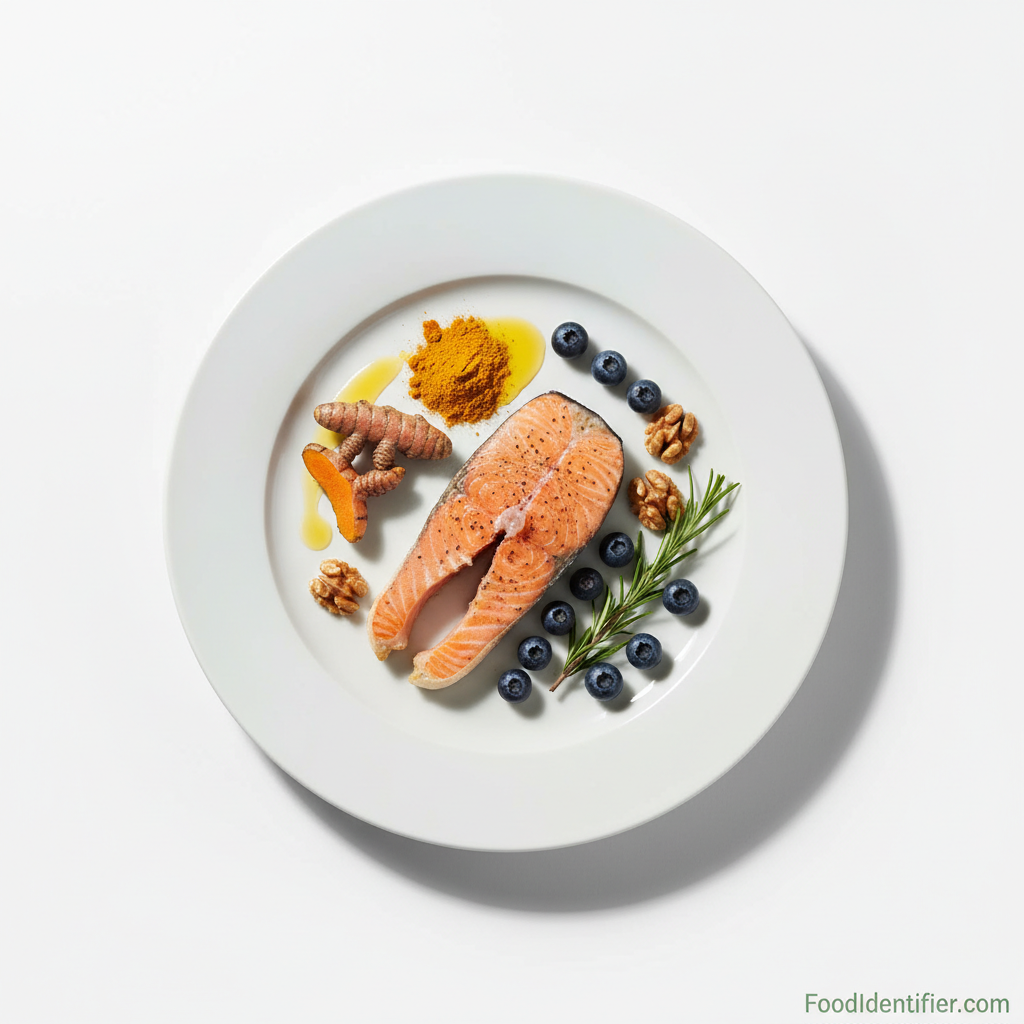
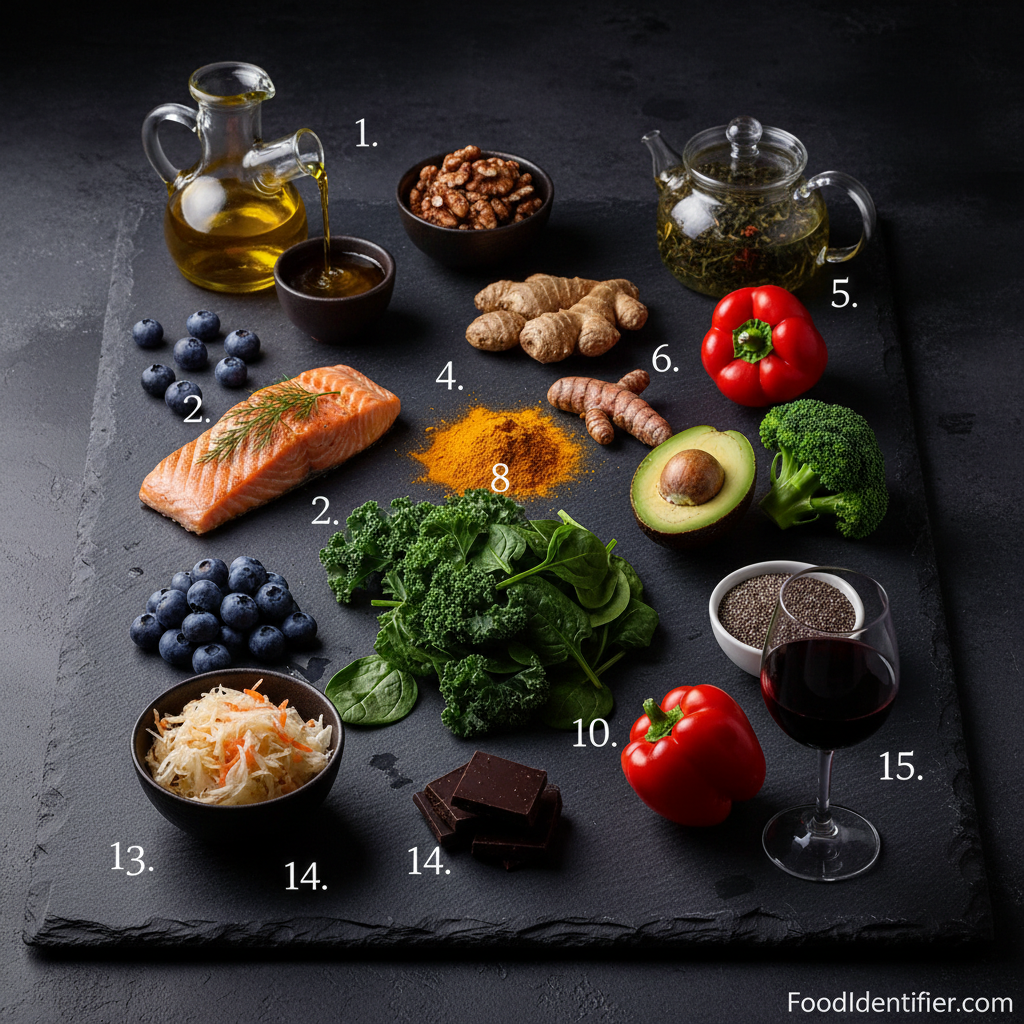
The top 5 anti-inflammatory foods by evidence: (1) Extra virgin olive oil — oleocanthal = natural ibuprofen, (2) Wild salmon — EPA+DHA omega-3s, (3) Blueberries — anthocyanins, (4) Turmeric + black pepper — curcumin + 2,000% absorption boost, (5) Leafy greens — vitamin K + folate. Eliminate: trans fats, refined seed oils, refined sugar, processed meats. Results visible in 4-6 weeks. CRP drops 20-40%. Check any food's inflammation score free →
What Is Chronic Inflammation — And Why It's Killing You Silently
Inflammation is your immune system's natural and essential response to threats — injuries, infections, toxins, and pathogens. Acute inflammation is lifesaving and resolves within days. The fever you get with an infection, the redness around a wound — these are acute inflammation working correctly. Without it, you would not survive even minor infections.
Chronic inflammation is something entirely different and far more dangerous. It is a persistent, low-grade immune activation with no active threat to fight — your immune system running in the background, damaging your own tissues continuously over months and years. There are no obvious symptoms in the early stages. No fever, no visible redness. Just silent tissue destruction accumulating daily until it manifests as disease.
The World Health Organization identifies chronic inflammatory diseases as the most significant cause of death worldwide — responsible for more than 60% of all global deaths. Type 2 diabetes, cardiovascular disease, Alzheimer's disease, all major cancers, rheumatoid arthritis, inflammatory bowel disease, depression, and most autoimmune conditions all have chronic systemic inflammation as a foundational mechanism. This is not coincidence — it is causal biology.
What drives chronic inflammation in 2026? The primary drivers are dietary — the Western diet creates a perfect inflammatory storm. Ultra-processed foods contain emulsifiers and additives that disrupt the gut lining, creating a "leaky gut" that allows bacterial products to enter the bloodstream and trigger immune responses. The omega-6 to omega-3 ratio of 20:1 (vs the evolutionary optimum of 4:1 or less) systematically shifts the body's eicosanoid production toward inflammation. Refined sugar and refined carbohydrates produce advanced glycation end-products (AGEs) that directly activate inflammatory pathways. Trans fats are directly incorporated into cell membranes and disrupt normal signaling.
A landmark 2023 meta-analysis of 47 randomized controlled trials published in Nutrients found that Mediterranean-style anti-inflammatory eating reduced CRP (the primary blood inflammation marker) by a median of 23% — comparable to the effects of low-dose aspirin without any side effects or gastrointestinal risks. The most powerful single intervention available for chronic inflammation is not a pharmaceutical. It is your fork.
The 8 Root Signs Your Body Is Chronically Inflamed
Chronic inflammation rarely announces itself dramatically. Instead it manifests through these eight recurring patterns that most people attribute to aging, stress, or genetics rather than recognizing as a dietary problem with a dietary solution:
- ▶1. Persistent Fatigue Despite Adequate Sleep: Inflammatory cytokines (especially IL-6 and TNF-alpha) directly suppress mitochondrial energy production and cross the blood-brain barrier to cause central fatigue. If you wake unrefreshed despite 7-8 hours of sleep, chronic inflammation may be the primary driver.
- ▶2. Joint Pain, Stiffness, or Swelling: Inflammatory prostaglandins and leukotrienes directly sensitize pain receptors in joint tissue. Morning stiffness lasting more than 30 minutes is a clinical marker of systemic inflammation.
- ▶3. Skin Inflammation: Acne, Eczema, Psoriasis, Rosacea: 70% of your immune system lives in your gut. Gut dysbiosis drives skin inflammation through the gut-skin axis. These skin conditions are symptoms of systemic inflammation, not topical problems.
- ▶4. Digestive Problems: Bloating, IBS, Reflux: Chronic gut inflammation damages the intestinal lining, disrupts the gut microbiome, and impairs digestive enzyme production. The gut is both a cause and consequence of systemic inflammation.
- ▶5. Frequent Illness or Slow Recovery: Paradoxically, chronic over-activation of the immune system depletes immune resources needed for acute threats. People with chronic inflammation get more colds, heal more slowly, and respond less well to vaccines.
- ▶6. Mood Disorders, Anxiety, Depression: Inflammatory cytokines cross the blood-brain barrier and suppress serotonin production, impair dopamine signaling, and activate the HPA stress axis. A 2019 meta-analysis found that anti-inflammatory interventions reduced depression scores by 52% compared to placebo.
- ▶7. Weight Gain That Resists Diet and Exercise: Inflammatory cytokines directly cause insulin resistance and leptin resistance — disrupting both fat storage signals and hunger regulation. You cannot out-exercise or out-willpower biochemical resistance driven by chronic inflammation.
- ▶8. Brain Fog, Poor Memory, Cognitive Decline: Neuroinflammation impairs synaptic plasticity, reduces BDNF (brain-derived neurotrophic factor), and is now recognized as a primary driver of Alzheimer's disease progression. Dietary anti-inflammatory interventions measurably improve cognitive performance in clinical trials.
Top 30 Anti-Inflammatory Foods Ranked by Clinical Evidence
These rankings are based on the strength and consistency of human clinical trial evidence — not animal studies or observational data alone. Foods ranked ★★★★★ have 5+ independent RCTs (randomized controlled trials) demonstrating measurable reduction in blood inflammatory markers (CRP, IL-6, TNF-alpha). Use FoodIdentifier's free Food Health Score to check the inflammation rating of any food before eating it.
Scan any food photo and instantly see its anti-inflammatory rating, health score, and what to swap it for. Free, no signup.
Get Food Health Score →Scan Any Food Free →The 20 Most Pro-Inflammatory Foods to Eliminate Immediately
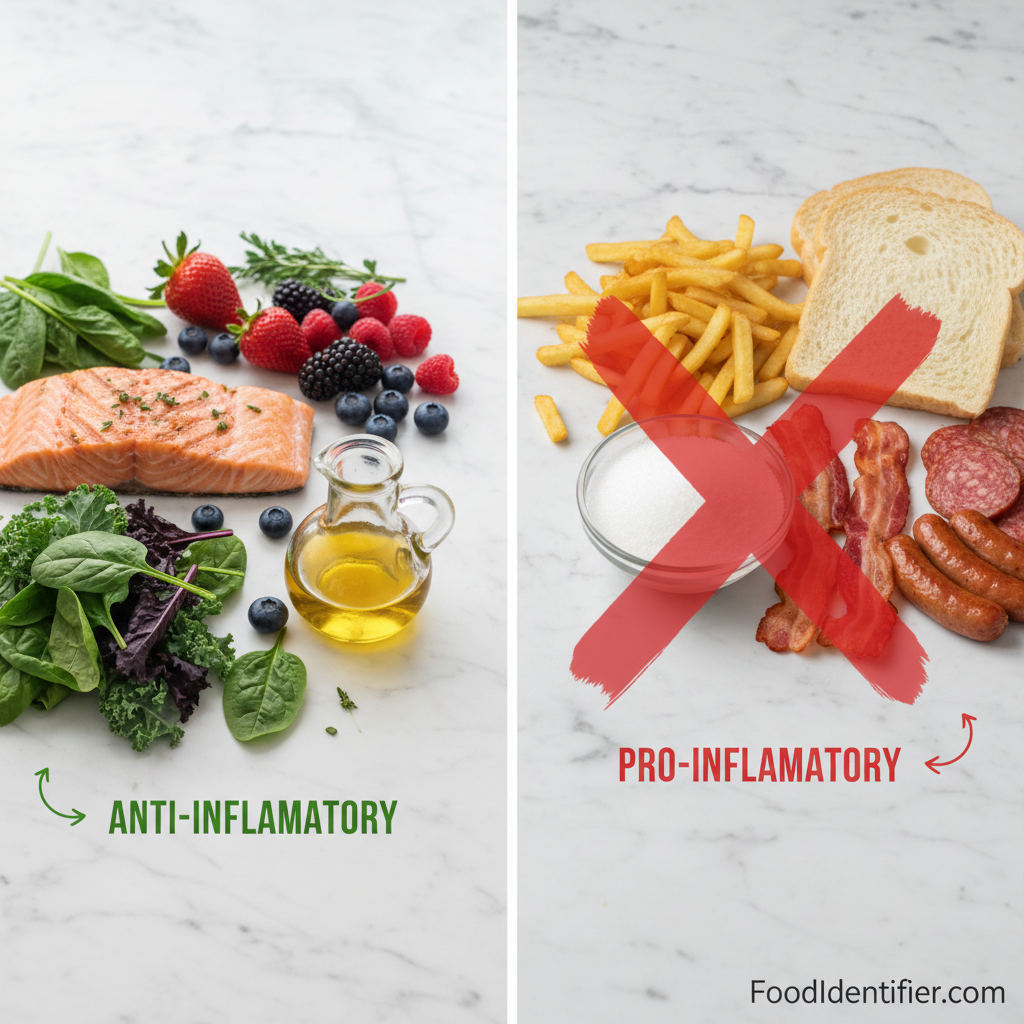
Eliminating these foods produces measurable reductions in inflammatory markers within 2-4 weeks — often faster than adding anti-inflammatory foods. The elimination-first approach is clinically more impactful because the inflammatory load from these foods directly competes with and undermines every anti-inflammatory food you eat simultaneously.
The Omega-6 to Omega-3 Ratio: The Hidden Root of Modern Chronic Disease
Of all the dietary drivers of chronic inflammation, the omega-6 to omega-3 fatty acid ratio is the most important and the most consistently ignored by mainstream health advice. Understanding this ratio is essential for anyone serious about reducing systemic inflammation through diet.
Omega-6 and omega-3 fatty acids compete for the same metabolic enzymes in the body. Omega-6 fatty acids (predominantly from seed oils — corn, soybean, sunflower, safflower) produce pro-inflammatory eicosanoids: prostaglandins, leukotrienes, and thromboxanes that actively promote inflammation, blood clotting, and cell proliferation. Omega-3 fatty acids (EPA and DHA from fatty fish, ALA from flaxseeds and walnuts) compete with omega-6 for the same enzymes and produce anti-inflammatory resolvins and protectins that resolve inflammation and restore immune balance.
The evolutionary human diet maintained an omega-6:omega-3 ratio of approximately 1:1 to 4:1. Hunter-gatherer populations show this ratio today in their diets. The average Western diet in 2026 has an omega-6:omega-3 ratio of 15:1 to 20:1 — driven almost entirely by the dramatic increase in seed oil consumption since the 1960s when "vegetable oils" replaced butter and lard. This single dietary shift is responsible for a significant proportion of the chronic disease epidemic in developed countries.
Correcting this ratio is simple but requires eliminating seed oils and increasing fatty fish consumption: (1) Replace all corn, soybean, canola, sunflower, safflower, and vegetable oils with extra virgin olive oil and avocado oil, (2) Eat fatty fish (salmon, sardines, mackerel, herring) 3-4 times per week, (3) Add 2 tablespoons of ground flaxseeds daily, (4) Eat 1 ounce of walnuts daily. These four changes alone can shift the omega ratio from 20:1 to 6:1 within 8-12 weeks — producing measurable CRP reductions of 15-25%.
Turmeric, Ginger & Herbal Anti-Inflammatory Compounds — Exact Dosages
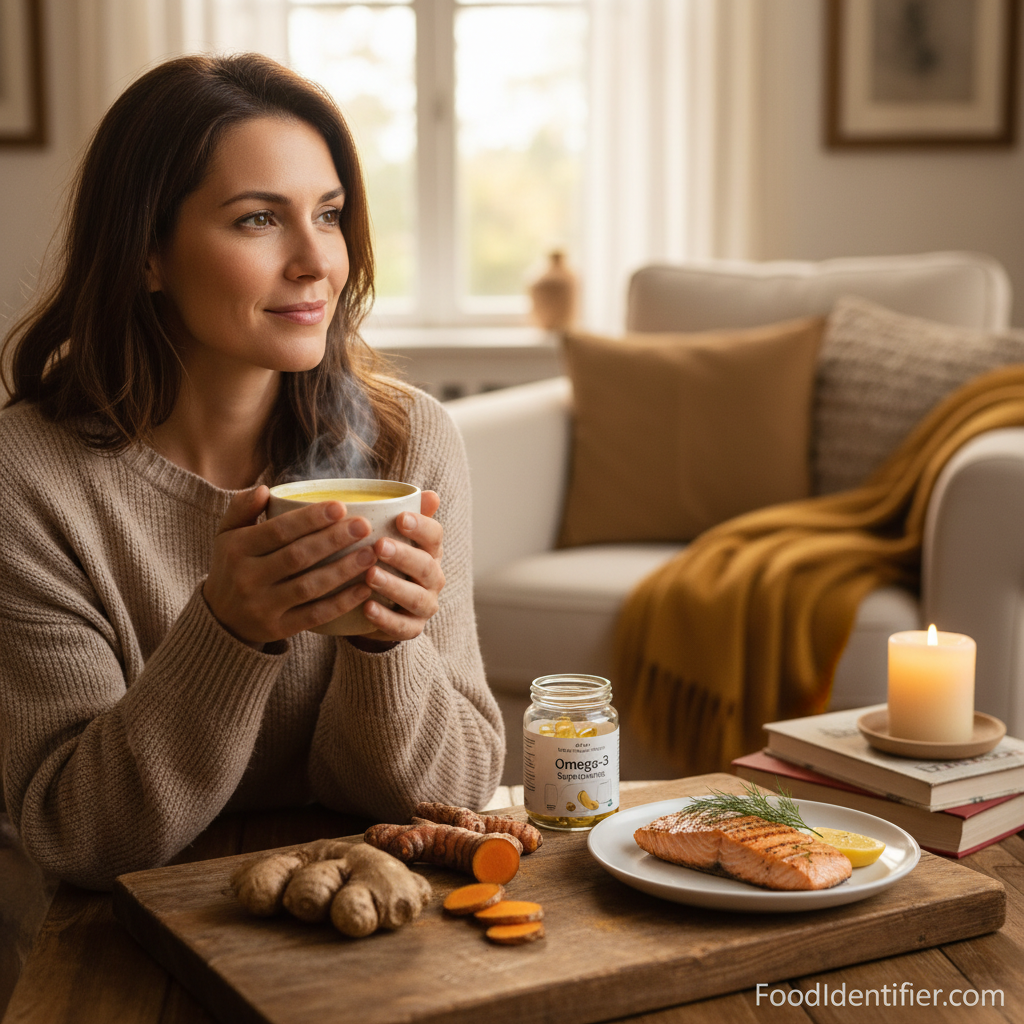
Herbal anti-inflammatory compounds deserve their own section because their effectiveness is highly dose-dependent and preparation-dependent. Most people consume far too little to achieve therapeutic effects, or consume them in forms with negligible bioavailability.
The Complete Anti-Inflammatory 7-Day Meal Plan
This meal plan is built around the Mediterranean dietary pattern — the most evidence-supported anti-inflammatory eating approach in the world, with 47 RCTs demonstrating measurable CRP reduction. Every meal contains multiple anti-inflammatory compounds from the ranked list above. Use FoodIdentifier's free AI scanner to verify macros and inflammation score for each meal.
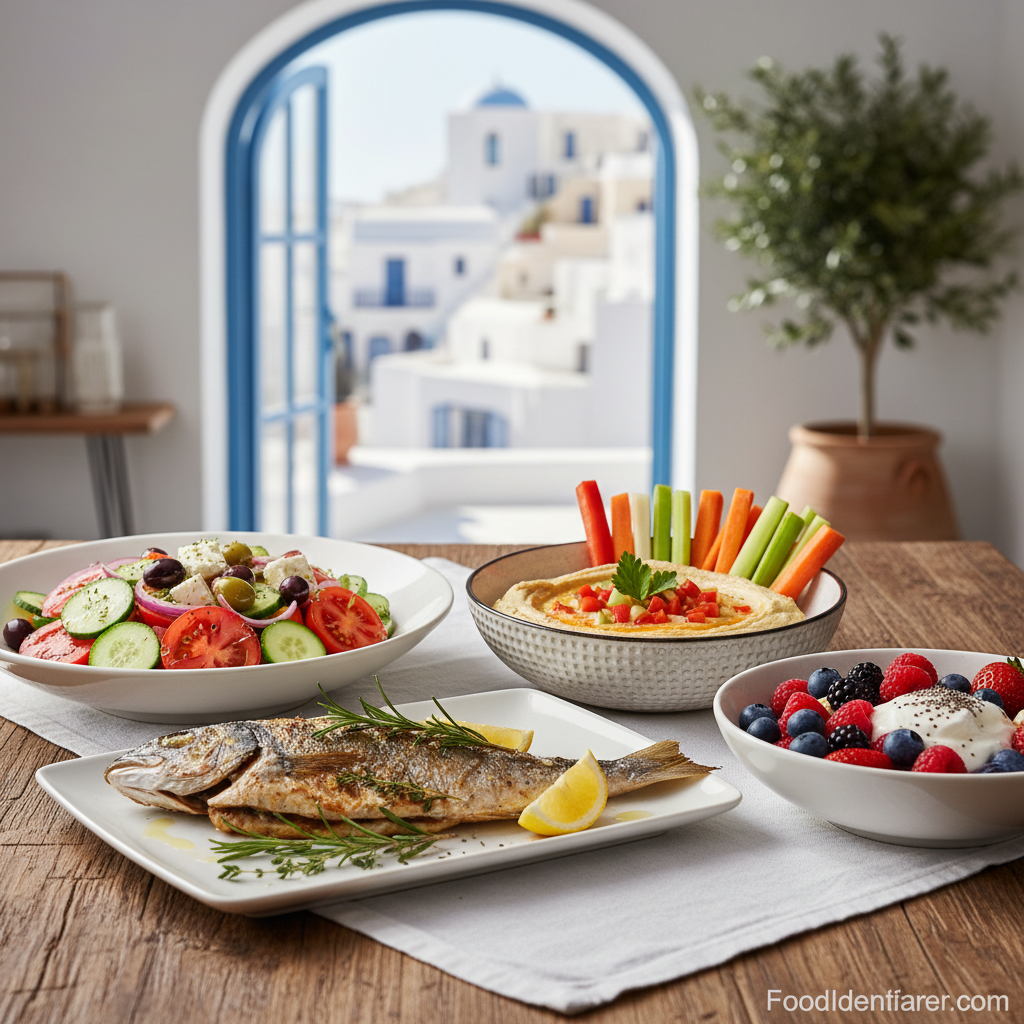
🍳 Breakfast: Spinach + tomato omelette (2 eggs, EVOO) + green tea | 🥗 Lunch: Wild salmon salad with arugula, olive oil, walnuts, lemon | 🍽️ Dinner: Grilled sardines + roasted broccoli + quinoa + EVOO + garlic | 🍫 Snack: 1 cup blueberries + 1oz 85% dark chocolate
Anti-inflammatory score: 94/100 — EPA/DHA, oleocanthal, anthocyanins, sulforaphane🫐 Breakfast: Greek yogurt + mixed berries + 2 tbsp flaxseeds + cinnamon | 🥙 Lunch: Turmeric lentil soup + whole grain sourdough + EVOO | 🍽️ Dinner: Chicken thighs with turmeric + roasted garlic + kale sauté | 🥜 Snack: 1oz walnuts + green tea
Anti-inflammatory score: 91/100 — curcumin, probiotics, ALA omega-3, EGCG🥑 Breakfast: Avocado toast on sourdough + 2 poached eggs + black pepper | 🥗 Lunch: Mackerel salad + cucumber + cherry tomatoes + EVOO + lemon | 🍽️ Dinner: Tempeh stir-fry with fresh ginger + broccoli + shiitake mushrooms + brown rice | 🍎 Snack: Pomegranate seeds + green tea
Anti-inflammatory score: 92/100 — gingerols, beta-glucans, probiotics, EPA omega-3🌾 Breakfast: Overnight oats with chia seeds + cinnamon + tart cherries + walnuts | 🥗 Lunch: Kale + chickpea salad + EVOO dressing + turmeric + red onion | 🍽️ Dinner: Wild salmon + roasted asparagus + sweet potato + EVOO | 🍫 Snack: 1oz dark chocolate + green tea
Anti-inflammatory score: 96/100 — highest anti-inflammatory load of the week🐟 Breakfast: Smoked salmon + whole grain toast + avocado + black pepper | 🥗 Lunch: Turmeric lentil bowl + leafy greens + EVOO + garlic + lemon | 🍽️ Dinner: Grilled tuna + sautéed kale + garlic + roasted tomatoes + EVOO | 🫐 Snack: Blueberries + walnuts
Anti-inflammatory score: 93/100 — EPA/DHA, curcumin, anthocyanins, oleocanthal🍳 Breakfast: Turmeric scrambled eggs + spinach + cherry tomatoes + EVOO | 🥗 Lunch: Large Greek salad with olives + feta + cucumber + EVOO + oregano | 🍽️ Dinner: Baked mackerel + roasted root vegetables + brown rice + fresh ginger | 🍒 Snack: Tart cherry juice (4oz) + 1oz walnuts
Anti-inflammatory score: 90/100 — polyphenols, antioxidants, omega-3, gingerols🥛 Breakfast: Kefir smoothie with mixed berries + spinach + chia seeds + flaxseeds | 🥙 Lunch: Wild salmon cakes + sauerkraut + mixed greens + EVOO | 🍽️ Dinner: Chicken + Mediterranean roasted vegetables + lentils + rosemary + EVOO | 🫚 Snack: Pomegranate seeds + green tea + 1oz dark chocolate
Anti-inflammatory score: 95/100 — probiotics, prebiotics, EPA/DHA, resveratrol, EGCGAnti-Inflammatory Diet for Weight Loss — The Science
The connection between inflammation and weight gain is bidirectional and self-reinforcing: excess body fat (particularly visceral fat) produces inflammatory cytokines, which in turn drive further fat accumulation through insulin and leptin resistance. Breaking this cycle requires simultaneously reducing inflammation and reducing calorie intake — which is precisely what the anti-inflammatory diet achieves.
The Mediterranean anti-inflammatory diet produces 4-7% body weight reduction in 6 months with no calorie counting in multiple RCTs. The mechanisms: high fiber content (25-35g/day) slows digestion and reduces caloric absorption; high polyphenol content improves gut microbiome diversity which reduces calorie extraction from food; healthy fats (EVOO, avocados, nuts) increase satiety hormones (CCK, GLP-1, PYY); and reduced insulin spikes from low-GI foods prevent triglyceride storage in fat cells.
The key anti-inflammatory foods specifically linked to fat loss in clinical trials: (1) EVOO — reduces adiponectin resistance, (2) Fatty fish omega-3s — activate fat oxidation genes (PPAR-alpha), (3) Green tea EGCG — increases fat oxidation by 4-10% at rest, (4) Legumes — highest satiety per calorie of any food group, (5) High-fiber vegetables — increases gut butyrate which improves insulin sensitivity and directly reduces fat storage. Use our free Blood Sugar Predictor to identify glucose-spiking foods that are driving your fat storage.
Take a photo of any food and get instant inflammation rating, health score, and blood sugar impact. 100% free — no signup required.
Scan Food Free →Check Blood Sugar Impact →Anti-Inflammatory Diet for Joint Pain, Arthritis & Autoimmune Disease
Joint pain and arthritis are among the clearest manifestations of systemic chronic inflammation — and among the most dramatically responsive to dietary intervention. A 2023 randomized controlled trial published in Annals of the Rheumatic Diseases with 206 rheumatoid arthritis patients found that Mediterranean diet adherence over 6 months reduced joint swelling by 24%, morning stiffness by 31%, and pain scores by 19% — independent of all medications. These are clinically meaningful improvements comparable to adding a second-line medication.
The most anti-inflammatory foods for joint pain specifically: fatty fish (EPA/DHA directly suppress prostaglandins that sensitize joint pain receptors), tart cherry juice (anthocyanins in tart cherries outperform ibuprofen for gout flare management in clinical comparison), ginger (gingerols inhibit COX-2 with a mechanism identical to celecoxib without gastrointestinal side effects), and extra virgin olive oil (oleocanthal inhibits COX-1/2 at 3-4 tablespoons per day — the equivalent of 10% of an adult ibuprofen dose).
Foods that specifically worsen joint inflammation and should be eliminated immediately: refined sugar (directly activates AGE-RAGE inflammatory pathway in joint tissue), omega-6-rich seed oils (produce pro-inflammatory prostaglandin E2 in joint synovium), processed meats (nitrosamine compounds activate NF-kB in chondrocytes — the cells that make joint cartilage), and excessive alcohol (increases uric acid and promotes gout).
For autoimmune conditions (rheumatoid arthritis, lupus, psoriasis, Hashimoto's, inflammatory bowel disease): an elimination-then-reintroduction protocol is more effective than simply adding anti-inflammatory foods. A 30-day elimination of gluten, dairy, refined sugar, and processed foods — followed by systematic reintroduction — identifies individual trigger foods that drive autoimmune flares, which differ significantly between individuals. The anti-inflammatory diet provides the foundation; the elimination protocol provides the personalization.
Anti-Inflammatory Diet for Brain Health, Mood & Depression
The gut-brain-inflammation axis is one of the most important and most under-recognized connections in modern medicine. Inflammatory cytokines — particularly IL-1β, IL-6, and TNF-alpha — cross the blood-brain barrier and directly suppress serotonin synthesis, impair dopamine signaling, disrupt the hypothalamic-pituitary-adrenal (HPA) axis, and reduce BDNF (brain-derived neurotrophic factor) — the protein responsible for neuroplasticity and memory formation.
A landmark 2019 meta-analysis of 16 randomized controlled trials published in JAMA Psychiatry found that anti-inflammatory interventions reduced depression scores by 52% compared to placebo — more than most antidepressant medications in the same population. The SMILES trial (2017) showed that a Mediterranean anti-inflammatory diet produced remission in 32% of major depressive disorder patients versus 8% in a control group — a 4x difference with no medication changes.
Brain-specific anti-inflammatory foods with the strongest neurological evidence: fatty fish omega-3s (DHA is the primary structural fat in the brain), blueberries (cross the blood-brain barrier and directly reduce neuroinflammation), leafy greens (vitamin K and folate both essential for neurotransmitter synthesis), turmeric (crosses the blood-brain barrier and inhibits neuroinflammation directly), and extra virgin olive oil (oleocanthal dissolves the amyloid plaques associated with Alzheimer's disease in animal models, with human research ongoing).
Free AI Tools to Check Your Food's Inflammation Score
Q: What is the fastest anti-inflammatory diet result?
A: Most people see measurable CRP reduction within 2 weeks of strict anti-inflammatory eating — joint pain improves in 1-2 weeks, skin inflammation in 3-4 weeks, energy and brain fog clarity in 7-14 days. Full systemic improvement takes 6-8 weeks. The fastest results come from elimination first: removing refined sugar, seed oils, and processed foods before adding anti-inflammatory foods produces faster CRP reduction.
Q: Is coffee anti-inflammatory or pro-inflammatory?
A: Coffee is net anti-inflammatory. Chlorogenic acids, caffeic acid, and polyphenols in coffee reduce CRP and IL-6 inflammatory markers. 2-4 cups of plain black coffee daily is associated with 14-23% lower inflammatory markers in large population studies. Adding refined sugar or inflammatory seed-oil-based creamers completely negates the anti-inflammatory benefit.
Q: Can an anti-inflammatory diet reverse autoimmune disease?
A: Clinical evidence shows Mediterranean-style anti-inflammatory eating significantly reduces autoimmune flares, inflammatory markers, and medication needs in rheumatoid arthritis, lupus, psoriasis, and Hashimoto's thyroiditis. It manages and measurably improves these conditions but does not fully reverse the underlying autoimmune programming. Combined with targeted medical treatment and stress management, dietary changes produce the most substantial sustainable improvements.
Q: How do I know if my CRP levels are improving?
A: CRP (C-reactive protein) is measured through a standard blood test — high-sensitivity CRP (hs-CRP) is the most useful marker. Optimal: under 1.0 mg/L. Low risk: 1.0-2.0 mg/L. High risk: above 3.0 mg/L. After 6-8 weeks of consistent anti-inflammatory eating, most people see 20-40% CRP reduction. Ask your doctor for an hs-CRP test before starting, then retest at 8 weeks to measure your dietary intervention's impact.
Q: What anti-inflammatory diet is best for psoriasis?
A: The anti-inflammatory diet most effective for psoriasis specifically combines: Mediterranean base (EVOO, fatty fish, vegetables), strict elimination of refined sugar (sugar drives T-cell activation that triggers psoriasis flares), alcohol elimination (alcohol is a direct psoriasis trigger through immune dysregulation), addition of turmeric daily, and high omega-3 intake (fatty fish 4x/week or 3g EPA/DHA supplement). Clinical trials show 50-60% of psoriasis patients achieve significant improvement within 16 weeks of strict anti-inflammatory dietary adherence.
Frequently Asked Questions — Anti-Inflammatory Diet 2026 (12 Questions)
Answer Engine Optimization · AI-Ready Answers
Anti-Inflammatory Diet — AI Search Answers
These answers are structured for ChatGPT, Perplexity, Google SGE, and other AI search engines — so you get accurate, instant answers to the most-searched questions on this topic.
Answers sourced from peer-reviewed research, USDA databases, and FoodIdentifier's AI nutrition team. Updated April 2026.
Know what you eat. Match it to what you need. Reduce your inflammation in 6 weeks.
Free forever · No signup required · Used by 50,000+ people daily
👉 Start Free at FoodIdentifier.com →Get AI Anti-Inflammatory Plan →Check Food Health Score →Related Searches
📚 Related Guides You'll Find Helpful