📋 Key Takeaways
- • PCOS affects 1 in 10 women of reproductive age — and 70% have insulin resistance
- • Losing 5-10% of body weight can restore regular periods in 50-70% of women with PCOS
- • 21 specific foods are clinically shown to balance hormones and reduce PCOS symptoms
- • A low-glycemic, anti-inflammatory diet can improve insulin sensitivity by 25-40%
- • Myo-inositol supplementation improves insulin sensitivity by 30-40% in PCOS
- • Scan any meal with FoodIdentifier to see its glycemic impact and hormone-friendly rating
If you've been diagnosed with PCOS — or suspect you have it — you know the frustration of irregular periods, stubborn weight gain, acne, and hair issues that seem impossible to control. PCOS affects 1 in 10 women of reproductive age, and up to 70% of women with PCOS have insulin resistance as the root cause. The good news: diet is the single most powerful tool for managing PCOS. In this complete 2026 guide, we cover the 21 best foods to balance hormones naturally, the science behind how they work, a 7-day PCOS meal plan, and how to use AI food scanning to manage your symptoms with every bite.
What Is PCOS and Why Does Diet Matter?
Polycystic Ovary Syndrome (PCOS) is a hormonal disorder characterized by elevated androgens (male hormones), irregular menstrual cycles, and often polycystic ovaries on ultrasound. The root cause in most cases is insulin resistance — when your cells stop responding to insulin, your pancreas produces more, and the excess insulin stimulates the ovaries to produce androgens.
This is why diet matters so much for PCOS: every food you eat either improves or worsens insulin sensitivity. High-glycemic foods (sugar, white bread, white rice) spike insulin and worsen PCOS symptoms. Low-glycemic, high-fiber, anti-inflammatory foods stabilize insulin and reduce androgen production. See: Signs of Insulin Resistance →
📊 PCOS Facts at a Glance
The 21 Best Foods for PCOS
These 21 foods have been selected based on clinical evidence showing they either improve insulin sensitivity, reduce inflammation, lower androgen levels, or support hormone balance. Incorporating even 7-10 of these into your daily diet can make a measurable difference in your PCOS symptoms within 8-12 weeks.
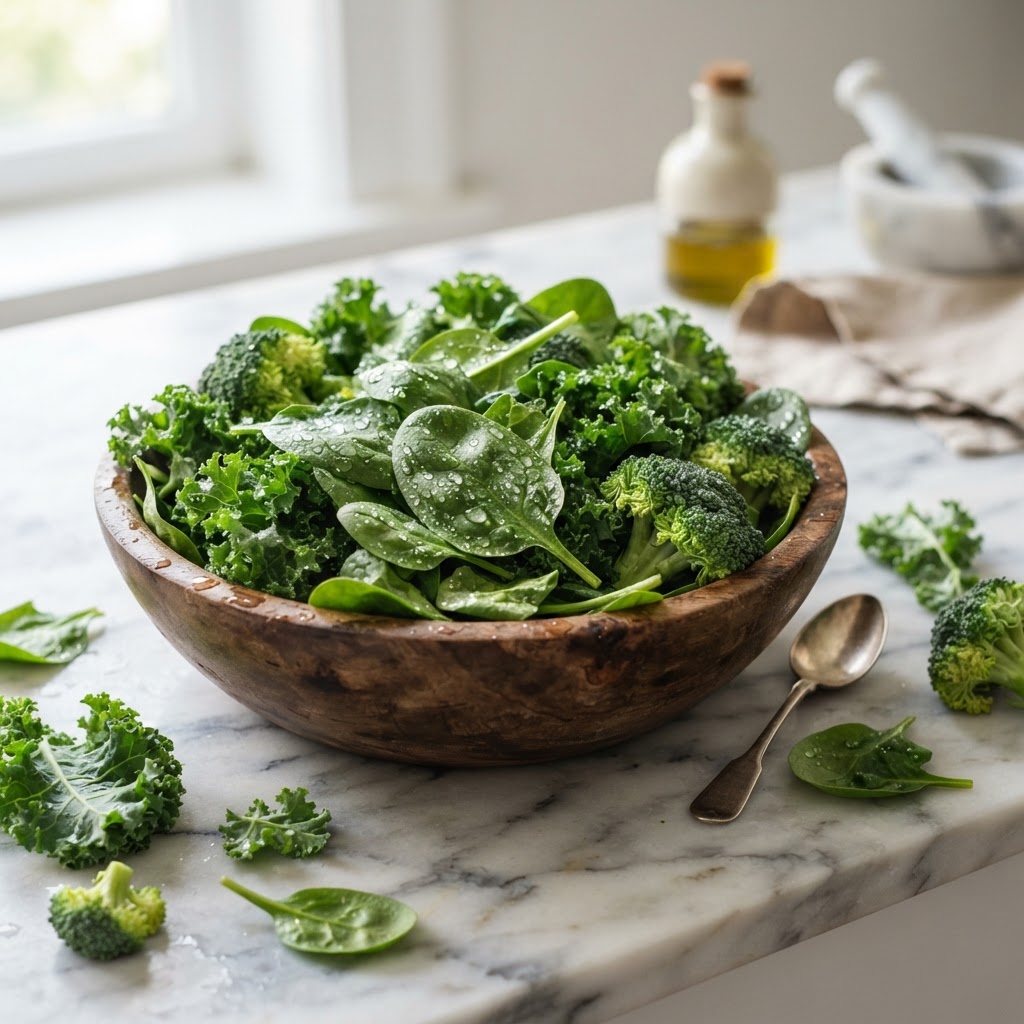
1. Leafy Green Vegetables (Spinach, Kale, Swiss Chard)
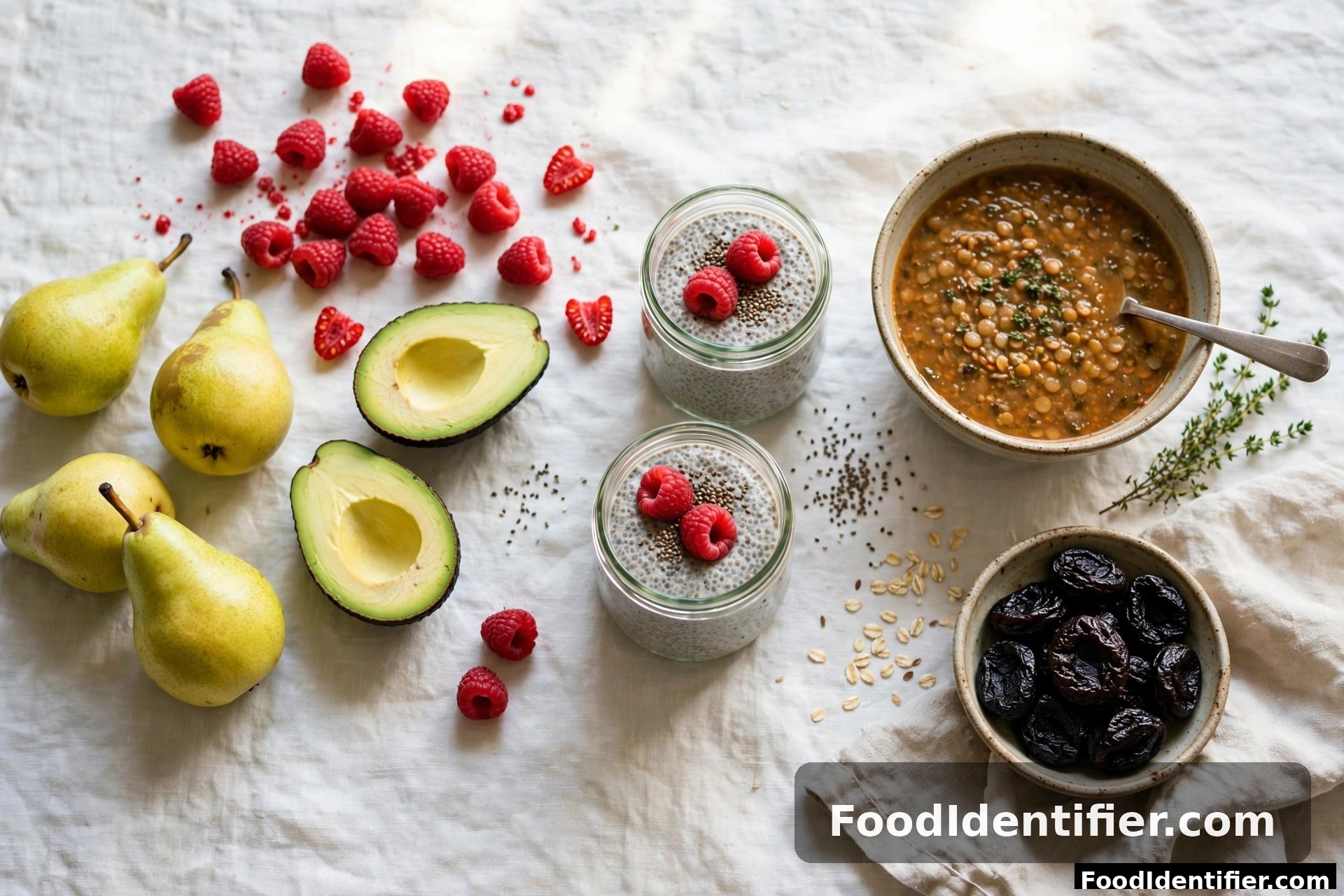
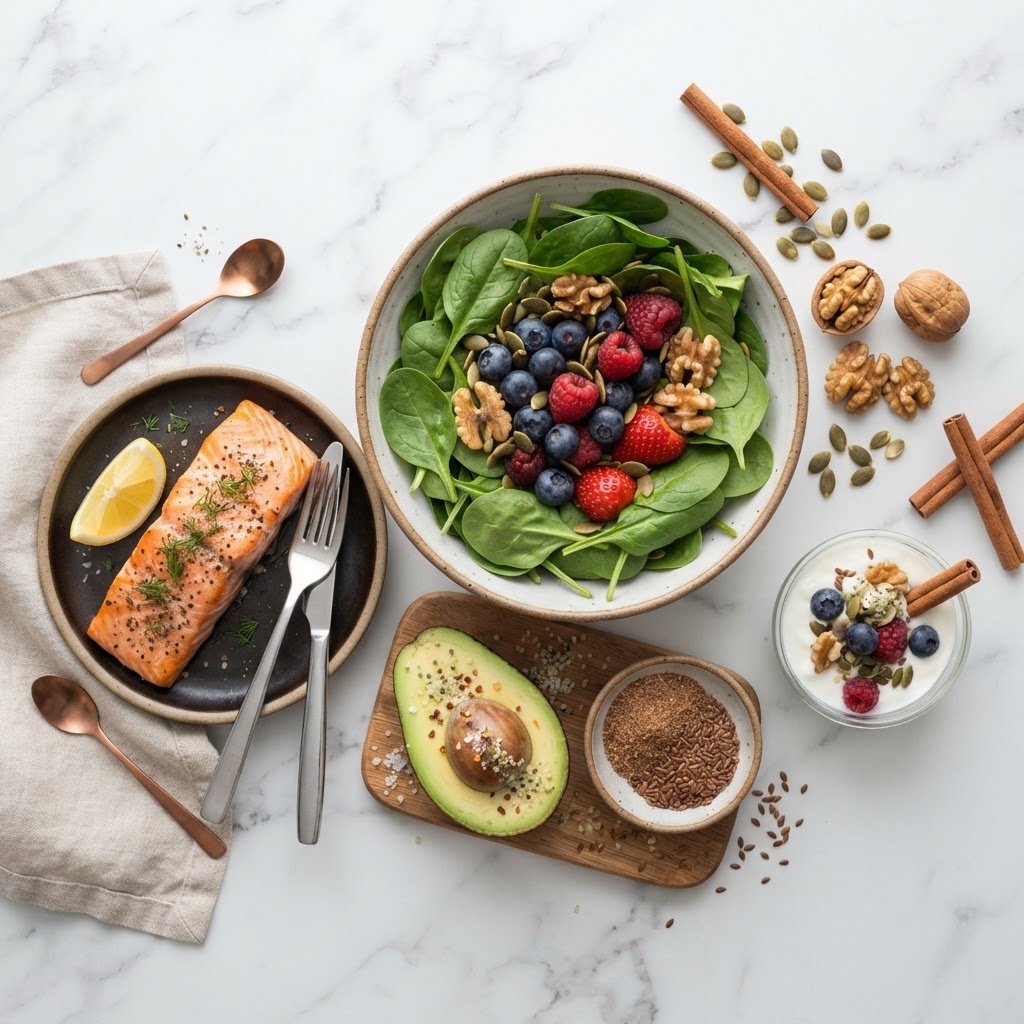
Leafy greens are the #1 food for PCOS because they're packed with magnesium, B vitamins, and fiber, all of which improve insulin sensitivity. Magnesium deficiency is common in PCOS (affecting 60% of women), and correcting it can improve insulin sensitivity by 15%. Leafy greens are also extremely low in carbohydrates, making them ideal for blood sugar control. Aim for 2-3 cups daily. See: Anti-Inflammatory Foods List →
2. Berries (Blueberries, Strawberries, Raspberries)
Berries are the lowest-sugar fruits and contain anthocyanins that reduce inflammation and improve insulin sensitivity. A study of 38,000 women found that those who ate 2+ servings of blueberries per week had a 23% lower risk of diabetes — and insulin resistance is the core driver of PCOS. Berries also contain vitamin C, which reduces androgen production. See: Best Snacks for Weight Loss →

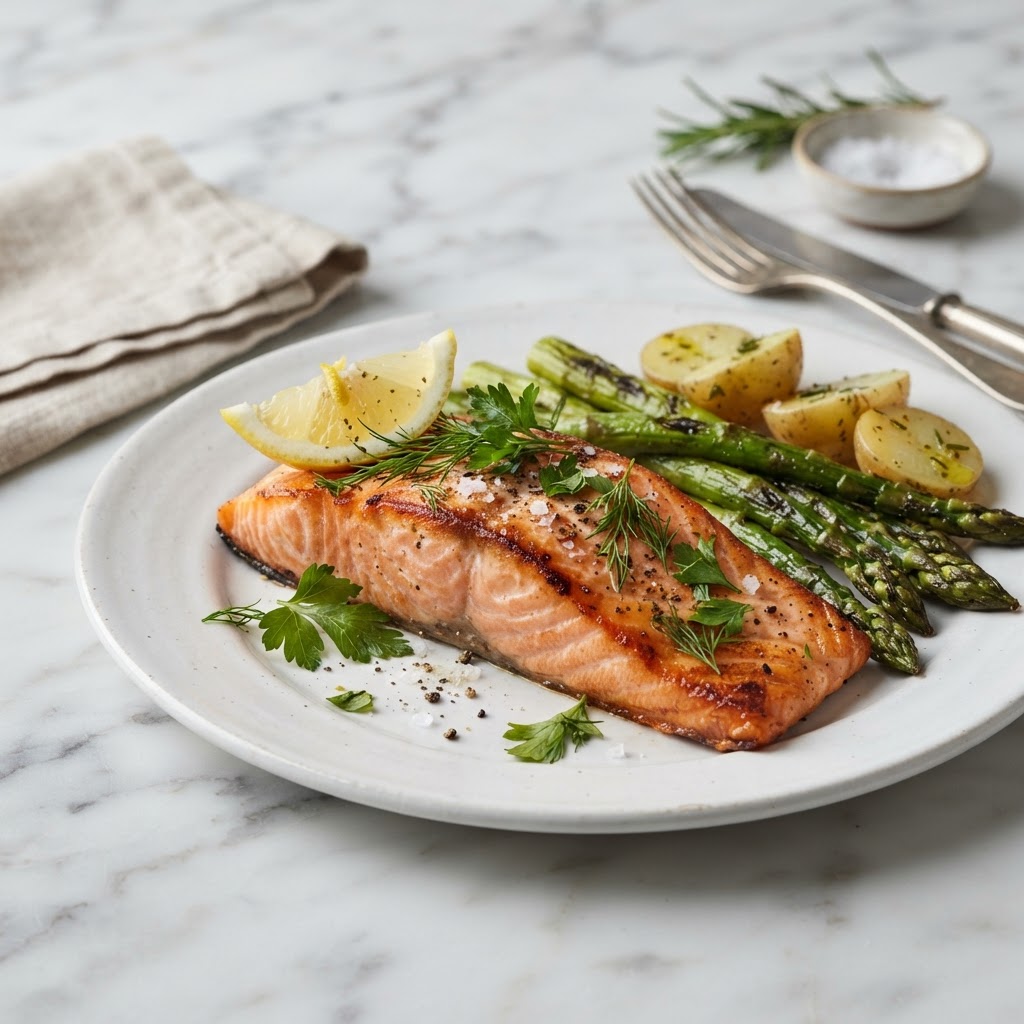
3. Fatty Fish (Salmon, Sardines, Mackerel)
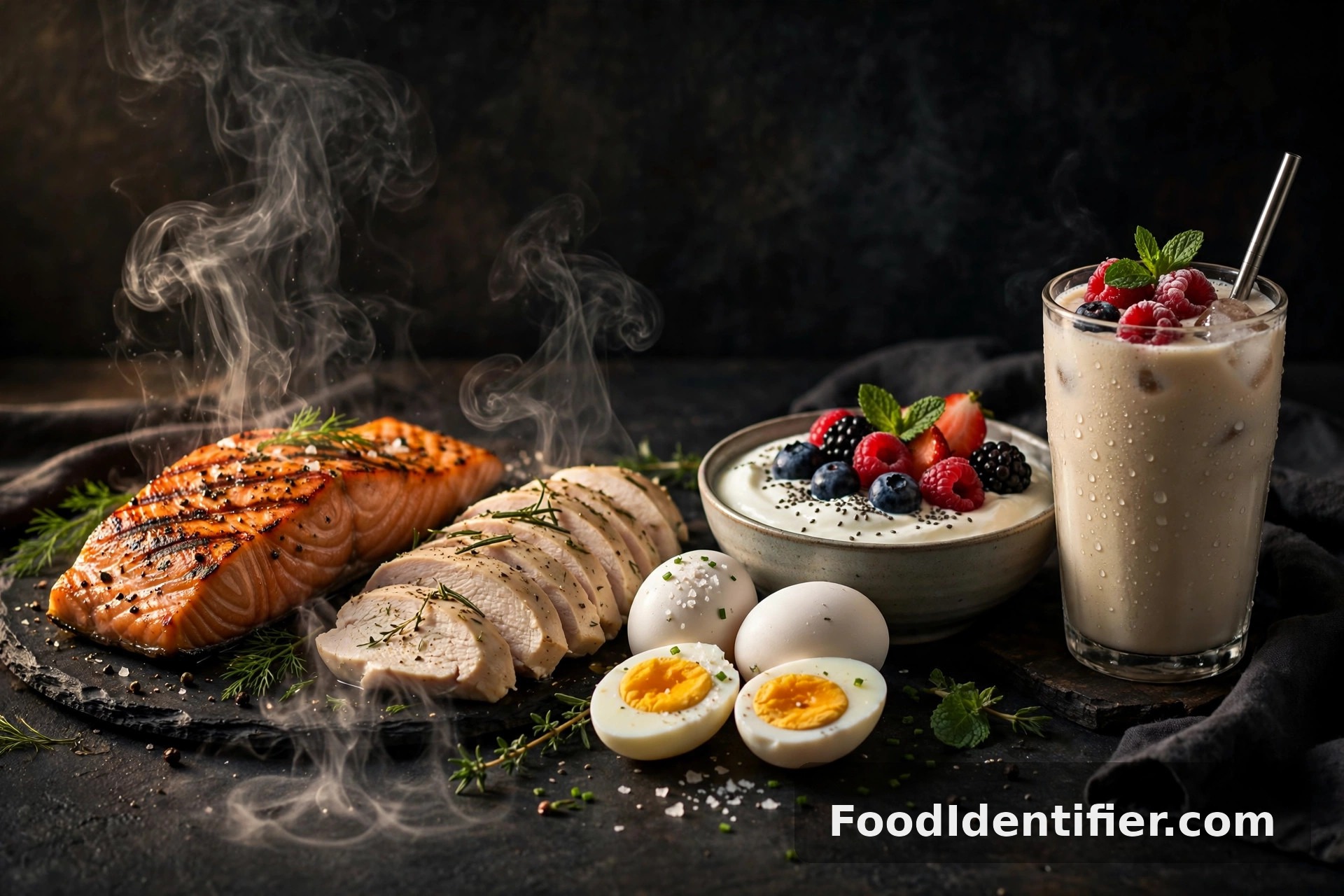
Fatty fish is rich in omega-3 fatty acids (EPA and DHA), which reduce inflammation and lower androgen levels in PCOS. A 2018 study found that omega-3 supplementation for 8 weeks reduced testosterone levels by 25% and improved menstrual regularity in women with PCOS. The protein in fish also slows gastric emptying, reducing post-meal insulin spikes. Aim for 2-3 servings per week. See: Calories in Salmon → · Is Salmon Good for You? →
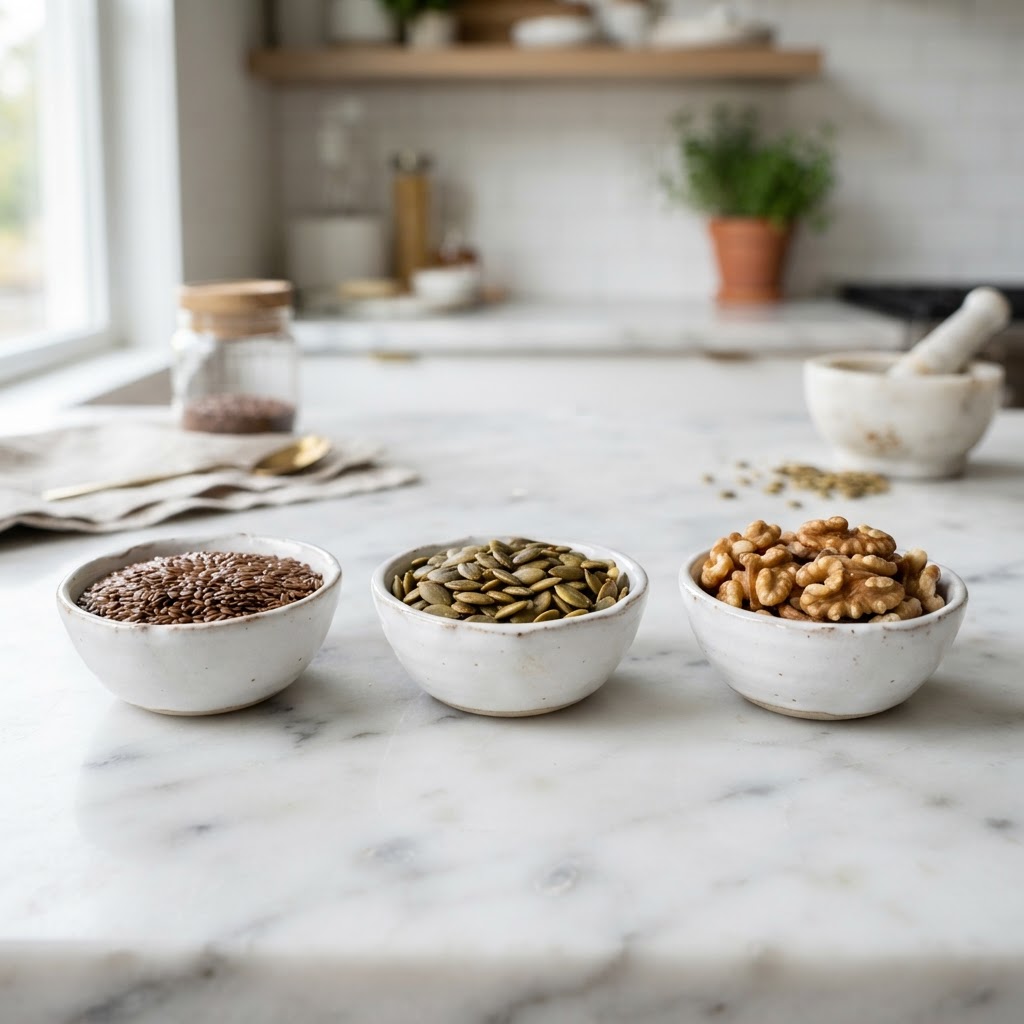
4. Pumpkin Seeds and Flaxseeds
Pumpkin seeds are rich in zinc and magnesium, both critical for hormone balance in PCOS. Zinc reduces androgen production and improves ovarian function. Flaxseeds contain lignans that bind to estrogen receptors and help regulate the menstrual cycle. A 2021 study found that 2 tablespoons of flaxseeds daily reduced testosterone levels by 17% in women with PCOS. Add ground flaxseeds to smoothies, oatmeal, or yogurt. See: What Foods Are High in Fiber? →
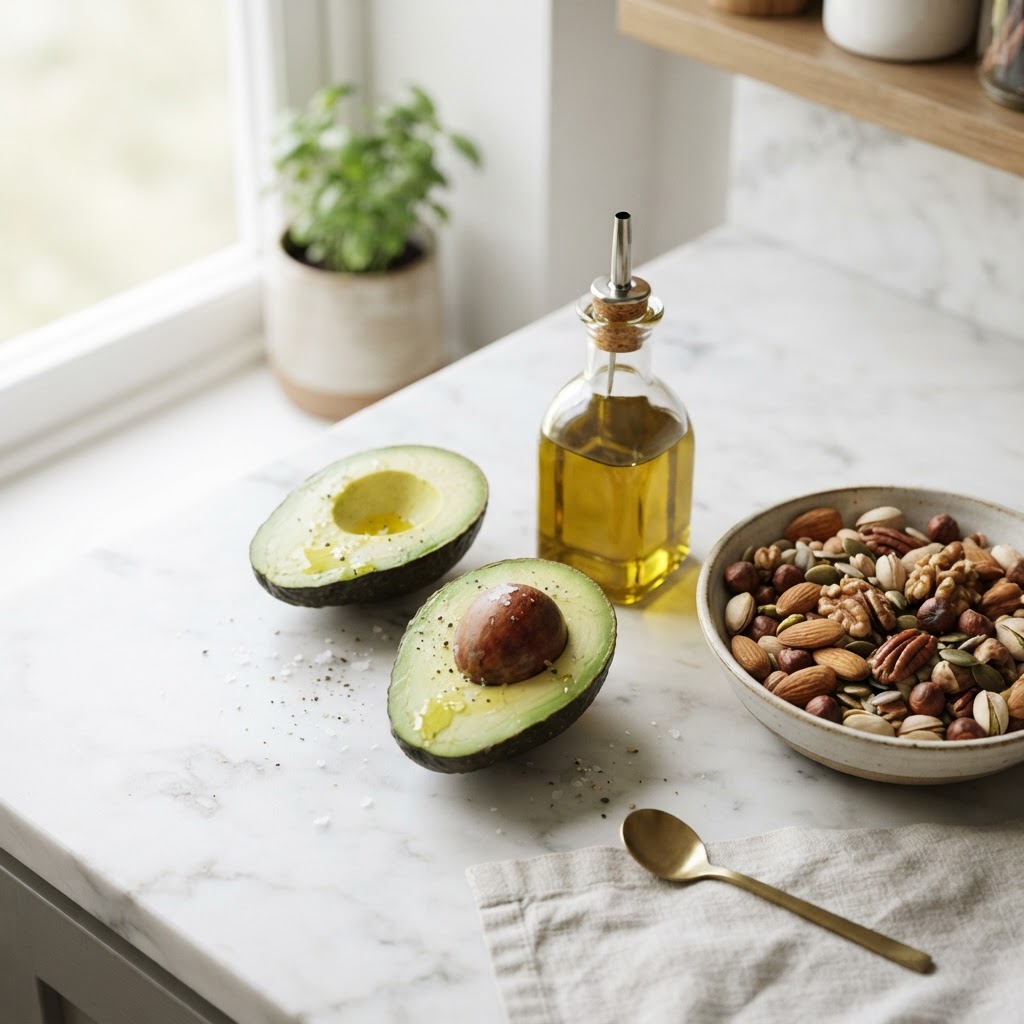
5. Avocado and Healthy Fats
Avocados are rich in monounsaturated fats and fiber that stabilize blood sugar and reduce insulin spikes. They also contain folate and vitamin K, both important for reproductive health. A 2019 study found that women with PCOS who ate half an avocado daily had 30% lower insulin levels after 12 weeks. The healthy fats also support hormone production. See: Calories in Avocado → · Is Avocado Good for Weight Loss? →
6. Cinnamon
Cinnamon is one of the most studied spices for PCOS. It contains compounds that mimic insulin and improve insulin sensitivity. A 2020 meta-analysis found that cinnamon supplementation reduced fasting insulin by 17% and improved menstrual cycle frequency in women with PCOS. Use Ceylon cinnamon (1-2 teaspoons daily) to avoid liver-damaging coumarin found in cassia cinnamon. See: Foods That Lower A1C →
7. Lentils and Beans
Lentils and beans are high in protein, fiber, and resistant starch, all of which stabilize blood sugar and improve insulin sensitivity. The resistant starch ferments in the gut to produce short-chain fatty acids, which reduce inflammation and improve metabolic health. A 2012 study found that eating 1 cup of beans daily for 3 months improved insulin sensitivity by 40%. See: Best Foods for Calorie Deficit →
8. Eggs
Eggs are a perfect PCOS food: high in protein (6g per egg), low in carbs, and rich in choline and B vitamins that support liver function and hormone metabolism. The protein triggers the thermic effect, helping with weight management. Studies show that an egg breakfast reduces calorie intake by 270 calories over the next 24 hours compared to a bagel breakfast. See: Calories in an Egg → · High Protein Breakfast →
9. Broccoli and Cruciferous Vegetables
Cruciferous vegetables (broccoli, cauliflower, Brussels sprouts) contain indole-3-carbinol, a compound that helps the liver metabolize and eliminate excess estrogen. This is critical for PCOS because estrogen dominance often accompanies the condition. They're also rich in fiber and low in calories, supporting weight management. Aim for 3-4 servings per week. See: Calories in Broccoli →
10. Walnuts and Almonds
Walnuts are the only nut rich in plant-based omega-3s (ALA), which reduce inflammation in PCOS. Almonds provide magnesium and vitamin E, both of which improve insulin sensitivity. A 2017 study found that women with PCOS who ate a handful of walnuts daily for 12 weeks had 20% lower testosterone levels and improved menstrual regularity. See: Calories in Almonds →
11. Apple Cider Vinegar
The acetic acid in apple cider vinegar improves insulin sensitivity and reduces post-meal blood sugar spikes by 20-34%. For women with PCOS, this means less insulin circulating to stimulate androgen production. Mix 1 tablespoon in a glass of water before meals. See: Apple Cider Vinegar Guide →
12. Turmeric
Turmeric contains curcumin, one of the most powerful natural anti-inflammatory compounds. Chronic inflammation is a key driver of PCOS, and curcumin reduces inflammatory markers by 50-70%. A 2021 study found that curcumin supplementation for 12 weeks reduced androgen levels and improved menstrual regularity in women with PCOS. Pair turmeric with black pepper to increase curcumin absorption by 2,000%. See: Anti-Inflammatory Diet Guide →
13. Green Tea
Green tea contains EGCG, which improves insulin sensitivity and reduces androgen production. A 2018 study found that women with PCOS who drank green tea daily for 12 weeks had 15% lower testosterone levels and improved body composition. Green tea also contains L-theanine, which reduces cortisol — the stress hormone that worsens PCOS symptoms. See: Calories in Coffee →
14. Sweet Potatoes
Sweet potatoes are a low-glycemic alternative to white potatoes and white rice. They have a glycemic index of 44 (vs 78 for white potato), meaning they cause a much smaller insulin spike. They're also rich in vitamin A, which supports ovarian function. Pair with protein and fat to further slow sugar absorption. See: Sweet Potato vs Regular Potato →
15. Greek Yogurt
Greek yogurt provides 20g of protein per cup plus probiotics that improve gut health. A 2013 study found that gut bacteria from yogurt improved insulin sensitivity by 8% in women with PCOS. The calcium in yogurt also helps regulate fat cell metabolism. Choose plain, unsweetened Greek yogurt and add berries. See: Is Greek Yogurt Good for Weight Loss? →
16. Olive Oil
Extra virgin olive oil is rich in oleic acid and polyphenols that reduce inflammation and improve insulin sensitivity. A 2019 study found that a Mediterranean diet rich in olive oil improved insulin sensitivity by 35% in women with PCOS. Use olive oil as your primary cooking fat and salad dressing. See: Mediterranean Diet Guide →
17. Dark Chocolate (70%+ Cacao)
Dark chocolate contains magnesium and flavonoids that reduce inflammation and improve insulin sensitivity. Magnesium deficiency is common in PCOS, and dark chocolate is one of the richest dietary sources. It also reduces cortisol and improves mood. Stick to 1-2 squares of 70%+ dark chocolate per day. See: Foods That Lower Cortisol →
18. Oatmeal (Steel-Cut)
Steel-cut oats are a low-glycemic, high-fiber breakfast that stabilizes blood sugar for hours. They contain beta-glucan, a soluble fiber that improves insulin sensitivity by 10-15%. Avoid instant oatmeal packets (high sugar) and choose steel-cut or rolled oats. Top with cinnamon, berries, and nuts. See: Is Oatmeal Good for Weight Loss? →
19. Chicken and Turkey (Lean Protein)
Lean poultry provides high-quality protein with minimal saturated fat. Protein triggers the thermic effect of food (burning 20-30% of its calories during digestion), which helps with weight management — a key goal for PCOS. Protein also stabilizes blood sugar and reduces cravings. Aim for 20-30g of protein per meal. See: Calories in Chicken Breast → · Is Chicken Good for Weight Loss? →
20. Chia Seeds
Chia seeds are rich in omega-3s, fiber, and protein. Just 2 tablespoons provide 5g of omega-3s (more than flaxseeds) and 10g of fiber. The fiber slows digestion and stabilizes blood sugar, while the omega-3s reduce inflammation. Add chia seeds to smoothies, yogurt, or make chia pudding. See: What Foods Are High in Fiber? →
21. Water with Lemon
Staying hydrated is essential for PCOS because water helps your kidneys flush excess hormones and supports liver detoxification. Adding lemon provides vitamin C, which reduces androgen production. Aim for 8-10 glasses of water per day. Replace sugary drinks with water or lemon water for the biggest impact on insulin levels. See: How to Lose Weight Fast →
Common Food vs Healthy Alternative: Nutrition Side-by-Side
| Food | Cal | Alt Cal | Carbs | Alt Carbs | Benefit |
|---|---|---|---|---|---|
White Rice (1 cup) → Cauliflower Rice (1 cup) | 205 | 25 | 45g | 5g | 80% fewer calories, 90% fewer carbs, 3x more fiber |
Regular Pasta (2 oz) → Zucchini Noodles (2 cups) | 220 | 33 | 43g | 6g | 85% fewer calories, 86% fewer carbs |
Potato Chips (1 oz) → Almonds (1 oz) | 152 | 164 | 15g | 6g | 3x more protein, 60% fewer carbs, 3x more fiber |
Sugary Cereal (1 cup) → Greek Yogurt + Berries | 150 | 120 | 32g | 12g | 7x more protein, 62% fewer carbs, 4x more fiber |
Soda (12 oz) → Sparkling Water + Lemon | 140 | 0 | 39g | 0g | 100% fewer calories, zero sugar, zero carbs |
White Bread (2 slices) → Ezekiel Bread (2 slices) | 140 | 160 | 26g | 30g | 2x more protein, 6x more fiber, no added sugar |
7-Day PCOS Diet Meal Plan
Here's a simple 7-day meal plan that incorporates the top PCOS-friendly foods. Each day provides balanced macros with an emphasis on protein, fiber, and healthy fats to stabilize insulin.
| Day | Breakfast | Lunch | Dinner |
|---|---|---|---|
| Mon | 2 eggs + spinach + green tea | Salmon + leafy greens | Chicken + broccoli |
| Tue | Greek yogurt + berries + flax | Lentil soup + avocado | Turkey + sweet potato |
| Wed | Steel-cut oats + cinnamon + walnuts | Tuna + avocado salad | Salmon + asparagus |
| Thu | 2 eggs + avocado + green tea | Chicken + cruciferous veg | Lentil curry + turmeric |
| Fri | Chia pudding + berries + almonds | Turkey + spinach salad | Sardines + broccoli |
| Sat | Greek yogurt + chia + cinnamon | Chicken + avocado + olive oil | Salmon + sweet potato |
| Sun | 2 eggs + kale + green tea | Lentil + spinach salad + walnuts | Turkey + broccoli + turmeric |
How to Track Your PCOS Diet with AI
Knowing which foods help PCOS is one thing — but what about the thousands of foods not on this list? That's where FoodIdentifier's AI food scanner comes in. Snap a photo of any meal and the AI shows you:
- Glycemic impact score — the lower the glycemic load, the better for PCOS
- Protein and fiber content for insulin stabilization
- PCOS-friendly rating based on anti-inflammatory and low-glycemic criteria
- Better alternatives if the meal scores poorly for hormone balance
This means you can manage your PCOS symptoms with every meal — not just guess. It's like having a PCOS nutritionist in your pocket.
FoodIdentifier vs The Competition
| Feature | FoodIdentifier | MyFitnessPal | Cronometer | Yuka |
|---|---|---|---|---|
| AI Photo Food Scanner | Instant — snap any meal | No photo scan | No photo scan | Barcode only |
| Barcode + Photo + Label Scan | All 3 methods | Barcode only | Manual entry | Barcode only |
| AI Nutrition Coach | Personalized AI coach included | Generic tips | No coach | No coach |
| Blood Sugar Impact Prediction | Per-meal glucose prediction | No | No | No |
| Ozempic / GLP-1 Compatibility Check | Built-in checker | No | No | No |
| 0–100 Food Quality Score | Instant unified score | No | No | Yes (basic) |
⚕️ Medical Disclaimer
This article is for educational purposes only and is not medical advice. PCOS management should always be supervised by a qualified healthcare provider, especially if you are trying to conceive or taking medications for PCOS. The foods and strategies described here are complementary to — not replacements for — professional medical care. Always consult your doctor or a registered dietitian before making significant changes to your diet, especially if you have a medical condition.
Scan Any Meal. See Its PCOS Score.
Take a photo of any food and instantly see its glycemic impact, protein content, and hormone-friendly rating.
Try It Free — No Sign-Up Needed →