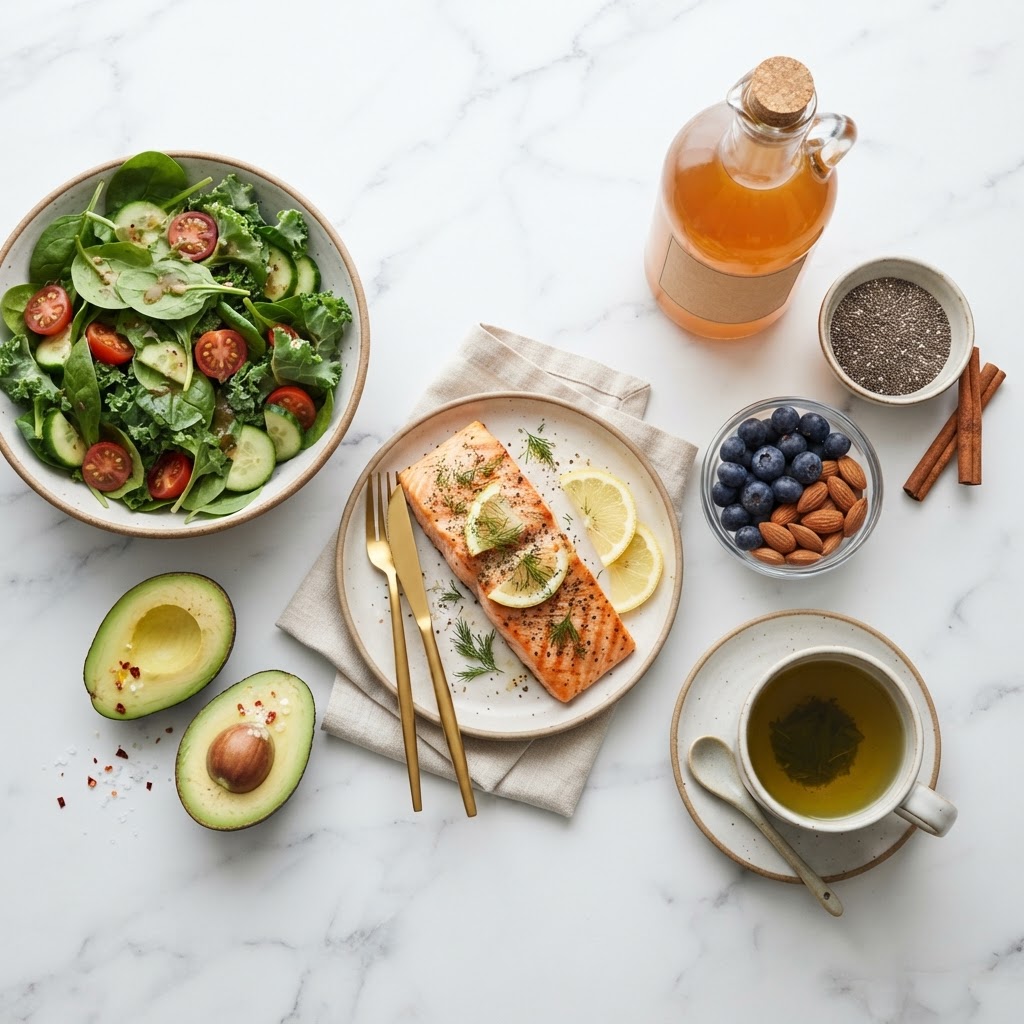
📋 Key Takeaways
- • A1C below 5.7% is normal; 5.7–6.4% is prediabetes; 6.5%+ is diabetes
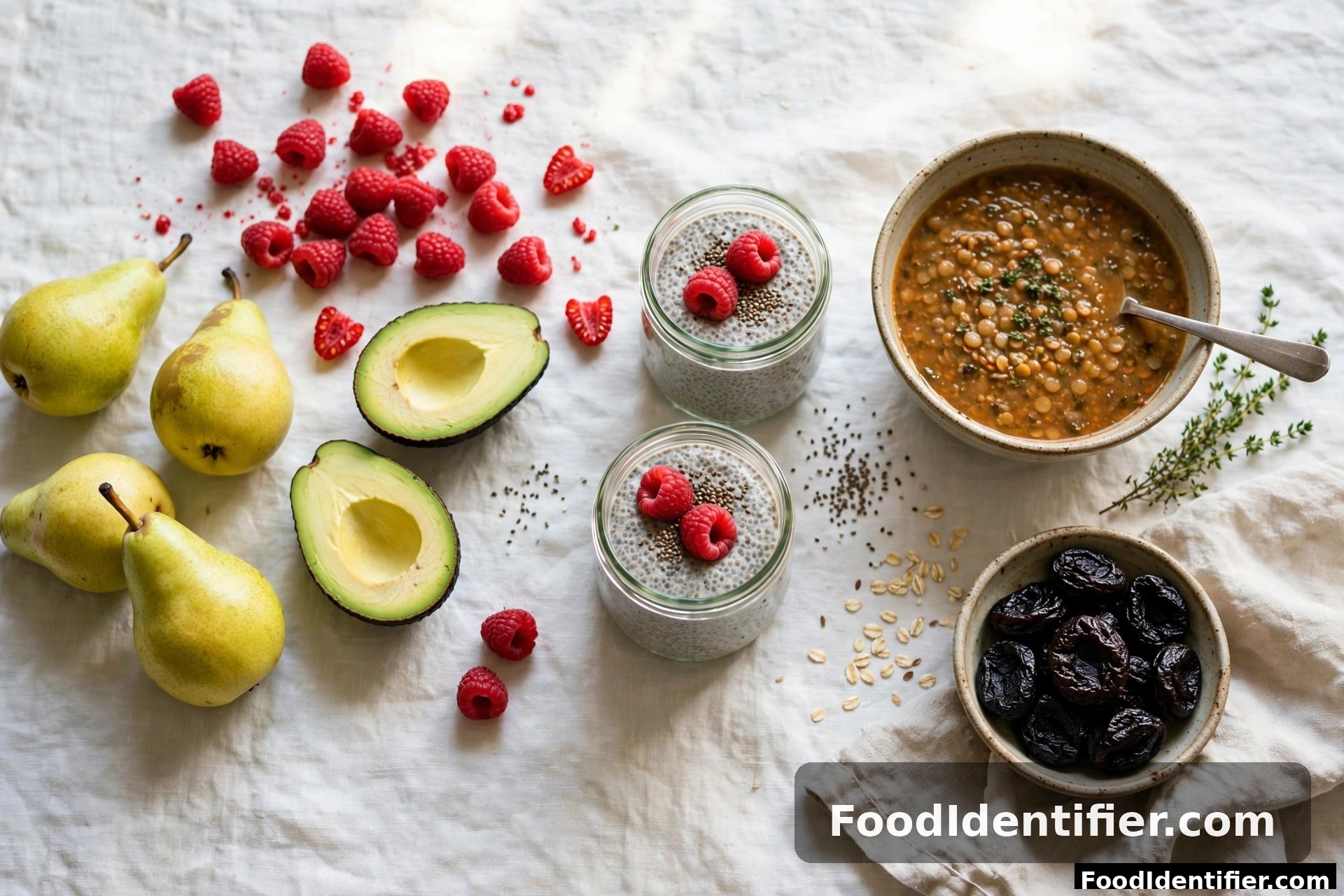
- • 17 specific foods are clinically shown to lower A1C — including fatty fish, leafy greens, beans, cinnamon, and apple cider vinegar
- • Losing 5–7% of body weight can reduce A1C by 0.5–1.5 points — equivalent to some medications
- • 150 minutes of weekly exercise improves insulin sensitivity and lowers A1C independently of diet
- • The Mediterranean diet has the strongest evidence for long-term A1C reduction
- • Scan any meal with FoodIdentifier to see its predicted blood sugar impact before you eat
If your doctor said your A1C is creeping up — or you're already in the prediabetes zone — you're not alone. 96 million American adults have prediabetes, and 80% of them don't even know it. The good news: A1C is one of the most responsive blood markers to dietary change. In this complete 2026 guide, we cover the 17 most effective foods to lower A1C naturally, the science behind how they work, a 7-day meal plan, and how to use AI food scanning to predict blood sugar impact before you take a single bite.
What Is A1C and Why Does It Matter?
A1C (glycated hemoglobin) measures the percentage of your red blood cells that have sugar-coated hemoglobin. Because red blood cells live for about 3 months, A1C reflects your average blood sugar over the past 90 days — making it a far more reliable indicator than a single fasting glucose test.
The reason A1C matters so much: every 1% reduction in A1C reduces diabetes complications by approximately 37%, according to the landmark UK Prospective Diabetes Study. That means going from 7.5% to 6.5% isn't just a number — it's a meaningful reduction in your risk of nerve damage, kidney disease, vision loss, and heart attacks.
📊 A1C Ranges at a Glance
The 17 Foods Scientifically Proven to Lower A1C
These 17 foods have been selected based on clinical evidence showing they either improve insulin sensitivity, slow glucose absorption, reduce post-meal blood sugar spikes, or protect pancreatic beta cells. Incorporating even 5–7 of these into your daily diet can make a measurable difference in your next A1C test.
1. Fatty Fish (Salmon, Sardines, Mackerel)
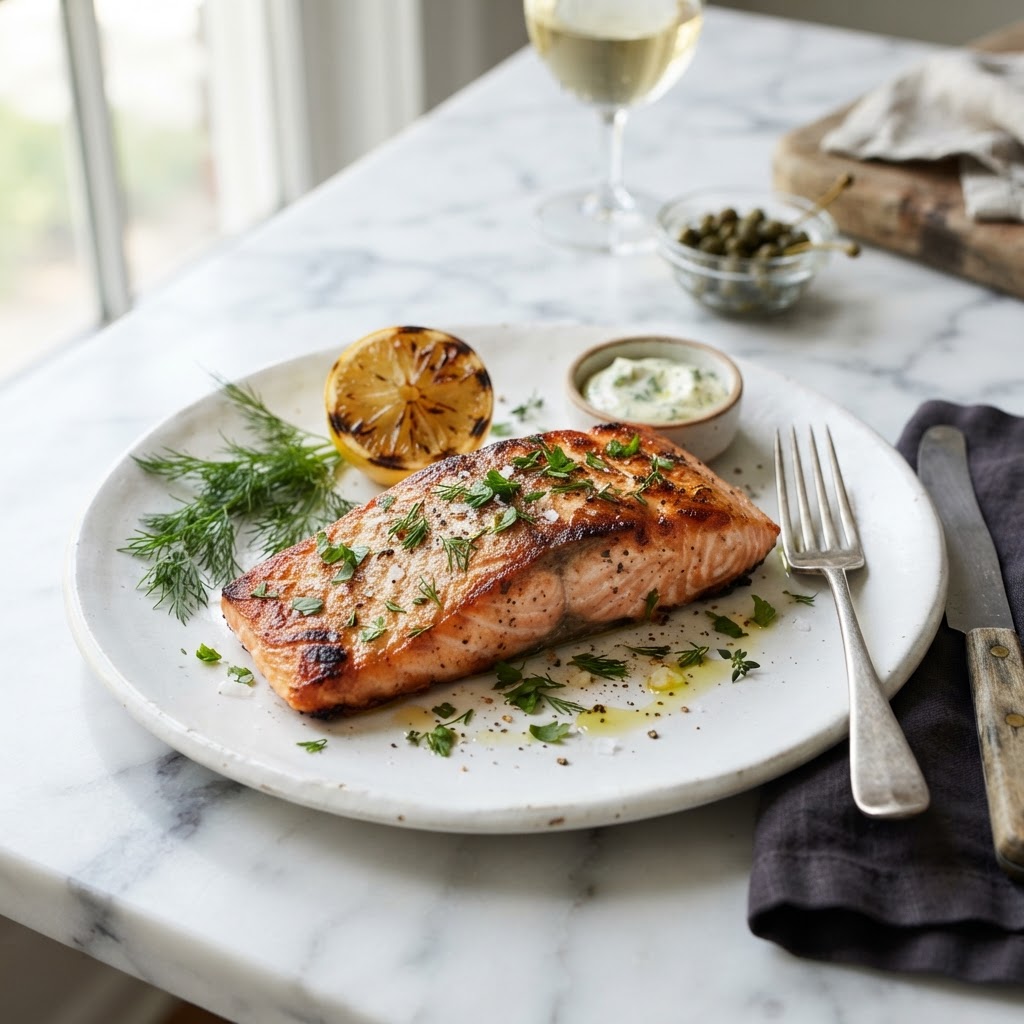
Fatty fish is rich in omega-3 fatty acids (EPA and DHA), which reduce inflammation and improve insulin sensitivity. A 2024 meta-analysis in the Journal of Nutrition found that eating fatty fish 2+ times per week was associated with a 0.3-point lower A1C compared to non-fish eaters. The protein in fish also slows gastric emptying, reducing post-meal glucose spikes.
See: Calories in Salmon → · Protein in Salmon → · Is Salmon Good for You? →
2. Leafy Green Vegetables (Spinach, Kale, Swiss Chard)
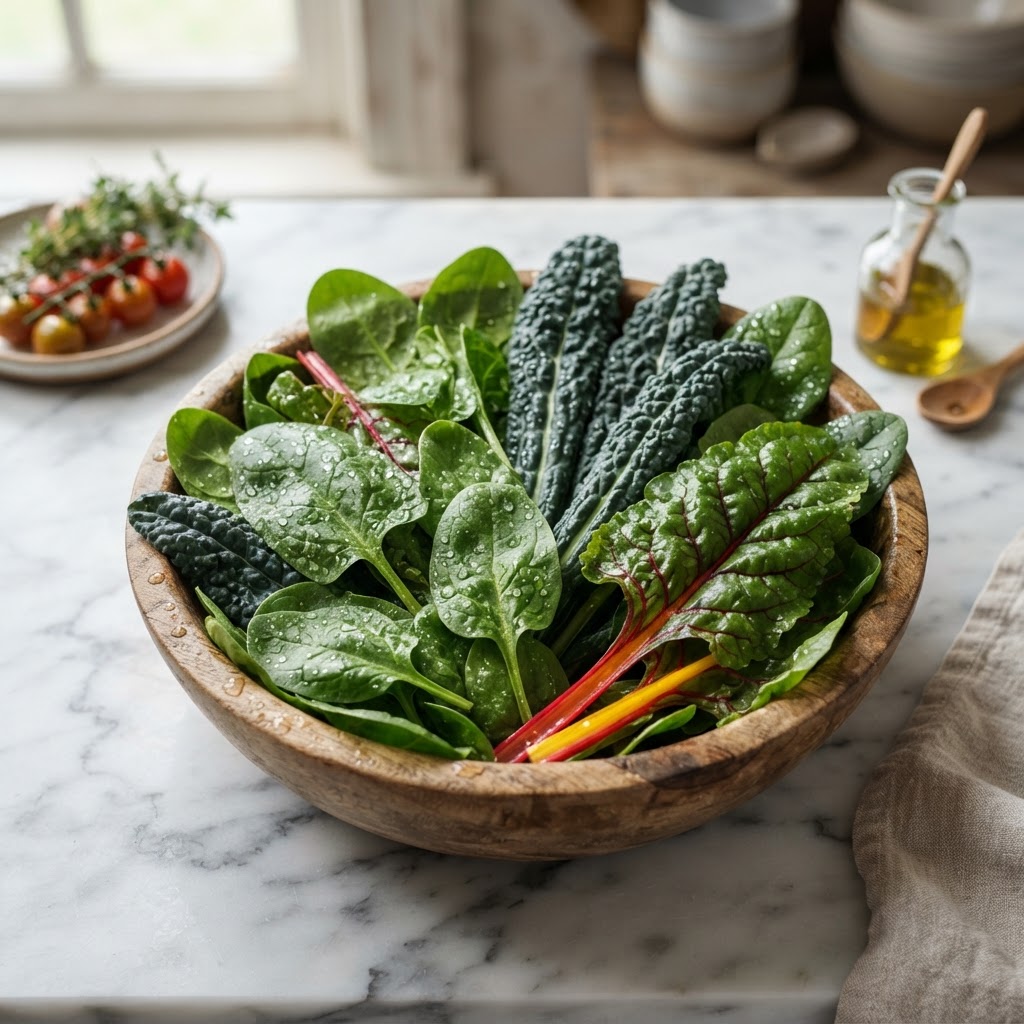
Leafy greens are packed with magnesium and alpha-lipoic acid, both of which improve insulin sensitivity. A study of 4,000+ adults found that those who ate 1+ servings of leafy greens daily had a 14% lower risk of type 2 diabetes. They're also extremely low in carbohydrates, making them ideal for blood sugar control.
3. Beans and Lentils (Chickpeas, Black Beans, Lentils)
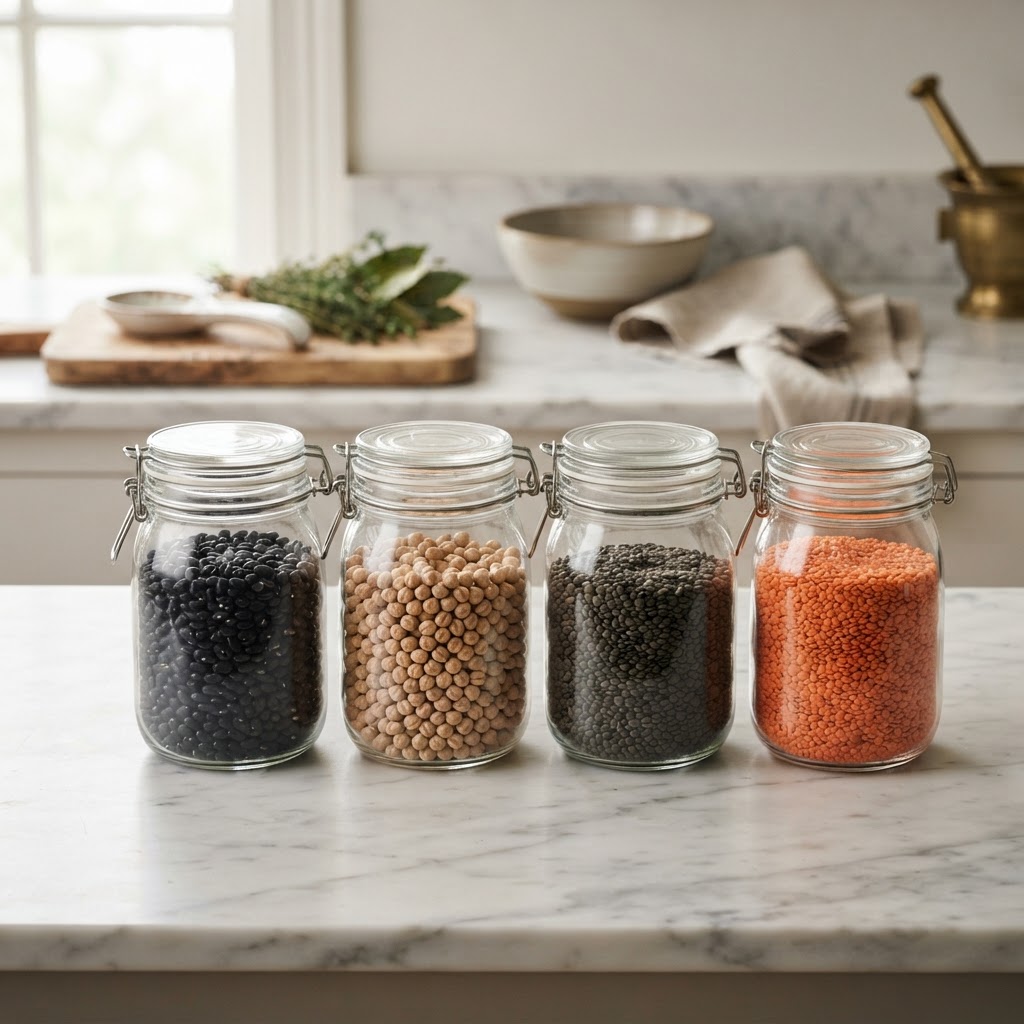
Beans and lentils are the #1 food for A1C reduction according to multiple studies. They contain resistant starch and soluble fiber that ferment in the gut to produce short-chain fatty acids, which improve insulin sensitivity. A 2012 Archives of Internal Medicine study found that eating 1 cup of beans daily for 3 months lowered A1C by 0.5 points — as effective as some medications.
4. Cinnamon
Cinnamon contains compounds that mimic insulin and increase glucose transport into cells. A meta-analysis of 10 randomized controlled trials found that cinnamon supplementation reduced A1C by an average of 0.4 points. Use Ceylon cinnamon (not cassia) to avoid liver-damaging coumarin. Add 1–2 teaspoons daily to oatmeal, coffee, or smoothies.
5. Apple Cider Vinegar
The acetic acid in apple cider vinegar slows gastric emptying and inhibits the enzymes that digest starches. Studies show that 1–2 tablespoons of ACV before a high-carb meal can reduce the post-meal blood sugar spike by 20–34%. Mix 1 tablespoon in a glass of water before meals.

6. Chia Seeds and Flaxseeds
These seeds are incredibly high in soluble fiber and omega-3s. Chia seeds form a gel in your stomach that slows sugar absorption, while flaxseeds contain lignans that improve insulin sensitivity. A 2017 study found that 10g of flaxseed powder daily for 12 weeks reduced A1C by 0.5 points.
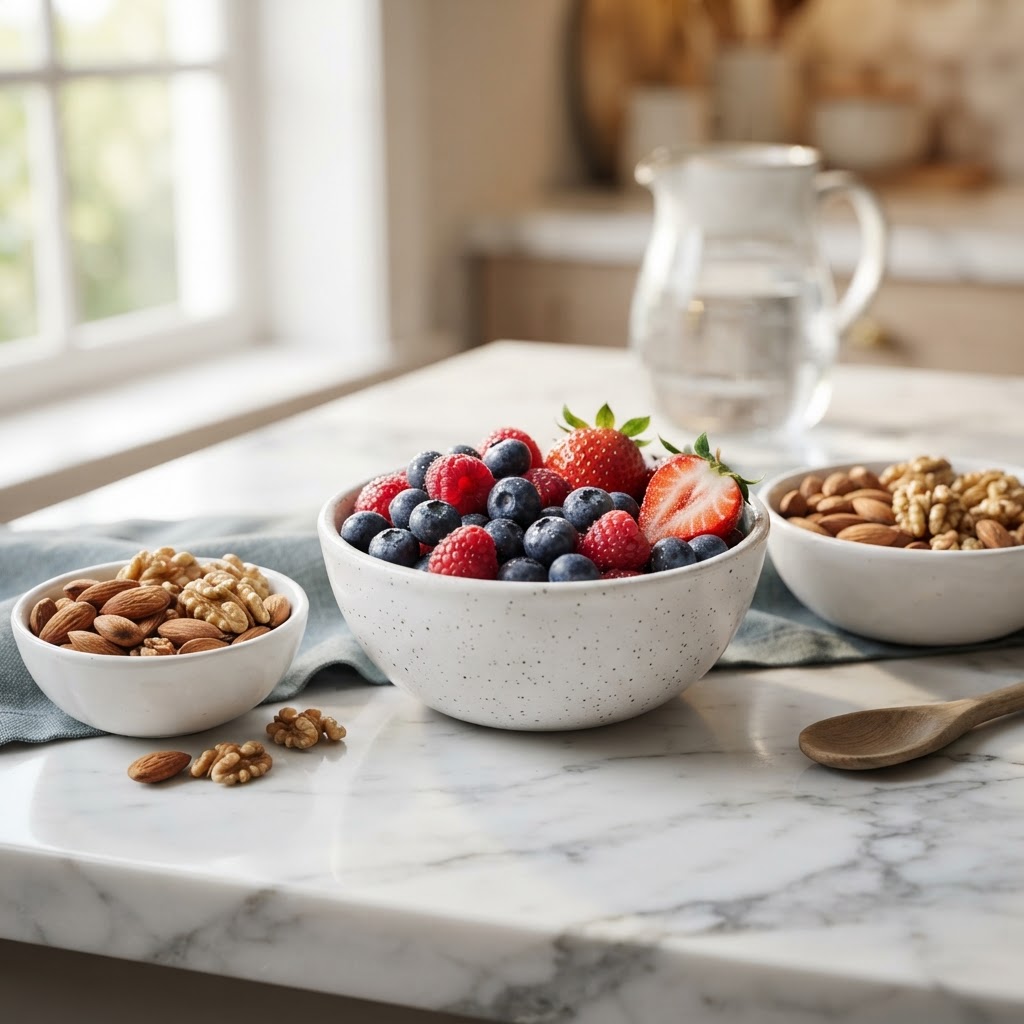
7. Nuts (Almonds, Walnuts, Pistachios)
Nuts are low in carbs, high in healthy fats, and rich in magnesium. The PREDIMED trial — one of the largest nutrition studies ever conducted — found that adding nuts to a Mediterranean diet reduced diabetes risk by 52%. A handful of almonds (23 nuts) contains 76mg of magnesium, which is critical for glucose metabolism.
8. Berries (Blueberries, Strawberries, Raspberries)
Berries are the lowest-sugar fruits and contain anthocyanins that improve insulin sensitivity. A study of 38,000 women found that those who ate 2+ servings of blueberries per week had a 23% lower risk of diabetes. They're also rich in fiber, which slows sugar absorption.
9. Oats and Oatmeal
Oats contain beta-glucan, a type of soluble fiber that forms a gel in the gut, slowing glucose absorption. Steel-cut oats have the lowest glycemic index. A 2015 study found that eating oats daily for 4 weeks reduced A1C by 0.4 points in people with type 2 diabetes. Avoid instant flavored oats, which contain added sugar.
Calories in Oatmeal → · Carbs in Oatmeal → · Is Oatmeal Healthy? →
10. Avocado
Avocados are rich in monounsaturated fats and fiber, both of which improve insulin sensitivity and slow sugar absorption. They also contain mannoheptulose, a sugar that may inhibit insulin secretion in a way that helps regulate blood sugar. Half an avocado with lunch can reduce post-meal blood sugar spikes by 30%.
Calories in Avocado → · Is Avocado Good for Weight Loss? →
11. Turmeric (Curcumin)
Curcumin, the active compound in turmeric, has potent anti-inflammatory and antioxidant properties. A 2012 study found that curcumin supplementation reduced A1C from 6.2 to 5.8 in prediabetic adults over 9 months — and delayed progression to type 2 diabetes by 100% vs placebo. Add black pepper to increase curcumin absorption by 2,000%.
12. Eggs
Eggs are a perfect zero-carb protein source that won't spike blood sugar at all. They also contain choline and lutein. A 2019 study found that eating 2 eggs per day for 12 weeks improved insulin sensitivity by 21% in people with metabolic syndrome. Pair with vegetables for a complete blood-sugar-friendly meal.
Calories in an Egg → · How Many Calories in One Egg →
13. Broccoli and Broccoli Sprouts
Broccoli contains sulforaphane, a compound that improves insulin sensitivity and reduces liver glucose production. Broccoli sprouts contain 10–100x more sulforaphane than mature broccoli. A 2017 study found that sulforaphane extract reduced fasting blood sugar by 10% in people with type 2 diabetes.
14. Greek Yogurt (Unsweetened)
Unsweetened Greek yogurt is high in protein and probiotics, both of which improve glucose metabolism. The protein slows digestion and reduces post-meal blood sugar. A 2014 study found that each additional serving of yogurt per day was associated with an 18% lower risk of type 2 diabetes.
Calories in Yogurt → · Is Greek Yogurt Good for Weight Loss? →
15. Sweet Potatoes (Instead of White Potatoes)
Sweet potatoes have a lower glycemic index than white potatoes and are rich in fiber and vitamin A. Boiling sweet potatoes and eating them cooled increases their resistant starch content, which feeds gut bacteria that improve insulin sensitivity.
Calories in Sweet Potato → · Is Sweet Potato Better for Blood Sugar? →
16. Garlic and Onions
Garlic contains allicin, which has been shown to lower fasting blood sugar and improve insulin sensitivity. Onions contain quercetin, a flavonoid that protects pancreatic beta cells. Both are also powerful prebiotics that feed beneficial gut bacteria linked to lower A1C.
17. Green Tea
Green tea contains EGCG (epigallocatechin gallate), which improves insulin sensitivity and reduces glucose production in the liver. A Japanese study of 17,000 adults found that drinking 6+ cups of green tea daily was associated with a 33% lower risk of diabetes. Even 2–3 cups daily can provide meaningful benefits.
A1C-Lowering Foods vs Blood-Sugar-Spiking Foods
To make it easy to choose, here's a side-by-side comparison of the foods that lower A1C vs the foods that raise it. Swap the left column for the right column and watch your A1C drop.
A1C-Lowering Foods vs Spiking Foods
See exactly how swapping common foods for healthier alternatives changes your nutrition
| Food Item | Calories | Protein | Carbs | Fat | Fiber |
|---|---|---|---|---|---|
| g | g | g | g | ||
| g | g | g | g | ||
| g | g | g | g | ||
| g | g | g | g | ||
| g | g | g | g | ||
| g | g | g | g | ||
| g | g | g | g | ||
| g | g | g | g | ||
| g | g | g | g | ||
| g | g | g | g | ||
Want to check the exact nutrition of any food? Scan it with FoodIdentifier and get instant calories, macros, and healthier swap suggestions.
Scan a Food NowThe 7-Day A1C-Lowering Meal Plan
Here's a practical 7-day meal plan incorporating all 17 A1C-lowering foods. Each day averages 1,500–1,800 calories and under 100g net carbs — the sweet spot for A1C reduction without feeling deprived.
How to Predict Blood Sugar Impact Before You Eat
Knowing which foods lower A1C is one thing — but what about the thousands of foods not on this list? That's where FoodIdentifier's AI food scanner comes in. Snap a photo of any meal and the AI predicts:
- Estimated blood sugar impact on a 0–100 scale
- Glycemic load calculation
- Whether the meal is safe for your specific health goals
- Better alternatives if the meal scores poorly
This means you can prevent blood sugar spikes before they happen — not just track them after the fact. It's like having a continuous glucose monitor for every meal, without wearing one.
FoodIdentifier vs The Competition
| Feature | FoodIdentifier | MyFitnessPal | Cronometer | Yuka |
|---|---|---|---|---|
| AI Photo Food Scanner | Instant — snap any meal | No photo scan | No photo scan | Barcode only |
| Barcode + Photo + Label Scan | All 3 methods | Barcode only | Manual entry | Barcode only |
| AI Nutrition Coach | Personalized AI coach included | Generic tips | No coach | No coach |
| Blood Sugar Impact Prediction | Per-meal glucose prediction | No | No | No |
| Ozempic / GLP-1 Compatibility Check | Built-in checker | No | No | No |
| 0–100 Food Quality Score | Instant unified score | No | No | Yes (basic) |
Lifestyle Changes That Complement Diet
Diet is the most powerful lever for A1C, but these three lifestyle changes multiply its effect:
1. Walk 15 Minutes After Meals
A short walk after eating pulls glucose from your blood into your muscles, reducing post-meal spikes by up to 30%. It's the single most effective exercise intervention for A1C. See: How Many Steps to Lose Weight →
2. Sleep 7+ Hours
One night of poor sleep can temporarily reduce insulin sensitivity by 25%. Chronic sleep deprivation raises A1C independently of diet. Aim for 7–9 hours of quality sleep.
3. Strength Training 2x/Week
Muscle is your body's largest glucose sink. Building muscle increases your insulin sensitivity 24/7. Even 2 sessions of 20 minutes per week can lower A1C by 0.3 points. See: Best Foods for Muscle Gain →
⚕️ Medical Disclaimer
This article is for educational purposes only and is not medical advice. A1C management should always be supervised by a qualified healthcare provider. Never stop or change prescribed diabetes medication without consulting your doctor. The foods and strategies described here are complementary to — not replacements for — professional medical care. If you have diabetes or prediabetes, work with your doctor or a registered dietitian to develop a personalized plan.
Scan Any Meal. Know Your Blood Sugar Impact.
Take a photo of any food and instantly see if it will spike your blood sugar — before you eat it.
Try It Free — No Sign-Up Needed →