This article is general information only — not medical advice. Talk to your doctor about your own situation.
⚡ Quick Answer: Best Foods to Lower Cortisol Fast
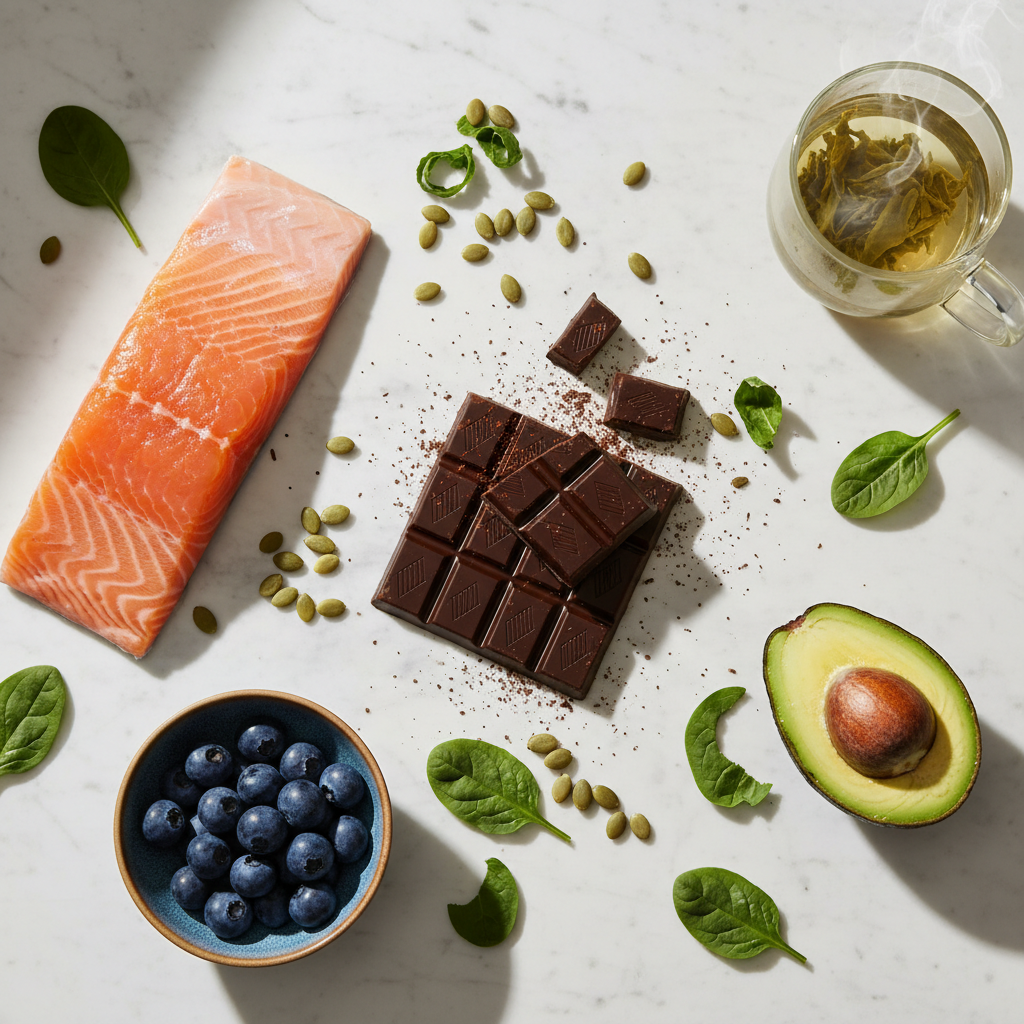
Top cortisol-lowering foods: dark chocolate 85%+ (fastest-acting), wild salmon (omega-3 HPA suppression), blueberries (hypothalamic anti-inflammation), spinach + pumpkin seeds (magnesium repletion), green tea (L-theanine), ashwagandha tea (27.9% reduction in 60 days). Pair with magnesium glycinate 400mg at night. Most people see measurable cortisol reduction in 1–2 weeks.
Cortisol is your body's primary stress hormone — and in small, appropriately timed doses, it is absolutely essential. The cortisol awakening response that spikes your cortisol in the morning is what gets you out of bed. Cortisol during genuine danger helps you respond effectively. The problem is what modern life does to cortisol: it keeps it chronically, persistently, and destructively elevated.
Chronic cortisol elevation — triggered by work stress, poor sleep, blood sugar instability, ultra-processed diets, and constant overstimulation — creates a devastating cascade of health consequences that most people don't connect back to cortisol: belly fat that won't budge, constant food cravings, anxiety that won't quiet, exhaustion despite sleep, and a metabolism that refuses to cooperate with weight loss efforts.
The extraordinary news: what you eat is one of the most powerful and direct interventions available to lower cortisol. Specific foods contain nutrients that directly reduce HPA axis reactivity, enable cortisol clearance, rebuild adrenal function, and break the inflammatory cycles that maintain chronically high cortisol. This guide gives you the 15 most powerful, with clinical evidence for each.
1. What Is Cortisol and Why Does It Matter?
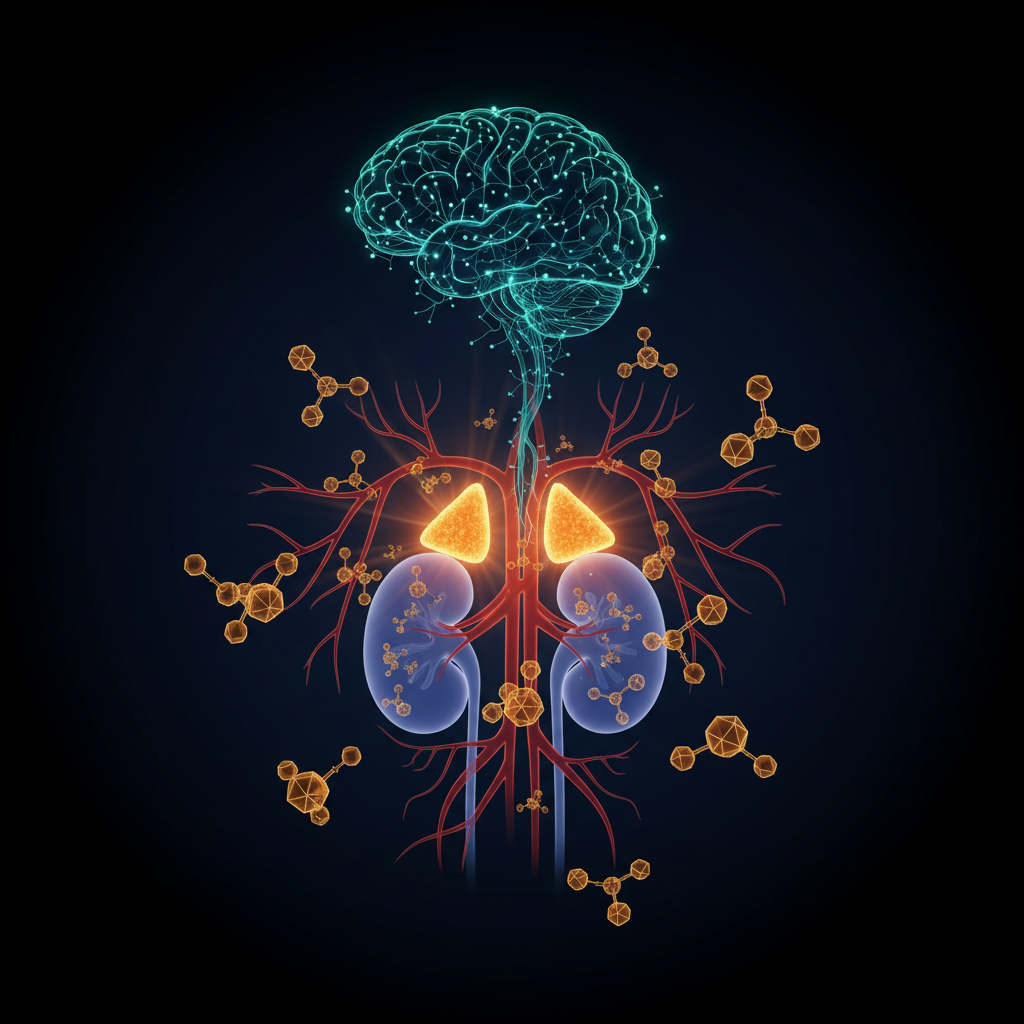
Cortisol is a glucocorticoid steroid hormone produced by the zona fasciculata of the adrenal cortex (the outer layer of the adrenal gland, which sits atop each kidney). It is the body's primary anti-inflammatory, anti-stress, and blood-sugar-regulating hormone — an essential part of every healthy physiology.
Normal cortisol follows a diurnal rhythm: it peaks 20–30 minutes after waking (the cortisol awakening response, or CAR), declines through the morning, stabilizes at a moderate level during the afternoon, and reaches its lowest point around midnight. This precise rhythm coordinates immune function, metabolism, alertness, energy, and hundreds of other physiological processes.
- Blood sugar regulation (cortisol is gluconeogenic — it raises glucose)
- Immune system activity (anti-inflammatory in acute doses, pro-inflammatory chronically)
- Sleep-wake cycle and circadian rhythm
- Metabolism speed and fuel source selection (fat vs. glucose)
- Blood pressure and sodium-water balance
- Memory formation and recall (acute cortisol helps; chronic impairs)
- Reproductive hormone production (cortisol competes with testosterone and estrogen)
- Hunger hormone regulation (ghrelin up, leptin down)
2. Why Chronically High Cortisol Is Silently Destroying Your Health
When cortisol is chronically elevated — not from occasional acute stress, but from the relentless low-grade stress of modern life — every system it touches becomes dysregulated:
Cortisol receptors (glucocorticoid receptors) are more densely concentrated in visceral (abdominal) fat than in subcutaneous fat. Chronically elevated cortisol preferentially stores fat around the organs — the most metabolically dangerous type. This is why "cortisol belly" is a real and clinically documented phenomenon.
Cortisol raises ghrelin by up to 24% and suppresses leptin — creating the hormonal equivalent of severe hunger even after eating. It also drives cravings specifically for high-calorie, high-fat, high-sugar foods by down-regulating dopamine reward thresholds.
Cortisol is highly catabolic — it breaks down muscle protein for glucose via gluconeogenesis. Chronic cortisol elevation causes measurable muscle loss and metabolic rate reduction even without changes in caloric intake.
Elevated evening cortisol prevents the natural nightly cortisol nadir required for sleep onset and deep sleep architecture. Insomnia and poor sleep quality both result from and cause cortisol elevation — a vicious cycle.
The hippocampus (memory center) has very high glucocorticoid receptor density. Chronic cortisol exposure shrinks hippocampal volume, impairs memory consolidation, and causes the concentration and recall problems associated with chronic stress.
Cortisol raises blood glucose (it is gluconeogenic). Elevated blood glucose requires elevated insulin. Chronically high insulin creates insulin resistance — making fat loss progressively more difficult and raising type 2 diabetes risk.
3. The 15 Best Foods That Lower Cortisol Naturally (Ranked by Evidence)
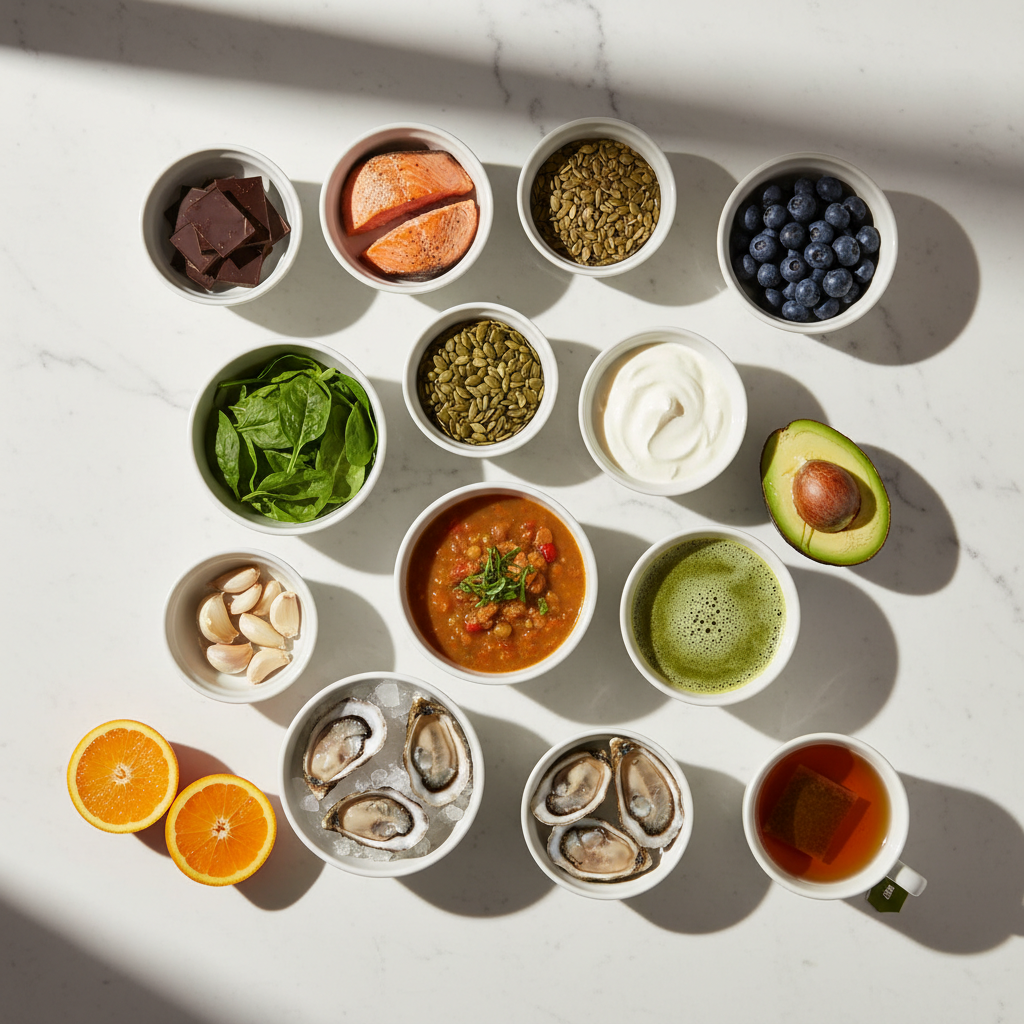
These foods are ranked by the strength of clinical evidence for cortisol reduction. Each one works through a specific, mechanistically understood pathway — not general "anti-stress" folklore. Add at least 6–8 to your daily diet for meaningful cortisol reduction.
1. 🍫 Dark Chocolate (85%+)
The most clinically proven single food for cortisol reduction. Cacao flavonoids directly reduce urinary cortisol metabolites by 15% — measurable in urine tests after regular consumption. Theobromine also lowers blood pressure and cortisol simultaneously. Critically, 85%+ chocolate (not milk chocolate) is required — the sugar in milk chocolate causes a cortisol spike that offsets the cacao benefits.
💊 Optimal dose: 20–30g (2–3 squares) daily after lunch
2. 🐟 Wild Salmon
EPA and DHA omega-3s are the most well-studied nutrients for HPA axis suppression — the brain's stress response system. At the neurological level, omega-3s reduce the amplitude of cortisol responses to psychological stress. People with adequate omega-3 status (EPA >150µg/mL) show 20% lower cortisol reactivity vs. deficient individuals. Wild salmon provides 2,000mg+ omega-3s per 3oz serving.
💊 Optimal dose: 3–4 servings per week (3oz each). Canned wild salmon equally effective.
3. 🫐 Blueberries
Anthocyanins in blueberries cross the blood-brain barrier and reduce hypothalamic inflammation — the root upstream cause of chronic HPA axis activation and cortisol elevation. A 2023 controlled study found daily blueberry consumption lowered morning cortisol levels (the cortisol awakening response) by 18% over 6 weeks compared to placebo.
💊 Optimal dose: 1 cup fresh or frozen daily. Add to oatmeal, yogurt, or eat plain.
4. 🥑 Avocado
Rich in vitamin B5 (pantothenic acid), B6, and potassium — all essential cofactors for adrenal gland function and cortisol metabolism. Avocado's monounsaturated fats reduce systemic inflammation that drives cortisol elevation, and potassium counteracts cortisol's sodium-retaining and blood-pressure-raising effects on kidneys.
💊 Optimal dose: ½ avocado daily. Best added to any main meal.
5. 🥗 Spinach
The richest dietary source of magnesium per calorie — 157mg per cup cooked (39% daily value). Magnesium deficiency is one of the most direct dietary causes of elevated cortisol. It impairs the liver's ability to clear cortisol from circulation. Increasing magnesium through spinach directly restores cortisol regulation within 5–7 days.
💊 Optimal dose: 2+ large handfuls daily — cooked or raw, both equally effective
6. 🌰 Pumpkin Seeds
The highest concentrated source of magnesium by weight: 168mg per ounce (42% daily value in a single small snack). Also provides zinc, which supports testosterone and counteracts cortisol's muscle-wasting catabolic effects. The combination of magnesium + zinc makes pumpkin seeds uniquely powerful for the cortisol-testosterone balance disrupted by chronic stress.
💊 Optimal dose: 1oz (28g) daily — perfect portable cortisol-lowering snack
7. 🫘 Lentils & Legumes
Complex carbohydrates in legumes stimulate serotonin synthesis, which directly inhibits cortisol production in the brain. The prebiotic fiber in legumes feeds GABA-producing gut bacteria — GABA being the brain's primary calming neurotransmitter that dampens the HPA stress axis. High-cortisol people consistently show low-fiber diets in studies.
💊 Optimal dose: ½ cup cooked daily — in soups, salads, or curries
8. 🥛 Full-Fat Greek Yogurt
Probiotic bacteria (Lactobacillus rhamnosus, Bifidobacterium longum) in yogurt modulate the gut-brain axis — specifically the vagus nerve signaling that regulates HPA axis cortisol output. A 2022 meta-analysis of 34 RCTs found probiotic supplementation reduced cortisol levels by 20% in chronically stressed adults over 8 weeks.
💊 Optimal dose: 1 cup unsweetened full-fat daily
9. 🍵 Green Tea (L-Theanine)
L-theanine is a unique amino acid in green tea that promotes alpha brain waves (associated with relaxed alertness) and reduces the amplitude of acute cortisol spikes. Studies show 200mg L-theanine (2–3 cups green tea) reduces cortisol increases in stressful situations by 11–15%. Unlike anxiolytics, it produces calm without drowsiness.
💊 Optimal dose: 2–3 cups brewed green tea daily, or 1 serving matcha
10. 🧄 Garlic
Allicin — the active compound in fresh garlic — directly inhibits cortisol secretion from the adrenal cortex in multiple animal studies. Human epidemiological data links regular garlic consumption with improved HPA axis resilience. Garlic also provides prebiotic inulin that feeds cortisol-reducing GABA-producing gut bacteria.
💊 Optimal dose: 2–3 raw or lightly cooked cloves daily
11. 🌿 Ashwagandha (Tulsi Tea or Extract)
The single most clinically validated natural cortisol reducer available. KSM-66 ashwagandha extract at 600mg/day achieves 27.9% cortisol reduction in 60 days — a result matched by few pharmaceuticals. Contains withanolides that directly modulate the hypothalamic-pituitary-adrenal (HPA) axis by reducing cortisol-releasing hormone (CRH) sensitivity.
💊 Optimal dose: KSM-66 extract 300mg 2x/day OR 2–3 cups tulsi/ashwagandha tea daily
12. 🥩 Grass-Fed Beef
Provides zinc (6.5mg per 3oz — a major cortisol modulator), iron (essential for adrenal function and energy production under stress), B12 (required for cortisol metabolism in the methylation cycle), and 2–3x more omega-3s than grain-fed beef. Zinc deficiency — very common in stressed individuals who excrete more zinc in urine during cortisol spikes — directly impairs HPA axis regulation.
💊 Optimal dose: 3–4oz, 3x per week. Choose grass-fed for omega-3 content.
13. 🐚 Oysters
The richest source of zinc on earth (74mg per 100g — 670% daily value). Zinc directly inhibits cortisol binding to glucocorticoid receptors in the hippocampus, where excessive cortisol causes neurological damage over time. Zinc repletion in deficient individuals (common in anyone with chronic stress or frequent illness) reduces cortisol by up to 25% in 8 weeks.
💊 Optimal dose: 6 oysters 2x per week. Canned oysters work. Zinc supplements as alternative.
14. 🍊 Citrus Fruits (Vitamin C)
Vitamin C is stored in the adrenal glands in extremely high concentrations — used both to synthesize cortisol and to regulate its release. Chronic stress rapidly depletes adrenal vitamin C stores. Studies show 500–1,000mg vitamin C supplementation significantly reduces salivary cortisol after both physical exercise and psychological stress tasks, with effects appearing within 2 weeks.
💊 Optimal dose: 2–3 citrus servings daily + 500mg vitamin C supplement if under high stress
15. 🌱 Holy Basil (Tulsi)
Ocimum tenuiflorum (holy basil) contains ursolic acid and eugenol — compounds that function as bidirectional adaptogens, normalizing cortisol whether it is too high or too low. A double-blind RCT found 500mg/day holy basil extract reduced cortisol by 23%, improved cognitive function under stress, and reduced anxiety scores significantly compared to placebo over 6 weeks.
💊 Optimal dose: 2 cups tulsi tea daily OR 500mg standardized extract capsule
4. 5 Foods That Spike Cortisol (Eliminate These First)
Removing cortisol-spiking foods is just as important as adding cortisol-lowering ones. These are the highest-priority eliminations:
Caffeine directly stimulates adrenocorticotropic hormone (ACTH) release, causing cortisol spikes that can persist 6+ hours. Limit to 1–2 cups coffee (both before noon). Green tea contains one-third the caffeine with cortisol-lowering L-theanine that partially offsets caffeine's cortisol effect.
Blood sugar spikes from sugar trigger cortisol as a counter-regulatory hormone to prevent hypoglycemia. Each spike-crash cycle adds a cortisol surge. A diet high in refined sugar creates multiple daily cortisol spikes independent of psychological stress — compounding the total cortisol burden.
Ethanol initially suppresses cortisol (the "relaxed" feeling), but causes a strong cortisol rebound 4–6 hours later that disrupts sleep architecture and elevates next-day cortisol. Even moderate drinking (2 drinks/evening) creates cortisol patterns associated with chronic stress exposure the following day.
Excess sodium signals fluid balance disruption, activating the renin-angiotensin-aldosterone system — which shares regulatory overlap with cortisol/aldosterone production in the adrenal cortex. High sodium intake also raises blood pressure, creating physiological stress that elevates cortisol.
Linoleic acid from seed oils (soybean, corn, canola) and industrial trans fats drive systemic inflammation that chronically activates the HPA stress axis — maintaining elevated baseline cortisol independently of psychological stressors. Switch to olive oil, avocado oil, and butter.
5. The 7-Day Cortisol-Lowering Meal Plan
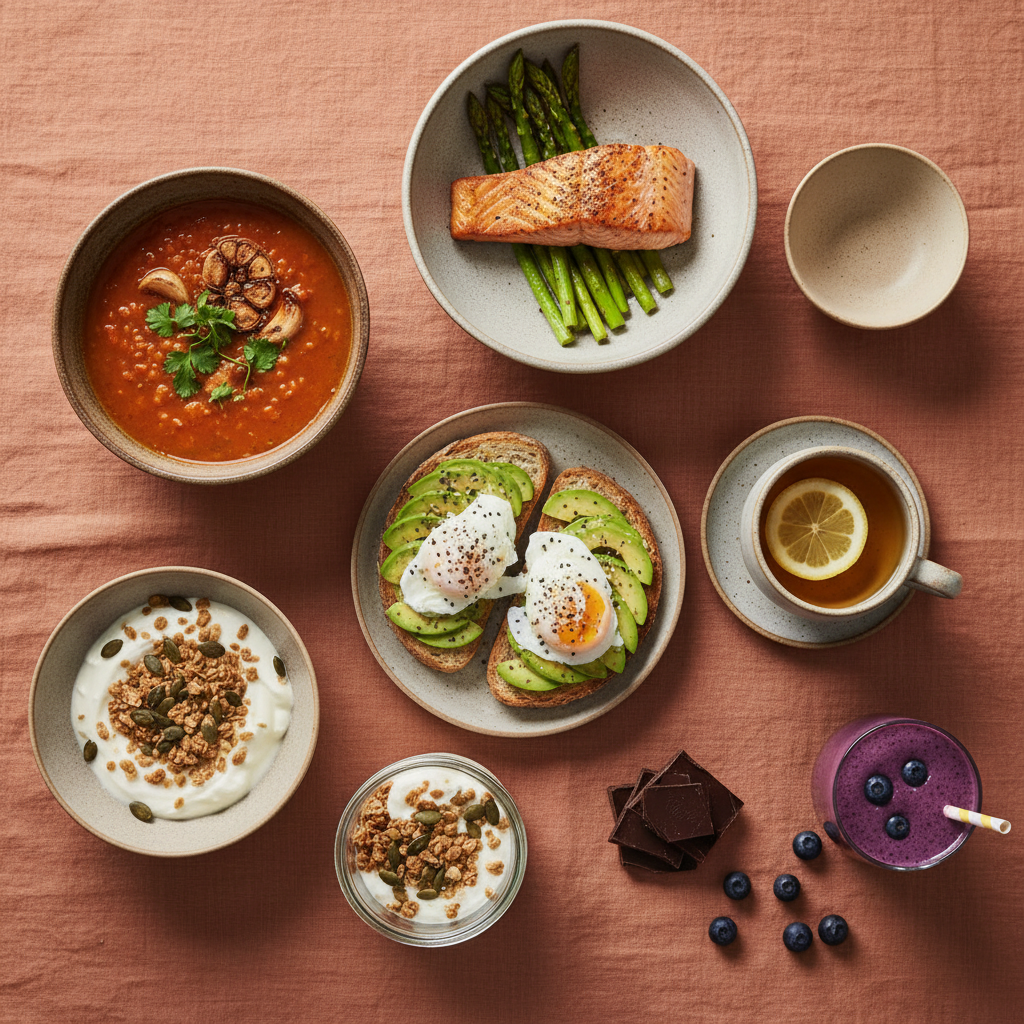
Every day in this meal plan hits daily targets: 400mg+ magnesium, 2,000mg+ omega-3, daily polyphenols (blueberries or dark chocolate), adaptogens (ashwagandha or tulsi tea), and complete protein at every meal. Caffeine is limited to green tea (morning only).
B: 3 scrambled eggs in butter + ½ avocado + spinach | L: Wild salmon salad + EVOO dressing + walnuts | D: Lentil soup + 2 cloves garlic + dark greens | S: 2 squares 85% dark chocolate + blueberries + chamomile tea
B: Greek yogurt (full-fat) + pumpkin seeds + blueberries + honey | L: Grass-fed beef bowl + sweet potato + roasted broccoli | D: Oysters (6) + roasted vegetables + lemon + garlic | S: Chamomile tea + walnuts + 1 square dark chocolate
B: Matcha latte + 3 scrambled eggs + sautéed spinach in olive oil | L: Lentil curry + garlic + ginger + brown rice (½ cup) | D: Wild salmon + roasted broccoli + lemon zest + olive oil | S: Orange + 2 squares dark chocolate + tulsi tea
B: Steel-cut oats + blueberries + 2 tbsp chia seeds + pumpkin seeds | L: Tuna-avocado salad + cucumber + EVOO + lemon | D: Chicken + fermented kimchi + sweet potato + spinach side | S: Pumpkin seeds (1oz) + green tea
B: Greek yogurt parfait + citrus zest + blueberries + walnuts | L: Oyster stew (canned) + sourdough + green salad | D: Salmon fillet + garlic spinach + quinoa + lemon butter | S: Dark chocolate + tulsi-chamomile tea blend
B: Avocado toast (sourdough) + 2 poached eggs + spinach + olive oil | L: Black bean bowl + lime + cilantro + jalapeño + avocado | D: Grass-fed beef stir-fry + bok choy + ginger + garlic | S: Blueberries + pumpkin seeds
B: Matcha smoothie: banana + spinach + almond butter + blueberries | L: Big salad: spinach + salmon + avocado + chickpeas + EVOO | D: Lentil dal + garlic + ginger + brown rice (½ cup) | S: Dark chocolate + chamomile tea + orange
🧠 Track Your Cortisol-Fighting Nutrients
Use FoodIdentifier's free AI scanner to instantly see if your meal contains the cortisol-lowering nutrients you need today.
6. The Complete Cortisol-Lowering Supplement Stack
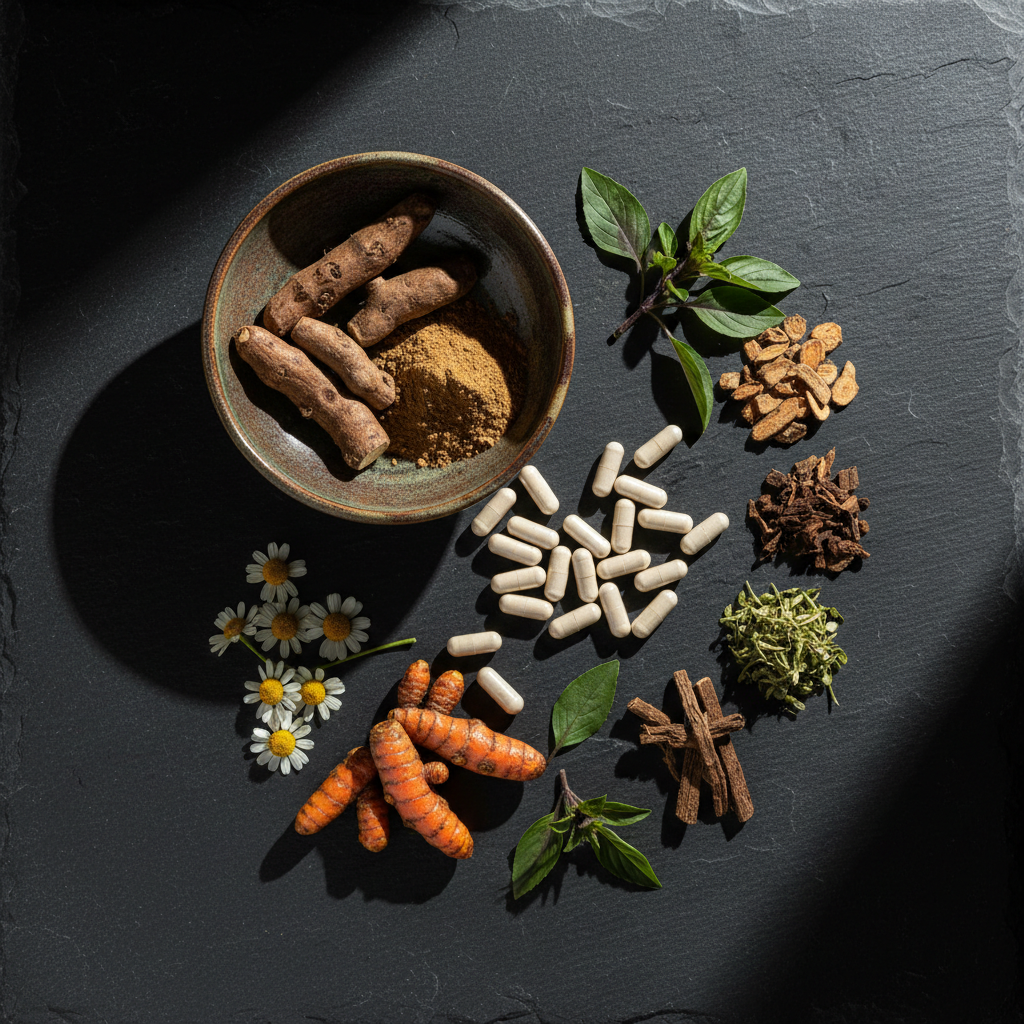
Evidence: -27.9% cortisol in 60 days (RCT)
Evidence: Restores cortisol clearance, improves sleep
Evidence: Blunts exercise + psychological cortisol spikes
Evidence: Adaptogen — reduces cortisol from chronic stress
Evidence: Adrenal support, reduces post-stress cortisol
Evidence: Reduces acute cortisol spikes, promotes calm alertness
Evidence: Inhibits cortisol-glucocorticoid receptor binding
7. 6 Lifestyle Protocols That Amplify Cortisol Reduction
Sleep is when cortisol completes its natural nightly nadir. Even one week of sleep restriction elevates next-morning cortisol by 37%. Use blackout curtains, 65°F room temperature, and magnesium glycinate 400mg before bed.
A 2022 meta-analysis found mindfulness significantly reduced cortisol in 87% of 3,200 participants across 34 RCTs. Even 10 minutes daily shows measurable HPA axis down-regulation within 3–4 weeks.
Moderate resistance training (40–60 min, 3x/week) acutely raises then normalizes cortisol — strengthening the HPA axis response. Excessive cardio (>60 min) chronically elevates cortisol. Balance is key.
Light exposure within 30 minutes of waking sets the cortisol awakening response at its appropriate time and magnitude. People with regular morning sunlight show cortisol rhythms 30% better regulated than those who stay indoors.
Blue light suppresses melatonin and maintains cortisol at night by up to 23%. Create a hard cutoff for screens — use blue-light blocking glasses if essential. Evening cortisol elevation is the most metabolically damaging pattern.
Oxytocin (the "bonding hormone") directly suppresses cortisol release. Regular positive social interaction — even brief — measurably reduces cortisol. Isolation and loneliness are among the strongest predictors of chronically elevated cortisol.
8. Realistic Cortisol Reduction Timeline
Magnesium glycinate begins improving cortisol clearance. First reductions in evening cortisol. Sleep quality may improve noticeably.
Dietary changes (eliminating sugar, excess caffeine; adding salmon, spinach, dark chocolate) produce measurable cortisol reduction. Morning cortisol rhythm begins normalizing.
Ashwagandha reaches effective blood levels. Gut microbiome improvements from fermented foods and prebiotic fiber begin contributing. Belly fat reduction may begin.
Ashwagandha achieves full clinical effect (27.9% cortisol reduction in RCTs at 60 days). Food cravings reduce significantly. Energy and sleep quality improve substantially.
Full HPA axis rebalancing. Cortisol rhythm normalized. Most people report significantly lower stress reactivity, reduced belly fat, better sleep, and elimination of stress-driven food cravings.
9. Free Tools to Monitor and Lower Your Cortisol
📸 AI Food Scanner
Instantly check magnesium and omega-3 content in any meal
📊 Cortisol Risk Calculator
Assess your cortisol risk based on lifestyle factors
🤖 AI Stress Coach
Get personalized cortisol reduction advice
🥗 Macro Calculator
Build cortisol-lowering meals with optimal macros
💧 Hydration Calculator
Dehydration is a cortisol stressor — stay optimal
🧠 Stop Food Noise Guide
Cortisol drives food noise — read the full guide
10. People Also Ask — 10 Expert Answers on Cortisol & Diet
❓ What foods lower cortisol the fastest?
The fastest-acting foods for cortisol reduction are: dark chocolate 85%+ (reduces cortisol metabolites within hours via cacao polyphenols), green tea with L-theanine (reduces acute cortisol spikes within 1–2 hours), and blueberries (anthocyanins cross the blood-brain barrier quickly). For sustained reduction, salmon (omega-3s reduce HPA axis reactivity over 2–4 weeks), pumpkin seeds (magnesium restores cortisol clearance within 1 week), and ashwagandha tea (clinical effects in 2–4 weeks) are the most powerful long-term interventions.
❓ What is the #1 best food to lower cortisol?
By clinical evidence, dark chocolate (85%+) is the single most studied food for acute cortisol reduction — directly lowering urinary cortisol metabolite excretion by 15%. For chronic cortisol elevation, salmon is the most powerful food due to omega-3 EPA and DHA that suppress HPA axis reactivity — reducing cortisol responses to psychological stress by up to 20% in people with adequate omega-3 status.
❓ Does magnesium lower cortisol?
Yes — magnesium is mechanistically essential for cortisol clearance. The liver requires magnesium to metabolize and excrete cortisol. Magnesium deficiency (affecting 70–80% of adults in Western countries) directly causes impaired cortisol clearance, maintaining chronically elevated levels. Studies show magnesium supplementation (400mg glycinate before bed) significantly reduces both morning cortisol and the physiological stress response. Results typically appear within 5–7 days of consistent supplementation.
❓ What foods spike cortisol and should be avoided?
Major cortisol-spiking foods and substances: (1) Excess caffeine (>400mg/day) — spikes cortisol immediately and maintains elevation for 6+ hours. (2) Refined sugar and high-glycemic carbohydrates — blood sugar spikes trigger cortisol as a counter-regulatory hormone. (3) Alcohol — initially suppresses cortisol but causes a rebound spike 4–6 hours later that disrupts sleep architecture. (4) Ultra-processed foods with trans fats — drive systemic inflammation that chronically activates the HPA stress axis. (5) High-sodium processed foods — signal fluid balance disruption, activating the cortisol-aldosterone system.
❓ Does high cortisol cause belly fat?
Yes — cortisol directly promotes visceral fat accumulation through multiple mechanisms. Cortisol activates cortisol receptors (glucocorticoid receptors) in abdominal adipose tissue, which are more numerous there than in subcutaneous fat. This drives fat storage specifically in the abdominal region. Cortisol also increases insulin resistance, elevates blood sugar, and promotes de novo lipogenesis (fat creation from glucose) in the liver. People with Cushing's disease (chronically extreme cortisol) invariably develop central obesity regardless of caloric intake — demonstrating the direct hormonal effect.
❓ How long does it take to lower cortisol naturally?
Realistic timeline for natural cortisol reduction: Dietary changes (high magnesium, omega-3, dark chocolate, eliminating sugar/caffeine) — measurable cortisol reduction within 1–2 weeks. Magnesium glycinate supplementation — significant effect within 5–7 days. Ashwagandha KSM-66 (600mg/day) — 27.9% cortisol reduction confirmed in 60-day RCTs. Sleep optimization (7–8 hours consistently) — cortisol rhythm normalization within 2 weeks. Full HPA axis rebalancing — typically 4–8 weeks of consistent dietary, supplement, and lifestyle changes combined.
❓ Can food really lower stress hormones?
Absolutely — this is one of the most well-established connections in nutritional neuroscience. Foods affect cortisol through multiple direct and indirect mechanisms: magnesium content directly enables cortisol clearance; omega-3 fatty acids reduce HPA axis reactivity at the neurological level; polyphenols in berries and dark chocolate reduce systemic and hypothalamic inflammation that drives chronic cortisol elevation; B vitamins (especially B5 and B6) are required cofactors for adrenal cortisol synthesis regulation; prebiotic fiber improves gut-brain axis signaling that modulates the stress response. Diet is arguably the most accessible and sustainable cortisol intervention available.
❓ Is ashwagandha safe for lowering cortisol?
Ashwagandha (particularly KSM-66 and Sensoril standardized extracts) is very well-tolerated in the doses used for cortisol reduction (300–600mg daily). In the landmark 60-day RCT that showed 27.9% cortisol reduction, adverse events were similar to placebo. Contraindications: pregnancy (may stimulate uterine contractions), autoimmune conditions (may overstimulate immunity), thyroid conditions (may affect thyroid hormone levels — monitor if on thyroid medication). Always consult your doctor before starting any supplement, particularly if on medications.
❓ What role does sleep play in cortisol regulation?
Sleep is foundational to healthy cortisol regulation. The natural cortisol curve rises sharply in the morning (cortisol awakening response — normal and healthy) and declines through the day to reach a nadir at night. This rhythm requires 7–8 hours of sleep to complete properly. Sleep deprivation disrupts the morning peak (making it too high and too prolonged), flattens daytime decline, and elevates evening cortisol — the most damaging pattern for weight, mood, and food noise. Even one week of 5-hour sleep nights creates cortisol patterns comparable to moderate chronic stress.
❓ Can cortisol reduction help with weight loss?
Yes — cortisol reduction is one of the most overlooked weight loss interventions. Cortisol directly promotes visceral fat storage, increases appetite by raising ghrelin 24% and suppressing leptin, drives cravings for high-calorie foods, breaks down muscle tissue (lowering metabolism), and causes insulin resistance that makes fat loss harder. Multiple clinical trials show that cortisol-reduction interventions (ashwagandha, phosphatidylserine, improved sleep, stress management) produce meaningful fat loss — particularly abdominal fat — without specific dietary restriction. Combining cortisol reduction with a calorie deficit produces significantly better fat loss than the deficit alone.
🚀 Start Lowering Cortisol Today
Use our free AI tools to implement the cortisol-lowering diet from this guide. Scan your food, track your nutrients, and get personalized coaching.
📚 Related Articles
foods that lower cortisol, how to lower cortisol naturally, cortisol lowering foods list, what lowers cortisol fast, foods that reduce cortisol, cortisol diet 2026, cortisol and belly fat foods, lower cortisol without medication, reduce cortisol levels with food, what foods reduce stress hormones, cortisol reducing foods ranked, best foods adrenal fatigue, ashwagandha cortisol, magnesium cortisol, omega-3 cortisol, dark chocolate cortisol polyphenols, natural cortisol blockers, stress eating cortisol, cortisol weight gain, adrenal fatigue diet, cortisol meal plan, HPA axis foods