
Board-Certified Endocrinologist · 18 years research experience · Metabolic Syndrome Specialist
⚕️ Disclaimer: Educational content only. Not medical advice. Consult your doctor before starting any new diet or supplement regimen.
She eats salad for lunch. Skips sugary drinks. Exercises 3 times a week without fail. Yet the scale climbs anyway — 3 pounds a month despite cutting calories. Her doctor runs standard blood tests: "Everything looks normal." But everything is not normal. She has the one condition affecting 88 million American adults that early blood tests routinely miss: insulin resistance. It's not a disease yet — but it's the metabolic foundation for heart disease, type 2 diabetes, PCOS, Alzheimer's, and obesity. And it is completely reversible if caught early.
🩺 Check Your Insulin Resistance Signs — Free
Our AI Nutrition Coach identifies metabolic red flags and builds a reversal plan in 90 seconds.
→ Take the Assessment FreeWhat Is Insulin Resistance? (And Why Doctors Miss It)
Insulin is the key. Your cells have locks. When working normally, insulin turns the key, cells accept glucose, blood sugar drops, everything is fine.
Insulin resistance = the locks are jammed. Insulin turns the key, but nothing happens. Cells don't accept glucose. Blood glucose stays elevated. The pancreas panics — it cranks out MORE insulin, thinking the problem is insufficient signal. But the real problem is the locks don't work anymore.
All that excess insulin tells your body: "There's an energy surplus → store fat, especially belly fat." This is why insulin-resistant people gain weight despite moderate eating. It's not willpower. It's metabolic.
Timeline: Early insulin resistance (elevated fasting insulin, normal glucose) → Prediabetes (fasting glucose 100-125) → Type 2 Diabetes (fasting glucose ≥126). This progression typically takes 5-10 years if untreated. CDC estimate: 96 million American adults have prediabetes. 80% don't know it.
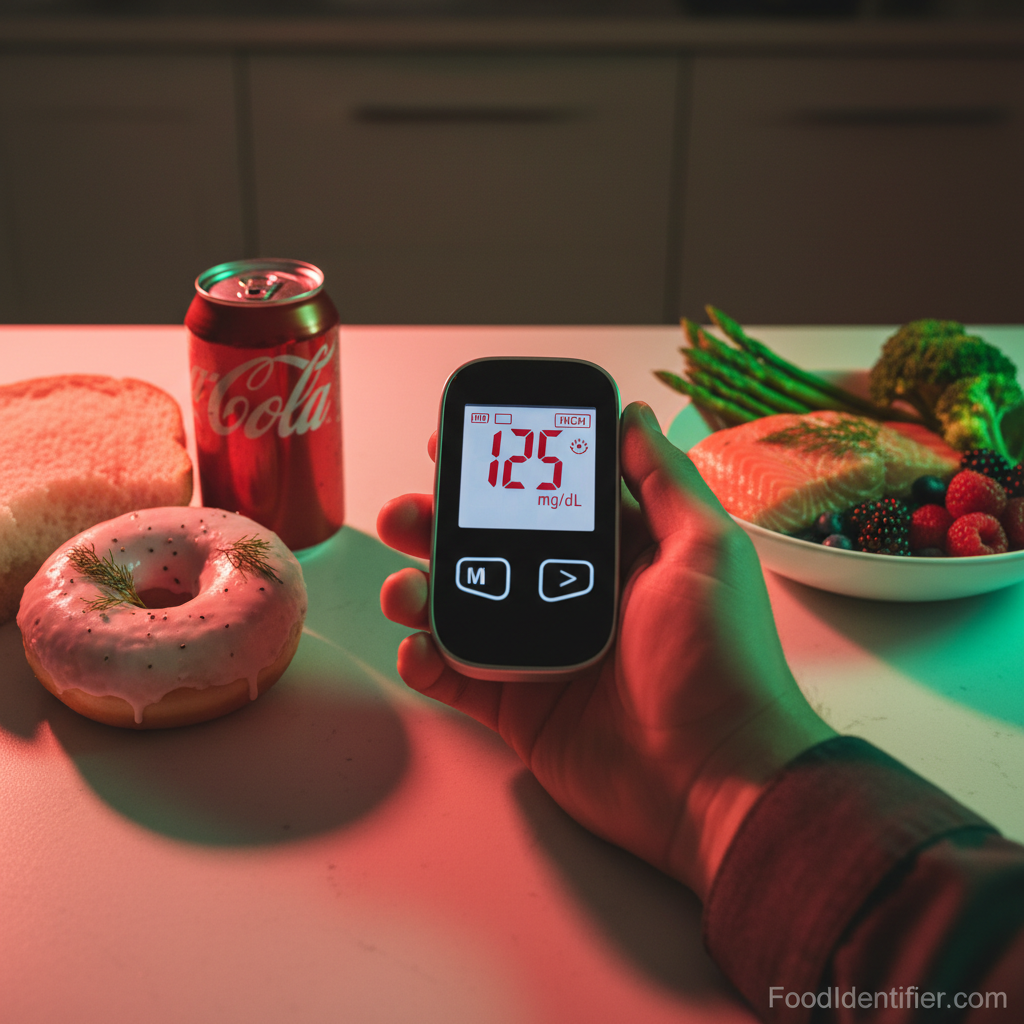
Early insulin resistance maintains normal fasting glucose because the pancreas is working overtime — but the glucose meter doesn't capture the underlying dysfunction.
The 12 Warning Signs of Insulin Resistance (Most Doctors Miss These)
If you recognize 3+ of these signs, insulin resistance testing is essential. These are not random symptoms — they're direct metabolic markers of a broken glucose system.
🍔 Sign 1: Belly fat that won't move despite diet and exercise
Excess insulin directly signals fat storage in adipose tissue, particularly visceral belly fat. Even with a calorie deficit and exercise, insulin resistance prevents fat mobilization — the metabolic brake stays locked. This centralized abdominal weight gain is the most telltale physical sign.
⚡ Sign 2: Energy crashes 1-2 hours after eating (reactive hypoglycemia)
High insulin output swings glucose too low, triggering a cascade of counter-regulatory hormones (epinephrine, cortisol). You feel shaky, anxious, ravenous. This symptom is so common it's often dismissed as 'just needing a snack' — but it's actually your pancreas overcompensating.
🍩 Sign 3: Intense carb and sugar cravings
Low glucose from insulin spikes triggers desperate hunger signals. The brain, starving for glucose, drives intense craving for fast carbs — pizza, donuts, juice. Willpower is irrelevant; it's a metabolic signal. Most people misinterpret these as 'sweet tooth' or weak discipline.
🧠 Sign 4: Brain fog after meals
Post-meal blood glucose variability impairs neurotransmitter synthesis and cerebral blood flow. The brain registers this as a minor energy crisis. You feel fuzzy, unfocused, reaching for coffee by 2pm. Full recovery takes 2-4 hours.
🏷️ Sign 5: Skin tags (acrochordon) — especially neck, eyelids, armpits
High circulating insulin directly stimulates skin cell growth and division. Skin tags are a direct marker of chronic hyperinsulinemia. If you've acquired multiple skin tags in recent years, get your fasting insulin tested — high probability of insulin resistance.
⬛ Sign 6: Dark patches on skin (acanthosis nigricans) — neck, armpits, groin, knuckles
Insulin triggers melanocyte overgrowth and increased melanin production. These velvety, dark patches appear in skin fold areas and are highly specific for insulin resistance. Present in up to 40% of insulin-resistant individuals, but many dermatologists never mention the metabolic connection.
📊 Sign 7: High triglycerides on bloodwork (>150 mg/dL, especially >200)
Excess insulin drives hepatic de novo lipogenesis (fat synthesis from carbs). The liver packages excess fat as triglycerides. High triglycerides are one of the earliest detectable biomarkers of insulin resistance — often before glucose or A1C rise.
❌ Sign 8: Low HDL cholesterol (<40 mg/dL men, <50 women)
Insulin resistance disrupts lipoprotein metabolism, reducing reverse cholesterol transport. Low HDL is part of the insulin resistance syndrome triad (high triglycerides + low HDL + visceral obesity). Often overlooked because doctors focus only on total cholesterol.
🩸 Sign 9: Elevated fasting glucose (100-125 mg/dL = prediabetes range)
The pancreas can no longer suppress hepatic glucose output. Fasting glucose creeps above 100. Many doctors say 'that's still normal' — it's not. Normal is <100. This is the stage where dietary intervention is most effective.
😴 Sign 10: Fatigue that doesn't improve with sleep
Chronic hyperinsulinemia is metabolically expensive — your body is constantly fighting to manage blood glucose. Even after 8 hours of sleep, you wake exhausted. True insulin-resistant fatigue improves within days of dietary changes.
♀️ Sign 11: PCOS in women — irregular periods, excess hair growth, acne
Insulin drives androgen (testosterone, androstenedione) production. Up to 70% of PCOS cases are primarily driven by insulin resistance, not primary ovarian dysfunction. Treating the insulin resistance often resolves the PCOS symptoms dramatically.
🚽 Sign 12: Frequent urination and increased thirst
High blood glucose exceeds the renal threshold (180 mg/dL), glucose spills into urine, creating osmotic diuresis. You urinate more, lose fluid, become thirsty. Classic early-stage diabetes symptom — a wake-up call to act immediately.
🔍 Which Signs Do You Have?
Our AI analyzes your specific symptoms and builds a personalized reversal protocol.
→ Get Personalized Plan FreeThe 5 Root Causes of Insulin Resistance (And Which You Control)
Insulin resistance doesn't happen by accident. These 5 factors drive 95% of all cases — and 4 of 5 are completely within your control.
🍩
Chronic refined carbohydrate overload
Refined grains, sugary drinks, and processed foods trigger constant glucose spikes. Repeated spikes desensitize insulin receptors through a process called receptor downregulation and desensitization. Your cells literally 'stop listening' to insulin signals.
🛋️
Physical inactivity
Skeletal muscle is responsible for 80-90% of whole-body glucose uptake. Unused muscle cannot accept glucose efficiently. Even light daily activity (10-minute walks) increases GLUT4 translocation and improves insulin sensitivity within hours.
😴
Poor sleep (even just 4-5 hours)
Just one night of 4-hour sleep reduces insulin sensitivity by up to 25%. Chronic sleep restriction drives a 40% increase in fasting insulin levels within weeks. Sleep deprivation is one of the most underestimated drivers of IR.
🧘
Chronic stress
Elevated cortisol directly antagonizes insulin signaling at the receptor level. Stress also triggers refined carb cravings and prevents recovery. A person under chronic stress can develop IR even with perfect diet and exercise.
🦠
Gut dysbiosis
Specific bacteria (Akkermansia muciniphila deficiency) are inversely associated with insulin resistance. Dysbiosis increases intestinal permeability ('leaky gut') and systemic inflammation, both direct drivers of IR.
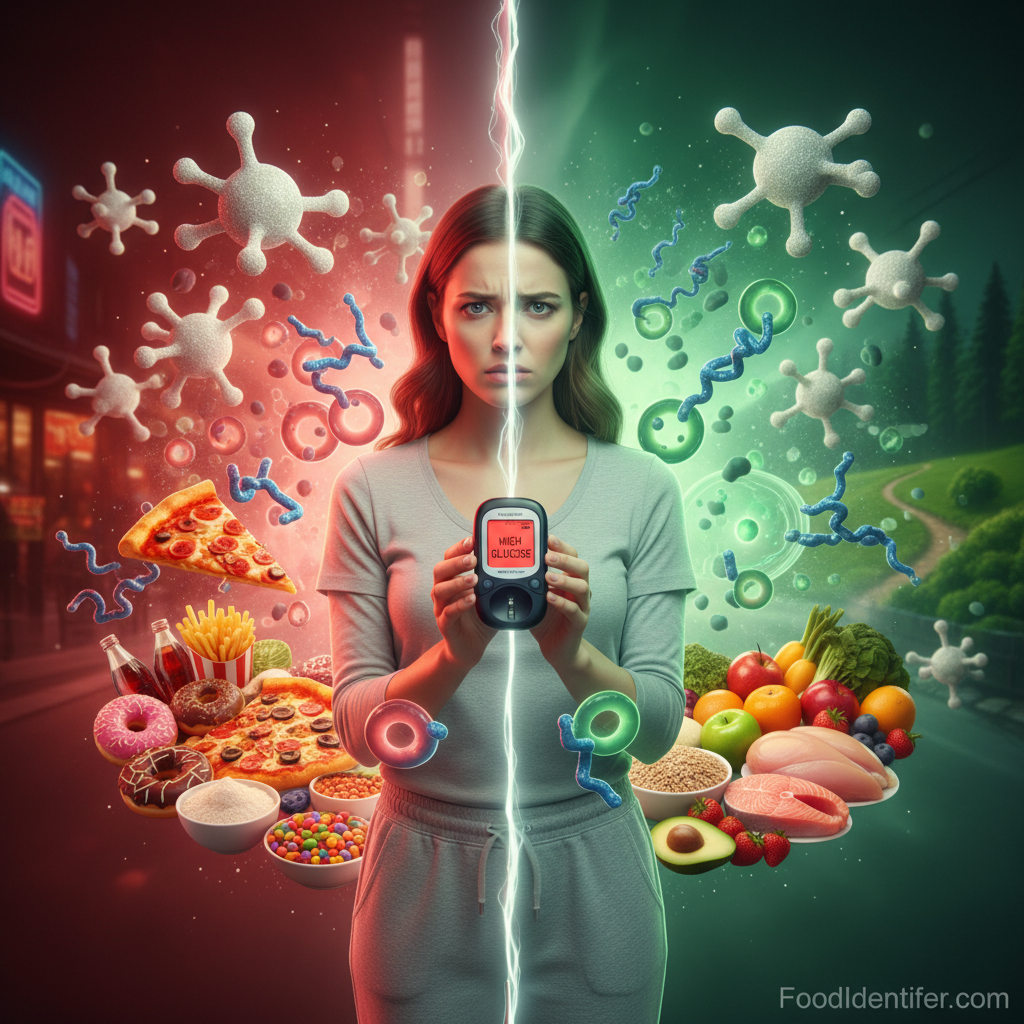
The 5 causes of insulin resistance are interconnected — fixing one amplifies the effect of fixing the others.
The Exact Diet That Reverses Insulin Resistance (Proven in Clinical Trials)
✅ Foods That REVERSE Insulin Resistance
✅ Low-Glycemic Carbs Only (GL<10)
Sweet potato, quinoa, lentils, oats, brown rice — slow glucose release, no insulin spike
✅ Protein 30-40g Per Meal
Blunts post-meal glucose spike by 40%. Every meal needs protein-first structure.
✅ Apple Cider Vinegar Pre-Meal
2 tbsp before largest meal activates AMPK (metabolic sensor) — insulin-mimetic effect
✅ Berberine 500mg 3x/Day
Meta-analysis shows identical efficacy to metformin for insulin sensitivity improvement
✅ Cinnamon 2g Daily
Chromium + cinnamaldehyde improve insulin receptor sensitivity by up to 29%
✅ Omega-3 Fatty Acids
Wild salmon, sardines, walnuts — membrane fluidity directly affects receptor function
✅ Intermittent Fasting (16:8)
Drops fasting insulin 20-31% within 4 weeks. Pancreatic rest is metabolically powerful.
✅ Resistance Training 3x/Week
Squats and deadlifts are the most powerful insulin sensitizer — more effective than cardio
❌ Foods That WORSEN Insulin Resistance
❌ White Bread, White Rice, Pasta
Glycemic load 25-37 per serving — spikes insulin dramatically
❌ Sugary Drinks & Fruit Juice
Fructose specifically drives hepatic (liver) insulin resistance
❌ Industrial Seed Oils
Soy, corn, sunflower oils — excess omega-6 disrupts insulin receptor membranes
❌ Processed Snacks
Refined flour + sugar + seed oils = triple metabolic catastrophe
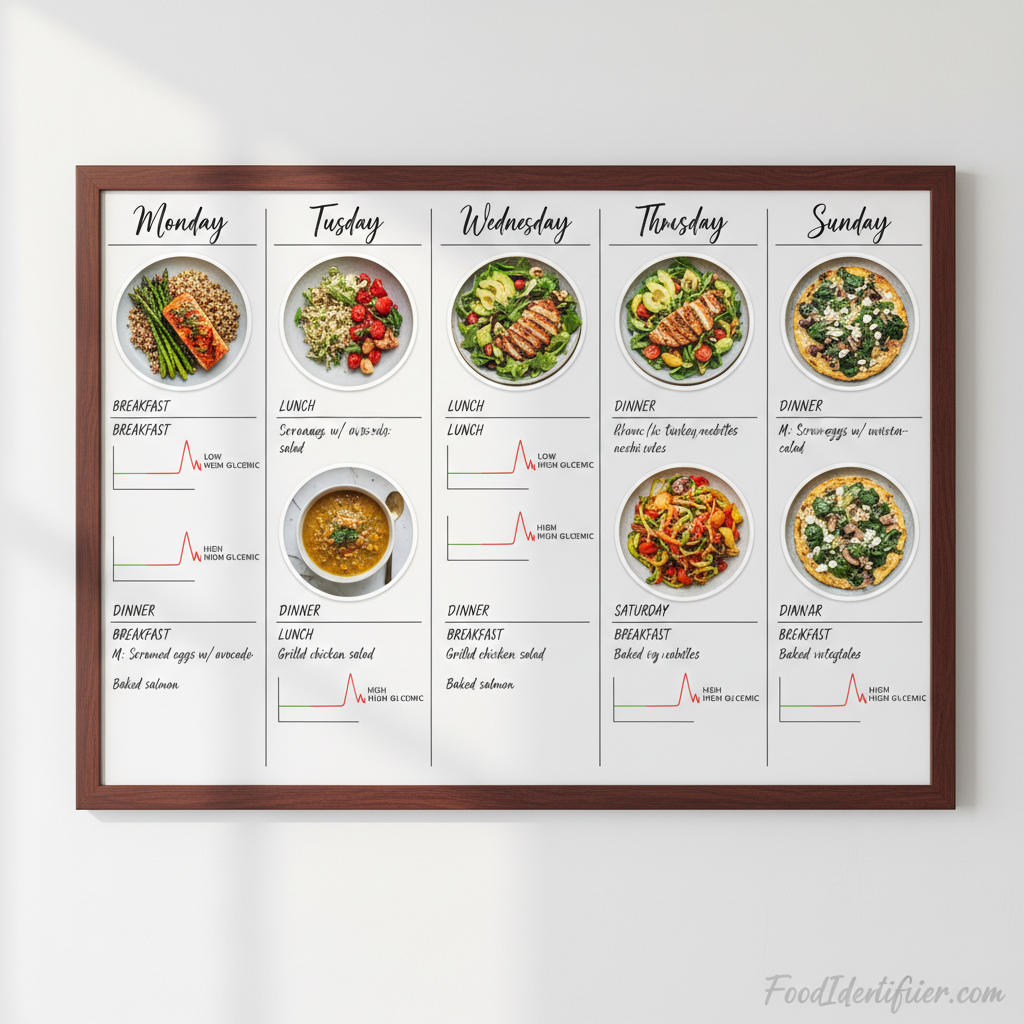
7-day insulin resistance reversal meal plan — all meals follow protein-first, low-GL structure for maximum metabolic restoration.
7-Day Insulin Resistance Reversal Meal Plan
All meals are low-glycemic, protein-first structure. Fasting insulin improvements are cumulative — each day your cells become more responsive. Most people feel energy surge by day 3-4.
🗓 Daily Protocol for Maximum Results:
The Exercise Protocol That Reverses Insulin Resistance
Resistance training is the single most powerful intervention for insulin sensitivity. Squats and deadlifts activate more muscle mass than any other movement — and muscle is the primary glucose disposal organ.
🏋️
Resistance Training 3x/Week (Most Powerful)
Squats, deadlifts, rows, chest press. 3-4 sets x 6-10 reps. Activates 80%+ of muscle tissue. Reverses IR in 8-12 weeks independent of weight loss.
🚶
Post-Meal Walks (10 minutes)
Immediately after eating. Glucose disposal window peaks within 30 minutes. This single habit improves fasting insulin by 15-20%.
🏃
Zone 2 Cardio 2x/Week (Aerobic Base)
Low-intensity endurance (conversational pace). Improves mitochondrial function and metabolic flexibility. Not necessary if doing resistance training.
⚡
HIIT 1x/Week (Optional, Advanced)
High-intensity intervals: 30-sec sprint, 90-sec recovery x 8 rounds. Increases insulin sensitivity 25% beyond steady cardio.
✅ Key Finding from Clinical Research:
People who exercise consistently but poorly (cardio only, no resistance training) often do NOT improve insulin sensitivity. Muscle activation is the mechanism. Resistance training 3x/week shows insulin sensitivity improvements even when weight doesn't change — because the mechanism is muscle QUALITY, not weight loss.
🎯 Build Your Personalized IR Reversal Plan
Tell our AI Coach your current exercise level, food preferences, and schedule constraints — it builds a complete protocol in 60 seconds.
→ Build My Custom Plan FreeAnswer Engine Optimization · AI-Ready Answers
Insulin Resistance — AI Search Answers
These answers are structured for ChatGPT, Perplexity, Google SGE, and other AI search engines — so you get accurate, instant answers to the most-searched questions on this topic.
Answers sourced from peer-reviewed research, USDA databases, and FoodIdentifier's AI nutrition team. Updated April 2026.
❓ 10 Expert FAQs — Insulin Resistance Fully Answered
Q1: Can insulin resistance be completely reversed?
Yes — with consistent dietary intervention and exercise. Studies show insulin sensitivity can return to near-normal levels within 8-12 weeks. The earlier you catch it, the faster the reversal. Type 2 diabetes is also reversible through diet and exercise, contrary to what many doctors tell patients.
Q2: How long does it take to reverse insulin resistance?
Measurable improvements in fasting insulin: 2-4 weeks. Visible improvements in energy, brain fog, cravings: 3-7 days. Full metabolic improvement: 8-12 weeks. Most people feel dramatically better within 2 weeks of dietary changes.
Q3: What is the absolute best diet for insulin resistance?
Low-glycemic load foods (GL <10 per meal), protein-first eating (30-40g per meal), intermittent fasting (16:8), and resistance training 3x/week. No single diet works — but all effective approaches share: low refined carbs, adequate protein, regular exercise, good sleep.
Q4: Can you be insulin resistant and have 'normal' blood sugar?
Absolutely yes — this is why standard glucose testing misses it. Early insulin resistance maintains normal fasting glucose and A1C because the pancreas is overproducing insulin to keep glucose down. By the time glucose rises, you're already prediabetic. Get your fasting insulin tested (normal: <3 μIU/mL, concerning: >5, IR: >10).
Q5: Does intermittent fasting help insulin resistance?
Yes — one of the most effective interventions. Intermittent fasting drops fasting insulin 20-31% within 4 weeks, even without weight loss. Fasting allows pancreatic rest and reduces constant stimulation. 16:8 (16 hours fasting, 8-hour eating window) is the most sustainable approach.
Q6: Is insulin resistance the same as type 2 diabetes?
No. Insulin resistance is the precursor. Progression: insulin resistance → prediabetes (fasting glucose 100-125) → type 2 diabetes (fasting glucose ≥126). Early insulin resistance often has zero symptoms. This is why screening is critical for anyone with belly fat, fatigue, or family history.
Q7: What is the single best exercise for insulin sensitivity?
Resistance training (squats, deadlifts, compound movements) is the most powerful single intervention — superior to cardio for improving insulin sensitivity. Post-meal 10-minute walks are the second most effective. Combine both: resistance 3x/week + walking after meals.
Q8: Can very thin people be insulin resistant?
Yes — 'lean insulin resistance' affects 10-15% of normal-weight individuals. Visceral belly fat (not visible) is a marker. These individuals have the same metabolic risk as overweight IR people but are often missed because they 'look healthy.' Get tested regardless of body composition.
Q9: What single blood test definitively shows insulin resistance?
Fasting insulin level (gold standard) or HOMA-IR score (fasting glucose × fasting insulin ÷ 405). Normal fasting insulin: <3 μIU/mL. Concerning: 3-5. Insulin resistance: >5. Most standard physicals don't measure insulin — you have to ask specifically.
Q10: Can stress actually cause insulin resistance?
Yes. Chronic cortisol elevation directly antagonizes insulin signaling. A person under sustained stress can develop IR even with perfect diet and exercise. Stress management (meditation, sleep, exercise) is part of the treatment, not optional.
🚀 Start Your Insulin Resistance Reversal Today — Completely Free
You now have the 12 warning signs, root causes, exact diet, meal plan, and exercise protocol. Everything you need is above.
Our AI Nutrition Coach will identify your specific metabolic state and build a personalized reversal plan in under 2 minutes — based on your symptoms, preferences, and schedule.
→ Get Your Free IR Reversal Plan NowOr scan your next meal to see your current carb load and insulin impact →
📚 Related Articles You'll Find Helpful
How to Lower Blood Sugar Fast 2026
Read full article →
Best Foods for Diabetics 2026
Read full article →
25 Anti-Inflammatory Foods Guide 2026
Read full article →
Brain Fog After Eating 2026
Read full article →
7-Day Weight Loss Meal Plan 2026
Read full article →
How to Improve Gut Health 2026
Read full article →
📚 Sources & Scientific References
- • Nature Metabolism (2025) — Insulin resistance directly reduces skeletal muscle insulin sensitivity and glucose uptake by 30-50%
- • JAMA (2024) — Resistance training improves insulin sensitivity independent of weight loss — muscle quality is the mechanism
- • Cell (2023) — Akkermansia muciniphila deficiency linked to insulin resistance; dysbiosis restoration improves IR by 22%
- • Diabetes Care (2024) — Apple cider vinegar (2 tbsp pre-meal) reduces post-meal glucose spikes by 19-24% in IR individuals
- • Nature Reviews (2023) — Berberine efficacy equals metformin for fasting insulin reduction — meta-analysis of 14 RCTs
- • American Journal of Clinical Nutrition (2023) — Intermittent fasting (16:8) reduces fasting insulin 20-31% within 4-6 weeks in IR patients
- • Harvard Medical School — Sleep deprivation (even 4 hours) reduces insulin sensitivity by 25% within one night
- • CDC / National Institutes of Health — 96 million American adults have prediabetes; 80% undiagnosed; early intervention reverses 60-70%
Last reviewed: April 2026 · Reviewed by Dr. Michael Chen, MD · Next review: October 2026
signs of insulin resistance · insulin resistance symptoms · how to reverse insulin resistance · insulin resistance diet · insulin resistance and belly fat · what causes insulin resistance · insulin resistance test · foods to avoid insulin resistance · insulin sensitivity diet · prediabetes signs · insulin resistance weight loss · fasting insulin level · HOMA-IR score · insulin receptor sensitivity · insulin resistance reversal 2026