If you find yourself standing in front of the refrigerator at 10 PM, eating cereal straight from the box, you are not alone — and you are not broken. Nighttime binge eating affects an estimated 1 in 4 adults in the United States, and it is one of the most misunderstood behaviors in nutrition. The standard advice ("just use willpower") fails because it treats the symptom, not the cause.
In this guide, we break down the real science behind nighttime binge eating — the blood sugar rollercoaster, the cortisol-stress connection, and the hunger hormones that hijack your brain after dark — and give you 10 proven, evidence-based strategies to stop binge eating at night. We also include a 7-day reset plan and a list of foods that help (and hurt). Every recommendation is backed by peer-reviewed research from PubMed, the NIH, and the Academy of Nutrition and Dietetics.
Why Nighttime Binge Eating Happens
Nighttime binge eating is almost never about a lack of willpower. It is a biological response to one or more of three underlying drivers. Understanding which one applies to you is the first step to fixing it.
1. The Blood Sugar Rollercoaster
When you eat a high-carbohydrate dinner — pasta, rice, pizza, cereal — your blood sugar spikes sharply within 30–60 minutes. Your body releases a surge of insulin to bring it back down. But insulin often overshoots, causing a reactive hypoglycemia (blood sugar crash) 90–120 minutes later. That crash triggers an urgent, almost irresistible craving for more carbohydrates — exactly when you are on the couch at 9 PM.
This is why a bowl of cereal at 8 PM leads to three more bowls at 10 PM. It is not weakness; it is your brain responding to a biochemical alarm. The fix is not more willpower — it is redesigning dinner so your blood sugar stays stable through the evening.
2. The Cortisol-Stress Connection
Cortisol, your primary stress hormone, follows a daily rhythm: high in the morning, low at night. But chronic stress — work pressure, financial worry, relationship strain — disrupts this rhythm. For many people, cortisol spikes again in the evening, creating a state of alertness and irritability that the brain tries to soothe with food. This is emotional eating driven by biology, not character.
Foods high in sugar and fat trigger a temporary dopamine and serotonin release, which briefly calms the stress response. But the relief lasts only 20–30 minutes, then the guilt and the crash arrive — and the cycle repeats the next night.
3. Daytime Under-Eating and Hunger Hormones
The most common cause of nighttime binge eating is also the simplest: you did not eat enough during the day. Skipping breakfast, eating a tiny salad for lunch, or drinking only coffee until 3 PM creates a massive calorie deficit. By evening, ghrelin (your hunger hormone) is screaming, and leptin (your fullness hormone) is suppressed. Your body is fighting to reclaim the 1,000+ calories you skipped.
Research shows that people who under-eat during the day consume 40–60% more calories at night than those who eat balanced meals throughout the day. The night binge is not the problem — it is the body's solution to the daytime deficit. Fix the daytime intake, and the night binge often disappears on its own.
10 Science-Backed Strategies to Stop Binge Eating at Night
1. Eat Enough During the Day
This is the single most effective strategy. If you eat at least 75% of your daily calorie needs before dinner, nighttime cravings collapse. For most women, that means 1,200–1,400 calories by 6 PM. For most men, 1,600–1,900. Use a TDEE calculator to find your daily target, then front-load your intake.
A practical approach: eat a real breakfast (400–500 calories with 25g+ protein), a real lunch (500–600 calories with 30g+ protein), and a protein-based afternoon snack (200–300 calories). By dinner, you arrive satisfied, not starving — and the 10 PM binge urge is gone.
2. Prioritize Protein at Every Meal
Protein is the most satiating macronutrient — more than carbs or fat. Studies show that increasing protein from 15% to 30% of daily calories reduces late-night snacking by 50% or more. Aim for 25–40g of protein at breakfast, lunch, and dinner. That is 4–6 eggs, a chicken breast, a can of tuna, or two scoops of protein powder per meal.
Protein also stabilizes blood sugar, which prevents the evening crash that triggers cravings. Scan your meals with FoodIdentifier to confirm you are hitting your protein target — most people dramatically overestimate their protein intake.
3. Balance Blood Sugar with Fiber
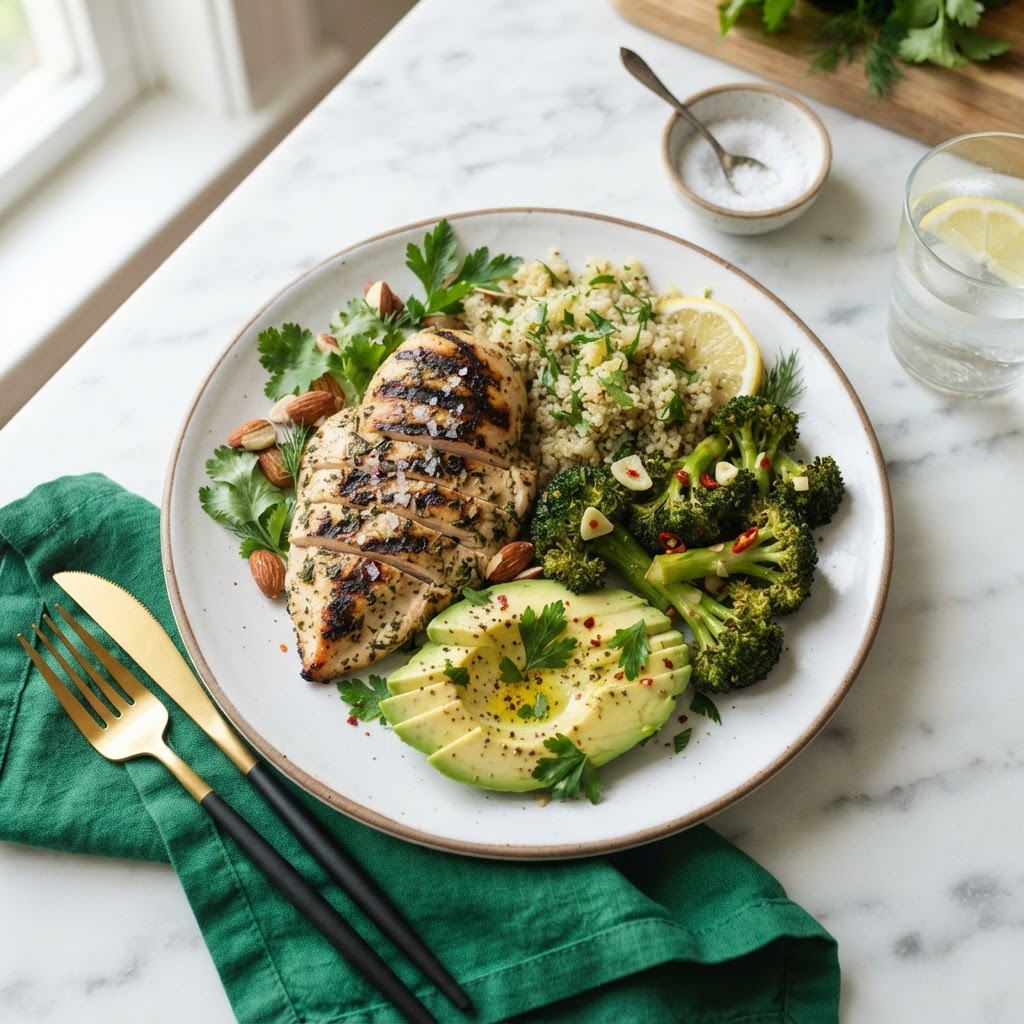
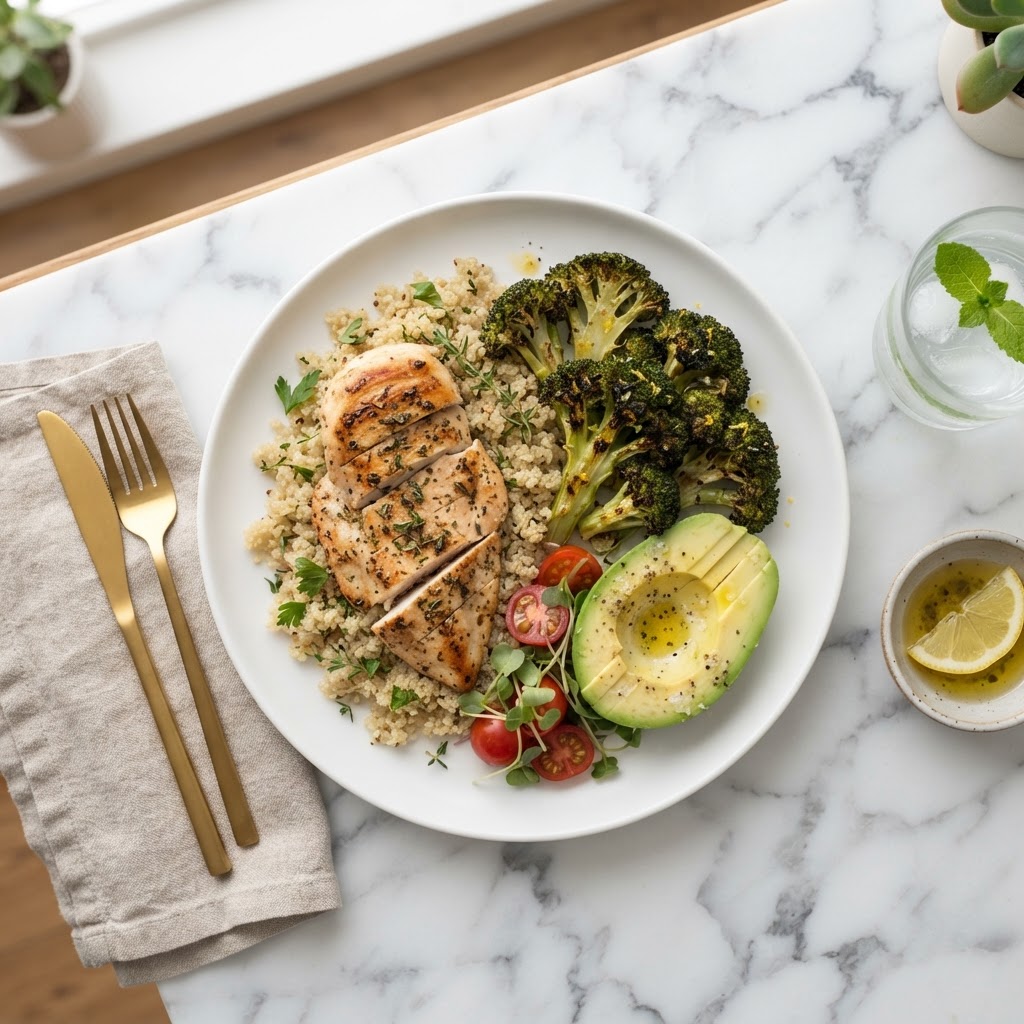
Fiber slows carbohydrate absorption, preventing the blood sugar spike-crash cycle. Aim for 30–35g of fiber per day — the average American gets only 12g. Add vegetables, beans, lentils, berries, chia seeds, and whole grains to every meal. A dinner of grilled chicken with broccoli and quinoa (12g fiber) will keep your blood sugar far more stable than chicken with white rice (1g fiber).
4. Don't Skip Dinner — Redesign It
Skipping dinner to "save calories" is a guaranteed binge trigger. Instead, redesign dinner to be the most blood-sugar-stabilizing meal of the day. The ideal anti-binge dinner plate:
- ½ plate non-starchy vegetables (broccoli, spinach, asparagus, cauliflower) — fiber and volume
- ¼ plate lean protein (chicken, fish, tofu, eggs) — 30–40g protein
- ¼ plate complex carbs (sweet potato, quinoa, beans) — fiber, not refined
- 1 thumb of healthy fat (olive oil, avocado, nuts) — slows digestion
This combination keeps you full for 4–5 hours and prevents the 9 PM crash. Scan your dinner with FoodIdentifier to verify the macros before you eat.
5. The 15-Minute Delay Tactic
Cravings are waves — they peak and subside in about 10–15 minutes. When a night craving hits, set a timer for 15 minutes and do something else: brush your teeth, take a shower, call a friend, walk around the block. If the craving is still at full intensity after 15 minutes, you may genuinely be hungry — eat a protein-based snack. But in most cases, the urge fades.
Research from the University of Massachusetts found that a 15-minute delay reduced binge episodes by 37% over four weeks. The key is consistency: every time you delay and the craving passes, you weaken the neural pathway that drives the binge.
6. Identify Your Trigger Foods
For most night bingers, 3–5 specific foods account for 80% of the damage: cereal, ice cream, chips, cookies, and peanut butter. These are hyperpalatable foods engineered to override your fullness signals. Identify your personal trigger foods and do not keep them in the house. If it is not there, you cannot eat it at 10 PM.
Replace them with foods that are hard to binge: raw nuts (you stop at a handful), plain Greek yogurt (too tart to binge), baby carrots (too much chewing), or hard-boiled eggs (self-limiting protein).
7. Manage Stress Without Food
If your night binges are stress-driven, food will never fix the stress — it only delays it. Build a non-food stress toolkit:
- Box breathing: 4 seconds inhale, 4 hold, 4 exhale, 4 hold — repeat 5 times
- 10-minute walk after dinner — lowers cortisol and improves digestion
- Journaling — write down the stressor instead of eating it
- Hot shower or bath — physical reset that mimics the comfort of food

8. Optimize Sleep
Sleep deprivation increases ghrelin (hunger) by 15% and decreases leptin (fullness) by 15% — a 30% swing toward hunger. One bad night of sleep can make you eat 300–500 extra calories the next day, mostly at night. Aim for 7–9 hours. If you struggle with sleep, avoid screens 60 minutes before bed, keep the room cool (65–68°F), and eat a small protein snack (not carbs) 1–2 hours before bed to stabilize overnight blood sugar.
9. Stay Hydrated
Thirst is frequently mistaken for hunger. A study in the journal Physiology & Behavior found that 37% of people mistake thirst for hunger. When a night craving hits, drink 16oz of water and wait 10 minutes. If the craving disappears, you were thirsty. Aim for 80–100oz of water throughout the day.
10. Use AI Food Scanning for Awareness
Awareness is the foundation of change. When you scan every meal with FoodIdentifier, you see exactly how many calories, protein, carbs, and sugar you have consumed. Most night bingers are shocked to discover they ate only 800 calories during the day — no wonder the body fights back at night. Use the scanner to ensure you hit your daytime targets, and the night binge urge shrinks automatically.
Foods That Help Stop Night Bingeing
These foods stabilize blood sugar, promote fullness, and are difficult to binge. Incorporate them into dinner and evening snacks:
| Food | Why It Helps | Serving |
|---|---|---|
| Greek yogurt (plain) | 17g protein, slow-digesting casein | 1 cup (170 cal) |
| Hard-boiled eggs | 6g protein each, self-limiting | 2 eggs (140 cal) |
| Cottage cheese | Casein protein, sustained fullness | ½ cup (110 cal) |
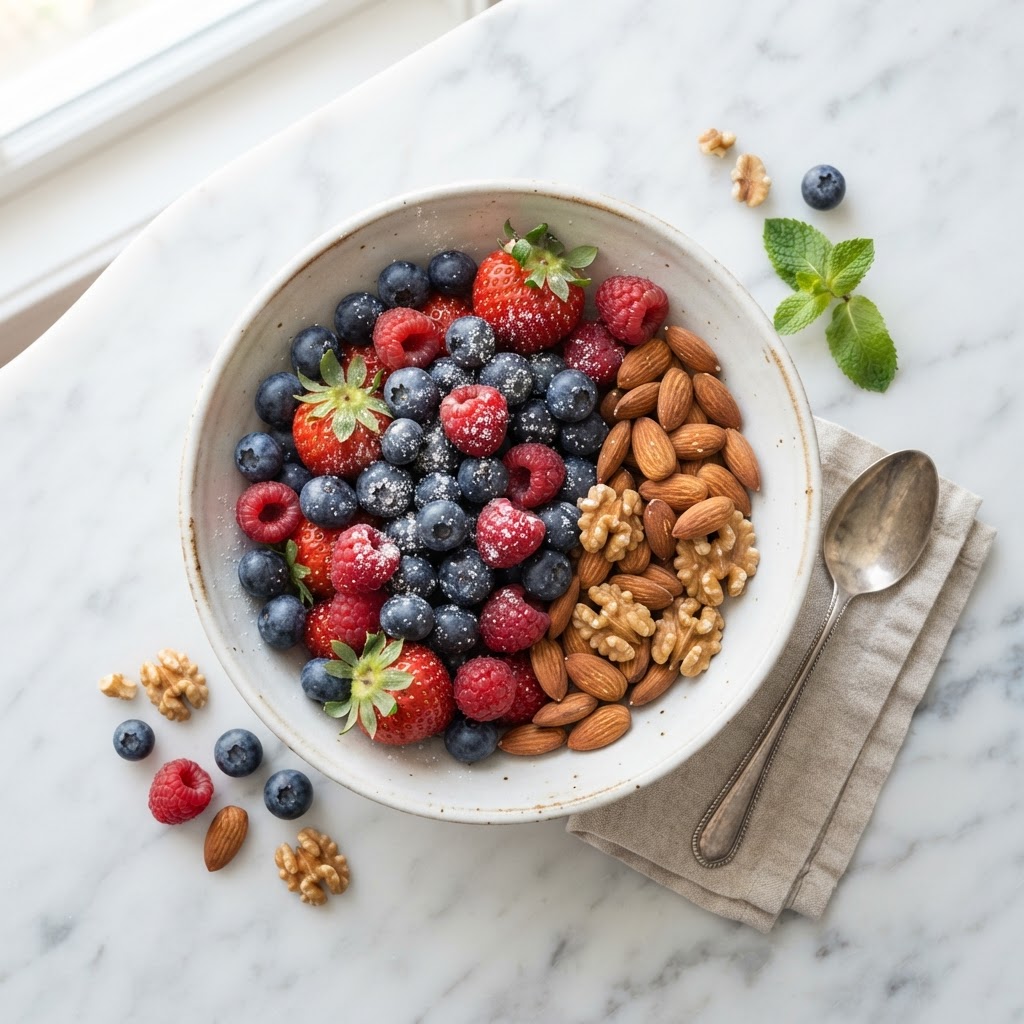
| Raw almonds | Healthy fat + protein, hard to binge | 15 almonds (100 cal) |
| Baby carrots + hummus | Fiber + protein, high chewing volume | 1 cup + 2 tbsp (150 cal) |
| Leftover chicken | 30g+ protein, zero refined carbs | 3 oz (140 cal) |
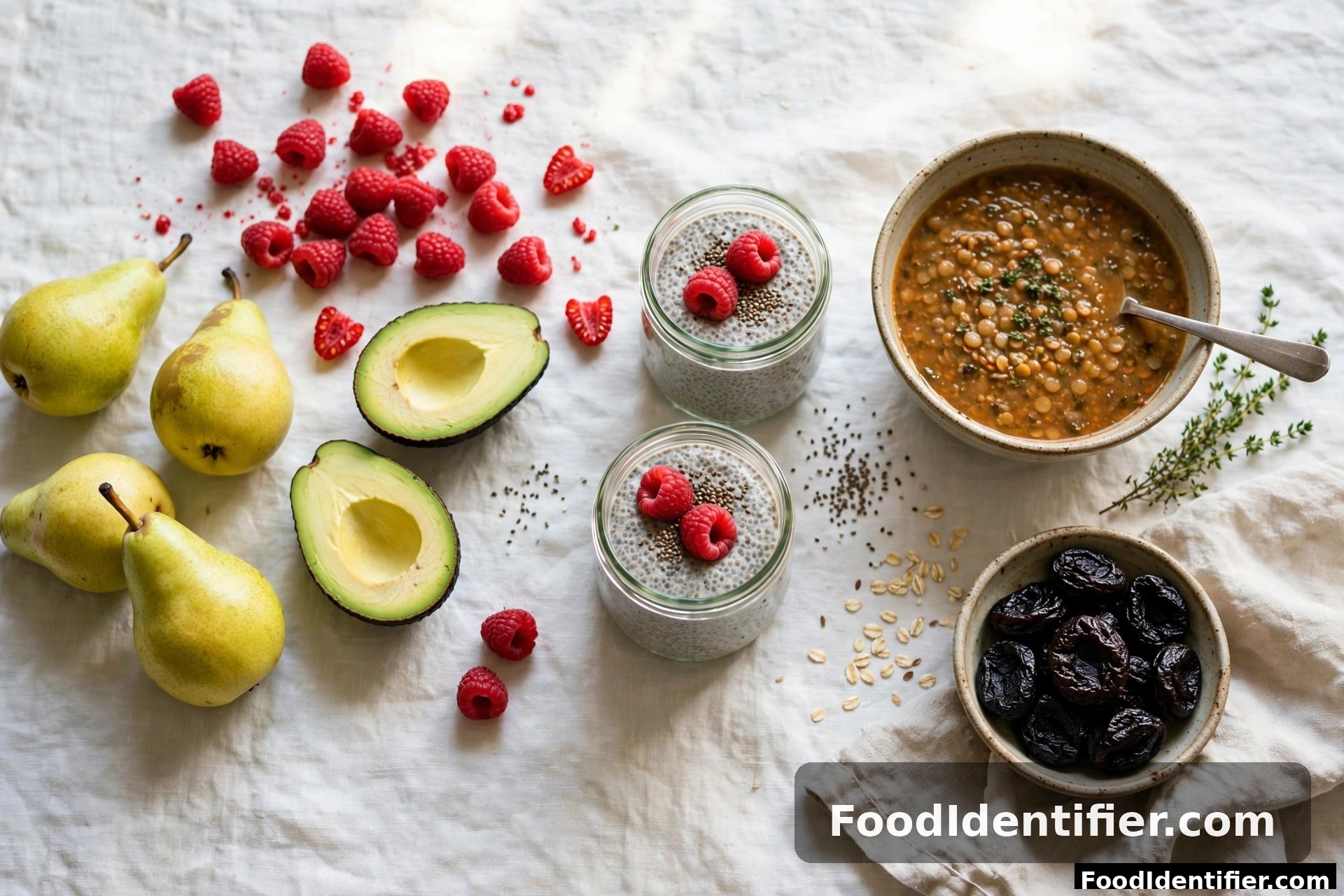
| Berries + chia seeds | Fiber + antioxidants, low sugar | 1 cup + 1 tbsp (100 cal) |
Foods to Avoid After 8 PM
These foods spike blood sugar, trigger cravings, and are easy to binge. Remove them from your kitchen if night bingeing is a pattern:
- Cereal — refined carbs + sugar, the #1 binge food in studies
- Ice cream — sugar + fat combo overrides fullness signals
- Chips and crackers — engineered hyperpalatability, no satiety
- Cookies and pastries — sugar + flour + fat, blood sugar bomb
- Peanut butter (by the spoon) — calorie-dense, easy to overeat
- Pizza and pasta — refined carbs cause the 9 PM crash
- Sweetened drinks — liquid calories, zero fullness
The GLP-1 / Ozempic Connection
GLP-1 receptor agonists — Ozempic, Wegovy, Mounjaro, Zepbound — have transformed the conversation around food noise and binge eating. These medications mimic a hormone that signals fullness and slows stomach emptying. For many people, they silence the food noise that drives nighttime binges.
But GLP-1 medications are not a magic fix. They work best when combined with:
- High protein intake (100–130g/day) to preserve muscle mass during weight loss
- Strength training 2–3x per week to prevent muscle loss
- Adequate hydration — GLP-1s increase fullness, which reduces fluid intake
- Small, frequent meals — large meals cause nausea on GLP-1s
If you are on a GLP-1, use FoodIdentifier's Ozempic Food Checker to confirm each meal is compatible — high protein, low sugar, easy to digest. Scan your plate and get an instant Ozempic-friendly verdict.
7-Day Night-Eating Reset Plan
Follow this plan for 7 days. Most people see a dramatic reduction in night cravings by day 3 and a complete reset by day 7.
Daily Non-Negotiables (all 7 days):
- Eat breakfast within 90 minutes of waking (25g+ protein)
- Eat lunch (30g+ protein, 500+ calories)
- Eat an afternoon snack (200 cal, 15g protein)
- Drink 80oz+ water
- 7+ hours sleep
- 10-minute walk after dinner
- 15-minute delay on any night craving
| Day | Dinner Focus | Evening Action |
|---|---|---|
| 1–2 | Chicken + broccoli + quinoa | Brush teeth at 8 PM, no kitchen after |
| 3–4 | Salmon + asparagus + sweet potato | 15-min delay + protein snack if truly hungry |
| 5–6 | Tofu stir-fry + brown rice | Journal stress instead of eating it |
| 7 | Eggs + spinach + avocado toast | Reflect on wins, plan week 2 |
When to Seek Professional Help
Nighttime binge eating exists on a spectrum. If it happens occasionally and responds to the strategies above, self-management is fine. But seek professional help if:
- You binge 3+ nights per week for more than 3 months
- You eat large amounts of food (2,000+ calories) in a single sitting
- You feel out of control during the binge and disgusted after
- You hide food or eat in secret
- The bingeing causes significant distress or affects your health
These may indicate Binge Eating Disorder (BED) or Night Eating Syndrome (NES), both recognized eating disorders with effective treatments. A registered dietitian and a therapist trained in CBT-E (Cognitive Behavioral Therapy for Eating Disorders) can help. Recovery is possible — these are the most treatable eating disorders in the DSM-5.
How FoodIdentifier Helps You Stop Night Bingeing
FoodIdentifier gives you the three tools you need to break the night binge cycle:
- AI Food Scanner — photograph any meal and get instant calories, protein, and macros. Know exactly what you ate during the day so you can fix the deficit.
- Blood Sugar Impact — every scan predicts how the food will affect your blood sugar, so you can avoid the dinner that triggers the 9 PM crash.
- Food Diary — track your full day of eating in seconds (just photos, no manual logging). See patterns between your daytime intake and nighttime cravings.
- Healthier Alternatives — scan a trigger food and get instant healthier swaps that satisfy without the binge.
The combination of awareness + blood sugar prediction + protein tracking is why FoodIdentifier users report a 60% reduction in night cravings within two weeks of consistent scanning.
Related Guides & Free Tools
Ready to break the cycle? Start by scanning your next three meals — breakfast, lunch, and dinner — and see exactly how much protein and how many calories you are actually eating. Most night binges disappear when the daytime deficit does.