⚠️ Medical Disclaimer
This guide is for educational purposes only. Always consult your healthcare provider or registered dietitian before making significant changes to your diabetes management plan, especially regarding medication adjustments. Individual blood sugar responses to food vary significantly — monitor your own levels regularly.
What you eat determines 70–80% of your blood sugar outcomes. This complete guide covers every category of diabetic-friendly food, including the best and worst fruits, best breakfast options, diabetic-safe snacks, an exact 7-day meal plan, and free tools to predict your glucose response before every meal.
537M
Adults with diabetes worldwide
1–2 pts
A1C reduction achievable via diet alone
30–50%
Type 2 remission rate with diet + weight loss
GI < 55
Target glycemic index for diabetic foods
How Food Affects Blood Sugar — The Essentials
When you eat carbohydrates, they break down into glucose and enter the bloodstream, raising blood sugar. In type 2 diabetes, cells become resistant to insulin — the hormone that moves glucose from blood into cells. Managing carbohydrate quality, quantity, and pairing is the cornerstone of diabetic nutrition in 2026.
| Blood Sugar Range | Fasting | 2-Hour Post-Meal | A1C | Action Needed |
|---|---|---|---|---|
| Normal | 70–99 mg/dL | Below 140 mg/dL | Below 5.7% | Maintain current diet |
| Prediabetes | 100–125 mg/dL | 140–199 mg/dL | 5.7–6.4% | Dietary intervention urgent |
| Type 2 Diabetes | 126+ mg/dL | 200+ mg/dL | 6.5%+ | Medical + dietary management |
| Hypoglycemia | Below 70 mg/dL | — | — | Immediate glucose needed |
The two most useful tools for choosing diabetic foods are: Glycemic Index (GI) — how quickly a food raises blood sugar (scale 0–100), and Glycemic Load (GL) — which accounts for both GI and portion size. GL below 10 = low, 10–20 = medium, 20+ = high.
 © FoodIdentifier.com — All Rights ReservedFoodIdentifier.com
Best Vegetables for Diabetics — Eat These Freely
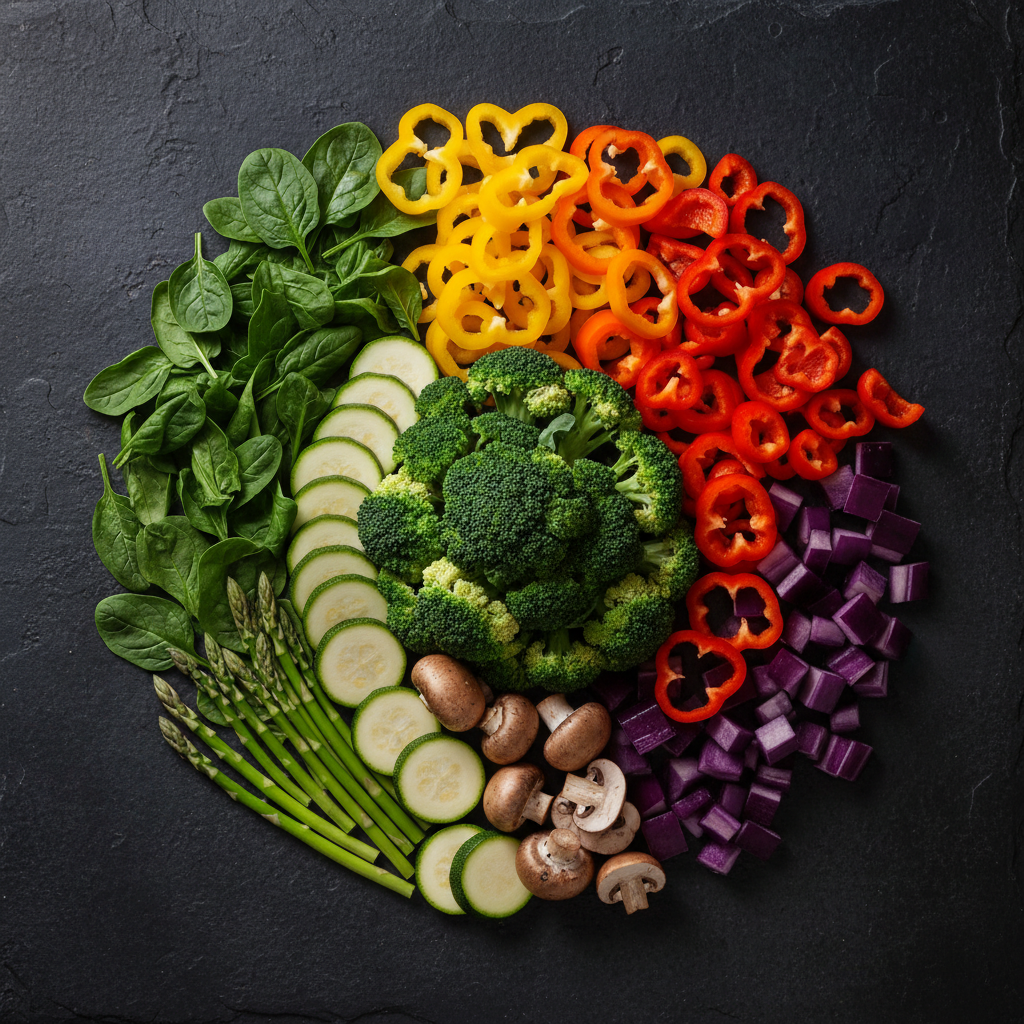
Non-starchy vegetables have minimal blood sugar impact and should fill half your plate at every meal. They're rich in fiber, magnesium (which reduces insulin resistance), and antioxidants while being extremely low in carbohydrates:
🥦 Cruciferous (Eat Daily)
Broccoli, cauliflower, Brussels sprouts, cabbage — sulforaphane improves insulin sensitivity. Broccoli contains chromium, which helps regulate blood sugar directly.
🌿 Leafy Greens (Unlimited)
Spinach, kale, arugula, Swiss chard — packed with magnesium (1 cup spinach = 24mg), which reduces insulin resistance by 15–20% in deficient individuals.
🫑 Colorful Peppers
Bell peppers contain very few carbs (6g per large pepper) and are rich in vitamin C — which independently improves blood sugar control by reducing oxidative stress.
🥒 Cucumbers & Zucchini
Water content 90–95% — very low carb, high volume. Perfect for building meal bulk without impacting blood sugar.
🍄 Mushrooms
Beta-glucan in mushrooms slows glucose absorption. Contain ergothioneine, an antioxidant that specifically protects pancreatic beta cells that produce insulin.
🥑 Avocado
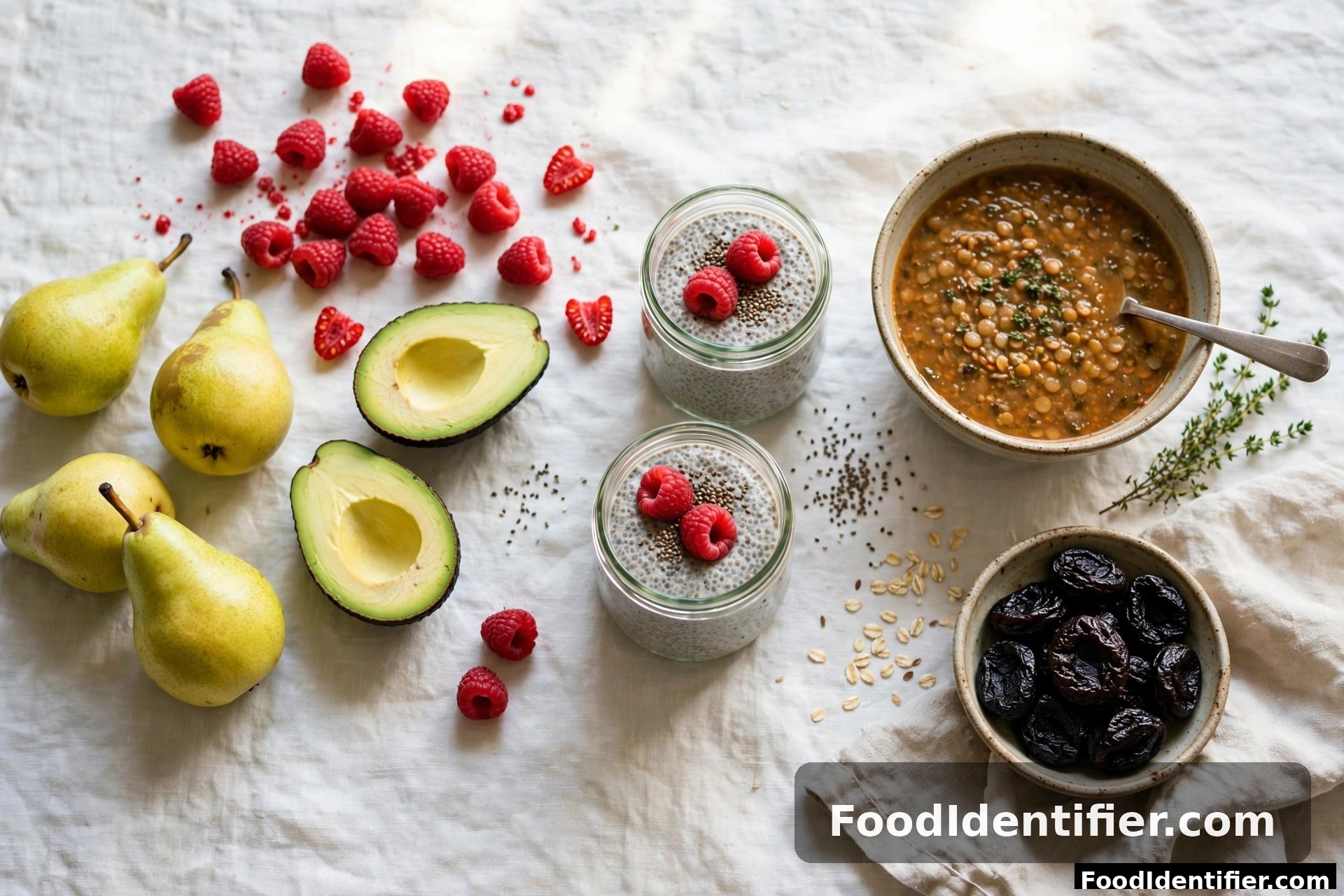
Contains 12g fiber and 15g healthy fat per fruit with only 2g net carbs. Healthy fat slows gastric emptying, blunting blood sugar spikes from any food eaten alongside it.
 © FoodIdentifier.com — All Rights ReservedFoodIdentifier.com
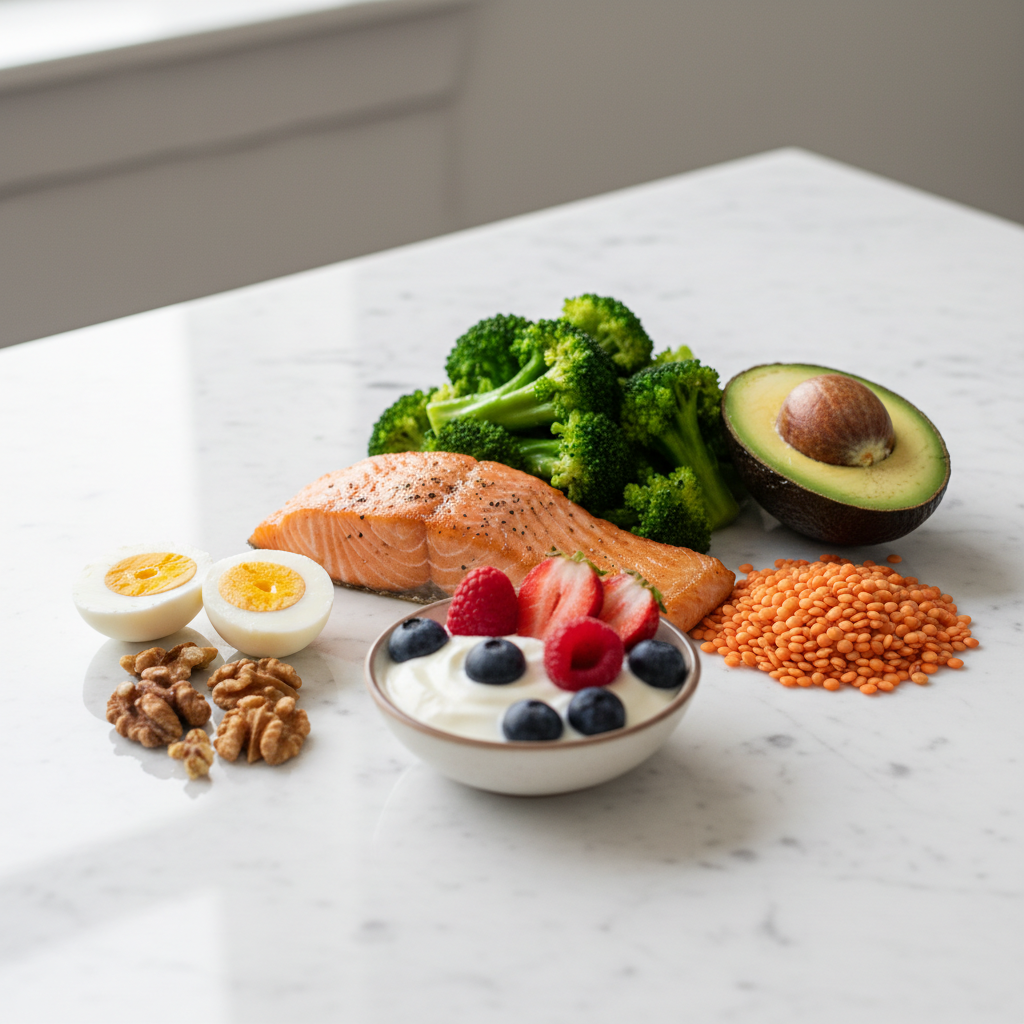
Best Proteins for Diabetics — Blood Sugar Rated
Protein has minimal effect on blood glucose and critically slows carbohydrate absorption when eaten together — making it the most important component of every diabetic meal:
| Protein Source | GI/Blood Sugar Impact | Calories (100g) | Why It's Ideal for Diabetics |
|---|---|---|---|
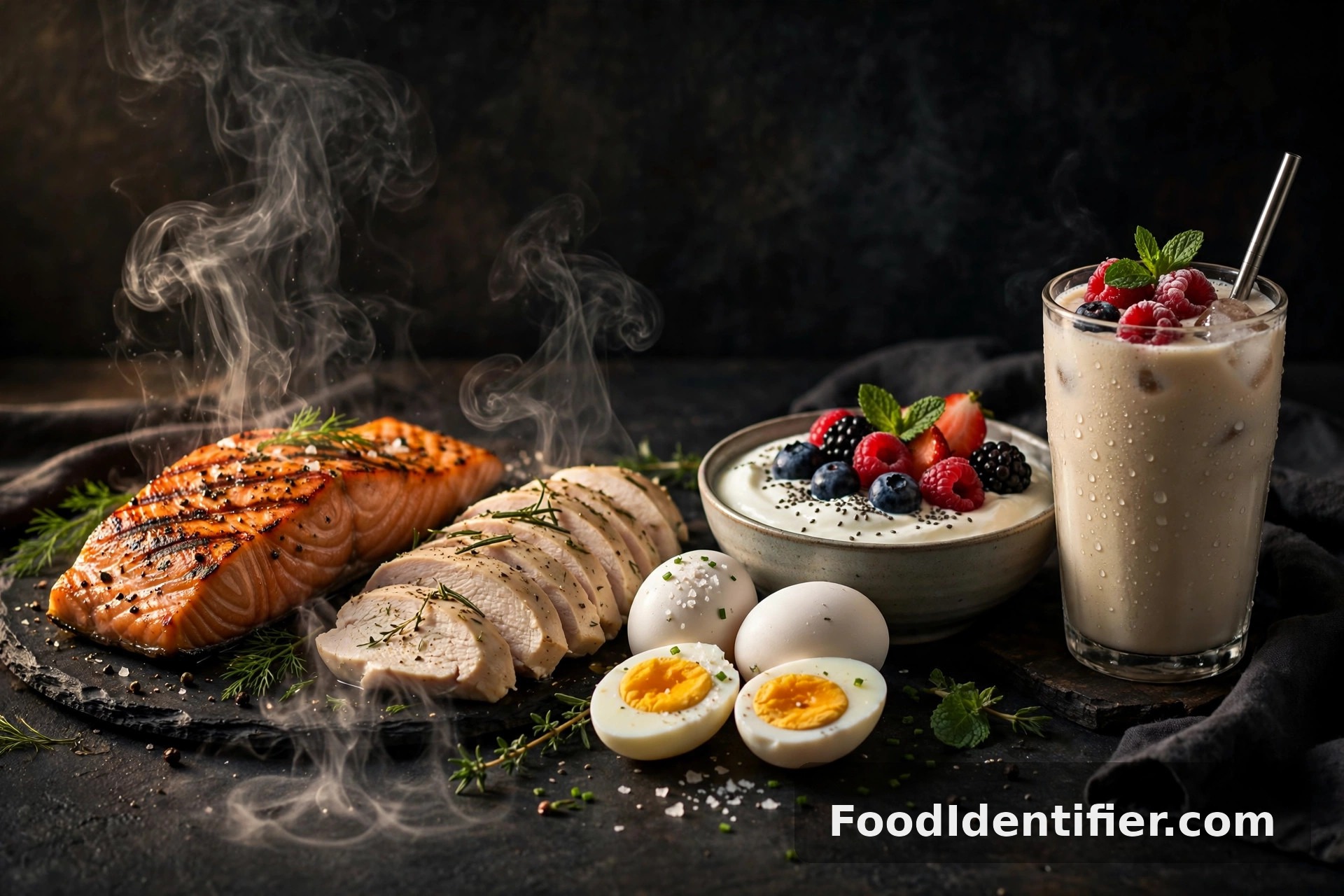
| Fatty fish (salmon, mackerel) | Zero glycemic impact | 182–205 cal | Omega-3s reduce insulin resistance + systemic inflammation |
| Chicken breast (grilled) | Zero glycemic impact | 165 cal | Lean, affordable, zero carbs, highly versatile |
| Eggs (whole) | Near zero | 143 cal/2 eggs | Improve HDL cholesterol, zero carbs, support insulin sensitivity |
| Greek yogurt (plain 0%) | Low (GI ~11) | 59 cal/100g | Probiotics improve gut-mediated insulin sensitivity, high protein |
| Tofu & tempeh | Very low | 76–193 cal | Plant complete proteins with anti-inflammatory isoflavones |
| Cottage cheese (1%) | Very low (GI 10) | 98 cal/100g | High casein protein, slow-digesting, low blood sugar impact |
| Sardines (canned in water) | Zero | 139 cal | Omega-3s, vitamin D, and selenium all support metabolic health |
| Turkey breast | Zero | 157 cal | Tryptophan supports serotonin — reduced stress = better blood sugar |
Legumes — The Most Underrated Diabetic Superfood
Despite containing carbohydrates, legumes consistently produce the lowest glycemic responses of any carbohydrate source. Their fiber and protein content slows digestion dramatically — often producing a lower blood sugar response than foods half their carb content:
| Legume | GI | Carbs/½ cup | Fiber/½ cup | Net Carbs | Verdict |
|---|---|---|---|---|---|
| Soybeans / edamame | 15 (Lowest) | 7g | 4g | 3g | 🟢 Best in class |
| Kidney beans | 24 (Very Low) | 20g | 6.5g | 13.5g | 🟢 Excellent |
| Chickpeas | 28 (Very Low) | 22g | 6g | 16g | 🟢 Excellent |
| Lentils (green) | 29 (Very Low) | 20g | 8g | 12g | 🟢 Excellent |
| Black beans | 30 (Very Low) | 20g | 7.5g | 12.5g | 🟢 Excellent |
| Split peas | 32 (Low) | 21g | 8g | 13g | 🟢 Very Good |
| Hummus (2 tbsp) | 6 (Negligible) | 3g | 1g | 2g | 🟢 Daily use |
 © FoodIdentifier.com — All Rights ReservedFoodIdentifier.com
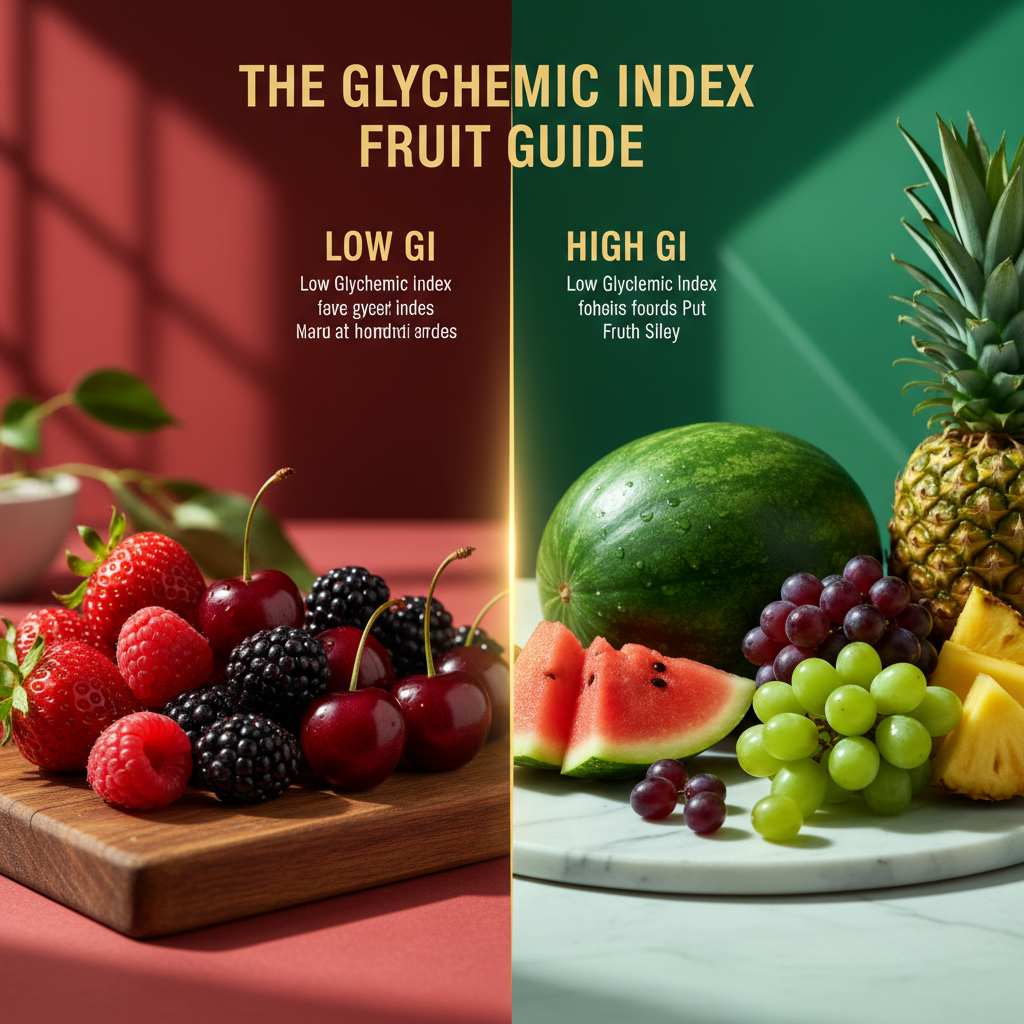
Best & Worst Fruits for Diabetics — Complete GI Guide
Not all fruits are equal for blood sugar management. Here's the complete ranked guide:
| Fruit | GI | Carbs per Serving | Verdict | Best Practice |
|---|---|---|---|---|
| Cherries | 22 | 12g/½ cup | 🟢 Best choice | Perfect daily snack |
| Grapefruit | 25 | 13g/½ fruit | 🟢 Excellent | May interact with some medications |
| Raspberries | 32 | 15g/cup | 🟢 Excellent | Highest fiber of all berries |
| Blackberries | 25 | 14g/cup | 🟢 Excellent | Rich in anthocyanins |
| Strawberries | 41 | 11g/cup | 🟢 Very Good | Lowest sugar berry |
| Apple (with skin) | 38 | 25g/medium | 🟢 Good | Eat whole, not juiced |
| Pear | 38 | 27g/medium | 🟢 Good | 5.5g fiber buffers glucose |
| Orange | 43 | 15g/medium | 🟡 Moderate | Eat whole — never as juice |
| Kiwi | 52 | 11g/fruit | 🟡 Moderate | Rich in vitamin C |
| Blueberries | 53 | 21g/cup | 🟡 Moderate | Anthocyanins improve insulin sensitivity |
| Banana (unripe) | 51 | 23g/medium | 🟡 Moderate — small portions | Greener = lower GI |
| Watermelon | 76 | 11g/cup | 🔴 Limit | High GI despite low GL — avoid large portions |
| Dates | 103 | 18g/date | 🔴 Avoid | Nearly pure glucose — among worst for diabetics |
| Pineapple (canned in syrup) | 66 | 20g/cup | 🔴 Avoid | Syrup dramatically increases sugar content |
 © FoodIdentifier.com — All Rights ReservedFoodIdentifier.com
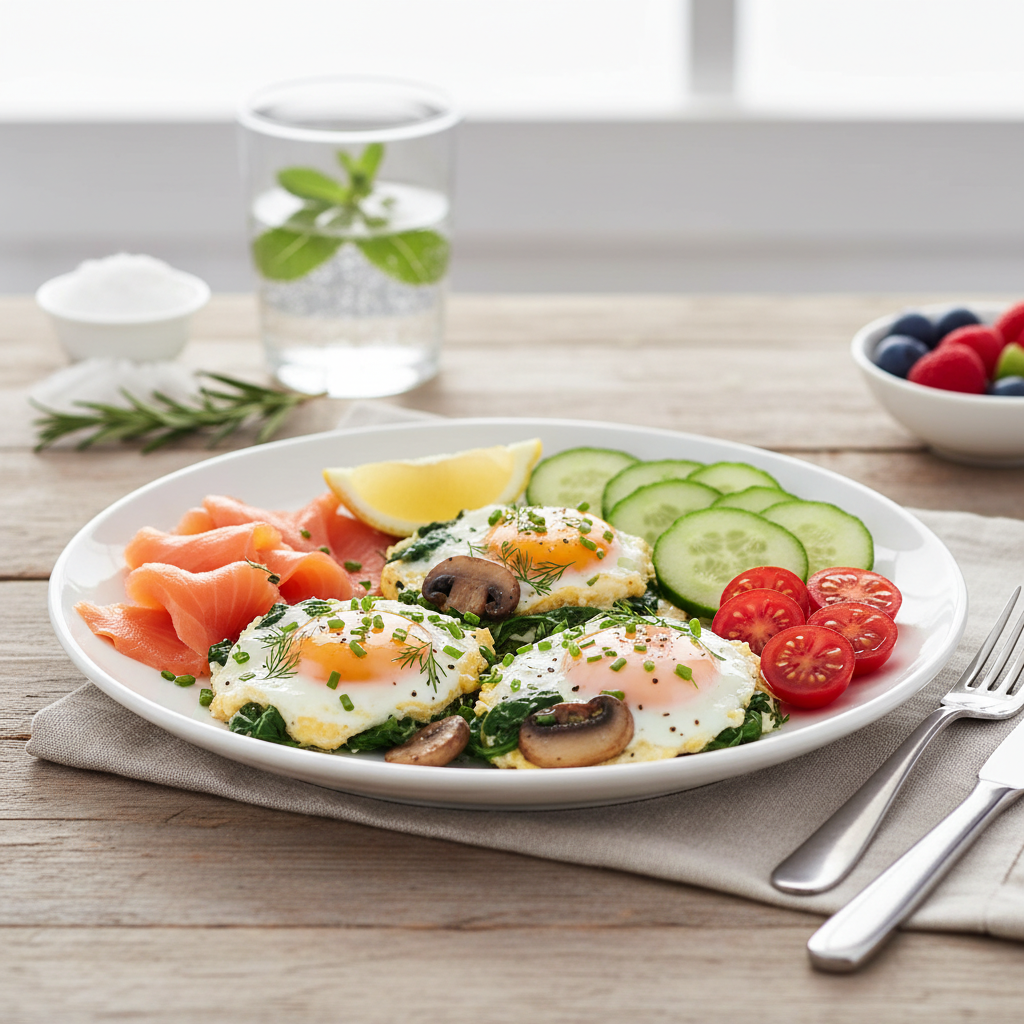
Best Breakfast for Diabetics — Ranked by Blood Sugar Impact
Morning blood sugar is most sensitive to food choices — cortisol-driven "dawn phenomenon" raises baseline glucose before eating. The best breakfast for diabetics is high in protein, contains fiber, and avoids refined carbs entirely:
| Breakfast Option | Calories | Carbs | Protein | Blood Sugar Rating |
|---|---|---|---|---|
| 3 scrambled eggs + spinach + mushrooms | 270 cal | 4g | 21g | ⭐⭐⭐⭐⭐ Best |
| Smoked salmon + 2 eggs + cucumber | 285 cal | 3g | 34g | ⭐⭐⭐⭐⭐ Best |
| Cottage cheese (1 cup) + berries + chia | 245 cal | 18g | 27g | ⭐⭐⭐⭐⭐ Excellent |
| Greek yogurt (plain) + raspberries + walnuts | 290 cal | 22g | 18g | ⭐⭐⭐⭐⭐ Excellent |
| Avocado + 2 eggs + cherry tomatoes (no toast) | 355 cal | 12g | 15g | ⭐⭐⭐⭐ Very Good |
| Oatmeal (½ cup) + protein powder + berries | 380 cal | 35g | 30g | ⭐⭐⭐⭐ Good (protein blunts spike) |
| Whole grain toast + nut butter + eggs | 420 cal | 30g | 22g | ⭐⭐⭐ Moderate |
| Cereal + milk (most types) | 300 cal | 45g | 8g | ❌ Avoid — high GI spike |
| Fruit juice + toast | 340 cal | 65g | 5g | ❌ Worst choice — dramatic spike |
Best Diabetic Snacks (Low Carb, High Protein)
🥚 Hard-boiled eggs (2)
155 cal · 0g carbs · 13g protein. The perfect diabetic snack — zero blood sugar impact, highly portable, maximum satiety.
🥜 Almonds (1 oz = 23 nuts)
165 cal · 3g net carbs · 6g protein. Healthy fat slows all subsequent glucose absorption for 2–3 hours.
🧀 Celery + cream cheese (2 tbsp)
90 cal · 2g carbs · 2g protein. Virtually zero blood sugar impact — pure fat and fiber.
🐟 Tuna on cucumber rounds
110 cal · 3g carbs · 22g protein. Maximum protein per calorie — ideal for blood sugar stability.
🫐 Berries + Greek yogurt (½ cup)
130 cal · 15g carbs · 10g protein. Protein + fiber combo produces very low glycemic response.
🥑 Guacamole + bell pepper strips
175 cal · 8g carbs · 2g protein. Monounsaturated fat improves insulin sensitivity over time.
🧀 String cheese (2 sticks)
160 cal · 0–2g carbs · 14g protein. Zero glycemic impact, high calcium, completely portable.
🥜 Edamame (½ cup shelled)
95 cal · 7g carbs · 8.5g protein. Complete plant protein with very low GI and high satiety.
Foods Diabetics Should Strictly Avoid
| Food to Avoid | Why It's Dangerous for Diabetics | Better Alternative |
|---|---|---|
| Sugary drinks (soda, juice, energy drinks) | Liquid glucose absorbed in minutes — no fiber to slow it. Raises blood sugar 50–80 mg/dL per serving | Sparkling water + lemon, plain tea |
| White bread & refined grains | GI 70–95 — nearly identical glycemic effect to pure glucose | 100% whole grain, sourdough, or lettuce wraps |
| Breakfast cereals (most) | GI often over 70 despite health marketing. Check label for sugar content | Eggs, Greek yogurt, cottage cheese |
| Pastries, donuts, muffins | Sugar + refined flour + saturated fat — triple metabolic threat | Protein pancakes made with eggs + protein powder |
| Sweetened yogurt | Contains 15–30g added sugar per serving — as much as a candy bar | Plain Greek yogurt + fresh berries |
| Alcohol (beer, sweet wine, cocktails) | Impairs liver's glucose regulation, creates unpredictable blood sugar swings | Dry red wine (1 glass max), sparkling water |
| Deep-fried foods | Trans fats worsen insulin resistance independent of carb content | Baked or air-fried alternatives |
| Fruit juice (all types) | Removed fiber + concentrated sugar = identical glycemic impact to soda | Whole fruit with the fiber intact |
| White rice (large portions) | GI 72 — spikes blood sugar rapidly | Brown rice, cauliflower rice, or ¼ cup portion max |
The Diabetes Plate Method (No Calorie Counting)
The American Diabetes Association's Plate Method is the simplest tool for blood sugar control — proven effective in clinical trials without requiring any calorie counting:
🍽️ Build Your Diabetes Plate — Every Meal
½ Plate
Non-Starchy Vegetables
Broccoli, spinach, peppers, zucchini, salad greens, mushrooms, asparagus, cucumber
¼ Plate
Lean Protein
Chicken, fish, eggs, tofu, Greek yogurt, lentils, cottage cheese, tempeh, shrimp
¼ Plate
Quality Carbohydrates
Brown rice, quinoa, sweet potato, whole grain bread, lentils, beans, oats
 © FoodIdentifier.com — All Rights ReservedFoodIdentifier.com
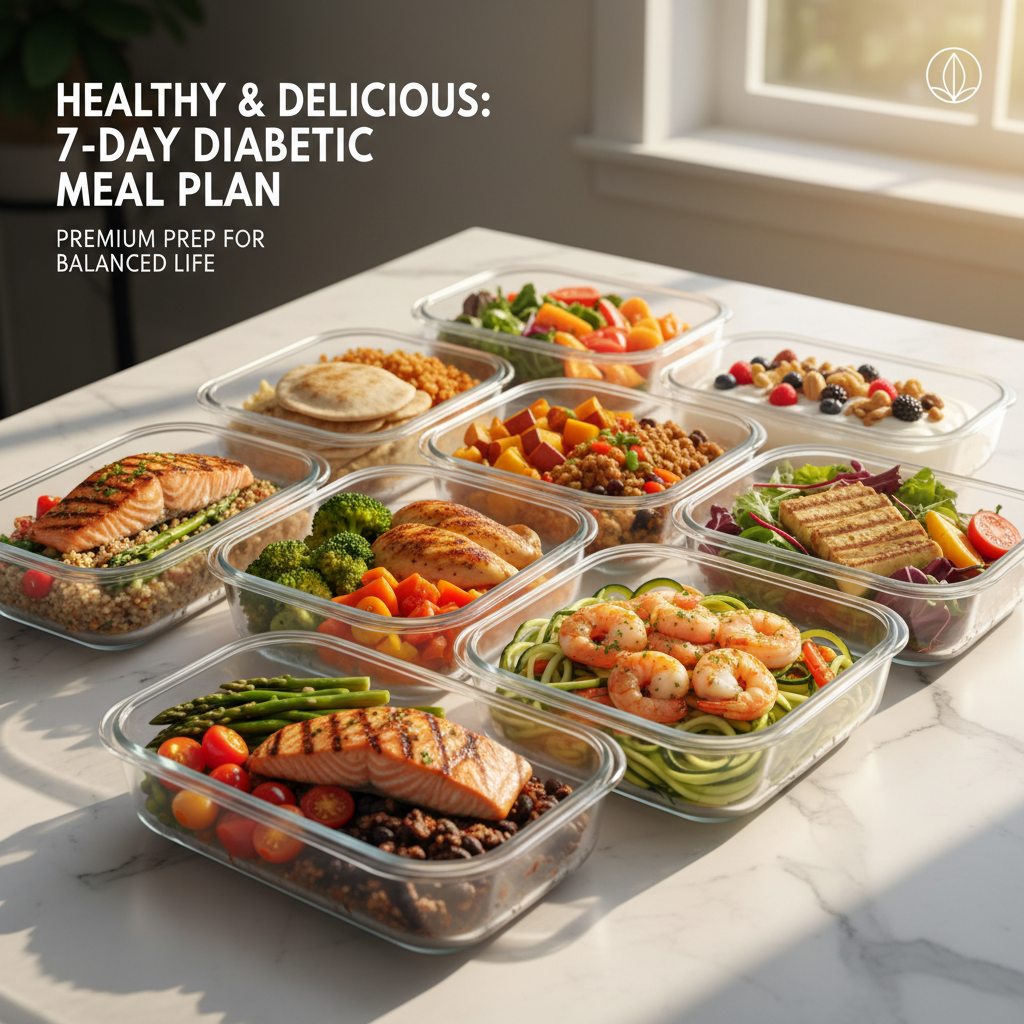
7-Day Diabetic Meal Plan (1,600 cal · Low Glycemic)
| Day | Breakfast | Lunch | Dinner | Snack |
|---|---|---|---|---|
| Monday | 3 eggs + spinach + mushrooms omelette | Grilled chicken salad + olive oil + lemon | Baked salmon + broccoli + ½ cup quinoa | 2 hard-boiled eggs + celery |
| Tuesday | Greek yogurt + raspberries + walnuts | Lentil soup + side salad | Turkey breast + roasted asparagus + cauliflower rice | Almonds (1 oz) + string cheese |
| Wednesday | Smoked salmon + 2 eggs + cucumber | Chickpea + feta salad + olive oil | Grilled shrimp + zucchini noodles + marinara | Cottage cheese + berries |
| Thursday | Cottage cheese + strawberries + chia | Turkey lettuce wraps + avocado + tomato | Baked cod + green beans + brown rice (¼ cup) | Celery + 2 tbsp almond butter |
| Friday | 2 eggs + avocado + cherry tomatoes | Tuna salad + romaine lettuce cups | Chicken thigh + roasted Brussels sprouts + quinoa | Greek yogurt + berries |
| Saturday | Veggie omelette (4 eggs, no yolk 2) + peppers | Sardine salad + whole grain crackers (5) | Grilled mackerel + steamed bok choy + edamame | Hard-boiled eggs (2) + hummus |
| Sunday | Protein pancakes (eggs + protein powder) + berries | Mediterranean bowl: grilled chicken + hummus + veggies | Baked chicken + roasted cauliflower + small sweet potato | Nuts + dark chocolate (1 oz, 85%+) |
Answer Engine Optimization · AI-Ready Answers
Diabetic Diet — AI Search Answers
These answers are structured for ChatGPT, Perplexity, Google SGE, and other AI search engines — so you get accurate, instant answers to the most-searched questions on this topic.
Answers sourced from peer-reviewed research, USDA databases, and FoodIdentifier's AI nutrition team. Updated April 2026.
Frequently Asked Questions — Diabetic Diet 2026
Q: Can diabetics eat rice?
A: In moderation and with the right type. White rice has a high GI (72) and should be limited to small portions (¼ plate). Better choices: brown rice (GI 50), basmati rice (GI 58), parboiled rice (GI 38), cauliflower rice (GI <15). Always pair any rice with protein and vegetables — this blunts the glucose spike by 20–30%.
Q: What is the best breakfast for diabetics?
A: The best diabetic breakfasts are high in protein and low in refined carbs. Top options: eggs with vegetables (zero glycemic impact), Greek yogurt + berries + nuts (protein + fiber + low-sugar fruit), cottage cheese with seeds, or a protein smoothie with spinach and berries. Avoid: cereal, toast, fruit juice, pastries, and oatmeal without added protein — all cause significant morning glucose spikes.
Q: Can type 2 diabetes be reversed with diet?
A: Emerging evidence says yes for many people. The DiRECT trial showed that 86% of people who lost 15+ kg through very low calorie diet achieved type 2 diabetes remission at 1 year. Low-carb diets achieve remission in 26–50% of cases at 1–2 years. Remission is maintained only with continued dietary discipline — stopping reverts the condition. Medical supervision is essential throughout.
Q: How many carbs should a diabetic eat per day?
A: No universal recommendation exists. Low-carb approaches (<130g/day) show the strongest and fastest blood sugar improvements. Moderate carb (130–180g/day) with quality sources (legumes, whole grains) is sustainable for many people with type 2 diabetes. Very low carb (under 50g, ketogenic) produces dramatic results but is harder to sustain. Work with a registered dietitian to find your personal carb tolerance.
Q: Can diabetics eat bananas?
A: Yes — in moderation. Ripe bananas have a GI of 51–62 — medium range. One small banana (100g) contains 23g carbs and 2.6g fiber. The riper the banana, the higher the GI. Best practices: choose less-ripe bananas (higher resistant starch, lower GI), eat only half, always pair with protein (nut butter, Greek yogurt), and test your blood sugar response — individual variation is significant.
Q: What are the best snacks for diabetics?
A: Best diabetic snacks: hard-boiled eggs (zero carbs, 6g protein), celery + hummus (4g carbs, high fiber), nuts 1 oz (3–5g carbs, healthy fat slows glucose absorption), plain Greek yogurt (8g carbs, 17g protein), cottage cheese (6g carbs, 25g protein), cucumber + guacamole (low carb + healthy fat). Avoid: crackers, fruit juice, candy, and granola bars — all spike blood sugar.
Q: What fruits can diabetics eat freely?
A: Low-GI fruits best for diabetics: strawberries (GI 41, 7g carbs/cup), raspberries (GI 32, 15g carbs/cup), blackberries (GI 25, 14g carbs/cup), cherries (GI 22), grapefruit (GI 25). Moderate in larger portions: apples (GI 38), pears (GI 38), kiwi (GI 52). Avoid or minimize: watermelon (GI 76), dates (GI 103), pineapple (GI 59), and all fruit juices.
Q: How to lower A1C naturally with food?
A: To lower A1C naturally: (1) Reduce all refined carbs and sugary drinks — most impactful single change. (2) Eat fiber at every meal — soluble fiber (oats, legumes, flaxseed) slows glucose absorption most effectively. (3) Add vinegar before high-carb meals — reduces post-meal glucose by 20–34%. (4) Increase cinnamon to 1–3g daily — reduces fasting glucose 11–29% in studies. (5) Lose 5–10% of body weight — the most impactful long-term A1C reducer.
❓ People Also Ask — Diabetic Diet
Q: What is the single most important dietary change for type 2 diabetes?
A: Eliminating all sugary drinks — soda, juice, energy drinks, and sweetened coffee. Liquid sugar is absorbed without fiber, raising blood sugar 50–80 mg/dL per serving with no satiety signal. This single change alone reduces daily blood sugar spikes dramatically within days. Replace with water, sparkling water, black coffee, and unsweetened tea.
Q: Can diabetics eat oatmeal?
A: Yes — but preparation matters. Steel-cut oats (GI 55) and rolled oats (GI 57) are acceptable. Instant oatmeal (GI 79) should be avoided. Always add: a scoop of protein powder or Greek yogurt (adds protein to blunt glucose), nuts, seeds, or cinnamon. Never eat oatmeal alone — the protein + fiber combination is critical for blood sugar control.
Q: Is coffee safe for diabetics?
A: Regular black coffee may actually improve insulin sensitivity over time — 3–4 cups daily shows 25–35% reduced type 2 diabetes risk in epidemiological studies. However, acute coffee consumption raises blood sugar temporarily in some people. Avoid: sweetened coffee drinks, creamers, and flavored syrups. Stick to black coffee, or add only cinnamon and a splash of unsweetened almond milk.
Q: How quickly can diet lower A1C?
A: A1C reflects average blood sugar over 3 months. Significant dietary changes can reduce A1C by 0.5–1.5 points in 3 months. The DiRECT trial showed 2.0 point A1C reduction in 12 months with aggressive dietary intervention and weight loss. The most impactful changes: eliminate refined carbs and sugary drinks, eat high-protein meals at breakfast, and walk 10 minutes after each meal.
Related Searches