📋 Key Takeaways
- • Iron deficiency is the #1 nutritional deficiency worldwide, affecting 2 billion people — 30% of women of reproductive age
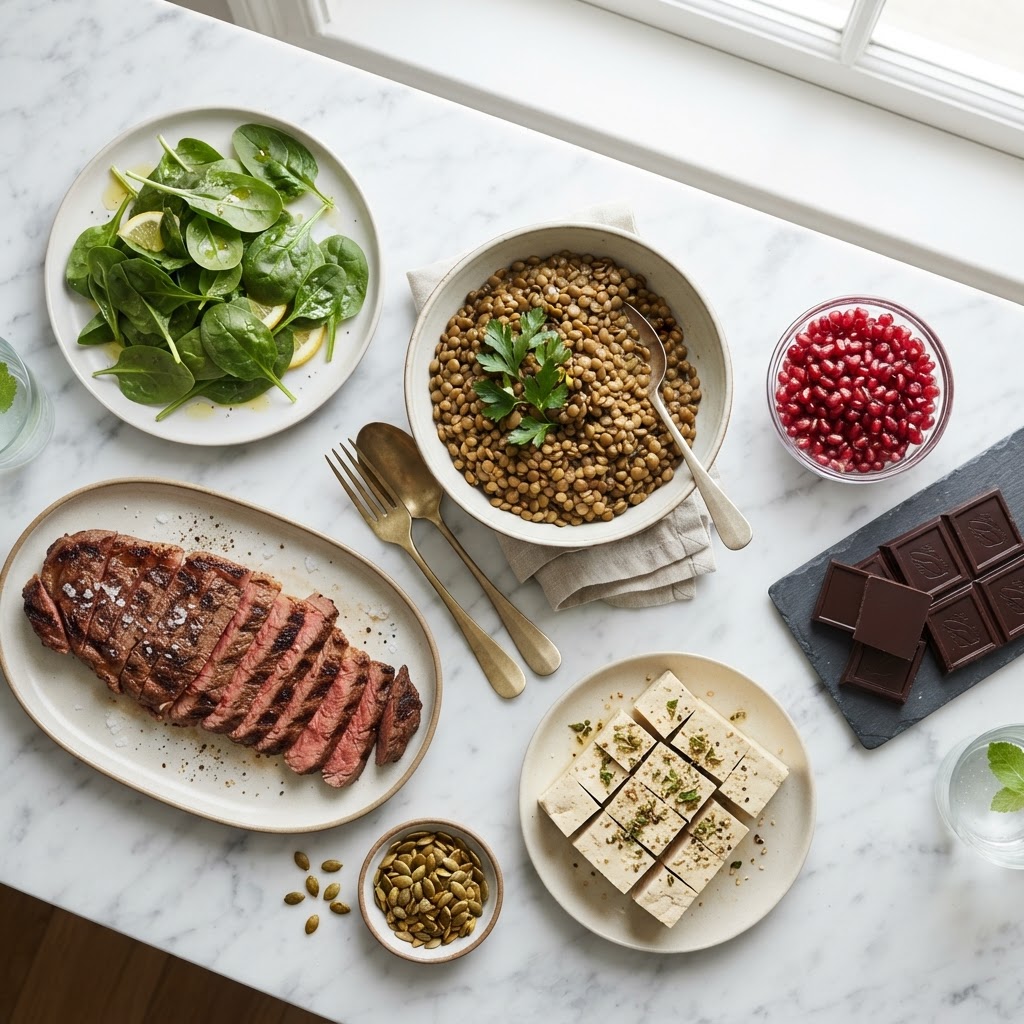
- • 21 specific foods are rich in iron — including red meat, liver, lentils, spinach, and pumpkin seeds
- • Heme iron (animal) is absorbed 2-3x better than non-heme iron (plant)
- • Vitamin C boosts iron absorption by 300% — always pair iron-rich foods with oranges, bell peppers, or tomatoes
- • Coffee and tea reduce iron absorption by 60-90% — avoid within 1 hour of iron-rich meals
- • Scan any meal with FoodIdentifier to see its iron content and absorption-boosting potential
If you're constantly tired, pale, dizzy, or short of breath — iron deficiency might be the culprit. Iron deficiency is the #1 nutritional deficiency worldwide, affecting 2 billion people, including 30% of women of reproductive age. The good news: it's one of the easiest deficiencies to correct through diet. In this complete 2026 guide, we cover the 21 best foods high in iron, the science of heme vs non-heme iron absorption, a 7-day iron-boosting meal plan, and how to use AI food scanning to maximize your iron intake with every meal.
Why Iron Matters and How Deficiency Happens
Iron is an essential mineral that your body needs to produce hemoglobin — the protein in red blood cells that carries oxygen from your lungs to every cell in your body. Without enough iron, your body can't produce enough healthy red blood cells, leading to iron deficiency anemia — a condition that causes extreme fatigue, weakness, pale skin, and shortness of breath.
Iron deficiency happens for three main reasons: inadequate intake (not eating enough iron-rich foods), poor absorption (eating iron blockers like tea, coffee, or calcium with iron-rich meals), and blood loss (menstruation, ulcers, or internal bleeding). Women are especially at risk due to monthly menstrual losses, and vegetarians/vegans need 1.8x more iron because plant-based iron is absorbed less efficiently. See: How to Speed Up Metabolism →
📊 Iron Facts at a Glance
The 21 Best Foods High in Iron
These 21 foods have been selected based on their iron content per serving and bioavailability. There are two types of iron: heme iron (from animal sources, absorbed at 15-35%) and non-heme iron (from plant sources, absorbed at 2-20%). We cover both, with tips to maximize absorption of each.
1. Beef Liver — The Iron King
Beef liver is the single richest source of iron, providing 6mg per 3-ounce serving (33% of daily needs for women). It's also rich in vitamin B12, folate, and vitamin A — all essential for red blood cell production. The iron in liver is heme iron, which is absorbed 2-3x better than plant iron. If you don't like liver, try hiding it in meatballs or chili. See: Calories in Steak → · Calories in Ground Beef →
2. Red Meat (Beef, Lamb)
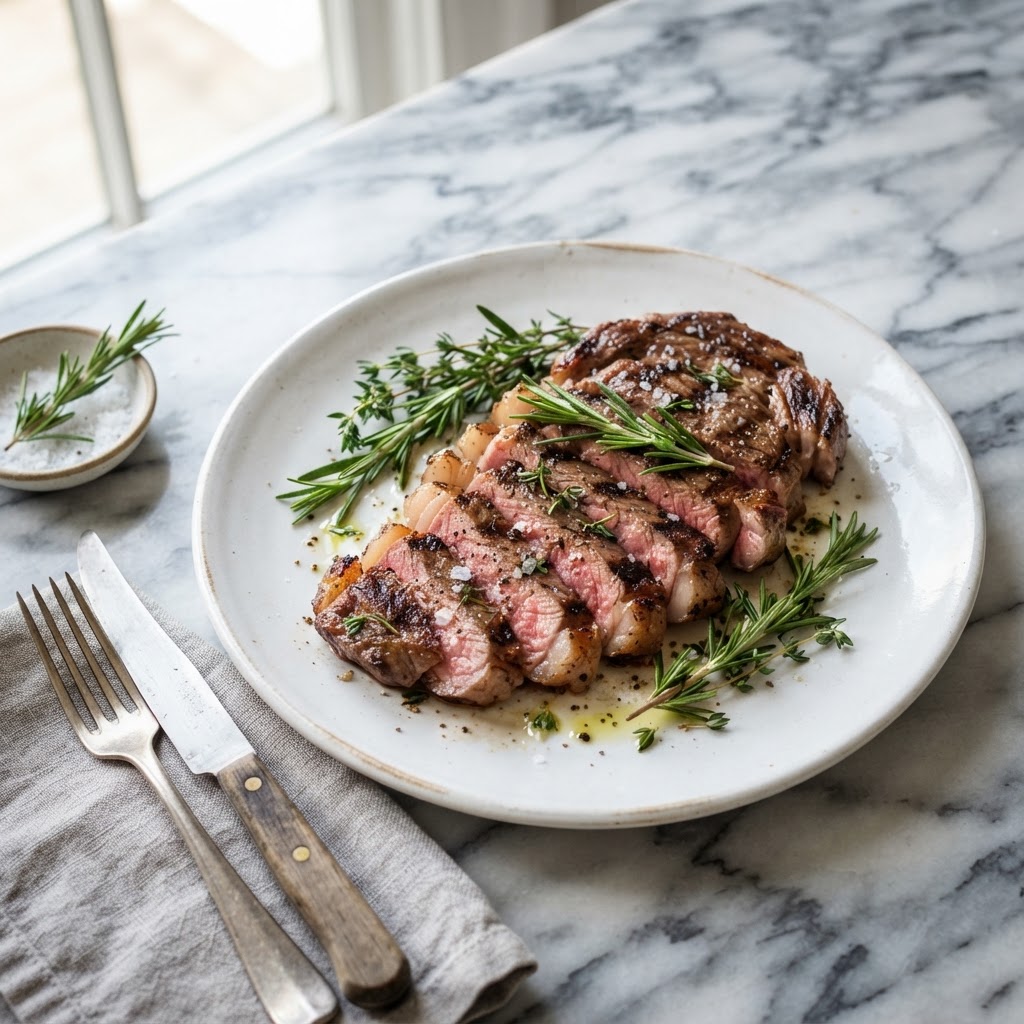
Red meat is the most accessible source of heme iron, providing 2.5mg per 3-ounce serving (14% of daily needs for women). A 2013 study found that women who ate red meat 3+ times per week had 40% lower rates of iron deficiency than those who ate it less. Choose lean cuts like sirloin, flank, and round. See: Calories in Steak →
3. Oysters and Shellfish
Oysters are an iron powerhouse, providing 8mg per 3-ounce serving (44% of daily needs for women). They're also rich in zinc and vitamin B12, both essential for red blood cell production. Other shellfish like clams (3mg per 3oz) and mussels (6mg per 3oz) are also excellent sources. See: Calories in Shrimp → · Protein in Shrimp →
4. Spinach — The Plant Iron Champion
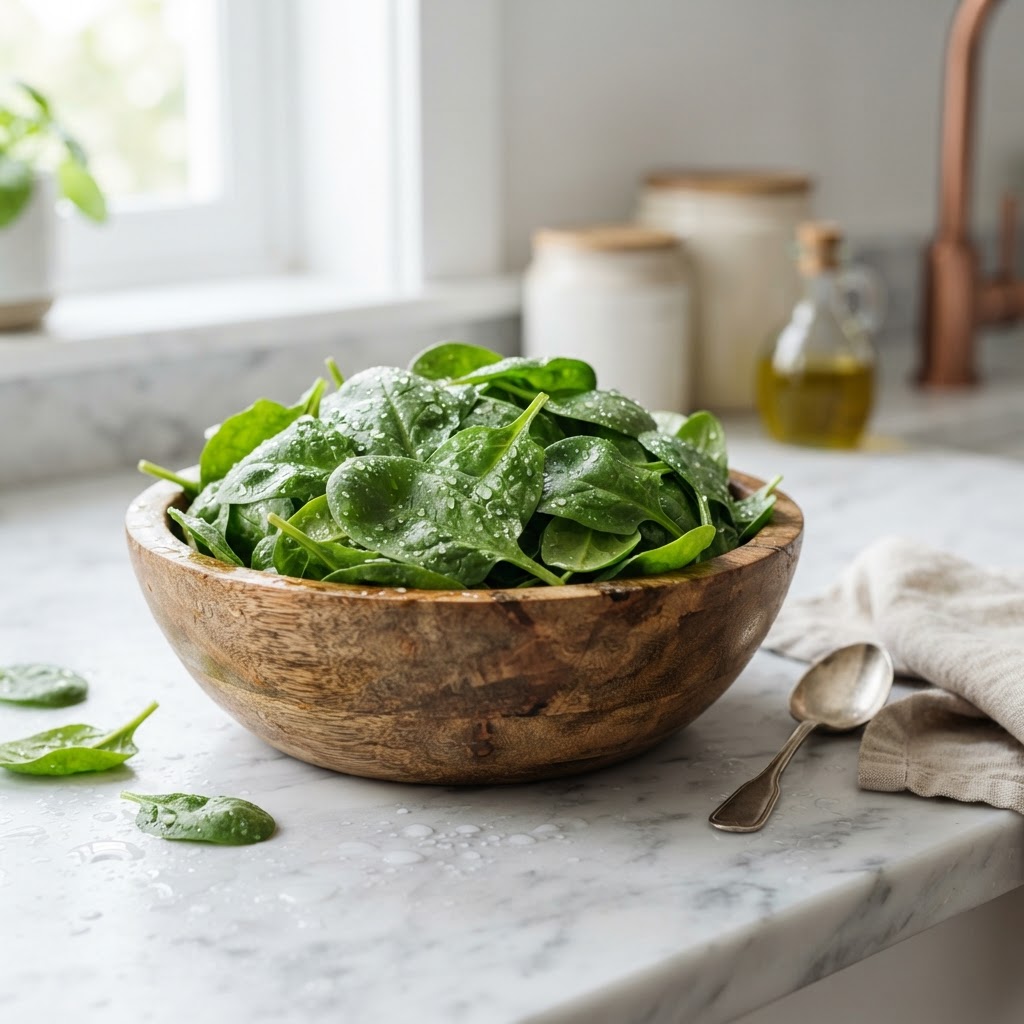
Spinach contains 6.4mg of iron per cooked cup, making it one of the richest plant sources. However, spinach also contains oxalates that bind to iron and reduce absorption to only 2-5%. To maximize absorption: cook the spinach (reduces oxalates by 30-50%) and pair with vitamin C (lemon juice, tomatoes) to boost absorption by 300%. See: Calories in Broccoli →
5. Lentils — The Plant-Based Iron Star
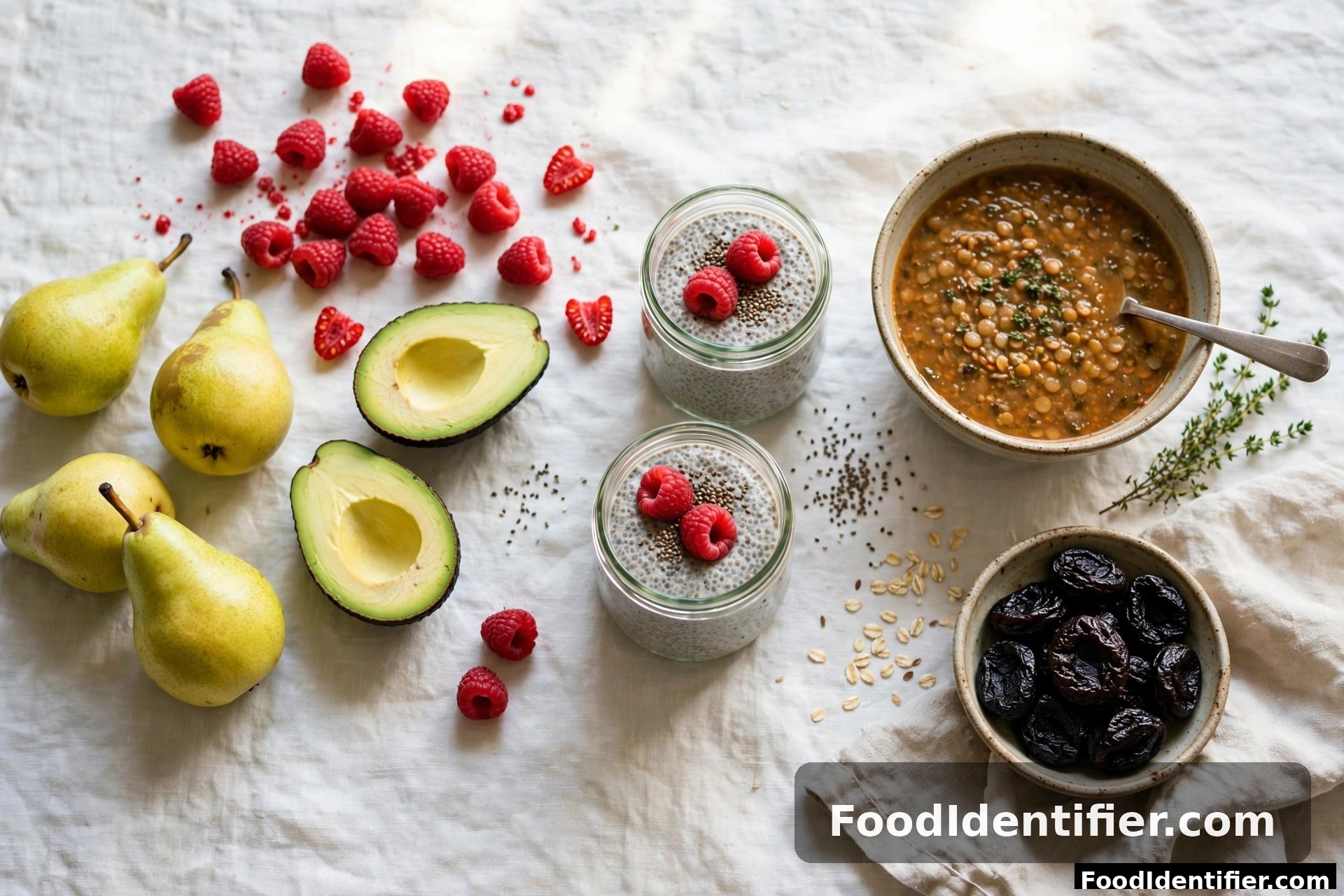
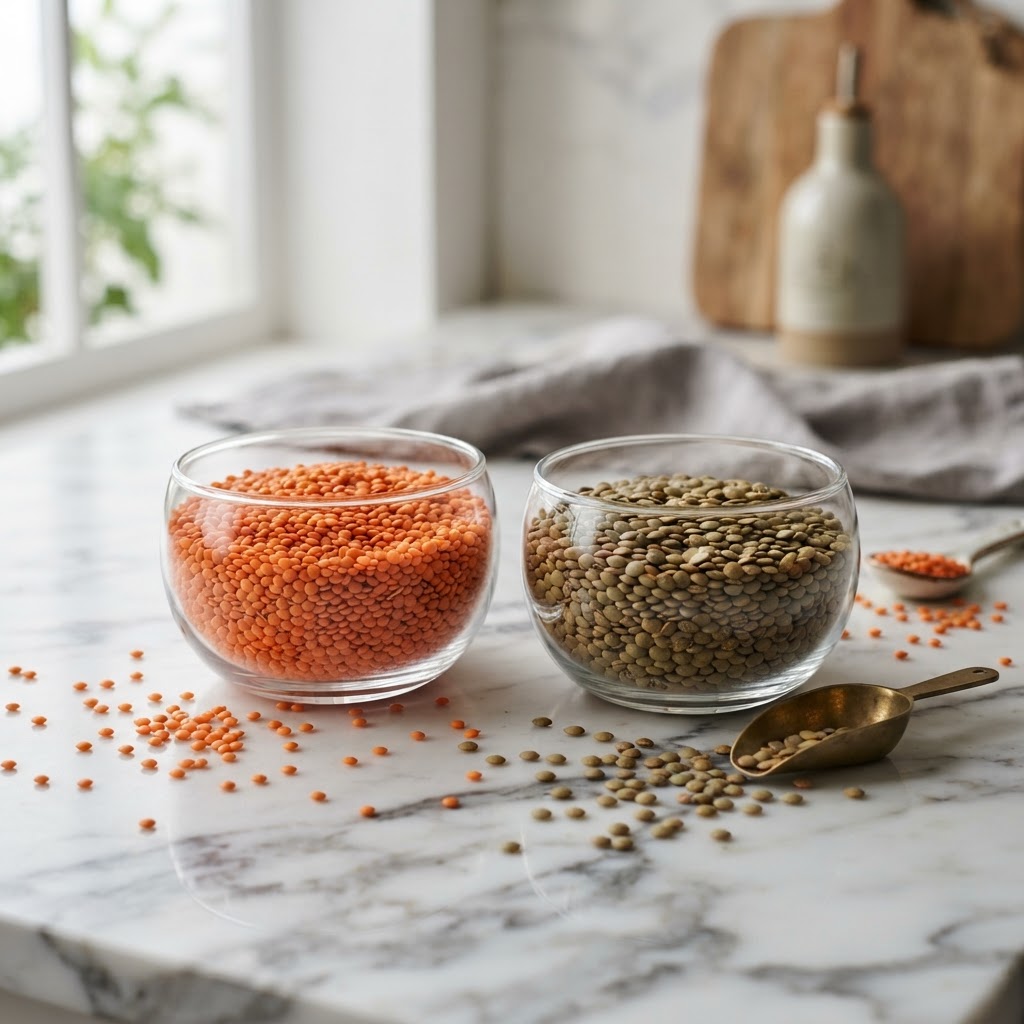
Lentils provide 6.6mg of iron per cooked cup (37% of daily needs for women), making them the best plant-based iron source. They're also rich in protein (18g per cup), fiber (16g per cup), and folate — all essential for healthy red blood cells. To maximize iron absorption from lentils, pair with vitamin C-rich foods like tomatoes or bell peppers. See: Best Foods for Calorie Deficit →
6. Pumpkin Seeds — The Snack Iron Boost
Pumpkin seeds contain 4.2mg of iron per ounce (23% of daily needs for women), making them one of the most iron-dense snacks. They're also rich in zinc, magnesium, and healthy fats. A handful of pumpkin seeds provides more iron than a serving of chicken. Add them to salads, oatmeal, or eat as a snack. See: Calories in Almonds →
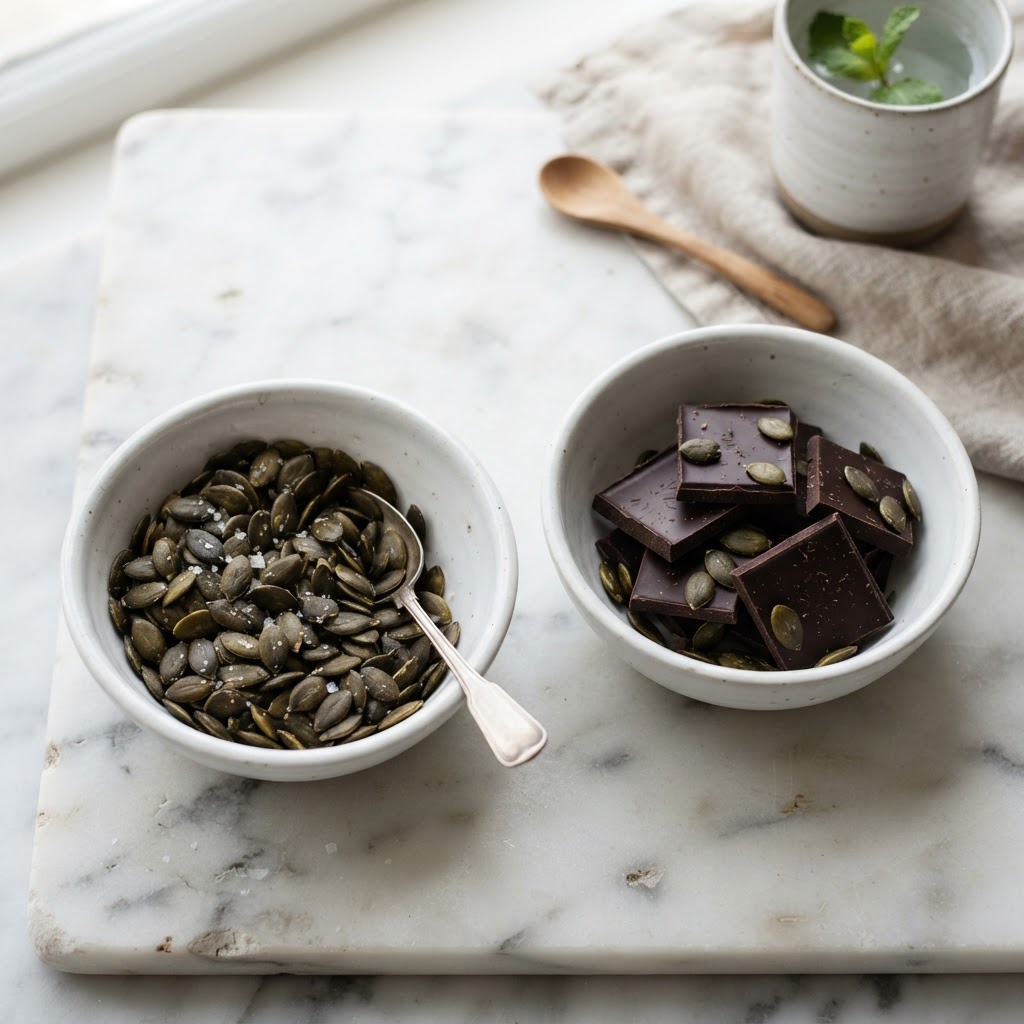
7. Dark Chocolate (70%+ Cacao)
Dark chocolate is a surprising iron source, providing 3.4mg per ounce (19% of daily needs for women). It's also rich in magnesium and flavonoids that support energy production. Choose 70%+ cacao for the highest iron content and lowest sugar. A 1-ounce square of dark chocolate provides more iron than a serving of chicken. See: Calories in Chocolate →
8. Tofu and Tempeh
Tofu provides 3.4mg of iron per half cup (19% of daily needs for women), making it one of the best iron sources for vegetarians and vegans. Tempeh (fermented soy) is even better — fermentation reduces phytates that block iron absorption. Pair tofu with vitamin C-rich vegetables like bell peppers or broccoli to maximize absorption. See: High Protein Vegan Foods → · Vegan Protein Sources →
9. Turkey (Dark Meat)
Dark meat turkey provides 2.3mg of iron per 3-ounce serving — about 3x more iron than white meat turkey. It's also rich in B vitamins and high-quality protein. The heme iron in turkey is well absorbed, making it an excellent choice for preventing iron deficiency. See: Calories in Turkey → · Protein in Turkey →
10. Quinoa
Quinoa provides 2.8mg of iron per cooked cup (16% of daily needs for women), making it one of the best grain sources of iron. It's also a complete protein (contains all 9 essential amino acids) and is rich in magnesium, folate, and fiber. Quinoa is naturally gluten-free, making it ideal for those with celiac disease who are at higher risk for iron deficiency. See: What Foods Are High in Fiber? →
11. Chickpeas and Beans
Chickpeas provide 4.7mg of iron per cooked cup, and black beans provide 3.6mg per cup. They're also rich in protein and fiber. To reduce phytates that block iron absorption, soak beans overnight before cooking. Pair with vitamin C-rich foods like tomatoes or bell peppers. See: Best Foods for Calorie Deficit →
12. Fortified Cereals
Many breakfast cereals are fortified with iron, providing 8-18mg per serving — up to 100% of daily needs. However, the iron in fortified cereals is non-heme iron, which is absorbed poorly. Always pair fortified cereal with a glass of orange juice or berries to boost absorption by 300%. See: Calories in Oatmeal →
13. Broccoli
Broccoli provides 1mg of iron per cup — modest in iron content but exceptional in absorption. Broccoli contains its own vitamin C (135% of daily needs per cup), which boosts the absorption of its own iron by 300%. It's also rich in folate and fiber, both essential for red blood cell production. See: Calories in Broccoli →
14. Kale
Kale provides 1.5mg of iron per cup and, unlike spinach, has low oxalate levels — meaning its iron is much better absorbed. Kale is also rich in vitamin C (134% of daily needs per cup), which further boosts iron absorption. Add kale to salads, smoothies, or sauté with garlic and olive oil. See: Anti-Inflammatory Foods List →
15. Eggs
Eggs provide 0.6mg of iron per egg — modest but consistent. The iron in eggs is in the yolk, which also contains choline, B vitamins, and vitamin D. While not the highest iron source, eggs are an easy daily addition. Pair with vitamin C-rich foods like bell peppers or tomatoes to boost absorption. See: Calories in an Egg → · High Protein Breakfast →
16. Nuts (Cashews, Almonds, Pine Nuts)
Cashews provide 1.9mg of iron per ounce, almonds provide 1.1mg, and pine nuts provide 1.6mg. While not the highest iron sources, nuts are convenient snacks that contribute to daily iron intake. Soaking nuts overnight reduces phytates and improves iron absorption. See: Calories in Almonds → · Calories in Peanut Butter →
17. Dried Apricots and Raisins
Dried apricots provide 2mg of iron per half cup, and raisins provide 1.4mg per half cup. Drying concentrates the iron content, making dried fruits a convenient iron-rich snack. However, they're also high in sugar, so enjoy in moderation. Pair with nuts for a balanced iron-boosting snack. See: Best Snacks for Weight Loss →
18. Salmon and Tuna
Salmon provides 0.8mg of iron per 3-ounce serving and tuna provides 1.3mg. While fish is lower in iron than red meat, the heme iron is well absorbed. Fish also provides omega-3 fatty acids that reduce inflammation and support overall blood health. See: Calories in Salmon → · Protein in Tuna →
19. Dark Leafy Greens (Swiss Chard, Collard Greens)
Swiss chard provides 4mg of iron per cooked cup and collard greens provide 2.2mg. Like spinach, they contain oxalates that reduce absorption, but cooking reduces oxalates by 30-50%. Always pair with vitamin C. These greens are also rich in vitamin K, folate, and calcium. See: Anti-Inflammatory Foods List →
20. Sesame Seeds and Tahini
Sesame seeds provide 1.3mg of iron per tablespoon, and tahini (sesame seed paste) provides 2.6mg per 2 tablespoons. They're also rich in calcium, magnesium, and healthy fats. Add tahini to hummus, salad dressings, or drizzle over roasted vegetables. See: What Foods Are High in Fiber? →
21. Vitamin C Foods — The Iron Absorption Multiplier
Vitamin C is the single most powerful iron absorption booster. Pairing iron-rich foods with vitamin C increases absorption by up to 300%. The best vitamin C sources to pair with iron: oranges, bell peppers, strawberries, broccoli, tomatoes, and lemon juice. A glass of orange juice with your iron-rich meal can triple the amount of iron your body absorbs. See: Calories in an Apple →
Common Food vs Healthy Alternative: Nutrition Side-by-Side
| Food | Cal | Alt Cal | Carbs | Alt Carbs | Benefit |
|---|---|---|---|---|---|
White Rice (1 cup) → Cauliflower Rice (1 cup) | 205 | 25 | 45g | 5g | 80% fewer calories, 90% fewer carbs, 3x more fiber |
Regular Pasta (2 oz) → Zucchini Noodles (2 cups) | 220 | 33 | 43g | 6g | 85% fewer calories, 86% fewer carbs |
Potato Chips (1 oz) → Almonds (1 oz) | 152 | 164 | 15g | 6g | 3x more protein, 60% fewer carbs, 3x more fiber |
Sugary Cereal (1 cup) → Greek Yogurt + Berries | 150 | 120 | 32g | 12g | 7x more protein, 62% fewer carbs, 4x more fiber |
Soda (12 oz) → Sparkling Water + Lemon | 140 | 0 | 39g | 0g | 100% fewer calories, zero sugar, zero carbs |
White Bread (2 slices) → Ezekiel Bread (2 slices) | 140 | 160 | 26g | 30g | 2x more protein, 6x more fiber, no added sugar |
7-Day Iron-Boosting Meal Plan
Here's a simple 7-day meal plan that incorporates the top iron-rich foods with vitamin C pairings for maximum absorption. Each day provides 18-25mg of iron — exceeding daily needs for most adults.
| Day | Breakfast | Lunch | Dinner |
|---|---|---|---|
| Mon | 2 eggs + OJ + spinach | Lentil soup + tomatoes | Steak + broccoli + lemon |
| Tue | Fortified cereal + berries + OJ | Turkey + bell peppers | Tofu stir-fry + bell peppers |
| Wed | 2 eggs + bell peppers + toast | Chickpea salad + lemon | Salmon + kale + lemon |
| Thu | Oatmeal + pumpkin seeds + berries | Lentil + spinach + tomatoes | Ground beef + bell peppers |
| Fri | 2 eggs + OJ + avocado | Tuna + Swiss chard + lemon | Turkey + quinoa + broccoli |
| Sat | Greek yogurt + pumpkin seeds + berries | Bean salad + bell peppers | Steak + collard greens + lemon |
| Sun | Fortified cereal + OJ + banana | Lentil + kale + tomatoes | Salmon + broccoli + lemon |
How to Track Your Iron Intake with AI
Knowing which foods are high in iron is one thing — but what about the thousands of foods not on this list? That's where FoodIdentifier's AI food scanner comes in. Snap a photo of any meal and the AI shows you:
- Estimated iron content per serving
- Vitamin C content — the key to iron absorption
- Whether the meal contains iron absorption blockers (tannins, phytates, calcium)
- Better alternatives if the meal is low in iron
This means you can maximize your iron intake with every meal — not just guess. It's like having a nutritionist in your pocket.
FoodIdentifier vs The Competition
| Feature | FoodIdentifier | MyFitnessPal | Cronometer | Yuka |
|---|---|---|---|---|
| AI Photo Food Scanner | Instant — snap any meal | No photo scan | No photo scan | Barcode only |
| Barcode + Photo + Label Scan | All 3 methods | Barcode only | Manual entry | Barcode only |
| AI Nutrition Coach | Personalized AI coach included | Generic tips | No coach | No coach |
| Blood Sugar Impact Prediction | Per-meal glucose prediction | No | No | No |
| Ozempic / GLP-1 Compatibility Check | Built-in checker | No | No | No |
| 0–100 Food Quality Score | Instant unified score | No | No | Yes (basic) |
Frequently Asked Questions
What foods are highest in iron?
The foods highest in iron are: beef liver (6mg per 3oz), oysters (8mg per 3oz), beef (2.5mg per 3oz), pumpkin seeds (4.2mg per ounce), lentils (6.6mg per cup cooked), spinach (6.4mg per cup cooked), dark chocolate (3.4mg per ounce), and tofu (3.4mg per half cup). Heme iron from animal sources is absorbed 2-3x better than non-heme iron from plant sources.
How can I increase my iron levels quickly?
To increase iron levels quickly: eat heme iron sources (red meat, liver, oysters) 3-4 times per week, pair iron-rich foods with vitamin C (oranges, bell peppers) to boost absorption by 300%, avoid coffee and tea within 1 hour of iron-rich meals (tannins reduce absorption by 60-90%), and cook in cast iron cookware (adds 2-3mg iron per serving). For severe deficiency, consult your doctor about supplements.
What are the symptoms of iron deficiency?
The most common symptoms of iron deficiency are: extreme fatigue, pale skin, shortness of breath, dizziness, cold hands and feet, brittle nails, hair loss, cravings for ice or dirt (pica), restless leg syndrome, and poor concentration. If you experience these symptoms, ask your doctor for a ferritin blood test — the most accurate measure of iron stores.
How much iron do I need per day?
The recommended daily iron intake is 8mg for adult men, 18mg for adult women (27mg during pregnancy), and 8mg for adults over 50. Women of reproductive age need more due to menstrual losses. Vegetarians and vegans need 1.8x more iron (14.4mg for men, 32.4mg for women) because plant-based non-heme iron is absorbed less efficiently than animal-based heme iron.
Can you get enough iron from a vegetarian diet?
Yes, but it requires planning. The best plant-based iron sources are: lentils (6.6mg/cup), tofu (3.4mg/half cup), pumpkin seeds (4.2mg/oz), spinach (6.4mg/cup), dark chocolate (3.4mg/oz), and fortified cereals. Always pair plant iron with vitamin C to boost absorption by 300%, and avoid tea and coffee within 1 hour of meals. Consider a supplement if ferritin levels are low.
What blocks iron absorption?
The biggest iron absorption blockers are: tannins in tea and coffee (reduce absorption by 60-90%), phytates in whole grains and legumes (reduce by 20-50%), calcium (dairy) when eaten with iron-rich foods (reduces by 30-50%), and oxalates in spinach (bind iron, reducing absorption). To maximize absorption, eat iron-rich foods separately from these blockers, and always pair with vitamin C.
Is spinach a good source of iron?
Spinach contains 6.4mg of iron per cooked cup, making it one of the richest plant sources. However, spinach also contains oxalates that bind to iron and reduce absorption to only about 2-5% of its iron content. To maximize absorption, cook spinach (reduces oxalates by 30-50%) and pair with vitamin C (lemon juice, tomatoes) to boost absorption by 300%.
⚕️ Medical Disclaimer
This article is for educational purposes only and is not medical advice. Iron deficiency and anemia should always be diagnosed and treated by a qualified healthcare provider. Excessive iron intake can be toxic, especially for people with hemochromatosis (iron overload disorder). Always consult your doctor before starting iron supplements, and ask for a ferritin blood test if you suspect iron deficiency. The foods and strategies described here are complementary to — not replacements for — professional medical care.
Scan Any Meal. See Its Iron Content.
Take a photo of any food and instantly see its iron content, vitamin C pairing potential, and absorption-boosting score.
Try It Free — No Sign-Up Needed →