📋 Key Takeaways
- • Protein burns 20-30% of its own calories during digestion — the highest thermic effect of any macronutrient
- • Green tea increases calorie burn by 60-130 calories per day through caffeine and EGCG
- • Drinking 2 liters of cold water burns an extra 95-100 calories daily
- • Building 1 pound of muscle burns an extra 6-10 calories per day at rest
- • Iron deficiency can slow metabolism by up to 15% — iron carries oxygen to cells for energy
- • Scan any meal with FoodIdentifier to see its protein score and metabolism-boosting potential
If you've ever felt like your metabolism is stuck in first gear — eating less but not losing weight, feeling tired after meals, watching the scale refuse to budge — you're not alone. Over 90% of diets fail because they slow metabolism rather than speeding it up. The good news: your metabolic rate isn't fixed. In this complete 2026 guide, we cover the 21 most effective foods and habits to speed up metabolism naturally, the science behind how they work, a 7-day metabolism meal plan, and how to use AI food scanning to maximize your metabolic burn with every bite.
What Is Metabolism and Why Does It Slow Down?
Your metabolism is the sum of all chemical reactions in your body that convert food into energy. It's measured as your Basal Metabolic Rate (BMR) — the calories your body burns at rest just to keep you alive. For most people, BMR accounts for 60-75% of daily calorie burn, making it the single largest factor in weight management.
Metabolism naturally slows with age — about 1-2% per decade after age 20. But the bigger culprits are: muscle loss (each pound of muscle burns 6-10 calories/day at rest), poor sleep (reduces metabolic rate by 5-20%), crash dieting (can slow metabolism by up to 23%), and nutrient deficiencies (especially iron, B vitamins, and vitamin D). The good news: every one of these is reversible. See: How to Lose Weight Fast 2026 →
📊 Metabolism Facts at a Glance
The 21 Best Foods and Habits to Speed Up Metabolism
These 21 foods and habits have been selected based on clinical evidence showing they either increase the thermic effect of food, stimulate fat-burning enzymes, build metabolism-boosting muscle, or correct nutrient deficiencies that slow metabolic rate. Incorporating even 7-10 of these into your daily routine can add 150-300 extra calories burned per day — equivalent to a 30-minute jog.
1. Green Tea and Matcha — The Metabolism Superdrink
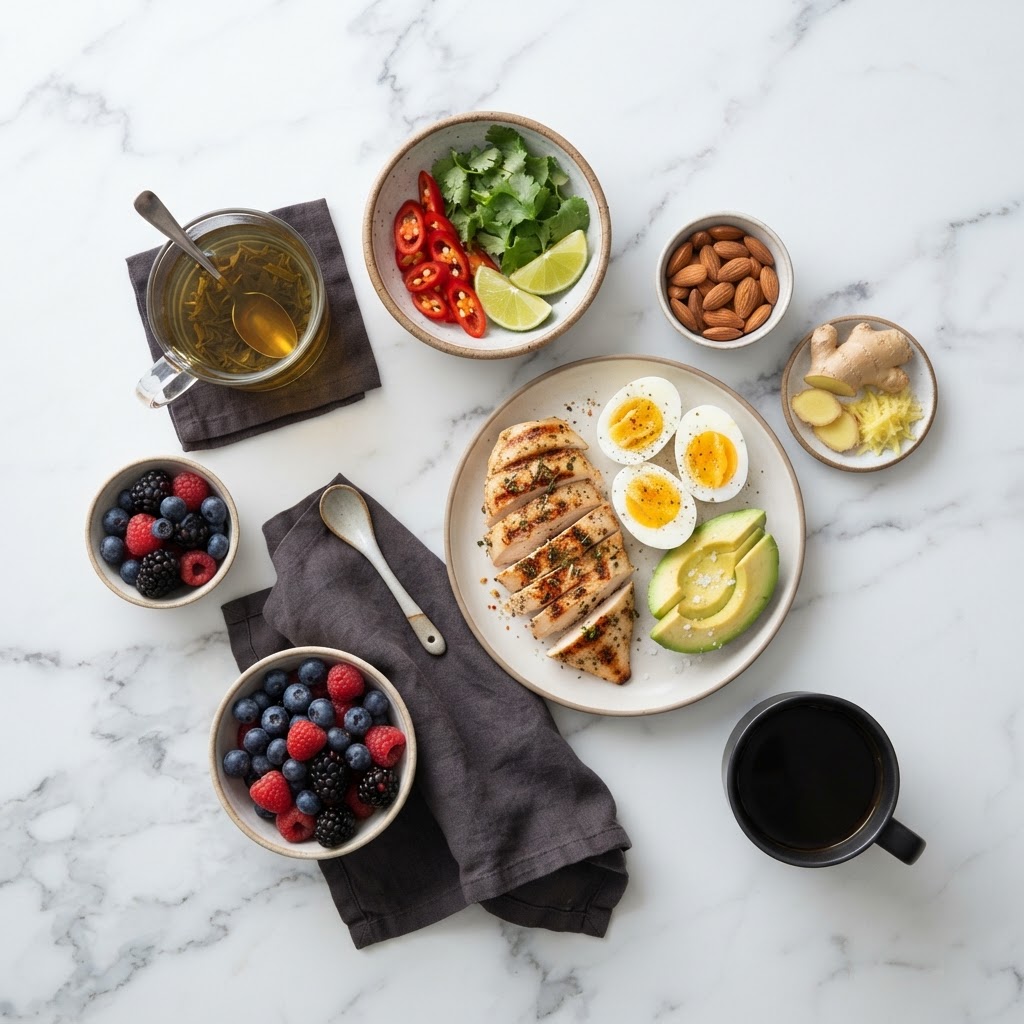
Green tea is the most studied metabolism booster on Earth. It contains EGCG (epigallocatechin gallate), a catechin that increases the activity of fat-burning enzymes and boosts metabolism by 4-8% over 24 hours. A 2009 study in the American Journal of Clinical Nutrition found that green tea extract increased fat oxidation by 17% and calorie burn by 4%. Drinking 3-5 cups per day can burn an extra 60-130 calories. Matcha (powdered green tea) delivers 10x the EGCG of regular green tea. See: Calories in Coffee →

2. Coffee and Caffeine — Your Morning Metabolism Kick
Caffeine is a proven metabolism booster that increases resting metabolic rate by 3-11%, with larger doses producing greater effects. A 1995 study found that 100mg of caffeine (about one cup of coffee) increased calorie burn by 75-150 calories over the next 24 hours. Caffeine also stimulates the release of adrenaline, which signals fat cells to break down fat. The effect is strongest in lean individuals and diminishes with age. See: Is Coffee Good for Weight Loss? →
3. Chili Peppers and Capsaicin — Burn Calories with Heat
Capsaicin, the compound that makes chili peppers hot, increases metabolism through thermogenesis — the production of body heat. A 2010 meta-analysis found that capsaicin increases calorie burn by about 50 calories per day and reduces appetite. Adding 1 gram of red chili pepper to a meal can increase fat oxidation by 20%. The effect is modest but consistent, and capsaicin also reduces cravings for sweet and fatty foods. See: Best Foods for Calorie Deficit →

4. Lean Protein — The Thermic Effect of Food
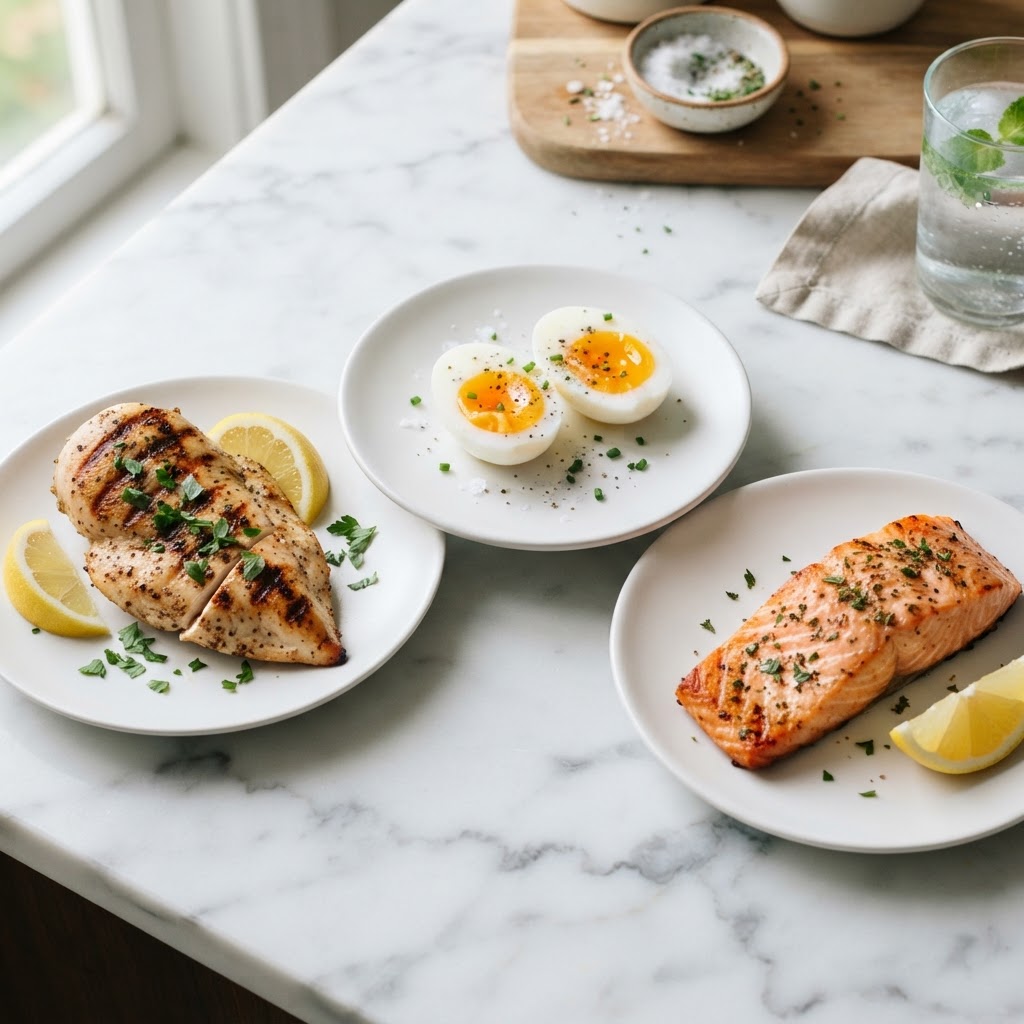
Protein is the single most effective metabolism-boosting macronutrient due to the thermic effect of food (TEF). Your body burns 20-30% of the calories in protein during digestion and absorption, compared to 5-10% for carbohydrates and 0-3% for fat. This means that if you eat 200 calories of chicken, your body burns 40-60 calories just processing it. A high-protein diet can increase daily calorie burn by 80-100 calories compared to a low-protein diet. See: High Protein Foods List → · Best Foods for Muscle Gain →
5. Eggs — High-Protein Metabolism Fuel
Eggs are a metabolism powerhouse: one large egg contains 6 grams of high-quality protein plus choline, B vitamins, and selenium, all essential for metabolic function. The protein in eggs triggers the thermic effect, and studies show that an egg breakfast increases fat burning by 65% compared to a bagel breakfast. Eggs also contain leucine, an amino acid that preserves muscle mass during weight loss — and muscle is your body's metabolic engine. See: Calories in an Egg → · High Protein Breakfast for Weight Loss →
6. Iron-Rich Foods — The Oxygen Connection
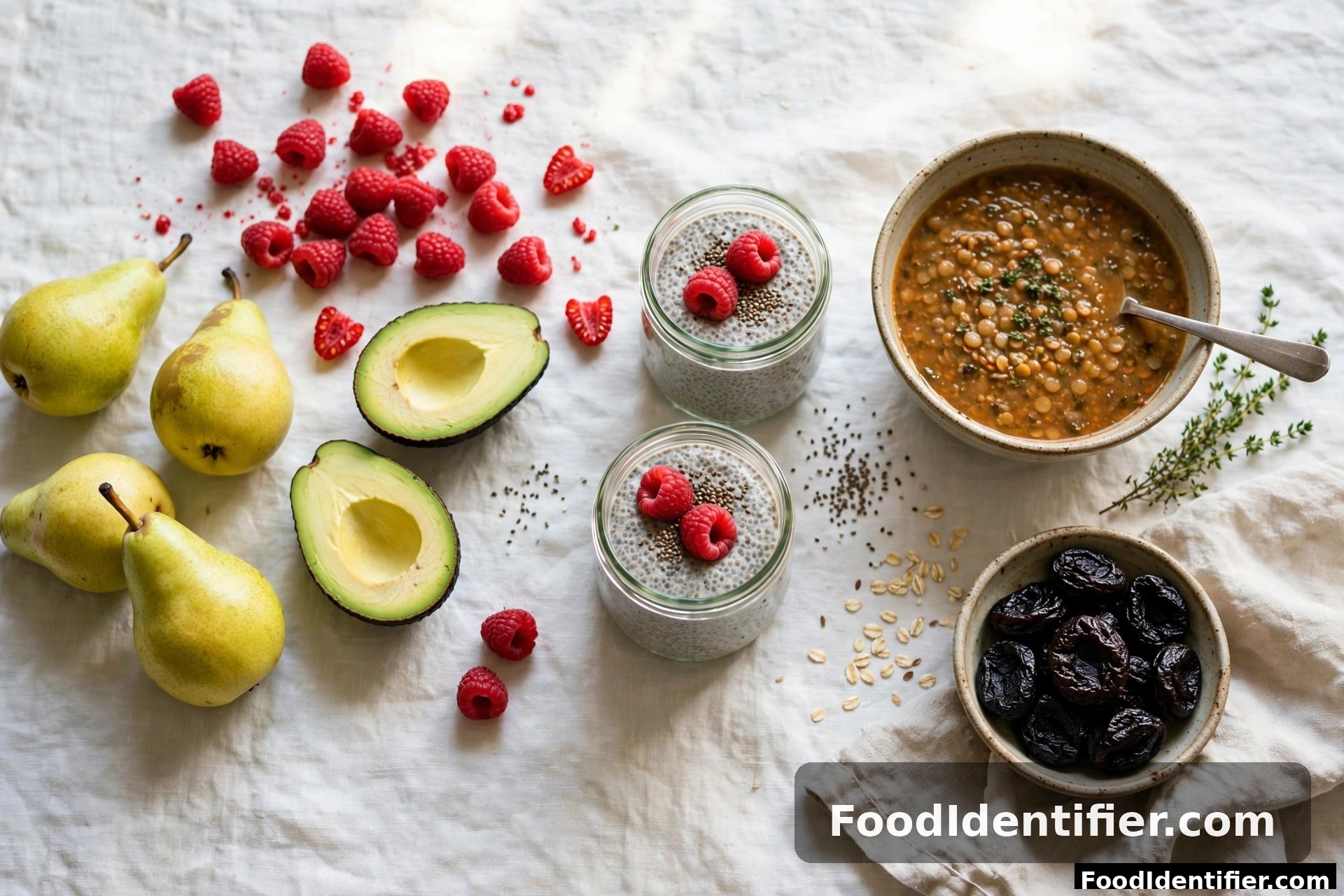
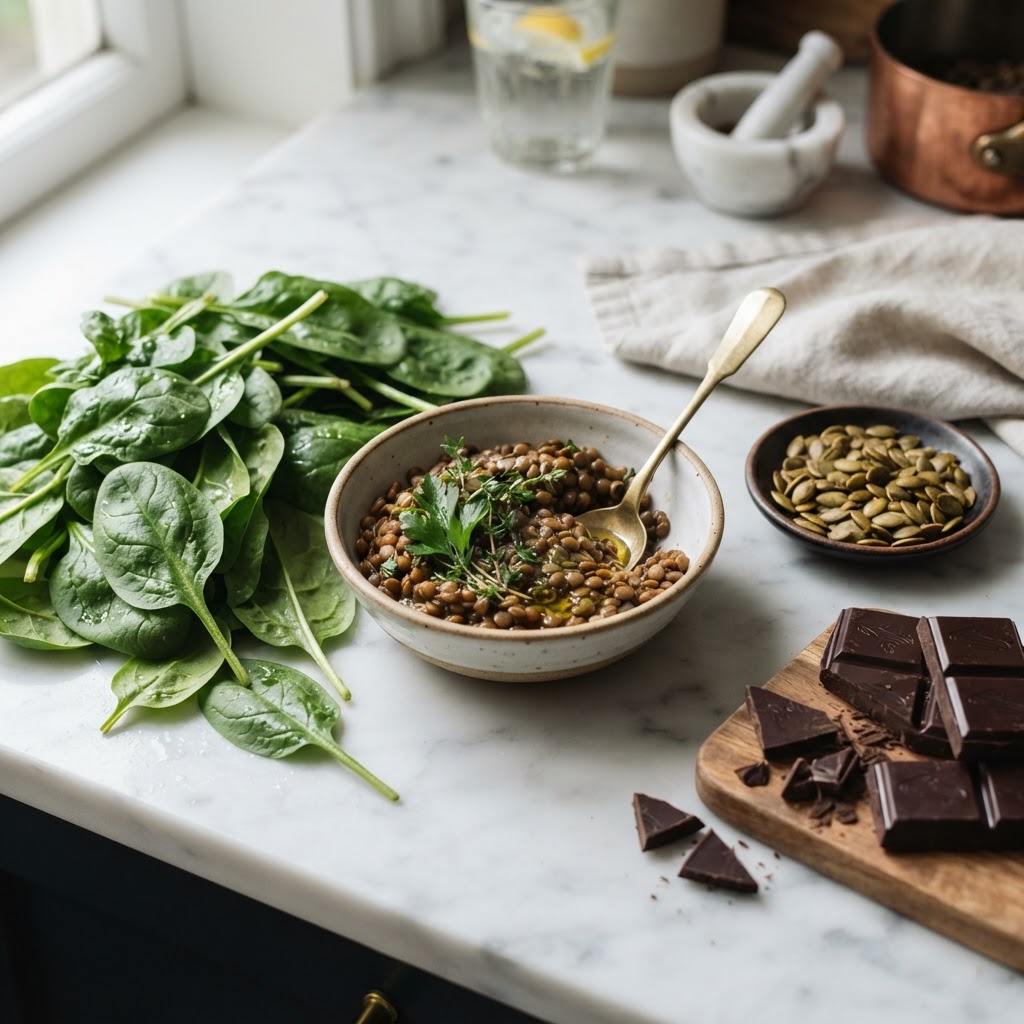
Iron is essential for metabolism because it carries oxygen to your cells, where it's used to burn calories. Iron deficiency reduces the body's ability to produce energy, slowing metabolism by up to 15%. A 2007 study found that iron-deficient women who supplemented with iron saw their resting metabolic rate increase by 6%. The best iron sources include: spinach, lentils, red meat, pumpkin seeds, and dark chocolate. Pair iron-rich foods with vitamin C (oranges, bell peppers) to boost absorption by 300%. See: Foods That Lower A1C →
7. Ginger — Warming Thermogenesis
Ginger increases body temperature and metabolic rate through thermogenesis. A 2018 study found that ginger increased the thermic effect of food by 43 calories and reduced hunger. Ginger also reduces inflammation and improves digestion, both of which support a healthy metabolism. Add fresh ginger to tea, stir-fries, or smoothies for a daily metabolism boost. See: Anti-Inflammatory Foods List →
8. Water — Especially Cold Water
Water is the most underrated metabolism booster. Your body needs water to burn calories — even mild dehydration slows metabolism by 2-3%. Drinking 2 liters of cold water per day burns approximately 95-100 extra calories as your body warms the water to body temperature. A 2003 study found that drinking 500ml of water increased metabolic rate by 30% for about 40 minutes. Drinking water before meals also reduces calorie intake by 13%. See: How Many Steps to Lose Weight →

9. Avocado and Healthy Fats — Metabolism Protection
Avocados are rich in monounsaturated fats and fiber that stabilize blood sugar and prevent insulin spikes that slow metabolism. They also contain L-carnitine, an amino acid that helps transport fatty acids into mitochondria for burning. A 2019 study found that people who ate half an avocado with lunch had 40% less desire to eat for 3 hours afterward. See: Calories in Avocado → · Is Avocado Good for Weight Loss? →
10. Berries — Antioxidant Metabolism Support
Berries are rich in anthocyanins and vitamin C, both of which support metabolic function. Anthocyanins increase the activity of fat-burning enzymes, while vitamin C is required for the production of carnitine — a molecule that transports fat into mitochondria for burning. A 2015 study found that people with adequate vitamin C burned 30% more fat during exercise than those who were deficient. See: Best Snacks for Weight Loss →
11. Nuts and Seeds — Healthy Fat Burners
Despite being calorie-dense, nuts actually boost metabolism. A 2017 study found that people who ate a handful of almonds daily had a 11% higher resting metabolic rate than non-nut eaters. Nuts contain healthy fats, protein, and fiber that trigger the thermic effect, and their crunch factor slows eating and increases satiety. The best metabolism-boosting nuts are almonds, walnuts, and pistachios. See: Calories in Almonds →
12. Apple Cider Vinegar — Blood Sugar and Metabolism
Apple cider vinegar (ACV) improves metabolism by stabilizing blood sugar. When blood sugar is stable, your body can access and burn stored fat more efficiently. Studies show that 1-2 tablespoons of ACV before meals reduces post-meal blood sugar spikes by 20-34% and increases fat burning. ACV also contains acetic acid, which activates AMPK — an enzyme that stimulates fat burning. See: Apple Cider Vinegar Weight Loss Guide →
13. Dark Chocolate — Cacao Metabolism Boost
Dark chocolate (70%+ cacao) contains theobromine and caffeine, both of which stimulate the nervous system and increase metabolic rate. A 2018 study found that dark chocolate increased calorie burn by 8% for 3 hours after consumption. It also reduces cortisol (the stress hormone that stores belly fat) and improves insulin sensitivity. Stick to 1-2 squares of 70%+ dark chocolate per day. See: Foods That Lower Cortisol →
14. Lentils and Legumes — Fiber-Powered Metabolism
Lentils are a triple threat for metabolism: high protein (thermic effect), high fiber (slow digestion, stable blood sugar), and high iron (oxygen transport). One cup of lentils provides 18g protein, 16g fiber, and 37% of your daily iron. The resistant starch in lentils also feeds gut bacteria that produce short-chain fatty acids, which increase fat burning. See: Best Foods for Calorie Deficit →
15. Coconut Oil — MCTs for Fast Energy
Coconut oil contains medium-chain triglycerides (MCTs), which are metabolized differently than other fats. Instead of being stored, MCTs go directly to the liver where they're converted into energy or ketones. A 2009 study found that MCT oil increased metabolic rate by 5% — about 120 extra calories per day. Replace some cooking oils with coconut oil for a metabolism boost. See: Complete Keto Diet Food List →
16. Seaweed — Iodine for Thyroid Metabolism
Your thyroid controls your metabolic rate, and it needs iodine to produce thyroid hormones. Even mild iodine deficiency can slow metabolism by 10-15%. Seaweed (nori, wakame, kelp) is the richest dietary source of iodine. Just 1 sheet of nori provides 25% of your daily iodine needs. Other good sources include cod, shrimp, and iodized salt. See: Is Salmon Good for You? →
17. Greek Yogurt — Probiotics and Protein
Greek yogurt provides a double metabolism boost: 20g of protein per cup (thermic effect) plus probiotics that improve gut health. A 2013 study found that gut bacteria from yogurt increased fat burning by 4% and improved insulin sensitivity. The calcium in yogurt also helps regulate fat cell metabolism. Choose plain, unsweetened Greek yogurt and add berries for a metabolism-boosting breakfast. See: Is Greek Yogurt Good for Weight Loss? →
18. High-Fiber Fruits — Sustained Energy Metabolism
High-fiber fruits like apples, pears, and raspberries slow digestion and keep blood sugar stable, which allows your body to burn fat rather than store it. Fiber also feeds beneficial gut bacteria that produce short-chain fatty acids, increasing metabolic rate. One apple contains 4g of fiber and only 95 calories. See: Calories in an Apple → · What Foods Are High in Fiber? →
19-21: The 3 Lifestyle Habits That Double Your Results
Food is only half the equation. These three lifestyle habits can increase your metabolic rate by an additional 100-200 calories per day — and they're free.
19. Strength Training 3x Per Week
Muscle is your body's metabolic engine. Each pound of muscle burns 6-10 calories per day at rest, compared to 2 calories per pound of fat. Building 5 pounds of muscle increases your resting metabolic rate by 30-50 calories per day — that's 3-5 pounds of fat lost per year without changing anything else. Three 30-minute strength sessions per week is enough to build and maintain muscle. See: Best Foods for Muscle Gain →
20. Sleep 7-9 Hours Per Night
Sleep is when your body repairs muscle, balances hormones, and regulates metabolism. One night of poor sleep reduces insulin sensitivity by 25% and lowers metabolic rate by 5-20%. Chronic sleep deprivation (under 6 hours) is associated with a 55% increase in obesity risk. Aim for 7-9 hours of quality sleep to keep your metabolism running at full speed. See: Foods That Lower Cortisol →
21. NEAT — Non-Exercise Activity Thermogenesis
NEAT is the calories you burn from non-exercise movement — walking, standing, fidgeting, taking the stairs. NEAT can vary by up to 2,000 calories per day between people. The easiest way to increase NEAT: stand for 3 hours per day (burns 150 calories), take the stairs, park farther away, and use a standing desk. See: How Many Steps to Lose Weight →
Common Food vs Healthy Alternative: Nutrition Side-by-Side
| Food | Cal | Alt Cal | Carbs | Alt Carbs | Benefit |
|---|---|---|---|---|---|
White Rice (1 cup) → Cauliflower Rice (1 cup) | 205 | 25 | 45g | 5g | 80% fewer calories, 90% fewer carbs, 3x more fiber |
Regular Pasta (2 oz) → Zucchini Noodles (2 cups) | 220 | 33 | 43g | 6g | 85% fewer calories, 86% fewer carbs |
Potato Chips (1 oz) → Almonds (1 oz) | 152 | 164 | 15g | 6g | 3x more protein, 60% fewer carbs, 3x more fiber |
Sugary Cereal (1 cup) → Greek Yogurt + Berries | 150 | 120 | 32g | 12g | 7x more protein, 62% fewer carbs, 4x more fiber |
Soda (12 oz) → Sparkling Water + Lemon | 140 | 0 | 39g | 0g | 100% fewer calories, zero sugar, zero carbs |
White Bread (2 slices) → Ezekiel Bread (2 slices) | 140 | 160 | 26g | 30g | 2x more protein, 6x more fiber, no added sugar |
7-Day Metabolism-Boosting Meal Plan
Here's a simple 7-day meal plan that incorporates the top metabolism-boosting foods. Each day provides 1,500-1,800 calories with 30% protein, 35% carbs, and 35% fat — the optimal macro ratio for metabolic burn.
| Day | Breakfast | Lunch | Dinner |
|---|---|---|---|
| Mon | 2 eggs + green tea | Chicken salad + avocado | Salmon + spinach |
| Tue | Greek yogurt + berries | Lentil soup + chili | Turkey + broccoli |
| Wed | Matcha smoothie + nuts | Tuna + avocado wrap | Chicken + ginger stir-fry |
| Thu | Eggs + spinach + coffee | Salmon + leafy greens | Lentil curry + coconut |
| Fri | Greek yogurt + almonds | Chicken + chili peppers | Shrimp + seaweed salad |
| Sat | Apple + almond butter + tea | Turkey + avocado | Steak + dark chocolate |
| Sun | 2 eggs + matcha | Lentil + spinach salad | Salmon + ginger |
How to Track Your Metabolism with AI
Knowing which foods boost metabolism is one thing — but what about the thousands of foods not on this list? That's where FoodIdentifier's AI food scanner comes in. Snap a photo of any meal and the AI shows you:
- Protein score — the higher the protein, the higher the thermic effect
- Calorie and macro breakdown for precise tracking
- Metabolism-friendly rating based on protein, fiber, and nutrient density
- Better alternatives if the meal scores poorly for metabolism
This means you can maximize your metabolic burn with every meal — not just guess. It's like having a nutritionist in your pocket.
FoodIdentifier vs The Competition
| Feature | FoodIdentifier | MyFitnessPal | Cronometer | Yuka |
|---|---|---|---|---|
| AI Photo Food Scanner | Instant — snap any meal | No photo scan | No photo scan | Barcode only |
| Barcode + Photo + Label Scan | All 3 methods | Barcode only | Manual entry | Barcode only |
| AI Nutrition Coach | Personalized AI coach included | Generic tips | No coach | No coach |
| Blood Sugar Impact Prediction | Per-meal glucose prediction | No | No | No |
| Ozempic / GLP-1 Compatibility Check | Built-in checker | No | No | No |
| 0–100 Food Quality Score | Instant unified score | No | No | Yes (basic) |
Frequently Asked Questions
What foods speed up your metabolism the most?
The foods that speed up metabolism the most are: lean protein (chicken, turkey, fish, eggs) due to the thermic effect of food, green tea and coffee (caffeine and EGCG), chili peppers (capsaicin), iron-rich foods (spinach, lentils), and water. Protein alone burns 20-30% of its calories during digestion, making it the single most effective metabolism-boosting macronutrient.
Can you actually speed up your metabolism?
Yes, you can increase your metabolic rate by 5-15% through specific foods and habits. The most effective methods are: eating more protein (thermic effect of food), drinking green tea and coffee, building muscle through strength training, staying hydrated, and getting 7-9 hours of sleep. While genetics set your baseline, these strategies can add 150-300 extra calories burned per day.
How many calories does green tea burn per day?
Studies show that drinking 3-5 cups of green tea per day can increase calorie burn by 60-130 calories through its combination of caffeine and EGCG (epigallocatechin gallate). The EGCG in green tea increases the activity of fat-burning enzymes and may boost metabolism by 4-8% over 24 hours.
Does eating more protein really speed up metabolism?
Yes. Protein has the highest thermic effect of food (TEF) of all macronutrients — your body burns 20-30% of the calories in protein during digestion, compared to 5-10% for carbs and 0-3% for fat. Eating a high-protein diet can increase your daily calorie burn by 80-100 calories compared to a low-protein diet.
Does drinking cold water speed up metabolism?
Yes. Drinking 8 glasses (2 liters) of cold water per day can increase calorie burn by approximately 95-100 calories. Your body expends energy to warm the water to body temperature. A 2003 study found that drinking 500ml of water increased metabolic rate by 30% for about 40 minutes.
What vitamins and minerals are essential for metabolism?
The key metabolism nutrients are: iron (carries oxygen to cells for energy production), B vitamins (convert food into energy), vitamin D (regulates metabolic rate), magnesium (activates 300+ enzymes), and iodine (thyroid hormone production). A deficiency in any of these can slow your metabolism by 5-15%.
How does sleep affect metabolism?
Poor sleep dramatically slows metabolism. One night of sleep deprivation can reduce insulin sensitivity by 25% and lower resting metabolic rate by 5-20%. Chronic sleep deprivation (under 6 hours) is associated with a 55% increase in obesity risk. Aim for 7-9 hours of quality sleep to keep your metabolism running at full speed.
⚕️ Medical Disclaimer
This article is for educational purposes only and is not medical advice. If you suspect a slow metabolism due to a thyroid condition, iron deficiency, or other medical issue, consult a qualified healthcare provider. The foods and strategies described here are complementary to — not replacements for — professional medical care. Always consult your doctor before making significant changes to your diet or exercise routine, especially if you have a medical condition.
Scan Any Meal. See Its Metabolism Score.
Take a photo of any food and instantly see its protein score, calorie count, and metabolism-boosting potential.
Try It Free — No Sign-Up Needed →