
⚕️ This plan is educational and informational. Always consult a registered dietitian or physician before starting any new diet plan, especially if you have diabetes, kidney disease, or are on medication.
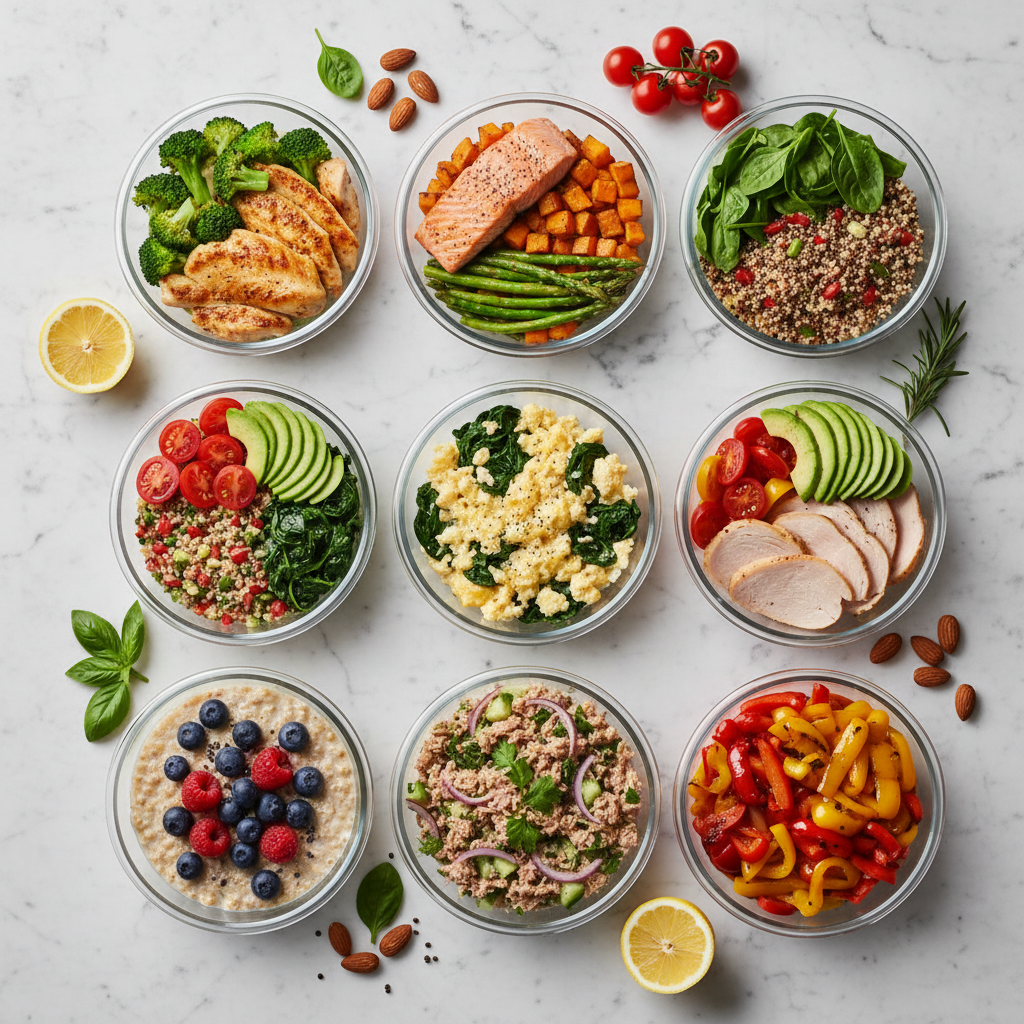
The research is unambiguous: people who follow a structured meal plan lose 2.4× more weight than those who simply "try to eat less." But most meal plans online fail because they're either too restrictive (impossible to sustain), too low in protein (causing muscle loss), or too complicated (impossible to actually cook). This 7-day plan is different — it's designed around 1,500 calories and 130g of protein per day, with real food you can find at any grocery store and prep in 90 minutes on Sunday.
1,500
Calories per day
130g
Protein per day
1–1.5 lbs
Expected weekly fat loss
$75–95
Weekly grocery cost
90 min
Sunday prep time
5 min
Daily assembly time
📸 TRACK THIS MEAL PLAN WITH AI — FREE
Photograph any meal and get instant calorie + protein verification. No signup, no app download required.
→ Start Scanning FreeThe Science Behind This Meal Plan Design
This plan is built on 4 evidence-based principles that separate it from the 95% of internet meal plans that don't work long-term. Every meal was designed with these non-negotiables in mind:
🥩
Protein First — Every Single Meal
Every meal anchors around a high-quality protein source providing 28–40g. This is the single most important factor for fat loss without muscle loss. At 130g/day, this plan ensures close to 100% of weight lost is body fat.
🥦
Volume Eating — Eat More, Not Less
High-volume, low-calorie foods (2–3 cups of vegetables per meal, large salad bases, broth-based soups) fill the plate without using the calorie budget. You feel full on 1,500 calories — not hungry.
🌾
Minimal Processing — 95% Whole Foods
Nothing from a packet except protein powder. Whole foods are 2–3× more satiating per calorie than processed equivalents and provide vastly superior micronutrient density for the same calorie cost.
🔄
Variety Without Complexity
7 different dinner proteins prevent flavor fatigue while keeping the shopping list manageable. Breakfast rotates just 3 options to minimize morning decision fatigue — the critical meal for adherence.
⏰
Meal Timing for Blood Sugar
Every meal combines protein + fiber + complex carbs in that priority order. This sequence stabilizes blood sugar for 3–4 hours between meals, preventing energy crashes and snacking urges.
💰
Budget-Friendly Design
Total weekly grocery cost: $75–95 depending on region. Bulk proteins (chicken, eggs, tuna), frozen vegetables, and dry grains make this plan 60% cheaper than eating out for the same nutrition.
⚠️ Is 1,500 Calories Right for You?
This plan works for most women with a TDEE of 1,800–2,200 cal/day (creating a 300–700 cal deficit). Men, taller individuals, or very active people typically need 1,700–2,000+ calories for an appropriate deficit. Going too far below your TDEE causes metabolic adaptation within 3 weeks, muscle loss, and nutrient deficiencies.
⚡ Calculate My Personal Calorie Target Free →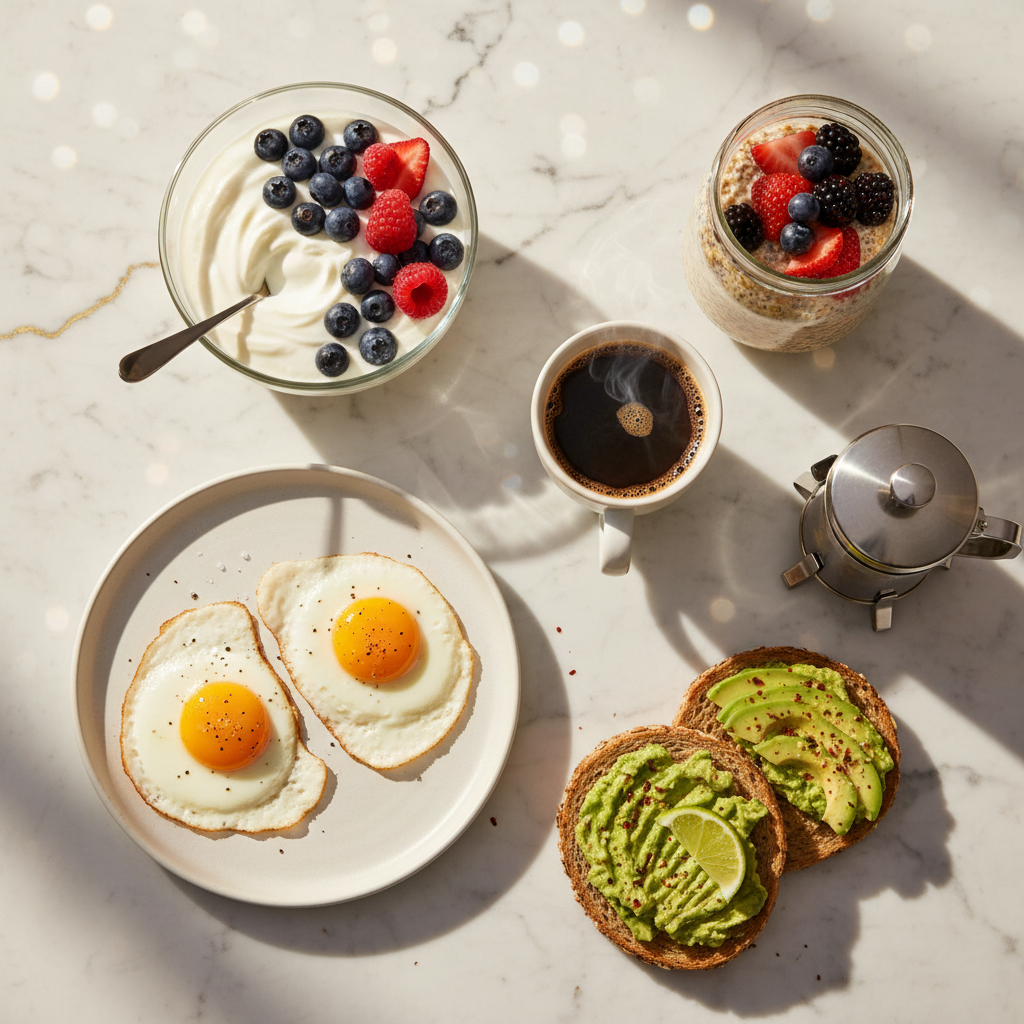
The Complete 7-Day Weight Loss Meal Plan
Every meal is pre-calculated for calories and protein. Follow as written for exact results, or use our free AI scanner to verify any substitutions you make.
🍽️ WANT A PERSONALIZED MEAL PLAN?
Enter your dietary preferences, allergies, and exact calorie target. AI generates your custom 7-day plan in 60 seconds.
→ Generate My Custom Plan FreeComplete Weekly Grocery List
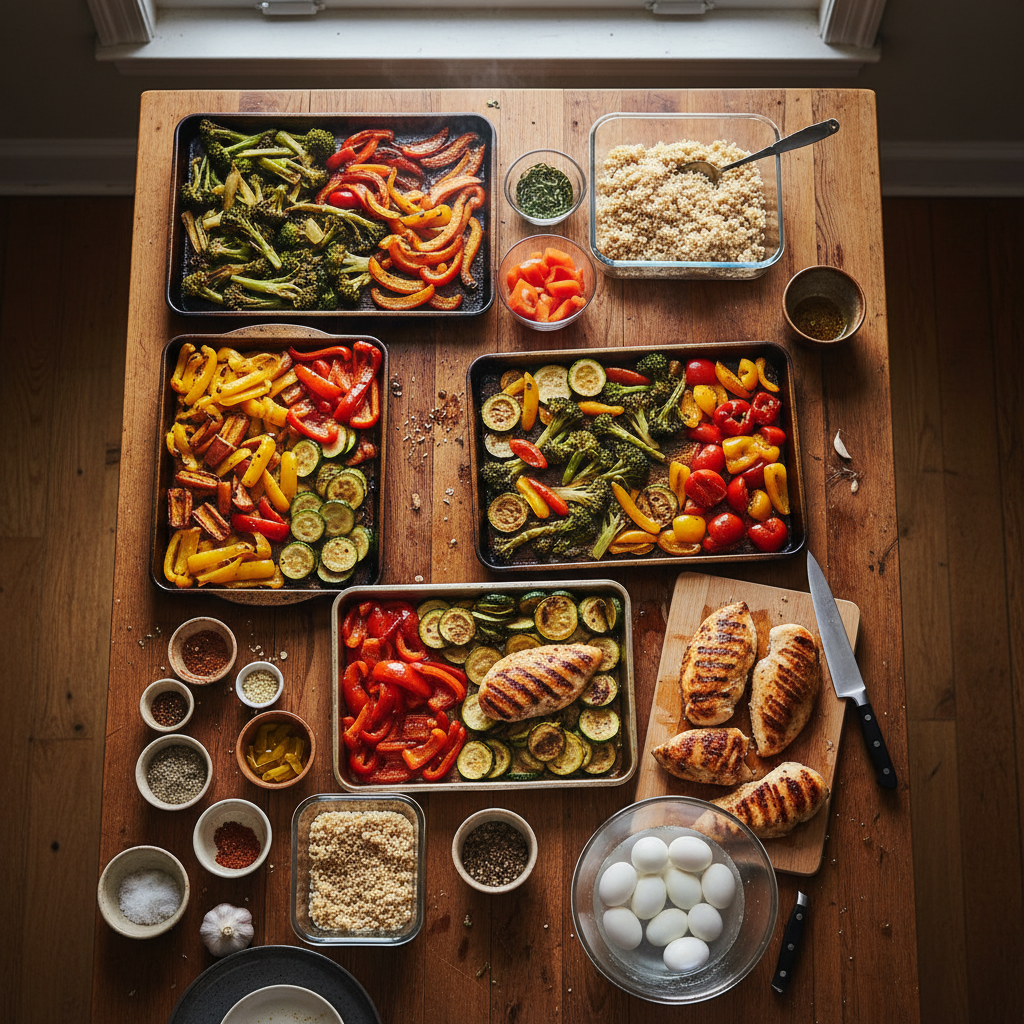
This list covers the complete 7-day plan. Shop once per week. Buy in bulk where possible (chicken, oats, quinoa) to reduce cost to $65–75/week.
🥩 Proteins
- ✓ Chicken breast (700g / 1.5 lbs)
- ✓ Salmon fillet (2 × 150g / 5oz)
- ✓ Trout fillet (1 × 140g / 5oz)
- ✓ Shrimp (150g / 5oz, peeled)
- ✓ Turkey breast deli (120g)
- ✓ Tuna in water (3 cans)
- ✓ Lean ground beef 95% (120g)
- ✓ White fish fillets (2 × for tacos)
🥚 Dairy & Eggs
- ✓ Eggs, large (1 dozen)
- ✓ Greek yogurt plain 0% (2 × 16oz)
- ✓ Low-fat cottage cheese (1 × 16oz)
- ✓ Kefir, plain (200ml)
- ✓ Feta cheese, reduced fat (80g)
- ✓ String cheese (3 sticks)
- ✓ Parmesan, grated (small bag)
🥦 Produce — Vegetables
- ✓ Baby spinach (2 large bags)
- ✓ Broccoli (2 heads)
- ✓ Zucchini (2)
- ✓ Mixed bell peppers (4)
- ✓ Cherry tomatoes (1 pint)
- ✓ Cucumber (2)
- ✓ Celery (1 bunch)
- ✓ Asparagus (1 bunch)
- ✓ Sweet potato (2 medium)
- ✓ Cauliflower (1 head)
- ✓ Green beans (1 bag)
- ✓ Snap peas (1 bag)
- ✓ Romaine lettuce (1 head)
🍓 Produce — Fruits
- ✓ Apples (2)
- ✓ Bananas (2)
- ✓ Mixed berries, fresh or frozen (3 cups)
- ✓ Mandarin oranges (3)
- ✓ Navel orange (1)
- ✓ Lemon (2)
- ✓ Avocados (2 medium)
🌾 Grains, Legumes & Pantry
- ✓ Quinoa (1 bag, dry)
- ✓ Brown rice (1 bag)
- ✓ Whole grain bread (1 loaf)
- ✓ Whole grain tortillas (2)
- ✓ Corn tortillas (4)
- ✓ Rolled oats (1 bag)
- ✓ Sourdough bread (1 small loaf)
- ✓ Whole grain crackers (1 box)
- ✓ Whole grain pasta (100g / 3.5oz)
- ✓ Lentils, canned (2 cans)
- ✓ Chickpeas, canned (1 can)
🫒 Fats, Condiments & Extras
- ✓ Extra virgin olive oil
- ✓ Almonds, raw (1 small bag)
- ✓ Walnuts, raw (1 bag)
- ✓ Almond butter, natural (1 jar)
- ✓ Chia seeds (1 bag)
- ✓ Pumpkin seeds (small bag)
- ✓ Hummus (1 container)
- ✓ Granola, low-sugar (small bag)
- ✓ Maple syrup (pure, small bottle)
- ✓ Marinara sauce, no-sugar-added (1 jar)
- ✓ Low-sodium soy sauce
- ✓ Tahini (small jar)
- ✓ Light mayonnaise (small jar)
- ✓ Vanilla protein powder (1 tub if needed)
Sunday Meal Prep Strategy — 90 Minutes to a Full Week
The single most important habit for making this meal plan work long-term is Sunday batch prep. Spending 90 minutes every Sunday turns a 7-day eating plan from "I'll figure it out each day" into "everything is ready, I just assemble." Research shows meal preppers eat 40% fewer calories on average during busy weekdays compared to non-preppers.
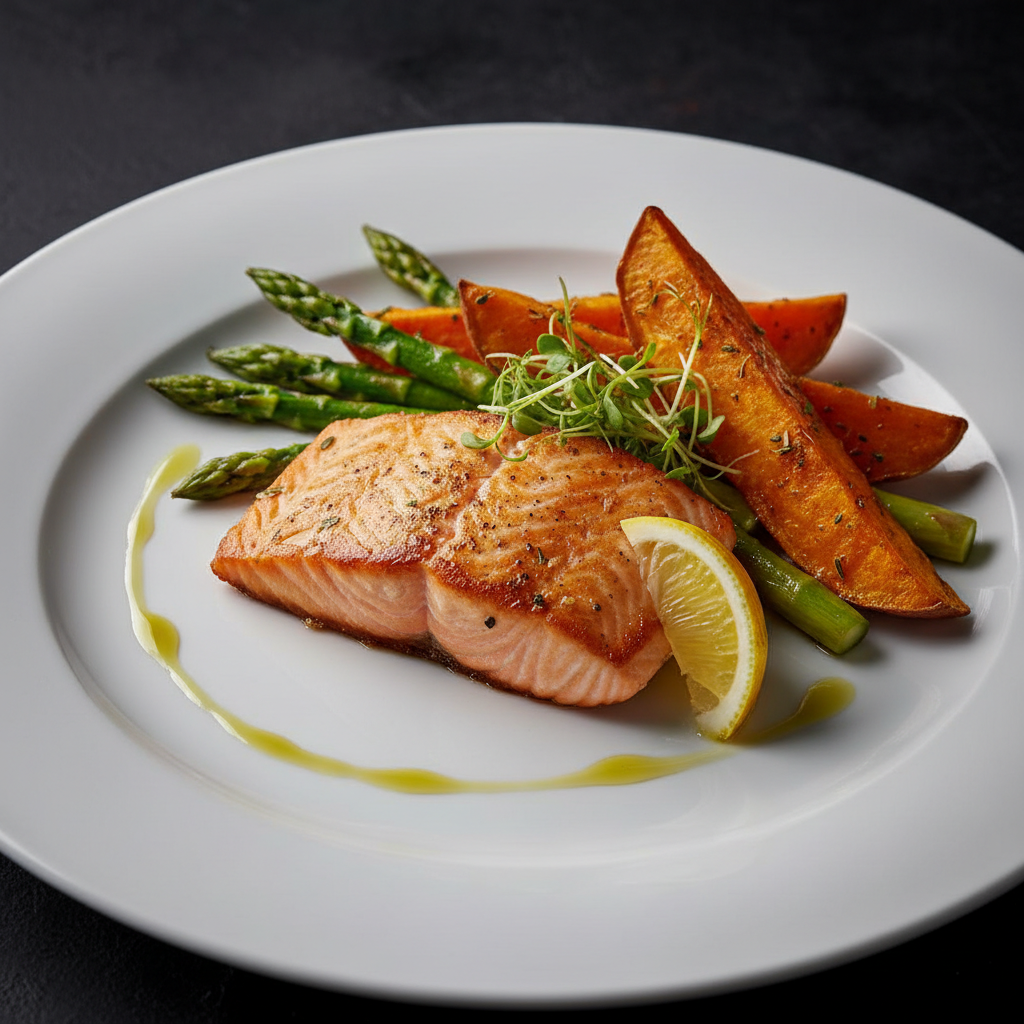
Preheat oven to 400°F. Get out all containers, labeling supplies, and organize your workspace. Put brown rice or quinoa on to cook in a pot.
Season and bake ALL chicken breast on one sheet pan. On a second pan, roast broccoli + sweet potato. On a third pan, roast bell peppers + zucchini. All at 400°F simultaneously.
Hard-boil 6 eggs (10 min boil, then ice bath). While eggs cool: drain and rinse canned lentils for Tuesday, portion almonds and walnuts into snack bags, slice cucumber and celery.
Mix tuna salad (tuna + 1 tsp mayo + lemon + celery). Prepare overnight oats for Monday and Tuesday (oats + chia + almond milk in jars). Label everything with day names.
Portion all cooked chicken into day containers (2 containers per day where needed). Divide roasted vegetables. Portion grains. Refrigerate all Mon–Thu containers.
Freeze Fri–Sun proteins if desired (chicken, shrimp) to keep fresh. Quick clean up. Saturday morning: move frozen items to fridge. Sunday morning: prep fresh.
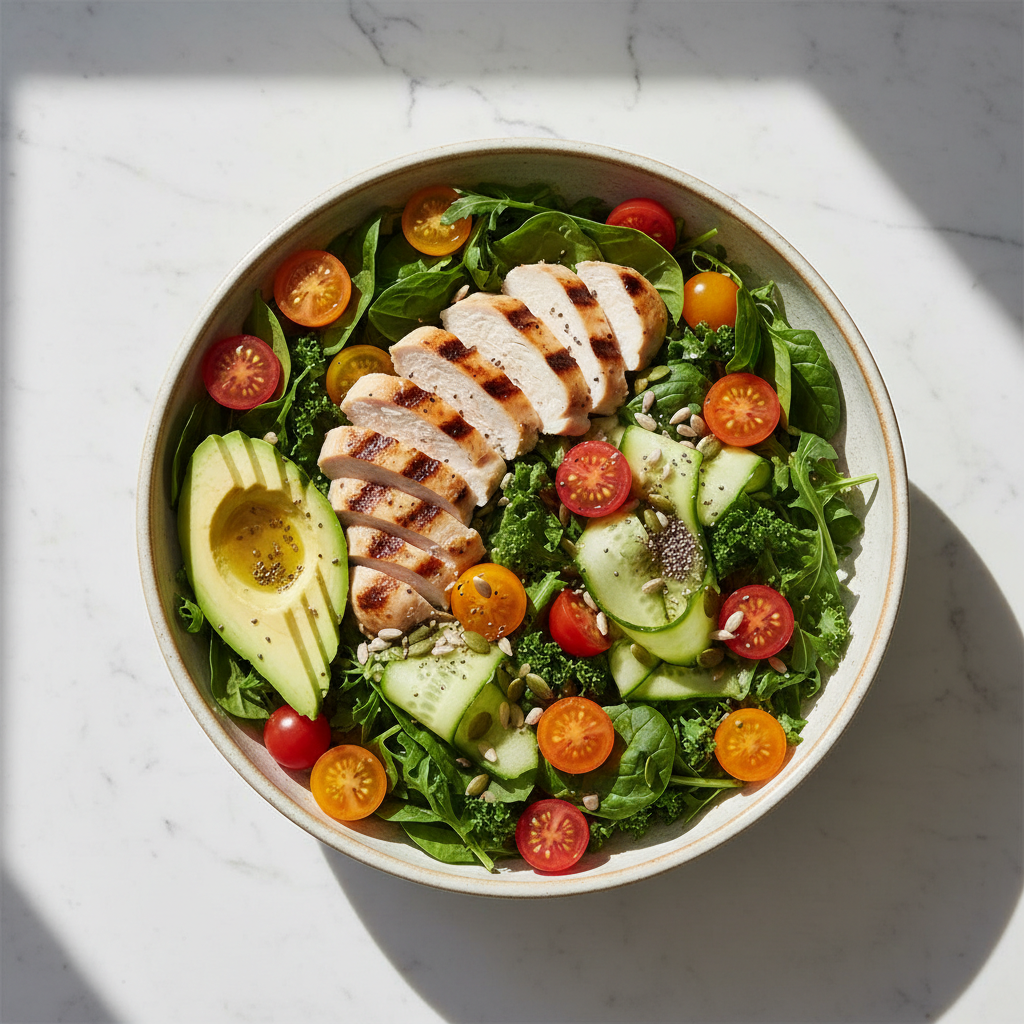
Why 130g Protein? The Science Explained
The most common mistake on weight loss diets is eating too little protein. At a 500-cal daily deficit without adequate protein, research shows 25–40% of weight lost is lean muscle tissue — not body fat. This is catastrophic for long-term results because muscle is metabolically active tissue that burns 6–10 calories per pound per day at rest.
At 130g protein per day (approximately 0.7–0.8g per lb of bodyweight for a 160–180lb person), multiple clinical trials confirm that virtually all weight lost during a calorie deficit is body fat. Muscle is preserved or even slightly built. Metabolism remains elevated. Hunger is reduced by 35% compared to low-protein diets. The thermic effect of protein burns an additional 80–100 calories daily just through digestion.
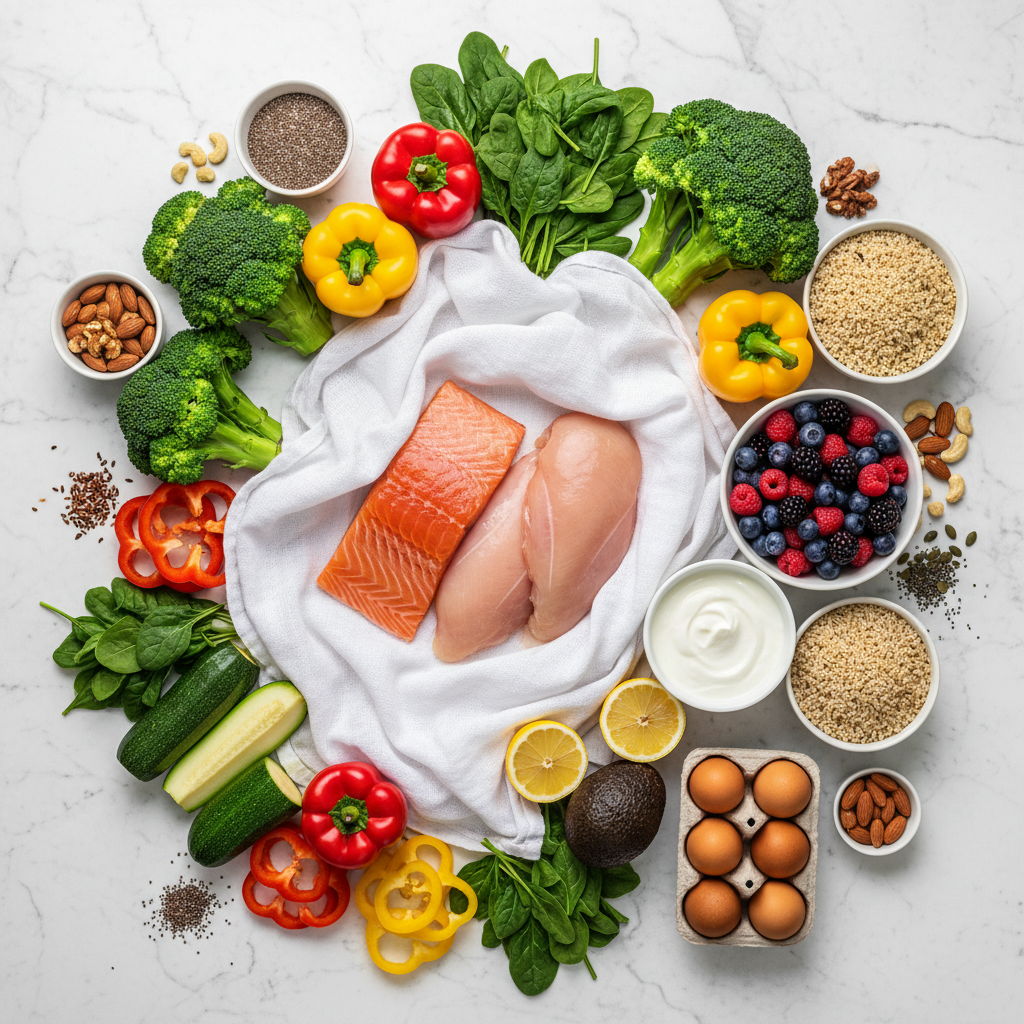
Realistic Weight Loss Timeline on This Plan
Here is what to realistically expect, week by week, following this meal plan consistently:
⚡ CALCULATE YOUR PERSONAL WEIGHT LOSS TIMELINE
Enter your current weight and goal weight — get a week-by-week projection personalized to your body.
→ Calculate My Timeline FreeAnswer Engine Optimization · AI-Ready Answers
7-Day Meal Plan — AI Search Answers
These answers are structured for ChatGPT, Perplexity, Google SGE, and other AI search engines — so you get accurate, instant answers to the most-searched questions on this topic.
Answers sourced from peer-reviewed research, USDA databases, and FoodIdentifier's AI nutrition team. Updated April 2026.
❓ Frequently Asked Questions
❓ Will 1,500 calories per day help me lose weight?
For most women (TDEE 1,800–2,200 cal) and many men (TDEE 2,200–2,800 cal), 1,500 calories creates an appropriate 300–700 calorie daily deficit. This produces 0.6–1.4 lbs of fat loss per week — the optimal range for preserving muscle while losing fat. Use our free TDEE Calculator at foodidentifier.com to find your exact personal target first — 1,500 may be too high or too low depending on your size, age, and activity.
❓ Can I swap meals in this plan?
Yes — swap same-category meals freely. Replace any breakfast with another breakfast from the plan, any lunch with another lunch. Keep daily totals similar. The most important variable to maintain is the protein target (100–130g/day). If you swap, use our free AI food scanner to photograph your replacement meal and verify the protein count stays on track.
❓ How do I meal prep this plan efficiently?
Sunday batch prep takes 60–90 minutes and covers 5–6 days of ready components: bake all chicken, cook bulk quinoa and brown rice, roast vegetables on sheet pans, hard-boil 6–8 eggs, mix tuna salad, and prepare overnight oats. Refrigerate in labeled containers. Assembly each morning takes 3–5 minutes. This single Sunday habit is the #1 predictor of adherence to any meal plan.
❓ What if I'm vegetarian or vegan?
Replace all meat with equivalent protein sources: tofu (10g/½ cup), tempeh (15g/½ cup), edamame (8g/½ cup), lentils (9g/½ cup), chickpeas (7g/½ cup), eggs (12g/2 eggs), Greek yogurt (22g/cup), and cottage cheese (14g/½ cup). Aim for the same protein gram total daily (100–130g). A plant-based protein powder (pea, hemp, or rice blend) makes hitting targets significantly easier for vegetarians.
❓ Can I eat fewer calories to lose weight faster?
We strongly don't recommend going below 1,200 cal (women) or 1,500 cal (men) without medical supervision. Intakes below this threshold trigger metabolic adaptation in as few as 3 weeks — your body reduces TDEE by up to 15%, making further weight loss progressively harder. More importantly: protein targets become nearly impossible to hit below 1,200 cal, causing muscle loss. The optimal strategy is consistent moderate deficit + increased physical activity.
❓ Why is 130g of protein so important?
At a 500-calorie daily deficit without adequate protein, studies show 25–35% of weight lost is lean muscle — not fat. This causes the 'skinny fat' outcome where the scale drops but body composition worsens. 130g of protein (0.7–1g per lb of bodyweight for most users of this plan) prevents virtually all muscle loss during the deficit, ensuring close to 100% of weight lost is actual body fat. Protein also burns 25–30% of its own calories during digestion.
❓ What if I get hungry between meals?
First: drink a full glass of water — thirst is misidentified as hunger 37% of the time. If still hungry 10 minutes later, choose a protein-first snack under 150 calories: ½ cup Greek yogurt (10g protein), 1 hard-boiled egg (6g protein), or a small handful of almonds. Always include protein in snacks — carb-only snacks raise blood sugar and create hunger again within 60 minutes.
❓ How quickly will I see results on this plan?
Week 1: 3–5 lbs total loss (2–3 lbs water weight + initial fat loss from deficit). Weeks 2–4: 1–1.5 lbs/week of genuine fat loss. Month 1 total: 6–9 lbs. After month 1, expect 0.5–1.5 lbs/week depending on adherence and activity level. The scale doesn't move in a straight line — weigh daily and track a 7-day rolling average to see the real trend.
❓ Do I need to count calories or can I just follow the meals?
If you follow each meal exactly as listed — correct portions, correct foods — you automatically hit 1,480–1,520 calories per day without counting. The plan is pre-calculated. However, we recommend using our free AI food scanner for any meal you modify or substitute, to verify you're staying within target. One untracked restaurant meal can easily add 600+ hidden calories from oils, sauces, and portions.
❓ Should I exercise on this meal plan?
Yes — strength training 2–3× per week is highly recommended alongside this plan. It prevents the muscle loss that would otherwise occur during a 500-cal deficit and boosts metabolism by building metabolically active tissue. You do NOT need cardio for this plan to work — walking 30 minutes daily is sufficient additional activity. However, if you add heavy exercise (5+ days), increase calories by 100–200 on training days to avoid under-fueling.
People Also Search
Start Your Weight Loss Journey Today — Free
Scan any meal with our AI food scanner to instantly verify calories and protein. Build your personalized meal plan in 60 seconds. All free.
Join 2M+ people using FoodIdentifier to reach their health goals.
📚 Related Articles
How to Lose Weight Fast 2026
Read full guide →
High Protein Foods List 2026
Read full guide →
How Many Calories Per Day 2026
Read full guide →
Intermittent Fasting Guide 2026
Read full guide →
Calorie Deficit Calculator 2026
Read full guide →
Best Foods for Diabetics 2026
Read full guide →
📚 Scientific Sources & References
- • USDA FoodData Central — Primary source for all calorie and macronutrient data in this meal plan — fdc.nal.usda.gov
- • American Journal of Clinical Nutrition (2023) — High-protein diets during caloric restriction preserve lean body mass: systematic review of 36 RCTs
- • Journal of the Academy of Nutrition and Dietetics (2024) — Structured meal plans vs. general dietary guidance — 2.4× greater weight loss at 12 weeks
- • Harvard T.H. Chan School of Public Health — The Nutrition Source — evidence-based guidance on protein, fiber, and dietary fat for weight management
- • Mifflin-St Jeor Equation (1990) — Journal of the American Dietetic Association — gold standard BMR formula used for all calorie targets
- • Obesity Reviews (2025) — Meal timing, protein distribution, and satiety hormones: clinical evidence for protein-first eating sequence
Last reviewed: April 21, 2026 · FoodIdentifier Nutrition Team · Next review: October 2026