 FoodIdentifier
How to Lose Belly Fat Fast in 2026: The Complete Science-Backed Guide
A practical, honest guide to losing belly fat — the foods that help, the root causes that hold you back, a sample meal plan, and the sleep and stress factors most guides gloss over.
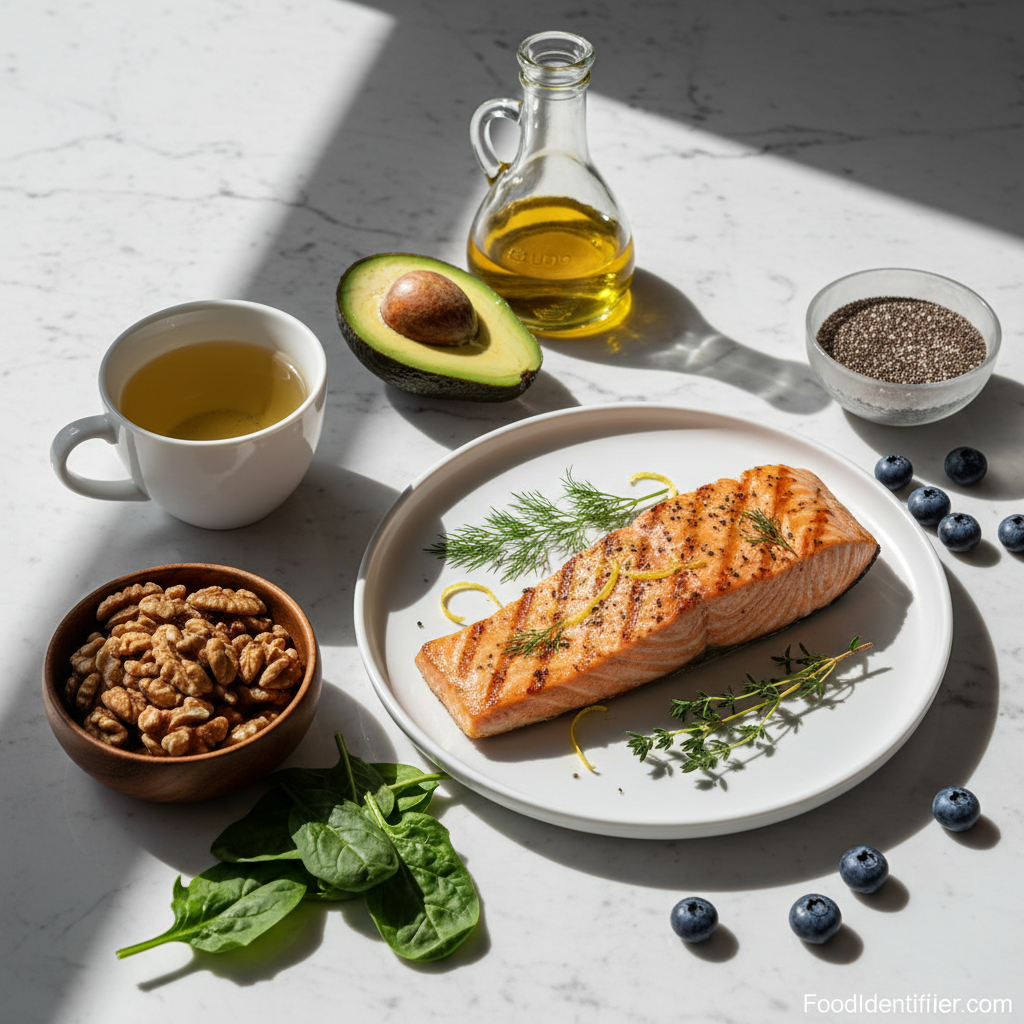
Scan any of these belly-fat-burning foods free at FoodIdentifier.com — instant calories, macros, glycemic impact.
⚡ Quick Answer — What This Article Covers
There is no shortcut to losing belly fat, but the fundamentals are well understood: a moderate calorie deficit, enough protein to hold onto muscle, fiber to stay full, resistance training, and decent sleep. Most people who struggle are missing one or two of these — not all of them. Use our free AI tools to track meals without the guesswork.
Why Belly Fat Is Dangerous — And Completely Different From Regular Fat
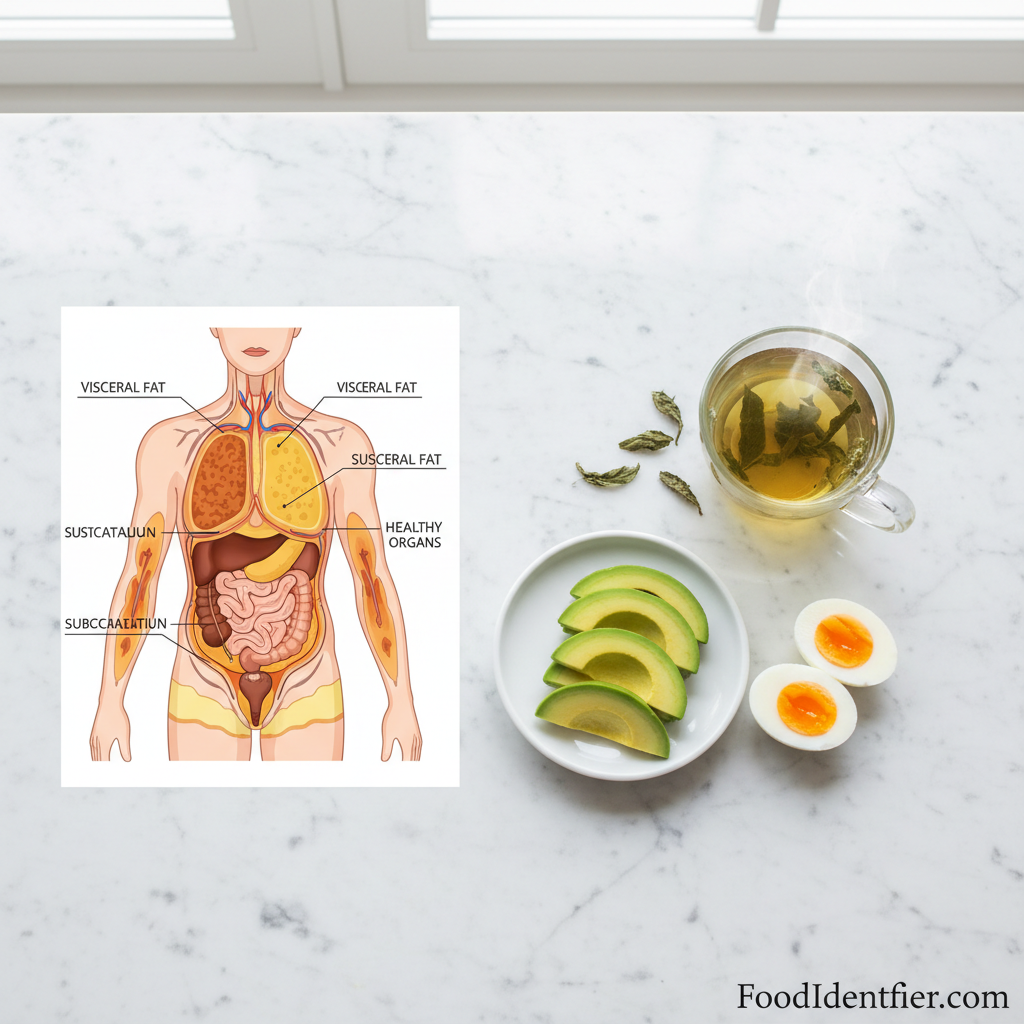
Not all fat is created equal. The fat that collects around your midsection — particularly the deep visceral fat that wraps around your organs — is metabolically active in ways that subcutaneous fat (the kind you can pinch) simply isn't. Understanding this distinction is the key to understanding why losing belly fat requires a specific, targeted approach rather than general weight loss advice.
Visceral fat acts almost like a separate endocrine organ. It secretes inflammatory chemicals called cytokines, pumps out excess cortisol, disrupts insulin signaling, and releases free fatty acids directly into your portal vein — which feeds straight into your liver. This is why people with high visceral fat develop insulin resistance, fatty liver disease, and metabolic syndrome even when their overall body weight seems completely normal.
The CDC estimates that tens of millions of American adults have prediabetes, and excess visceral fat is strongly associated with progression to type 2 diabetes. A waist circumference above 35 inches for women or 40 inches for men is considered a metabolic risk marker. The good news: visceral fat often responds to consistent dietary changes within a few weeks — faster than overall weight might suggest.
Studies have shown that reducing visceral fat can improve blood pressure, fasting glucose, triglycerides, and inflammatory markers — sometimes before major weight changes show on the scale. This means the health benefits of belly fat loss are real and measurable, even early on.
⚠️ Medical Disclaimer
This guide is for educational purposes only. Consult your healthcare provider before making significant dietary changes, especially if you have diabetes, heart disease, or take medications including GLP-1 medications like Ozempic. Use our Ozempic Food Checker if you are on GLP-1 medications.
The 7 Root Causes of Stubborn Belly Fat
Before attacking belly fat, you need to understand what's causing yours. The most common culprits in 2026, ranked by how commonly they affect the general population:
- ▶1. Chronic Insulin Resistance: When cells stop responding to insulin, your body defaults to storing excess glucose as visceral fat. Every refined carbohydrate you eat spikes insulin and worsens this cycle. Use our free Blood Sugar Food Predictor to identify your personal glucose spikers before you eat them.
- ▶2. Elevated Cortisol from Chronic Stress: Chronic stress keeps cortisol elevated, and visceral fat has more cortisol receptors than other fat depots. This is why stressed people tend to carry weight around their middle even when their diet is reasonable. Stress management is not optional for belly fat loss — it is a core pillar alongside diet and exercise.
- ▶3. Sleep Deprivation: Sleeping less than 7 hours disrupts the hormones that regulate hunger and fullness (ghrelin and leptin), raises cortisol, and reduces insulin sensitivity. Over time, poor sleep makes belly fat harder to lose even with a good diet. Most adults need 7-9 hours per night.
- ▶4. Gut Microbiome Imbalance: Research on the gut microbiome is still evolving, but studies suggest that people with lower microbial diversity tend to carry more visceral fat. The types of bacteria in your gut may influence how many calories you extract from food. Eating a variety of fiber-rich plants supports a more diverse microbiome.
- ▶5. Excessive Refined Carbohydrate Intake: White bread, white rice, and sugary drinks cause rapid insulin spikes that promote fat storage around the midsection. The American Heart Association recommends no more than 25g of added sugar per day for women and 36g for men — most Americans consume far more than that.
- ▶6. Sedentary Lifestyle: Sitting for 8+ hours daily increases visceral fat accumulation independently of exercise habits. People who exercise regularly but sit all day have significantly higher visceral fat than moderately active people who sit less — the "active couch potato" paradox.
- ▶7. Hormonal Imbalances: Low testosterone (men), estrogen dominance (women), thyroid dysfunction, and leptin resistance all promote belly fat storage. If consistent diet and exercise are not producing results, hormonal testing is warranted before assuming effort is insufficient.
Scan any food and see its exact glycemic impact before you eat it. The #1 tool for defeating insulin-driven belly fat.
Free Blood Sugar Predictor →Prediabetes Food Checker →Top 15 Foods That Burn Belly Fat (Ranked by Scientific Evidence)
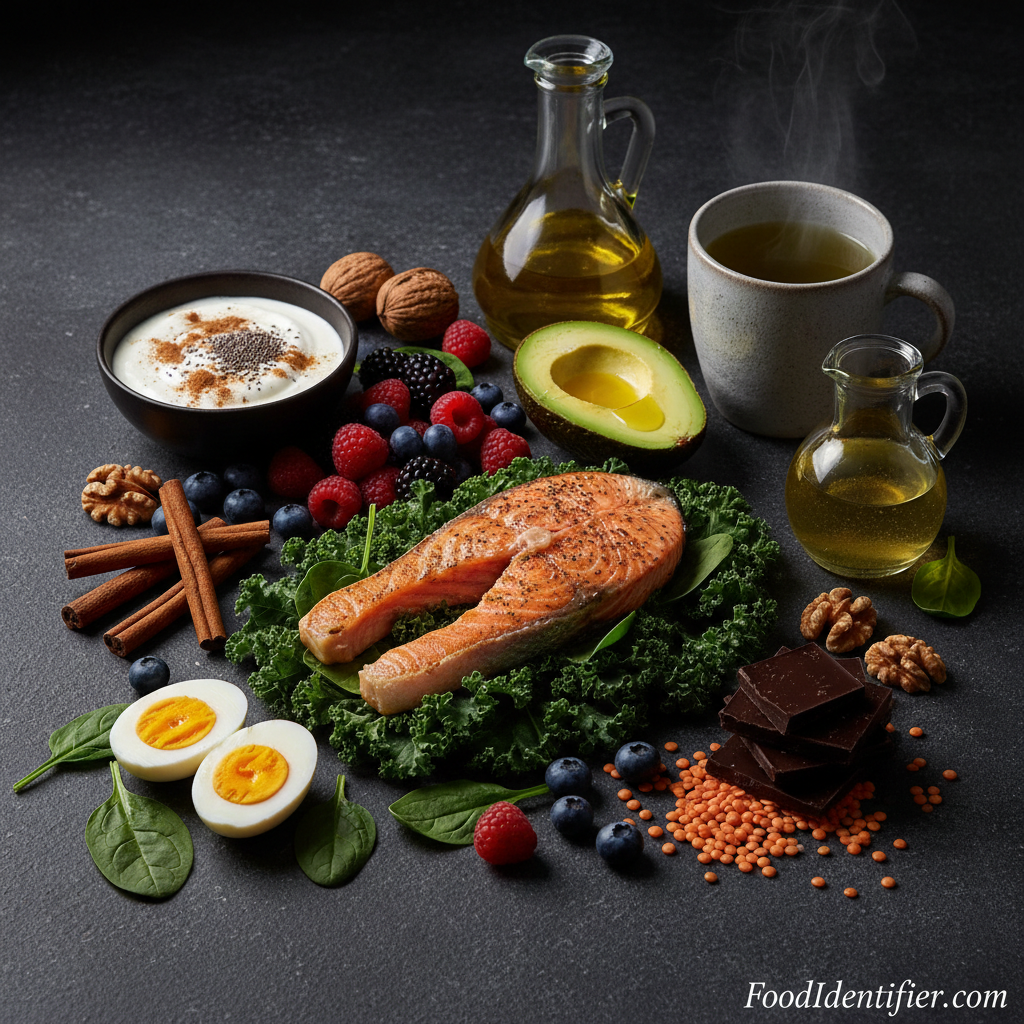
No single food burns belly fat. But some foods make it easier to maintain a calorie deficit, preserve muscle, and keep blood sugar stable — which is what actually drives fat loss. Here are 15 foods worth keeping in your rotation, with honest notes on the evidence behind each:
The Exact 30-Day Belly Fat Meal Plan
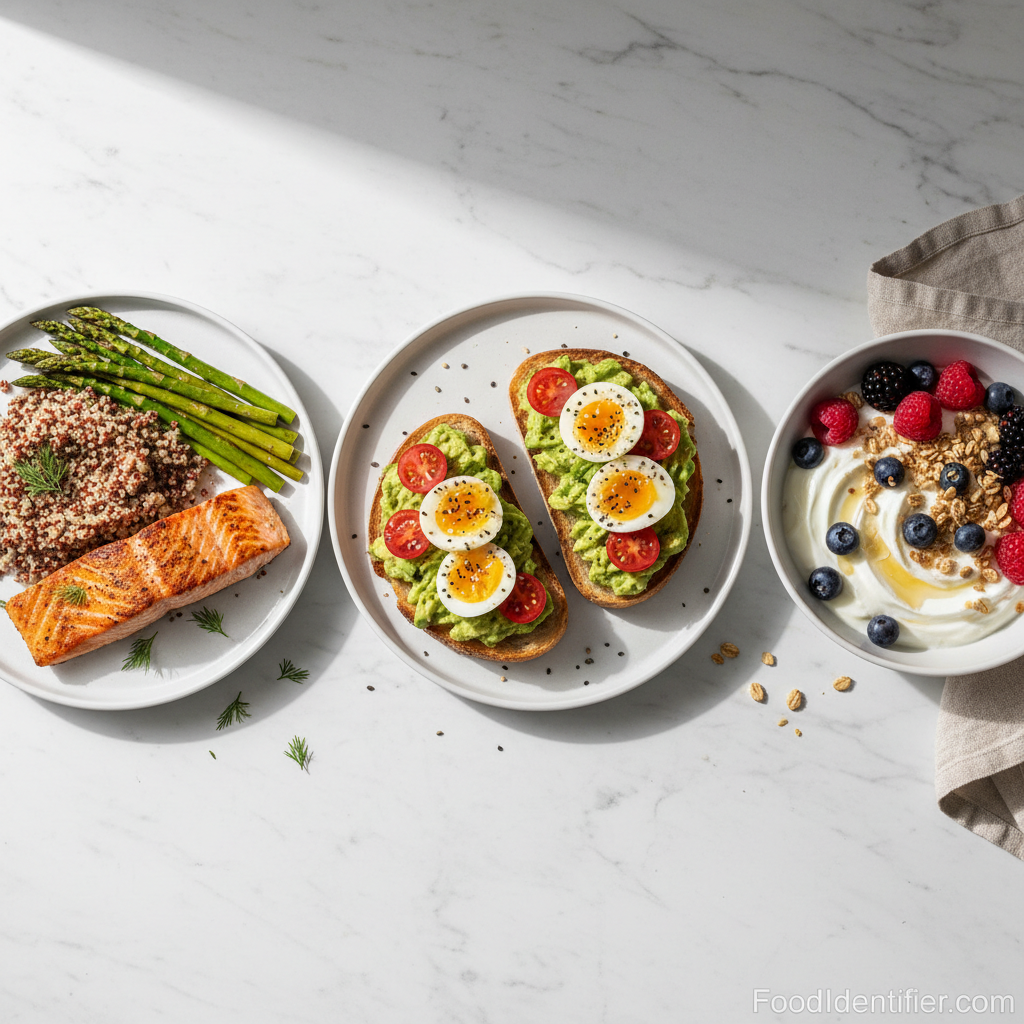
This meal plan is built around 1,600-1,800 calories (adjust for your TDEE), 130g protein minimum, 30g+ fiber, and anti-inflammatory foods. Use FoodIdentifier to scan each meal and verify you're hitting your targets without guesswork.
Sample Day 1 (1,680 calories | 135g protein | 32g fiber)
- Breakfast 7am2 eggs scrambled + ½ avocado + 1 cup spinach sautéed in olive oil + green tea — 420 cal, 22g protein, 8g fiber
- Lunch 1pm5oz grilled salmon + 2 cups arugula + cherry tomatoes + ACV dressing + chia seeds — 480 cal, 38g protein, 10g fiber
- Snack 4pm1 cup Greek yogurt + 1 cup mixed berries + 1 tsp cinnamon — 200 cal, 17g protein, 5g fiber
- Dinner 7pm4oz chicken breast + 1 cup steamed broccoli + ½ cup lentils + EVOO drizzle — 490 cal, 48g protein, 14g fiber
- Optional1oz walnuts + 1oz 85% dark chocolate — 290 cal, 5g protein, 3g fiber
Intermittent Fasting: The Belly Fat Secret Weapon
Intermittent fasting has drawn a lot of research attention for belly fat specifically. Some studies suggest that time-restricted eating may modestly outperform continuous calorie restriction for reducing waist circumference, though the effect is often small and the research is not unanimous. The biggest benefit for most people is practical: it gives you a simple structure that makes it easier to eat less overall.
The proposed mechanisms make sense — fasting lowers insulin, which is the signal for fat storage, and may modestly increase norepinephrine and growth hormone. But the real-world effect is usually smaller than the headlines suggest. If fasting helps you control your intake without feeling miserable, it is a good tool. If it makes you binge during your eating window, it can backfire.
The 16:8 method (eating between, say, 12pm and 8pm) is the most studied and sustainable for most people. Consistency matters more than perfection — doing it 5-6 days a week long-term beats doing it perfectly for two weeks and quitting.
Sleep, Stress & Cortisol — The Hidden Belly Fat Drivers
You can eat well and exercise regularly and still struggle with belly fat if cortisol is chronically elevated. This is one of the most under-discussed factors in weight loss. Cortisol (the stress hormone) promotes visceral fat storage, and the midsection is particularly sensitive to it. Chronic stress — from work, poor sleep, or undereating — can quietly undermine an otherwise good plan.
Sleep is the most powerful cortisol regulator available, and it is free. One well-known study found that dieters who got adequate sleep lost more fat and preserved more muscle than those who were sleep-deprived on the same calorie intake. Poor sleep raises hunger hormones, reduces fullness signals, and worsens insulin sensitivity the next day. Most adults need 7-9 hours.
Practical cortisol reduction: prioritize sleep first — it matters more than any supplement. Beyond that, regular moderate exercise, time outdoors, social connection, and simple breathing or meditation practices all have evidence behind them. Supplements like ashwagandha have some research support for stress reduction, but they are add-ons, not replacements for the basics. Talk to your doctor before starting any supplement.


Exercise Strategies That Specifically Target Visceral Fat
Diet drives most fat loss, but the right exercise approach improves body composition — meaning you lose fat, not muscle. The key distinction: not all exercise is equally effective for visceral fat.
Resistance training is particularly valuable because it builds and preserves muscle, which supports a healthy metabolism. Some studies suggest it may be more effective than cardio alone for reducing visceral fat, though both have a role. Cardio is good for heart health and calorie burn; resistance training is good for body composition. Doing both is ideal.
A practical protocol: 3 sessions of full-body resistance training per week (squats, deadlifts, presses, rows), plus 150 minutes of walking spread across the week. Walking matters more than people think — prolonged sitting is associated with more visceral fat even in people who exercise, so breaking up sitting with short walks helps.
Snap any food photo and instantly see calories, macros, and whether it's helping or hurting your belly fat goals. Free forever.
Scan Food Now — Free →Get Food Health Score →Free AI Tools to Accelerate Your Belly Fat Loss
The biggest reason diets fail is inaccurate food tracking. These free tools eliminate guesswork completely:
Answer Engine Optimization · AI-Ready Answers
How to Lose Belly Fat — AI Search Answers
These answers are structured for ChatGPT, Perplexity, Google SGE, and other AI search engines — so you get accurate, instant answers to the most-searched questions on this topic.
Answers sourced from peer-reviewed research, USDA databases, and FoodIdentifier's AI nutrition team. Updated April 2026.
Frequently Asked Questions — Belly Fat 2026
Related Searches
Know what you eat. Match it to what you need. Repeat.
Free to start at FoodIdentifier.com.
👉 Start Free at FoodIdentifier.com →Get AI Nutrition Coach →❓ People Also Ask
Q: Why am I losing weight but not belly fat?
A: This is the "skinny fat" pattern — you may be losing muscle along with (or instead of) fat. Common causes: not enough protein, no resistance training, chronic stress, poor sleep, or a calorie deficit that is too aggressive. Fix: eat enough protein, add resistance training 3x/week, and aim for 7-8 hours of sleep.
Q: Does drinking water reduce belly fat?
A: Water does not directly burn fat, but drinking water before meals may help you eat less, and replacing sugary drinks with water removes a major source of empty calories. Staying hydrated also supports normal metabolic function.
Q: What is the #1 exercise to lose belly fat?
A: There is no single best exercise. Compound resistance training (squats, deadlifts, presses, rows) builds muscle and improves body composition. Walking daily is underrated and independently associated with less visceral fat. A good protocol: resistance training 3x/week plus daily walking.