This article is general information only — not medical advice. Talk to your doctor about your own situation.
⚡ Keto Rules in 60 Seconds
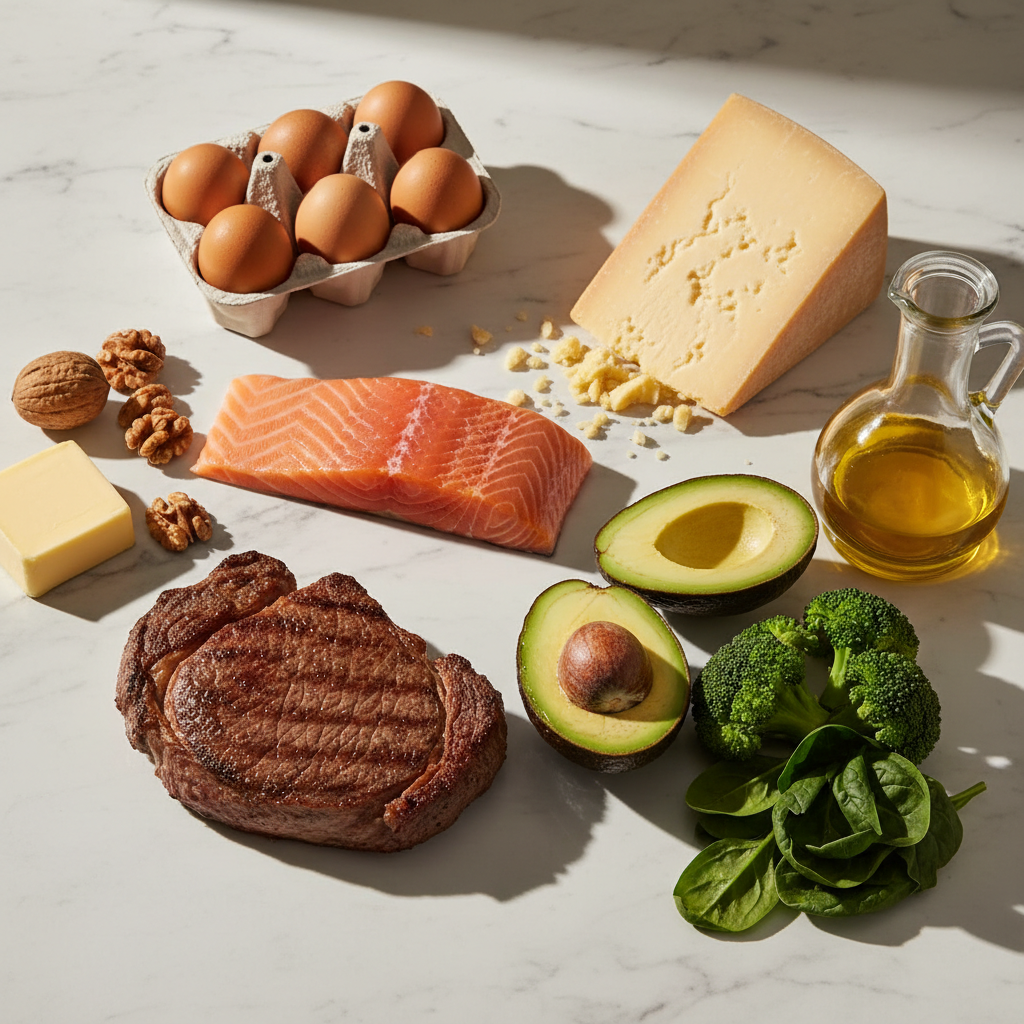
NET CARBS = Total Carbs − Fiber. Keep under 20–25g net carbs/day. Freely eat: all meats, all fish, eggs, full-fat dairy, avocado, leafy greens, above-ground vegetables, nuts, olive oil. Avoid: all bread, pasta, rice, sugar, most fruit, legumes, starchy vegetables. Check any food instantly: free keto food scanner → or net carb calculator →
The ketogenic diet is one of the most studied weight loss and metabolic health interventions in modern nutrition science. It works by reducing carbohydrate intake low enough (20–25g net carbs/day) that the body exhausts its glycogen reserves and shifts to producing ketone bodies from fat — entering nutritional ketosis. In this state, fat becomes the primary fuel for the brain, muscles, and organs, leading to enhanced fat oxidation and the metabolic benefits that have made keto one of the most popular diets of the 2020s.
The challenge for most people starting keto: knowing exactly what to eat. This guide is the most comprehensive keto food list available in 2026 — with net carbs listed for every food, keto ratings, the 100+ best keto foods organized by category, the 8 most important foods to avoid, how to calculate net carbs, the 7-day keto meal plan with daily carb totals, and 10 detailed FAQ answers.
1. How Ketosis Works — The Science
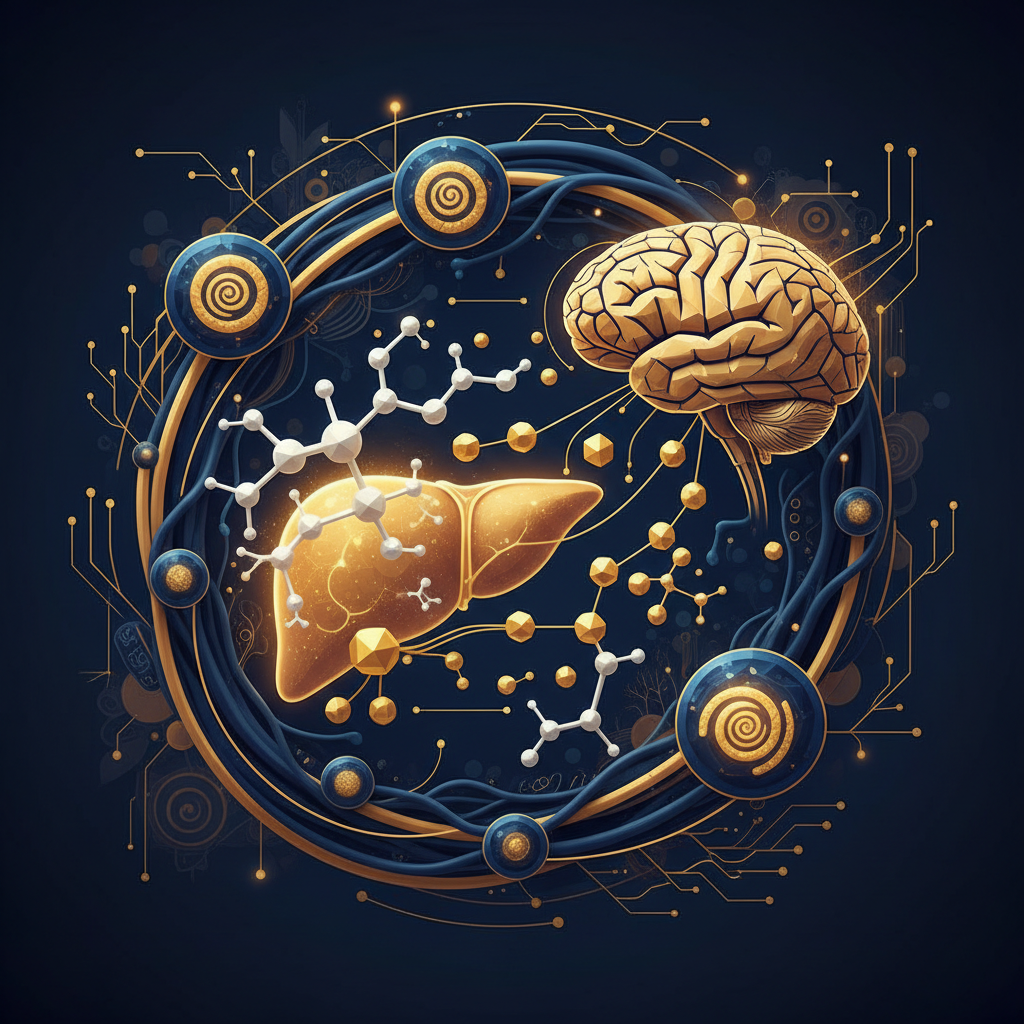
Your body's default fuel source is glucose, primarily from dietary carbohydrates. When carbohydrate intake is reduced below ~50g/day and glycogen stores are depleted (typically 2–4 days of low-carb eating), the liver begins converting fatty acids into three ketone bodies: beta-hydroxybutyrate (BHB), acetoacetate, and acetone. These ketones circulate in the blood and are taken up by the brain, heart, and muscles as fuel — replacing glucose.
- Fat loss: Keto produces comparable or superior fat loss vs. low-fat diets at 6 months in most meta-analyses
- Blood sugar control: Most effective dietary intervention for type 2 diabetes — reduces HbA1c more than any other diet in short-term RCTs
- Hunger reduction: Ketones suppress ghrelin (the hunger hormone) — many people naturally eat less without counting calories
- Mental clarity: Brain ketone utilization is 70% more efficient than glucose — many people report improved focus and concentration
- Triglyceride reduction: Average 40–50% reduction in triglycerides from baseline
- HDL increase: Average 15–20% increase in HDL ("good") cholesterol
2. How to Calculate Net Carbs (The Essential Keto Skill)
Net carbs = Total carbohydrates − Dietary fiber. This is the number that matters for ketosis. Dietary fiber is not absorbed into the bloodstream and does not raise blood glucose or insulin (the signals that block ketosis). For all foods, find "Total Carbohydrates" and "Dietary Fiber" on the nutrition label and subtract.
🧮 Net Carb Examples
Use our free Keto Net Carb Calculator or AI Food Scanner to instantly check net carbs in any food by photo.
3. ✅ Complete Keto Food List — What You Can Eat
🥩 Meats & Proteins
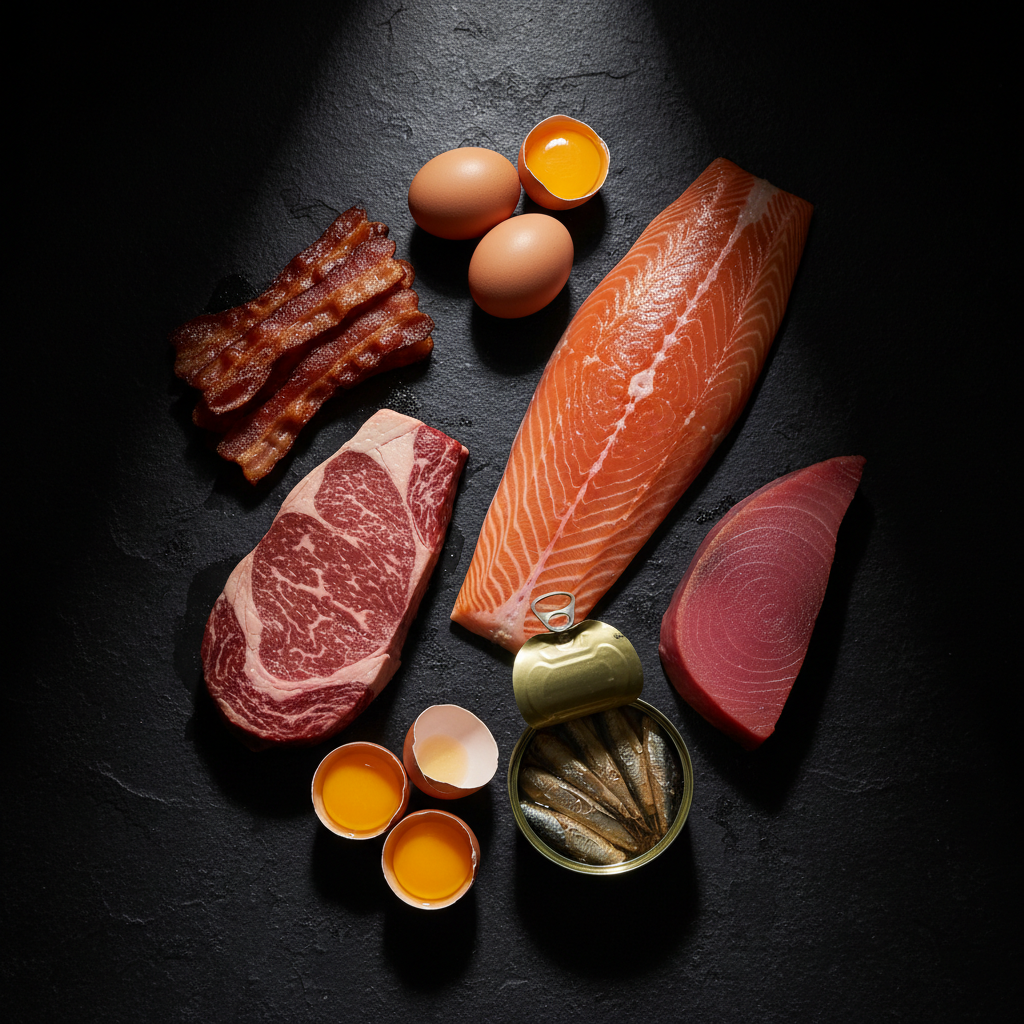
All unprocessed meats have zero net carbs and can be eaten freely. The highest priority: choose grass-fed/pasture-raised when possible for better omega-3 content and micronutrient profile.
🐟 Fish & Seafood
All fish and most seafood are zero-carb and exceptionally nutrient-dense. Fatty fish (salmon, mackerel, sardines) provide omega-3s critical for combating the inflammatory effects sometimes associated with high saturated fat intake.
🧀 Dairy & Fats
Full-fat dairy is a keto staple. Critically: choose full-fat versions always — low-fat dairy compensates for fat removal with added sugar, increasing carbs. Hard cheeses are the most keto-compatible (least carbs, most fat).
🥑 Fats, Oils & Nuts
Healthy fats are the primary calorie source on keto. Prioritize monounsaturated fats (olive oil, avocado) and omega-3-rich options. Limit omega-6-heavy seed oils (soybean, corn, canola) that promote inflammation.
🥦 Keto Vegetables
All above-ground, non-starchy vegetables are keto-compatible. The rule of thumb: vegetables that grow above ground = low carb; vegetables that grow below ground (root vegetables) = high carb. Fill half your plate with above-ground vegetables at every meal.
4. ❌ Foods to Avoid on Keto (8 Highest Priority Eliminations)
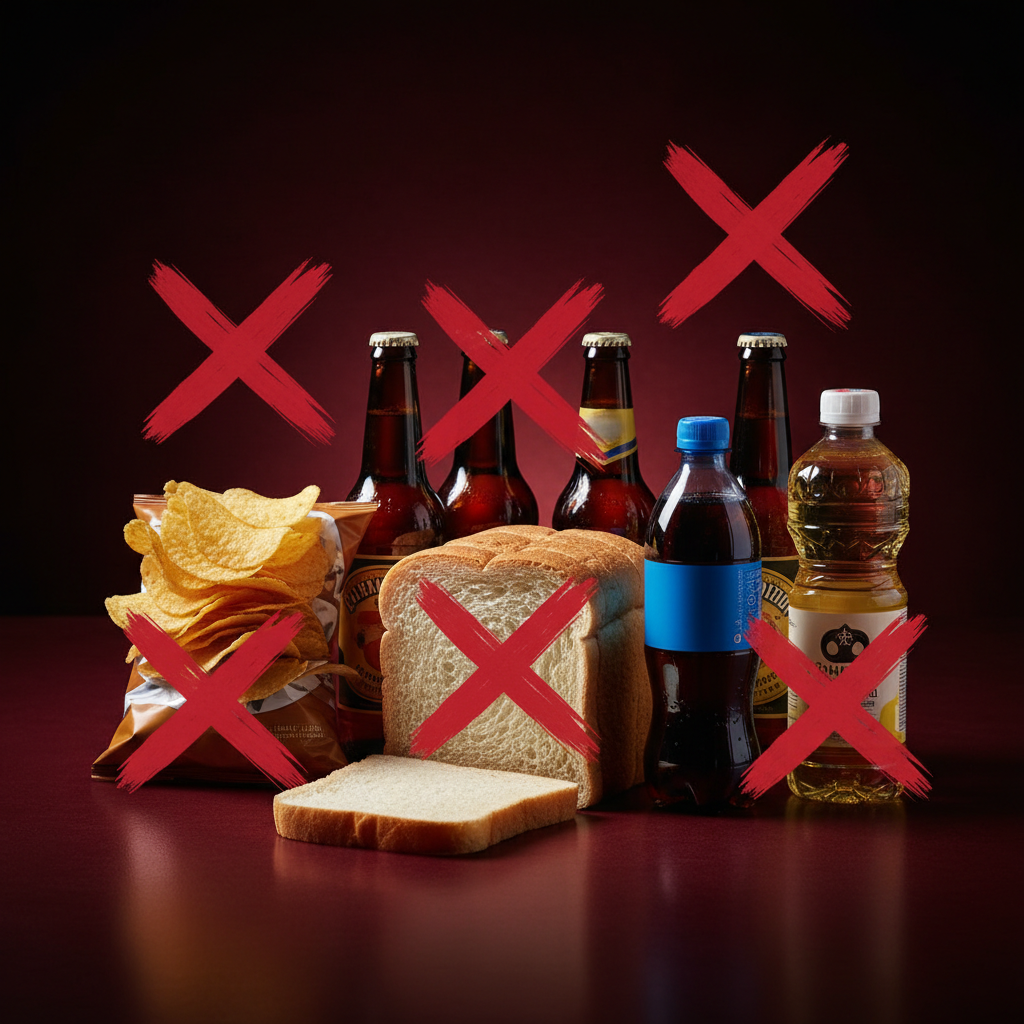
Even "whole grain" versions — all rapidly spike blood sugar and insulin, immediately halting ketosis. Use cauliflower, almond flour, or coconut flour keto alternatives.
Oats (27g/cup), quinoa (34g/cup), rice (44g/cup), barley (44g/cup) — all incompatible with standard keto. Even "healthy" grains contain too many carbs.
Bananas (20g each), grapes (17g/100g), mangoes (13g/100g), pineapple (13g/100g), apples (12g/100g). One banana = your entire daily carb allowance on standard keto.
Even 100% fruit juice contains concentrated fruit sugar with no fiber to slow absorption. A single glass of OJ contains 26g carbs — exceeding daily keto limits.
Lentils (20g net), chickpeas (22g net), black beans (24g net) per ½ cup — incompatible with strict keto. Can be included in modified/cyclical keto in small portions.
Sweet potato (20g net), regular potato (29g net), parsnip (19g net), beets (13g net). These grow underground and concentrate starches and sugars.
Use 85%+ dark chocolate instead (3–5g net carbs per 20g serving) — the cacao polyphenols actively lower cortisol and support gut health on keto.
Regular beer has 13g carbs per can; sweet wines 5–20g; cocktails with juice 20–40g. Dry wine (2–4g) and spirits (0g) are the only keto-compatible alcohol options.
🥑 Instantly Check if ANY Food is Keto
Use FoodIdentifier's free AI scanner — take a photo or scan a barcode to instantly see net carbs and keto compatibility for any food anywhere.
5. 7-Day Keto Meal Plan (With Net Carb Totals)
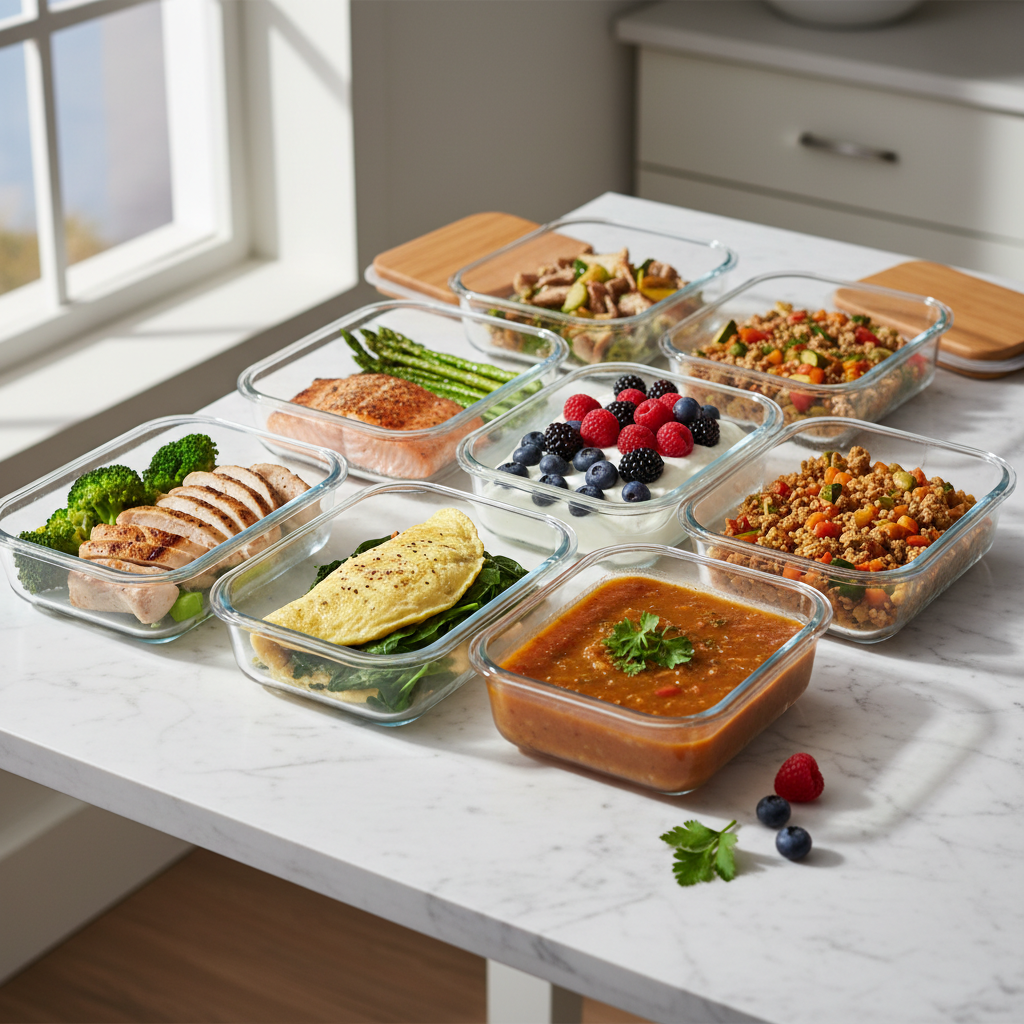
B: 3 eggs scrambled in butter + avocado + spinach | L: Tuna (1 can) salad with mayo + celery sticks + 1oz walnuts | D: Ribeye steak + garlic butter broccoli + side salad | S: 1oz macadamia nuts + 2 squares 85% dark chocolate
B: Bacon (3 strips) + 3 eggs + sautéed spinach + coffee with heavy cream | L: Salmon fillet + avocado + cucumber salad + olive oil | D: Ground beef taco bowl (no tortilla) + cheddar + sour cream + jalapeño | S: Cheese cubes + olives
B: Keto smoothie: heavy cream + spinach + almond butter + 2 scoops keto protein powder | L: Chicken thighs (2) + roasted cauliflower + butter | D: Baked salmon + roasted asparagus + lemon butter | S: Macadamia nuts + sparkling water
B: 4 eggs any style + avocado + coffee with heavy cream + pumpkin seeds | L: BLT salad (bacon + lettuce + tomato, no bread) + olive oil dressing | D: Pork belly/shoulder + garlic green beans + butter | S: 1oz almonds + mozzarella balls
B: Smoked salmon (3oz) + cream cheese + cucumber slices | L: Chicken Caesar salad (no croutons) + parmesan + olive oil + anchovies | D: Lamb chops + roasted broccoli + olive oil | S: Walnuts + 2 squares dark chocolate
B: Keto pancakes (almond flour + egg + cream cheese) + bacon + berries (¼ cup) | L: Burger patty + cheddar + lettuce + avocado wrap | D: Surf & turf: small steak + shrimp + asparagus | S: Cheese + olives + prosciutto
B: Full English: 3 eggs + bacon + sausage (check carbs) + avocado | L: Chicken salad with mayo + walnuts + celery + tarragon | D: Baked salmon + garlic butter + cauliflower mash + green salad | S: Macadamia nuts + 85% dark chocolate
6. Keto Snacks — The Best Options
🧀 Cheese (any hard cheese)
🥚 Hard-boiled eggs (2)
🌰 Macadamia nuts (1oz)
🥑 Avocado + salt
🐟 Sardines (1 can)
🫒 Olives (20)
🍫 Dark chocolate 85% (20g)
🥩 Pepperoni slices (1oz)
🥛 Cream cheese + celery
🥜 Almond butter (1 tbsp)
7. Free Keto Tools
📸 AI Keto Food Scanner
Photo scan any food for instant net carbs and keto rating
🥑 Keto Food Scanner
Dedicated keto scanner with instant ketosis compatibility
🧮 Net Carb Calculator
Calculate net carbs for any food instantly
📊 Keto Macro Calculator
Personalized fat/protein/carb targets for your body
⚖️ Keto Macro Planner
Full keto macro optimization with meal planning
🔥 Calorie Deficit Calculator
Optimize calories alongside your carb restriction
🤖 AI Keto Coach
Get personalized keto advice 24/7
🍽️ Keto Meal Generator
Generate a full 7-day keto meal plan for your preferences
8. People Also Ask — 10 Expert Answers on Keto
❓ What can you eat on a keto diet?
On a standard ketogenic diet (20–25g net carbs/day), you can freely eat: all meats (beef, chicken, pork, lamb, turkey), all fish and seafood (salmon, tuna, sardines, mackerel, shrimp), whole eggs, full-fat dairy (butter, ghee, cream, hard cheeses, sour cream), avocados, most nuts (walnuts, almonds, macadamia, pecans), all leafy green vegetables and above-ground vegetables (broccoli, cauliflower, spinach, asparagus, zucchini), olive oil, coconut oil, avocado oil, and small portions of berries. The single rule: keep net carbs under 20–25g per day. Net carbs = total carbs minus dietary fiber.
❓ How do you calculate net carbs for keto?
Net carbs = Total carbohydrates − Dietary fiber (and certain sugar alcohols like erythritol). Example: Broccoli has 7g total carbs and 2.4g fiber per 100g = 4.6g net carbs. Avocado: 9g total carbs − 7g fiber = 2g net carbs. The fiber subtraction is valid because dietary fiber is not absorbed into the bloodstream and does not raise blood glucose or insulin (soluble fiber partially ferments in the colon, but this has minimal impact on ketosis). Important: do NOT subtract all sugar alcohols — maltitol and sorbitol DO raise blood sugar significantly and should not be subtracted. Only subtract erythritol fully, and subtract others at 50%.
❓ How long does it take to get into ketosis?
Most people enter a mild state of nutritional ketosis (blood BHB >0.5 mmol/L) within 2–4 days of eating under 20g net carbs/day and depleting liver glycogen. Full ketoadaptation — where the body efficiently uses ketones as its primary fuel for the brain and muscles — takes 2–6 weeks. Symptoms of the transition ("keto flu": headache, fatigue, brain fog, irritability) typically occur in days 2–5 and resolve by day 7–10. Adequate electrolytes (sodium, potassium, magnesium) significantly reduce keto flu severity.
❓ What fruits can you eat on keto?
Keto-compatible fruits (in small portions): Strawberries (3g net carbs/100g — excellent), Blackberries (5g/100g), Raspberries (6g/100g), Blueberries (12g/100g — limited to ¼ cup), Avocado (2g/100g — a fruit botanically, keto staple), Tomatoes (3g/100g — excellent), Olives (3g/100g — excellent). Fruits to avoid completely on keto: bananas (20g net carbs each), grapes (17g/100g), mangoes (13g/100g), apples (12g/100g), oranges (10g/100g), most tropical fruits. One banana contains your entire day's carb allowance on standard keto.
❓ What are the best keto foods for beginners?
For keto beginners, focus on these simple staple foods to build meals around: Proteins — eggs (any style, 0.6g carbs each), chicken thighs (0g carbs, easier to cook than breast), ground beef (0g carbs). Fats — butter and ghee (0g carbs), avocados (2g net carbs), olive oil. Vegetables — spinach and kale (1–2g net carbs/cup), broccoli (4g/cup), cauliflower (3g/cup). Dairy — cheddar cheese (1g/oz), cream cheese (1g/oz). These 12 foods cover all nutritional bases and are available in any grocery store. Master cooking these before worrying about advanced keto recipes.
❓ Is keto safe long-term?
Short-term keto (3–6 months) is very well-tolerated and safe for most people with strong evidence for weight loss and blood sugar control. Long-term keto (12+ months) requires attention to: (1) fiber intake — keto diets are often very low in fiber, which harms gut microbiome; supplement with psyllium husk and eat keto-compatible fiber sources. (2) Micronutrients — magnesium, potassium, and some B vitamins may be low; supplement or choose nutrient-dense keto foods. (3) Gut health — the diversity restriction of keto can reduce gut microbiome diversity; eat 30+ different keto plant foods. Most experts recommend cyclical keto (5 keto days + 2 moderate carb days) or targeted keto for long-term sustainability. Never start keto with diabetes or kidney disease without medical supervision.
❓ What is the keto flu and how do you prevent it?
The "keto flu" is a cluster of symptoms that occur in days 2–7 of starting keto: headache, brain fog, fatigue, irritability, muscle cramps, and dizziness. It is caused primarily by electrolyte loss — when you reduce carbohydrates, insulin drops, kidneys excrete more sodium, and potassium and magnesium follow. The cure and prevention: (1) Sodium — add 2–3g extra salt to food daily, drink bone broth, use electrolyte supplements. (2) Potassium — eat keto-compatible high-potassium foods (avocado, salmon, spinach). (3) Magnesium — 300–400mg magnesium glycinate daily. (4) Hydration — drink 2–3L water daily as kidney filtration increases. With proper electrolytes, keto flu is largely preventable.
❓ How many calories should I eat on keto?
Keto does not inherently restrict calories — it restricts carbohydrates. Your calorie target on keto depends on your goal: for weight loss, calculate your TDEE and subtract 500–750 calories (same as any fat loss diet). For maintenance, eat at TDEE. The standard keto macro distribution is: 70–75% fat, 20–25% protein, 5% carbohydrates. However, most experts recommend prioritizing protein first (0.8–1g per pound of body weight) and then filling the remaining calories with fat. The ketogenic state is maintained by carbohydrate restriction, not fat intake — you don't need to eat excessive fat. Use our free Macro Calculator for personalized keto targets.
❓ Can you drink alcohol on keto?
Some alcoholic beverages can be consumed on keto with care: Zero-carb options — pure spirits (vodka, gin, rum, tequila, whiskey) have zero carbs in a standard 1.5oz serving. Low-carb wine — dry red and white wines have 2–4g carbs per 5oz glass. Avoid completely on keto: beer (10–15g carbs per can), sweet wines (5–20g), cocktails with juice or mixers, sweet liqueurs. Alcohol on keto has important caveats: (1) Your body metabolizes ethanol before fat, temporarily pausing ketone production. (2) Alcohol tolerance drops significantly on keto — you get drunk faster and more intensely. (3) Alcohol impairs sleep quality, raises cortisol, and reduces fat burning the next day. Best approach: occasional consumption of spirits or dry wine, not daily drinking.
❓ What supplements should I take on keto?
Essential keto supplements: (1) Electrolytes — sodium (salt, bone broth), potassium (200–400mg from supplement or high-K foods), magnesium glycinate 300–400mg — these prevent keto flu and are required ongoing due to reduced renal retention. (2) Vitamin D3 + K2 — important on keto as dairy and fat intake changes affect vitamin K2 balance. (3) MCT Oil — medium-chain triglycerides that convert directly to ketones; help maintain ketosis during transitions and provide quick brain energy. (4) Exogenous ketones (beta-hydroxybutyrate salts) — optional but help accelerate ketosis entry and provide energy during the adaptation phase. (5) Fiber supplement (psyllium husk) — important for gut health as keto diets are naturally low in fiber. (6) Omega-3 fish oil — if not eating fatty fish 3+ times/week.
🚀 Start Your Keto Diet with AI Support
Use our free keto tools — AI food scanner to check any food, net carb calculator, and personalized keto meal plan generator.
📚 Related Keto & Nutrition Articles
keto diet food list 2026, complete keto food list, what can you eat keto, keto friendly foods, foods allowed keto, keto foods chart, net carbs keto, keto foods ranked, what to eat keto, keto beginners food list, keto food list printable, keto approved foods, zero carb foods keto, keto grocery list, ketogenic food list, keto fruits, keto vegetables, keto dairy, keto nuts, keto macros, entering ketosis, keto flu, keto supplements, cyclical keto