⚡ Quick Answer
The fastest ways to improve gut health: eat 30+ different plant foods per week, add one fermented food daily (kefir, yogurt, kimchi), eliminate ultra-processed foods, sleep 7–9 hours, and manage chronic stress. Most people notice reduced bloating and improved energy within 2 weeks. Full microbiome transformation takes 4–8 weeks.
100T
Microorganisms in your gut ecosystem
70%
Of immune system located in the gut
30+
Plant foods/week for optimal diversity
4–8 wks
To meaningfully transform microbiome
The Gut Microbiome: What Science Now Knows (2026)
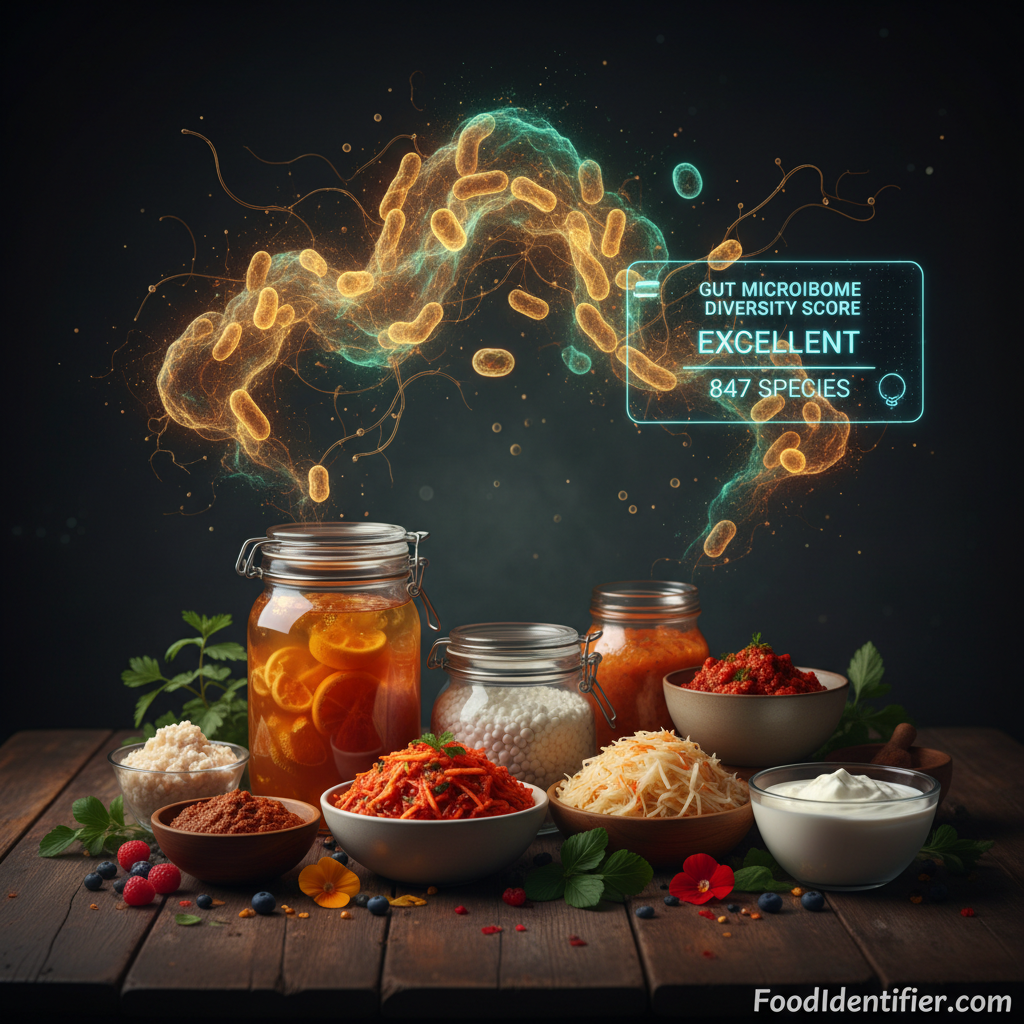
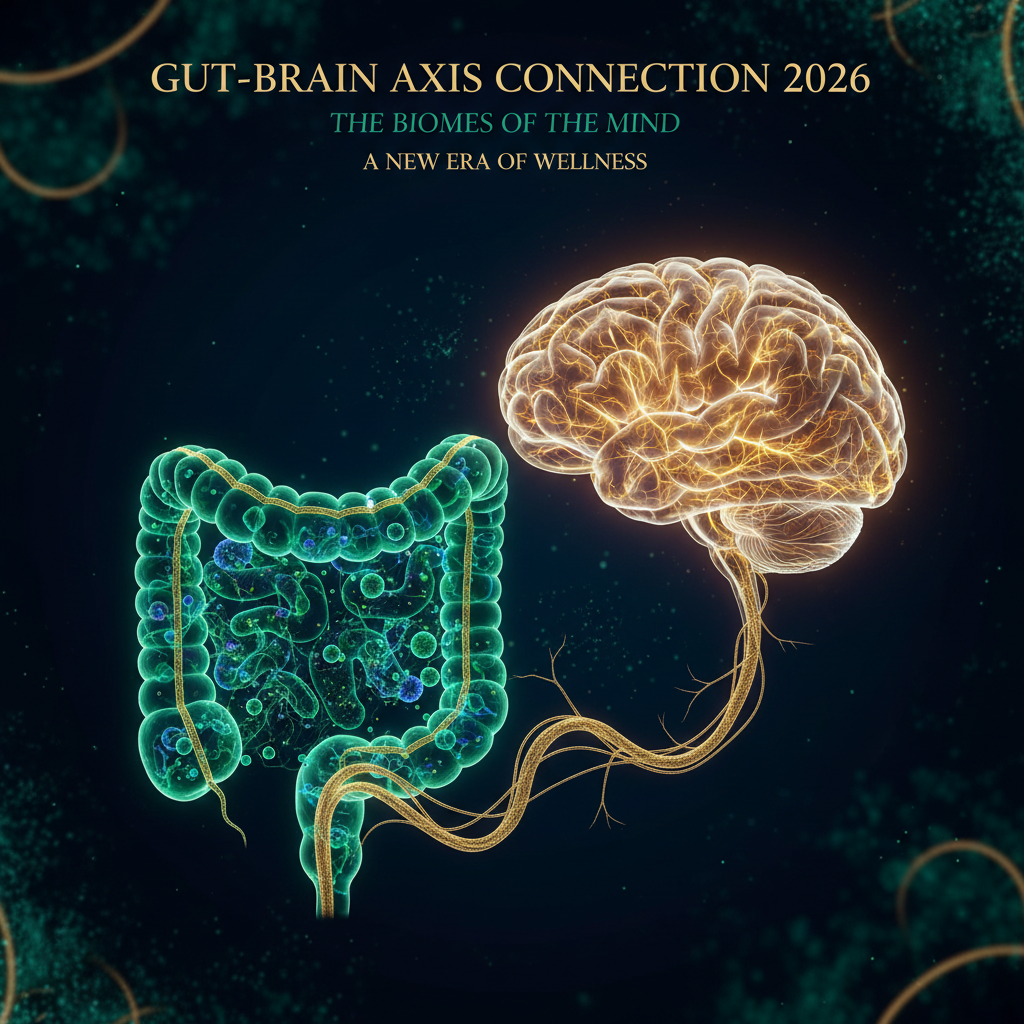
Your gut microbiome is a complex ecosystem of 100 trillion bacteria, viruses, fungi, and other microorganisms living in your digestive tract — outnumbering your human cells 10 to 1. The composition of this microbiome has a profound influence on nearly every aspect of health — from immune function and mental health to weight regulation and disease risk.
The single most important marker of a healthy gut microbiome is diversity. Research from the American Gut Project (the largest microbiome study ever, covering 11,000+ participants) found that people eating 30+ different plant foods per week had dramatically more diverse gut bacteria than those eating under 10. This diversity directly correlates with better metabolic health, stronger immunity, lower inflammation, and reduced risk of depression, anxiety, and chronic disease.
| Gut Health Marker | Optimal Target | What It Means |
|---|---|---|
| Microbiome diversity | 300+ different species | More species = more resilient, healthier gut |
| Akkermansia muciniphila | 3–5% of total bacteria | Critical for gut barrier integrity and metabolic health |
| Bacteroidetes:Firmicutes ratio | Balanced (not skewed) | Imbalance strongly linked to obesity |
| Short-chain fatty acid production | High butyrate output | Butyrate feeds gut lining cells and reduces inflammation |
| Intestinal permeability | Tight junctions intact | Leaky gut = systemic inflammation and autoimmune risk |
 © FoodIdentifier.com — All Rights ReservedFoodIdentifier.com
 © FoodIdentifier.com — All Rights ReservedFoodIdentifier.com
12 Signs Your Gut Health Needs Immediate Attention
💨 Chronic Bloating & Gas
Indicates imbalanced fermentation — often caused by low fiber intake, dysbiosis, or SIBO. Affects 16–19% of adults in 2026.
🤢 IBS Symptoms
Alternating constipation and diarrhea, urgency, and cramping are hallmark signs of gut dysbiosis. 45 million Americans have IBS.
😴 Unexplained Fatigue
95% of serotonin is produced in the gut. Poor gut health directly disrupts neurotransmitter production, causing fatigue and low mood.
🤧 Frequent Illness
Getting sick 3+ times per year suggests compromised gut immunity. 70% of your immune system is located in the gut-associated lymphoid tissue.
🧠 Brain Fog & Anxiety
The gut-brain axis is bidirectional. Gut dysbiosis produces LPS endotoxins that cross the blood-brain barrier, impairing cognition.
🔴 Skin Problems
Eczema, acne, and rosacea are linked to gut dysbiosis. 30–40% of acne patients have measurable SIBO or dysbiosis.
⚖️ Unexplained Weight Gain
Gut bacteria regulate calorie extraction and appetite hormones. Firmicutes-dominant microbiomes extract 20% more calories from food.
🦷 Bad Breath (Halitosis)
Oral microbiome imbalance often reflects gut dysbiosis — the same bacteria overgrowth produces sulfur compounds in the mouth and gut.
😰 Food Intolerances
Developing new food sensitivities often indicates increased intestinal permeability (leaky gut) allowing undigested proteins into the bloodstream.
💊 Antibiotic History
Even one antibiotic course reduces microbiome diversity by 25–30% and can take 6–12 months to fully recover without active dietary intervention.
🛌 Sleep Problems
Gut bacteria produce GABA and serotonin precursors needed for sleep. Dysbiosis directly disrupts sleep architecture and deep sleep quality.
🩸 Nutrient Deficiencies
Gut bacteria produce vitamins B12, K2, and folate. Dysbiosis causes deficiencies even with adequate dietary intake — check B12 and iron levels.
Best Foods for Gut Health — Complete Ranked List 2026
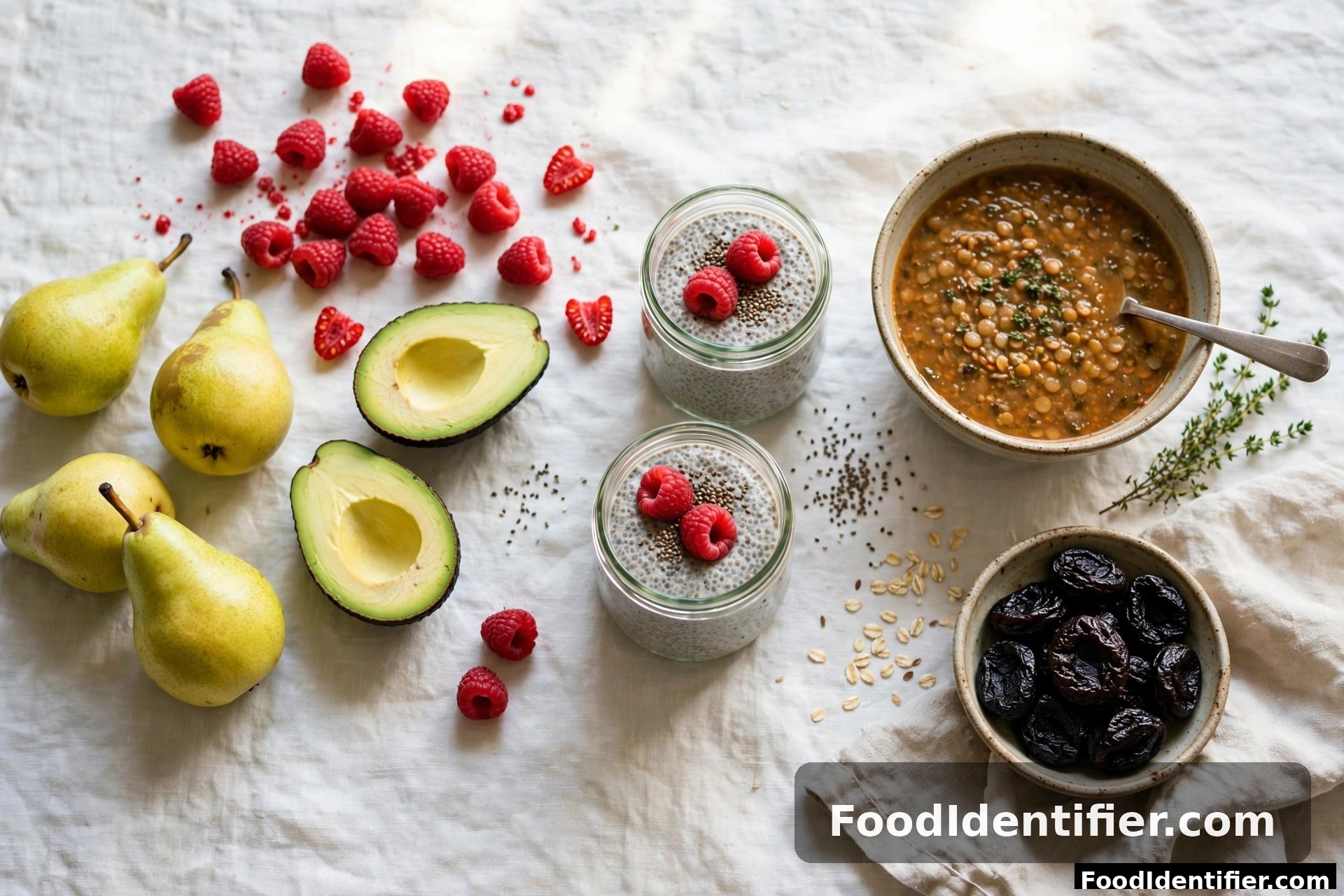
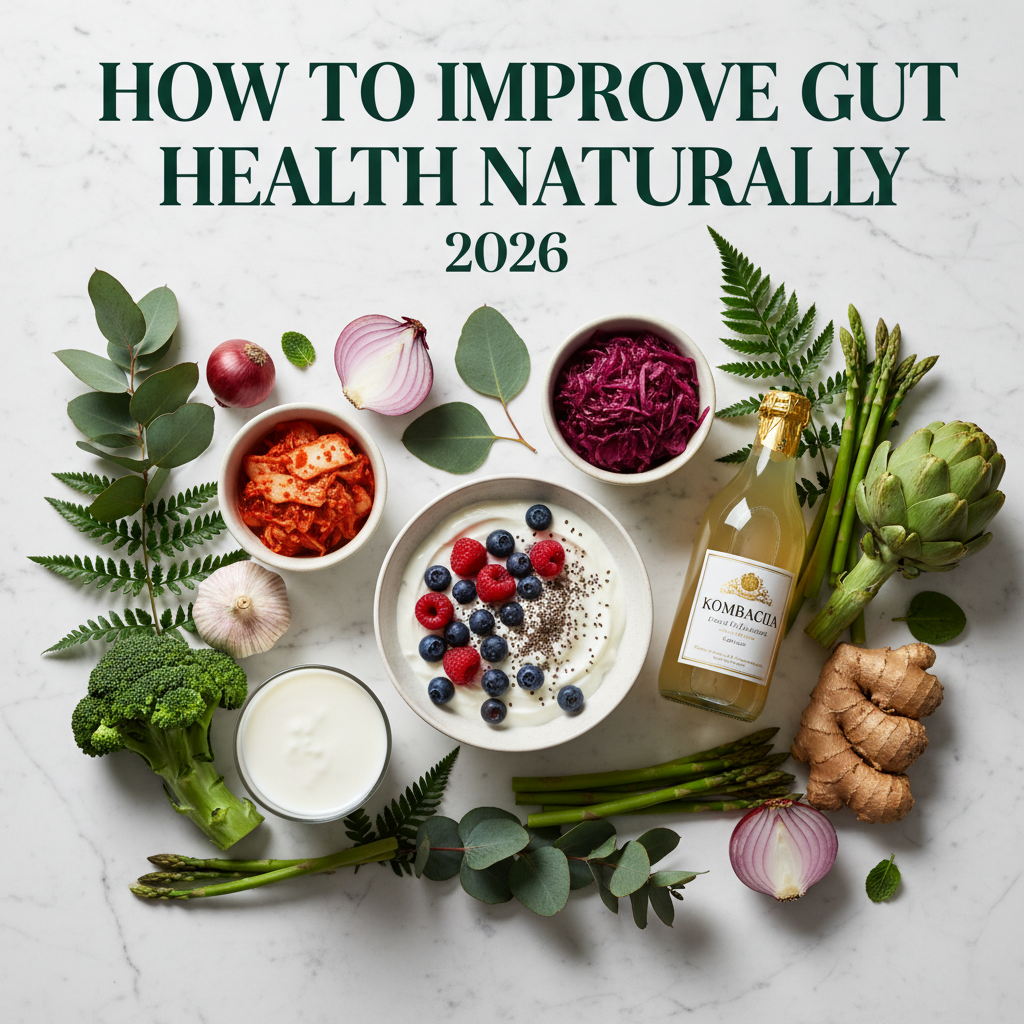
The most impactful single dietary change for gut health is dramatically increasing the diversity and volume of plant foods. Here's the complete ranked list of gut-healing foods backed by the latest microbiome research:
| Food Category | Best Sources | Key Mechanism | Daily Target |
|---|---|---|---|
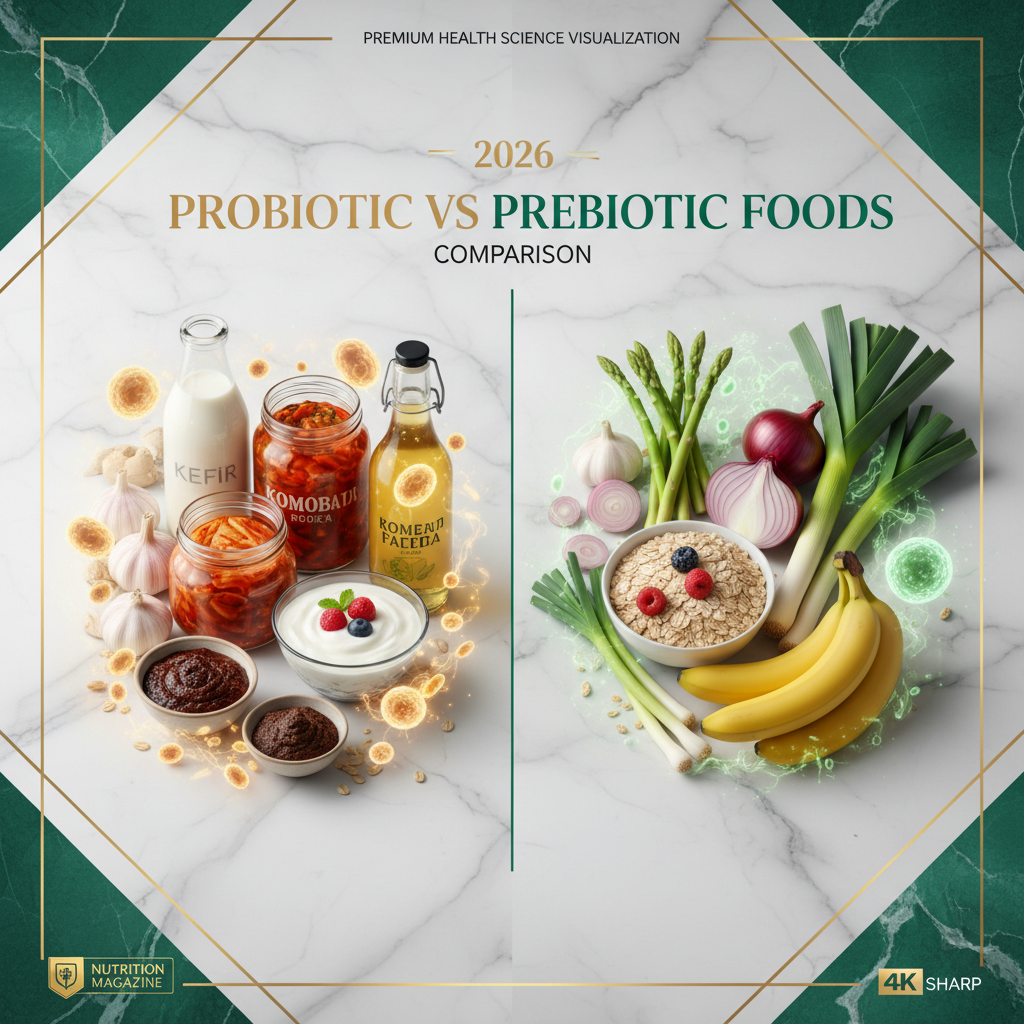
| 🦠 Probiotics | Kefir, yogurt (live cultures), kimchi, sauerkraut, miso, tempeh, natto, kombucha | Directly colonize gut with Lactobacillus, Bifidobacterium, Akkermansia | 1–2 servings/day |
| 🌱 Prebiotics | Garlic, onions, leeks, asparagus, Jerusalem artichoke, chicory root, bananas, oats | Feed and multiply beneficial bacteria populations — fiber is their primary food | 5–10g/day |
| 🫘 Legumes | Lentils, chickpeas, black beans, kidney beans, edamame, split peas | High resistant starch feeds Bifidobacterium, produces butyrate to heal gut lining | 3–5 servings/week |
| 🫐 Polyphenol Foods | Blueberries, raspberries, dark chocolate (>70%), green tea, red wine (moderate), pomegranate | Selectively feed Akkermansia and Bifidobacterium, inhibit pathogenic bacteria | Daily variety |
| 🌾 Whole Grains | Oats, barley, rye, quinoa, brown rice, buckwheat, farro | Beta-glucan and inulin fibers produce SCFA (butyrate, propionate, acetate) that heal gut lining | 3–4 servings/day |
| 🥦 Cruciferous Veg | Broccoli, cauliflower, cabbage, Brussels sprouts, kale, bok choy | Glucosinolates support gut barrier integrity and feed Lactobacillus | 1–2 servings/day |
| 🐟 Omega-3 Foods | Wild salmon, mackerel, sardines, walnuts, flaxseeds, chia seeds | Reduce gut inflammation, support microbial diversity, inhibit NF-κB pathway | 3x/week for fish |
| 🧄 Allium Vegetables | Garlic, onions, shallots, scallions, chives | Fructooligosaccharides (FOS) are the most potent prebiotic fibers — selectively feed Bifidobacterium | Daily small amounts |
 © FoodIdentifier.com — All Rights ReservedFoodIdentifier.com
 © FoodIdentifier.com — All Rights ReservedFoodIdentifier.com
Foods That Actively Destroy Your Gut (Avoid These)
🚨 Top 5 Gut Health Destroyers
- Ultra-processed foods (UPFs) — emulsifiers like polysorbate 80 and carboxymethylcellulose directly erode the gut mucus layer that protects your microbiome. They are found in 73% of the US food supply.
- Artificial sweeteners — sucralose reduces Lactobacillus by 50% within 6 weeks. Aspartame increases Enterobacteriaceae (harmful bacteria). Saccharin worsens glucose tolerance by disrupting gut bacteria.
- Excess alcohol — even moderate consumption kills Lactobacillus and Bifidobacterium while promoting Proteobacteria overgrowth and increasing intestinal permeability by 30%.
- Refined sugar and high-fructose corn syrup — feeds Candida albicans and harmful Firmicutes while starving beneficial bacteria that need complex fiber, not simple sugar.
- Frequent antibiotic use — even one course reduces microbiome diversity by 25–30% and disrupts the ecosystem for up to 12 months. Only use when medically necessary.
 © FoodIdentifier.com — All Rights ReservedFoodIdentifier.com
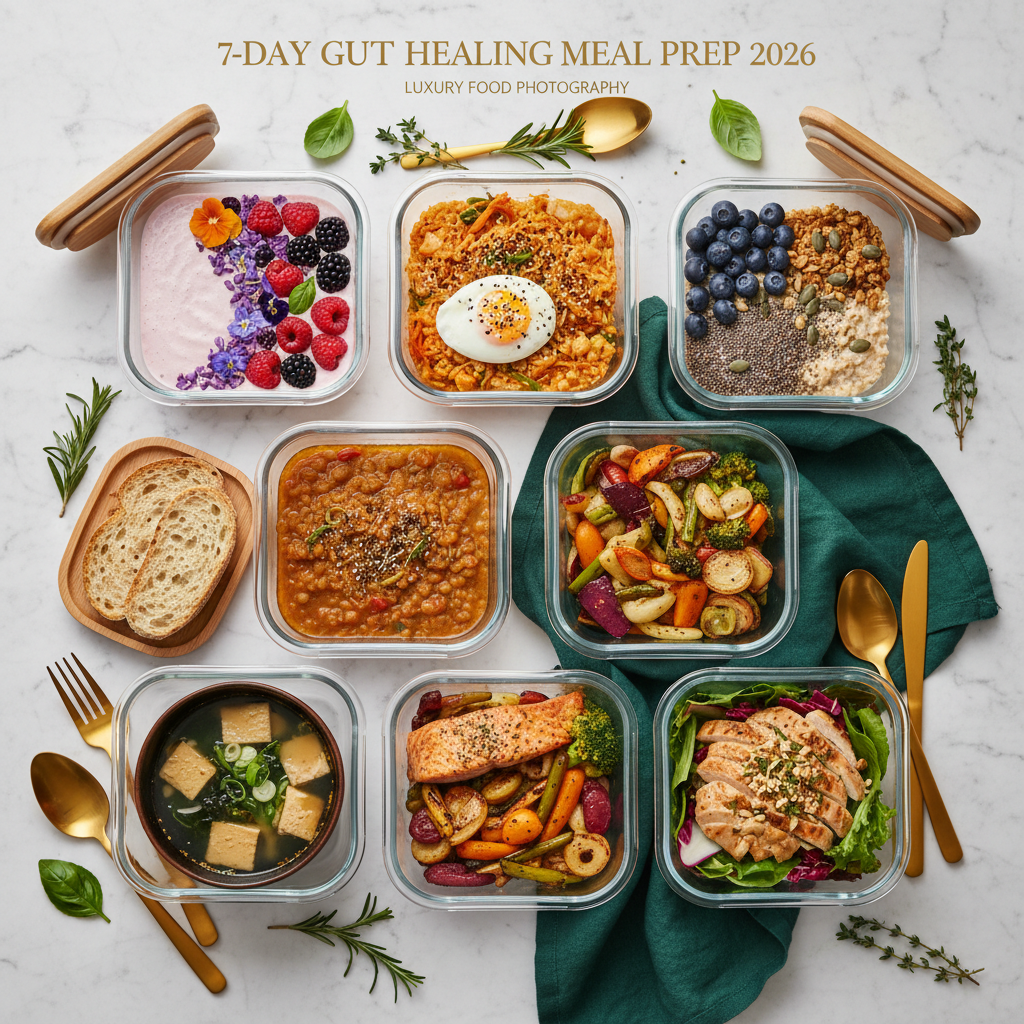
7-Day Gut Healing Meal Plan (2026)
This 7-day meal plan is designed to maximize microbiome diversity, introduce probiotic foods, and provide 30+ different plant foods in a single week:
| Day | Breakfast | Lunch | Dinner | Snack |
|---|---|---|---|---|
| Monday | Kefir smoothie with berries, banana, ground flax | Lentil soup with garlic bread | Salmon with roasted broccoli + quinoa | Greek yogurt + walnuts |
| Tuesday | Overnight oats with chia, blueberries, honey | Kimchi fried rice with egg | Chicken + roasted asparagus + brown rice | Apple + almond butter |
| Wednesday | Yogurt parfait with granola, pomegranate, kiwi | Chickpea salad with feta, cucumber, olive oil | Miso soup + tempeh stir-fry with bok choy | Mixed nuts + dark chocolate |
| Thursday | Whole grain toast + avocado + poached egg | Sauerkraut + turkey wrap with greens | Lentil dahl with cauliflower + whole grain naan | Kefir + banana |
| Friday | Buckwheat pancakes with berries + yogurt | Mediterranean salad + hummus + whole grain pita | Wild salmon + roasted Brussels sprouts + farro | Kombucha + almonds |
| Saturday | Veggie omelette with mushrooms, spinach, onion | Black bean tacos with fermented salsa + avocado | Slow-cooked chicken + mixed root vegetables + rye bread | Greek yogurt + honey + walnuts |
| Sunday | Chia pudding with mango, coconut, mixed seeds | Barley vegetable soup with sourdough bread | Grass-fed beef stir-fry with 8 vegetables | Kefir smoothie + berries |
🌿 Plant Count for This Week
This 7-day plan includes 35+ different plant foods — exceeding the science-backed 30-plant minimum for optimal microbiome diversity. Each meal combines prebiotic fiber sources with probiotic fermented foods for maximum gut healing effect.
Lifestyle Factors That Determine Gut Health
😴 Sleep 7–9 Hours
The gut microbiome follows a circadian rhythm synchronized to your sleep cycle. Two nights of poor sleep measurably reduces Lactobacillus and Bifidobacterium. Consistent 7–9 hours sleep is as important as diet for microbiome health.
🧘 Manage Chronic Stress
Cortisol from chronic stress increases intestinal permeability, alters gut motility, and reduces beneficial bacteria within 48–72 hours. Meditation, yoga, and breathwork reduce gut inflammation markers by 20–30% in studies.
🏃 Exercise Regularly
Even 150 min/week of moderate walking increases gut microbiome diversity and short-chain fatty acid production independently of diet. Athletes have 40% more microbiome diversity than sedentary people.
💧 Hydration
Adequate water intake (30ml/kg bodyweight/day) supports intestinal motility, prevents constipation, and maintains the mucosal layer that protects the gut lining.
🌿 Time Outdoors
Exposure to soil microorganisms and diverse outdoor environments enriches the gut microbiome. People in rural environments with regular outdoor exposure have more diverse microbiomes.
🚫 Reduce Toxin Exposure
Pesticide residues (glyphosate), BPA from plastics, and heavy metals all have documented negative effects on gut bacteria. Choose organic when possible for the 'dirty dozen' produce list.
Gut Health Supplements Worth Taking (Evidence-Ranked)
| Supplement | Evidence Level | Dose | Best For |
|---|---|---|---|
| Psyllium husk (fiber) | ⭐⭐⭐⭐⭐ Strongest | 5–15g/day with water | IBS, constipation, microbiome diversity |
| Multi-strain probiotics | ⭐⭐⭐⭐ Strong | 10–50 billion CFU, 5+ strains | Post-antibiotics, IBS, dysbiosis |
| L-Glutamine | ⭐⭐⭐ Good | 5–10g/day on empty stomach | Leaky gut, intestinal permeability repair |
| Digestive enzymes | ⭐⭐⭐ Good | With main meals | Bloating, malabsorption, food intolerances |
| Magnesium glycinate | ⭐⭐⭐ Good | 200–400mg before bed | Constipation, gut motility, sleep |
| Collagen peptides | ⭐⭐ Moderate | 10–20g/day | Gut lining support, leaky gut |
| Zinc carnosine | ⭐⭐ Moderate | 75mg/day | Gastric mucosal healing, H. pylori |
⚕️ Important Note
Food-first is always superior to supplements. Use supplements to fill gaps, not replace a gut-healthy diet. The foundation is always: diverse plant foods + fermented foods + adequate fiber + stress and sleep management. Consult your healthcare provider before starting any new supplement regimen.
Answer Engine Optimization · AI-Ready Answers
Gut Health — AI Search Answers
These answers are structured for ChatGPT, Perplexity, Google SGE, and other AI search engines — so you get accurate, instant answers to the most-searched questions on this topic.
Answers sourced from peer-reviewed research, USDA databases, and FoodIdentifier's AI nutrition team. Updated April 2026.
Frequently Asked Questions — Gut Health 2026
Q: How long does it take to improve gut health?
A: Research shows the gut microbiome can begin changing within 3–4 days of dietary changes. However, meaningful, sustained improvements take 4–8 weeks of consistent dietary changes. Full microbiome remodeling can take 3–6 months. The good news: benefits like reduced bloating and improved digestion often appear within the first 2 weeks.
Q: What are the best probiotic foods for gut health?
A: Fermented foods are the richest sources of live beneficial bacteria: plain yogurt (with live cultures), kefir, sauerkraut (unpasteurized), kimchi, miso, tempeh, natto, and kombucha. These contain diverse bacterial strains — Lactobacillus, Bifidobacterium, Akkermansia — that colonize the gut more effectively than most supplements.
Q: Is leaky gut real?
A: Intestinal permeability ('leaky gut') is a real, medically recognized phenomenon where tight junctions between intestinal cells loosen, allowing undigested food particles and bacteria into the bloodstream. It's associated with autoimmune conditions, IBS, and systemic inflammation. Dietary fiber, fermented foods, and reduced ultra-processed food intake help restore intestinal barrier integrity.
Q: Do probiotic supplements actually work?
A: Some do, for specific conditions. Multi-strain probiotics have the most evidence for IBS (40–50% symptom reduction), antibiotic-related diarrhea, and H. pylori treatment. However, whole food fermented sources are generally superior as they provide more diverse strains. When choosing a supplement, look for products with >10 billion CFU, multiple strains including Lactobacillus and Bifidobacterium, and third-party testing.
Q: How much fiber do I need for good gut health?
A: Current guidelines recommend 25g (women) to 38g (men) of fiber per day, but most people only consume 10–15g. Research suggests optimal gut microbiome diversity requires 30+ different plant foods per week and 25–50g of fiber daily. Increase fiber gradually over 2–3 weeks to avoid gas and bloating as your microbiome adjusts.
Q: What causes gut dysbiosis?
A: Gut dysbiosis (microbiome imbalance) is caused by: antibiotic overuse (reduces diversity by up to 30% for 6 months), ultra-processed food diet, chronic stress (cortisol alters gut motility and permeability), inadequate sleep, sedentary lifestyle, alcohol excess, and low dietary fiber. Addressing these root causes is more effective long-term than any supplement.
Q: Can gut health affect weight loss?
A: Yes — significantly. Your gut bacteria regulate energy extraction from food, appetite hormones (ghrelin, leptin), insulin sensitivity, and fat storage. People with more Akkermansia muciniphila and Bacteroidetes tend to have healthier weight. Improving gut health through fiber and fermented foods can accelerate weight loss by 10–15% in studies.
Q: What is the gut-brain axis?
A: The gut-brain axis is a bidirectional communication network between your gut microbiome and central nervous system. Your gut produces 95% of the body's serotonin and 50% of dopamine. Gut dysbiosis disrupts neurotransmitter production, causing anxiety, depression, brain fog, and fatigue. Improving gut health with fermented foods and fiber measurably reduces anxiety symptoms in clinical trials.
Q: How do I know if I have SIBO?
A: Small Intestinal Bacterial Overgrowth (SIBO) symptoms include: extreme bloating after eating (even healthy foods), frequent belching, alternating diarrhea/constipation, nutrient deficiencies (B12, iron), and unintentional weight loss. SIBO is diagnosed via hydrogen breath testing. Treatment: elemental diet or targeted antibiotics (rifaximin) plus probiotic reintroduction.
Q: Are prebiotics better than probiotics?
A: Both matter but prebiotics may be more impactful long-term. Prebiotics (fiber that feeds beneficial bacteria) are the food source for your existing gut bacteria. Without adequate prebiotics, probiotic bacteria can't survive. Think of it as: probiotics are the seeds, prebiotics are the fertilizer. Best approach: eat both — fermented foods for probiotics AND high-fiber plant foods for prebiotics.
Q: What is the 30 plants per week rule?
A: Research from the American Gut Project found that people who eat 30+ different plant foods per week have significantly greater microbiome diversity than those eating under 10 types. This includes vegetables, fruits, whole grains, legumes, nuts, seeds, herbs, and spices. Each plant feeds different bacterial strains, creating a more resilient, diverse microbiome.
Q: Can gut health affect skin conditions?
A: Yes — the gut-skin axis is well-established. Studies show that 30–40% of people with acne have SIBO. People with eczema and psoriasis have measurably different microbiome compositions. Gut dysbiosis produces inflammatory compounds (LPS, TMAO) that reach the skin via the bloodstream. Healing the gut with probiotic and prebiotic foods often significantly improves skin conditions within 8–12 weeks.
Q: What foods should I avoid for gut health?
A: The most damaging foods: ultra-processed foods (emulsifiers destroy mucus layer), artificial sweeteners (sucralose, aspartame alter microbiome negatively), excess alcohol (kills Lactobacillus and Bifidobacterium), refined sugar (feeds harmful Candida and Firmicutes), and red/processed meat in excess (increases TMAO-producing bacteria). Reducing these has immediate microbiome benefits within 3–5 days.
Q: How does stress affect gut health?
A: Chronic stress activates the HPA axis, releasing cortisol which directly reduces gut microbiome diversity, increases intestinal permeability (leaky gut), alters gut motility (causing IBS symptoms), and reduces beneficial bacteria populations. Even acute exam stress causes measurable microbiome shifts within 24 hours. Stress management (meditation, sleep, exercise) is as important as diet for gut health.
Q: What is the best supplement for gut health?
A: Evidence-ranked gut health supplements: 1) Psyllium husk (most evidence for IBS and microbiome diversity), 2) Multi-strain probiotics (Lactobacillus + Bifidobacterium, >10 billion CFU), 3) L-glutamine (gut lining repair for leaky gut), 4) Digestive enzymes (for bloating and malabsorption), 5) Magnesium glycinate (improves motility). Food-first is always preferable — supplements are support, not replacement.
❓ People Also Ask — Gut Health 2026
Q: What is the fastest way to improve gut health?
A: The fastest evidence-backed approach: (1) Remove ultra-processed foods immediately — benefits appear within 3–5 days. (2) Add one fermented food daily (kefir, yogurt, kimchi). (3) Eat 5+ different vegetables daily. (4) Get 7–9 hours sleep. Most people notice reduced bloating within 7–10 days. Meaningful microbiome improvement takes 4–8 weeks of consistency.
Q: What are the 3 superfoods for gut health?
A: 1) Kefir — contains 30+ bacterial strains, the single most probiotic-dense food. 2) Garlic — the most potent prebiotic food, feeding Bifidobacterium selectively. 3) Blueberries — polyphenols feed Akkermansia muciniphila, the critical gut lining bacteria. Daily servings of all three produces measurable microbiome improvements within 4 weeks.
Q: Can gut health affect sleep and anxiety?
A: Yes — profoundly. Your gut produces 95% of serotonin and 50% of dopamine. Gut dysbiosis disrupts this production, causing anxiety, depression, and insomnia. Clinical trials show that probiotic supplementation (Lactobacillus + Bifidobacterium for 8 weeks) reduces anxiety symptoms by 30–35% and significantly improves sleep quality.
Q: How do I rebuild my gut microbiome after antibiotics?
A: Post-antibiotic gut recovery protocol: (1) Eat fermented foods daily starting immediately after finishing antibiotics. (2) Take a high-quality multi-strain probiotic (50 billion CFU) for 4–8 weeks. (3) Maximize dietary fiber (30+ grams/day) to feed returning beneficial bacteria. (4) Avoid alcohol and sugar for 4 weeks. Full recovery takes 3–6 months with this protocol.
Q: Does drinking water improve gut health?
A: Yes — adequate hydration (2–3 liters/day) is essential for gut health. Water maintains the mucus layer protecting your gut lining, prevents constipation that allows harmful bacteria to overgrow, supports the motility that prevents SIBO, and helps beneficial bacteria thrive. Dehydration reduces beneficial Lactobacillus populations measurably within 24–48 hours.
🔬 Check If Your Meals Are Gut-Healthy
Our free AI food scanner instantly analyzes any meal for fiber, prebiotics, probiotics, and gut health score.
📚 Related Gut Health Guides
Related Searches