📋 Key Takeaways
- • Folate prevents neural tube defects by 50-70% — critical before and during pregnancy
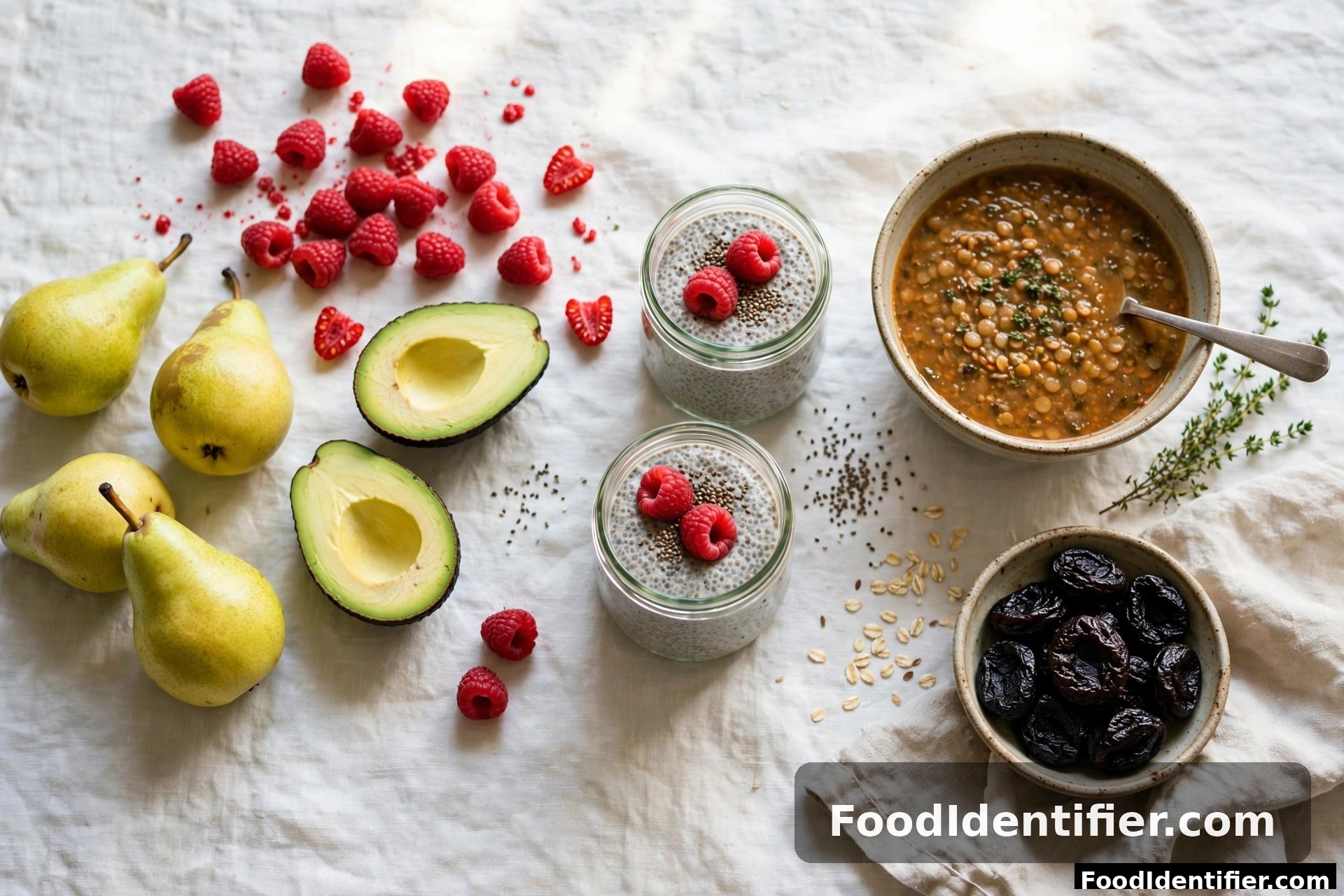
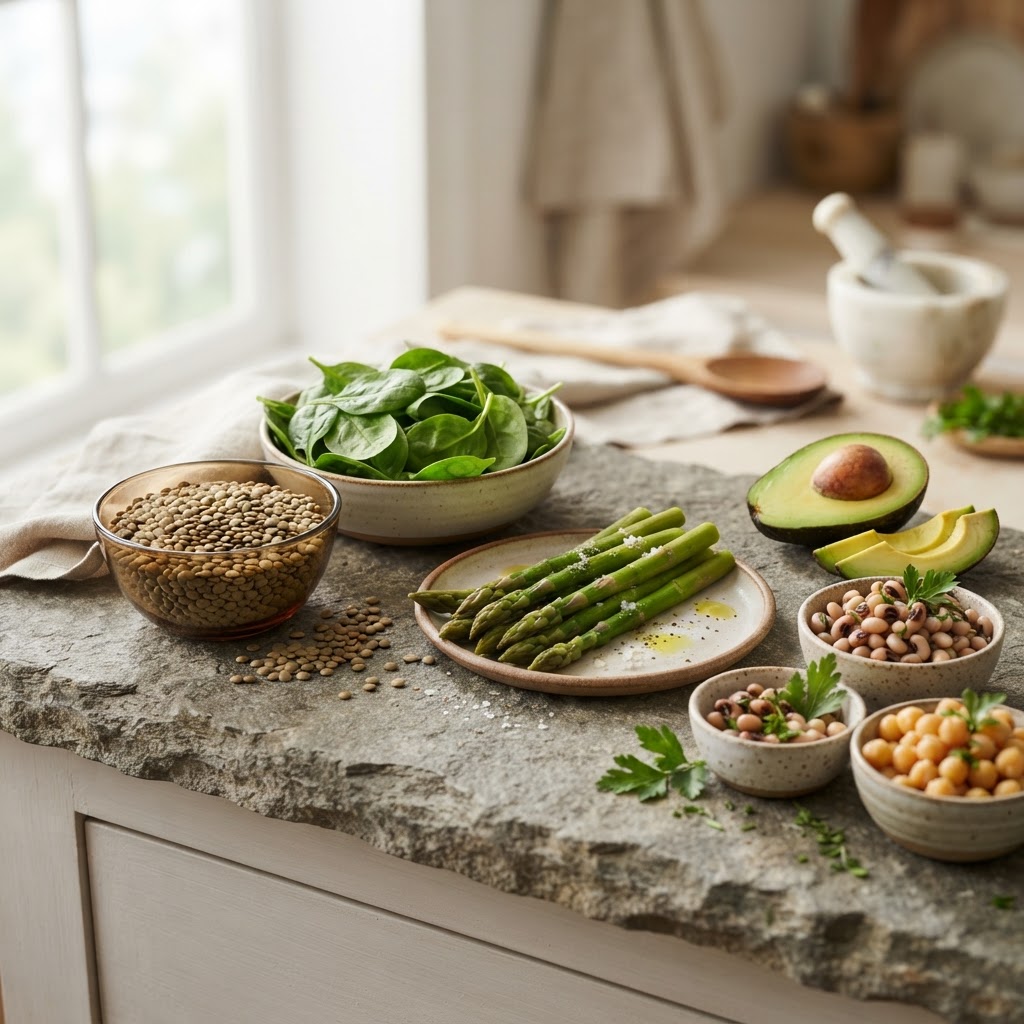
- • 21 specific foods are rich in folate — lentils, spinach, and asparagus top the list
- • Folate deficiency is linked to 50% higher depression risk — it supports serotonin synthesis
- • 40% of people have an MTHFR variant that reduces folic acid conversion
- • One cup of cooked lentils provides 90% of daily folate
- • Scan any meal with FoodIdentifier to instantly see its folate content
Folate (vitamin B9) is the pregnancy vitamin — but it's also essential for brain health, heart health, and mood. It prevents birth defects, supports DNA synthesis, lowers homocysteine (a heart disease marker), and produces serotonin. Yet many women of childbearing age don't get enough. In this complete 2026 guide, we cover the 21 best foods high in folate, the difference between folate and folic acid, a 7-day folate-boosting meal plan, and how to use AI food scanning to hit your daily target.
Why Folate Matters and How Deficiency Happens
Folate (vitamin B9) is essential for DNA synthesis, cell division, red blood cell production, neurotransmitter synthesis (serotonin, dopamine), and homocysteine metabolism. During pregnancy, folate is critical for neural tube development — the structure that becomes the brain and spinal cord.
Folate deficiency happens because of inadequate intake (most people eat 250-300mcg instead of 400mcg), cooking losses (boiling destroys 50-80%), pregnancy (needs increase 50%), alcohol (blocks folate absorption), and medications (methotrexate, anticonvulsants deplete folate). The result: neural tube defects, anemia, depression, and elevated homocysteine. See: PCOS Diet Plan →
📊 Folate Facts at a Glance
The 21 Best Foods High in Folate
🥬 Top 10 Folate Powerhouses
Black-eyed peas
90% of daily need
358mcg
per cup cooked
Lentils
90% of daily need
358mcg
per cup cooked
Beef liver
73% of daily need
290mcg
per 3oz
Spinach (cooked)
66% of daily need
263mcg
per cup
Edamame
121% of daily need
482mcg
per cup
Asparagus (cooked)
44% of daily need
175mcg
per cup
Kidney beans
57% of daily need
229mcg
per cup cooked
Brussels sprouts
39% of daily need
157mcg
per cup cooked
Avocado
23% of daily need
90mcg
per medium
Mango
18% of daily need
71mcg
per cup
🥗 Other Folate-Rich Foods
Romaine lettuce
16% of daily need
64mcg
per cup shredded
Broccoli
21% of daily need
84mcg
per cup cooked
Mustard greens
26% of daily need
103mcg
per cup cooked
Beets
19% of daily need
75mcg
per cup
Papaya
13% of daily need
53mcg
per cup
Fortified cereal
100% of daily need
400mcg
per serving
Fortified pasta
25% of daily need
100mcg
per cup cooked
Sunflower seeds
21% of daily need
82mcg
per ounce
Peanuts
17% of daily need
68mcg
per ounce
Wheat germ
21% of daily need
82mcg
per 2 tbsp
Okra
16% of daily need
63mcg
per cup cooked
Folate vs Folic Acid: What's the Difference?
There's an important difference between these two forms:
- Folate (natural): Found in whole foods like lentils, spinach, and asparagus. Your body must convert it to the active form (5-MTHF). About 50% absorbable.
- Folic acid (synthetic): Used in supplements and fortified foods (cereal, flour, bread). About 85% absorbable. However, unconverted folic acid can build up in blood.
- Methylfolate (active): The active form of folate, available as a supplement. Best for people with MTHFR gene variants (40% of population) who can't efficiently convert folic acid.
Bottom line: Get folate from whole foods whenever possible. If you're pregnant or planning pregnancy, take 400-600mcg of folic acid or methylfolate daily. If you have the MTHFR variant, choose methylfolate supplements.
7-Day Folate-Boosting Meal Plan
Lentil soup + spinach salad + avocado + mango
Black-eyed peas + asparagus + Brussels sprouts + papaya
Edamame + spinach omelet + avocado toast + mango
Lentil curry + broccoli + sunflower seeds + fortified cereal
Kidney bean salad + asparagus + avocado + papaya
Lentil soup + spinach + Brussels sprouts + mango
Edamame + black-eyed peas + asparagus + avocado
Folate-Rich vs Low-Folate Foods
See exactly how swapping common foods for healthier alternatives changes your nutrition
| Food Item | Calories | Protein | Carbs | Fat | Fiber |
|---|---|---|---|---|---|
| g | g | g | g | ||
| g | g | g | g | ||
| g | g | g | g | ||
| g | g | g | g | ||
| g | g | g | g | ||
| g | g | g | g | ||
Want to check the exact nutrition of any food? Scan it with FoodIdentifier and get instant calories, macros, and healthier swap suggestions.
Scan a Food NowHow FoodIdentifier Compares to MyFitnessPal, Cronometer & Yuka
See why 500,000+ users switched to the AI-powered food scanner
Feature-by-Feature Comparison
| Feature | FoodIdentifierAI-Powered | MyFitnessPal | Cronometer | Yuka |
|---|---|---|---|---|
AI Photo Food Scanner | Instant — snap any meal | No photo scan | No photo scan | Barcode only |
Barcode + Photo + Label Scan | All 3 methods | Barcode only | Manual entry | Barcode only |
AI Nutrition Coach | Personalized AI coach included | Generic tips | No coach | No coach |
Blood Sugar Impact Prediction | Per-meal glucose prediction | |||
Ozempic / GLP-1 Compatibility Check | Built-in checker | |||
0–100 Food Quality Score | Instant unified score | Yes (basic) | ||
Better Alternative Suggestions | AI recommends swaps | Basic | ||
Ingredient Safety Scanner | Additive + allergen detection | Yes | ||
Personal Safety Verdict | Based on your allergies + goals | |||
Free Scans (No Signup) | 3 free scans daily | Must create account | Must create account | Limited free scans |
Price | Free / $9.99 mo Pro | $19.99 mo Premium | $9.99 mo | Free / €1.99 mo |
FoodIdentifier is the only app that combines AI photo scanning, blood sugar prediction, Ozempic compatibility, and a personalized nutrition coach — all in one.
Scan Your First Meal Free →No credit card required · 3 free scans daily
⚕️ Medical Disclaimer
This article is for educational purposes only and is not medical advice. If you are pregnant or planning pregnancy, consult your doctor about folate supplementation. High-dose folic acid supplements can mask B12 deficiency and may interact with certain medications. Always consult a qualified healthcare provider before making significant dietary changes.
Scan Any Meal. See Its Folate Content.
Take a photo of any food and instantly see its folate content and pregnancy-supporting potential.
Try It Free — No Sign-Up Needed →