Over 3 million people search "intermittent fasting" every month — making it the most searched diet protocol in the world. This guide covers everything: what to drink, what breaks a fast, when autophagy starts, the women's version, the complete 16:8 meal plan, and a week-by-week results timeline. No fluff, no supplements to sell.
1,500+
Clinical trials supporting IF
3–8%
Body weight loss over 8–24 weeks
5×
HGH increase during fasting state
14–16 hrs
When autophagy meaningfully begins
What Is Intermittent Fasting?
Intermittent fasting (IF) is an eating pattern that cycles between periods of eating and fasting. Unlike traditional diets that focus on what to eat, IF focuses on when to eat. The goal is to allow insulin levels to fall low enough during the fasting window that the body shifts from burning food to burning stored body fat.
During the fasted state: insulin drops, human growth hormone increases up to 5-fold, cellular repair (autophagy) accelerates, and gene expression shifts toward fat oxidation. These aren't theoretical — they're measurable in blood work within 12–16 hours of the last meal.
 © FoodIdentifier.com — All Rights ReservedFoodIdentifier.com
The Science Behind Intermittent Fasting
⚡ Insulin Drops 20–31%
Fasting lowers fasting insulin by 20–31% in studies. Low insulin is the prerequisite for fat burning — you cannot access stored body fat when insulin is elevated.
🔥 Increases Fat Oxidation
During the fasted state, glucagon rises and insulin falls — the metabolic combination that unlocks stored triglycerides from fat cells for use as fuel.
🧬 Triggers Autophagy
Autophagy ('self-eating') is the cellular cleanup process activated after 14–16 hours of fasting. Removes damaged proteins and organelles — linked to longevity, cancer prevention, and reduced neurodegeneration.
🧠 Boosts BDNF
IF increases Brain-Derived Neurotrophic Factor by up to 400% — supporting neuron growth, improved cognition, and reduced risk of Alzheimer's and Parkinson's.
❤️ Reduces Inflammation
Significant reductions in CRP, IL-6, and TNF-alpha (inflammatory markers) in clinical trials. Chronic inflammation drives heart disease, diabetes, and cancer.
💪 Preserves Lean Muscle
IF with adequate protein (0.7–1g/lb) and resistance training preserves or increases lean muscle while reducing fat — unlike most calorie-restricted diets.
All Intermittent Fasting Protocols Compared
| Protocol | Eating Window | Fasting Window | Best For | Difficulty | Fat Loss Speed |
|---|---|---|---|---|---|
| 12:12 | 12 hours | 12 hours | Complete beginners, starting slow | ⭐ Easy | Slow |
| 14:10 | 10 hours | 14 hours | Transitioning from 12:12 | ⭐⭐ Easy-Moderate | Moderate |
| 16:8 ⭐ BEST | 8 hours (noon–8pm) | 16 hours | Most people — best results/adherence | ⭐⭐⭐ Moderate | Good |
| 18:6 | 6 hours (1pm–7pm) | 18 hours | Experienced, want faster results | ⭐⭐⭐⭐ Hard | Very Good |
| 20:4 (Warrior Diet) | 4 hours (4pm–8pm) | 20 hours | Very experienced practitioners | ⭐⭐⭐⭐⭐ Very Hard | Excellent |
| OMAD (23:1) | 1 hour | 23 hours | Advanced only — hard to sustain | ⭐⭐⭐⭐⭐ Extreme | Excellent |
| 5:2 Diet | Normal 5 days, 500 cal 2 days | Reduced 2 days | People who prefer weekly flexibility | ⭐⭐⭐ Moderate | Good |
| Alternate Day Fasting | Normal / full fast alternating | Every other day | Research shows results but low adherence | ⭐⭐⭐⭐⭐ Very Hard | Fast |
 © FoodIdentifier.com — All Rights ReservedFoodIdentifier.com
How to Start the 16:8 Protocol — Step-by-Step
📋 Your First 7 Days of 16:8 — Day by Day
 © FoodIdentifier.com — All Rights ReservedFoodIdentifier.com
What Breaks an Intermittent Fast? (Complete List)
| Item | Breaks Fast? | Reason |
|---|---|---|
| Plain water | ❌ No | Zero calories, zero insulin effect |
| Sparkling water | ❌ No | Zero calories, CO2 only |
| Black coffee (no additives) | ❌ No | Negligible calories, may suppress hunger |
| Plain herbal/green/black tea | ❌ No | Zero calories, zero insulin effect |
| Electrolyte powder (no sugar) | ❌ No | Minerals only, no caloric content |
| Coffee with milk or cream | ✅ Yes | Fat and protein stimulate insulin response |
| Bulletproof coffee (butter/MCT) | ✅ Yes | 100–250 calories — breaks fast |
| Diet soda / artificial sweetener | ⚠️ Debated | Some evidence of insulin stimulation |
| BCAA supplements | ✅ Yes | Amino acids stimulate insulin and mTOR |
| Bone broth | ✅ Yes (technically) | Contains protein and calories |
| Any food regardless of size | ✅ Yes | All food triggers digestive and hormonal response |
| Gum (sugar-free) | ⚠️ Debated | Cephalic phase response may stimulate insulin slightly |
How to Deal With Hunger During the Fasting Window
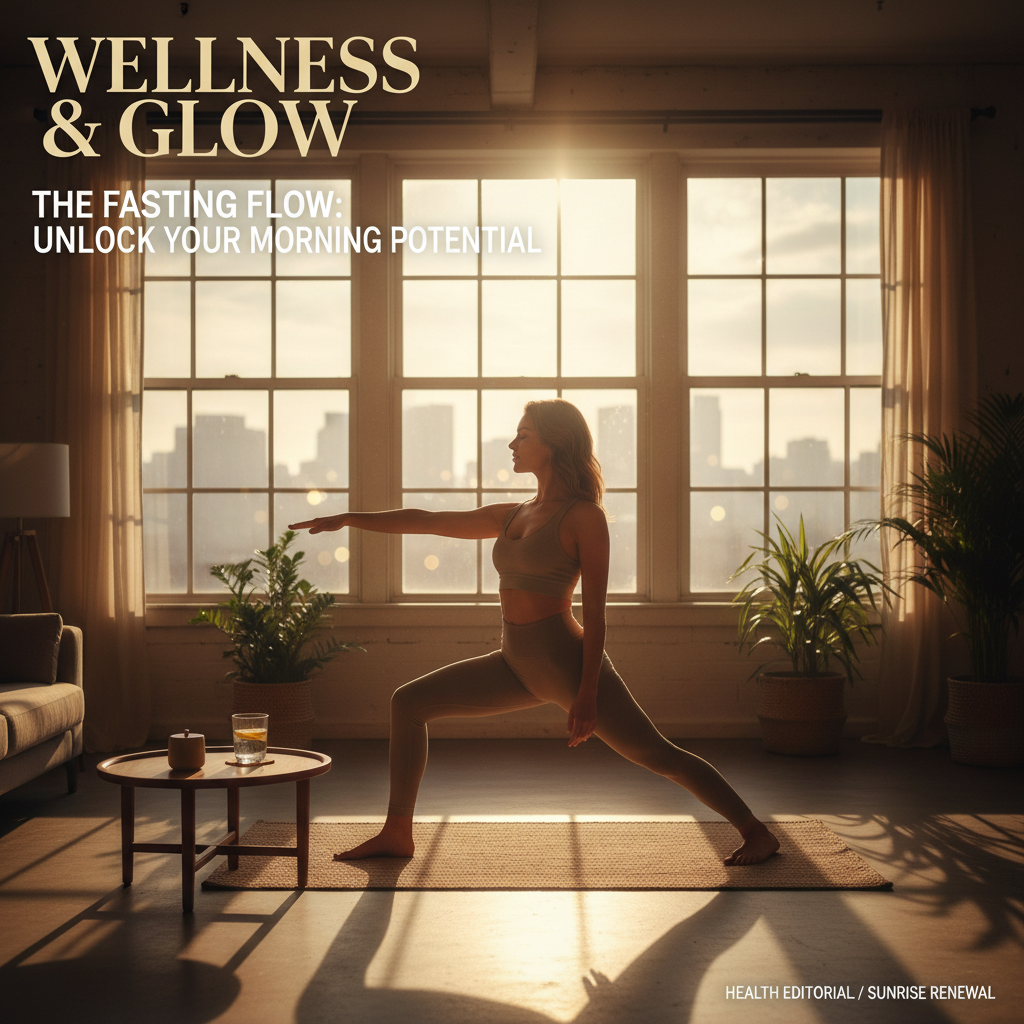
- Drink a large glass of water immediately when hunger strikes — thirst is frequently mistaken for hunger
- Drink black coffee or green tea — caffeine is a natural appetite suppressant that eases fasting hunger for 1–3 hours
- Keep yourself busy — distraction is the most powerful hunger management tool during the first week
- Remember: hunger is hormonal, not physical. Ghrelin peaks at your usual meal times then drops. Wait 20 minutes and it will pass.
- Use salt — a pinch of salt in water replaces electrolytes lost during fasting and significantly reduces hunger and headaches
- Sleep through part of the fast — 8 hours of sleep counts toward your fasting window. Fast from 8pm to noon = only 4 waking fasting hours
- Exercise fasted — working out during the fasting window suppresses appetite paradoxically and accelerates fat burning
 © FoodIdentifier.com — All Rights ReservedFoodIdentifier.com
Intermittent Fasting for Women — Special Considerations
Women may be more sensitive to intermittent fasting than men due to hormonal factors. The hypothalamic-pituitary-ovarian axis is sensitive to energy availability, and aggressive fasting can trigger hormonal disruption in some women. Here's how to fast safely as a woman:
♀️ IF Protocol Recommendations for Women
- Start with 12:12 or 14:10 for the first 3–4 weeks before advancing to 16:8
- Never combine aggressive IF (16:8+) with extreme calorie restriction — minimum 1,400–1,600 cal during eating window
- Stop IF if you experience menstrual irregularities, extreme fatigue, hair loss, or sleep disruption
- Women over 40 may benefit more from 14:10 than 16:8 due to perimenopause hormonal changes
- During the luteal phase (days 14–28 of cycle) consider shortening the fast to 12–14 hours — progesterone increases hunger significantly
- Prioritize protein (0.8–1g/lb) especially important for women to prevent muscle loss during IF
 © FoodIdentifier.com — All Rights ReservedFoodIdentifier.com
16:8 Sample Meal Plan (Eating Window: 12pm–8pm)
| Meal | Time | Example | Calories | Protein |
|---|---|---|---|---|
| Break-fast Meal 1 | 12:00 PM | 3 eggs + egg whites scrambled + spinach + 1 slice toast | 330 cal | 32g |
| Snack (optional) | 3:00 PM | Greek yogurt (1 cup plain) + berries + 1 tbsp chia | 195 cal | 18g |
| Meal 2 (Largest) | 5:30 PM | 6 oz grilled chicken + roasted broccoli + quinoa + olive oil (1 tbsp) | 520 cal | 48g |
| Final snack | 7:30 PM | Cottage cheese (½ cup) + 1 tbsp almond butter | 230 cal | 17g |
| Total daily | 12pm–8pm window | All meals within 8 hours | 1,275 cal | 115g protein |
⚠️ Critical: Hit Your Calorie & Protein Targets
The most common IF mistake: undereating. If your TDEE is 2,000 cal and you only eat 900 cal during your window, you will lose muscle, crash your metabolism, and rebound hard. Use our AI food scanner to photograph every meal and ensure you're hitting 80% of your TDEE within the eating window. IF is about timing, not starvation.
Common Intermittent Fasting Mistakes (And How to Fix Them)
❌ Breaking fast with high-carb food
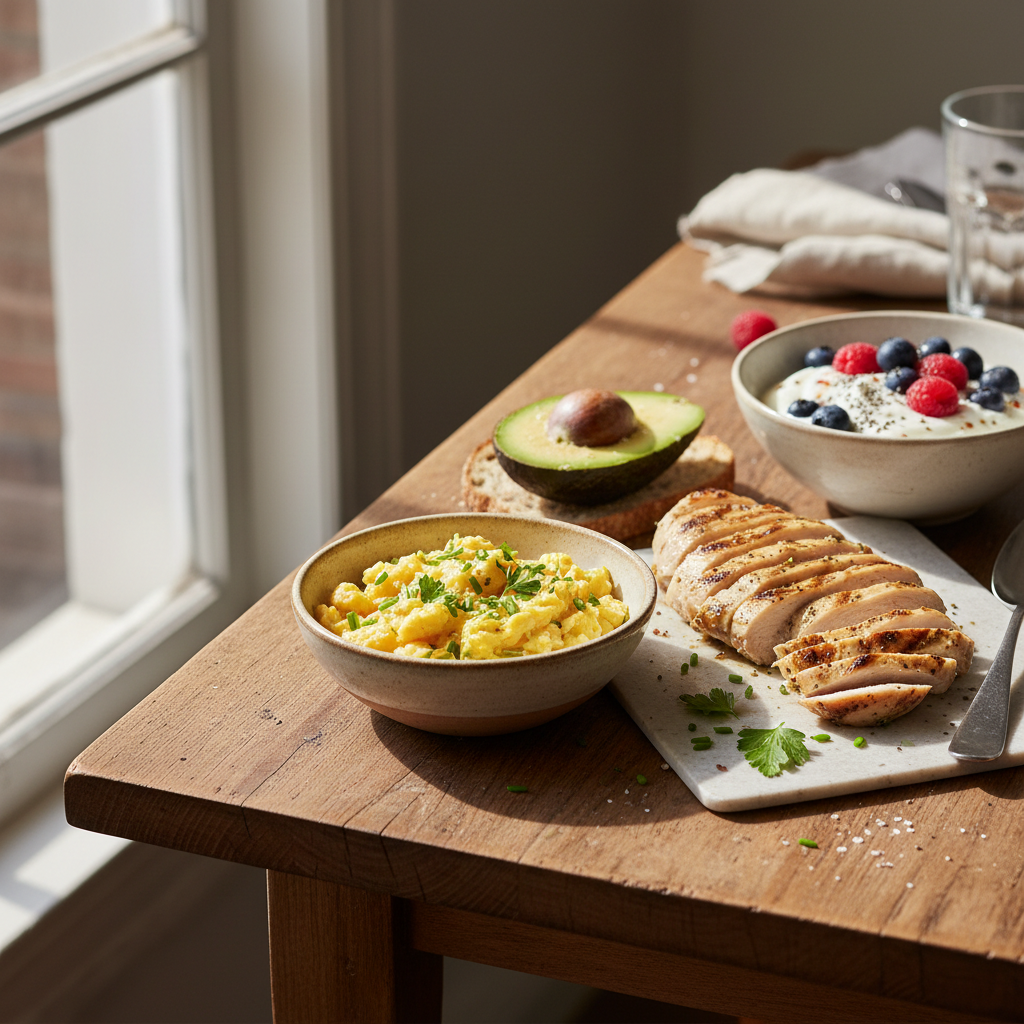
Starting with bagels, cereal, or fruit juice spikes insulin immediately after a successful fast. Always break your fast with protein + fat first (eggs, Greek yogurt, chicken) to control the post-fast insulin response.
❌ Eating too few calories
IF is not starvation. If your TDEE is 2,000 cal, eat 1,500–1,700 cal within your eating window. Eating only 800–1,000 causes metabolic slowdown and muscle loss.
❌ Not hitting protein target
During IF, protein is even more critical since you have fewer meals to hit your target. Calculate your protein need (0.8g/lb) and plan each meal to hit 30–40g.
❌ Expecting week 1 results
Week 1 is adaptation. Real fat loss begins week 2–3 when the body adapts to the fasting schedule and hormones normalize.
❌ Drinking caloric beverages during fast
Bulletproof coffee, lattes, protein shakes, and juices all break the fast completely. Stick to plain water, black coffee, and plain tea.
❌ Quitting after 3 days
Hunger during the fasting window is worst days 1–3. By day 5, ghrelin adapts to the new schedule and hunger drops dramatically. Most people who quit do so just before it gets easy.
 © FoodIdentifier.com — All Rights ReservedFoodIdentifier.com
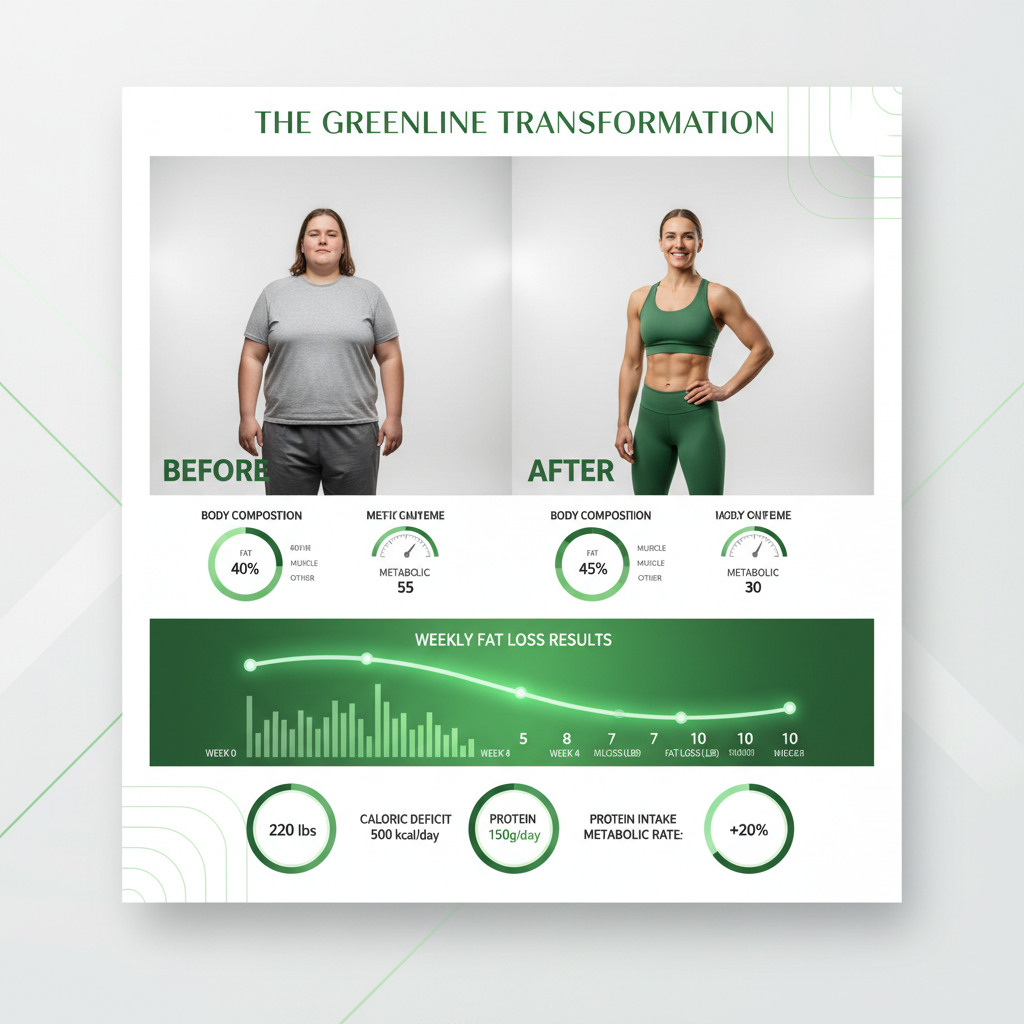
What Results to Expect From Intermittent Fasting — Week by Week
| Timeline | What Happens | What You'll Notice |
|---|---|---|
| Days 1–3 | Ghrelin (hunger hormone) peaks at old meal times | Hunger, irritability, mild headaches — peak difficulty |
| Days 4–7 | Ghrelin adapts to new schedule, fat burning begins | Hunger significantly reduced, mental clarity improves |
| Week 2 | Body shifts to fat burning, water weight drops 2–4 lbs | Scale drops noticeably — mostly water, some early fat |
| Week 3–4 | Consistent fat burning at 1–2 lbs/week begins | Visible body composition changes, better sleep and energy |
| Week 6–8 | Full metabolic adaptation — autophagy at peak during fasts | Significant fat loss, improved insulin sensitivity measurable |
| Month 3+ | Weight loss may slow as you approach goal weight | Total body recomposition — maintain progress with same protocol |
Frequently Asked Questions — Intermittent Fasting 2026
Q: Does intermittent fasting work for weight loss?
A: Yes, it can work well. Research shows it produces similar weight loss to regular calorie counting. The main advantage isn't a special fat-burning effect — it's that eating in a shorter window tends to make you eat less overall, and many people find it easier to stick with than tracking every calorie. If you prefer skipping breakfast to counting portions, it's worth trying.
Q: What can I drink during intermittent fasting without breaking the fast?
A: Stick to plain water, sparkling water, black coffee, and plain tea (green, black, or herbal). No milk, cream, sugar, or sweeteners. Avoid bulletproof coffee (it has calories), bone broth (also has calories), and anything else with calories. Diet soda is debatable — some people find it doesn't affect their fast, others find it triggers cravings.
Q: How long until I see results from intermittent fasting?
A: The first few days are the hardest — hunger peaks and then settles as your body adjusts. By week two, most people notice better energy and a couple pounds of water weight gone. Real fat loss kicks in from week two or three onward at a healthy pace of 1-2 lbs per week. Meaningful, visible changes usually take 6-8 weeks.
Q: Is intermittent fasting safe for women?
A: Generally yes, but women can be more sensitive to caloric restriction. Some women experience hormonal changes or menstrual irregularities if the fasting window is too long or calories are too low. If you're a woman, consider starting with a shorter window (12:12 or 14:10) before jumping to 16:8, eat enough during your eating window, and stop if you notice any hormonal changes.
Q: Will I lose muscle with intermittent fasting?
A: Not if you eat enough protein and do some resistance training. Getting roughly 0.7-1g of protein per pound of bodyweight within your eating window, plus lifting a couple times a week, is enough to preserve muscle. Without adequate protein, some muscle loss is possible — so don't neglect it.
Q: What breaks an intermittent fast?
A: Anything with calories breaks a fast: food, milk, juice, sugar, cream in your coffee. Black coffee, plain tea, and water do not. Most electrolyte supplements without sugar are fine. If you're unsure about something, the safest approach is to treat it as breaking the fast.
Q: When does autophagy start during fasting?
A: Autophagy — a cellular cleanup process — appears to ramp up after roughly 14-16 hours of fasting, with higher levels at 18-24 hours. The exact timing varies from person to person and depends on what you ate, your activity level, and your metabolism. If autophagy is your main goal, 16:8 is a reasonable minimum, with longer fasts likely having a stronger effect.
Q: Can I exercise during intermittent fasting?
A: Yes. Some people feel great exercising in a fasted state, others feel weak. If you train in the morning before eating, break your fast afterward with a protein-rich meal. If you train in the evening, your eating window probably already covers your workout. Listen to your body — if fasted training feels terrible, eat first.
❓ People Also Ask — Intermittent Fasting
Q: Can I drink coffee during intermittent fasting?
A: Yes — black coffee does not break a fast. It has negligible calories (2–5 per cup) and minimal insulin effect. Black coffee can actually improve fasting results: it suppresses hunger for 1–3 hours, slightly increases fat oxidation, and reduces the perceived difficulty of the fasting window. Do NOT add milk, cream, sugar, or syrups — these break the fast immediately.
Q: What should I eat to break my fast?
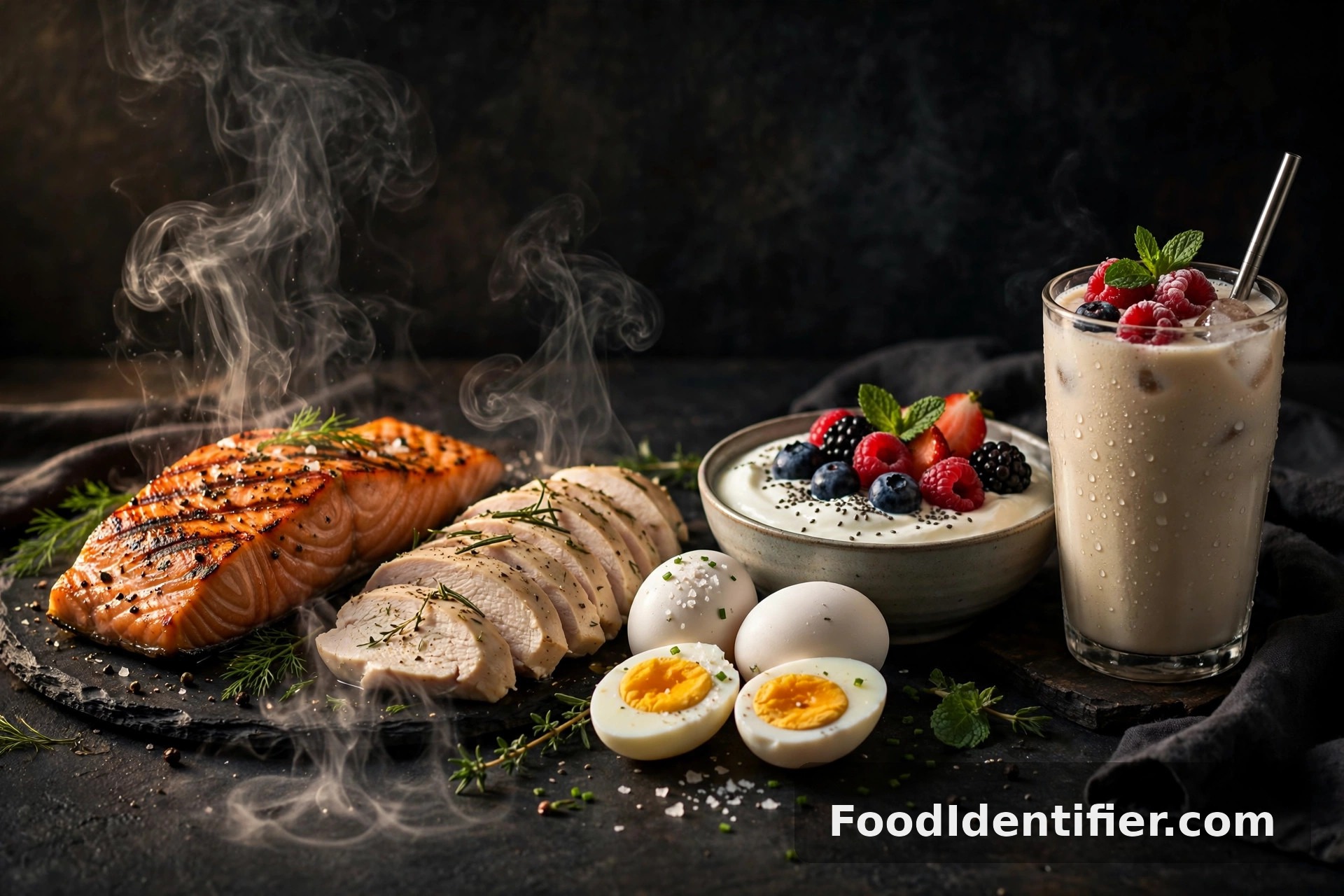
A: Ideal foods to break your fast: protein-rich options like eggs, Greek yogurt, chicken, or a protein smoothie. These maximize post-fast muscle protein synthesis and keep insulin from spiking dramatically. Avoid: white bread, fruit juice, cereal, or high-sugar foods as your first intake — these spike insulin maximally right when your body is most insulin-sensitive.
Q: Is intermittent fasting the same as calorie restriction?
A: No — but they often overlap. IF restricts when you eat. Calorie restriction reduces how much you eat. They can be combined (most people eat fewer calories naturally during IF) or separated (some people eat their full TDEE in the eating window). Studies show IF produces similar weight loss to calorie restriction even without explicit calorie counting.
Q: Does fasting put your body in starvation mode?
A: No — short-term fasting (up to 72 hours) does NOT cause starvation mode. Metabolic rate actually increases by 3.6–14% during the first 36–48 hours of fasting due to norepinephrine release. "Starvation mode" occurs after weeks of severe caloric restriction (under 800 cal/day) — not from 16–24 hour fasting windows.
Related Searches