How Many Calories in an Apple?
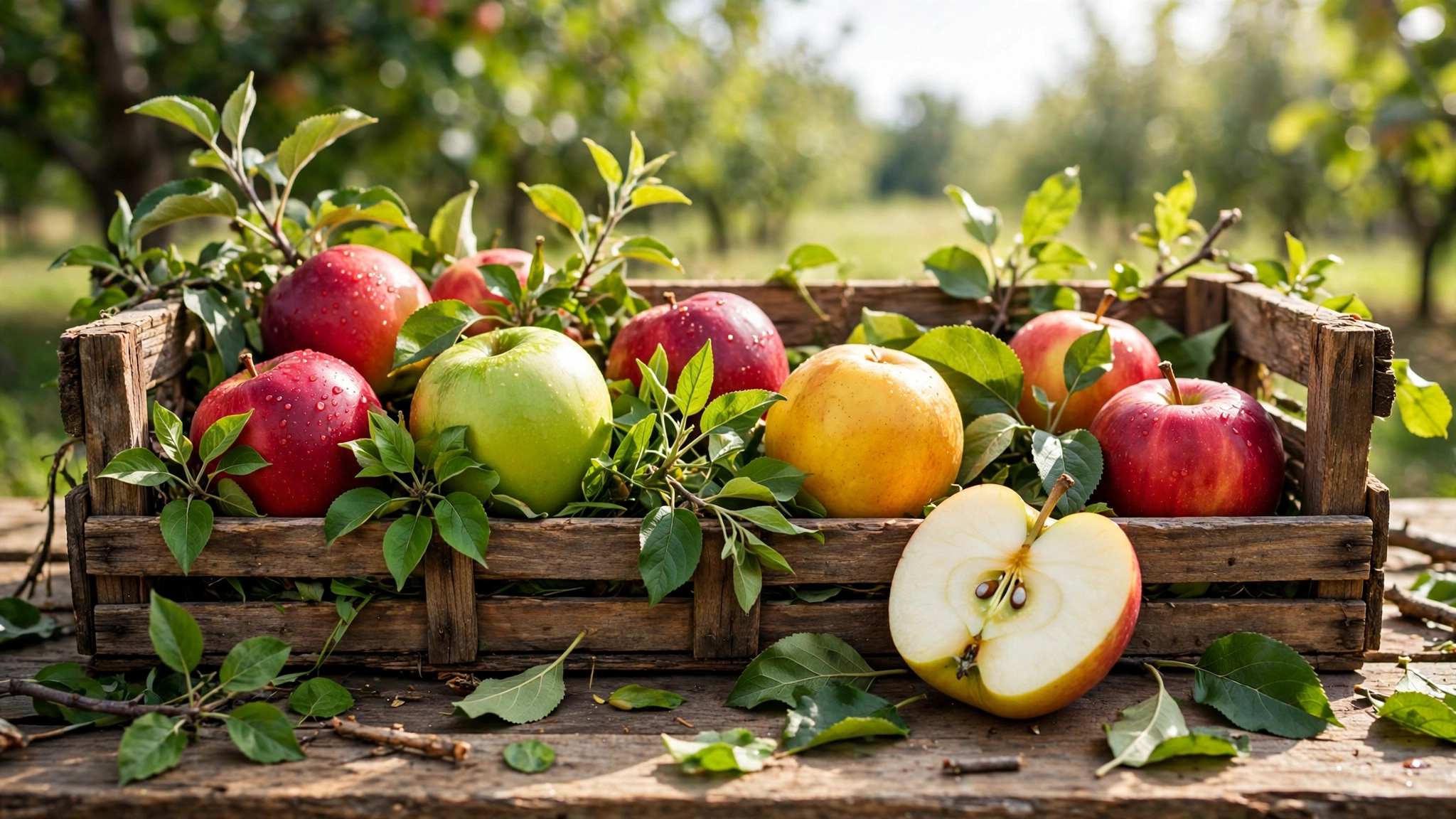
 FoodIdentifier.com
A medium apple (182g) has 95 calories, 25g carbs, 4.4g fiber, and 19g natural sugar. A small apple (149g) has 77 calories; a large (223g) has 116. Per 100g, apples average 52 calories. Sweet varieties like Fuji run slightly higher (~63/100g) than tart Granny Smith (~52/100g), but size matters far more than variety.
🔬 Nutrition Facts — Per 1 Medium Apple (182g)
Source: USDA FoodData Central · 2026
🥗 Key Ingredients & Nutrients at a Glance
📊 Quick Facts
- •Medium apple (182g): 95 cal · 4.4g fiber · 19g sugar · 25g carbs
- •Small apple (149g): 77 cal · Large apple (223g): 116 cal
- •Per 100g: 52 calories (USDA reference for comparison)
- •Gala: ~57 cal/100g · Fuji: ~63 cal/100g (sweetest)
- •Honeycrisp: ~52 cal/100g · Granny Smith: ~52 cal/100g (tart, lowest sugar)
- •Apple juice (8 oz): 114 cal · 28g sugar · 0g fiber
- •Dried apple: 243 cal/100g (5× the density of fresh)
- •Glycemic index: ~36 (low) — fiber slows the sugar
- •Skin: holds 2/3 of the fiber — eat it whole
🚨 Top Problems — Solved
⚠️ Medical Disclaimer
This is not medical advice — talk to your doctor. Nutrition figures are averages from USDA FoodData Central and vary by size, variety, and growing conditions.
Scan Any Apple — Get Calories in Seconds
Snap a photo of any fruit or snack and get instant calories, macros, and nutrition facts. No app download. No sign-up.
🍎 Scan Free at FoodIdentifier.com →🍎 Calories by Apple Size
Size is the single biggest factor in an apple's calorie count — far more than variety. A medium apple (182g, about the size of a tennis ball) has 95 calories. Drop to a small apple (149g) and you are at 77; scale up to a large (223g) and you hit 116. Per 100g, apples average 52 calories, which lets you estimate any portion.
| Apple Size | Weight | Calories | Fiber | Sugar |
|---|---|---|---|---|
| Small | 149g | 77 | 3.6g | ~16g |
| Medium ★ | 182g | 95 | 4.4g | 19g |
| Large | 223g | 116 | 5.4g | ~23g |
| Per 100g | 100g | 52 | 2.4g | ~10g |
★ Medium (182g) is the USDA baseline — 95 calories, 4.4g fiber, 19g sugar.
🍎 Calories by Variety (Per 100g)
Variety shifts calories only a little. Sweet varieties like Fuji run highest at about 63 cal/100g, while tart Granny Smith and crisp Honeycrisp sit lowest at about 52 cal/100g. For a 182g medium apple, that is a spread of roughly 95 to 115 calories — real, but smaller than the swing between a small and a large apple. Choose by taste, then control the size.
| Variety | Cal/100g | Flavor | Sugar (approx) |
|---|---|---|---|
| Granny Smith | ~52 | Tart, crisp | Lowest |
| Honeycrisp | ~52 | Sweet-tart, crisp | Low |
| Gala | ~57 | Sweet, mild | Medium |
| Fuji | ~63 | Very sweet | Highest |
Values are approximate per 100g; actual counts vary by orchard, ripeness, and size.
🧃 Apple vs Apple Juice
A whole medium apple has 95 calories, 19g sugar, and 4.4g fiber. An 8 oz glass of apple juice has 114 calories, 28g sugar, and 0g fiber. The juice has more calories, more sugar, and none of the fiber that slows absorption. Stripping the fiber turns a slow-release whole fruit into fast liquid sugar — the single biggest reason nutritionists say to eat the fruit, not drink it.
🍎 Skin On vs Peeled
Eat the skin. About 3g of the 4.4g fiber in a medium apple is in or just under the skin, along with most of the antioxidants — quercetin, catechin, and chlorogenic acid. Peeling drops the fiber, raises the glycemic response, and throws out the compounds that make apples protective. Wash the apple thoroughly instead of peeling, or buy organic if you are concerned about pesticides. The calories barely change; the nutrition changes a lot.
Not Sure How Big Your Apple Is?
Scan the apple and get an instant calorie and fiber count. No app, no sign-up, no card.
Scan Free at FoodIdentifier.com →🥗 Apples and Weight Loss: Why the Fiber Matters
At 95 calories with 4.4g fiber, a medium apple is one of the most filling snacks per calorie. The fiber — mostly pectin — absorbs water, slows digestion, and stretches the stomach, which is why an apple quiets hunger far longer than 95 calories of crackers or juice. Eating an apple before a meal tends to reduce how much you eat at that meal. For weight loss, the fiber is the whole story: it turns a small number of calories into lasting fullness.
🩸 Blood-Sugar Note (GI ~36)
Despite 19g of sugar, a medium apple has a glycemic index of about 36 — low. The 4.4g of fiber, especially pectin, slows sugar absorption so the rise is gradual rather than a spike. This is why whole-fruit sugar behaves differently from added sugar. People monitoring blood sugar generally tolerate a small-to-medium apple well; the same sugar as juice, without the fiber, behaves very differently. This is not medical advice — talk to your doctor.
Related calorie answers & tools
Compare apples against other common foods, or calculate your daily protein and calorie targets.
Scan Any Food Instantly — Free
No sign-up. No app. Snap a photo → full nutrition in 3 seconds.
Try Free Food Scanner →🔧 Free Health Tools
❓ Frequently Asked Questions (8)
Click any question to expand the expert answer
🔗 Core Tools
📊 Popular Content Hubs
Scan Any Food Instantly — Free
No sign-up. No app. Snap a photo → get full nutrition in 3 seconds.
Try Free Food Scanner →📋 Nutrition data based on USDA FoodData Central. Values may vary by brand, preparation method, and serving size. Not a substitute for professional medical or dietary advice. Always consult a registered dietitian for personalized nutrition guidance.