
Nutrition Researcher · 14 years research experience · Nutrition Data Source · USDA & NIH sourced data
⚕️ Disclaimer: This article is for educational purposes only and is not a substitute for professional medical advice. Always consult your healthcare provider before making major dietary changes, especially if you have a diagnosed condition or take medication.
Chronic inflammation is the silent driver behind heart disease, Type 2 diabetes, obesity, Alzheimer's, and most cancers. The CDC estimates 6 in 10 American adults have at least one chronic disease linked to inflammation — and the food on your plate is either pouring fuel on that fire or extinguishing it every single day.
This is not a list of trendy "superfoods." Every food in this guide has been selected based on human clinical trials, peer-reviewed mechanistic studies, and measurable reductions in validated inflammatory biomarkers — C-reactive protein (CRP), interleukin-6 (IL-6), TNF-α, and NF-κB activation. We rank them, explain exactly how they work, and tell you precisely how to eat them for maximum benefit.
6 in 10
US adults with chronic inflammation-linked disease
40%
CRP reduction possible with anti-inflammatory diet
25
Science-backed foods in this guide
14 Days
Full meal plan included
🧠 Scan Your Meals — See Their Inflammation Score
Use FoodIdentifier AI to instantly identify any food, see if it's pro- or anti-inflammatory, and track your daily anti-inflammatory score — free, no signup needed.
→ Try FoodIdentifier AI Free🔬 What Is Chronic Inflammation — And Why Does It Matter?
Acute inflammation is your body's hero — it floods damaged tissue with immune cells, clears infection, and rebuilds. It lasts hours to days and resolves completely. Chronic inflammation is the villain — a constant low-level immune activation that never turns off. It's like leaving your car engine running at 2,000 RPM, 24 hours a day. Eventually, everything breaks.
Key inflammatory pathways include: NF-κB (master switch for inflammatory gene expression), COX-2 enzymes (produce prostaglandins = pain and swelling), and cytokines (IL-1β, IL-6, TNF-α) that signal systemic immune activation. Anti-inflammatory foods work by interrupting these exact pathways at the molecular level — often with equivalent or superior efficacy to pharmaceutical interventions, and without the side effects.
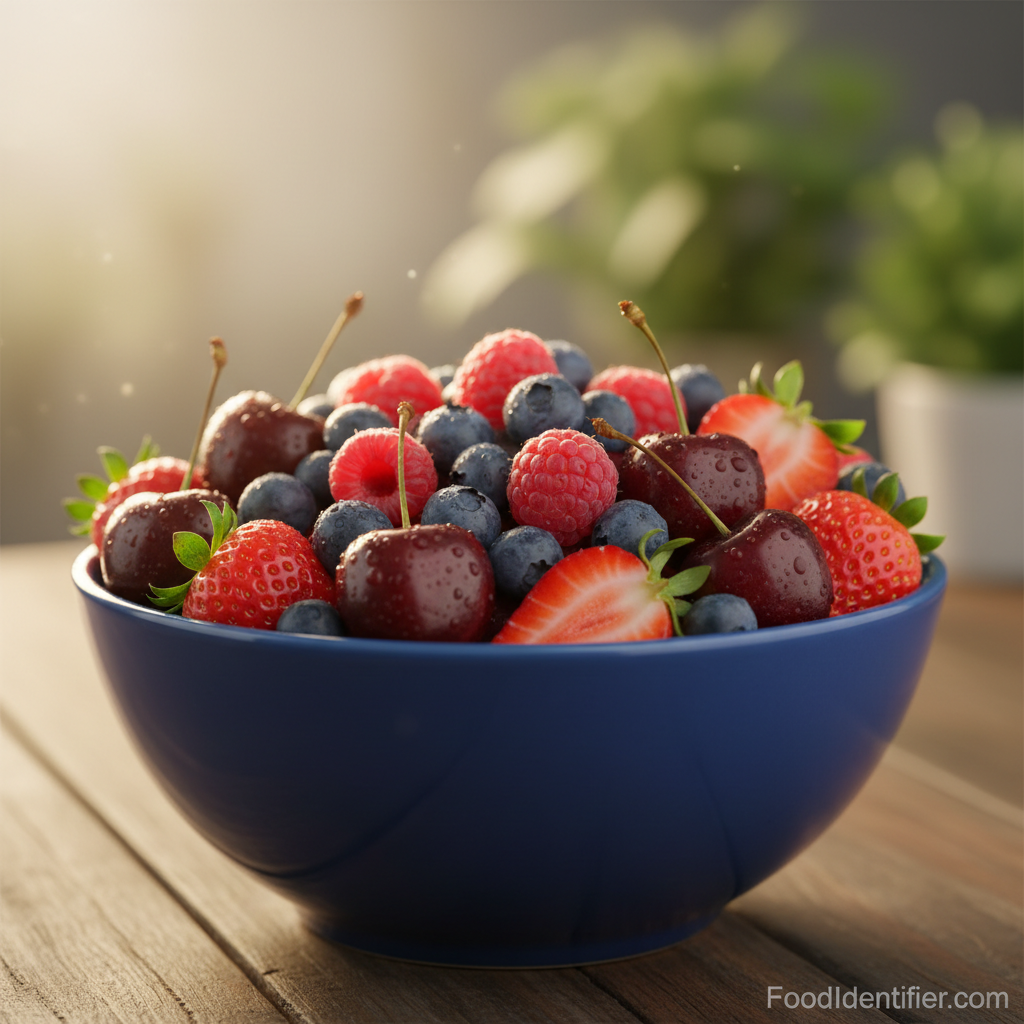
Berries — especially wild blueberries — contain the highest anthocyanin concentration of any fruit, blocking NF-κB at the cellular level.
🥗 The 25 Most Powerful Anti-Inflammatory Foods (Ranked by Evidence)
Ranked by strength of clinical evidence for reducing measurable inflammatory biomarkers in humans.
🧠 Scan Your Meals — See Their Inflammation Score
Use FoodIdentifier AI to instantly identify any food, see if it's pro- or anti-inflammatory, and track your daily anti-inflammatory score — free, no signup needed.
→ Try FoodIdentifier AI Free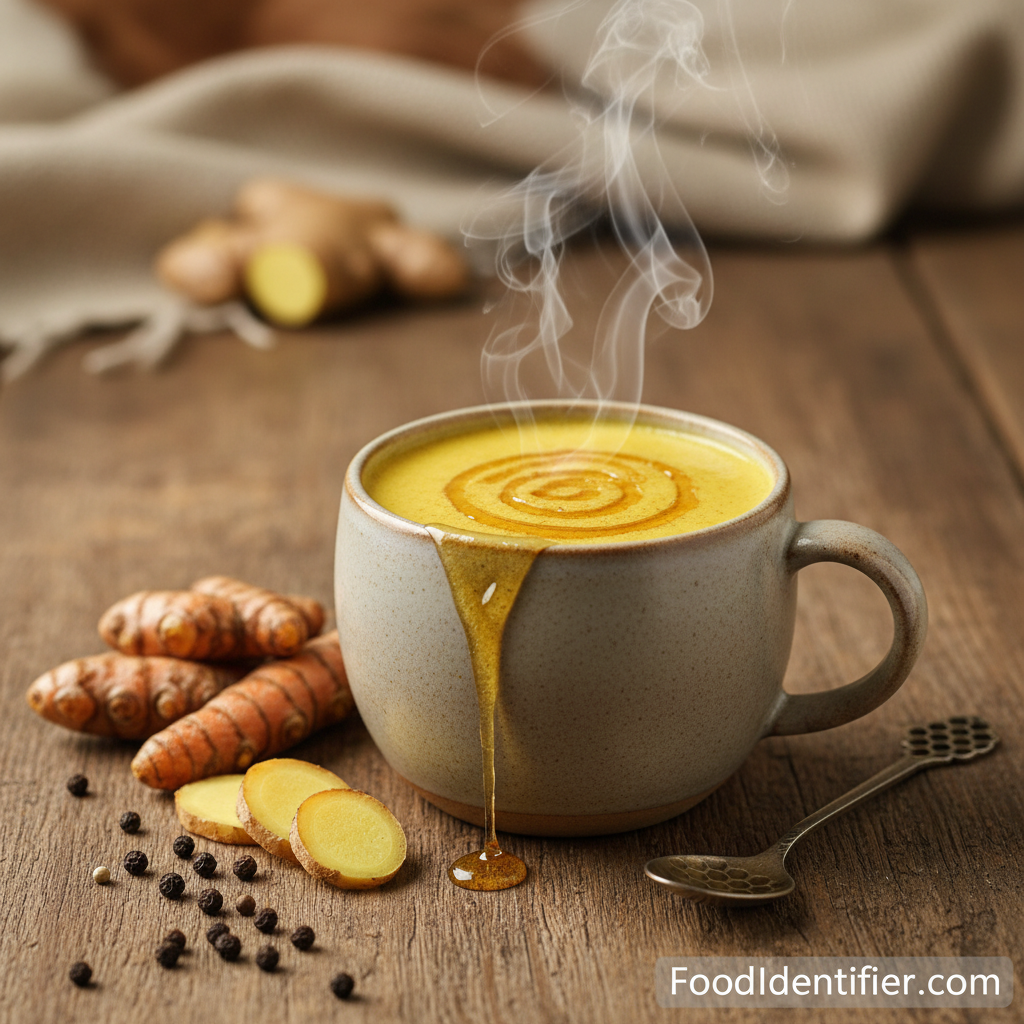
Golden turmeric latte (with black pepper + fat) — a daily ritual that delivers clinical-dose curcumin naturally.
🔍 Deep Dive: The Top 5 Anti-Inflammatory Foods Explained
#1 Wild Salmon — The Omega-3 King
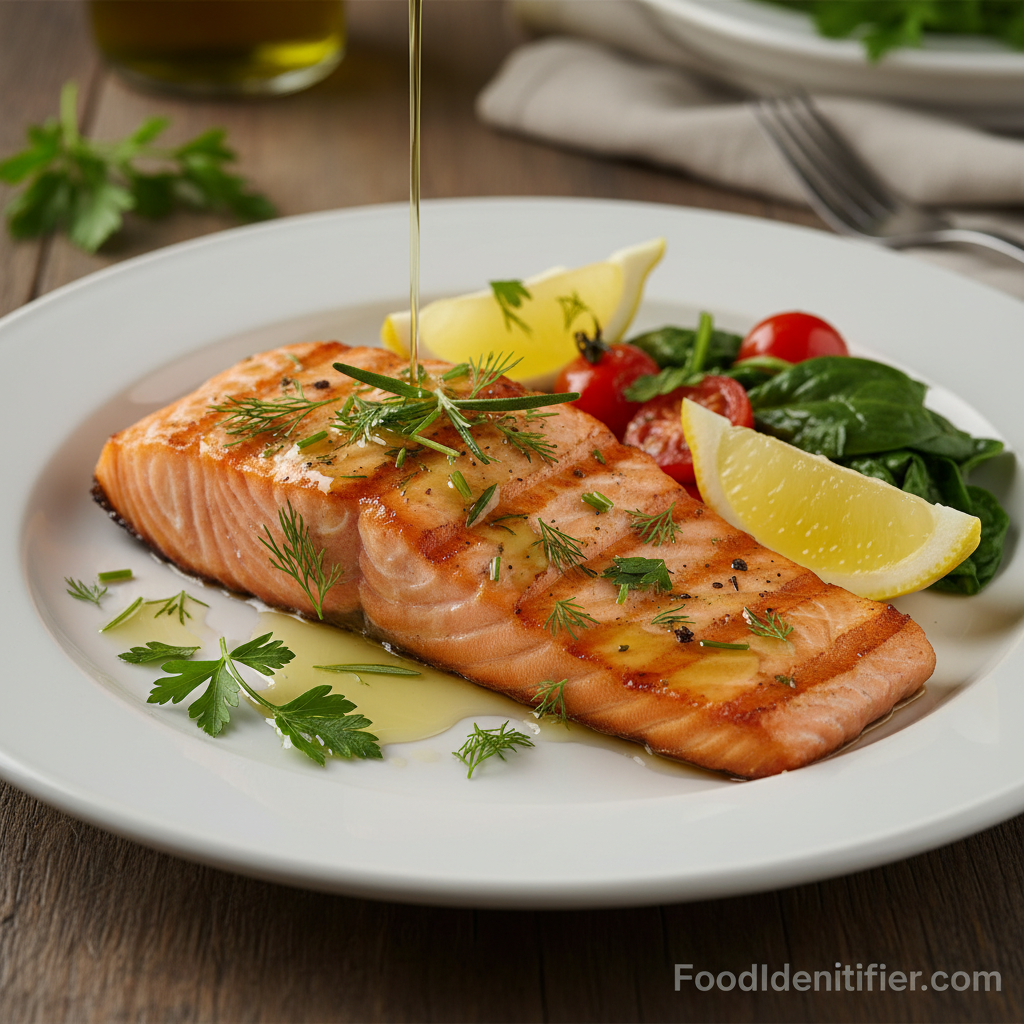
Wild-caught salmon fillet rich in omega-3 EPA and DHA for reducing systemic inflammation
Wild salmon is the most clinically validated single food for reducing systemic inflammation. Its omega-3 fatty acids (EPA and DHA) are the precursors to resolvins and protectins — compounds your body makes to actively resolve inflammation. This is distinct from simply "blocking" inflammation; omega-3s help your body finish the inflammatory process and return to baseline.
In a meta-analysis of 68 randomized controlled trials, omega-3 supplementation significantly reduced CRP, IL-6, and TNF-α. Wild salmon delivers approximately 1.8g EPA+DHA per 3.5oz serving — the most efficient whole-food delivery of these critical fatty acids.
KEY: Always choose wild-caught over farmed. Farmed salmon has an average omega-6 to omega-3 ratio of 4:1 (due to grain-based feed), compared to wild salmon's 1:1 ratio. That ratio difference determines whether you're reducing or worsening inflammation.
Practical: Eat 3x/week. Grill, bake, or poach — don't fry, which oxidizes the omega-3s. Pair with dark leafy greens and EVOO for synergistic anti-inflammatory effect.
#2 Blueberries — The NF-κB Blocker
Blueberries' deep blue-purple pigment comes from anthocyanins, the most studied class of anti-inflammatory phytonutrients. Specifically, cyanidin-3-glucoside and delphinidin-3-glucoside directly inhibit NF-κB — the "master switch" that controls over 400 inflammatory genes.
One cup of wild blueberries delivers ~500mg total anthocyanins. Human studies show that daily blueberry consumption for 6 weeks reduces CRP by 10-25%, improves endothelial function, and reduces oxidized LDL (a key driver of arterial inflammation).
Wild blueberries have 2x the anthocyanin concentration of cultivated varieties (due to smaller size = higher skin:flesh ratio). Frozen wild blueberries are equally effective — freezing does not degrade anthocyanins.
The interaction between blueberry polyphenols and gut bacteria is also critical: the gut microbiome converts blueberry polyphenols into urolithins and other metabolites that have even stronger anti-inflammatory effects than the parent compounds.
#3 Turmeric — Nature's Ibuprofen
Curcumin, turmeric's active compound, is among the most extensively studied natural anti-inflammatory molecules. It simultaneously blocks NF-κB, inhibits COX-2 (the same enzyme target as ibuprofen and aspirin), reduces prostaglandin synthesis, and scavenges reactive oxygen species.
Three randomized controlled trials comparing curcumin to ibuprofen for knee osteoarthritis found equivalent pain reduction and joint function improvement — with significantly fewer GI side effects. A 2021 meta-analysis of 15 RCTs found curcumin significantly reduced CRP, IL-6, and MDA (oxidative stress marker).
The critical problem: curcumin has terrible bioavailability — less than 1% is absorbed when taken plain. The solutions: (1) Black pepper (piperine) increases absorption by 2,000%. (2) A fat source (curcumin is fat-soluble). (3) Heat. The golden latte (turmeric + black pepper + coconut milk or full-fat milk + heat) is the most bioavailable whole-food delivery method available without pharmaceutical formulation.
Dose: 1-1.5 tsp turmeric + 1/4 tsp black pepper daily for clinical benefit.
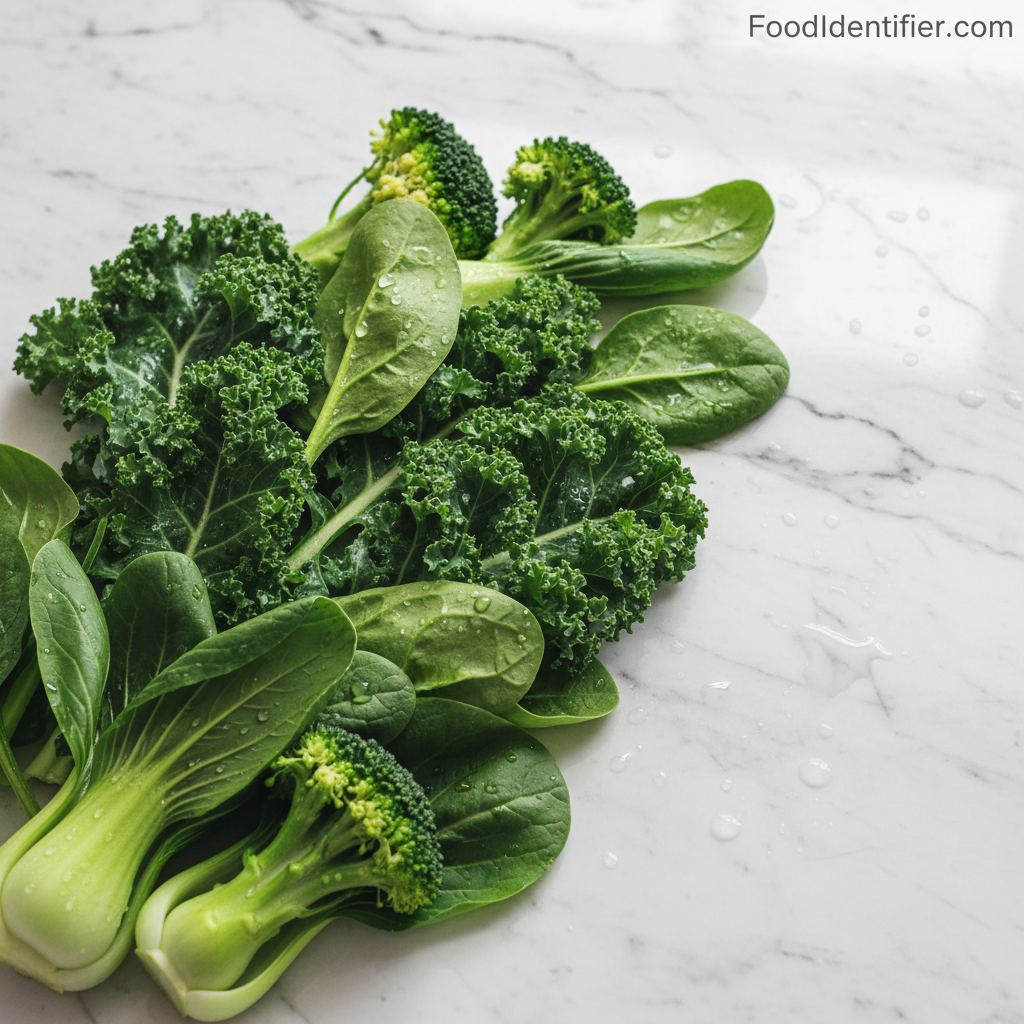
Dark leafy greens activate Nrf2 pathways — your body's own antioxidant defense system — reducing systemic oxidative inflammation.
🏆 The Anti-Inflammatory Diet Pattern: Beyond Individual Foods
The cumulative effect of an anti-inflammatory diet pattern is greater than the sum of its individual foods. The Mediterranean Diet, MIND Diet, and Okinawan Diet all share the same core anti-inflammatory architecture — and all three have the strongest long-term data for disease prevention and longevity.
Dominant Fat: EVOO
Replace all seed oils with extra virgin olive oil. 2-4 tbsp daily is the clinical target.
Protein: Fish-Forward
Fatty fish 3x/week. Legumes 4x/week. Red meat max 1x/week.
Carbs: Plants Only
No refined grains. Only whole grains, legumes, vegetables, and low-sugar fruits.
Daily Fermented Foods
At least 1-2 servings of yogurt, kefir, kimchi, sauerkraut, or tempeh every day.
Color Every Meal
Every meal should have at least 3 different colors from plant foods. Color = phytochemical diversity.
Herbs & Spices Liberally
Turmeric, ginger, garlic, rosemary, and oregano are not garnishes — they are medicine.
🧠 Scan Your Meals — See Their Inflammation Score
Use FoodIdentifier AI to instantly identify any food, see if it's pro- or anti-inflammatory, and track your daily anti-inflammatory score — free, no signup needed.
→ Try FoodIdentifier AI Free📅 Complete 14-Day Anti-Inflammatory Meal Plan
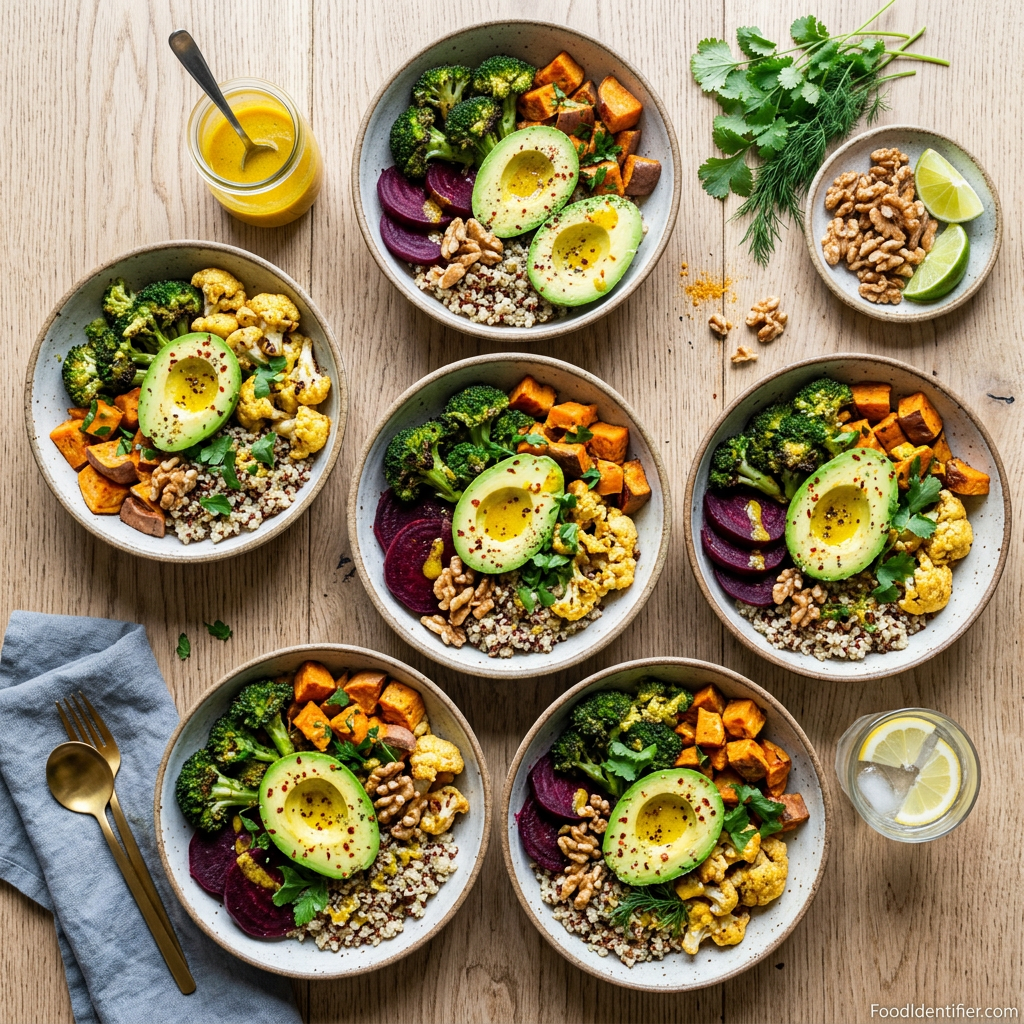
Each day averages 1,800-2,000 calories, ~120g protein, and incorporates the 25 foods from this guide. Meals are designed to minimize meal prep time while maximizing anti-inflammatory compound diversity.
🧬 Lifestyle Factors That Multiply the Anti-Inflammatory Effect
Food is the foundation — but these lifestyle factors amplify or undermine every dietary intervention:
Sleep 7-9 Hours
Even one night of <6 hours sleep raises CRP by 60% and IL-6 by 40%. Sleep is the most powerful daily anti-inflammatory intervention that costs nothing.
Moderate Exercise (NOT Overtraining)
30-45 min moderate cardio 5x/week reduces CRP by 30-35%. Overtraining (>2 hours intense/day without adequate recovery) raises inflammation. The sweet spot is consistent moderate movement.
Stress Reduction
Cortisol initially suppresses inflammation — but chronically elevated cortisol makes immune cells resistant to cortisol signaling, paradoxically worsening inflammation. Mindfulness meditation 15 min/day reduces inflammatory gene expression within 8 weeks.
No Smoking
Every cigarette triggers massive inflammatory cascade. Even "social" smoking doubles baseline CRP. No anti-inflammatory diet can offset active smoking.
Adequate Hydration
Dehydration raises viscosity of blood and lymph, reducing clearance of inflammatory mediators. Target: bodyweight (lbs) ÷ 2 = ounces per day.
Vitamin D Optimization
Vitamin D deficiency (affecting 42% of Americans) is one of the strongest predictors of elevated inflammatory markers. Target 25-OH-D level: 40-60 ng/mL. Get 15 min midday sun or supplement 2,000-4,000 IU D3 daily.
🧠 Scan Your Meals — See Their Inflammation Score
Use FoodIdentifier AI to instantly identify any food, see if it's pro- or anti-inflammatory, and track your daily anti-inflammatory score — free, no signup needed.
→ Try FoodIdentifier AI Free🩺 How to Measure Your Inflammation: Key Biomarkers to Track
| Biomarker | Optimal Level | High Risk Level | What it Measures |
|---|---|---|---|
| hs-CRP | <1.0 mg/L | >3.0 mg/L | Systemic inflammation (best overall marker) |
| IL-6 | <2 pg/mL | >5 pg/mL | Cytokine-driven inflammation, metabolic disease risk |
| TNF-α | <8 pg/mL | >15 pg/mL | Immune activation, insulin resistance, fat-cell inflammation |
| Homocysteine | <8 μmol/L | >15 μmol/L | Vascular inflammation, cardiovascular risk |
| Fasting Insulin | <5 μIU/mL | >10 μIU/mL | Metabolic inflammation proxy (insulin resistance) |
| Omega-3 Index | >8% | <4% | EPA+DHA in red blood cells — best anti-inflammatory nutrition marker |
Ask your doctor for: hs-CRP (high-sensitivity CRP), fasting insulin, homocysteine, and vitamin D (25-OH) at your next annual physical. Many labs now also offer an Omega-3 Index test by finger-stick at home. These four markers give you a complete inflammation profile and allow you to measure the impact of dietary changes over time.
❓ Frequently Asked Questions
Q: What is chronic inflammation and why is it dangerous?
Chronic low-grade inflammation is a persistent activation of your immune system that slowly damages tissues, arteries, and organs. Unlike acute inflammation (which heals injuries), chronic inflammation is linked to heart disease, Type 2 diabetes, Alzheimer's, cancer, obesity, and autoimmune disease. The CDC estimates 6 in 10 adults have at least one chronic disease driven by inflammation.
Q: How quickly do anti-inflammatory foods work?
Measurable changes in inflammatory biomarkers (CRP, IL-6, TNF-α) appear within 2-4 weeks of consistent dietary changes. You can feel subjective improvements — less joint pain, better energy, clearer thinking — within 7-14 days. Full benefits from a complete anti-inflammatory diet pattern are seen at 8-12 weeks.
Q: Can anti-inflammatory foods help with weight loss?
Yes — inflammation and fat accumulation are a vicious cycle. Inflamed fat cells produce more inflammatory cytokines, which promote more fat storage. Breaking this cycle with anti-inflammatory foods reduces hunger hormones, improves insulin sensitivity, and makes fat cells more responsive to fat-burning signals. Most people lose 1-3 lbs in the first 2 weeks simply from reduced water retention caused by inflammation.
Q: What are the most inflammatory foods to avoid?
The top 7 most inflammatory foods: (1) refined sugars and HFCS, (2) refined carbohydrates and white flour, (3) industrial seed oils (corn, soybean, sunflower), (4) trans fats and partially hydrogenated oils, (5) processed meats with nitrates, (6) alcohol (more than 1 drink/day), (7) artificial additives and emulsifiers. Removing these is as important as adding anti-inflammatory foods.
Q: Does turmeric actually work for inflammation?
Yes — but only when prepared correctly. Curcumin (turmeric's active compound) has very poor bioavailability on its own. It needs: (1) black pepper (piperine increases absorption by 2,000%), (2) a fat source (curcumin is fat-soluble), and (3) ideally heat. Three RCTs showed that 1,500mg/day curcumin was as effective as 1,200mg ibuprofen for knee osteoarthritis pain — without the GI side effects.
Q: Is salmon or sardines better for inflammation?
Both are excellent — sardines actually have more omega-3 per calorie and are more sustainable and affordable. Wild salmon contains more EPA/DHA per serving (1.8g vs 1.2g for sardines), but sardines provide additional vitamin D and selenium. For anti-inflammatory benefit, eat both 2-3x per week rather than choosing one over the other.
Q: Can I follow an anti-inflammatory diet if I'm vegan?
Absolutely. The most powerful anti-inflammatory compounds (anthocyanins, curcumin, quercetin, sulforaphane, EGCG) are all plant-derived. Replace animal omega-3s with ground flaxseed, chia seeds, hemp seeds, and algae-based DHA/EPA supplements. Prioritize: berries, dark greens, walnuts, flaxseeds, legumes, turmeric, ginger, green tea, and fermented plant foods (kimchi, tempeh, sauerkraut).
Q: What is the anti-inflammatory diet score and how is it measured?
The Dietary Inflammatory Index (DII) is a scientific scoring tool that assigns positive (pro-inflammatory) or negative (anti-inflammatory) scores to 45 nutrients and food parameters based on peer-reviewed literature. A lower (more negative) DII score is strongly associated with reduced CRP, lower chronic disease risk, and longer healthspan. Tools like FoodIdentifier can help you track which foods move your DII score in the right direction.
Q: How much olive oil per day is anti-inflammatory?
Research shows 2-4 tablespoons (30-60ml) of extra virgin olive oil daily provides measurable anti-inflammatory benefits. The KEY is extra virgin — it must contain >250mg/kg of oleocanthal. Regular or 'light' olive oil has had most polyphenols removed through refining. Look for harvest date on the bottle (within 18 months) and a dark glass bottle to preserve potency.
Q: Do anti-inflammatory foods affect mental health?
Strongly, yes. The gut-brain axis and neuroinflammation are now understood as core drivers of depression and anxiety. A 2017 RCT showed a Mediterranean anti-inflammatory diet reduced major depression symptoms by 32% more than social support alone. Omega-3 DHA is literally incorporated into brain cell membranes. Fermented foods improve serotonin precursor availability (95% of serotonin is made in the gut). This is why anti-inflammatory eating is one of the most effective non-pharmaceutical interventions for mental health.
Start Your Anti-Inflammatory Journey Today
Use FoodIdentifier AI to scan every meal, identify anti-inflammatory vs. pro-inflammatory ingredients, and track your progress — completely free.
No calorie counting. No spreadsheets. Just point your camera and know instantly.
→ Try FoodIdentifier AI Free NowOr chat with our AI Nutrition Coach for a personalized anti-inflammatory plan →
📚 Sources & Scientific References
- • Calder PC (2017) — Omega-3 fatty acids and inflammatory processes. Nutrition Reviews.
- • Prasad S, Aggarwal BB (2011) — Turmeric, the Golden Spice. Herbal Medicine: Biomolecular and Clinical Aspects. NCBI.
- • Sonnenburg JL et al. (2022) — Gut-microbiota-targeted diets modulate human immune status. Cell.
- • Guasch-Ferré M, Hu FB (2014) — Olive oil intake and risk of cardiovascular disease and mortality. BMC Medicine.
- • Joseph SV et al. (2014) — Berries: anti-inflammatory effects in humans. Journal of Agricultural Food Chemistry.
- • Kiecolt-Glaser JK (2010) — Stress, food, and inflammation: psychoneuroimmunology and nutrition. Psychosomatic Medicine.
- • USDA FoodData Central — fdc.nal.usda.gov — Primary nutrient composition reference.
- • PubMed / NCBI — pubmed.ncbi.nlm.nih.gov — All cited clinical trials and meta-analyses.
Last reviewed: April 2026 · Reviewed by FoodIdentifier Editorial Team · Next review: October 2026
anti-inflammatory foods 2026 · anti inflammatory diet · foods that reduce inflammation · chronic inflammation diet · best anti-inflammatory foods list · anti-inflammatory meal plan · reduce inflammation naturally · anti-inflammatory foods for weight loss · inflammation fighting foods · anti-inflammatory diet plan · foods that fight inflammation · natural anti-inflammatory · anti-inflammatory diet for beginners · anti-inflammatory breakfast · anti-inflammatory foods list printable