This article is general information only — not medical advice. Talk to your doctor about your own situation.
⚡ Quick Answer: Best Testosterone-Boosting Foods
Top 5 clinically validated: Oysters (zinc — rate-limiting nutrient for T synthesis), Pomegranate (+24% testosterone in 2-week RCT), Whole eggs (cholesterol precursor + vitamin D), Ashwagandha KSM-66 (+14–22% in 8–12 weeks), Tuna (highest vitamin D per calorie). Combine with 7–8h sleep, resistance training, cortisol reduction, and zero alcohol for 15–35% total testosterone improvement.
The data is unambiguous: average total testosterone in men has declined by approximately 1% per year since 1980 — meaning a 40-year-old man today has testosterone levels 25–30% lower than a 40-year-old man in 1980 at equivalent ages and health. This is not primarily explained by aging. The drivers are environmental and lifestyle: higher obesity rates, more sedentary jobs, ultra-processed food diets, chronic stress, endocrine disruptors in plastics and food packaging, and sleep deprivation.
The consequences are real and wide-ranging: lower muscle mass, higher body fat (particularly visceral), reduced energy and libido, impaired cognitive function, mood dysregulation, and worse metabolic health. And the solution doesn't require testosterone replacement therapy — diet and lifestyle can recover 15–35% of testosterone levels in most men with optimizable levels. This guide shows you exactly how.
1. The Testosterone Crisis in 2026
- Average testosterone has dropped 25–30% since 1980 across all age groups
- 1 in 4 men over age 30 now have clinically low testosterone
- Testosterone affects: muscle mass, fat distribution, libido, energy, mood, cognition, bone density, red blood cell production
- Primary drivers: obesity (aromatase in fat converts T → estrogen), ultra-processed diet, chronic stress, sleep deprivation, endocrine disruptors
- Diet and lifestyle can raise testosterone 15–35% in men with optimizable levels — without TRT
- The average man loses 1–2% testosterone per year after age 30 — aggressive lifestyle optimization can largely offset this
2. How Testosterone Is Produced (And How Food Affects It)
Understanding testosterone synthesis shows exactly why specific foods work:
🔬 The Testosterone Biosynthesis Pathway
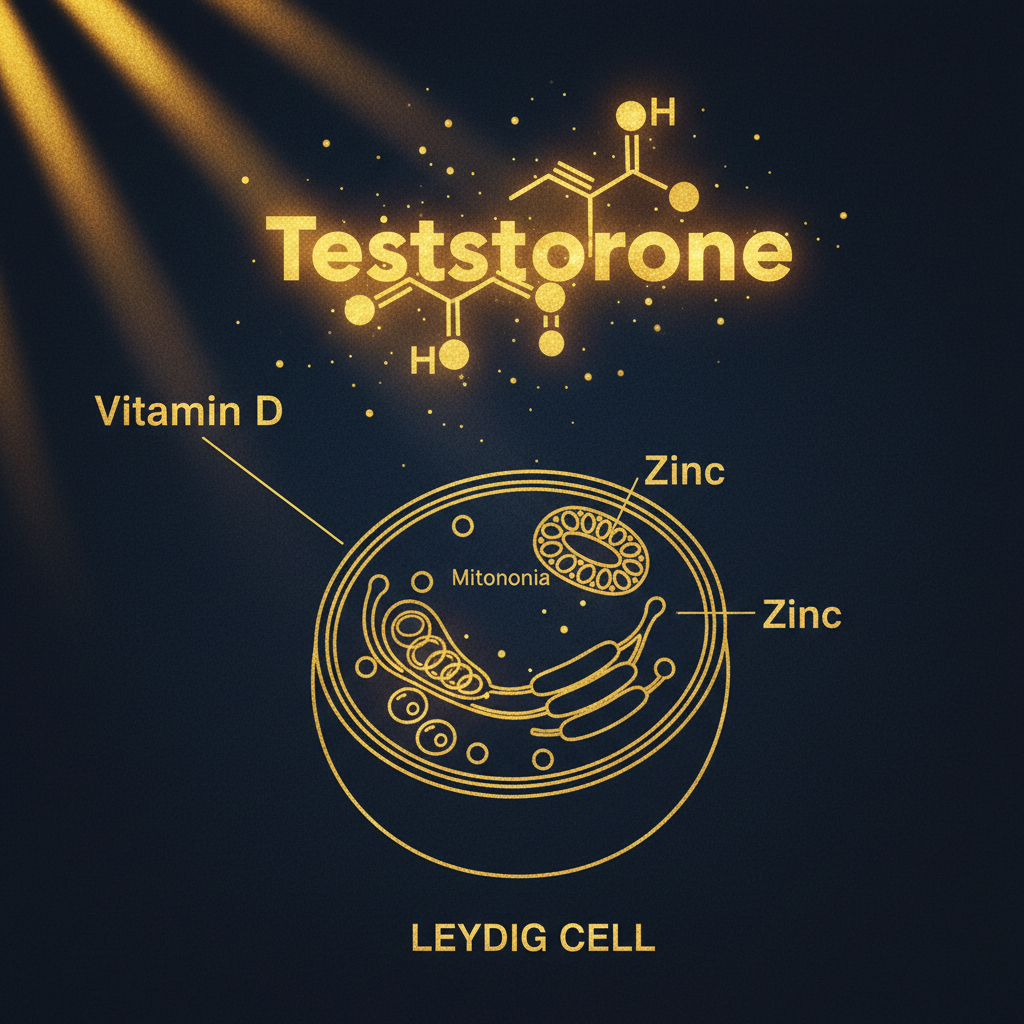
This pathway reveals exactly where foods intervene: zinc enables the CYP11A1 enzyme at Step 2; cholesterol from whole eggs provides the substrate at Step 1; omega-3s reduce SHBG (increasing free T); cortisol reduction frees pregnenolone for testosterone synthesis; antioxidants protect the enzymes from oxidative damage; vitamin D activates Leydig cell VDR receptors throughout the pathway.
3. The 12 Best Foods That Naturally Boost Testosterone
1. 🐚 Oysters
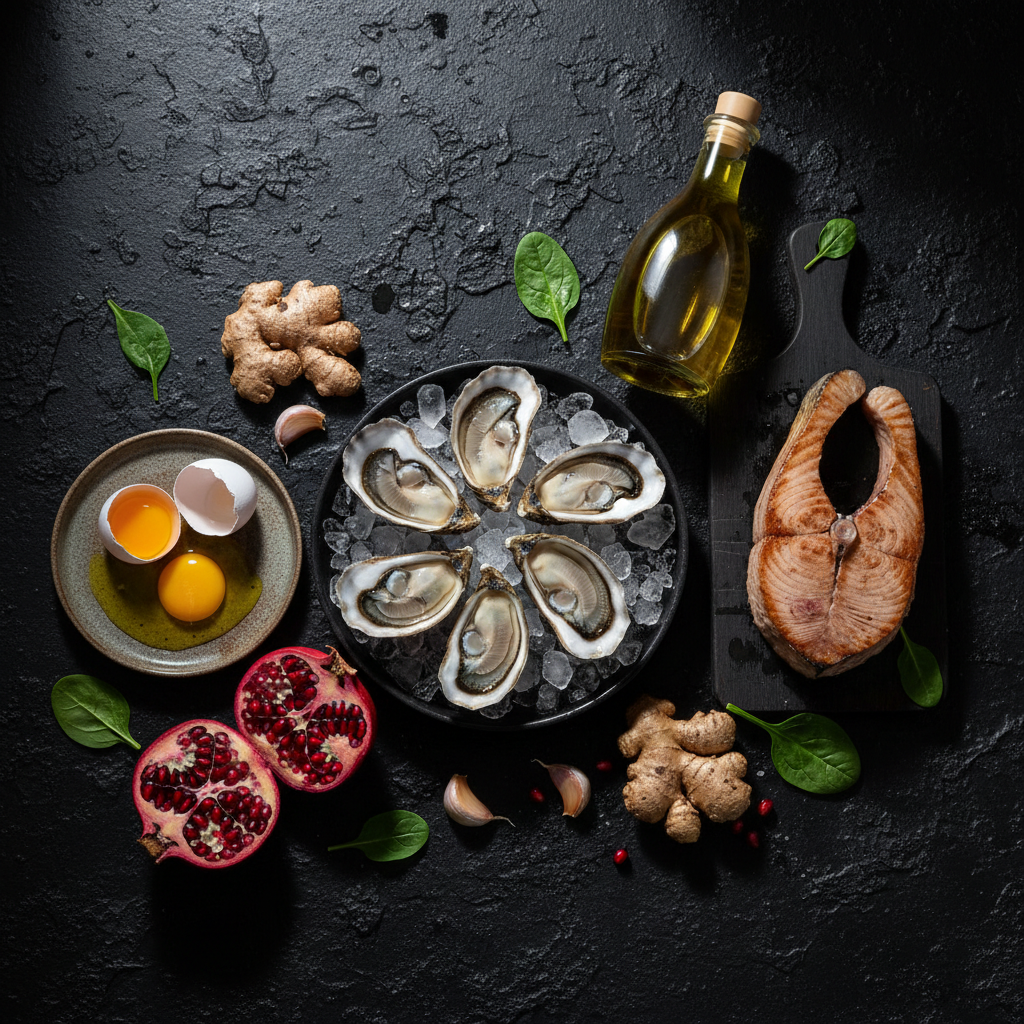
Oysters are the most zinc-dense food on earth — 74mg per 100g, which is 670% of the daily value. Zinc is the rate-limiting nutrient for testosterone synthesis: it is required by the CYP11A1 enzyme that converts cholesterol to pregnenolone (the first step in testosterone production). Zinc-deficient men have testosterone levels up to 50% lower than zinc-sufficient men — making zinc the most impactful single nutritional intervention for low testosterone. Zinc also inhibits aromatase — the enzyme that converts testosterone to estrogen in fat tissue.
💊 Optimal dose: 6 oysters 2x per week (provides a therapeutic dose). Zinc supplements 25mg as alternative.
2. 🐟 Tuna
Tuna is the highest vitamin D food per calorie available — providing 449 IU per 3oz, which is the majority of daily needs in a single serving. Vitamin D receptors (VDR) are found directly on Leydig cells — the primary testosterone-producing cells in the testes. Men with vitamin D levels >50 ng/mL have 20–30% higher total and free testosterone compared to deficient men (<20 ng/mL). A 12-month RCT found vitamin D3 supplementation in deficient men raised testosterone by a mean of 25.2%.
💊 Optimal dose: 1 can (3oz) daily. Or 3–4 servings weekly of any fatty fish.
3. 🥚 Whole Eggs
Testosterone — like all steroid hormones — is biochemically synthesized from cholesterol. The yolk provides dietary cholesterol that serves as the direct precursor molecule for testosterone production in Leydig cells. Studies comparing whole eggs vs. egg whites following resistance training find whole eggs produce significantly higher testosterone responses. Egg yolks additionally provide vitamin D (41 IU each), zinc (0.5mg), and selenium (13.4mcg). Removing the yolk removes the testosterone-supporting compounds.
💊 Optimal dose: 3–4 whole eggs daily. Never discard the yolk.
4. 🐟 Wild Salmon & Fatty Fish
Omega-3 fatty acids (EPA and DHA) in salmon reduce SHBG — sex hormone binding globulin, the protein that binds and "inactivates" testosterone in circulation. Lower SHBG = higher free (bioavailable) testosterone reaching tissues. Additionally, salmon provides vitamin D and selenium — both required for optimal testicular function. Men with higher omega-3 status consistently show better sperm quality and testosterone profiles.
💊 Optimal dose: 3–4 servings per week (3oz each). Wild-caught has higher omega-3 than farmed.
5. 🍎 Pomegranate
Pomegranate is the most validated whole food for acute testosterone elevation in clinical studies. One RCT found 500ml pomegranate juice daily for just 2 weeks raised salivary testosterone by 24% in both men and women. The active compounds (punicalagins and ellagic acid) work through two mechanisms: (1) inhibiting aromatase activity (reducing testosterone → estrogen conversion), and (2) reducing cortisol — freeing pregnenolone from cortisol synthesis for testosterone production.
💊 Optimal dose: 250ml pomegranate juice daily OR pomegranate seeds 3–4x/week.
6. 🫒 Extra Virgin Olive Oil
EVOO is rich in oleic acid and polyphenols that directly support Leydig cell membrane function and testosterone production. A 3-week intervention replacing other dietary fats with olive oil produced testosterone increases of 17–19% in Moroccan men. The fat-soluble vitamin absorption effect of EVOO also dramatically improves uptake of vitamin D and K2 consumed in the same meal — amplifying other testosterone-supporting nutrients.
💊 Optimal dose: 2 tbsp daily. Choose extra-virgin, cold-pressed for maximum polyphenol content.
7. 🧄 Garlic
Allicin in fresh garlic significantly reduces cortisol while simultaneously upregulating luteinizing hormone (LH) — the pituitary signal that commands the testes to produce testosterone. Since cortisol and testosterone compete for the same precursor molecule (pregnenolone), anything that reduces cortisol frees more pregnenolone for testosterone. Animal studies consistently show strong testosterone-to-cortisol ratio improvements with garlic; human data is supporting but still emerging.
💊 Optimal dose: 2–3 cloves raw or very lightly cooked daily. Crushing activates allicin.
8. 🫚 Ginger
Ginger's active compound (6-gingerol) directly stimulates Leydig cells to produce testosterone — one of the few foods with a documented direct testicular stimulation effect. A 3-month double-blind RCT in infertile men found daily ginger supplementation increased testosterone by 17.7%, luteinizing hormone (LH — the testosterone trigger from the pituitary) by 43.2%, and sperm quality significantly. Also reduces oxidative stress in testicular tissue that degrades existing testosterone.
💊 Optimal dose: 1–2g fresh ginger daily — in tea, smoothies, or cooking.
9. 🥗 Spinach
Spinach is one of the richest dietary sources of magnesium — and magnesium is the mineral most strongly correlated with free testosterone levels in multiple independent population studies. The correlation is so robust that magnesium status is used as a proxy for testosterone status in some research contexts. Magnesium reduces SHBG binding affinity, directly increasing the proportion of testosterone that is "free" and bioavailable to target tissues.
💊 Optimal dose: 2+ large handfuls daily. Cooked spinach provides more magnesium per serving than raw.
10. 🥩 Grass-Fed Beef
Grass-fed beef provides: zinc (6.5mg per 3oz — 60% daily value), saturated fat (required for testosterone synthesis — very low-fat diets reduce testosterone 10–15%), conjugated linoleic acid (CLA) which reduces cortisol and body fat (visceral fat increases estrogen), creatine (supports testosterone response to exercise), and 2–3x more omega-3s than grain-fed beef. The nutrient combination of zinc + fat + protein makes grass-fed beef uniquely valuable for testosterone support.
💊 Optimal dose: 3–4oz, 3–4x per week. Choose grass-fed for significantly better nutrient profile.
11. 🌿 Ashwagandha
Ashwagandha KSM-66 extract is the single most clinically validated natural testosterone booster. Multiple peer-reviewed RCTs confirm: 600mg KSM-66 daily raises testosterone by 14–22% in 8–12 weeks, improves sperm concentration by 167%, increases sperm motility by 57%, and reduces cortisol by 27.9%. The dual mechanism — direct testicular stimulation PLUS cortisol reduction — makes it uniquely effective compared to any other single intervention. Safety profile is excellent across all RCTs.
💊 Optimal dose: 300mg KSM-66 extract 2x/day (600mg total). Standardized extract essential — not plain powder.
12. 🫐 Berries & Antioxidant-Rich Foods
Reactive oxygen species (ROS) — free radicals — directly damage Leydig cell membranes and inhibit testosterone-synthesizing enzyme function. Oxidative stress in testicular tissue is now recognized as a major driver of age-related testosterone decline. Antioxidants in blueberries, strawberries, raspberries, and other colorful produce protect Leydig cells from this damage, preserving their testosterone-producing capacity over time. Higher antioxidant intake consistently correlates with better sperm quality and testosterone in men across age groups.
💊 Optimal dose: 1 cup mixed berries daily + colorful vegetables at every meal.
4. 5 Things That Destroy Testosterone (Eliminate These)
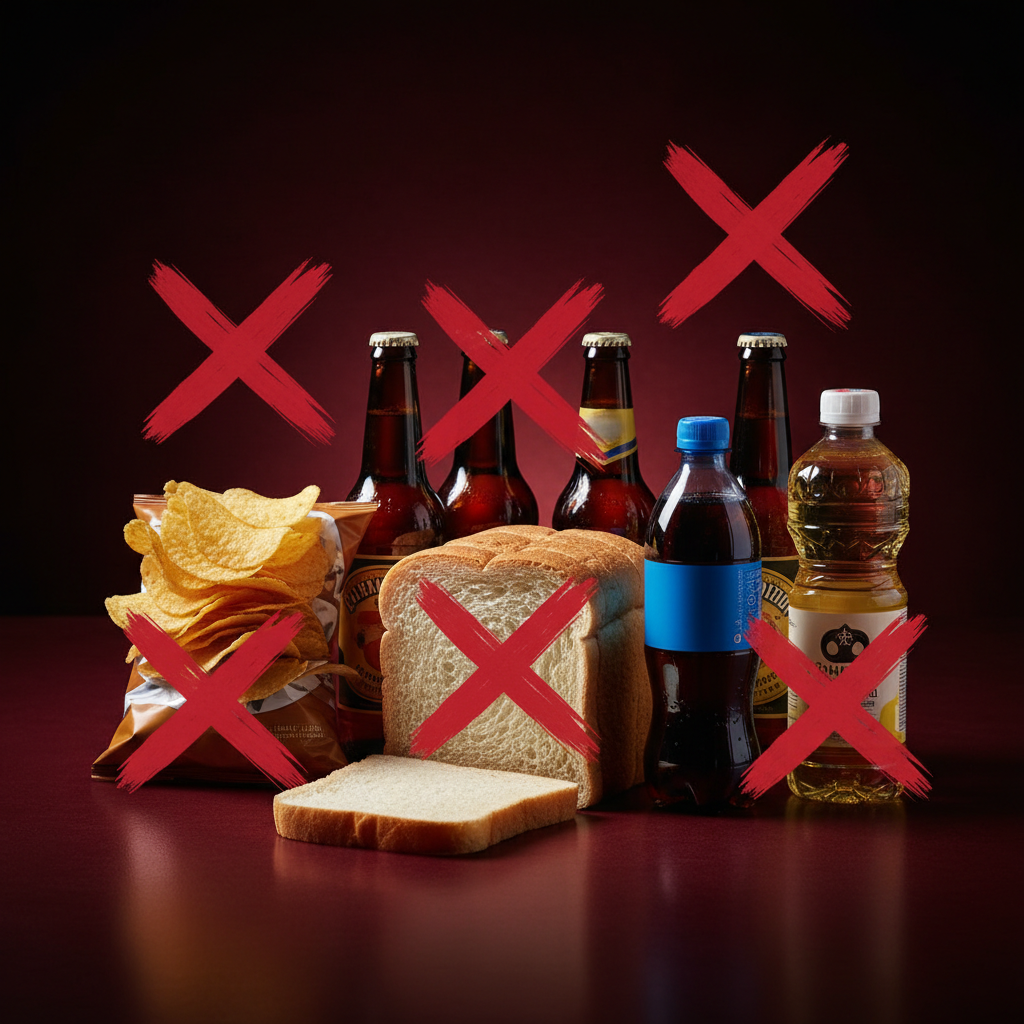
Ethanol directly inhibits testosterone synthesis at the testicular level by disrupting Leydig cell function. It also dramatically increases aromatase activity — converting available testosterone to estrogen. Even moderate drinking (2 drinks/day) reduces testosterone by a clinically meaningful 6.8%. Binge drinking reduces testosterone for 12–24 hours after consumption.
70% of daily testosterone is produced during sleep — specifically during deep sleep (N3) and REM stages. One week of 5 hours per night reduces testosterone by 15% — equivalent to biological aging 15 years. Protecting 7–8 hours of quality sleep is the single most impactful non-nutritional testosterone intervention.
Every insulin spike from refined carbohydrates and sugar suppresses LH secretion from the pituitary, reducing the testosterone stimulus sent to the testes. Chronically high insulin (from a processed food diet) maintains persistently suppressed LH and testosterone. Obese men have 40–50% lower testosterone than lean men of the same age.
Cortisol and testosterone share the same biosynthetic precursor — pregnenolone. In a state of chronic cortisol demand, the adrenals preferentially convert pregnenolone to cortisol rather than allowing it to proceed through the testosterone synthesis pathway. This is called "pregnenolone steal" — and it makes stress management essential, not optional, for testosterone optimization.
Linoleic acid (the primary fatty acid in soybean, corn, and canola oils) disrupts Leydig cell membrane composition and function in animal studies, reducing testosterone production. Industrial trans fats have similar disruptive effects on steroidogenic enzyme activity. Switch completely to olive oil, avocado oil, butter, and coconut oil for cooking.
🔍 Scan Your Food for Testosterone-Boosting Nutrients
FoodIdentifier instantly shows zinc, vitamin D, and omega-3 content in any food you eat — the nutrients that matter most for testosterone.
5. The Complete Natural Testosterone Protocol
Eat zinc-rich foods daily (oysters 2x/week, beef 3x/week, pumpkin seeds daily). 30% dietary fat from healthy sources (eggs, EVOO, avocado). Pomegranate 250ml daily or 3–4x/week. Eliminate seed oils, sugar, and alcohol entirely or dramatically reduce.
7–8 hours mandatory — non-negotiable. This alone recovers up to 15% testosterone within 1 week. Blackout curtains, 65°F, magnesium glycinate 400mg at bedtime, consistent sleep/wake time even on weekends.
Heavy compound resistance training 3–4x/week (squats, deadlifts, bench press, rows) — produces the largest acute and chronic testosterone responses. Limit cardio to 30–45 minutes to avoid cortisol-driven testosterone suppression.
Ashwagandha KSM-66 600mg/day + Vitamin D3 3,000–5,000 IU/day + Zinc bisglycinate 25mg/day (if diet-deficient) + Magnesium glycinate 400mg/night (reduces cortisol, improves sleep and testosterone).
Cortisol management is essential — cortisol steals pregnenolone from testosterone synthesis. Meditation 10min/day (reduces cortisol 28%). Cold shower 30–60 sec (acutely raises testosterone and norepinephrine). Minimize chronic psychological stressors.
20–30 minutes daily sunlight on large skin area (torso + arms) raises vitamin D and has direct testosterone-elevating effects independent of supplementation. Sunlight at solar noon is most efficient. Supplement 3,000–5,000 IU D3 in winter or low-sun climates.
6. 7-Day Testosterone-Boosting Meal Plan
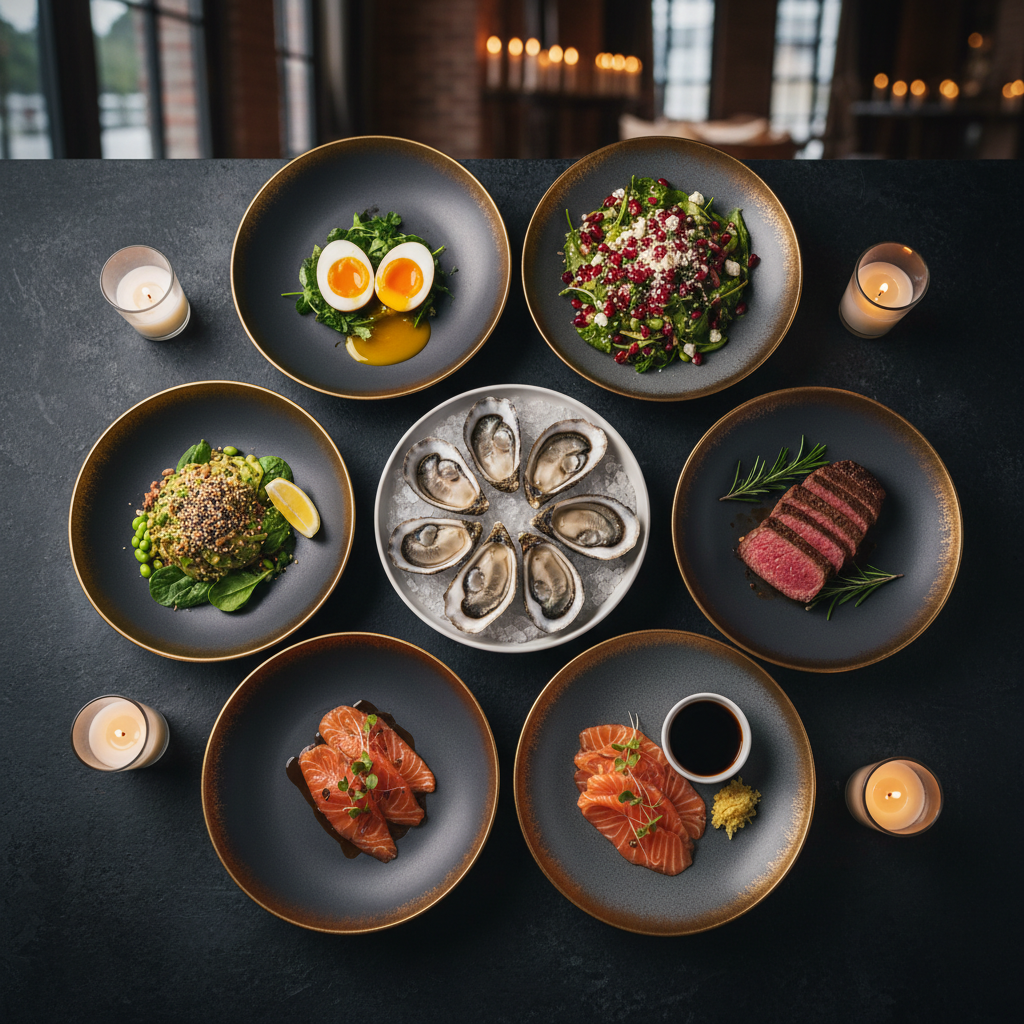
B: 3 whole eggs + spinach sauté + olive oil + coffee | L: Tuna salad + avocado + celery + olive oil | D: Oysters (6) + roasted garlic vegetables | S: Pumpkin seeds + berries
B: Whole egg omelet (3 eggs) + sautéed spinach + garlic | L: Grass-fed beef bowl + roasted broccoli + olive oil | D: Salmon fillet + asparagus + ginger-garlic sauce | S: Pomegranate seeds + walnuts
B: 4 whole eggs scrambled + spinach + olive oil + green tea | L: Tuna bowl + avocado + cucumber + lemon-olive oil | D: Grass-fed beef stir-fry + bok choy + ginger + garlic | S: Blueberries + pumpkin seeds
B: Pomegranate juice (250ml) + 3 eggs any style + spinach | L: Salmon salad + EVOO + lemon + capers | D: Oysters (6) + roasted vegetables + garlic | S: Mixed berries + walnuts
B: 3 whole eggs + avocado + ginger tea + pumpkin seeds | L: Grass-fed beef burger (no bun) + lettuce + olive oil sauce | D: Salmon + garlic spinach + olive oil + lemon | S: Pomegranate seeds + dark chocolate
B: Smoked salmon + 3 scrambled eggs + spinach + olive oil | L: Oysters (6) + green salad + EVOO vinaigrette | D: Grass-fed beef + roasted garlic + broccoli | S: Blueberries + pumpkin seeds
B: Full plate: 4 eggs + bacon + avocado + spinach | L: Salmon sashimi or baked salmon + avocado + ginger | D: Beef stir-fry + garlic + bok choy + olive oil | S: Pomegranate juice + walnuts
7. Results Timeline: What to Realistically Expect
Sleep optimization produces measurable testosterone improvement (+15%) within 7 days. Dietary changes begin.
Pomegranate and zinc-rich foods produce measurable effects. Cortisol-reducing supplements (ashwagandha) begin taking effect.
Zinc repletion in deficient men reaches full effect. Resistance training adaptations contribute to baseline testosterone improvement.
Ashwagandha KSM-66 achieves full clinical effect (+14–22%). Vitamin D3 supplementation produces measurable improvement. Body composition improvements from higher testosterone amplify the effect.
Full dietary, lifestyle, and supplement optimization produces peak natural testosterone levels. Consistent maintenance of habits sustains results.
8. Free Tools to Track Testosterone-Supporting Nutrition
📸 AI Food Scanner
Check zinc, vitamin D, and omega-3 in any meal instantly
📊 Testosterone Calculator
Assess your testosterone risk factors
🤖 AI Hormone Coach
Get personalized testosterone-boosting plan
💪 Protein Calculator
Optimal protein for muscle and testosterone
😌 Lower Cortisol Guide
Cortisol steals testosterone — fix cortisol first
🥗 Macro Calculator
Balance fat intake for optimal testosterone
9. People Also Ask — 10 Expert Answers on Testosterone & Food
❓ What foods naturally boost testosterone the most?
The most clinically validated testosterone-boosting foods are: (1) Oysters — highest zinc source on earth (74mg/100g), zinc is the rate-limiting nutrient for testosterone synthesis in Leydig cells. (2) Pomegranate — 500ml daily raised salivary testosterone by 24% in a 2-week RCT. (3) Whole eggs — cholesterol is the direct biochemical precursor to testosterone; removing the yolk removes this benefit. (4) Tuna — highest vitamin D per calorie, and vitamin D receptors are directly on testosterone-producing Leydig cells. (5) Ashwagandha KSM-66 — 300mg 2x/day raises testosterone by 14–22% in 8–12-week RCTs. These work through distinct but complementary mechanisms — combining them amplifies results significantly.
❓ How much can diet increase testosterone naturally?
Diet and lifestyle changes can realistically raise testosterone by 15–35% in men with suboptimal levels. Specific documented effects: sleep optimization alone (+15% within 1 week of 8h sleep), zinc repletion in deficient men (+50% — deficiency is that dramatic), resistance training (+20% acute, +15% baseline over months), ashwagandha (+14–22%), pomegranate juice (+24%), vitamin D3 supplementation in deficient men (+20–30%). The cumulative effect of optimizing multiple factors simultaneously can approach what clinical testosterone replacement achieves in men with borderline-low levels.
❓ What are the biggest testosterone killers?
The most impactful testosterone suppressors: (1) Chronic stress and high cortisol — cortisol and testosterone compete for the same precursor (pregnenolone), causing "cortisol steal." (2) Sleep deprivation — 5 hours of sleep reduces testosterone by 15% per week; 70% of testosterone is produced during sleep. (3) Obesity and visceral fat — aromatase enzyme in fat tissue converts testosterone to estrogen; overweight men have 40–50% lower testosterone on average. (4) Excess alcohol — directly inhibits testosterone synthesis at the testicular level and increases aromatase activity. (5) High-sugar, ultra-processed diet — insulin spikes suppress luteinizing hormone (LH), the pituitary signal that tells testes to produce testosterone. (6) Endocrine disruptors — BPA in plastics, parabens in products, pesticide residues in non-organic produce.
❓ Does zinc really boost testosterone?
Yes — zinc is mechanistically essential for testosterone production and one of the most validated nutritional testosterone interventions. Zinc is required by the enzyme (CYP11A1) that converts cholesterol to pregnenolone — the first step in testosterone biosynthesis. Zinc deficiency directly causes testosterone levels to drop by up to 50% in clinical studies. Zinc repletion in deficient men (which includes many people with processed food diets, athletes, and older men) restores testosterone significantly within 4 weeks. Dose: 25–30mg zinc bisglycinate or picolinate daily for repletion (therapeutic, not just maintenance).
❓ How quickly can you raise testosterone naturally?
Fastest natural testosterone improvements by intervention: (1) Sleep: 7–8 hours for 1 week → +15% testosterone (fastest measurable change). (2) Zinc supplementation (in deficient men): +20–50% within 4 weeks. (3) Resistance training (heavy compound movements): measurable acute spikes within hours, baseline improvement in 2–4 weeks. (4) Pomegranate juice: +24% in 2 weeks in the landmark RCT. (5) Vitamin D3 (in deficient men): significant improvement in 3 months. (6) Ashwagandha KSM-66: 14–22% increase in 8–12 weeks. Combining multiple interventions simultaneously produces faster results than any single change.
❓ Do eggs increase testosterone?
Yes — whole eggs are one of the most important testosterone-supporting foods, specifically because of the yolk. Egg yolks contain cholesterol — the direct biochemical precursor molecule from which ALL steroid hormones including testosterone are synthesized. Studies comparing whole eggs vs. egg whites post-resistance training find whole eggs produce significantly higher testosterone responses. Egg yolks also provide vitamin D (41 IU per yolk), zinc (0.5mg), and selenium. Eating 3–4 whole eggs daily is associated with higher testosterone levels in multiple population studies. Stop removing the yolk.
❓ Does testosterone affect weight loss and body composition?
Yes — testosterone has direct and significant effects on body composition. Testosterone: (1) Increases lean muscle mass synthesis through IGF-1 and mTOR pathway activation. (2) Reduces fat storage by inhibiting adipogenesis (fat cell creation) and promoting lipolysis (fat cell breakdown). (3) Improves insulin sensitivity, reducing blood sugar and fat storage. (4) Increases basal metabolic rate through its anabolic effects on muscle tissue. (5) Reduces visceral fat — men who raise testosterone through TRT consistently reduce abdominal fat without changing diet. Men with low testosterone consistently struggle with weight loss despite caloric restriction — restoring testosterone (naturally or medically) is sometimes the missing variable.
❓ Is ashwagandha the best supplement for testosterone?
Ashwagandha KSM-66 extract has the strongest clinical evidence of any single supplement for natural testosterone elevation. Multiple double-blind, placebo-controlled RCTs confirm: 300mg 2x/day (600mg total) raises testosterone by 14–22% in 8–12 weeks in healthy adult men. Secondary benefits from the same studies: cortisol -27.9%, sperm quality +167%, muscle strength +14%, muscle recovery improved. The mechanism appears dual: direct stimulation of testosterone production AND cortisol reduction (freeing pregnenolone from cortisol synthesis to be used for testosterone instead). Dose: KSM-66 or Sensoril standardized extract specifically — cheap ashwagandha powder without standardization shows inconsistent results.
❓ What is the testosterone-boosting meal plan?
An optimal testosterone-supporting daily diet focuses on: (1) Adequate dietary fat (30–35% of calories) — testosterone is made from cholesterol, and very low-fat diets reduce testosterone by 10–15%. Choose olive oil, avocado, whole eggs, and fatty fish over seed oils. (2) Zinc-rich foods daily (oysters, beef, pumpkin seeds) — 11mg minimum daily value, ideally 25mg from food + supplement combined. (3) Vitamin D (tuna, salmon, egg yolks, fortified foods) — 3,000–5,000 IU daily total. (4) High protein (0.8–1g/lb body weight) — supports muscle maintenance that amplifies testosterone benefits. (5) Antioxidants (pomegranate, berries, garlic) — reduce oxidative stress in testicular tissue that degrades testosterone. (6) Minimize sugar, alcohol, and ultra-processed foods.
❓ Can women benefit from testosterone-boosting foods?
Yes — women naturally produce testosterone (in smaller amounts than men), and it plays important roles in female health: libido, muscle mass, bone density, energy, and mood. The same foods that raise testosterone in men — pomegranate, zinc-rich foods, healthy fats, vitamin D, ashwagandha — support healthy testosterone levels in women. Women's testosterone also declines with age (beginning in the 30s) and is suppressed by chronic stress, oral contraceptives, and poor diet. The testosterone-supporting diet benefits women seeking improved energy, libido, muscle tone, and mood — without causing masculinizing effects at food-based doses.
🚀 Start Boosting Testosterone Today
Use our free AI tools to track zinc, vitamin D, and omega-3 intake — and get a personalized testosterone-boosting meal plan.
📚 Related Articles
foods that boost testosterone naturally, testosterone boosting foods, how to increase testosterone naturally, testosterone foods list 2026, foods raise testosterone, best foods testosterone, oysters zinc testosterone, pomegranate testosterone, foods boost T levels, testosterone diet, natural ways testosterone, low testosterone diet, foods kill testosterone, testosterone meal plan, ashwagandha testosterone, vitamin D testosterone, whole eggs testosterone yolk, testosterone supplements, cortisol testosterone