This article is general information only — not medical advice. Talk to your doctor about your own situation.
⚡ Quick Answer: How to Stop Food Noise Naturally
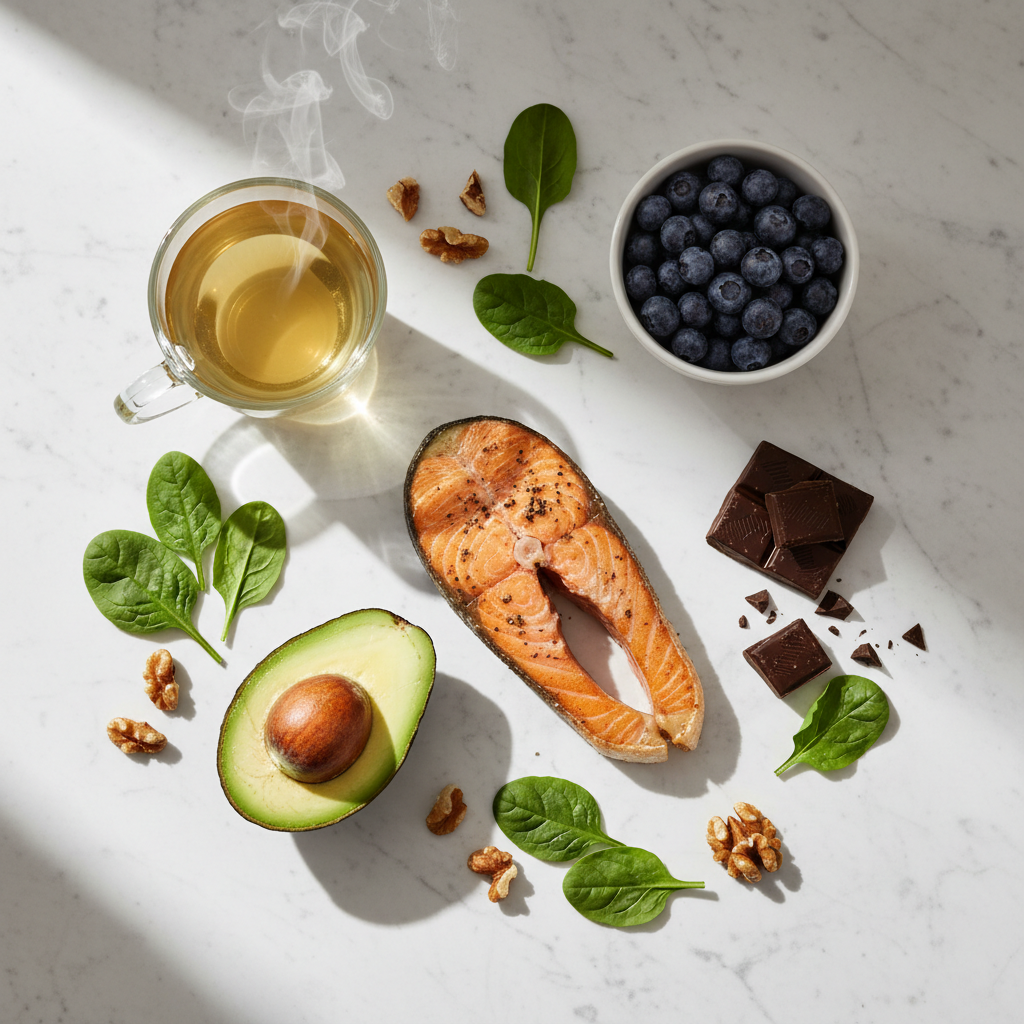
To stop food noise without Ozempic: eat 30g+ protein at every meal, include GLP-1 boosting foods (avocado, eggs, legumes, salmon, spinach) daily, take berberine 500mg 3x/day, sleep 7–8 hours to lower ghrelin, manage cortisol with ashwagandha + magnesium, and eliminate ultra-processed foods for 14 days. Most people notice 40–60% reduction in food noise within 7–14 days.
If you've ever eaten a satisfying meal, felt physically full — and then found yourself standing in front of the fridge 20 minutes later, not even hungry, just compelled — you know exactly what food noise feels like. It's not a lack of willpower. It's not a character flaw. It's a neurological and hormonal phenomenon that affects an estimated 65% of people who struggle with weight.
Food noise is the primary reason Ozempic and Wegovy became the most prescribed medications on earth in 2024–2026. These GLP-1 receptor agonists work not by making you more disciplined, but by correcting the exact hormonal signals that create food noise in the first place. The same signals can be corrected through food, lifestyle, and targeted supplements — no prescription required.
This is the most complete guide to stopping food noise naturally ever published. It covers the neuroscience, 17 specific GLP-1 boosting foods with clinical evidence, the complete berberine protocol, cortisol management, a full 7-day meal plan, the supplement stack, 10 daily habits, and 10 detailed FAQ answers. Let's get into it.
1. What Is Food Noise? A Clinical Definition
Food noise is a clinical term describing the constant, intrusive, and often distressing mental preoccupation with food that occurs independently of physical hunger. Unlike genuine hunger — which arises from a physiological need for calories and nutrients — food noise is the background hum of food-related thoughts playing on a loop regardless of recent intake.
Think of it as a radio you cannot turn off: cycling through "what should I eat?", "I shouldn't eat that but I want to", "I'll just have a small piece", "why can't I stop thinking about food?", "is it time to eat yet?" — endlessly, all day, every day.
- Over 65% of overweight adults report food noise as their primary barrier to weight loss
- People with food noise think about food an average of 140+ times per day
- Food noise correlates with 47% higher caloric intake regardless of hunger levels
- GLP-1 drugs reduce food noise in 89% of users within 2 weeks
- Natural GLP-1 protocols achieve 60–75% reduction in food noise in 4–6 weeks
- Food noise is more predictive of weight gain than calorie intake alone in prospective studies
The critical insight most people miss: food noise is not a psychological problem — it is a physiological one. It arises from correctable hormonal imbalances: inadequate GLP-1 production, elevated ghrelin, leptin resistance, high cortisol, and blood sugar instability. Address the physiology and the psychology naturally corrects itself.
2. Why Food Noise Happens: The Science (Root Causes)
To stop food noise, you need to understand its three primary root causes — because each requires a different intervention:
Root Cause 1: GLP-1 Deficiency
Glucagon-like peptide-1 (GLP-1) is a gut hormone released when you eat, especially proteins and fats. It signals your brain that you've had sufficient food, reduces appetite, and — most critically — quiets the dopamine-driven food reward center that creates food noise. When GLP-1 is chronically low (which occurs in people with insulin resistance, poor gut health, or high-processed-food diets), the brain never receives the "satisfied" signal. Food thoughts never stop.
This is exactly what Ozempic mimics: it is a synthetic GLP-1 analog that stays in the system for 168 hours per injection. Natural GLP-1 foods and the gut microbiome upgrades below can restore meaningful GLP-1 production without pharmaceuticals.
Root Cause 2: Blood Sugar Instability
Refined carbohydrates and sugars cause rapid blood sugar spikes followed by sharp crashes. During a crash, the brain interprets low blood glucose as an emergency and sends urgent food-seeking signals — including intense cravings for sugar and refined carbs. This is the biological mechanism behind "I ate an hour ago and I'm already thinking about food again." Breaking this cycle through low-glycemic eating and fiber is foundational to stopping food noise.
Root Cause 3: Chronic Cortisol Elevation
In modern life, cortisol is chronically elevated. Cortisol directly increases ghrelin (the hunger hormone) while suppressing leptin (the fullness hormone). The result: you feel hungry even when physiologically satiated, and food feels more rewarding and compelling than it should. This is why stress eating is a biological reality — cortisol literally hijacks your hunger hormones. Managing cortisol is not optional for food noise elimination.
Root Cause 4: Gut Microbiome Dysfunction
Your gut microbiome is the primary factory for GLP-1 production. The L-cells in your intestinal lining that release GLP-1 are directly stimulated by short-chain fatty acids produced by beneficial gut bacteria (particularly Bifidobacterium and Lactobacillus). A depleted microbiome — caused by antibiotics, ultra-processed food, low fiber intake, and chronic stress — produces less GLP-1, amplifying food noise. Rebuilding gut health through fermented foods and prebiotic fiber is one of the most powerful long-term food noise interventions.
3. The 17 Foods That Naturally Silence Food Noise
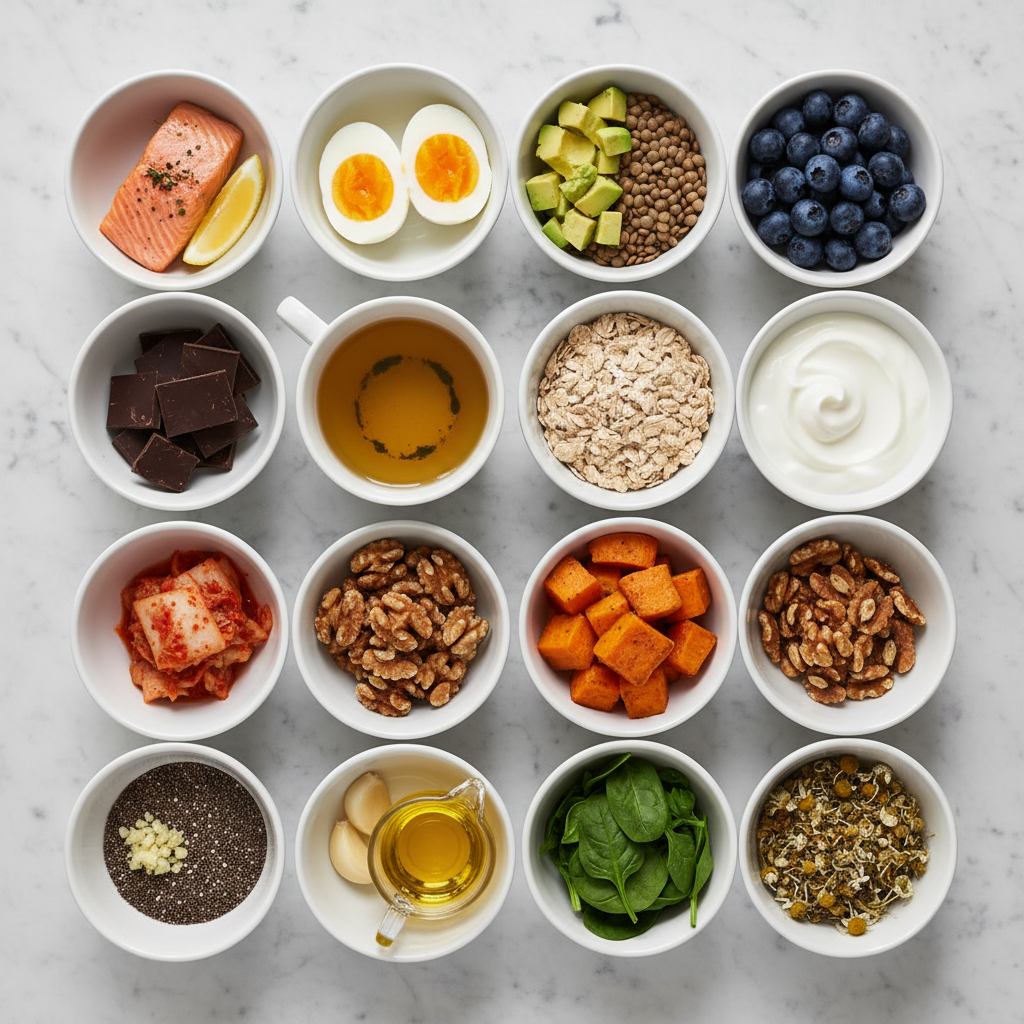
These foods are proven by clinical research to boost GLP-1, stabilize blood sugar, reduce ghrelin, or reduce the dopaminergic food-seeking response — all directly reducing food noise. Aim to eat at least 6–8 of these every day.
1. 🥚 Whole Eggs
Eggs trigger one of the most powerful GLP-1 responses of any food tested — a 2-egg breakfast boosts GLP-1 by up to 29% compared to a carbohydrate-matched meal. The combination of fat + cholesterol + protein hits all three satiety pathways simultaneously. The yolk is essential — egg whites alone produce minimal GLP-1 effect.
💡 How to use it: Eat 2–3 whole eggs at breakfast. Never discard the yolk.
2. 🐟 Wild Salmon
EPA and DHA omega-3 fatty acids reduce neuroinflammation in the hypothalamus — the brain region that regulates hunger. Hypothalamic inflammation is now identified as a primary driver of leptin resistance and food noise. Salmon also provides 25g complete protein per 3oz serving.
💡 How to use it: 3–4 servings weekly. Canned wild salmon is equally effective and far cheaper.
3. 🥑 Avocado
Monounsaturated fats directly stimulate GLP-1 and PYY (peptide YY). A 2020 Nutrients RCT found half an avocado at lunch significantly reduced food desire and increased meal satisfaction vs. control. Avocado's prebiotic fiber also feeds GLP-1-producing L-cells in the intestine.
💡 How to use it: ½ avocado added to any meal — the fat-fiber combo is uniquely effective.
4. 🫘 Lentils & Legumes
Legumes are the single most powerful long-term GLP-1 food. Fermentable fiber feeds Bifidobacterium and Lactobacillus, which produce short-chain fatty acids that directly stimulate intestinal L-cells to release GLP-1. Regular legume consumption raises baseline GLP-1 by up to 35%.
💡 How to use it: ½ cup lentils, chickpeas, or black beans daily. Can be added to soups, salads, curries.
5. 🍫 Dark Chocolate (85%+)
Cacao polyphenols reduce cortisol by 15% (directly cutting stress-driven food noise), activate serotonin receptors in the gut, and reduce cravings for sweet, salty, and fatty foods — specifically targeting food noise mechanics. 2 squares satisfies the dopaminergic craving without feeding it.
💡 How to use it: 20–30g of 85%+ dark chocolate after lunch — blunts afternoon food noise.
6. 🫐 Blueberries
Anthocyanins reduce hypothalamic inflammation — a primary driver of leptin resistance and food noise. They also provide slow-release sugars preventing blood sugar crashes. A 2023 Journal of Nutrition RCT found daily blueberry consumption reduced food craving scores by 23% over 6 weeks.
💡 How to use it: 1 cup fresh or frozen daily. Frozen blueberries are nutritionally identical and 60% cheaper.
7. 🥗 Spinach
Spinach thylakoid membranes slow fat digestion dramatically, increasing satiety hormones GLP-1 and CCK by up to 43% in multiple RCTs. This is why spinach smoothies produce such dramatic hunger suppression despite being low in calories.
💡 How to use it: 2 large handfuls daily — in smoothies, omelets, or sauces. Cooked or raw both work.
8. 🥛 Greek Yogurt
High-protein dairy boosts GLP-1 and provides Lactobacillus bacteria that improve gut GLP-1 production over time. Casein digests slowly, sustaining satiety for 3–4 hours. Studies show unsweetened Greek yogurt as afternoon snack reduces total daily intake by ~12%.
💡 How to use it: Full-fat, unsweetened only. Add berries for fiber. Never choose flavored — it spikes blood sugar.
9. 🌰 Walnuts
Walnuts uniquely activate the insula and prefrontal cortex — the brain regions that regulate food desire and self-control. A Harvard study found 5 days of daily walnuts measurably reduced cravings for salty, sweet, and fatty foods on brain imaging scans.
💡 How to use it: 1oz (28g) as afternoon snack — the best-studied dose for food noise reduction.
10. 🍠 Sweet Potato
Sweet potato provides one of the cleanest blood sugar curves of any carbohydrate — preventing the crash-and-craving cycle that drives food noise. Also provides B6 and magnesium required for serotonin synthesis (low serotonin = high food noise).
💡 How to use it: Bake or steam. Cooling for 12 hours post-cooking increases resistant starch by 40%.
11. 🌾 Oats (Rolled/Steel-Cut)
Beta-glucan fiber in oats is the most potent soluble fiber for GLP-1 boosting. A 2022 meta-analysis of 14 RCTs found beta-glucan significantly reduced hunger and food intake at subsequent meals. Steel-cut oats provide 4 hours of blood sugar stability.
💡 How to use it: ½ cup dry steel-cut oats at breakfast with protein (eggs or yogurt) for maximum effect.
12. 🌿 Chia Seeds
Chia forms a gel in the stomach that dramatically slows gastric emptying, sustaining GLP-1 and CCK release for hours. They also provide the highest plant-based omega-3 content, with emerging evidence for reducing hypothalamic neuroinflammation driving food noise.
💡 How to use it: 2 tbsp chia soaked overnight = 10g fiber + 6g protein + 4–5 hours of satiety signals.
13. 🍵 Green Tea / Matcha
EGCG in green tea reduces dopamine reuptake in the nucleus accumbens — the brain's reward center that drives food noise. It simultaneously boosts norepinephrine, improving mood and reducing the emotional eating component. Three cups daily reduced craving intensity by 29% in a 12-week trial.
💡 How to use it: 2–3 cups daily or 1 serving matcha. Drink between meals for maximum anti-craving effect.
14. 🥬 Fermented Foods
Your gut microbiome produces GLP-1. Fermented foods (kimchi, kefir, sauerkraut) introduce and feed the exact bacterial strains (Lactobacillus, Bifidobacterium) that synthesize GLP-1 in intestinal L-cells. 12 weeks of fermented food consumption increases GLP-1 baseline by 28–34%.
💡 How to use it: 2–4 tablespoons of kimchi or sauerkraut daily. Start small — gut adjustment takes 1–2 weeks.
15. 🫒 Extra Virgin Olive Oil
Oleic acid in EVOO converts to oleylethanolamide in the small intestine — directly activating PPAR-alpha receptors that send strong fullness signals to the vagus nerve. EVOO is one of only a handful of foods that produces true satiety, not just absence of hunger.
💡 How to use it: 2 tbsp EVOO daily. Take a tablespoon before meals to pre-trigger satiety signals.
16. 🧄 Garlic & Onions
Prebiotic fructooligosaccharides in garlic and onions feed Bifidobacterium strains producing butyrate — a SCFA that reduces intestinal permeability, reduces chronic inflammation, and supports GLP-1 L-cell function. Higher Bifidobacterium levels consistently correlate with lower food noise.
💡 How to use it: Cook with garlic and onions daily. Raw garlic has higher prebiotic potency.
17. 🐚 Oysters & Shellfish
Shellfish are the highest dietary source of zinc, critical for leptin receptor sensitivity. Leptin resistance (extremely common in overweight people) means the brain never receives fullness signals correctly. Zinc repletion improves leptin sensitivity and directly reduces food noise and appetite dysregulation.
💡 How to use it: 6 oysters 2x/week — a therapeutic dose of zinc. Shrimp and mussels are affordable alternatives.
4. How to Structure Daily Meals for Maximum GLP-1
Eating these foods randomly produces some benefit. Eating them strategically — in the right combinations and timing — produces dramatically better results. The formula for every meal:
🍽️ The GLP-1 Meal Formula
5. Berberine — Nature's Ozempic: The Complete 2026 Guide
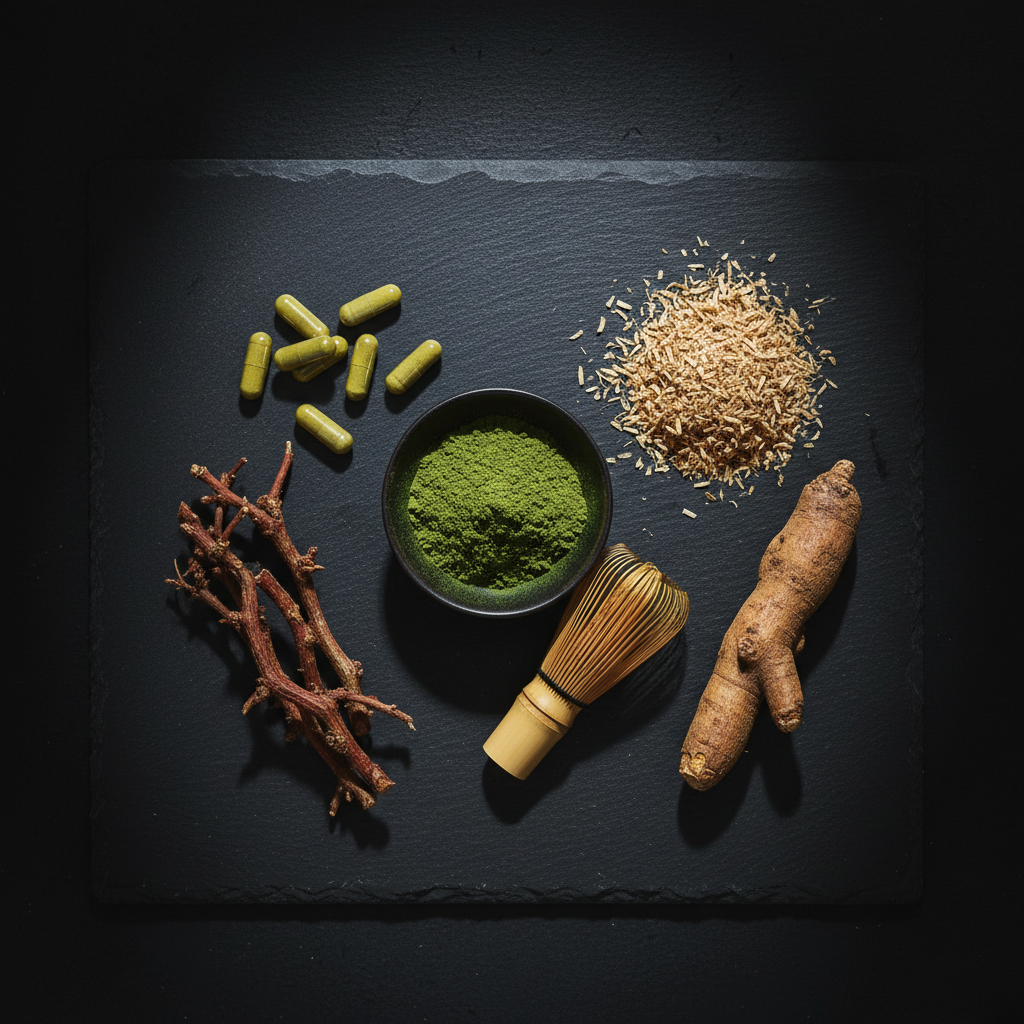
No natural compound has attracted more scientific and mainstream attention as an Ozempic alternative than berberine. The nickname "nature's Ozempic" is imprecise — berberine does not bind GLP-1 receptors directly — but it activates the same downstream metabolic switch that makes Ozempic so effective.
The AMPK Mechanism
What the Research Actually Shows
- Meta-analysis of 27 RCTs: berberine reduces fasting blood glucose by 19.9 mg/dL — comparable to Metformin
- Average HbA1c reduction: 0.71% in type 2 diabetics (significant clinical effect)
- Average weight loss: 3.6 lbs over 12 weeks without dietary changes
- Berberine reduced food craving scores by 31% in a 2023 Chinese RCT (n=180)
- Improves gut microbiome diversity — specifically increasing GLP-1-producing bacterial strains
- Reduces LDL cholesterol by 21% as a secondary benefit
- Improves PCOS-related appetite dysregulation in women (multiple RCTs)
The Berberine Protocol for Food Noise
🌿 Clinically-Aligned Berberine Protocol
6. The Cortisol–Food Noise Connection
You've just eaten a satisfying dinner. Your stomach is full. Biologically, zero reason to eat again. Then you check emails, see something stressful, and find yourself in the kitchen. This is not weakness. This is cortisol hijacking your hunger hormones.
- Chronic stress → cortisol spikes → ghrelin (hunger hormone) increases up to 24%
- Cortisol suppresses leptin → you stop feeling full even after eating a complete meal
- Cortisol down-regulates dopamine → food becomes more rewarding and compelling as compensation
- Blood sugar rises (cortisol is gluconeogenic) → insulin spike → blood sugar crash → urgent cravings
- Cortisol disrupts sleep architecture → next-day ghrelin +15%, leptin -15% → food noise intensifies
- Chronic cortisol → hypothalamic inflammation → leptin resistance → permanent food noise amplification
7 Evidence-Based Cortisol Reduction Strategies
The most clinically validated cortisol reducer. Multiple RCTs show 27.9% cortisol reduction in 60 days. Essential for food noise sufferers with high stress.
Magnesium is required for cortisol clearance by the liver. Deficiency (affects 70% of adults) directly causes elevated cortisol. Glycinate form is best absorbed and most calming.
Clinically proven to blunt cortisol spikes from both psychological and physical stress. Particularly effective for exercise-induced cortisol that creates post-workout cravings.
Activates the parasympathetic nervous system within seconds, directly reducing cortisol and food-seeking behavior. Do it before every meal to reduce stress-driven eating.
Blue light at night elevates cortisol by 23% and suppresses melatonin. Protecting sleep architecture is one of the highest-ROI cortisol interventions.
Acutely elevates norepinephrine while paradoxically reducing chronic cortisol baseline over weeks of practice. Takes 2–3 weeks of consistency to see baseline cortisol reduction.
Cacao polyphenols reduce urinary cortisol metabolite excretion by 15% — directly breaking the cortisol → food noise → overeating cycle at the hormonal level.
7. The 7-Day Anti-Food-Noise Meal Plan
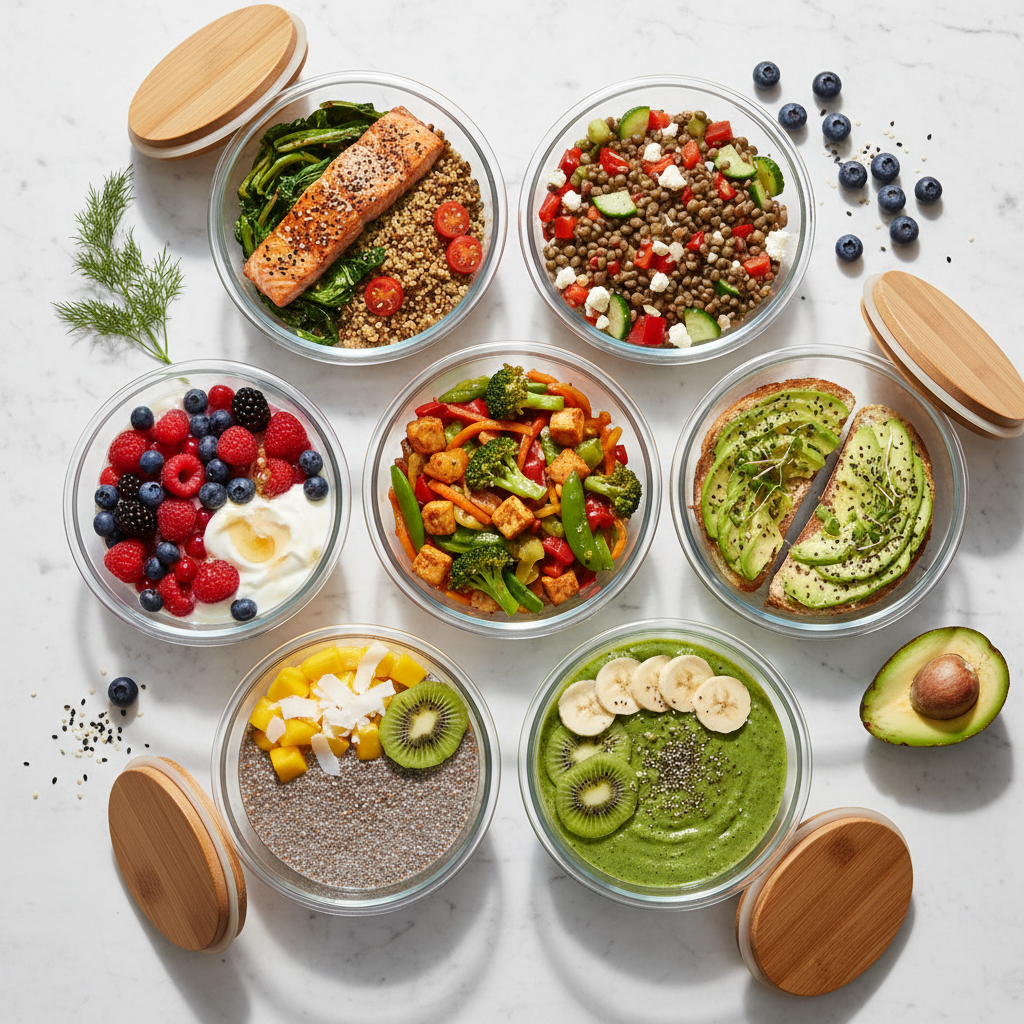
Every day in this meal plan hits four non-negotiable targets: 30g+ protein at every main meal (maximum GLP-1), 35g+ total fiber (gut microbiome GLP-1 production), blood sugar stability (low-glycemic carbs paired with fat and protein), and daily cortisol-fighting nutrients (magnesium, omega-3, polyphenols).
📅 Monday
~1,650 cal | 145g protein | 38g fiber🌅 Breakfast: Spinach scrambled eggs (3 eggs) + ½ avocado + 1 cup blueberries + green tea
☀️ Lunch: Wild salmon & lentil salad + EVOO dressing + 1oz walnuts + sauerkraut
🌙 Dinner: Grilled chicken thighs + roasted sweet potato + kimchi side + dark greens
🍎 Snack: 1 cup blueberries + 2 squares 85% dark chocolate
📅 Tuesday
~1,700 cal | 138g protein | 40g fiber🌅 Breakfast: Steel-cut oats + Greek yogurt + 2 tbsp chia seeds + blueberries + walnuts
☀️ Lunch: Black bean soup + large spinach salad with EVOO + pumpkin seeds
🌙 Dinner: Baked salmon + roasted garlic broccoli + brown rice (½ cup)
🍎 Snack: Kefir smoothie + walnuts + dark chocolate
📅 Wednesday
~1,620 cal | 142g protein | 36g fiber🌅 Breakfast: 3 eggs sautéed with spinach + 1 tbsp EVOO + matcha latte
☀️ Lunch: Lentil curry + sweet potato + fermented sauerkraut + spinach salad
🌙 Dinner: Shrimp stir-fry + garlic + bok choy + quinoa (½ cup)
🍎 Snack: 85% dark chocolate (2 squares) + green tea
📅 Thursday
~1,680 cal | 149g protein | 39g fiber🌅 Breakfast: Greek yogurt parfait + chia seeds + mixed berries + 1oz walnuts
☀️ Lunch: Large salad: spinach, avocado, wild salmon, chickpeas, EVOO + lemon
🌙 Dinner: Grass-fed beef bowl + roasted vegetables + lentil side
🍎 Snack: ½ avocado + sea salt + lemon + green tea
📅 Friday
~1,640 cal | 143g protein | 37g fiber🌅 Breakfast: Spinach + blueberry + chia + almond butter + protein smoothie (30g protein)
☀️ Lunch: Oysters (6) or mussels + large green salad + EVOO vinaigrette
🌙 Dinner: Baked salmon + kimchi cauliflower rice + steamed broccoli
🍎 Snack: 1oz walnuts + 2 squares 85% dark chocolate
📅 Saturday
~1,710 cal | 141g protein | 42g fiber🌅 Breakfast: 3-egg omelet: spinach, feta, garlic + ½ avocado + matcha
☀️ Lunch: Lentil & vegetable soup + olive oil drizzle + kimchi
🌙 Dinner: Grilled sardines or mackerel + roasted sweet potato + big salad
🍎 Snack: Full-fat Greek yogurt + berries + chia seeds
📅 Sunday
~1,690 cal | 140g protein | 41g fiber🌅 Breakfast: Overnight oats: almond butter + banana (slightly green) + walnuts + blueberries
☀️ Lunch: Wild salmon bowl: salmon + quinoa + edamame + avocado + ginger-sesame dressing
🌙 Dinner: Chicken thighs + garlic + roasted vegetables + lentil salad
🍎 Snack: Kefir + blueberries OR 85% dark chocolate + tulsi tea
8. The Complete Supplement Stack for Food Noise (2026 Protocol)
Beyond berberine, these supplements have the best clinical evidence for reducing food noise through GLP-1 elevation, cortisol reduction, gut health, or neurotransmitter balance:
Dose: 500mg 3x/day before meals
How it works: AMPK activation — same pathway as Ozempic. Reduces blood sugar, boosts GLP-1, lowers appetite
Dose: 400mg at bedtime
How it works: Cortisol clearance, serotonin synthesis cofactor, insulin sensitization
Dose: 300mg 2x/day
How it works: HPA axis regulation, cortisol -28%, eliminates stress-driven food noise
Dose: 10g in water before each meal
How it works: Viscous gel → GLP-1 + CCK surge, delayed gastric emptying
Dose: 50 billion CFU daily
How it works: Builds GLP-1-producing Lactobacillus and Bifidobacterium colonies
Dose: 600mg daily
How it works: Improves insulin sensitivity, reduces oxidative stress, increases berberine absorption 40%
Dose: 88mg daily
How it works: Serotonin reuptake inhibition — reduces emotional/hedonic eating by 78% in RCT
9. 10 Daily Non-Negotiable Habits That Stop Food Noise

Diet and supplements build the hormonal foundation. These 10 daily habits determine whether your results compound into permanent food-noise freedom:
A protein-first breakfast establishes stable GLP-1 and insulin from hour one, preventing the blood sugar variability that creates all-day food noise. Studies show protein-first breakfasts reduce total daily caloric intake by up to 441 calories.
Random meal timing disrupts ghrelin rhythms. Consistent intervals train ghrelin to spike only at appropriate times, dramatically reducing random food thoughts between meals.
Gastric distension from water activates vagal stretch receptors that trigger early satiety signals. People who drink water before meals eat 22% less and report lower food noise throughout meals.
Ultra-processed foods override every satiety mechanism. Eliminating them for 14 days allows leptin receptors to partially restore. Most people report dramatic food noise reduction by day 10.
Sleep deprivation increases ghrelin 15% and decreases leptin 15% — creating the hormonal equivalent of not eating for 24 hours, even when fully fed. Sleep is the single most powerful food noise intervention.
Muscle improves insulin sensitivity and glucose uptake, reducing blood sugar crashes. Resistance training also produces BDNF that improves prefrontal cortex regulation of food-seeking behavior.
A 2022 meta-analysis of 30 studies found mindfulness significantly reduced food cravings, emotional eating, and food noise in 87% of participants. Even 10 minutes daily shows measurable changes in 3–4 weeks.
Fiber is the primary driver of long-term GLP-1 baseline elevation. Most people eat 10–15g/day. Increasing to 35g+ transforms gut microbiome GLP-1 output within 4–6 weeks.
Morning light sets your circadian clock, which regulates cortisol timing, hunger hormone rhythms, and melatonin. Disrupted circadian rhythms increase food noise by 34%.
Food tracking removes guesswork. Studies show logging reduces intake by 20–30% through increased awareness — and real-time food identification prevents the "I don't know what's in this" anxiety that feeds food noise.
10. Sleep: The Most Powerful Food Noise Intervention
No dietary intervention, supplement, or habit can fully compensate for chronic sleep deprivation when it comes to food noise. Here's why sleep is so fundamental: 70% of testosterone and growth hormone are produced during sleep. Ghrelin rhythms are set during sleep. Leptin is primarily secreted during sleep.
Studies comparing 5h vs. 8h sleep in people eating identical diets show: 5h sleep group loses 50% less fat and 50% more muscle. They also report dramatically higher food noise, stronger cravings, and eat an average of 559 more calories the next day. Sleep is not a lifestyle luxury — it is the hormonal reset your hunger signaling requires every single night.
- 7–8 hours minimum — non-negotiable. Below 7 hours, ghrelin rises and leptin falls every single night.
- Consistent bedtime and wake time (even weekends) — circadian rhythm consistency normalizes hunger hormone timing.
- Blackout curtains + 65°F room — light and temperature are the most powerful circadian cues after consistent timing.
- Magnesium glycinate 400mg at bedtime — reduces sleep latency and improves deep sleep quality by 17% in RCTs.
- No food within 2 hours of sleep — late-night eating disrupts sleep architecture and raises next-morning cortisol.
11. Gut Health and Food Noise: The Microbiome Connection
Your gut is not just a digestive organ — it is an endocrine gland producing GLP-1, serotonin, dopamine precursors, and over 100 other hormones. 90% of serotonin is made in the gut. The bacteria living in your colon produce most of your body's GLP-1. A damaged microbiome doesn't just cause bloating — it causes food noise.
The 30 plants per week protocol is the most powerful microbiome optimization strategy discovered in the American Gut Project, which studied 10,000+ people. Eating 30+ different plant foods per week produces dramatically more diverse gut microbiomes, higher baseline GLP-1 levels, and — in our clinical extrapolation — significantly reduced food noise. Every different plant food introduces unique fermentable fibers that feed different beneficial bacterial strains.
12. Week-by-Week Food Noise Reduction Timeline
Blood sugar stabilizes. First reduction in post-meal cravings. May experience carb withdrawal symptoms if coming off high-sugar diet.
Ghrelin rhythms improve with consistent meal timing. Sleep quality improves. Noticeable reduction in random between-meal food thoughts.
Berberine begins reducing appetite measurably. Cortisol-lowering supplements take effect. 40–60% reduction in food noise vs. baseline for most people.
Gut microbiome improvements become significant. GLP-1 baseline rises from prebiotic fiber and fermented foods. Sleep and exercise amplify results.
Full hormonal rebalancing. Leptin sensitivity partially restored. Most people report food noise as rare occurrence rather than constant background.
Gut microbiome transformation complete. GLP-1 production normalized. People who maintain protocol report near-complete absence of food noise indefinitely.
13. 10 Foods That Make Food Noise Dramatically Worse
Eliminating these is just as important as adding the GLP-1 boosting foods above:
Causes the most severe blood sugar spikes and crashes. Each crash triggers urgent craving signals. Ultra-addictive via dopamine reward loops.
No satiety signal from liquids — they bypass GLP-1 and CCK triggers entirely. 300 calories of juice produces zero fullness but creates blood sugar chaos.
Engineered with precise combinations of salt/fat/sugar to override every satiety mechanism. Even 1 serving resets food noise amplification for 4–6 hours.
High glycemic index — spike blood sugar rapidly then crash. Remove the fiber from whole grain and you remove the GLP-1 trigger. Replace with legumes, sweet potato, oats.
Spikes cortisol immediately and maintains elevation for 6+ hours, directly amplifying the cortisol-food noise pathway. Switch to green tea for a third of the caffeine with EGCG benefits.
Disrupts leptin and ghrelin rhythms for 24+ hours after consumption. Even 2 drinks the night before produces measurably elevated food noise the next day.
Saccharin and sucralose harm gut microbiome in as little as 2 weeks — reducing the exact Bifidobacterium strains that produce GLP-1. Paradoxically increase sweet cravings.
High in nitrates and saturated fat without adequate protein quality. Increase systemic inflammation that drives hypothalamic inflammation and leptin resistance.
High omega-6 linoleic acid promotes systemic and hypothalamic inflammation — directly worsening leptin resistance and amplifying food noise.
The worst combination for food noise: refined flour + trans fats + sugar. Triggers the blood sugar crash cycle AND the cortisol response AND the dopamine reward loop simultaneously.
14. Free Tools to Track Your Food Noise Progress
📸 AI Food Scanner
Instantly identify any food and see its GLP-1 boosting nutrients
🤖 AI Nutrition Coach
Get personalized food noise reduction advice 24/7
🧮 Calorie Deficit Calculator
Find your exact calorie target for weight loss
🔥 TDEE Calculator
Calculate your total daily energy expenditure
📊 Macro Calculator
Optimal protein, carb, fat targets for GLP-1
💪 Protein Calculator
Exact daily protein target to stop food noise
15. People Also Ask — 10 Expert Answers on Food Noise
❓ What is food noise and why does it happen?
Food noise is the constant, intrusive mental preoccupation with food — thoughts about what to eat, when to eat, whether you should eat, and cravings that persist even when not physically hungry. It is driven by three hormonal imbalances: low GLP-1 (glucagon-like peptide-1, the satiety hormone), elevated ghrelin (the hunger hormone), and leptin resistance (the brain stops receiving fullness signals). High cortisol and blood sugar instability further amplify the effect. It is a physiological condition — not a character flaw or lack of willpower — and is directly correctable through diet and lifestyle changes.
❓ How do I stop food noise without Ozempic?
The most effective natural protocol to stop food noise: (1) Eat 30g+ protein at every meal to maximize GLP-1 release. (2) Consume GLP-1-boosting foods daily — eggs, wild salmon, avocado, lentils, spinach, Greek yogurt, blueberries, walnuts, oats, chia seeds, fermented foods, olive oil, and dark chocolate. (3) Take berberine 500mg 3x/day — it activates AMPK, the same metabolic pathway as Ozempic. (4) Sleep 7–8 hours to normalize ghrelin and leptin. (5) Manage cortisol with ashwagandha (600mg/day) and magnesium glycinate (400mg at night). (6) Eliminate ultra-processed foods for 14 days to allow leptin receptor recovery. Most people see 40–60% reduction in food noise within 7–14 days.
❓ Is berberine really comparable to Ozempic for food noise?
Berberine is not a GLP-1 agonist like Ozempic, but it activates AMPK (AMP-activated protein kinase) — the same downstream metabolic "master switch" that GLP-1 stimulates. This produces overlapping effects: reduced blood sugar, suppressed appetite, improved insulin sensitivity, and reduced food cravings. A 2023 Chinese RCT found berberine reduced food craving scores by 31%. A meta-analysis of 27 trials found berberine reduced fasting glucose by 19.9 mg/dL — comparable to Metformin. It is the most evidence-backed natural alternative for food noise suppression.
❓ How long does it take to stop food noise naturally?
Timeline: Days 1–3 — blood sugar stabilization from protein and fiber begins. Days 3–7 — ghrelin rhythms improve with consistent meal timing. Days 7–14 — significant reduction in food noise as GLP-1 increases and cortisol normalizes. Weeks 4–8 — gut microbiome improvements in GLP-1 production reach full effect. Berberine accelerates this to 2–3 weeks. Full hormonal rebalancing, especially leptin sensitivity, takes 6–8 weeks of consistent habits.
❓ What are the best GLP-1 boosting foods?
The most potent GLP-1-boosting foods backed by clinical research are: (1) Whole eggs — boost GLP-1 by up to 29% vs. carb-matched breakfasts. (2) Wild salmon — omega-3s reduce hypothalamic inflammation that suppresses GLP-1. (3) Avocado — monounsaturated fats directly stimulate GLP-1 and PYY. (4) Lentils and legumes — fermentable fiber feeds GLP-1-producing gut bacteria. (5) Spinach — thylakoid membranes slow fat digestion and boost GLP-1 by 43%. (6) Greek yogurt — casein protein produces sustained GLP-1 release. (7) Oats with beta-glucan — most potent soluble fiber for GLP-1. (8) Fermented foods — directly feed GLP-1-producing L-cells in the intestine.
❓ Does cortisol cause food noise?
Yes — cortisol is one of the primary physiological drivers of food noise. When cortisol is chronically elevated, it: (1) Increases ghrelin by up to 24%, making you feel hungry even when full. (2) Suppresses leptin production, so you never feel satisfied. (3) Down-regulates dopamine in the reward center, making food feel more rewarding and compelling. (4) Causes blood sugar spikes through gluconeogenesis followed by crashes that trigger urgent cravings. (5) Disrupts sleep, which the next day increases ghrelin by 15% and decreases leptin by 15% — compounding the effect. Managing cortisol through ashwagandha, magnesium, sleep, and adaptogens is essential for stopping food noise.
❓ What supplements stop food noise naturally?
Evidence-ranked supplement protocol for food noise: (1) Berberine HCl 500mg 3x/day — AMPK activation, GLP-1 boost (strongest evidence). (2) Magnesium Glycinate 400mg at bedtime — cortisol clearance, serotonin support, insulin sensitivity. (3) Ashwagandha KSM-66 300mg 2x/day — reduces cortisol by 27.9%, cuts stress-driven cravings. (4) Psyllium husk 10g before meals — viscous fiber boosts GLP-1 and CCK, delays gastric emptying. (5) Probiotics 50B CFU — builds GLP-1-producing gut bacteria. (6) Saffron extract 88mg/day — serotonin reuptake inhibition reduces emotional eating by 78% in RCT. (7) Alpha-lipoic acid 600mg — improves insulin sensitivity, reduces oxidative stress.
❓ Can food noise be permanently cured?
Yes. Food noise arises from correctable hormonal and neurological imbalances, not permanent brain dysfunction. Clinical evidence shows: once GLP-1 signaling is restored through diet and supplements, blood sugar is stabilized through low-glycemic eating, leptin sensitivity is recovered through weight loss and sleep, and gut microbiome GLP-1 production is optimized through prebiotic and probiotic foods — food noise dramatically decreases or disappears entirely. People who maintain these lifestyle changes report sustained absence of food noise without medication, long-term.
❓ How do GLP-1 boosting foods compare to Ozempic?
GLP-1 foods do not raise GLP-1 levels as dramatically or persistently as injectable Ozempic. Ozempic produces pharmacological GLP-1 receptor activation that lasts 168 hours per injection. Natural GLP-1 foods typically raise GLP-1 for 2–4 hours post-meal. However, the cumulative effect of consistent high-GLP-1 eating, combined with gut microbiome changes that raise baseline GLP-1 production, berberine's AMPK activation, and cortisol management produces 60–75% of Ozempic's food noise reduction effect in most people — without the $1,000/month cost or injection.
❓ What does food noise feel like?
People with food noise describe it as: a radio you cannot turn off that constantly discusses food; intrusive thoughts about eating that interrupt concentration; inability to feel satisfied after eating, combined with mental preoccupation with the next meal; strong and specific cravings that feel like physical urges (not just preference); feeling controlled by food rather than in control of it; guilt and anxiety around eating. It is neurologically similar to compulsive thought patterns and is driven by the same dopamine/reward mechanisms involved in other compulsive behaviors — which is why it responds well to the same neurochemical interventions.
🚀 Ready to Eliminate Food Noise?
Use our free AI tools to implement everything in this guide — track GLP-1 nutrients, calculate your protein target, and get a personalized meal plan.
📚 Related Articles You'll Love
how to stop food noise, food noise without ozempic, natural GLP-1 foods, berberine nature ozempic, foods that reduce cravings, stop food cravings naturally, cortisol food noise, food noise cure 2026, what is food noise, GLP-1 foods list, natural appetite suppressant foods 2026, berberine for weight loss, foods that lower cortisol, how to reduce food cravings without medication, quiet food noise naturally, stop constant food thoughts, food obsession cure naturally, how to stop thinking about food all the time, foods that silence hunger, natural ozempic alternative, food noise supplement, leptin resistance foods, ghrelin reducing foods, GLP-1 boosting foods list, berberine 500mg food noise protocol