

Nutrition Researcher · 14 years research experience · Nutrition Data Source · Academy of Nutrition and Dietetics
⚕️ Disclaimer: This article is for educational purposes only. Not a substitute for professional medical advice. Do NOT start a gluten-free diet before celiac disease testing — it invalidates the results. Consult your doctor first.
An estimated 6–10% of the global population has some form of gluten-related disorder — yet over 80% remain undiagnosed for an average of 6–10 years after symptoms begin. Doctors frequently misdiagnose gluten intolerance as IBS, fibromyalgia, depression, or chronic fatigue syndrome. This guide gives you the complete picture: what's actually happening in your body, how to identify your symptoms, how to test properly, and exactly how to fix it.
⚠️ Do You Recognize These Symptoms?
Before changing your diet, use our AI Nutrition Coach to analyze your symptom pattern and eating habits — it identifies gluten sensitivity patterns in minutes and tells you your most likely root cause.
→ Check My Symptoms Free1 in 100
People have celiac disease globally
6–13%
Have non-celiac gluten sensitivity
80%
Of cases go undiagnosed for 6–10 years
6 wks
Minimum gluten-free trial for symptom relief
What Is Gluten and What Does It Do to Your Body?
Gluten is a family of storage proteins — primarily glutenins and gliadins — found in wheat, barley, rye, and their derivatives. In bread making, gluten creates the elastic network that gives dough its stretch and bread its chewy texture. In the majority of people, it passes through the digestive system without incident.
In gluten-sensitive individuals, however, gliadin peptides are not fully digested and instead interact with intestinal epithelial cells and immune cells in ways that trigger inflammatory cascades. In celiac disease, this triggers an autoimmune attack on the intestinal villi — the microscopic projections responsible for absorbing nutrients — causing progressive villous atrophy (flattening). In non-celiac gluten sensitivity (NCGS), the damage is less structural but the systemic inflammatory response is equally real.
Beyond the gut, these inflammatory signals travel systemically via the bloodstream, affecting joints, skin, brain, hormonal systems, and even dental tissue — explaining why gluten intolerance produces such a seemingly unrelated collection of symptoms across multiple body systems simultaneously.

Healthy intestinal villi (left) vs. gluten-damaged flattened villi in celiac disease (right) — the structural basis of nutrient malabsorption. — FoodIdentifier.com
📸 Scan Your Meals — Instantly Flag Hidden Gluten
FoodIdentifier AI analyzes every ingredient and flags gluten-containing and cross-contamination risk foods automatically. Track your eliminations and reintroductions precisely — free, no signup needed.
→ Try FoodIdentifier AI Free🚨 12 Warning Signs You May Be Gluten Intolerant
The following symptoms have the strongest evidence linking them to gluten-related disorders. The more you recognize, the higher your likelihood of a gluten-related condition.
🤢 Symptom #1: Bloating and Gas After Meals
One of the most universally reported symptoms. Gluten triggers an immune response in the small intestine causing excessive gas production, distension, and visible abdominal swelling within 30–90 minutes of consuming gluten-containing foods. Unlike lactose intolerance, the bloating is often severe and accompanied by cramping.
→ Ask our AI Coach if this symptom fits your pattern💩 Symptom #2: Chronic Diarrhea or Constipation
Gluten damages the intestinal villi — the tiny finger-like projections responsible for absorbing water and nutrients. This causes either chronic diarrhea (most common) as undigested particles move through too fast, or constipation as intestinal motility becomes dysregulated. Alternating between both is common in non-celiac gluten sensitivity (NCGS).
→ Ask our AI Coach if this symptom fits your pattern😴 Symptom #3: Persistent Fatigue and Brain Fog
Nutrient malabsorption — especially iron, B12, folate, and magnesium — directly impairs energy production at the cellular level. Additionally, gluten-triggered neuroinflammation reduces cerebral blood flow and impairs neurotransmitter synthesis. Many patients describe this as 'chronic exhaustion that no amount of sleep fixes' — a hallmark diagnostic clue.
→ Ask our AI Coach if this symptom fits your pattern🧠 Symptom #4: Headaches and Migraines
A 2022 meta-analysis found gluten-sensitive individuals have a 3x higher incidence of recurring headaches and migraines. The mechanism involves gluten-induced gut permeability allowing inflammatory lipopolysaccharides (LPS) into the bloodstream, which trigger neurological inflammation — often manifesting as frontal or temporal headaches within hours of gluten exposure.
→ Ask our AI Coach if this symptom fits your pattern🦴 Symptom #5: Joint and Muscle Pain
Systemic inflammation caused by gluten cross-reactivity attacks joint tissues, producing symptoms mimicking arthritis: morning stiffness, swollen knuckles, and bilateral knee/hip pain. Crucially, standard inflammatory markers (ESR, CRP) may be normal even during active joint symptoms, causing misdiagnosis as fibromyalgia or 'stress-related' pain for years.
→ Ask our AI Coach if this symptom fits your pattern🫁 Symptom #6: Skin Rashes and Dermatitis Herpetiformis
Dermatitis herpetiformis (DH) is the skin manifestation of celiac disease: intensely itchy, blistering rash appearing symmetrically on elbows, knees, and buttocks. Non-celiac gluten sensitivity more commonly causes eczema flares, acne worsening, and psoriasis-like scaling. Skin symptoms often resolve completely within 3–6 months of strict gluten elimination.
→ Ask our AI Coach if this symptom fits your pattern😰 Symptom #7: Anxiety, Depression, and Mood Disorders
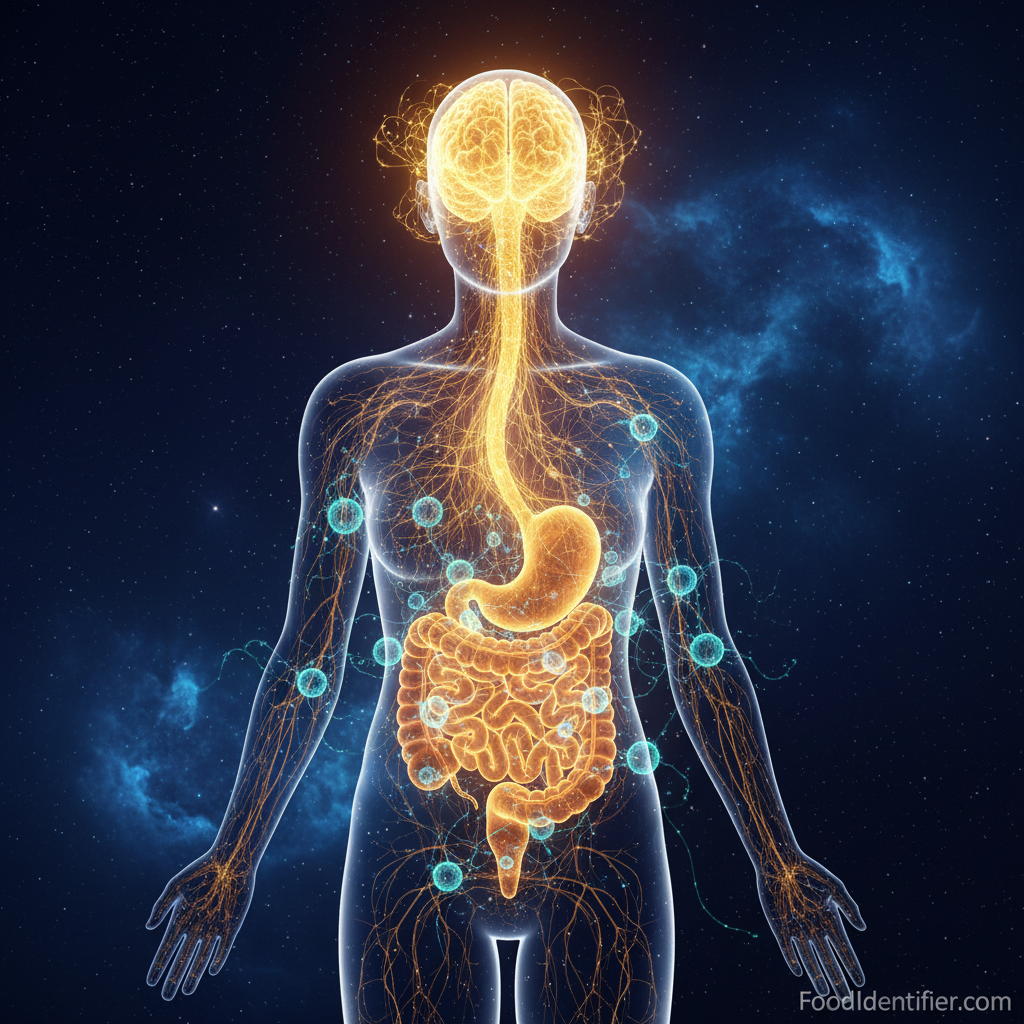
The gut-brain axis is profoundly disrupted by gluten intolerance. Damaged intestinal lining reduces serotonin precursor absorption (95% of serotonin is made in the gut). Simultaneously, neuroinflammation alters GABA and dopamine signaling. Clinical studies show a 57% reduction in anxiety symptoms in gluten-sensitive patients after 6 months gluten-free — without any medication changes.
→ Ask our AI Coach if this symptom fits your pattern⚖️ Symptom #8: Unexplained Weight Changes
Gluten-induced villous atrophy causes malabsorption paradox: despite eating adequately, the body doesn't absorb calories and nutrients efficiently, leading to unintentional weight loss. Conversely, the chronic inflammation and cortisol elevation from ongoing immune activation promotes fat storage — especially visceral/abdominal fat — causing weight gain in others.
→ Ask our AI Coach if this symptom fits your pattern🩸 Symptom #9: Iron-Deficiency Anemia
Iron is absorbed primarily in the duodenum and upper jejunum — exactly where gluten causes the most intestinal damage. Iron-deficiency anemia that doesn't respond to iron supplementation is a major red flag for celiac or severe NCGS. Blood tests showing chronically low ferritin (stored iron) despite adequate dietary intake strongly suggest intestinal malabsorption.
→ Ask our AI Coach if this symptom fits your pattern🦷 Symptom #10: Dental Enamel Defects
Chronic malabsorption of calcium, phosphorus, and vitamins D and K causes enamel hypoplasia (patchy white, yellow, or brown discolouration) and dental pitting. These permanent enamel defects — appearing symmetrically across multiple teeth — are a specific clinical marker used by dentists to screen for undiagnosed celiac disease in children and adults.
→ Ask our AI Coach if this symptom fits your pattern🚺 Symptom #11: Reproductive and Hormonal Disruption
Undiagnosed gluten intolerance is associated with delayed puberty, irregular menstrual cycles, recurrent miscarriage, and unexplained infertility. The mechanism involves chronic nutrient deficiency (especially zinc, folate, and vitamin D) disrupting sex hormone synthesis, plus direct autoimmune interference with thyroid and adrenal function — both critically affecting fertility and cycle regularity.
→ Ask our AI Coach if this symptom fits your pattern🧪 Symptom #12: Mouth Ulcers and Canker Sores
Recurrent aphthous stomatitis (mouth ulcers) appearing more than 3–4 times per year is a documented marker of gluten sensitivity. These ulcers result from immune complex deposition in oral mucosa tissue and nutrient deficiencies (particularly B12, folate, and iron) caused by intestinal malabsorption. They typically resolve completely within 2–3 months on a strict gluten-free diet.
→ Ask our AI Coach if this symptom fits your patternSee your GP before changing your diet. Request: anti-tissue transglutaminase IgA (tTG-IgA), total serum IgA, and endomysial antibody (EMA-IgA) tests. You MUST be eating gluten daily for at least 6 weeks before these tests for accurate results. Starting a gluten-free diet first makes celiac diagnosis impossible without a formal gluten challenge. → Our AI Coach can help you prepare questions for your doctor.

Multiple body systems are simultaneously affected by gluten intolerance — explaining why it takes an average of 6–10 years to diagnose. — FoodIdentifier.com
🔬 Gluten Intolerance vs. Celiac Disease: Key Differences
| Feature | Celiac Disease | Non-Celiac Gluten Sensitivity (NCGS) | Wheat Allergy |
|---|---|---|---|
| Prevalence | ~1% globally | 1–13% globally | 0.1–0.5% |
| Immune mechanism | Autoimmune (adaptive) | Innate immune activation | IgE-mediated allergy |
| Intestinal damage | Yes (villous atrophy) | No | Possible |
| Blood test positive | tTG-IgA, EMA-IgA | No specific marker | Wheat-specific IgE |
| Biopsy required | Yes (diagnosis) | No | No |
| Gluten threshold | Near zero (strict) | Variable (often low) | Near zero (strict) |
| Onset of symptoms | Hours to days | Hours to days | Minutes to 2 hours |
| Permanent condition | Yes (lifelong) | Unknown (may resolve) | Often lifelong |
| Associated risks | Lymphoma, osteoporosis, infertility | Lower systemic risk | Anaphylaxis possible |
| Treatment | Strict GF diet lifelong | GF diet, variable strictness | Strict avoidance |
🤔 Not Sure Which Category You're In?
Our AI Nutrition Coach helps you map your symptoms against the clinical profiles of celiac disease, NCGS, and wheat allergy — and guides you on exactly what tests to ask for.
→ Map My Symptoms Free🗓 The 3-Phase Home Elimination Protocol
A structured elimination and reintroduction protocol is the gold standard for identifying NCGS when celiac has already been ruled out by blood tests. Follow all three phases precisely — skipping phases or rushing timelines produces unreliable results.
Phase 1: Strict Elimination (Weeks 1–6)
- Remove ALL sources of gluten — including hidden sources (see list below). Zero tolerance.
- Switch to certified gluten-free oats — regular oats are cross-contaminated.
- Check all medications, supplements, and even cosmetics for wheat derivatives.
- Use dedicated GF cookware and cutting boards — prevent cross-contamination at home.
- Photograph and log every meal with FoodIdentifier AI — flags hidden gluten automatically.
- Rate symptoms daily: digestion, energy, mood, brain clarity, joint pain (1–10 scale).
- Most people notice first improvements at 2–3 weeks. Do NOT reintroduce early.
💡 After 6 strict weeks, compare symptom scores. A 40%+ improvement strongly suggests gluten sensitivity.
→ Get AI-guided support for this phasePhase 2: Structured Reintroduction (Week 7)
- Reintroduce ONE gluten source: 2 slices of wheat bread daily for 7 consecutive days.
- Continue logging all meals and symptom scores exactly as in Phase 1.
- Document the TIMING of any symptoms: do they appear within 2 hours? 6 hours? 24 hours? This reveals your specific reaction pattern.
- Return of symptoms during this phase = confirmed gluten sensitivity.
- If NO symptoms return after 7 days of wheat challenge → gluten was likely not the primary trigger (consider FODMAPs, other intolerances).
- Do NOT reintroduce multiple foods simultaneously — this destroys the diagnostic value.
💡 Symptom return during wheat challenge is your confirmation. Document exactly which symptoms returned and at what timing.
→ Get AI-guided support for this phasePhase 3: Long-Term Gluten-Free Living (Week 8+)
- If confirmed sensitive: transition to a permanent or long-term GF lifestyle based on your severity.
- Address nutritional deficiencies: B12, iron, folate, calcium, vitamin D, zinc — all commonly depleted.
- Heal the gut: add fermented foods, L-glutamine, zinc-carnosine, and digestive enzymes.
- Learn to cook GF whole foods — not to rely on expensive packaged GF products.
- Use FoodIdentifier AI daily to scan meals, identify hidden gluten in restaurant dishes, and track your nutritional recovery.
- Retest nutrient levels at 6 months to confirm recovery of absorption.
💡 Full intestinal healing takes 6–24 months. Be patient, track consistently, and supplement targeted deficiencies.
→ Get AI-guided support for this phase
Certified gluten-free whole food meal prep — the foundation of the elimination protocol for accurate, reliable results. — FoodIdentifier.com
🎯 Start Your Elimination Protocol with AI Guidance
FoodIdentifier AI scans every meal, flags hidden gluten automatically, and tracks your symptom scores daily — making the elimination protocol accurate and effortless.
→ Start My Elimination Protocol Free🛒 Complete Gluten-Free Food List: What to Eat vs. Avoid
✅ Safe Gluten-Free Foods
❌ Contains Gluten — Avoid
⚠️ Sneaky Hidden Gluten Sources Most People Miss
Pro tip: Use FoodIdentifier AI to photograph any packaged food label — it instantly identifies all gluten-containing ingredients including hidden names and cross-contamination warnings.
A well-planned gluten-free diet is nutritionally complete and delicious — the key is knowing which whole foods to prioritize over processed GF substitutes. — FoodIdentifier.com
💊 Nutritional Recovery: Deficiencies to Address Immediately
Years of intestinal damage create predictable nutritional deficiencies. These should be tested and actively repleted once you begin a gluten-free diet:
Iron + Ferritin
Why deficient: Absorbed in damaged duodenum
Food sources: Red meat, lentils, spinach
Ferrous bisglycinate 25–50mg
Vitamin B12
Why deficient: Intrinsic factor disruption
Food sources: Beef, sardines, eggs
Methylcobalamin 1,000mcg
Folate (B9)
Why deficient: Upper jejunum absorption impaired
Food sources: Dark leafy greens, lentils
Methylfolate 400–800mcg
Vitamin D3
Why deficient: Fat malabsorption limits D absorption
Food sources: Salmon, egg yolks, sunshine
D3 2,000–5,000 IU daily
Calcium + K2
Why deficient: Villous atrophy impairs absorption
Food sources: Dairy, kale, almonds
Calcium citrate 500mg + K2
Magnesium
Why deficient: Chronic diarrhea depletes it
Food sources: Dark chocolate, spinach, nuts
Magnesium glycinate 300mg
Zinc
Why deficient: Duodenal damage impairs zinc absorption
Food sources: Oysters, beef, pumpkin seeds
Zinc picolinate 15–30mg
Omega-3 DHA/EPA
Why deficient: Systemic inflammation depletes stores
Food sources: Wild salmon, sardines
Fish oil 2–3g EPA+DHA daily
📊 Get Your Personalized Gluten-Free Nutrition Plan
Tell our AI Nutrition Coach your symptoms, deficiencies, and dietary preferences — it builds a complete gluten-free meal plan with targeted supplementation strategy in under 60 seconds.
→ Build My GF Nutrition Plan Free🦠 Healing Your Gut After Gluten Damage
Eliminating gluten stops the damage — but active gut healing requires additional support. These evidence-based interventions accelerate intestinal recovery:
Daily Fermented Foods
Kefir, yogurt, kimchi, sauerkraut — provide Lactobacillus and Bifidobacterium strains that accelerate mucosal healing and restore microbiome diversity lost during gluten damage.
L-Glutamine (5g/day)
The primary fuel for intestinal epithelial cells. Supplementing L-glutamine directly supports tight junction repair and reduces intestinal permeability (leaky gut) caused by gliadin peptides.
Zinc-Carnosine (75mg/day)
Clinically proven to reduce intestinal permeability and accelerate repair of damaged mucosal lining. Significantly more effective than standard zinc alone for gut healing.
Bone Broth (daily)
Rich in glycine, proline, and collagen peptides that provide structural building blocks for intestinal wall repair. Studies show meaningful reductions in gut permeability markers within 4 weeks.
Digestive Enzymes with Meals
Proteolytic enzyme formulas (including dipeptidyl peptidase IV / DPP-IV) can help break down trace gluten exposures and reduce immune reactions during the transition period.
Omega-3 Fish Oil (2–3g/day)
Reduces systemic and intestinal inflammation while supporting mucosal barrier integrity and modulating the inflammatory cytokine response to food antigens.
🌱 Ready to Start Your Gluten-Free Journey?
Our AI Nutrition Coach creates your complete gluten-free recovery protocol — personalized meal plan, supplement guide, gut healing protocol, and daily meal scanning. Completely free.
→ Start My Recovery Protocol Free❓ 10 Expert FAQs: Gluten Intolerance — Fully Answered
Q1: What is the difference between gluten intolerance and celiac disease?
Celiac disease is an autoimmune condition where gluten triggers an immune attack on the small intestinal lining, causing measurable villous atrophy detectable on biopsy. Non-celiac gluten sensitivity (NCGS) produces identical symptoms but without the autoimmune damage or positive celiac serology (tTG-IgA, EMA-IgA tests). Both require complete gluten elimination — but celiac carries higher risks of nutritional deficiency, osteoporosis, and associated autoimmune conditions if untreated. NCGS may be a spectrum condition between wheat allergy and celiac disease.
Q2: Can I test myself for gluten intolerance at home?
No validated home test exists for gluten intolerance. However, a structured 4-6 week elimination protocol is the most clinically reliable self-assessment: strictly remove ALL gluten sources, note symptom changes at 2, 4, and 6 weeks, then reintroduce a standardized gluten challenge (2 slices of wheat bread daily for 1 week) and monitor for symptom return. CRITICAL: Do not begin elimination before getting celiac blood tests — you must be consuming gluten for accurate celiac serology. If you suspect celiac, test first, eliminate after.
Q3: How long does it take to feel better on a gluten-free diet?
Timeline varies significantly by individual and duration of undiagnosed exposure. Digestive symptoms (bloating, diarrhea, gas): 2–4 weeks. Fatigue and brain fog: 4–8 weeks. Joint pain: 2–3 months. Skin rashes: 3–6 months. Intestinal healing in celiac: 6 months to 2 years. Full recovery of nutritional status: 12–18 months with targeted supplementation. Most people report their first noticeable improvement within 2–3 weeks of strict adherence.
Q4: What is non-celiac gluten sensitivity (NCGS)?
NCGS is a condition where individuals experience symptoms similar to celiac disease — gastrointestinal symptoms, brain fog, fatigue, joint pain — upon gluten consumption, but test negative for celiac disease antibodies and show no intestinal damage on biopsy. Prevalence estimates range from 0.5–13% of the population. Current research suggests NCGS may involve innate immune activation rather than adaptive autoimmune response, and may be triggered by multiple wheat components beyond gluten alone (including FODMAPs, ATIs, and WGA).
Q5: Can gluten intolerance cause weight gain?
Yes — in two distinct ways. First, chronic intestinal inflammation raises cortisol and promotes visceral fat storage. Second, when people eliminate nutritious gluten-containing whole grains, they often replace them with processed gluten-free alternatives that are higher in refined starch, sugar, and saturated fat and lower in fiber. Paradoxically, some celiac patients initially gain weight after diagnosis as intestinal healing improves calorie absorption. Focus on whole food gluten-free eating rather than packaged 'gluten-free' products for healthy weight management.
Q6: Is gluten intolerance a permanent condition?
Celiac disease is a lifelong condition requiring permanent strict gluten elimination — there is no cure. Non-celiac gluten sensitivity is less well understood: some people find their sensitivity decreases significantly after 6–12 months on a clean, anti-inflammatory gluten-free diet (possibly due to gut microbiome restoration and intestinal healing), while others maintain long-term sensitivity. A trial reintroduction of small gluten quantities after 12+ months GF can reveal whether tolerance has developed for NCGS patients.
Q7: What hidden foods contain gluten that most people miss?
The most commonly missed gluten sources: soy sauce (almost always contains wheat — use tamari or coconut aminos instead), malt vinegar (barley-derived), most beer (barley), many salad dressings and marinades (wheat flour as thickener), deli meats and processed meats (wheat as binder), some chips and crisps (malt flavoring), communion wafers, many medications and supplements (wheat starch as filler), and even some oats (cross-contamination — always use certified gluten-free oats). Restaurant cross-contamination is also a major issue.
Q8: Do I need to see a doctor before going gluten-free?
Yes — ideally before. If celiac disease is a possibility, testing MUST be done while you are still consuming gluten (at least 6 weeks of daily gluten). Starting a gluten-free diet before testing makes celiac diagnosis impossible without a gluten challenge. See your GP and request: anti-tissue transglutaminase IgA (tTG-IgA), total serum IgA, endomysial antibody (EMA-IgA). If strongly positive, you'll be referred for endoscopic biopsy. After celiac is ruled out or confirmed, structured dietary changes can proceed.
Q9: Can children have gluten intolerance?
Absolutely — celiac disease affects approximately 1 in 100 children globally, and NCGS is equally prevalent in children as adults. Childhood-specific warning signs include: failure to thrive, short stature, delayed puberty, recurring abdominal pain diagnosed as 'growing pains', irritability, dental enamel defects, and anemia not responding to iron. Celiac in children is frequently misdiagnosed as irritable bowel syndrome (IBS) or behavioral issues. Any child with chronic GI symptoms plus fatigue should be screened.
Q10: How do I use AI tools to identify my gluten triggers?
Modern AI nutrition tools like FoodIdentifier allow you to photograph every meal and receive instant ingredient analysis that flags gluten-containing and cross-contamination risk ingredients automatically. Rate your symptoms 1-10 at 30 min, 1 hour, and 2 hours after each meal. After 7 days, your trigger meals become statistically obvious — the AI identifies patterns across hundreds of ingredient combinations that would be impossible to track manually. This is the most efficient and accurate method for identifying hidden gluten exposures during elimination protocols.
🌟 Take Control of Your Gluten Intolerance — Starting Today
You now have the 12 symptoms, the diagnostic framework, the 3-phase elimination protocol, the complete food list, and the gut healing strategy. The only missing piece is consistent, precise meal tracking — which is exactly what FoodIdentifier AI provides.
Scan any meal instantly. Identify hidden gluten. Track your eliminations. Get a personalized GF meal plan. All free.
→ Start With AI Nutrition Coach FreeOr scan your next meal for hidden gluten instantly →
📚 Related Articles
Brain Fog After Eating: 8 Root Causes
Read full article →
How to Improve Gut Health Naturally 2026
Read full article →
25 Anti-Inflammatory Foods Guide 2026
Read full article →
Best Foods for Diabetics 2026
Read full article →
How to Lower Blood Sugar Fast 2026
Read full article →
High Protein Foods List 2026
Read full article →
📚 Sources & Scientific References
- • Celiac Disease Foundation (2025) — celiac.org — Prevalence, diagnosis criteria, and dietary management guidelines
- • Gut Journal (2022) — Non-celiac gluten sensitivity: review of evidence and proposed diagnostic criteria — 3x headache prevalence
- • American Journal of Gastroenterology (2023) — Iron deficiency anemia as primary presentation of celiac disease in adults — diagnostic review
- • Nutrients (2024) — Nutritional deficiencies in celiac disease: systematic review of 47 studies — iron, B12, folate, D, zinc
- • Journal of Clinical Gastroenterology (2023) — Gut microbiome restoration following gluten-free dietary intervention — fermented foods protocol
- • JAMA Internal Medicine (2022) — Delayed diagnosis of celiac disease: mean 6.4-year diagnostic gap analysis — 1,875 patients
- • World Journal of Gastroenterology (2024) — Dermatitis herpetiformis: pathogenesis, diagnosis, and management — cutaneous celiac manifestations
- • USDA FoodData Central — fdc.nal.usda.gov — Nutritional composition data for all gluten-free alternative foods
Last reviewed: April 2026 · Reviewed by FoodIdentifier Editorial Team · Next review: October 2026
am i gluten intolerant · gluten intolerance symptoms · signs of gluten intolerance · gluten sensitivity symptoms · gluten intolerance test · non celiac gluten sensitivity · gluten intolerance vs celiac · how to know if you are gluten intolerant · gluten intolerance foods to avoid · gluten intolerance bloating · gluten intolerance fatigue · gluten intolerance brain fog · gluten free diet benefits · celiac disease symptoms in adults · gluten intolerance weight gain · gluten intolerance anxiety · gluten intolerance headaches · gluten intolerance skin rash · gluten intolerance joint pain · gluten intolerance stomach pain · gluten intolerance diarrhea · what does gluten do to your body · gluten elimination diet · gluten free food list · hidden gluten sources · gluten intolerance diagnosis 2026