

⚕️ This article is for educational purposes only. Not a substitute for professional medical advice. Always consult your healthcare provider before changing your supplement regimen, especially if you are on medications or have a medical condition.
Right now, as you read this, more than 1 billion people worldwide are clinically deficient in vitamin D. In the United States alone, 41% of adults have blood levels below the minimum threshold for sufficiency. In Northern Europe, that number exceeds 70% during winter months. Vitamin D deficiency is not a rare condition — it is one of the most widespread nutritional crises in human history, and it is largely invisible because its symptoms are easily misattributed to stress, aging, depression, or simply "getting older."
Vitamin D is unique among vitamins: technically, it's a hormone — a steroid prohormone produced in the skin when ultraviolet B radiation converts 7-dehydrocholesterol into cholecalciferol (D3), which is then activated in the liver and kidneys into calcitriol (1,25-dihydroxyvitamin D), the biologically active form. Vitamin D receptors (VDRs) are found in virtually every cell and tissue in the human body — not just in bones and muscles where it was originally understood to act, but in the brain, heart, immune cells, pancreas, skin, hair follicles, and fat tissue. This explains why vitamin D deficiency manifests in such a diverse and bewildering array of symptoms across virtually every system of the body.
The modern epidemic of vitamin D deficiency is the predictable consequence of a dramatic shift in human behavior: we moved indoors. Spending 90%+ of waking hours inside, working at screens, using sunscreen (which blocks UVB radiation) when we do go outside, and living at latitudes where UVB is insufficient for vitamin D synthesis for 4–6 months per year — all have combined to create a species that is chronically deprived of the sunlight it evolved to need.
This guide covers the 15 most important signs of vitamin D deficiency — including several that are rarely discussed and almost never mentioned by mainstream medical sources — along with the foods that provide dietary vitamin D, the correct supplementation approach, and how to track your vitamin D status through food analysis and blood testing.
1 Billion+
People deficient worldwide
41%
US adults below sufficiency
20 ng/mL
Clinical deficiency threshold
40–60 ng/mL
Optimal target range
5,000+ IU
Typical correction dose
3 Months
Time to restore levels
☀️ DISCOVER YOUR NUTRITIONAL GAPS — SCAN YOUR FOOD FREE
FoodIdentifier AI analyzes every meal for vitamin D, calcium, and 30+ nutrients. Know exactly what you're missing.
→ Scan My Food & Check Nutrients FreeUnderstanding Vitamin D Blood Levels: The Ranges That Matter
| Blood Level (25(OH)D) | Classification | What It Means |
|---|---|---|
| Below 10 ng/mL (25 nmol/L) | Severe Deficiency | Risk of rickets (children), osteomalacia, severe immune impairment |
| 10–20 ng/mL (25–50 nmol/L) | Deficiency | Most of the 15 symptoms in this article become likely. Common in population studies. |
| 20–30 ng/mL (50–75 nmol/L) | Insufficiency | 'Technically sufficient' but below optimal. Many symptoms may still be present. |
| 30–40 ng/mL (75–100 nmol/L) | Adequate | General population sufficiency threshold. Below what many researchers recommend. |
| 40–60 ng/mL (100–150 nmol/L) | Optimal | Best range for immune function, mood, metabolic health, and disease prevention. |
| 60–100 ng/mL (150–250 nmol/L) | High-Normal | Safe for most people. Some researchers recommend this range for specific conditions. |
| Above 150 ng/mL (375 nmol/L) | Potential Toxicity | Rare. Associated with prolonged very high-dose supplementation without monitoring. |

Most people testing in the 'sufficient' range at 20–30 ng/mL are still significantly below the optimal range where vitamin D's protective effects are maximized.
The 15 Signs of Vitamin D Deficiency — With Science and Fixes
Each sign below is accompanied by the biological mechanism explaining why it occurs, the research supporting the connection, and specific actionable guidance for addressing it:
😴 Persistent Fatigue That Sleep Doesn't Fix
This is the most commonly overlooked symptom — and the one most often attributed to stress, poor sleep, or overwork. Vitamin D receptors are found in almost every cell in the body, including the mitochondria — your cellular energy factories. When vitamin D is deficient, mitochondrial function declines, ATP production drops, and the result is a pervasive, bone-deep fatigue that no amount of sleep resolves. A 2016 study in the North American Journal of Medical Sciences found that correcting vitamin D deficiency reduced fatigue scores by 47% in adults who had no other identified cause of fatigue. If you've been tired for months and your doctor can't find a reason, vitamin D should be one of the first tests ordered.
💡 Action: Test your 25(OH)D level. If below 30 ng/mL, start supplementation immediately. Most people see fatigue improvement within 4–6 weeks of achieving optimal levels.
🦴 Bone Pain and Aching, Especially in the Lower Back
Vitamin D is essential for calcium absorption in the gut. Without adequate vitamin D, your body cannot absorb calcium from food regardless of how much dairy or calcium-rich food you consume. The consequence: your body begins pulling calcium from your bones to maintain blood calcium levels, causing microscopic bone damage that manifests as a dull, deep aching — most commonly in the lower back, hips, legs, and ribs. This is not the same as muscle soreness. It's a deeper, more persistent ache that's often worse at night and doesn't respond to standard pain relief. In severe deficiency, this bone pain can develop into osteomalacia (softening of the bones) — a condition that can make even gentle pressure on the shinbone painful.
💡 Action: Bone pain often signals prolonged deficiency. Get a full bone density scan along with your 25(OH)D test. Supplementation plus calcium intake must be optimized together.
💪 Muscle Weakness, Cramping, and Falling Risk
Vitamin D receptors are densely expressed in muscle tissue. They regulate the uptake of calcium and phosphate into muscle cells — both critical for muscle contraction. In deficiency, this calcium regulation fails, producing muscle weakness (particularly in the proximal muscles — thighs, upper arms, core), frequent cramps, and in older adults, a measurably increased risk of falling. Research published in the American Journal of Clinical Nutrition found that adults with vitamin D deficiency had 29% weaker grip strength and 25% slower walking speed than replete peers. For seniors, this translates directly to fall and fracture risk. For athletes and active adults, it means unexplained performance decline, slower recovery, and persistent muscle soreness after workouts.
💡 Action: Athletes and active individuals should target 25(OH)D levels of 50–70 ng/mL for optimal muscle function — higher than the standard 'sufficient' cutoff of 30 ng/mL.
🤧 Frequent Colds, Flu, and Respiratory Infections
Vitamin D is one of the most powerful immune system modulators known. It activates T-cells (the immune system's front-line soldiers), enhances the production of antimicrobial peptides (cathelicidins and defensins) that directly kill bacteria and viruses, and regulates the inflammatory response to prevent immune overreaction. Multiple meta-analyses — including a landmark 2017 BMJ study covering 11,321 participants — confirm that vitamin D supplementation significantly reduces the risk of acute respiratory tract infections, with the greatest protection seen in people who were most deficient. If you get more than 2–3 colds per year, suffer from longer-than-average illness durations, or seem to catch every bug that goes around, vitamin D deficiency is a prime suspect.
💡 Action: During cold and flu season, maintaining 25(OH)D above 50 ng/mL provides the strongest immune protection. Some researchers recommend 4,000–5,000 IU daily in winter months for this purpose.
😔 Depression, Low Mood, and Seasonal Affective Disorder
The connection between vitamin D and mood is one of the most extensively studied in nutritional psychiatry. Vitamin D receptors are present throughout the brain, including the hippocampus and prefrontal cortex — areas central to mood regulation. Vitamin D modulates the synthesis of serotonin, dopamine, and norepinephrine — the primary neurotransmitters governing mood, motivation, and emotional regulation. Large population studies consistently find that lower 25(OH)D levels correlate strongly with higher rates of depression, anxiety, and Seasonal Affective Disorder (SAD). A 2020 meta-analysis of 7,534 patients found that vitamin D supplementation significantly reduced depression scores, with the greatest effect in people who were deficient at baseline. The latitude-depression connection — why people in northern climates have higher rates of depression — is largely explained by reduced winter sunlight and the consequent vitamin D decline.
💡 Action: If you notice mood decline in autumn/winter or struggle with persistent low mood, test your 25(OH)D level. Supplement to reach at least 50 ng/mL. Many people describe mood as the first thing that improves with supplementation.
🧠 Brain Fog, Poor Concentration, and Memory Problems
Beyond mood, vitamin D has direct effects on cognitive function. It promotes the growth of nerve cells, protects neurons from oxidative damage, reduces neuroinflammation (increasingly recognized as a key driver of cognitive decline), and supports the production of nerve growth factor (NGF). Studies in older adults show that low vitamin D levels are associated with 53% increased risk of developing dementia and 125% increased risk of Alzheimer's disease. In younger adults, deficiency manifests as brain fog — difficulty concentrating, slow mental processing, forgetfulness, and reduced mental sharpness. If you've been struggling cognitively and you live at a northern latitude, work indoors, or consistently avoid sun exposure, vitamin D deficiency deserves serious investigation.
💡 Action: Cognitive symptoms often take longer to respond to supplementation — allow 3–6 months at optimal levels before assessing cognitive improvement. Some researchers recommend D3 + K2 + omega-3 for maximum neuroprotective effect.
⚖️ Unexplained Weight Gain and Difficulty Losing Fat
Vitamin D has a complex relationship with body weight and fat metabolism that most people — and many doctors — are unaware of. Vitamin D receptors are found in adipose (fat) tissue, and vitamin D regulates the expression of genes involved in fat cell formation (adipogenesis). Low vitamin D levels increase the activity of parathyroid hormone (PTH) and cortisol — both of which promote fat storage, particularly around the abdomen. A 2011 study in Nutrition Journal found that supplementing with vitamin D3 plus calcium significantly reduced abdominal fat compared to calcium alone. Research also shows that fat cells store vitamin D, meaning obese individuals typically require 2–3x higher doses to achieve the same blood level as lean individuals, creating a vicious cycle where deficiency promotes fat gain and fat gain worsens deficiency.
💡 Action: If weight loss is your goal, optimizing vitamin D as part of a comprehensive nutrition approach may remove a significant biological barrier to fat loss. Target 50–70 ng/mL for metabolic optimization.
💤 Poor Sleep Quality and Insomnia
The relationship between vitamin D and sleep is mediated through multiple pathways. Vitamin D receptors are expressed in the brain regions that regulate sleep-wake cycles, including the raphe nuclei (which produce serotonin that converts to melatonin at night) and the suprachiasmatic nucleus (the master circadian clock). Low vitamin D is associated with disrupted sleep architecture — less deep sleep (slow-wave sleep), more nighttime awakenings, and lower overall sleep quality. A 2017 study in the Journal of Sleep Research found that people with vitamin D deficiency had significantly higher odds of poor sleep quality, shorter sleep duration, and daytime sleepiness. The connection is bidirectional: poor sleep further impairs vitamin D metabolism, creating a self-perpetuating cycle.
💡 Action: For sleep-related symptoms, take vitamin D3 in the morning rather than evening — some research suggests evening doses may interfere with melatonin production in sensitive individuals.
🩸 High Blood Pressure and Cardiovascular Risk Markers
Vitamin D acts as a natural regulator of the renin-angiotensin system — the primary hormonal controller of blood pressure. Deficiency activates this system, causing blood pressure to rise and increasing cardiovascular strain. Epidemiological studies consistently find a dose-response relationship between lower vitamin D levels and higher blood pressure, with deficient individuals carrying 80% greater risk of hypertension than replete peers. Beyond blood pressure, vitamin D regulates inflammatory markers (C-reactive protein, IL-6), insulin sensitivity, and endothelial function — all major determinants of cardiovascular health. A 2013 meta-analysis of 35 studies found significant associations between vitamin D deficiency and increased risks of heart attack, stroke, and cardiovascular mortality. If you have been told you have high blood pressure or elevated cardiovascular risk markers, vitamin D testing should be part of your workup.
💡 Action: While vitamin D supplementation alone won't cure hypertension, correcting deficiency as part of a comprehensive cardiovascular nutrition protocol has documented blood pressure-lowering effects.
🦷 Poor Dental Health, Gum Disease, and Tooth Decay
The connection between vitamin D and dental health reflects vitamin D's fundamental role in calcium metabolism. Teeth are composed primarily of calcium hydroxyapatite — and vitamin D is essential for the mineralization of both teeth and the alveolar bone that holds them. Research published in the Journal of Dental Research found that children with lower vitamin D levels had significantly higher rates of dental caries (cavities). In adults, vitamin D deficiency is associated with higher rates of periodontal (gum) disease through two mechanisms: impaired calcium metabolism weakening the alveolar bone supporting teeth, and reduced immune function allowing pathogenic oral bacteria to proliferate. If your dentist consistently finds cavities despite good oral hygiene, or if you're experiencing receding gums or bone loss around teeth, low vitamin D may be a contributing factor.
💡 Action: Maintaining adequate vitamin D levels, combined with calcium intake and good oral hygiene, provides documented protection against both tooth decay and periodontal disease.
🩹 Slow Wound Healing and Frequent Skin Infections
Vitamin D plays a direct role in the wound healing cascade — stimulating skin cell proliferation, promoting the formation of new blood vessels (angiogenesis), and modulating the inflammatory response that clears damaged tissue while protecting healthy cells. It also stimulates the production of cathelicidins — antimicrobial peptides in the skin that form the first line of defense against bacterial and fungal skin infections. Research on diabetic patients (who often have severe vitamin D deficiency) found that vitamin D supplementation significantly accelerated wound closure rates. If cuts and scrapes seem to heal slowly, or if you experience recurrent skin infections or folliculitis, vitamin D deficiency could be reducing your skin's natural antimicrobial defense.
💡 Action: Topical vitamin D analogs are used clinically for psoriasis and wound healing. For systemic improvement in wound healing, adequate blood levels (50+ ng/mL) are the primary goal.
🤱 Hair Loss (Particularly Alopecia Areata)
Vitamin D receptors (VDRs) are expressed in hair follicle cells and play a critical role in the hair cycle — particularly in the anagen (growth) phase initiation. Several studies have found low vitamin D levels in patients with alopecia areata (patchy hair loss), telogen effluvium (diffuse hair shedding), and female pattern hair loss. A 2014 study in Skin Pharmacology and Physiology found significant correlations between vitamin D deficiency and both alopecia areata and female pattern hair loss. The mechanism: without adequate VDR activation, hair follicles struggle to complete the growth cycle and more follicles remain in the resting phase, producing less visible hair. Hair loss related to vitamin D deficiency is diffuse rather than pattern-specific, and often accompanies other deficiency symptoms.
💡 Action: Hair regrowth from correcting vitamin D deficiency is typically slow — 6–12 months at optimal levels is usually required before significant regrowth becomes visible. Patience is required.
🩺 Chronic Pain, Fibromyalgia, and Widespread Body Aches
Vitamin D has a powerful modulatory effect on pain pathways. It regulates the expression of pain-sensing receptors (nociceptors) and reduces the production of inflammatory prostaglandins that sensitize pain pathways. Multiple studies have found significantly lower vitamin D levels in patients with chronic pain conditions including fibromyalgia, chronic low back pain, and non-specific musculoskeletal pain. A German study found that 71% of patients with chronic musculoskeletal pain had vitamin D deficiency, and that pain scores improved significantly with supplementation. The misdiagnosis rate is high: many patients with vitamin D deficiency are diagnosed with fibromyalgia or psychosomatic pain before anyone thinks to test their 25(OH)D level. This represents an enormous missed opportunity for treatment of a fundamentally reversible cause.
💡 Action: Pain response to vitamin D supplementation can take 8–12 weeks. Some chronic pain patients require higher doses (5,000–10,000 IU) under medical supervision to achieve therapeutic blood levels.
🔵 Autoimmune Conditions (Multiple Sclerosis, Rheumatoid Arthritis, Lupus)
Vitamin D is one of the most potent natural immune system regulators known. It shifts the immune system away from Th17 cell dominance (which drives autoimmune inflammation) toward regulatory T-cell activity (which suppresses inappropriate immune attacks). Epidemiological data is striking: people living closer to the equator — where year-round sun exposure maintains vitamin D levels — have dramatically lower rates of multiple sclerosis, rheumatoid arthritis, type 1 diabetes, and inflammatory bowel disease. A study in the Journal of the American Medical Association found that high-dose vitamin D supplementation (taking 25(OH)D above 40 ng/mL) reduced autoimmune disease incidence by 22% compared to placebo. While vitamin D deficiency doesn't cause autoimmune disease on its own, it appears to be a significant environmental trigger in genetically susceptible individuals.
💡 Action: For autoimmune conditions, many rheumatologists now routinely check and correct vitamin D levels. Target levels of 60–80 ng/mL are sometimes recommended for autoimmune management — always under medical supervision.
🍬 Insulin Resistance, Blood Sugar Problems, and Type 2 Diabetes Risk
Vitamin D receptors are expressed in pancreatic beta cells (which produce insulin), and vitamin D plays a direct role in insulin secretion and insulin sensitivity. Deficient vitamin D impairs beta-cell function, reduces insulin secretion in response to glucose, and worsens insulin resistance in peripheral tissues. Large prospective studies show that people with 25(OH)D below 20 ng/mL have 40–60% higher risk of developing type 2 diabetes compared to those above 40 ng/mL. A 2023 randomized controlled trial (the D-HEALTH trial) found that supplementing with 60,000 IU vitamin D monthly significantly reduced insulin resistance markers in adults at risk for type 2 diabetes. For people who already have type 2 diabetes, correcting vitamin D deficiency appears to improve glycemic control and HbA1c.
💡 Action: If you have been diagnosed with prediabetes or insulin resistance, vitamin D deficiency testing should be part of your workup. Correcting deficiency is a low-cost, low-risk intervention with documented metabolic benefits.
🧬 CHECK YOUR VITAMIN D STATUS THROUGH FOOD TRACKING
Scan your meals to see how much vitamin D you're getting daily and what your biggest nutritional gaps are.
→ Analyze My Nutrition Free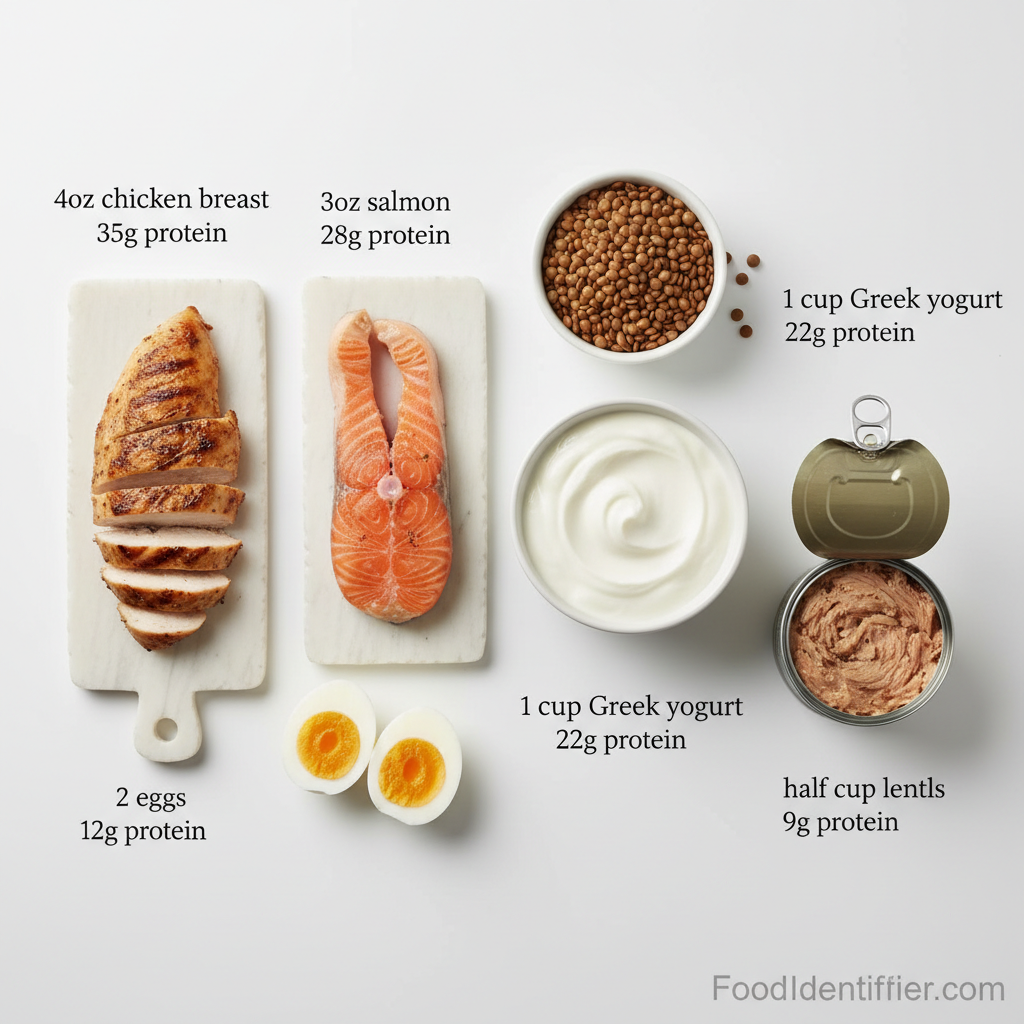
Vitamin D deficiency affects virtually every organ system — from bones and muscles to the brain, immune system, and heart. Its systemic nature makes it uniquely damaging.
🐟 Best Food Sources of Vitamin D (Ranked by IU Content)
Very few foods naturally contain meaningful amounts of vitamin D — which is why most of humanity relies on sun exposure. Here are the best dietary sources, with practical notes:
| Food Source | Vitamin D | Notes |
|---|---|---|
| Salmon (wild-caught, 100g) | 988 IU | Best food source by far. Wild far exceeds farmed. |
| Sardines (canned in oil, 100g) | 272 IU | Affordable, convenient, omega-3 bonus. |
| Mackerel (100g, cooked) | 360 IU | High in D3 — the most bioavailable form. |
| Tuna (canned in water, 100g) | 236 IU | Watch mercury — limit to 3–4 servings/week. |
| Cod liver oil (1 tbsp) | 1,360 IU | Most concentrated food source. Also rich in vitamin A. |
| Egg yolk (1 large) | 41 IU | Pasture-raised eggs have 3–4x more D than caged. |
| Beef liver (100g) | 49 IU | Also rich in B12, iron, vitamin A. |
| Mushrooms (UV-exposed, 100g) | Up to 2,700 IU | UV-exposed shiitake/maitake produce D2. Expose to sunlight cap-down for 30 min. |
| Fortified milk (1 cup) | 115–130 IU | Most dairy is fortified. Check label. |
| Fortified orange juice (1 cup) | 137 IU | D2 or D3 fortified — check the label. |
⚠️ The Food Reality Check
Even eating vitamin D-rich foods daily, most people cannot reach the 2,000–4,000 IU recommended for optimal levels through diet alone. The math is clear: wild salmon (the richest food source) provides ~988 IU per 100g. You would need to eat 200–400g of wild salmon every day to reach optimal intake from food — impractical and potentially concerning for mercury exposure. This is why sunlight exposure and supplementation are essential complements to a vitamin D-rich diet, not optional extras.

Fatty fish — particularly wild salmon, sardines, and mackerel — are the most concentrated dietary sources of vitamin D, but supplementation is essential for most people to reach optimal levels.
☀️ Sunlight — The Most Powerful Vitamin D Source
Direct sunlight on bare skin remains the most powerful, efficient, and cost-free source of vitamin D available. When UVB radiation hits the skin, it converts 7-dehydrocholesterol into pre-vitamin D3, which thermally isomerizes into vitamin D3 within hours. The amount produced depends on several critical factors:
☀️ Latitude
Above 35°N or 35°S (e.g., most of the USA, all of UK, Canada, Germany), UVB radiation is insufficient for vitamin D synthesis for 4–6 months/year — typically October through March/April.
☀️ Time of Day
UVB radiation is only sufficient between 10am and 3pm, when the sun is high enough that UVB photons reach the earth's surface without being filtered by the atmosphere.
☀️ Skin Tone
Melanin acts as a natural sunscreen. People with dark skin may need 5–10x longer sun exposure than people with very light skin to produce the same amount of vitamin D.
☀️ Body Surface Area
The more skin exposed, the more vitamin D produced. Arms and legs exposed (shorts and t-shirt) produces ~3–5x more than face and hands only.
☀️ Sunscreen
SPF 15 blocks approximately 93% of UVB radiation. While sunscreen is important for skin cancer prevention, it also dramatically reduces vitamin D synthesis.
☀️ Age
After age 70, skin vitamin D synthesis efficiency declines by approximately 75% due to reduced 7-dehydrocholesterol in aging skin.
💡 Practical Sun Exposure Guideline
For a fair-skinned person at 40°N latitude in summer: 15–20 minutes of midday sun exposure with arms and legs exposed produces approximately 10,000–20,000 IU of vitamin D — a full week's optimal intake in a single session. For darker-skinned individuals, 30–60 minutes may be needed to produce the equivalent. The key: expose as much skin as safely practical, at midday, without sunscreen, for your skin's tolerance threshold (don't burn). A slight pinkness is the ceiling, not the goal. Burning negates all benefits and introduces skin cancer risk.
💊 Complete Supplement Guide: Dose, Form, Timing, and Cofactors
✓ Form: Always D3 (Cholecalciferol)
Vitamin D3 is 87% more potent than D2 at raising blood levels and has a longer half-life. Always choose D3. Vegan D3 from lichen is widely available.
✓ Dose: Match to Your Blood Level
25(OH)D < 20 ng/mL: 5,000–10,000 IU/day for 12 weeks, then 2,000–4,000 IU/day maintenance. 20–30 ng/mL: 3,000–5,000 IU/day. 30–40 ng/mL: 2,000–3,000 IU/day maintenance. Always retest at 3 months.
✓ Timing: With Your Fattiest Meal
Vitamin D is fat-soluble. Taking it with your highest-fat meal increases absorption by up to 50% compared to taking it on an empty stomach. Breakfast or lunch with avocado/olive oil/fish is ideal.
✓ Cofactor: Vitamin K2 (MK-7)
Take 100–200 mcg MK-7 (vitamin K2) daily with your vitamin D3. K2 ensures calcium goes to bones, not arteries. Essential for anyone taking over 2,000 IU daily.
✓ Cofactor: Magnesium
Vitamin D requires magnesium for activation. 60–80% of deficient patients are also magnesium-deficient. Take 300–400 mg magnesium glycinate or malate daily with your D3.
✓ Monitor: Test Every 3 Months
Don't guess — test. A 25(OH)D blood test (around $30–$50 without insurance, or often covered with annual physical) confirms your response and guides dose adjustment.
Vitamin D3 taken with K2 and magnesium at your fattiest meal is the evidence-backed approach for maximizing absorption, efficacy, and safety.
🥗 TRACK YOUR VITAMIN D INTAKE THROUGH FOOD — FREE
Scan your meals and see exactly how much vitamin D, K2, and magnesium you're getting daily. Know your gaps before they become symptoms.
→ Track My Nutrition Free🚨 Who Is Most at Risk? The High-Risk Populations
🌍 People Living Above 40° Latitude
Boston, Chicago, London, Paris, Berlin, Toronto — all receive insufficient UVB radiation from October to April. If you live here, supplementation is essentially mandatory during winter.
🏢 Indoor Workers
If you spend 8+ hours per day indoors, even in sunny climates, your sun exposure may be effectively zero for vitamin D synthesis. Office workers are among the most consistently deficient groups in population studies.
🌑 People with Dark Skin
Higher melanin content significantly reduces UVB conversion efficiency. Black Americans have vitamin D deficiency rates approaching 80% — a major health equity issue that receives inadequate attention.
👴 Adults Over 65
Skin synthesis efficiency declines by 75% with age. Older adults also spend more time indoors and have reduced dietary variety. Supplementation is strongly recommended for all adults over 65.
⚖️ People with Obesity (BMI > 30)
Fat tissue sequesters vitamin D, reducing its bioavailability in the bloodstream. Obese individuals often need 2–3x the standard dose to achieve the same blood level as lean individuals.
🤰 Pregnant and Breastfeeding Women
Vitamin D deficiency in pregnancy is associated with gestational diabetes, preeclampsia, and neonatal bone problems. Breast milk is naturally low in vitamin D — breastfed infants require supplementation.
🩺 People with Malabsorption Conditions
Crohn's disease, celiac disease, and gastric bypass surgery impair fat-soluble vitamin absorption including vitamin D. These populations often require higher doses or special formulations.
💊 People on Certain Medications
Glucocorticoids (prednisone), anticonvulsants (phenytoin), HIV antiretrovirals, and some blood pressure medications accelerate vitamin D breakdown or impair its activation.
📅 The 90-Day Vitamin D Restoration Protocol
Week 1: Test
Weeks 2–12: Load
Month 3: Retest & Adjust
Month 4+: Maintain

Most people who follow a consistent vitamin D restoration protocol report significant improvements in energy, mood, muscle function, and immune resilience within 60–90 days.
❓ Expert FAQs: Vitamin D Deficiency — Everything You Need to Know
Q1: What is the optimal vitamin D blood level?
The conventional medical cutoff for 'sufficiency' is 20 ng/mL (50 nmol/L), but most vitamin D researchers now consider 40–60 ng/mL as the optimal range for overall health. Some researchers targeting immune protection, cancer prevention, and autoimmune suppression recommend 60–80 ng/mL. Levels above 100 ng/mL are considered potentially excessive, and toxicity becomes a real concern above 150 ng/mL. The key distinction: 'not deficient' (above 20) and 'optimal' (40–60) are different targets. Most people who test in the 'sufficient' range at 20–30 ng/mL would still benefit significantly from supplementation to reach the 40–60 ng/mL optimal zone. Always test before supplementing, and retest after 3 months of supplementation to confirm your levels have responded as expected.
Q2: How much vitamin D should I take daily?
The official RDA (Recommended Dietary Allowance) of 600–800 IU/day is widely considered inadequate by leading vitamin D researchers. Most experts now recommend 2,000–4,000 IU daily for maintenance in adults who have established they are not deficient. For those who are deficient (below 30 ng/mL), a loading dose of 5,000–10,000 IU daily for 8–12 weeks (under medical supervision) followed by a maintenance dose is typically required to correct the deficiency efficiently. The correct dose is individual — body weight, skin tone, sun exposure, gut health, and genetic variations in vitamin D metabolism all affect how much supplementation you need to achieve a given blood level. There is no universal dose, which is why testing is essential.
Q3: What is the difference between vitamin D2 and D3?
Vitamin D2 (ergocalciferol) is derived from plant sources and used in some fortified foods. Vitamin D3 (cholecalciferol) is the form produced by the skin in response to sunlight and found in animal-based foods. Multiple studies comparing D2 and D3 supplementation have found that D3 is approximately 87% more potent at raising and maintaining blood 25(OH)D levels than D2 at equivalent doses. D3 also has a longer half-life in the body, meaning it stays active longer between doses. For supplementation purposes, vitamin D3 is always preferred. If purchasing supplements, verify the label specifies D3 (cholecalciferol) rather than D2 (ergocalciferol). Vegan D3 derived from lichen is widely available for those who avoid animal products.
Q4: Should I take vitamin D with vitamin K2?
This is one of the most important nuances in vitamin D supplementation. Vitamin D increases calcium absorption from the gut. Vitamin K2 (specifically MK-7 form) activates proteins (osteocalcin and matrix Gla protein) that ensure this absorbed calcium goes into bones rather than arterial walls and soft tissues. Without adequate K2, high-dose vitamin D supplementation could theoretically increase arterial calcification risk. The research base for the D3+K2 combination is growing: multiple studies show that the combination produces better bone density outcomes than D3 alone. Our recommendation: if taking more than 2,000 IU D3 daily, take it with 100–200 mcg MK-7 (vitamin K2). People on warfarin should consult their doctor before adding K2, as K2 affects coagulation.
Q5: How long does it take for vitamin D supplementation to work?
Blood levels respond to supplementation relatively quickly: most people see 25(OH)D levels rise within 2–4 weeks of starting supplementation, with levels stabilizing at a new baseline by 3 months. However, the body's symptoms respond on different timescales. Fatigue and mood often improve within 4–8 weeks of achieving optimal levels. Muscle function typically improves within 4–12 weeks. Bone pain — particularly if it reflects structural bone demineralization — can take 3–6 months to fully resolve. Hair regrowth: 6–12 months minimum. Immune function: benefits accumulate over 2–3 months of maintained optimal levels. The key message: start supplementation, retest at 3 months to confirm levels, and then give the body time to rebuild the depleted stores before assessing symptom response.
Q6: Can you get enough vitamin D from food alone?
For most people, no — not to optimal levels. The richest food source (wild salmon, 100g) provides approximately 988 IU per serving. The optimal daily intake for most adults is considered 2,000–4,000 IU. To reach even 2,000 IU from food alone, you would need to eat approximately 200g of wild salmon every day — which is impractical and raises mercury and cost concerns. This is why sunlight exposure and/or supplementation are essential components of vitamin D optimization. The foods listed in this article are genuinely valuable for contributing to your daily vitamin D intake, but they should be understood as supplements to sunlight and/or supplements — not as the primary strategy for maintaining optimal levels, particularly in winter or for people with limited sun exposure.
Q7: Who is most at risk for vitamin D deficiency?
Multiple populations face disproportionately high deficiency rates: people with darker skin (melanin reduces cutaneous vitamin D synthesis by up to 99%), people over 70 (skin synthesis efficiency declines by 75% with age), people living above 40° latitude (insufficient UVB radiation for 4–6 months/year), indoor workers and those who avoid sun exposure, people with obesity (fat sequesters vitamin D reducing bioavailability), people with malabsorption conditions (Crohn's, celiac, gastric bypass), people taking certain medications (glucocorticoids, anticonvulsants, HIV antiretrovirals), exclusively breastfed infants (breast milk is low in vitamin D), and people with chronic kidney or liver disease (impaired vitamin D activation). If you fall into any of these categories, vitamin D testing and likely supplementation should be a priority.
Q8: Can too much vitamin D be harmful?
Yes — vitamin D toxicity (hypervitaminosis D) is real, though rare with standard supplementation practices. Toxicity occurs when blood 25(OH)D levels rise above 150 ng/mL, typically requiring sustained daily doses above 40,000 IU for months. Symptoms of toxicity include nausea, vomiting, weakness, frequent urination, kidney problems, and in severe cases, cardiac arrhythmia. The important practical point: toxicity almost never occurs from sun exposure (the body downregulates production) or food, and is very unlikely from standard supplementation doses of 2,000–5,000 IU daily. The risk increases with doses above 10,000 IU daily taken long-term without monitoring. This is why testing is recommended before starting high-dose protocols. At recommended maintenance doses of 2,000–4,000 IU/day, the risk of toxicity is essentially negligible for otherwise healthy adults.
Answer Engine Optimization · AI-Ready Answers
Vitamin D Deficiency — AI Search Answers
These answers are structured for ChatGPT, Perplexity, Google SGE, and other AI search engines — so you get accurate, instant answers to the most-searched questions on this topic.
Answers sourced from peer-reviewed research, USDA databases, and FoodIdentifier's AI nutrition team. Updated April 2026.
📚 Related Articles
Anti-Inflammatory Foods Guide 2026
Read full guide →
How to Improve Gut Health 2026
Read full guide →
Best Foods for Diabetics 2026
Read full guide →
Brain Fog After Eating: 8 Root Causes
Read full guide →
Signs of Insulin Resistance 2026
Read full guide →
What to Eat to Lose Weight 2026
Read full guide →
📚 Scientific Sources & References
- • NHANES (2011–2012) — 41.6% of US adults vitamin D deficient — defined as 25(OH)D < 20 ng/mL
- • BMJ (2017) — Vitamin D supplementation reduces acute respiratory tract infection risk — meta-analysis of 25 RCTs, 11,321 participants
- • JAMA Internal Medicine (2019) — Vitamin D3 supplementation reduces autoimmune disease incidence by 22% vs placebo — VITAL trial
- • North American Journal of Medical Sciences (2016) — Vitamin D correction reduces unexplained fatigue scores by 47%
- • D-HEALTH Trial (2023) — Monthly 60,000 IU vitamin D3 significantly reduces insulin resistance markers in at-risk adults
- • Endocrine Society Clinical Practice Guideline (2024) — Screening, treatment, and monitoring recommendations for vitamin D deficiency
- • USDA FoodData Central — Vitamin D content of all foods referenced — fdc.nal.usda.gov
- • Holick MF, Journal of Clinical Endocrinology & Metabolism (2011) — Evaluation, Treatment, and Prevention of Vitamin D Deficiency — landmark clinical review
Last reviewed: April 2026 · FoodIdentifier Nutrition Team · Next review: October 2026
signs of vitamin D deficiency · vitamin D symptoms · low vitamin D · vitamin D deficiency signs · vitamin D foods · vitamin D supplement dose · vitamin D deficiency treatment · how to fix vitamin D deficiency · vitamin D blood test · optimal vitamin D level · vitamin D and fatigue · vitamin D and depression · vitamin D and immunity · vitamin D and bone pain · vitamin D and muscle weakness · vitamin D deficiency 2026 · vitamin D3 supplement · vitamin D and weight gain · vitamin D and sleep · vitamin D and hair loss