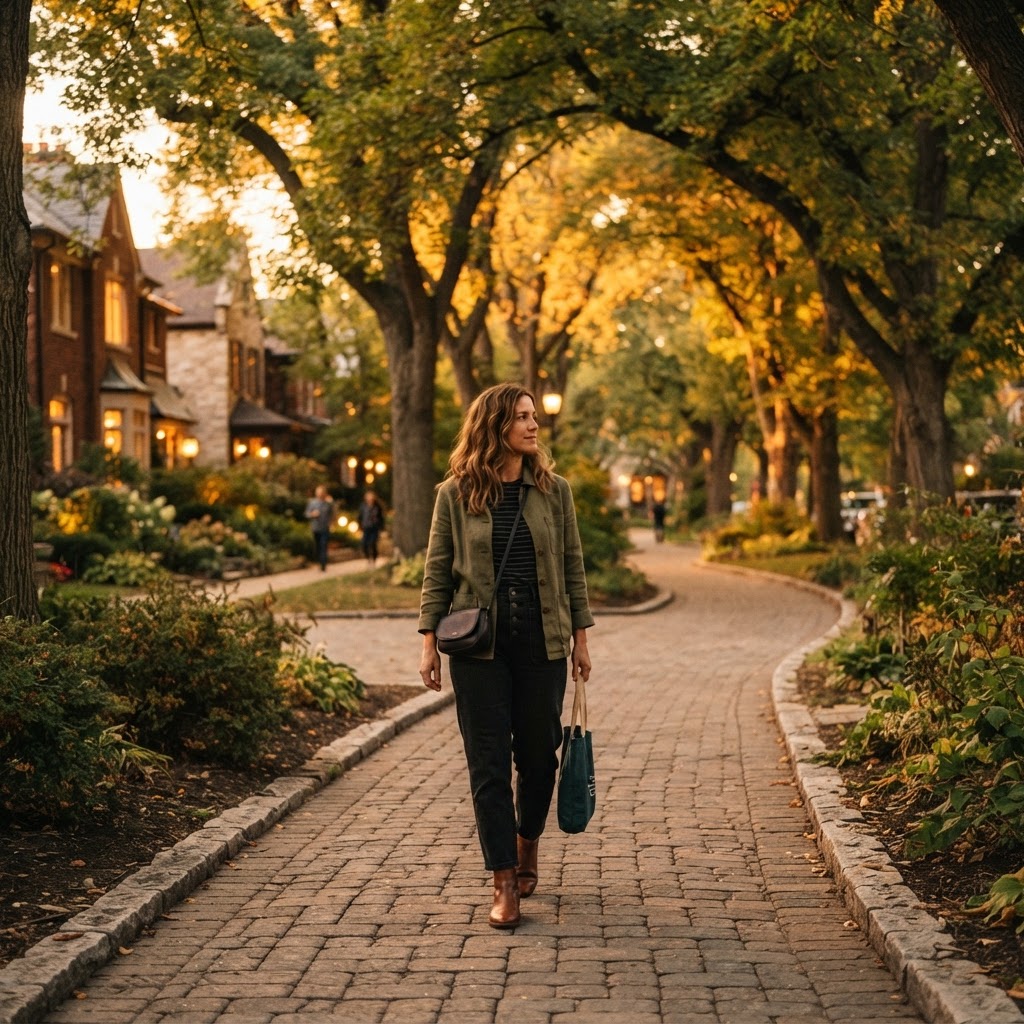
Walking After Meals: The 10-Minute Habit That Blunts Blood Sugar Spikes
*This article is general information only — not medical advice. Talk to your doctor about managing your blood sugar.*
Some health habits require equipment, subscriptions, or a personality transplant. This one requires shoes and ten minutes. A short walk after a meal — especially dinner — is one of the most consistently supported, least glamorous blood sugar strategies in the research. It doesn't trend because nobody can sell it to you. It just works, quietly, every single day you do it.
Here's what the studies actually found, why the timing matters more than the distance, and how to build the habit so it survives contact with real life.
Want to see the spike you're walking off? Check any meal's spike score free at foodidentifier.com before you eat it.
The short answer: does walking after a meal help blood sugar?
Yes. Research consistently shows that a short, easy walk started soon after eating blunts the post-meal blood sugar spike compared with sitting — your leg muscles pull glucose straight out of the bloodstream to fuel the walk. Ten to fifteen minutes is the sweet spot most studies use, and even two to five minutes of light walking beats staying seated.
Why it works: your muscles are a glucose sink
After you eat, glucose from the meal enters your bloodstream. Normally insulin escorts it into cells. But there's a second door: contracting muscles can take up glucose directly, with far less dependence on insulin. Every step you take is thousands of small contractions doing exactly that.
A post-meal walk times this perfectly. You set the glucose sink running right as the glucose wave arrives — so the peak is lower, the curve is smoother, and less insulin is needed to clear it. Researchers call the effect on the post-meal curve “blunting,” and it shows up in study after study: in healthy adults, in older adults, and in people with type 2 diabetes and prediabetes, where the effect tends to matter most.
A widely cited meta-analysis of light-intensity walking (published in Sports Medicine, 2022) pooled the evidence on breaking up sitting with short walks and found meaningful improvements in post-meal glucose and insulin compared with uninterrupted sitting — with even brief, easy walks doing measurable work. The headline isn't intensity. It's timing and consistency.
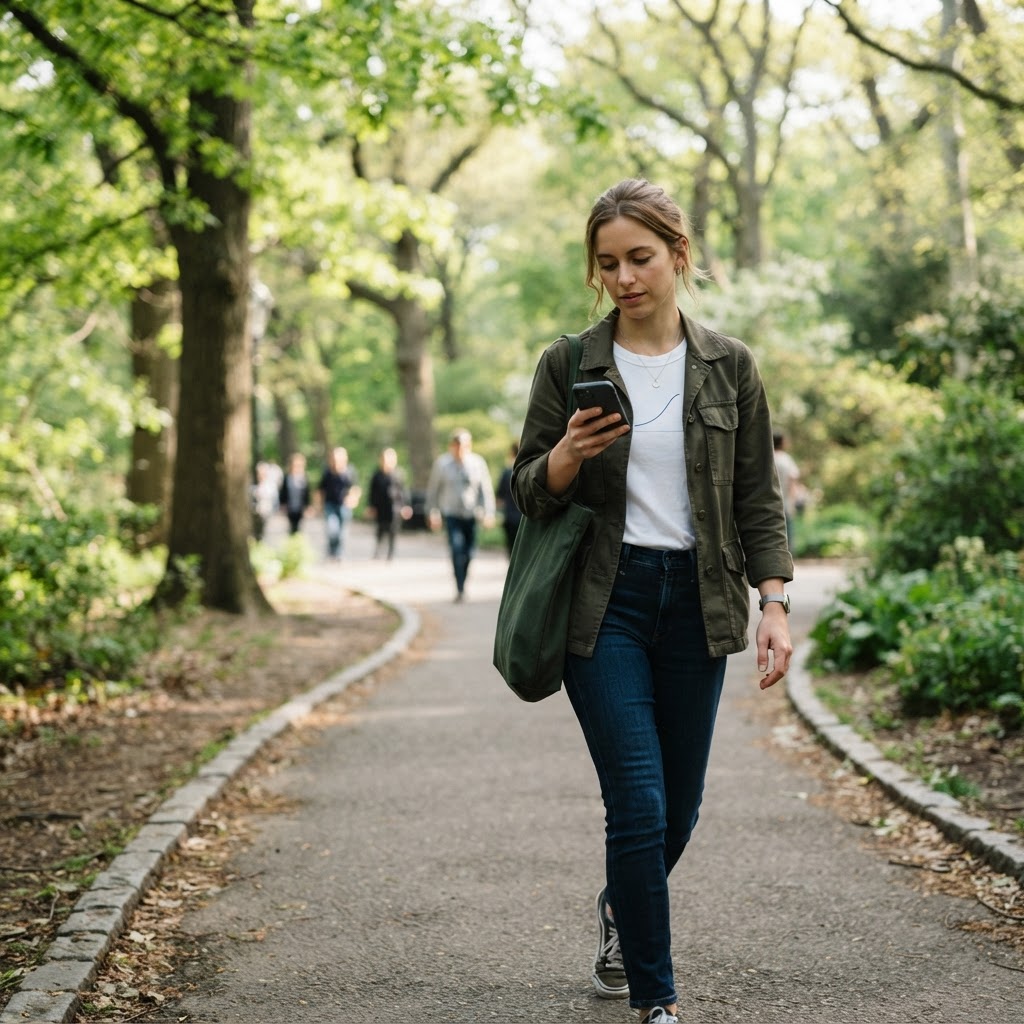
Timing: when to walk, and for how long
The post-meal glucose peak typically arrives 30–90 minutes after eating, depending on the meal. Walking works best when you're moving during the rise, not after the peak has passed:
- Best window: start within about 30 minutes of finishing the meal.
- Sweet-spot duration: 10–15 minutes at a comfortable, conversational pace.
- Minimum effective dose: even 2–5 minutes of light walking after eating has shown benefit in studies. A stroll to the end of the street is not nothing — physiologically, it's a real intervention.
- Which meal matters most: dinner. Evening glucose tolerance is naturally worse than morning, and dinner is often the biggest meal — which is why after-dinner walks show some of the strongest effects in the research.
Notice what's missing from that list: speed, hills, heart-rate zones, special shoes. This is a walk you'd take with a friend and a conversation, not a workout you need to recover from.
The meal still matters (walk + plate is the real strategy)
A walk blunts a spike; it doesn't erase the meal. A gentle walk after a moderate plate and a gentle walk after a 1,400-calorie fast-food run start from very different peaks. The two strategies multiply rather than substitute:
- Shrink the spike at the source. Fiber, protein, and food order (vegetables and protein before the starch) all flatten the curve before you ever stand up. The spike score on any scanned meal shows you which part of the plate is driving the rise.
- Then walk off the rest. The smaller the incoming wave, the more completely a 10-minute walk can smooth it.
People on GLP-1 medications often discover these two levers together — smaller meals because appetite is lower, and a short walk because heavy, still evenings feel worse. If that's you, our shot-day eating guide covers the meal side of that window in detail. (General information only — your prescriber's guidance comes first.)
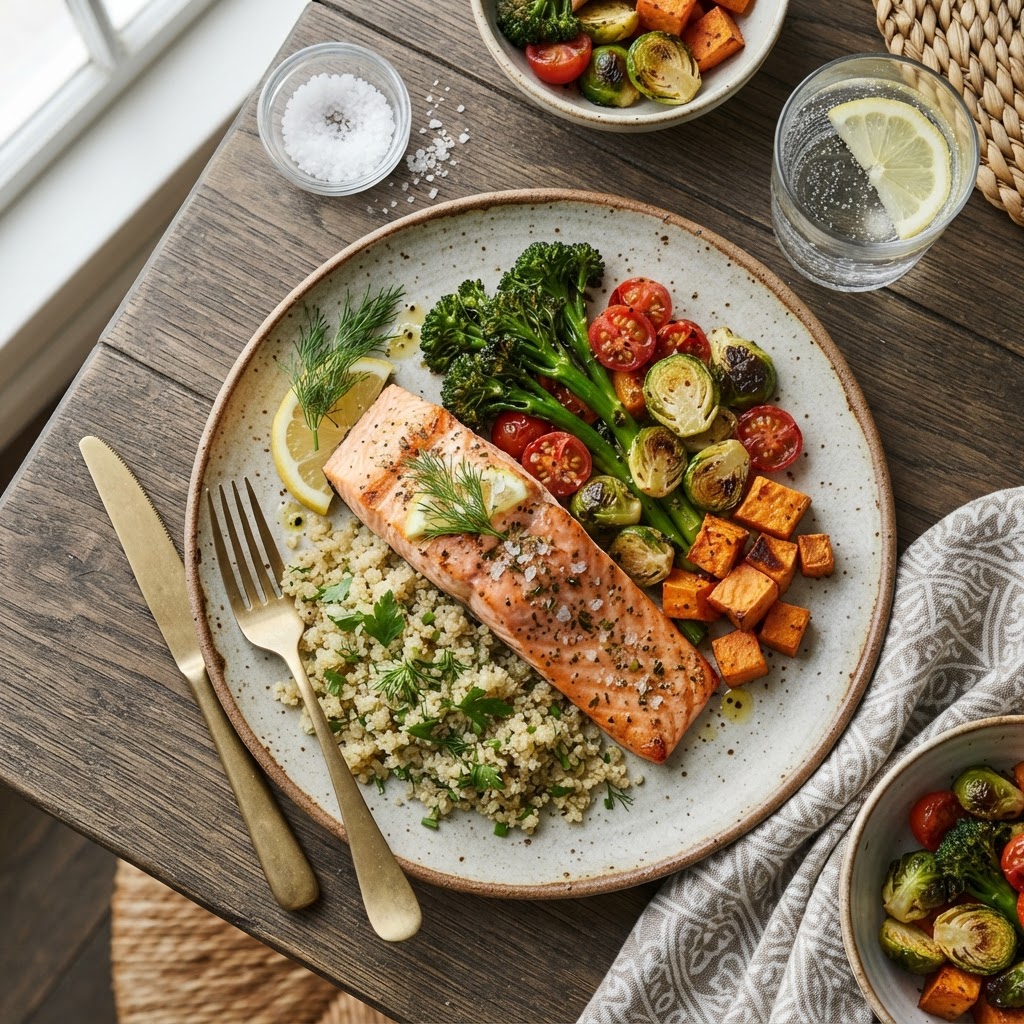
Two levers beat one. Scan your meal for its spike score, then take the 10-minute walk — check the plate free at foodidentifier.com.
How to make it stick (the habit design part)
The research is the easy half. The habit fails in predictable ways, and each has a boring, effective fix:
- Anchor it to the plate clearing. Not “later this evening” — the walk starts when the dishes hit the sink. Habits attached to an existing event survive; habits attached to a time of day dissolve.
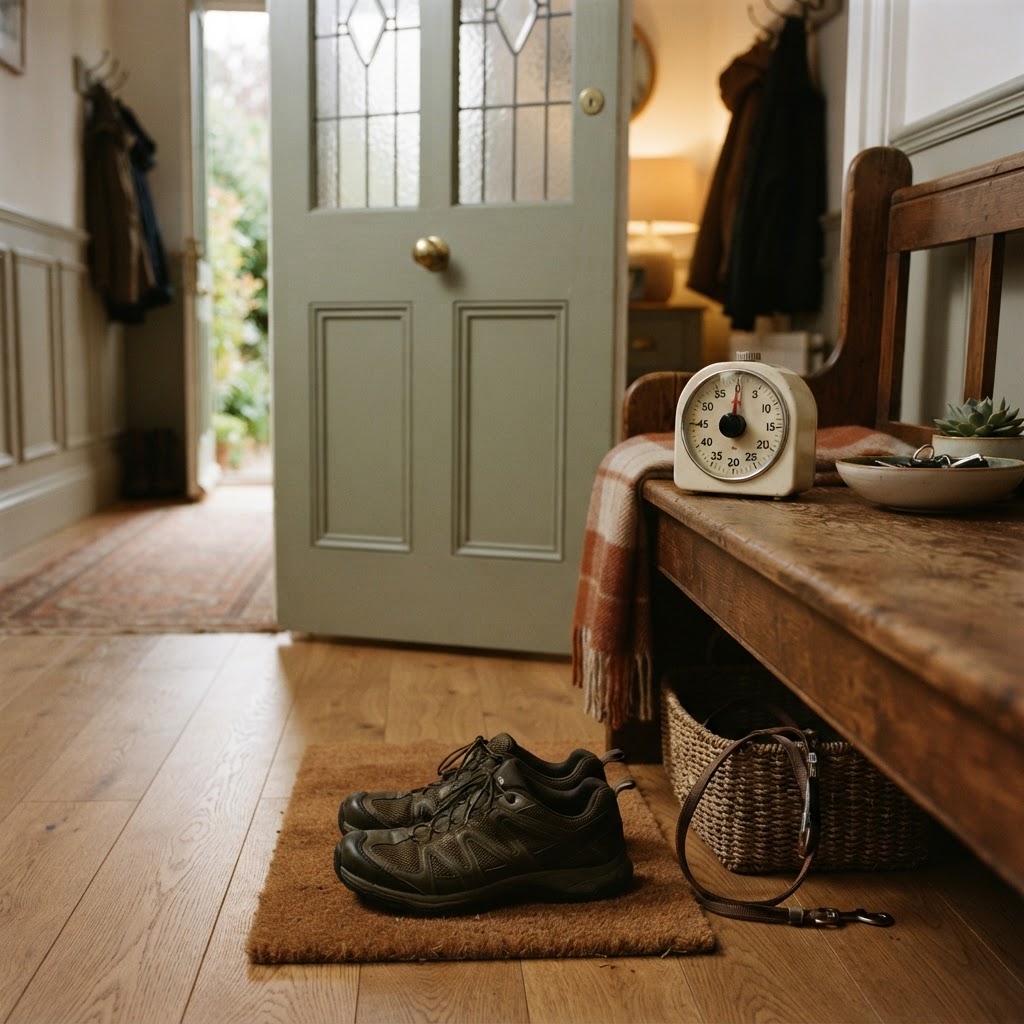
- Shoes by the door. Remove every micro-friction. The walk that requires finding shoes, a jacket, and motivation is three decisions; the walk that requires opening the door is one.
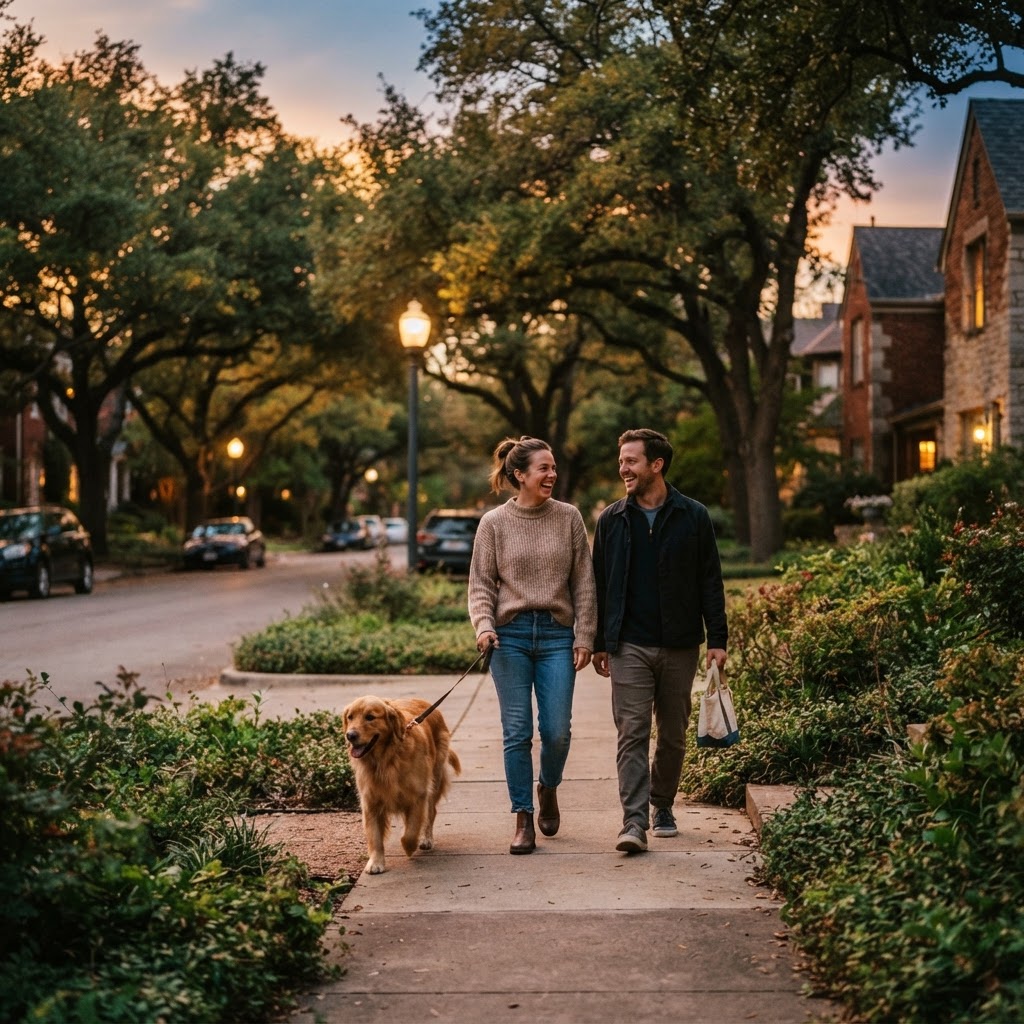
- Make it the social default. After-dinner walks with a partner, kids, a dog, or a phone call convert willpower into company. Many cultures built this in centuries before the research arrived — the Italian passeggiata is a blood sugar strategy wearing a nicer outfit.
- Track the streak, not the distance. What gets counted gets repeated. A simple daily check — walk or no walk — is the metric. This is exactly what FoodIdentifier's Daily Habits was built for: one photo of dinner, one walk, streak alive.
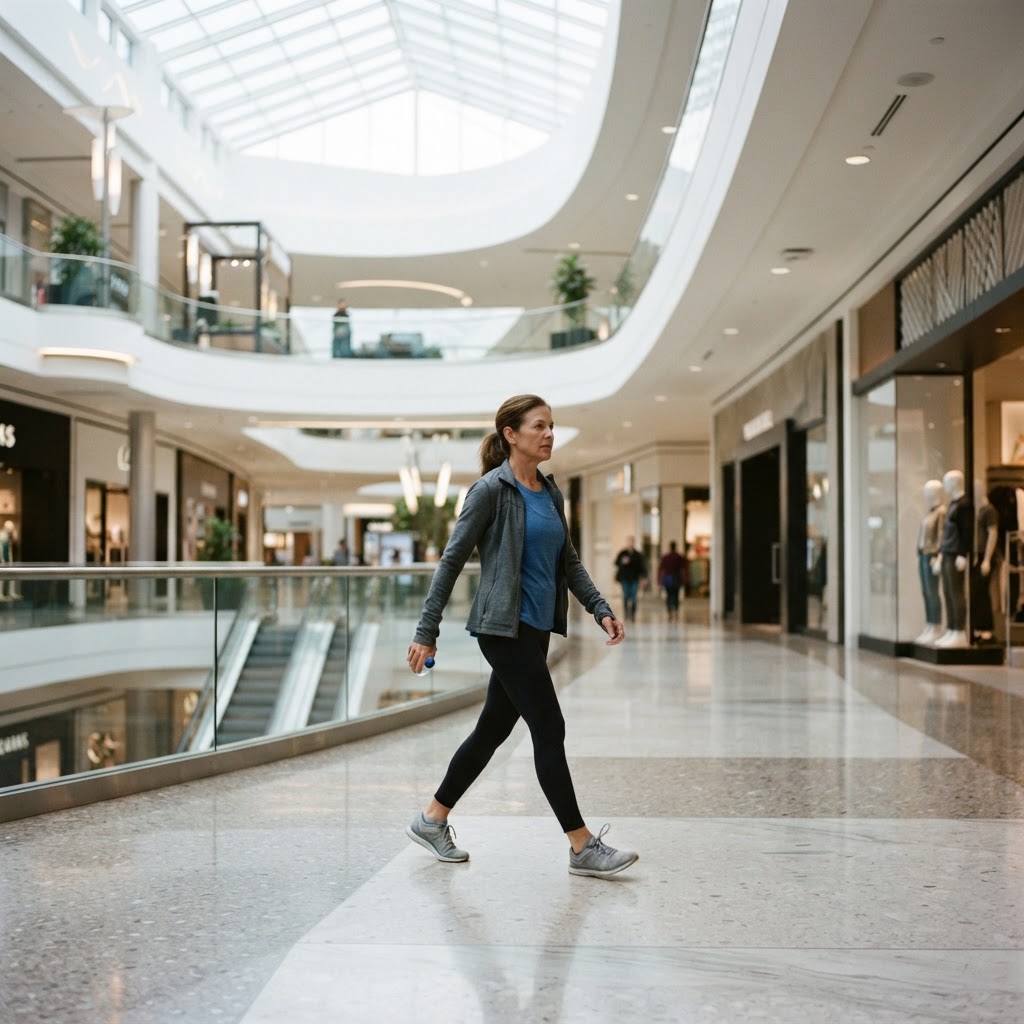
- Have a weather plan. Mall, hallway laps, treadmill, or a lap around the supermarket all count. The glucose doesn't care about the scenery.
What the walk won't do
Honesty section, because this habit collects exaggerated claims too. A post-meal walk will not cancel a consistently excessive diet, replace medication your doctor prescribed, or turn a blood-sugar problem into a non-problem by itself. Its effects are real but sized like what it is: a lever, not a cure. It also isn't a reason to eat a bigger meal (“I'll walk it off”) — the licensing trap that quietly eats the benefit.
What it will do: lower today's spike, improve tonight's curve, support steadier energy after meals, and compound — quietly — across hundreds of repetitions. In blood sugar management, boring and daily beats heroic and occasional almost every time.
Dinner tonight is your first rep. Scan the plate, check the spike, take the walk. Start free at foodidentifier.com.
FAQ
How soon after eating should I walk?
Start within about 30 minutes of finishing. The goal is to be moving while blood sugar is rising toward its peak (typically 30–90 minutes after the meal), not after it has already crested.
How long should a post-meal walk be?
Ten to fifteen minutes at an easy pace is the duration most research uses. Even two to five minutes of light walking after a meal has shown measurable benefit versus sitting — short counts.
Does walking after dinner help more than after other meals?
Often, yes. Glucose tolerance is naturally lower in the evening and dinner tends to be the largest meal, so the after-dinner spike is usually the biggest target — and studies show strong effects from blunting it.
Can I walk instead of taking my medication?
No. Post-meal walking is a supportive habit, not a substitute for prescribed treatment. If you manage diabetes or take glucose-lowering medication, talk to your doctor before changing anything — and be aware that activity after meals can affect hypoglycemia risk for some medication users. This article is general information, not medical advice.
What pace should I walk at?
Comfortable and conversational — you should be able to talk in full sentences. The glucose effect comes from muscle contraction over time, not intensity. A stroll works; a workout also works but isn't required.
Will a post-meal walk help with weight loss?
Indirectly. It burns a modest number of calories, but its bigger contributions are smoother blood sugar (fewer spike-and-crash hunger cycles) and the behavioral anchor it creates after meals. It's a supporting habit in a weight-loss pattern, not the engine of one.
What if the weather is bad or I can't go outside?
Walk indoors: hallways, stairs, a mall, a treadmill, even laps around your home. Studies on interrupting sitting used ordinary indoor walking — location doesn't matter, movement does.
Does standing or moving around the house count?
Light activity beats sitting, and standing is better than the couch — but actual walking recruits far more muscle and shows the clearest effect in the research. A few minutes of real steps is the target.
*This article is general information only — not medical advice. Talk to your doctor about managing your blood sugar, especially if you use glucose-lowering medication.*