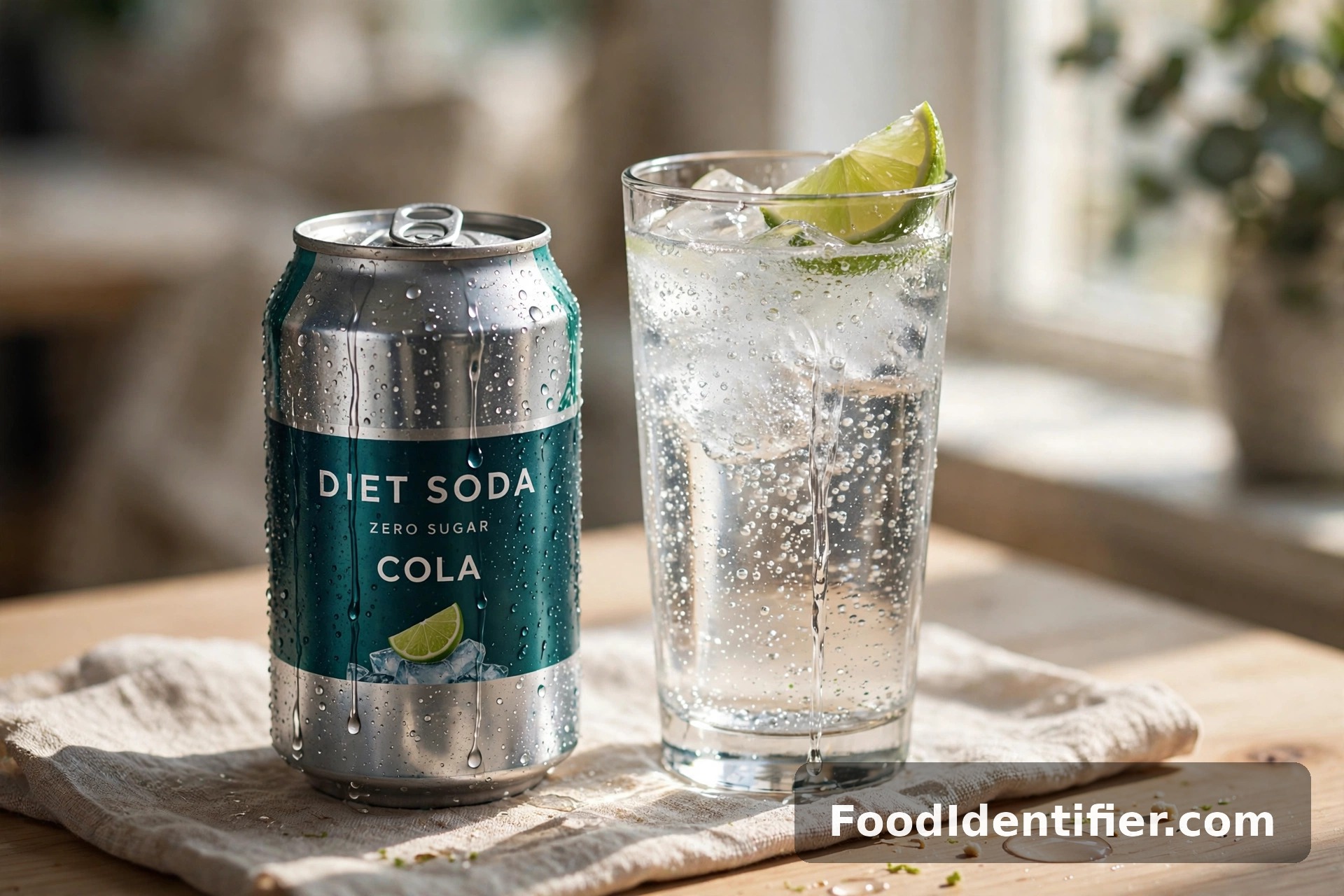
Is Diet Soda Bad for Weight Loss? What the Evidence Says (2026)
Diet soda might be the most argued-about beverage in nutrition. One camp says it's a free pass — zero calories, zero consequences. The other says it ruins your metabolism, confuses your brain, and makes you fatter than regular soda somehow. Both camps cite "studies." Both sound certain. They're both oversimplifying.
In October 2026, a 2-year randomized trial directly tested diet drinks against water for weight loss — the exact question, run properly, for longer than almost any study before it. Here's what it found, what the older research actually says, and the practical takeaway nobody mentions: the soda was never the main character. The meal is.
Forget the soda debate for a second — scan the meal you're eating with it at foodidentifier.com. Free, 5 seconds, no app.
The short answer: is diet soda bad for weight loss?
Probably not. A 2-year randomized trial found no meaningful weight-loss difference between diet drinks and water — the scary headlines came from observational studies with reverse causation. Diet soda beats regular soda easily and is roughly neutral vs water. But the meal you drink it with matters far more — scan it free at foodidentifier.com.
What the October 2026 diet soda trial actually found
The study is the SWITCH trial, run jointly by the University of Liverpool and the University of Leeds and published in the British Journal of Nutrition. The setup was simple and unusually rigorous: 493 adults with overweight or obesity were randomized to drink either diet beverages or water daily, and followed for 104 weeks — two full years, far longer than the typical 12-week nutrition trial. Everyone was inside a structured weight-management program, and weight change was the primary outcome.
The result: the diet-beverage group lost 4.8 kg vs 3.7 kg for the water group — a difference that was not statistically significant. The diet-drink group didn't lose less. They didn't mysteriously gain. Over two years, swapping sugar for sweeteners behaved almost exactly like swapping sugar for water, weight-wise.
The sweeteners used in the trial were aspartame, acesulfame-K and sucralose, all within EFSA safety limits. The trial was funded by the American Beverage Association; the researchers state they had full control of the analysis and reporting.
Why this matters: most of the scary headlines about diet soda come from observational studies — researchers notice that diet soda drinkers tend to be heavier, and conclude the soda caused it. But that's backwards. People who are already struggling with weight are the ones who switch to diet drinks. The soda didn't make them heavy; being heavy made them choose the soda. That's reverse causation, and it's the single most misunderstood concept in this entire debate.
A randomized trial cuts through that: assign people randomly, and the correlation vanishes. That's what happened here.
Caveats worth stating honestly: nutrition trials have compliance issues (did everyone actually drink what they were assigned for two full years?), and two years still isn't a lifetime. But as evidence goes, a 2-year RCT beats a decade of observational hand-wringing.
The sweetness-craving question
The most persistent anti-diet-soda theory: sweetness without calories "confuses" your brain, intensifying cravings and making you eat more later. It sounds plausible. The evidence for it in humans is thin.
Short-term lab studies show mixed, small effects — some people report slightly more desire for sweet foods after diet drinks, others report less (possibly because the craving got satisfied). But in the real-world trials where it would have to show up as actual weight gain, it doesn't. If diet soda meaningfully drove compensatory overeating, the 2-year trial would have caught it. It didn't.
Individual variation is real, though. If YOU notice that diet soda makes you crave sweets harder, that's valid personal data — switch to sparkling water and see. Population averages don't override your own observations.
Gut-brain claims: what we actually know
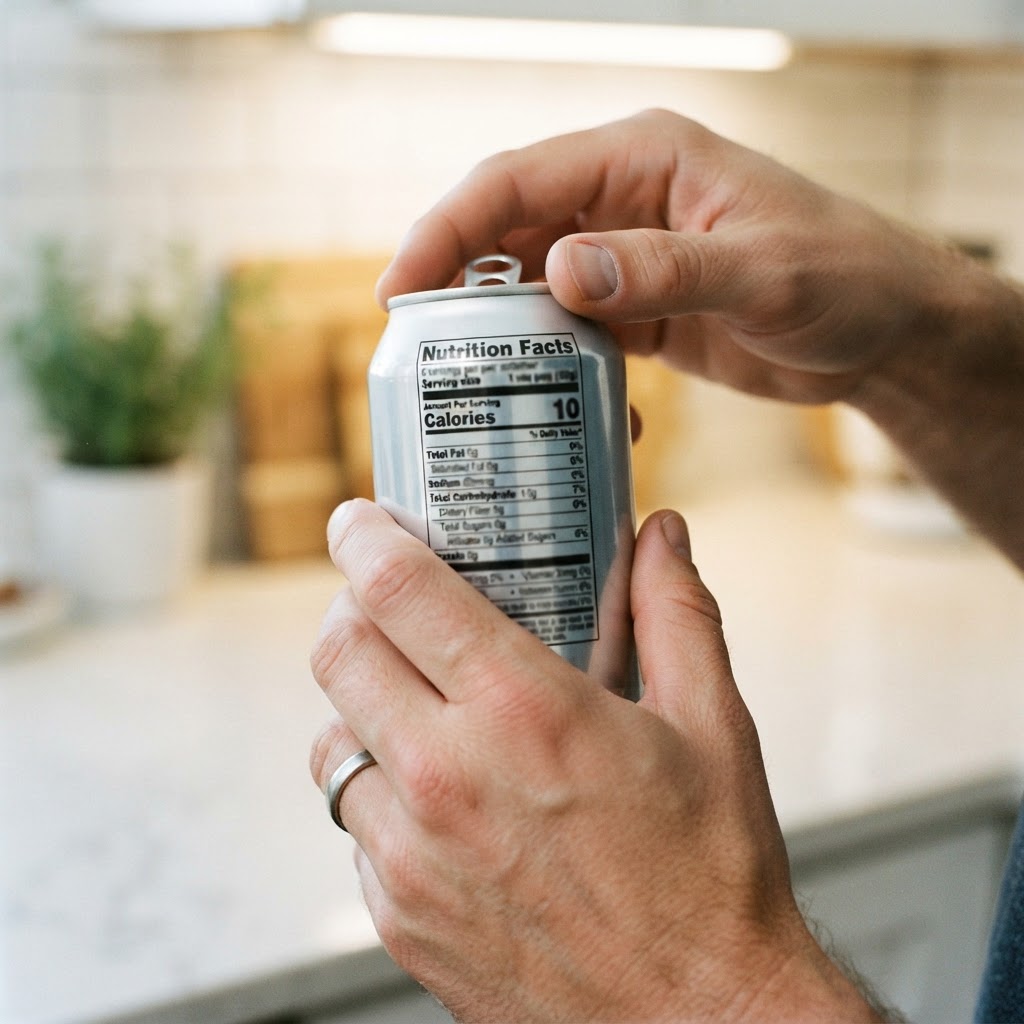
You've seen the headlines: "artificial sweeteners destroy your gut microbiome!" The reality is more boring. A few small studies found sweeteners can alter gut bacteria composition in some people — but "altered composition" is not a disease, and nobody has shown these changes cause weight gain or metabolic harm in humans at normal consumption levels.
What we know: sweeteners are among the most studied food additives in history, approved by every major food safety authority in the world. What we don't know: lifetime effects of heavy daily use, because that study can't ethically exist. The honest position is "no convincing evidence of harm at normal intakes" — not "proven safe forever," and not "secretly poison."
The industry-funding caveat
Fair criticism: some sweetener research has industry funding, and industry-funded nutrition studies do tend to produce friendlier results. The October 2026 trial should be read with that lens — check who funded it, and weigh it alongside independent research.
But here's the thing the funding critics miss: the observational studies on the other side have their own bias problem (reverse causation, as above), and "we need more independent research" is not the same as "it's dangerous." Absence of perfect evidence isn't evidence of harm.

The practical verdict (harm-reduction framing)
Stop asking "is diet soda good or bad" and ask the better question: "compared to what?"
- vs regular soda: diet soda wins by a landslide. A daily regular soda is ~140 calories and 39g of sugar — over a year, that's the equivalent of roughly 15 pounds of pure sugar water. Switching to diet eliminates that entirely. This is the single highest-impact beverage swap in nutrition.
- vs water: roughly neutral for weight loss, per the trial. Water wins on dental health, hydration purity, and cost. Diet soda wins on "you'll actually drink it instead of the regular stuff."
- vs sparkling water with lime: the compromise candidate. All the fizz and ritual, none of the sweetener debate.
The hierarchy that actually matters: sugary drinks (terrible) → diet soda (fine) → sparkling water (great) → water (perfect). Anyone telling you diet soda is worse than regular soda is selling fear, not science.

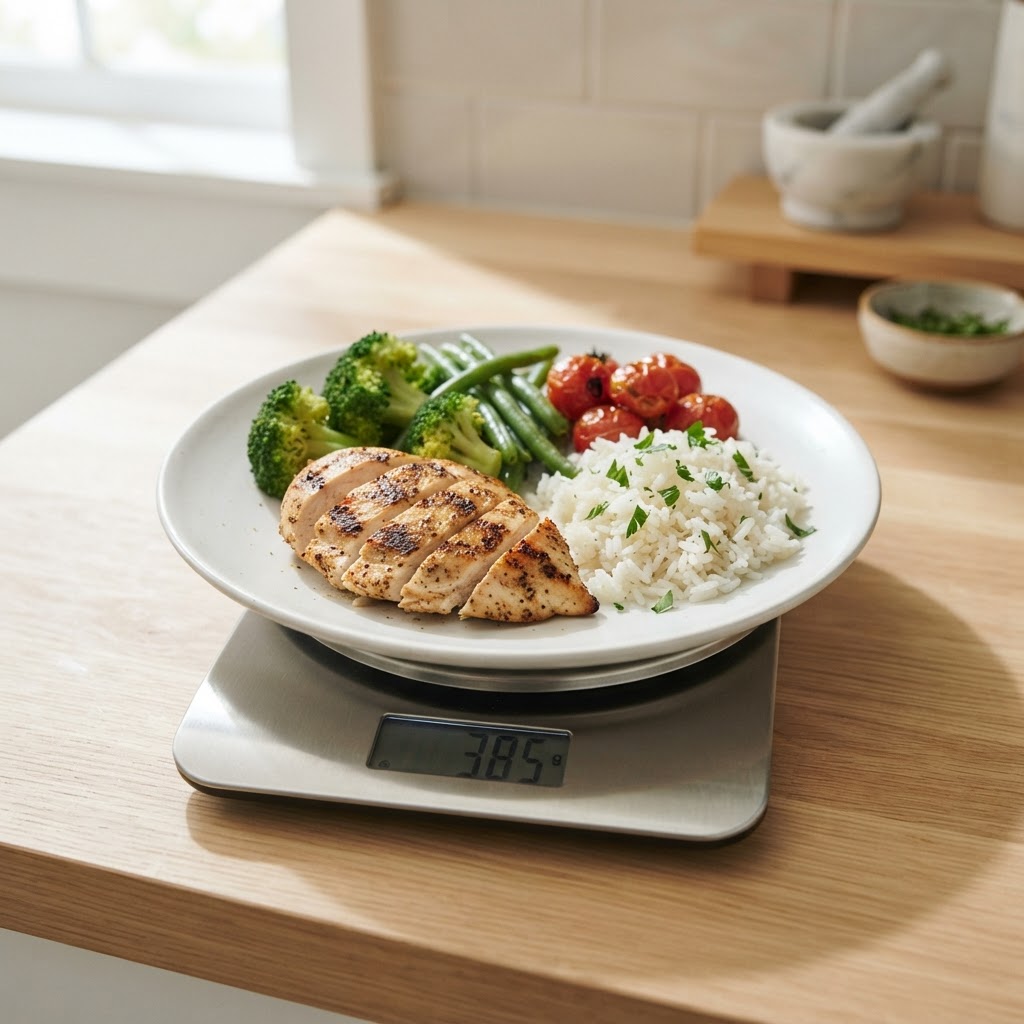
The soda isn't the problem — the 900-calorie meal next to it is. Scan your meal free at foodidentifier.com and see the real numbers.
The real trap: diet soda + fast food meal
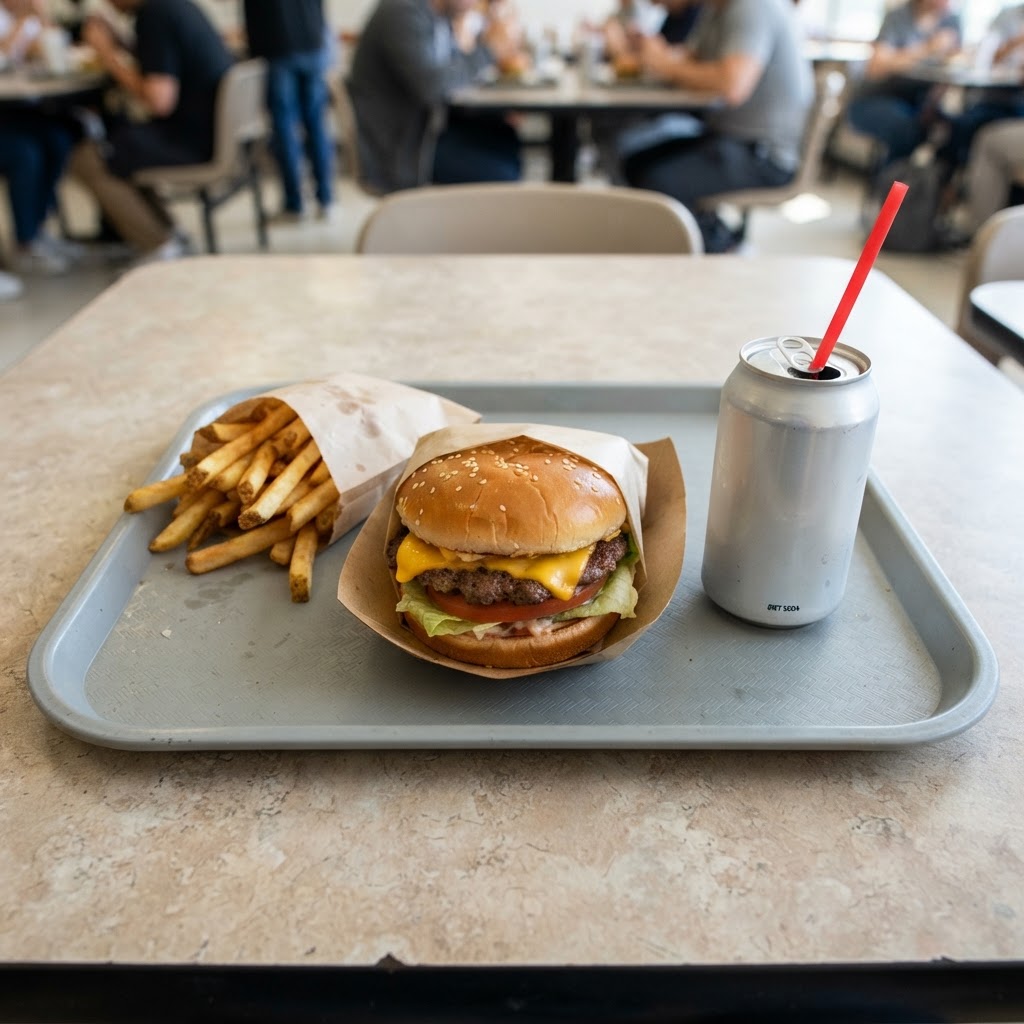
Here's the pattern the observational studies were actually detecting: the "diet soda with a double bacon cheeseburger and large fries" order. The soda has zero calories. The meal has 1,400. Then the person blames the soda — or worse, feels virtuous about the soda and eats more fries ("I saved calories on the drink, I earned the large").
This is the licensing effect, and it's real psychology: a virtuous choice in one column justifies indulgence in another. The fix isn't switching beverages — it's seeing the whole plate honestly.
Next time you're in that drive-thru: photograph the meal before you eat. The free scanner gives you the full picture — burger, fries, AND drink — in seconds. And if you're curious about the blood-sugar angle, the spike score shows which part of the meal is actually driving the metabolic response. Spoiler: it's not the diet soda.
FAQ
Does diet soda cause belly fat?
No direct evidence. The association in observational studies is best explained by reverse causation — people carrying more weight switch to diet drinks. The 2-year randomized trial found no weight-gain effect vs water.
Will diet soda kick me out of ketosis?
For most people, no — zero-calorie sweeteners don't provide glucose. Individual responses vary; if you're strict keto and stalling, test removing it for two weeks and see. The keto scanner can check the rest of your meal.
Is aspartame safe?
Every major food safety authority (FDA, EFSA and others) considers aspartame safe at normal intake levels — it's among the most studied additives in existence. The WHO's classification placed it in the same category as aloe vera extract and pickled vegetables ("possibly carcinogenic" based on limited evidence), which tells you more about the category's breadth than about aspartame specifically.
Does diet soda make you hungrier?
The trial evidence says no meaningful effect on overall intake. Some individuals report more sweet cravings; others report fewer. Track your own response for two weeks — your data beats the average.
What about diet soda and diabetes?
If you have diabetes, diet soda doesn't raise blood sugar the way regular soda does — that's a genuine advantage. But water remains the best default, and any diet change with diabetes deserves a conversation with your doctor. This is general information, not medical advice.
Is sparkling water better than diet soda?
For the sweetener-averse, yes — same fizz and ritual, no debate. For weight loss specifically, the trial suggests they're roughly equivalent. Pick the one you'll actually drink instead of regular soda.
How much diet soda is too much?
There's no established danger threshold at normal intakes, but "a can or two a day" and "a 2-liter habit" are different lifestyles. If you're drinking extreme amounts, the question worth asking isn't about sweeteners — it's what need the habit is filling.
Does the caffeine in diet soda matter?
A can has roughly 40–50mg of caffeine (about half a cup of coffee). Relevant if you're caffeine-sensitive or drinking it at midnight, irrelevant for weight loss either way.
Stop debating the drink — audit the plate. Scan your next meal free at foodidentifier.com. No app, no account, no card.
*Sources note: findings described from the October 2026 randomized trial as reported (diet beverages vs water, ~493 participants, 2-year follow-up); observational findings described as correlations with reverse-causation caveats. No statistics invented — qualitative summaries only.
Internal links