Protein Calculator: How Much Protein Do You Need Per Day?
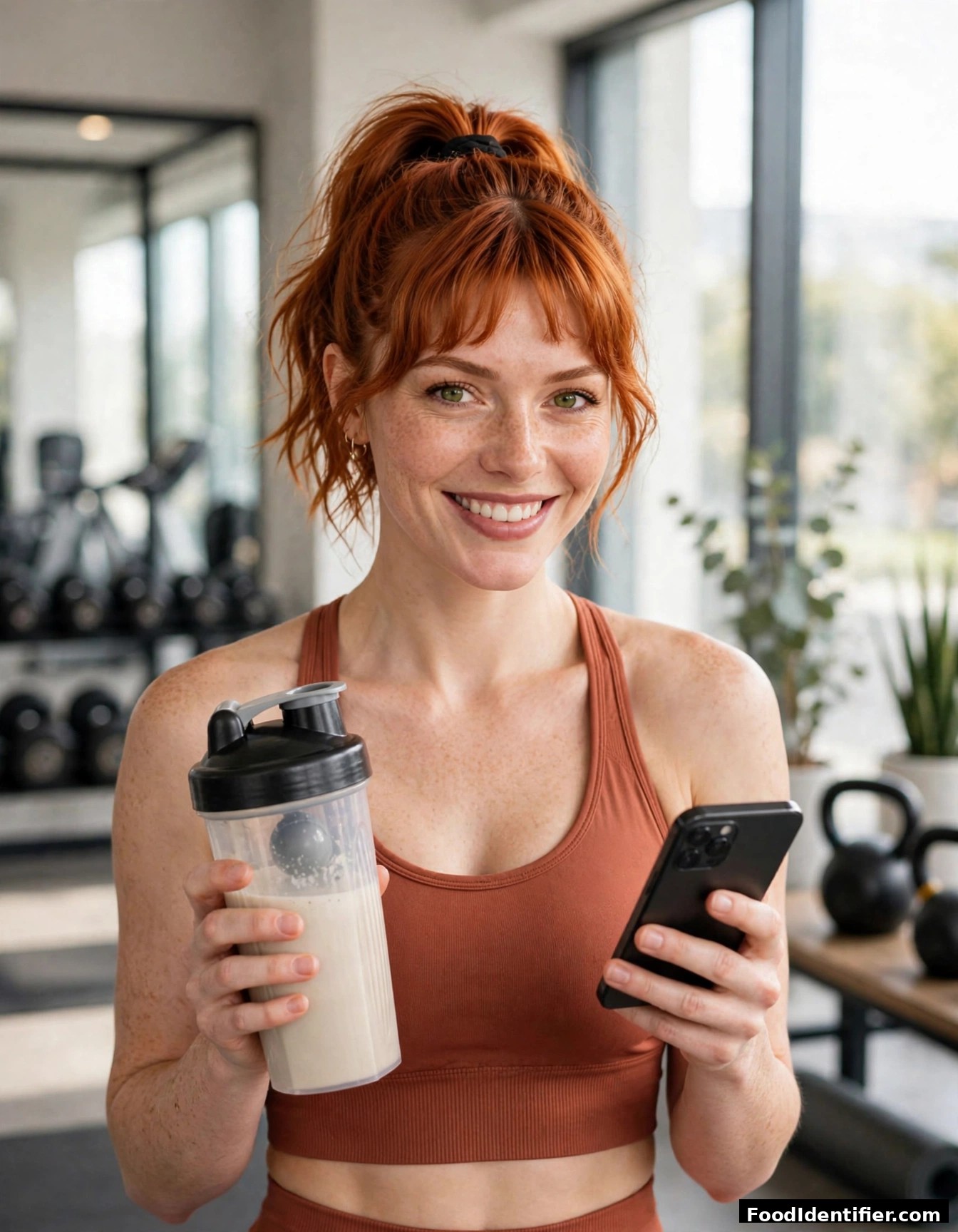
Protein is the one macro everyone agrees on and almost nobody hits. The calculator below gives you a daily target from your body weight and goal in seconds. Then comes the part most pages skip: actually hitting that number, meal after meal, without typing every bite into a database. That's where the photo scanner comes in — photograph a meal, get its protein grams, and watch the day's total climb.
How much protein do I need per day?
Direct answer: The rule for active people: 0.7–1 gram of protein per pound of body weight per day — a 160 lb person targets roughly 110–160g daily, lifters and dieters at the higher end. Calculate your exact target above, then track every meal with a photo scan at foodidentifier.com — free, no app, no account.
Expansion: The 0.7–1g/lb range balances simplicity with the research: sedentary adults need less, people in a calorie deficit need more (protein protects muscle while you lose weight), and lifters sit at the top of the range. Spread it across 3–5 meals — your body uses protein better in distributed doses than in one giant shake. Common high-protein anchors: chicken breast (~31g per 100g), Greek yogurt (~10g per 100g), eggs (~6g each), canned tuna (~25g per can), cottage cheese (~11g per 100g), whey protein (~25g per scoop). The failure mode isn't knowing the number; it's the daily friction of logging.
Why the scanner fixes the friction: protein tracking dies the moment it feels like bookkeeping. FoodIdentifier removes the bookkeeping — photograph your plate and the AI estimates protein grams alongside calories, so your daily total builds itself across meals. You check the number at dinner instead of guessing it.
Scan it free at foodidentifier.com — no app, no sign-up.
From target to plate: making the number real
Calculate your target above (weight × 0.7–1.0 depending on goal).
Anchor each meal. Aim for roughly a quarter of your target per meal — one palm-and-a-half of a lean protein source per plate.
Scan, don't guess. Photograph each meal with FoodIdentifier and let the day's protein total accumulate automatically.
Adjust weekly. Hit 90%+ of target most days for 2–3 weeks before deciding the number needs changing.
The protein mistakes this page prevents
- •The "one shake" trap: one 25g shake does not equal "enough protein." Distribution across the day matters more than one big hit.
- •Invisible portions: "some chicken" could be 20g or 50g of protein. The scan estimates the portion, not just the food.
- •Dieting without protein: in a deficit, the top of your range matters most — that's when muscle is at risk.
Frequently Asked Questions
Is the protein calculator free?
Yes — and the scanner behind it is free too. FoodIdentifier at foodidentifier.com: no app, no account, no card.
Why 0.7–1g per pound instead of the RDA?
The RDA (~0.36g/lb) is a minimum to avoid deficiency, not an optimum for active people, lifters, or anyone dieting. The 0.7–1g/lb rule targets body-composition goals.
Should I eat more protein when losing weight?
Yes — go toward the top of your range. Protein protects lean mass in a calorie deficit, and it's the most filling macro.
Can I get enough protein without supplements?
Most people can with animal protein or soy at every meal. Supplements are convenience, not a requirement — scan your regular meals first and see where you land.
How do I track protein without logging apps?
Photograph each meal with FoodIdentifier's free scanner — it estimates protein grams per meal so your daily total builds itself.
Does timing matter?
Less than total. Spread protein across the day, eat some within a few hours of training if convenient, and don't stress the 30-minute "anabolic window."
Do I need an app to scan?
No — FoodIdentifier runs in your browser on iPhone, Android, desktop, or tablet.
How This Protein Calculator Works
The calculator uses a single, transparent formula: your body weight in kilograms multiplied by a protein multiplier based on your activity level and goal. The multiplier ranges from 0.8 g/kg (the RDA minimum for sedentary adults) up to 2.2 g/kg for strength athletes building muscle.
Daily protein (g) = body weight (kg) × multiplier (0.8–2.2 g/kg)
Step-by-step:
- Enter your body weight (the tool converts pounds to kilograms automatically).
- Choose your goal: maintenance, fat loss, or muscle gain.
- The tool selects the matching multiplier range from the table below.
- It multiplies your weight by the multiplier to produce a daily target in grams.
- Divide that total across 3 to 5 meals to get a per-meal protein target.
Protein Needs by Goal
These ranges come from the RDA, the American College of Sports Medicine, the International Society of Sports Nutrition, and the Academy of Nutrition and Dietetics position stands.
| Goal | Per kg | Per lb | Notes |
|---|---|---|---|
| Sedentary (RDA minimum) | 0.8 g/kg | 0.36 g/lb | Minimum to prevent deficiency |
| Active adult | 1.2–1.6 g/kg | 0.55–0.73 g/lb | Regular exercise, general health |
| Fat loss / calorie deficit | 1.6–2.4 g/kg | 0.73–1.1 g/lb | Preserves muscle, increases fullness |
| Muscle gain | 1.6–2.2 g/kg | 0.73–1.0 g/lb | With progressive resistance training |
| Strength athlete | 1.6–2.2 g/kg | 0.73–1.0 g/lb | Diminishing returns above 2.2 g/kg |
Worked Example: 70 kg Moderately Active Adult
Here is the full math for a 70 kg (154 lb) adult who exercises 3 to 4 times a week and wants to maintain muscle while staying lean.
Step 1 — Body weight: 70 kg (154 lb)
Step 2 — Multiplier: 1.6 g/kg (moderately active, general fitness)
Step 3 — Daily target: 70 × 1.6 = 112 g of protein per day
Step 4 — Per meal (4 meals): 112 ÷ 4 = 28 g per meal
Step 5 — In pounds: 112 g ÷ 154 lb ≈ 0.73 g per lb of body weight
Source: multiplier from ACSM and ISSN position stands; RDA baseline from the National Academies.
How to Spread Protein Across Meals
Research shows 20 to 40 g of high-quality protein per meal maximizes muscle protein synthesis. Spreading your daily target across more meals keeps each dose in that effective range.
| Meal Frequency | Per-Meal Target (112 g day) | Notes |
|---|---|---|
| 3 meals | 37 g | Larger per-meal dose, easier logistics |
| 4 meals | 28 g | Balanced synthesis and convenience |
| 5 meals | 22 g | Maximizes muscle protein synthesis |
High-Protein Foods: Top 20 by Grams per Serving
Values are from the USDA FoodData Central database. Use these to build meals that hit your per-meal target without supplements.
| Food | Serving | Protein |
|---|---|---|
| Chicken breast (cooked) | 100 g | 31 g |
| Turkey breast (cooked) | 100 g | 29 g |
| Lean beef, sirloin (cooked) | 100 g | 26 g |
| Pork tenderloin (cooked) | 100 g | 26 g |
| Salmon (cooked) | 100 g | 25 g |
| Tuna, canned in water | 100 g | 24 g |
| Shrimp (cooked) | 100 g | 24 g |
| Whey protein isolate | 1 scoop (30 g) | 25 g |
| Greek yogurt, nonfat | 170 g container | 17 g |
| Cottage cheese, low-fat | 100 g | 11 g |
| Tempeh | 100 g | 19 g |
| Tofu, firm | 100 g | 15 g |
| Edamame | 100 g | 12 g |
| Lentils (cooked) | 1 cup (198 g) | 18 g |
| Chickpeas (cooked) | 1 cup (164 g) | 15 g |
| Black beans (cooked) | 1 cup (172 g) | 15 g |
| Eggs | 1 large | 6 g |
| Milk, 2% | 1 cup (240 ml) | 8 g |
| Almonds | 28 g (1 oz) | 6 g |
| Peanut butter | 2 tbsp (32 g) | 8 g |
Protein and Weight Loss / Muscle Gain
For weight loss
In a calorie deficit, protein is the most satiating macronutrient and it protects lean muscle from being lost with the fat. Aim for 1.6 to 2.4 g/kg, toward the higher end the leaner you get. This helps preserve metabolic rate and keeps hunger manageable.
For muscle gain
Building muscle requires progressive resistance training plus 1.6 to 2.2 g/kg of protein per day. Above 2.2 g/kg, extra protein shows diminishing returns for muscle gain. Spread it across 3 to 5 meals of 20 to 40 g each to maximize muscle protein synthesis throughout the day.
Sources: ISSN position stand on protein and exercise; ACSM nutrition guidelines; Morton et al. meta-analysis (2018) on protein supplementation and resistance training.
Limitations: When to Talk to a Dietitian
This calculator provides an estimate for educational purposes, not medical advice. The multiplier ranges are population averages, and your individual needs may differ based on health status, medications, and training intensity.
- People with kidney disease should consult a clinician before increasing protein.
- Pregnant or breastfeeding individuals have different needs, so seek professional guidance.
- Adolescents still growing should work with a dietitian rather than a generic calculator.
- If you have a medical condition or take prescription medications, talk to your doctor first.
Protein Calculator FAQs
Disclaimer: This protein calculator provides estimates for educational purposes only and is not medical advice. Daily protein needs vary by individual health status, activity, and goals. Consult a registered dietitian or your physician before making significant dietary changes, especially if you have a medical condition.
Related Calculators & Free Tools
Frequently Asked Questions
How much protein do I need?
Protein needs vary by goals: 0.8g per kg (0.36g per lb) for sedentary adults, 1.2-1.6g per kg for active individuals, 1.6-2.2g per kg for muscle building, and 1.6-2.4g per kg for weight loss to preserve muscle mass.
When should I eat protein?
Distribute protein throughout the day for optimal muscle protein synthesis. Aim for 20-40g per meal. Post-workout protein (within 2 hours) supports recovery. Before bed protein can reduce overnight muscle breakdown.
Can I eat too much protein?
For healthy individuals, high protein intake (up to 2.5g per kg) is generally safe. However, excessive protein can strain kidneys in those with kidney disease. Balance protein with adequate hydration and other nutrients.
Get a Personalized Plan
Tell our AI your goal — get a custom diet & macro plan in 60 seconds.
Upgrade to Premium
$9.99/month. Unlimited scans, food diary, meal plans. Cancel anytime.
No medical advice. For informational purposes only.
Scan Food, Get Instant Calories
Photo → Nutrition facts in 3 seconds. No typing, no guessing.
🧮 All 37 Free Calculators
See All →Top Features
📱 Free Mobile App
All 37 calculators + AI food scanner in one app
Ask Lana
The questions everyone asks
Real answers, like a friend would give them — warm, honest, and always with your next tiny step.
Educational only — not medical advice. Talk to your doctor.