
Is Cottage Cheese Healthy? The High-Protein Comeback, Explained
Cottage cheese was your grandmother's diet food — the sad scoop next to a canned peach half on a lettuce leaf. Then the internet got hold of it, and suddenly it was in everything: whipped into eggs, blended into pasta sauce, baked into flatbreads, churned into ice cream. Sales surged, shelves emptied, and a food that hadn't been cool in fifty years became the protein era's favorite trick.
Virality isn't a nutrition label, though. So: is cottage cheese actually healthy — or just well-marketed curds? The answer, unusually for a viral food, is mostly yes. Here's the complete picture, including the two catches nobody puts in the videos.
Building a high-protein plate? Scan any meal free at foodidentifier.com and watch the protein grams add up before you eat.
The short answer: is cottage cheese healthy?
Yes — cottage cheese is one of the most protein-efficient foods in the dairy case: roughly 25 grams of protein per cup for about 200 calories in the low-fat version, plus calcium and B12. The honest catches are sodium (often 700–900mg per cup) and the gap between plain and sweetened flavored versions. Plain, low-fat, paired with fruit or vegetables — it's a genuinely strong food.
The nutrition numbers
Per one cup of low-fat (2%) cottage cheese, using standard USDA reference values:
- Calories: ~195
- Protein: ~25g — the headline. Few foods deliver this much protein at this calorie level.
- Carbs: ~8–10g (naturally occurring lactose)
- Fat: ~5g (2% version); nonfat versions cut this to near zero and land closer to 160 calories
- Calcium: roughly 15–20% of daily needs
- Sodium: 700–900mg — the main catch (see below)
The calorie calculator has the full breakdown for every variety and portion.
The protein deserves one more line, because it's not just quantity. Cottage cheese protein is predominantly casein — the slow-digesting kind that made it a bodybuilder staple long before it was a social media one. Casein forms a gel in the stomach and releases amino acids over hours, which is why cottage cheese before bed became a classic: it feeds muscle repair through the night instead of spiking and clearing like whey.
Why it went viral (and whether the tricks are worth it)
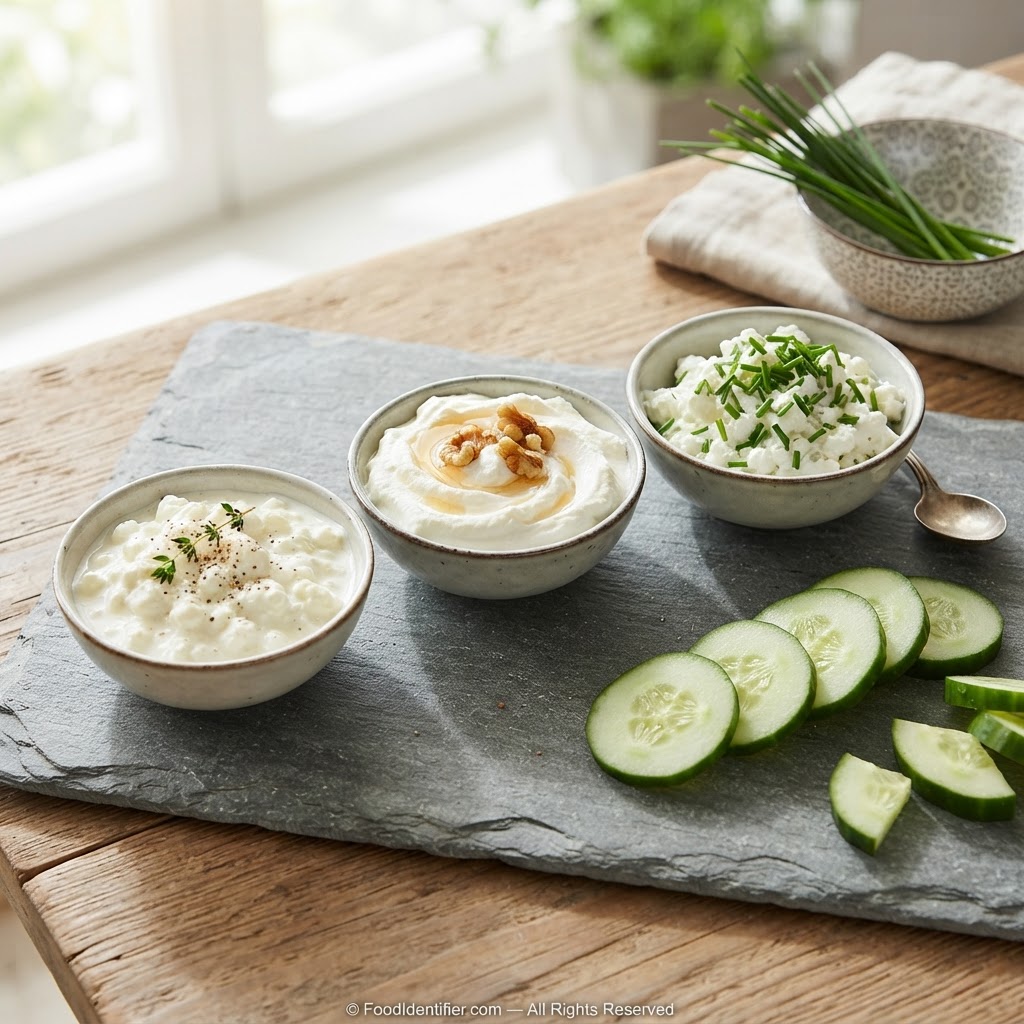
The comeback recipes share one insight: cottage cheese's mild flavor and blendable texture let it impersonate richer foods. Blended smooth, it disappears into scrambled eggs (fluffier, more protein), pasta sauces (creamy without cream), pancake and flatbread batters, dips, and even ice cream bases.
Are the tricks worth it? Mostly, yes — with a hierarchy:
- Genuinely better: blending it into eggs, sauces, and dips. You add 10–15g of protein to foods that had little, and nobody at the table can tell.
- Good, with limits: cottage cheese flatbreads and wraps. Real protein upgrade over flour wraps, though more fragile and slower to make.
- Fun, not magic: cottage cheese ice cream. Better macros than regular ice cream, unmistakably not ice cream. Enjoy it as its own thing.
The viral framing sometimes oversells ("tastes exactly like cheesecake!"). It doesn't. It tastes like a good, high-protein alternative — which, honestly, is enough.

Catch #1: the sodium
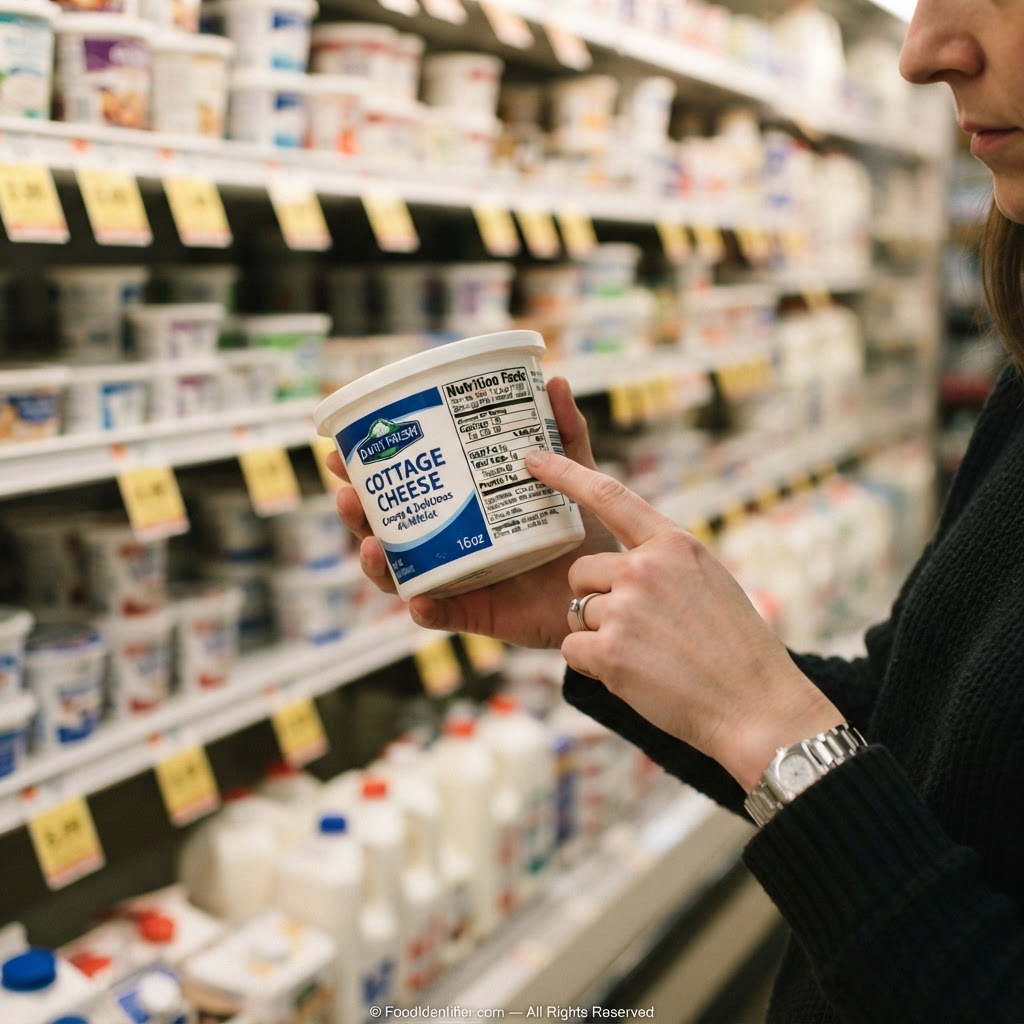
This is the part the viral videos skip. A cup of cottage cheese commonly carries 700–900mg of sodium — a third or more of a full day's sensible budget in one breakfast bowl. Brands vary widely, and low-sodium versions exist, but you have to look for them; "low fat" on the front says nothing about salt.
If you eat cottage cheese daily and you're watching blood pressure, this is the number to manage: choose low-sodium tubs when you can, and balance the rest of the day accordingly. Your doctor's guidance on sodium, as always, outranks a blog post. This article is general information, not medical advice.
Sodium hides in "healthy" foods everywhere. Scan the tub — and the whole meal — free at foodidentifier.com and see the full label picture.
Catch #2: plain vs flavored is not a small difference
Plain cottage cheese and the sweetened, fruit-on-the-bottom versions are nearly different foods. Flavored cups can add 10–15g of sugar to what was a low-sugar protein play, landing it closer to a dessert yogurt. Neither is "bad" — but if protein-per-calorie is why you're eating it, the flavored versions spend a chunk of the advantage. The fix is easy: buy plain and add your own fruit. Fresh berries or peach on plain cottage cheese tastes better than the syrup cup anyway.
Cottage cheese vs Greek yogurt: the cage match
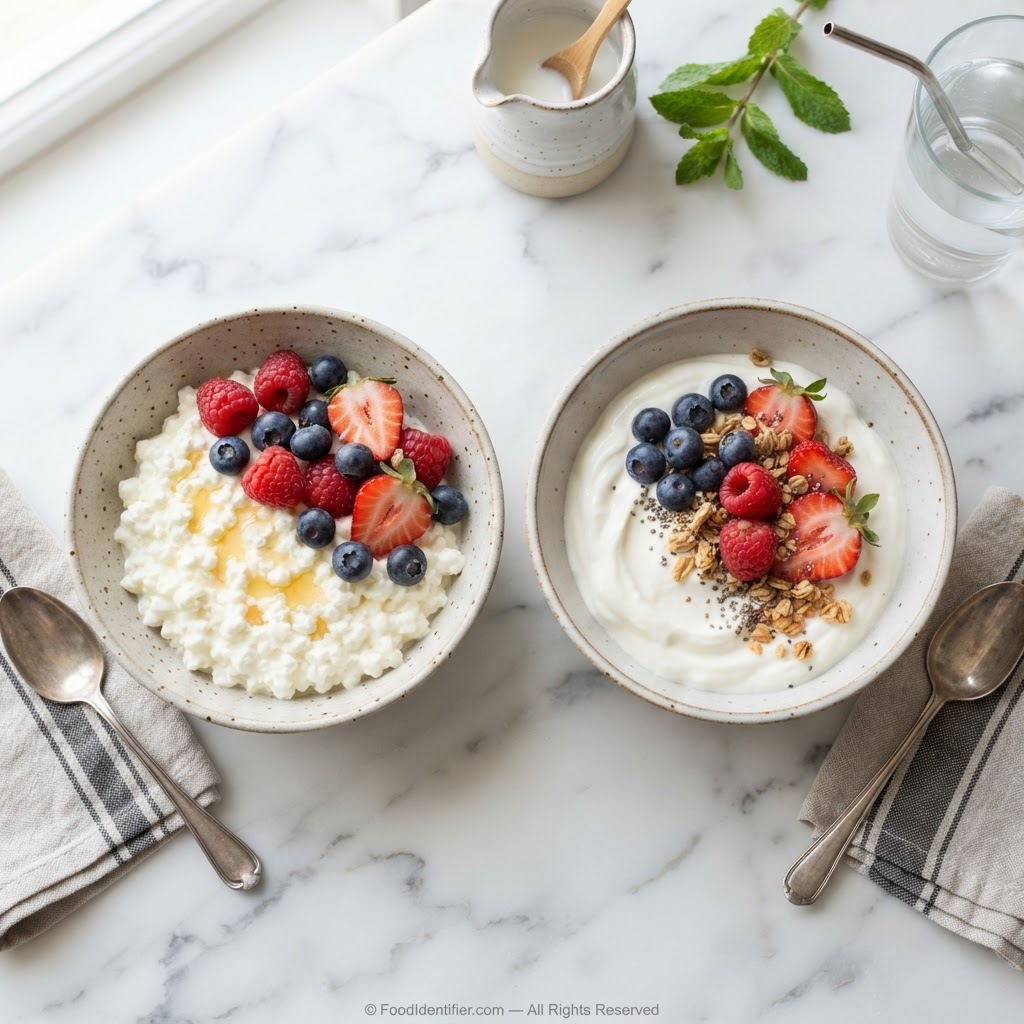
These two now compete for the same job in most kitchens. Honestly, it's close:
- Protein: cottage cheese wins per cup (~25g vs ~20–23g for Greek yogurt per comparable serving), and Greek yogurt wins slightly per 100g. Call it a draw at real serving sizes.
- Texture/versatility: yogurt is smoother straight from the tub; cottage cheese wins cooked and blended recipes. Eggs belong to cottage cheese; smoothies belong to yogurt.
- Sodium: Greek yogurt wins clearly — a fraction of cottage cheese's sodium.
- Probiotics: yogurt's active cultures are the real deal; cottage cheese varies by brand (look for "live cultures" on the label).
The grown-up answer: keep both. They're cheap, they keep for weeks, and they cover different meals. Our Greek yogurt deep-dive has the other side of the comparison in full.
The practical verdict
- Best buys: plain, low-fat or nonfat, low-sodium if you eat it often; live cultures if you want the probiotic angle.
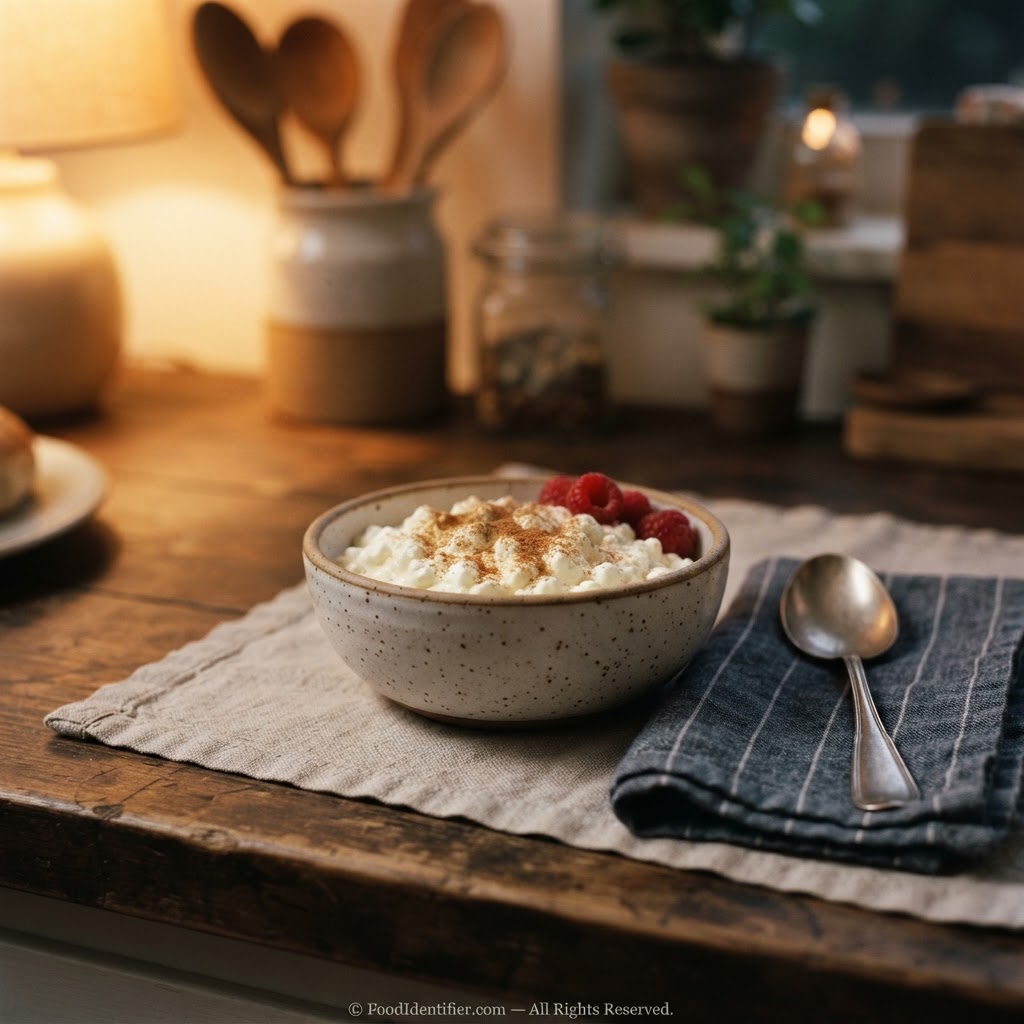
- Best uses: blended into eggs and sauces, on toast with tomatoes and herbs, with fruit as a snack, or the pre-bed bowl the bodybuilders were right about all along.
- Watch: sodium totals across the day, sweetened flavored cups, and portion drift — a "cup" poured freely is often a cup and a half.
Grandma's diet plate had the right food and the wrong presentation. Cottage cheese earned its comeback — just read the sodium line before you make it a daily habit.
High-protein eating is a numbers game you can win. Scan your meals free at foodidentifier.com and hit your protein target on purpose.
FAQ
How much protein is in cottage cheese?
About 25 grams per cup in low-fat (2%) cottage cheese — among the highest protein-per-calorie ratios of any common food. Nonfat versions are similar in protein with fewer calories.
Is cottage cheese good for weight loss?
Yes, it's one of the better weight-loss foods available: high protein (which drives satiety), moderate calories, slow-digesting casein, and endlessly versatile. Portion for portion, few breakfast foods keep you full this long at this calorie level.
Is cottage cheese healthier than Greek yogurt?
They're comparable overall. Cottage cheese edges protein per cup and wins in cooked recipes; Greek yogurt has far less sodium and reliable probiotics. Both are strong choices — most people do best keeping both in rotation.
Why is cottage cheese so high in sodium?
Salt is part of the curd-making and flavor process, and brands add varying amounts. A cup commonly has 700–900mg. Low-sodium versions exist and taste fine once you're used to them — worth it if you eat cottage cheese daily or watch blood pressure.
Can I eat cottage cheese every day?
For most healthy people, yes — especially the plain, low-fat versions. The daily-habit consideration is sodium across your whole day, not the cottage cheese itself. If your doctor has set you a sodium limit, factor the tub into it.
Is cottage cheese good before bed?
It's a classic for a reason: its casein protein digests slowly, releasing amino acids over several hours. A small bowl in the evening is a reasonable, filling snack that won't spike blood sugar the way most late snacks do.
Does cottage cheese have probiotics?
Some brands do — it depends on whether live cultures are added after the curds form. Check the label for "live and active cultures." If probiotics are your goal, Greek yogurt and kefir are the more reliable sources.
What can I substitute for cottage cheese?
Greek yogurt is the closest swap in most recipes (tangier, less sodium). Ricotta works in cooked dishes with a richer profile; blended silken tofu is the dairy-free option with a milder protein return.
*Nutrition values from standard USDA reference data for low-fat (2%) cottage cheese; sodium and brand-specific values vary — always check the label. This article is general information, not medical advice.