What Happens If You Eat Only 500 Calories a Day? (Week-by-Week Results)
Eating only 500 calories a day causes rapid weight loss at first, mostly from water and muscle, followed by fatigue, hunger, and slowed metabolism. While some people try it for quick results, most experts recommend safer calorie deficits. Tracking meals accurately helps avoid extreme under-eating and long-term damage.
Eating only 500 calories a day sounds like a shortcut to fast weight loss. But what actually happens inside your body—week by week?
This guide breaks down the real effects, why people feel dramatic changes so quickly, and how to track calories safely without guessing.

Week 1: Rapid Weight Loss (Mostly Water)
What happens:
- Scale drops quickly (2–6 lbs for many people)
- Most weight loss = water + glycogen
- Hunger hormones spike
- Energy feels unstable
Your body burns stored glycogen first. Each gram of glycogen holds water, so the scale drops fast—but this is not fat loss yet.
⚠️ Many people underestimate calories during this phase. Scanning meals instead of guessing helps reveal hidden calories and portion mistakes.
Week 2: Fat Loss Begins (But Muscle Loss Too)
What changes:
- Fat burning increases
- Muscle breakdown begins
- Metabolism starts slowing
- Strength drops noticeably
At 500 calories/day, the body protects survival, not muscle. Without enough protein and energy, muscle loss accelerates.
👉 This is where many people unknowingly eat less than they think. Tracking portions and ingredients is critical.
Week 3: Metabolic Slowdown & Fatigue
Common symptoms:
- Constant fatigue
- Cold sensitivity
- Poor sleep
- Brain fog
- Irritability
Your body adapts by lowering energy output. This makes future weight loss harder—even after returning to normal eating.
This is why most people regain weight after extreme diets.
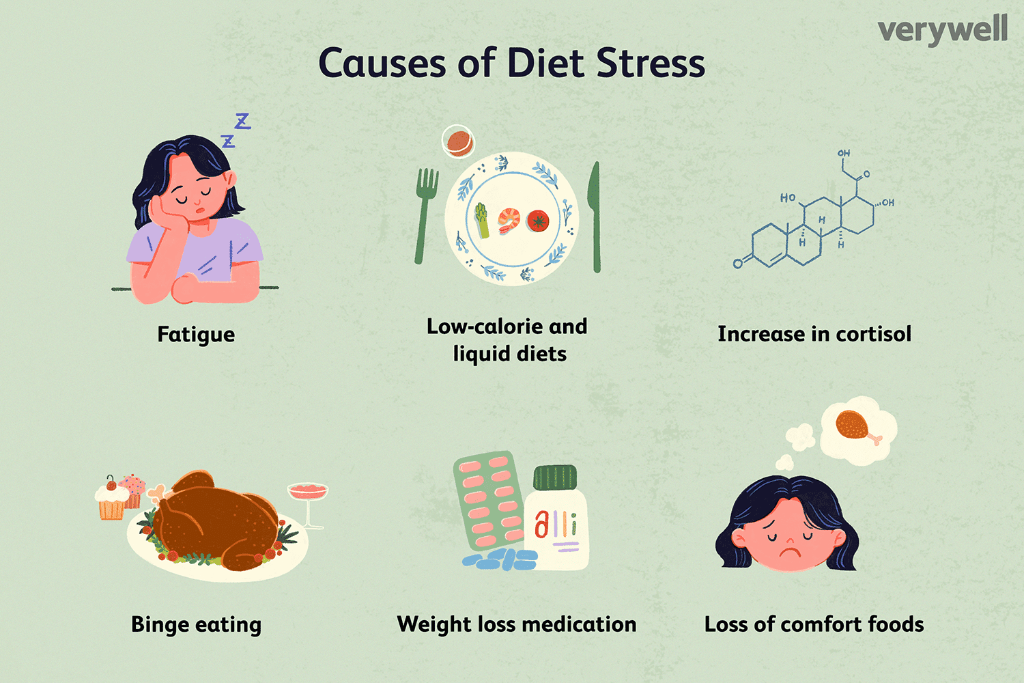
Week 4: Plateau, Rebound Risk & Hormonal Stress
By week 4:
- Weight loss slows or stops
- Hunger becomes intense
- Binges become likely
- Hormonal stress increases
At this stage, most people:
- Quit the diet
- Overeat unintentionally
- Regain lost weight quickly
This is not a failure—it's biology.
Is Eating 500 Calories a Day Ever Safe?
Short answer: Rarely and temporarily, under supervision.
For most people, it:
- Is not sustainable
- Slows metabolism
- Causes muscle loss
- Increases rebound weight gain
A moderate deficit tracked accurately works better long-term.
A Smarter Alternative to 500 Calories a Day
Instead of extreme dieting:
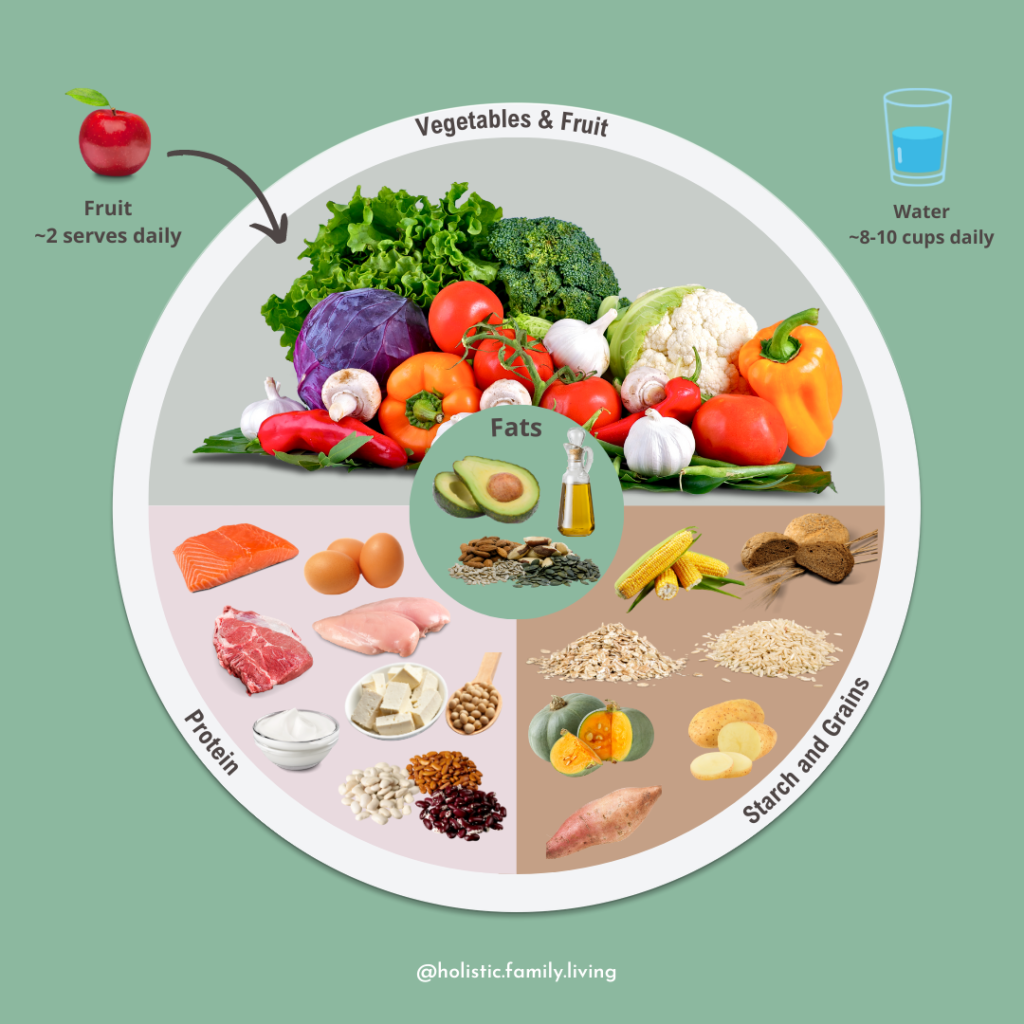
- Eat 1,200–1,800 calories (varies by person)
- Prioritize protein + fiber
- Track portions visually
- Avoid hidden sugars & liquid calories
Most people fail because they guess calories.
🧠 Guessing vs scanning = completely different results.
Frequently Asked Questions
What happens if you eat only 500 calories a day?
You'll lose weight quickly at first, mostly water and muscle, followed by fatigue and metabolic slowdown.
How much weight can you lose on 500 calories a day?
Some people lose several pounds in the first week, but results slow quickly and often rebound.
Is a 500-calorie diet dangerous?
It can be risky without supervision, especially long-term, due to muscle loss and hormonal stress.
Is there a safer way to lose weight fast?
Yes. A moderate calorie deficit tracked accurately works far better than extreme restriction.
How can I track calories without guessing?
You can scan meal photos to see calories, ingredients, and portions instantly.