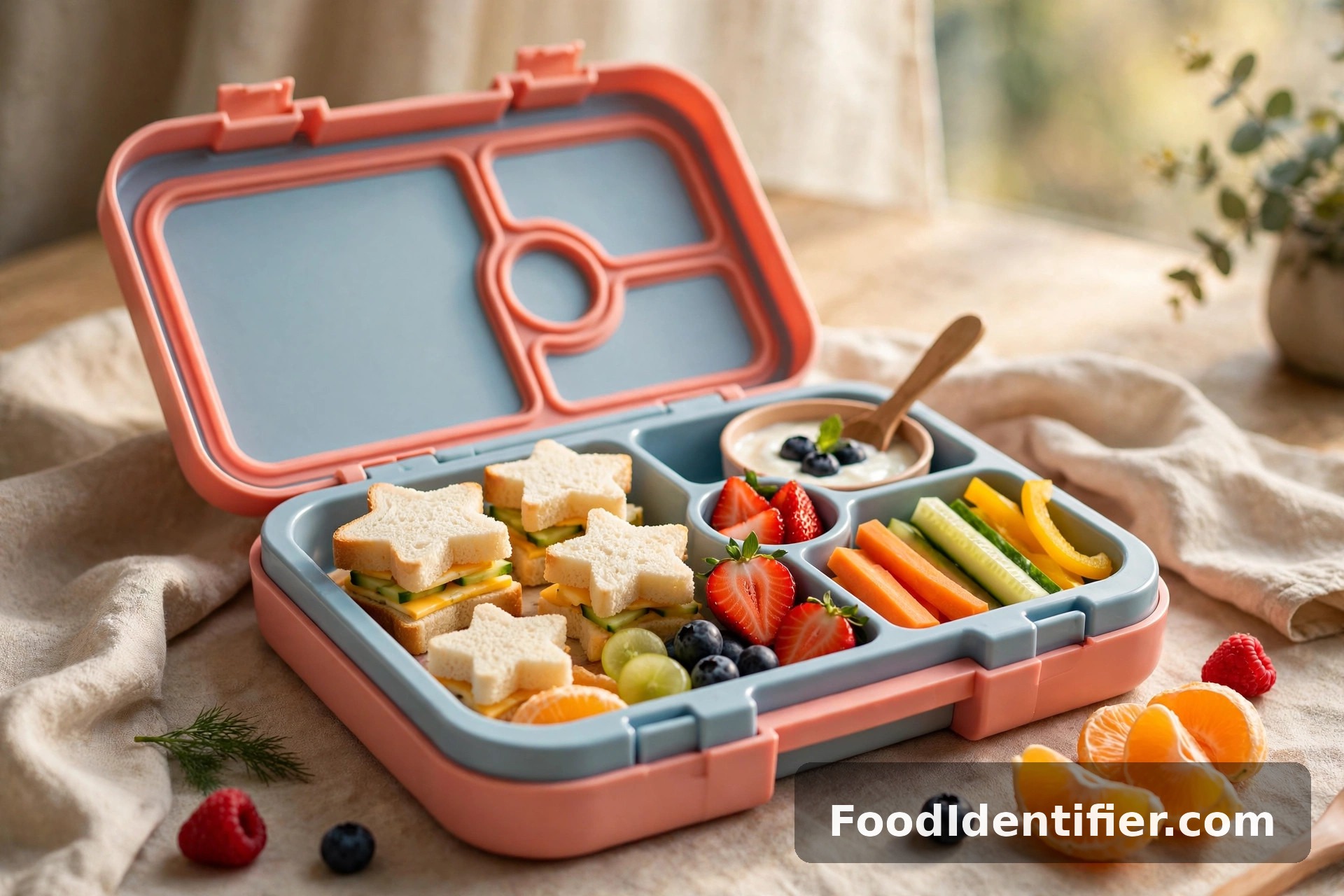
Lunchbox Scanner: Pack a Lunch You Can Feel Good About
This is not medical advice — talk to your doctor.
The short answer: Photograph any packed lunch and get a Lunchbox Score from 1 to 100 — with a protein check for school-day focus, flags for sugar traps, and three upgrade swaps your kids will actually eat. No shame, no perfection required. Free for parents at foodidentifier.com.
Packing lunches tonight? Score one free at foodidentifier.com — no app, no sign-up.
Scan FreeWhat the Lunchbox Score tells you
The Lunchbox Score rates the packed lunch in front of you from 1 to 100. It's not a grade on your parenting — it's a quick read on the lunchbox: does this lunch have enough staying power to carry a kid through the school day?
A high score means the lunch has protein, some produce, and steady energy — the kind of lunch that gets eaten and keeps a kid going until the bell. A low score usually means one thing is missing (often protein) or one thing is overloaded (often sugar). The scan tells you which, specifically, so you know the one change that matters instead of overhauling everything.
Here's the philosophy: you're packing lunch at 7am while someone can't find their shoes. You don't need a nutrition lecture. You need to know "this one's fine" or "swap the juice box for water and you're good." That's what the score is for.
The protein check (why it matters for the school day)
Protein is the nutrient that keeps kids steady — it digests slowly, keeps hunger away, and supports the kind of sustained focus a school day demands. A lunch with almost no protein is a lunch that runs out of fuel by early afternoon.
The scan checks: is there a real protein source in this box? Turkey, chicken, eggs, cheese, yogurt, beans, peanut butter — any of them count. If the lunchbox is all crackers, fruit snacks, and juice, the scan will say so gently and suggest the smallest possible fix: add a cheese stick, toss in a hard-boiled egg, spread peanut butter on the crackers.
You don't need a lot. A couple of solid protein items change the whole character of the lunch.
Sugar flags (the traps, not the treats)
Let's be clear: there's nothing wrong with a treat in the lunchbox. A cookie next to a real lunch is fine. What the scan flags are the traps — the items that look like food but are mostly sugar wearing a costume:
Juice boxes and pouches. The classic. Many carry as much sugar as soda, and kids drink them in seconds. Water or milk does the same job without the spike-and-crash.
"Fruit" snacks. If fruit isn't the first ingredient, it's candy with better marketing. The scan reads the actual label.
Sweetened yogurt tubes and bars. Some are fine; many are desserts. The scan checks the added sugar line so you don't have to squint at it.
The goal isn't a sugar-free lunchbox — it's knowing which items are the sugary ones so the treats stay treats instead of secretly becoming the whole lunch.
3 upgrade swaps kids actually eat
The best lunchbox advice in the world is useless if the kid won't touch it. These three swaps pass the only test that matters — the empty-lunchbox-coming-home test:
White bread → whole-grain tortilla wraps. Same sandwich fillings, rolled in a tortilla. Kids tend to accept the swap without drama, and you get more fiber and staying power. Let them pick the wrap — involvement is half the battle.
Chips → popcorn or whole-grain crackers. The crunch stays, which is what kids actually want. Air-popped popcorn or sturdy whole-grain crackers scratch the same itch with a better profile. A little cheese alongside makes it a snack they'd choose anyway.
Juice box → water bottle + whole fruit. An apple or a small bunch of grapes plus water beats a juice box on every axis — more fiber, more chewing (which slows them down), no sugar flood. If plain water is a hard sell, a squeeze of lemon or a few frozen berries in the bottle usually closes the deal.
Want to know if tonight's pack is a winner? Score it free at foodidentifier.com — takes five seconds.
Scan FreeThe 5 lunchbox formulas (mix and match forever)
Stop reinventing the wheel every night. Every good lunchbox is some version of this formula — pick one item from each line and you're done:
1. Protein. Turkey or chicken roll-ups, hard-boiled eggs, cheese cubes or sticks, Greek yogurt, hummus, peanut or sunflower butter, bean salad.
2. Produce. Apple slices, grapes, banana, baby carrots, cucumber rounds, bell pepper strips, berries, clementines. Whatever they'll eat — the best vegetable is the eaten one.
3. Whole grain. Whole-grain tortilla, whole-wheat bread, brown rice cup, whole-grain crackers, popcorn, oatmeal cup.
4. Fun item. This is non-negotiable. A small cookie, a few chocolate chips, a fruit leather, a mini muffin. The fun item is what makes the lunchbox theirs instead of a homework assignment. It also makes the healthy stuff around it go down easier.
5. Water. A refillable bottle, every day. It beats every drink alternative on cost, health, and simplicity.
Five lines, infinite lunches. When you're tired, just run the list: protein, produce, grain, fun, water. Done.
Zero shame, always
A word about the tone here, because it matters: the scanner never shames. There's no "bad parent" score, no red warnings screaming at you, no judgment about the Lunchable that got packed on a chaotic morning. Some mornings are like that. The score is a helper, not a hall monitor.
Small upgrades compound. Swapping the juice box this week, adding the cheese stick next week — that's how lunchboxes get better in real life. Not through perfection, but through one easy change at a time, on mornings when you have about four minutes.
FAQ
What age is this for?
My kid is a picky eater. Will the swaps work?
Does it handle allergies?
What about school nut bans?
Is this medical advice?
Do I need an account to scan?
Pack it, snap it, know it's good. Score any lunchbox free at foodidentifier.com — no app, no account, no card.
Scan FreeRelated tools
This is not medical advice — talk to your doctor.