Home › Blog › High Protein Foods Complete List 2026
Complete List of High Protein Foods in 2026: 25+ Animal & Plant Sources with Exact Data
By FoodIdentifier Nutrition Team · Updated April 5, 2026
The top high-protein foods per 100g are chicken breast (31g), turkey breast (30g), tuna (26g), shrimp (24g), and cod (20g), with seitan (25g) and tempeh (19g) leading plant sources. Most adults need 0.7–1.0g protein per pound of bodyweight daily; protein burns up to 30% of its own calories digesting and cuts hunger by 30%.
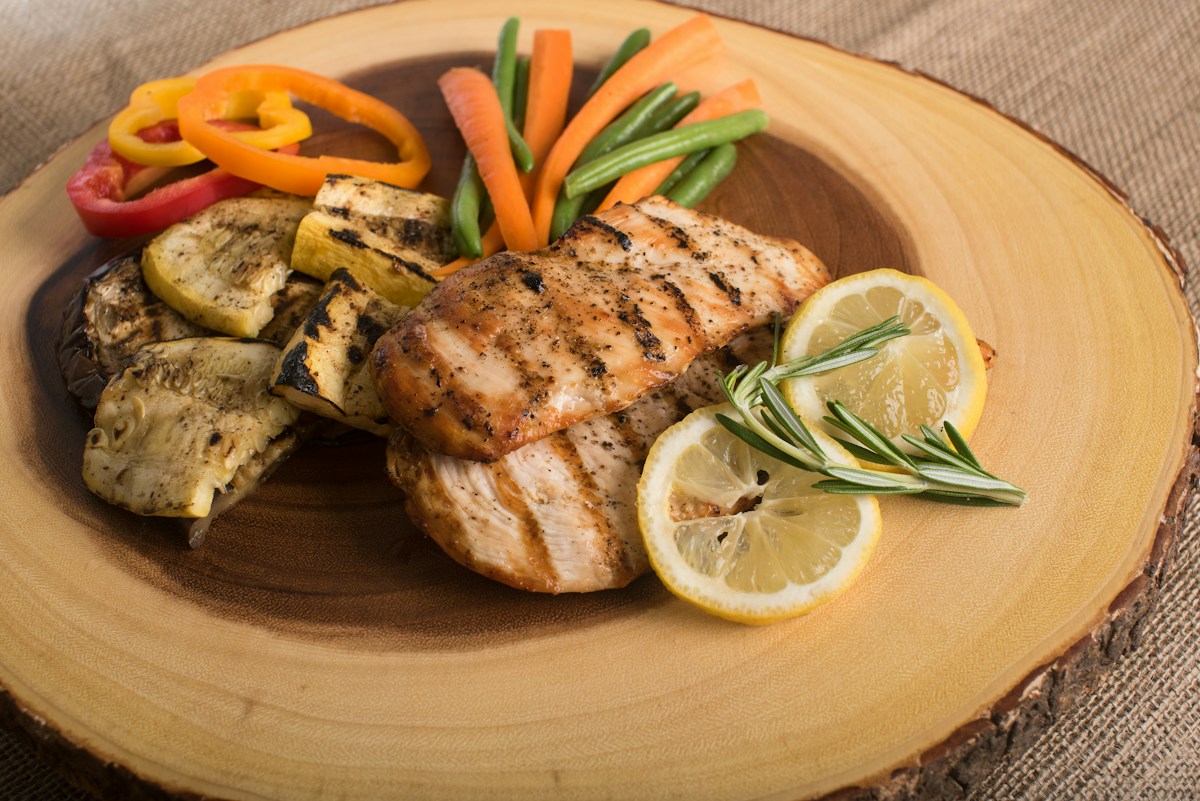
Protein is the only macronutrient that builds and repairs muscle tissue, suppresses hunger hormones, and burns up to 30% of its own calories during digestion. Most people are chronically under-eating protein — and paying for it in body composition, hunger, and metabolic rate.
1. How Much Protein Do You Need Per Day?
The RDA (Recommended Dietary Allowance) of 0.36g protein per pound of bodyweight is the absolute minimum to prevent protein deficiency — not the optimal amount for health, body composition, or longevity. For active adults, current research supports substantially higher targets:
Use our free Protein Calculator to get your exact daily protein target based on your weight, goals, and activity level.
2. Animal Protein Sources — Complete Data Table
Animal proteins are "complete proteins" — they contain all 9 essential amino acids in the proportions humans need. They also tend to have higher bioavailability (how much your body actually absorbs and uses).
3. Plant Protein Sources — Complete Data Table
Plant proteins are often "incomplete" — meaning they lack one or more essential amino acids. This doesn't mean they're inferior; it means you should eat a variety of plant proteins throughout the day (or pair them, e.g., rice + beans = complete protein). Tempeh and quinoa are notable plant proteins that are complete on their own.
4. Top 10 Highest Protein Foods Per Calorie (Efficiency Ranking)
If your goal is maximum protein with minimum calories — ideal for weight loss while preserving muscle — rank by "protein density" (grams of protein per 100 calories):
5. High Protein Meal Ideas (With Macros)
🌅 High Protein Breakfast Ideas
- 3 egg omelette with spinach and feta → 24g protein, 280 cal
- Greek yogurt + chia seeds + berries → 20g protein, 200 cal
- Protein smoothie (protein powder + milk + banana) → 35g protein, 380 cal
- Cottage cheese + sliced tomato → 16g protein, 130 cal
- Smoked salmon + 1 egg on whole grain toast → 25g protein, 320 cal
☀️ High Protein Lunch Ideas
- Grilled chicken salad with olive oil → 40g protein, 380 cal
- Tuna lettuce wraps with avocado → 30g protein, 310 cal
- Lentil soup (2 cups) with whole grain bread → 28g protein, 450 cal
- Turkey and cheese wrap → 35g protein, 420 cal
- Shrimp stir-fry with broccoli and quinoa → 38g protein, 420 cal
🌙 High Protein Dinner Ideas
- Baked salmon + roasted vegetables → 40g protein, 420 cal
- Lean ground beef stir-fry + brown rice → 38g protein, 580 cal
- Chicken breast + sweet potato + broccoli → 45g protein, 480 cal
- Tempeh and vegetable curry + quinoa → 30g protein, 520 cal
- Pork tenderloin + roasted asparagus → 38g protein, 380 cal
6. Protein Supplements — When Do You Need Them?
Protein supplements (whey, casein, plant protein powders) are not magic — they're just a convenient, cost-effective way to increase protein intake. You do NOT need supplements if you can hit your protein target through whole foods. But if reaching 150g+ of protein daily through food alone is challenging, supplementing makes sense.
Calculate Your Exact Daily Protein Target
Get your personalized protein goal based on your weight, activity level, and fitness objective in 60 seconds.
💪 Free Protein Calculator →7. Frequently Asked Questions
❓ How much protein do I need per day? ▼
❓ What is the highest protein food per calorie? ▼
❓ Can you eat too much protein? ▼
❓ What are the best plant-based protein sources? ▼
❓ Does protein timing matter for muscle building? ▼
❓ What is a high protein breakfast that isn't eggs? ▼
📚 Related Articles & Tools
Disclaimer: Nutritional values are sourced from USDA FoodData Central. Individual requirements vary. Consult a registered dietitian for clinical nutrition guidance.