Home › Blog › Food Calorie Guide 2026
How Many Calories Are in Your Food? The Complete 2026 Guide (+ Free AI Scanner)
By FoodIdentifier Nutrition Team · March 14, 2026
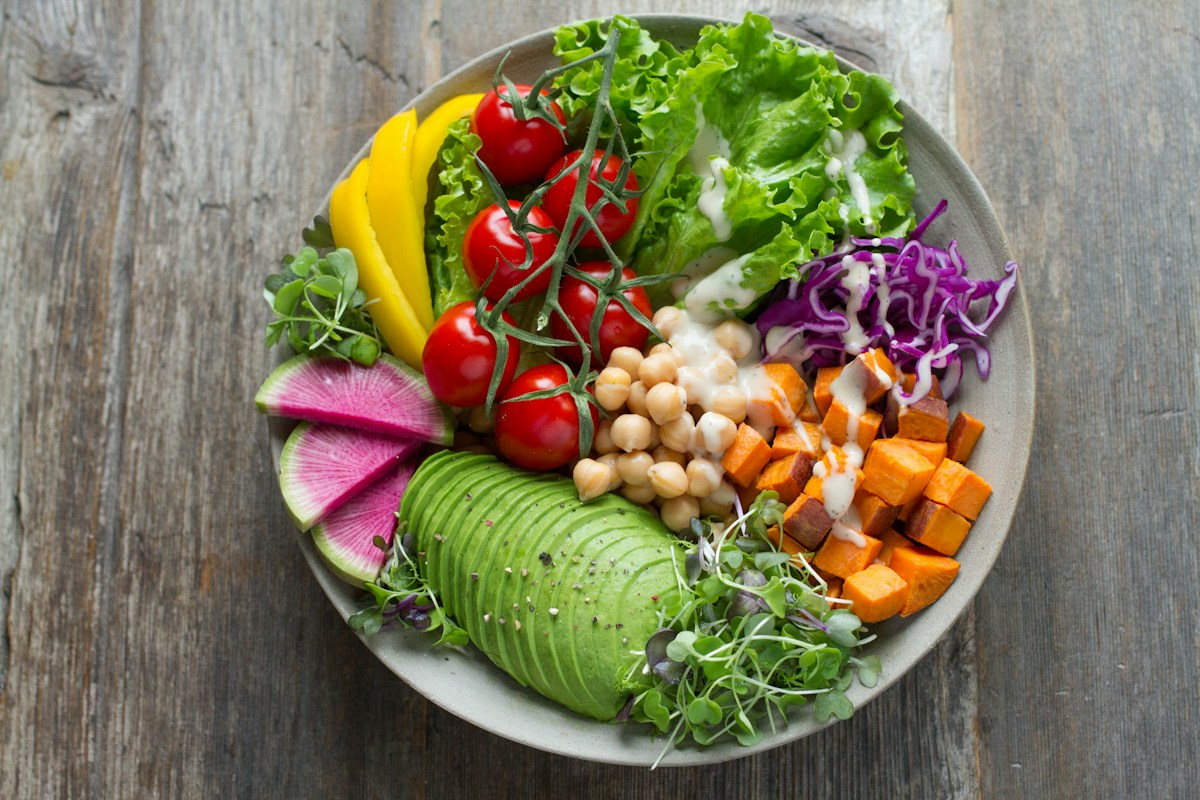
"The average person guesses their meal calories wrong by 53% — that's the difference between losing weight and gaining it. This guide fixes that forever. And with AI, it takes just 3 seconds."
- What Are Calories & Why They Matter
- The Ultimate Food Calorie Chart (50+ Foods)
- Hidden Restaurant Calories That Shock People
- 20 Most Filling Low-Calorie Foods
- 10 "Healthy" Foods That Are Calorie Bombs
- How to Count Calories Without Losing Your Mind
- How AI Food Scanners Changed Everything
- How Many Calories Do YOU Need Per Day?
- Dairy & Dairy Alternatives Chart
- Nuts & Seeds Chart
- Beverages — Invisible Calories
- Calories Burned by Exercise
- How to Read a Nutrition Label
- 8 Biggest Calorie Myths Debunked
- Sample Day Meal Plans
- Free Tools: 66 Health Calculators
- FAQs: Top Questions Answered
You're staring at your plate. Is that chicken breast 180 calories or 320? Is the avocado toast at brunch 400 calories or 900? Every wrong guess adds up — quietly, invisibly — until one day the scale moves in the wrong direction and you can't figure out why.
Here's the uncomfortable truth: most people are wrong about food calories by 2x or more. A 2024 Cornell University study found that even nutritionists underestimate restaurant meal calories by 37%. Regular people? Off by 53%. This guide changes that.
1. What Are Calories — And Why They Actually Matter
A calorie is a unit of energy. Your body needs calories to do everything — breathe, pump blood, think, walk, digest food. This baseline need is called your Basal Metabolic Rate (BMR). Add in your daily movement and you get your Total Daily Energy Expenditure (TDEE) — the calories your body actually burns every day.
🔬 The Core Principle of Body Weight:
- Calories In < Calories Out = Weight loss 📉
- Calories In = Calories Out = Maintenance ⚖️
- Calories In > Calories Out = Weight gain 📈
The 3 Macronutrients and Their Calorie Counts
- Protein: 4 calories per gram — builds muscle, highest satiety
- Carbohydrates: 4 calories per gram — body's preferred fuel source
- Fat: 9 calories per gram — most calorie-dense, essential for hormones
- Alcohol: 7 calories per gram — often forgotten, adds up very fast
2. The Ultimate Food Calorie Chart (50+ Foods)
🥩 Proteins
🥦 Vegetables
🍎 Fruits
🍞 Grains & Carbs
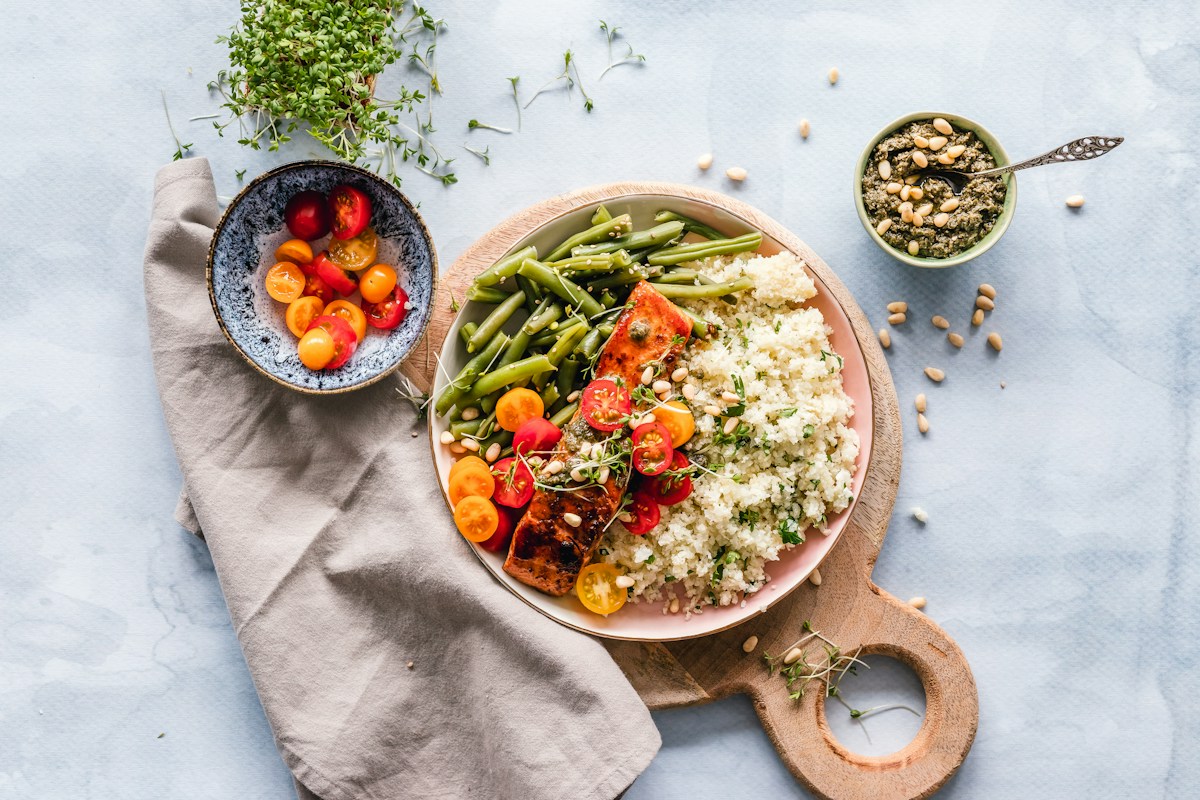
3. Hidden Restaurant Calories That Shock People
📸 Scan Any Restaurant Meal Instantly
Stop guessing. Get exact calories and macros from any photo — no app, no sign-up, completely free.
Try Free AI Scanner →4. The 20 Most Filling Low-Calorie Foods
The key to sustainable weight loss isn't eating less — it's eating more volume with fewer calories. Foods high in water, fiber, and protein fill you up without filling you with calories.
- Boiled Potatoes (77 cal/100g) — Most satiating food ever studied. Scores 323 on Satiety Index.
- Eggs (78 cal each) — Reduces calorie intake at next meal by up to 36%.
- Oatmeal (166 cal/cup) — Beta-glucan fiber keeps you full 4+ hours.
- White Fish / Cod (82 cal/100g) — Highest protein density per calorie of any whole food.
- Broth-Based Soup — Start any meal with soup, eat 20% fewer total calories.
- Greek Yogurt 0% (100 cal/170g) — Highest protein-per-calorie in all dairy.
- Lentils & Black Beans (~230 cal/cup) — 15-18g protein + 15g fiber each.
- Cottage Cheese (90 cal/½ cup) — 13g protein, digests slowly for lasting fullness.
- Watermelon (30 cal/100g) — 92% water. Enormous portions for almost zero calories.
- Cucumber (15 cal/100g) — 97% water. Effectively calorie-free in real-world portions.
- Celery (16 cal/100g) — Nearly "negative calorie."
- Leafy Greens (7-33 cal/cup) — Eat entire bowls of spinach or kale under 50 calories.
- Apples (95 cal each) — 4.4g fiber, signals fullness before you finish eating.
- Berries (49-84 cal/cup) — Antioxidant-dense, blood sugar stable, naturally sweet.
- Air-Popped Popcorn (31 cal/cup) — Eat 4 cups for calories of 10 potato chips.
- Broccoli (31 cal/cup) — Fill half your plate for almost nothing.
- Mushrooms (22 cal/100g) — Replacing meat with mushrooms cuts meal calories by 40%.
- Cauliflower (25 cal/cup) — Replaces rice (242 cal/cup) in almost any recipe.
- Turkey Breast skinless (135 cal/100g) — 30g protein. Leanest animal protein available.
- Edamame (120 cal/½ cup, 11g protein) — The snack that replaces chips without damage.
5. 10 "Healthy" Foods That Are Calorie Bombs
These foods are marketed as healthy — and many are nutritious — but their calorie density is shockingly high compared to what most people assume they're eating.
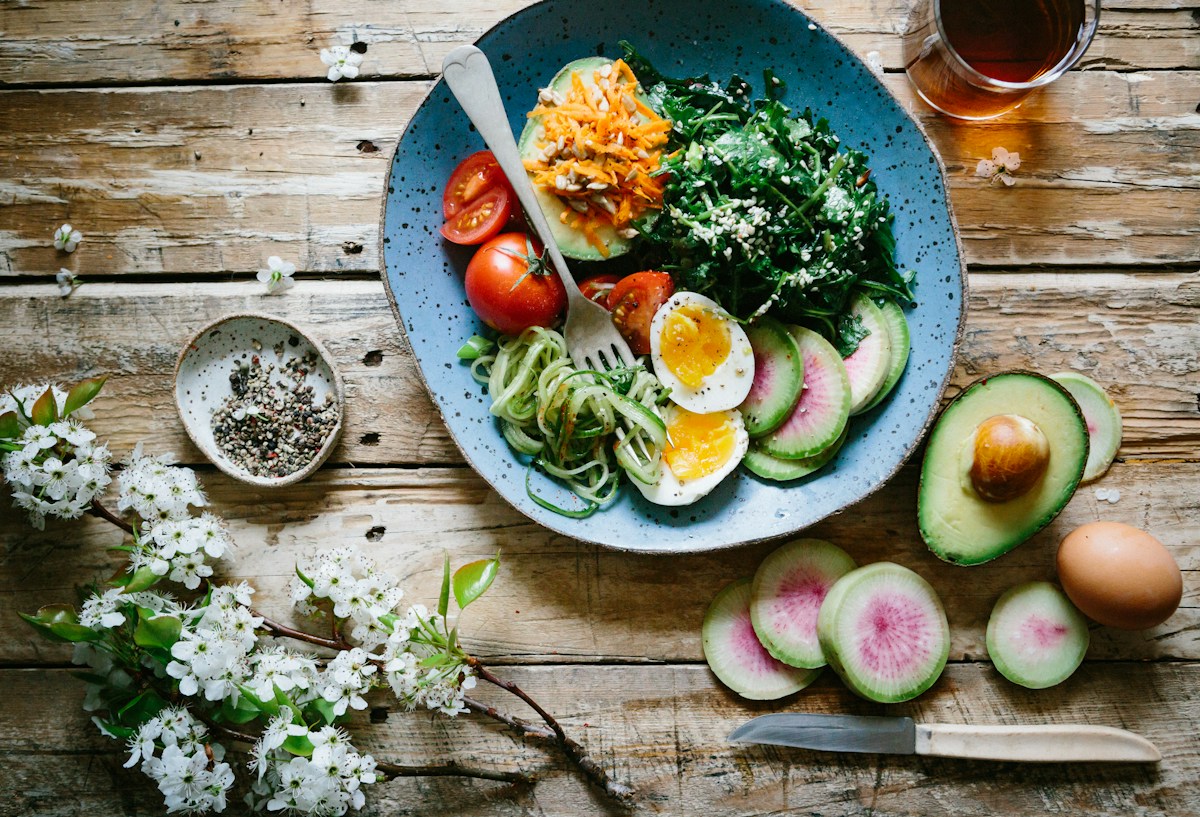
6. How to Count Calories Without Losing Your Mind
The classic approach — manually looking up every ingredient, measuring, typing it in — has a 92% dropout rate within 2 months. Here's what actually works in 2026:
- Method 1 — AI Photo Scan (3 seconds): Snap your meal, get full nutrition instantly. No typing, no measuring cups. This is FoodIdentifier.
- Method 2 — Barcode Scan: For packaged foods. 100% accurate, pulls directly from the nutrition label. Try our barcode scanner.
- Method 3 — The Plate Method: Half plate vegetables, quarter protein, quarter grains. Naturally lands most people at 1,400–1,800 cal/day. Zero math.
- Method 4 — 3-Day Audit: Scan everything for 3 days. Identify 2–3 habits burning your budget. Fix those alone — most people cut 300–500 cal/day instantly.
7. How AI Food Scanners Changed Calorie Counting Forever
Five years ago, calculating calories in a home-cooked meal took 15–20 minutes of manual entry. AI changed everything. When you snap a photo on FoodIdentifier, the AI simultaneously identifies every food item, estimates portion sizes, calculates full macros, adjusts for cooking method, and flags allergens — all in under 3 seconds. 500,000+ meals scanned and counting.

🔍 Try It Free — No App Needed
Upload any food photo. Get instant calories, protein, carbs, fat, and allergen info. Any device. No sign-up.
Scan Your Food Now →8. How Many Calories Do YOU Need Per Day?
There is no universal calorie target. "2,000 calories a day" is an FDA label average. Your actual needs depend on your weight, height, age, sex, and activity level.
🔢 Mifflin-St Jeor BMR Formula:
Men: BMR = (10 × kg) + (6.25 × cm) − (5 × age) + 5
Women: BMR = (10 × kg) + (6.25 × cm) − (5 × age) − 161
Multiply by activity factor: Sedentary ×1.2 · Light ×1.375 · Moderate ×1.55 · Active ×1.725
🧮 Use Our Free Calculators
9. Dairy & Dairy Alternatives Calorie Chart
Dairy calories are often misunderstood. Full-fat versions can actually be more satiating — meaning you eat less overall. Here's the real breakdown of common dairy products and their alternatives.
10. Nuts, Seeds & Nut Butters
Nuts are among the most nutrient-dense foods on Earth — but also among the most calorie-dense. A single handful of almonds (about 23 nuts) is 164 calories. Most people eat 3–4 handfuls without thinking. Know your numbers before you snack.
11. Beverages — The Invisible Calorie Source
Liquid calories are the #1 hidden cause of unexplained weight gain. Your brain registers liquid calories differently from solid food — they don't trigger the same fullness signals. A morning routine with orange juice, a latte, and a sports drink can add 500+ calories before you've eaten a single bite of food.
12. Calories Burned by Exercise (Per Session)
Understanding calories burned during exercise is just as important as knowing what you eat. The values below are averages for a 155 lb (70 kg) person. Heavier individuals burn more; lighter individuals burn less.
Want to know exactly how many calories you burn? Use our free Calorie Burn Calculator — enter your exact weight and activity for a precise number.
13. How to Read a Nutrition Label — The 5-Second Method
Most people glance at the big calorie number and move on. That's a mistake. Here's how to extract the critical information in 5 seconds:
- Step 1 — Check Serving Size FIRST. That 200-calorie number might be for half the bag. Always multiply by servings per container if you'll eat the whole thing.
- Step 2 — Check Total Carbs (not just sugar). For blood sugar management, total carbs matter — not just added sugar. Fiber can be subtracted for net carbs.
- Step 3 — Look at Protein Ratio. Aim for at least 10g protein per 100 calories in snacks. Anything lower is typically a net-negative for satiety.
- Step 4 — Check the Ingredient List. Ingredients are listed by weight. If sugar (any form) appears in the first 3 ingredients, it's a high-sugar product regardless of what the front label says.
- Step 5 — Note Sodium. High-sodium foods cause water retention that looks like fat gain on the scale. Over 600mg per serving is high.
14. 8 Biggest Calorie Myths — Debunked by Science
❌ MYTH: "Eating after 8pm causes weight gain"
✅ TRUTH: Your body doesn't have a clock. What matters is total calories over 24 hours — not timing. Late-night eating is linked to weight gain because people tend to eat more total calories, not because of the hour.
❌ MYTH: "Low-fat foods help you lose weight"
✅ TRUTH: Manufacturers replace fat with sugar in "low-fat" products to maintain taste. Many low-fat foods have MORE calories than their full-fat versions. Fat doesn't make you fat — caloric surplus does.
❌ MYTH: "Fruit is just sugar and should be avoided"
✅ TRUTH: Whole fruit contains fiber, water, vitamins, and micronutrients. Its fiber content slows sugar absorption dramatically. Eating 10 apples a day would be near-impossible — the fiber physically prevents it. Fruit juice is a different story.
❌ MYTH: "Breakfast is the most important meal"
✅ TRUTH: Multiple randomized controlled trials show no metabolic advantage to breakfast vs. skipping it. What matters is total daily intake. For many people, skipping breakfast reduces overall daily calories without hunger.
❌ MYTH: "Muscle weighs more than fat"
✅ TRUTH: A pound of muscle = a pound of fat. They weigh the same. The difference is that muscle is more DENSE — it takes up less space. This is why people can "look thinner" without the scale moving.
❌ MYTH: "Organic food has fewer calories"
✅ TRUTH: Organic certification has zero relationship to caloric content. An organic cookie has the same calories as a conventional one. "Organic" refers only to farming methods, not nutrition profiles.
❌ MYTH: "All calories are equal"
✅ TRUTH: A calorie of protein has a 20-30% thermic effect (burns 20-30% of its calories in digestion). A calorie of fat has ~3% thermic effect. Protein and fiber calories are effectively less fattening than refined carb calories due to satiety and thermogenesis.
❌ MYTH: "You have to eat 6 small meals to keep metabolism high"
✅ TRUTH: Meal frequency has no proven effect on metabolic rate. Multiple studies show 2–3 larger meals vs. 6 small ones produce identical fat loss results when total calories are equal.
15. Sample Day Meal Plans with Real Calorie Counts
Theory is useless without practical examples. Here are three complete day meal plans at different calorie targets — built from the real food data in this guide.
🟢 1,400 Calorie Day (Weight Loss — Women)
🔵 1,900 Calorie Day (Maintenance — Active Women / Light Men)
16. Free Tools: 66 Health Calculators
All calculators are completely free — no signup, no email required, instant results in your browser.
- ⚡ BMI Calculator — Healthy weight range for your height
- 🔥 Calorie Calculator — Your personalized daily calorie target
- 💪 TDEE Calculator — Total daily energy expenditure
- 🎯 Macro Calculator — Ideal protein, carbs and fat ratios
- 🩸 Blood Sugar Predictor — Essential for diabetes management
- ⏰ Intermittent Fasting Timer — 16:8, 18:6, OMAD with autophagy zones
- 💧 Water Intake Calculator — Daily hydration needs by body weight
- 🔥 Calorie Burn Calculator — Calories burned for 20+ exercises
- 📊 Glycemic Index Database — GI scores for 200+ foods
- 💪 Protein Calculator — Daily protein target for muscle and weight loss
10. FAQs: Top Calorie Questions Answered
❓ How accurate are AI food scanners for calories?
FoodIdentifier's AI achieves 96–98% accuracy on common foods tested against lab-analyzed meals. For standard meals it's as accurate as manually measuring ingredients — but takes 3 seconds instead of 15 minutes.
❓ Do I need to count calories to lose weight?
Not necessarily. Research shows calorie awareness significantly improves outcomes. The key isn't the act of counting — it's the awareness it creates. Even loose tracking with a photo scanner beats manual guessing every time.
❓ What foods have the fewest calories?
Cucumber (15 cal/100g), Celery (16 cal/100g), Spinach (7 cal/cup), Lettuce (5 cal/cup), Watermelon (30 cal/100g). Black coffee = 2 calories. Plain water = 0.
❓ How do I identify food calories from a photo?
Use FoodIdentifier's free AI scanner at foodidentifier.com — upload any photo and get instant calories and macros. No app download, no sign-up, works on any phone or computer browser in seconds.
❓ How many calories to lose 1 pound per week?
1 pound of fat = ~3,500 calories. You need a daily deficit of 500 calories below your TDEE. Use our free TDEE calculator to find your maintenance number, then subtract 500 for your daily target.
❓ Why are food labels sometimes inaccurate?
FDA allows labels to be off by up to 20% from actual caloric content. A '250 calorie' food can legally contain anywhere from 200 to 300 calories. AI scanners trained on real-world datasets often perform as well or better than label-reading for home-cooked or restaurant foods.
❓ What's the best free calorie tracker in 2026?
FoodIdentifier is the only completely free, no-sign-up AI food scanner that works in your browser — no app needed. Scan any meal photo and get full nutrition facts instantly.
📚 Related Articles
Scan Any Food Instantly — Free
No sign-up. No app. Upload a food photo and instantly know calories, macros, and ingredients.
100% free · No credit card · Works on any device
Disclaimer: Nutritional values are estimates based on USDA FoodData Central reference data and AI analysis. Not a substitute for professional dietary advice. Consult a registered dietitian for clinical nutrition management.