New Food Pyramid 2026 Explained: What Should You Actually Eat?
The official 2025–2030 Dietary Guidelines shifted the public conversation toward one memorable instruction: Eat Real Food. Here is what that means, what it does not mean, and how to use the guidance without turning everyday eating into another confusing set of rules.
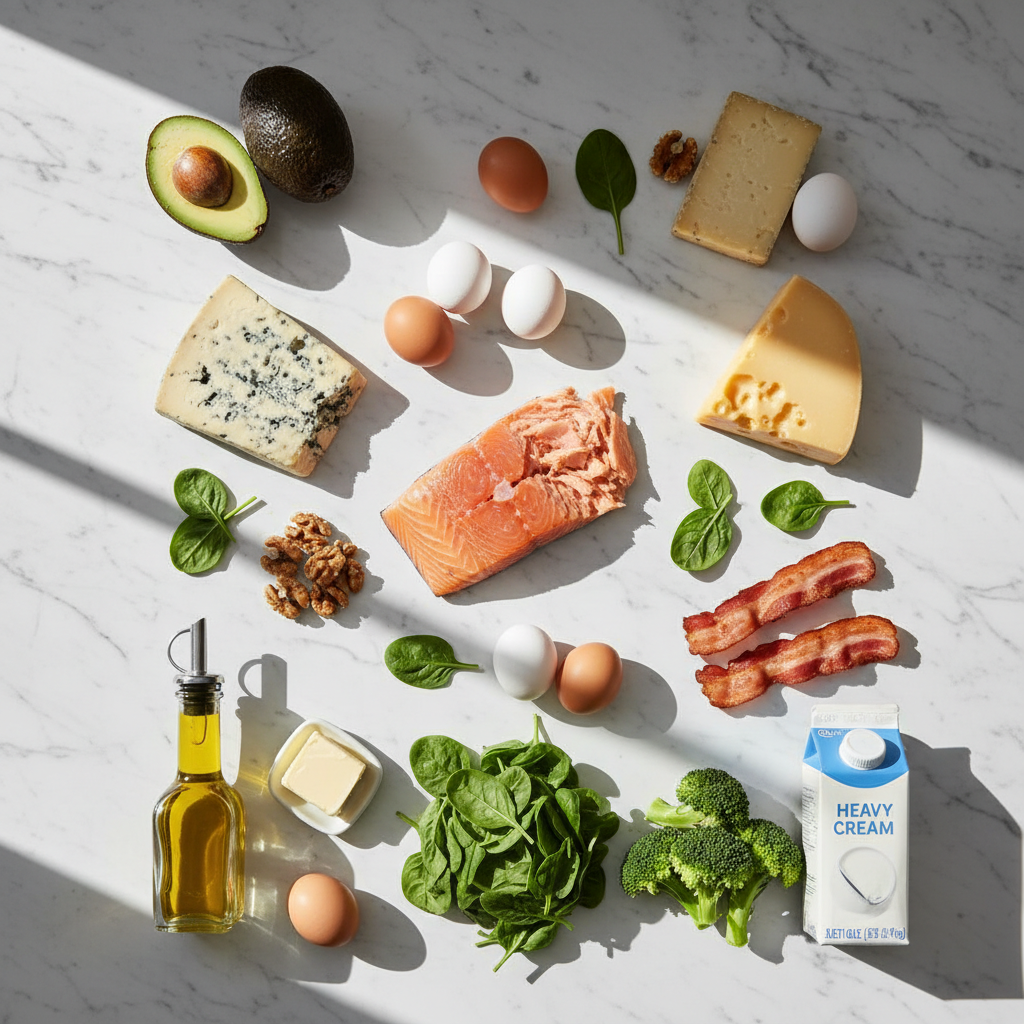
The phrase “new food pyramid 2026” is how many people search for the updated federal nutrition guidance. The authoritative document is the Dietary Guidelines for Americans, 2025–2030, released by the U.S. Department of Health and Human Services and the U.S. Department of Agriculture. Its headline message is “Eat Real Food.” It prioritizes whole, nutrient-dense foods and recommends reducing highly processed foods containing refined carbohydrates, added sugars, excess sodium, unhealthy fats, and certain additives.
- What the “new food pyramid” actually is
- What changed in the 2025–2030 guidance
- What “Eat Real Food” means
- How to interpret the protein emphasis
- Where vegetables, fruits, and fiber fit
- Dairy, fats, and whole grains
- How to identify highly processed foods
- A practical meal-building method
- A realistic grocery framework
- Mistakes and misleading interpretations
- When generic guidance is not enough
- Frequently asked questions
What is the “new food pyramid” in 2026?
“New food pyramid” is a convenient search phrase, but it can hide an important distinction. A pyramid, plate, wheel, or other diagram is only a communication tool. The policy foundation is the Dietary Guidelines for Americans. HHS and USDA update this guidance every five years to inform federal nutrition programs and provide population-level advice intended to help people meet nutrient needs, support health, and reduce chronic-disease risk.
The 2025–2030 edition is the tenth edition. According to the Office of Disease Prevention and Health Promotion, its central message is “Eat Real Food.” The official summary prioritizes whole, nutrient-dense foods, including protein foods, dairy, vegetables, fruits, healthy fats, and whole grains. It also recommends reducing highly processed foods, particularly those with refined carbohydrates, added sugars, excess sodium, unhealthy fats, and chemical additives.
That summary matters more than arguments about whether one food sits above or below another in a graphic. A useful interpretation asks four questions: Is this food nutrient-dense? Does it help meet a real nutritional need? What is its degree and purpose of processing? How does it fit into the person’s overall pattern? Those questions are more practical than assuming every food in one visual category is automatically “good” or “bad.”
It is also important to separate a national guideline from a prescription. The document addresses broad patterns across the lifespan. It cannot know your allergies, medication use, kidney function, pregnancy status, athletic workload, food access, culture, budget, or history with eating disorders. It offers a direction; individualized care determines the route.
What changed in the 2025–2030 Dietary Guidelines?
The biggest public-facing change is emphasis. Previous nutrition education often asked people to assemble meals by food-group proportions or focus on individual nutrients. The updated message leads with food quality and a simple phrase: eat real food. That framing brings ingredient quality, nutrient density, and the role of highly processed foods closer to the center of everyday decision-making.
The updated message does not erase decades of nutrition science. Vegetables, fruits, whole grains, legumes, nuts, seeds, appropriate dairy foods, and varied protein sources remain useful. Added sugars, excess sodium, and poor-quality dietary patterns remain concerns. What changes is the hierarchy of the conversation: begin with recognizable, nutrient-dense foods; then consider how quantities, combinations, and personal needs shape the meal.
Another change is cultural attention. “Protein” now appears prominently in public discussion. That can be helpful when it directs people toward adequate intake and satisfying meals. It can be harmful when marketers turn the recommendation into permission to add protein powder to everything, ignore fiber, or treat high-protein labeling as proof of overall healthfulness. The guidance should be read as a pattern, not as a contest to maximize a single nutrient.
The processing conversation is similarly nuanced. The official summary recommends reducing highly processed foods with problematic nutritional characteristics. It does not say that every frozen, canned, pasteurized, chopped, fermented, or packaged food should disappear. Processing can preserve food, improve safety, increase access, and reduce preparation time. The practical challenge is distinguishing useful processing from formulations that make it easy to consume large amounts of refined starch, sugar, sodium, and low-satiety calories.

What does “Eat Real Food” mean in everyday life?
“Real food” is not a regulated nutrition term, so it needs a working definition. For everyday decisions, think of foods that remain recognizably connected to their original ingredients and deliver meaningful nutrition for the calories they contain. Examples include eggs, fish, poultry, beans, lentils, plain yogurt, vegetables, fruit, potatoes, oats, brown rice, nuts, seeds, olive oil, and minimally sweetened whole-grain foods.
A realistic real-food pattern does not require cooking every ingredient from scratch. Canned beans are still beans. Frozen berries are still berries. Plain Greek yogurt has been processed, but it retains a recognizable food identity and provides protein and other nutrients. A whole-grain bread can contain several ingredients and still be a useful choice. The goal is not purity. The goal is to make nutrient-dense foods the default foundation.
Try the “center of gravity” test. Look at everything you normally eat across a week. Where does most of the nutritional weight come from? If meals are primarily built from recognizable foods and packaged products fill convenience gaps, the pattern may align well with the guidance. If packaged snacks, sweetened drinks, desserts, refined convenience foods, and restaurant meals supply most calories while fruits, vegetables, legumes, and other whole foods appear only occasionally, changing the center of gravity may matter more than debating one ingredient.
Another useful test is whether the food solves a nutritional problem. Does it provide protein, fiber, essential fats, vitamins, minerals, hydration, or sustained energy? A food does not need to do everything. Olive oil offers fat rather than protein. Fruit offers carbohydrate, water, fiber, and micronutrients rather than being a complete meal. Good patterns emerge from complementary foods.
How should you interpret the new emphasis on protein?
Protein supports muscle, enzymes, hormones, immune function, tissue repair, and many other processes. Adequate intake is important across the lifespan, and needs may rise in some circumstances. But adequate is not synonymous with unlimited. Protein requirements depend on age, size, activity, total energy intake, health status, and goals. A strength athlete, an older adult with reduced appetite, a pregnant person, and a sedentary adult do not automatically need identical targets.
The most useful practical shift is to distribute protein across meals instead of waiting until dinner. Breakfast might include eggs, plain Greek yogurt, cottage cheese, tofu, or beans. Lunch can use fish, poultry, lentils, tempeh, lean meat, or a combination of grains and legumes. Dinner can repeat any of those options. This distribution can make meals more satisfying and reduces the pressure to force an enormous serving into one meal.
Protein quality should be considered alongside the entire food. Fish may bring omega-3 fats. Beans and lentils provide protein and fiber. Yogurt can provide protein and calcium. Nuts and seeds contribute protein, unsaturated fats, minerals, and fiber. Some processed meats provide protein but may also contain substantial sodium and saturated fat. A front label displaying “20g protein” is therefore only the beginning of the evaluation.
People using GLP-1 medications or eating less for another reason may need to pay special attention to nutrient density and protein because smaller total intake creates fewer opportunities to meet needs. However, nausea, slowed gastric emptying, and individual tolerance can complicate food choices. Medication-specific nutrition should be discussed with the prescribing clinician or a qualified dietitian rather than inferred from a generic pyramid.
Where do vegetables, fruits, legumes, and fiber fit?
The protein conversation should not push plants to the margins. Vegetables and fruits supply fiber, potassium, folate, vitamin C, carotenoids, polyphenols, water, and many other compounds. Legumes offer a particularly useful combination of protein, fiber, carbohydrate, iron, potassium, and affordability. Whole grains, nuts, and seeds further expand fiber variety.
Fiber is not one substance. Different fibers behave differently, and foods typically provide mixtures. Some contribute bulk and bowel regularity. Some are fermented by gut microbes. Some can help with cholesterol or post-meal glucose response. NIH has emphasized that health effects vary by fiber type, which is one reason a varied diet is preferable to chasing one supplement or “fibermaxxing” product.
If your current intake is low, increase fiber gradually. A sudden jump can cause gas, bloating, cramps, or constipation, especially when fluid intake is inadequate. Start by adding one change at a time: berries with breakfast, beans at lunch, vegetables at dinner, or nuts and fruit for a snack. Give your digestive system time to adapt.
People with irritable bowel syndrome, inflammatory bowel disease, gastroparesis, a history of bowel obstruction, or other digestive conditions may need individualized type and quantity recommendations. “More fiber” is not always the right short-term instruction during a flare or when a clinician has recommended a modified diet.
What about dairy, healthy fats, and whole grains?
Dairy foods can contribute protein, calcium, phosphorus, potassium, and other nutrients. Options include milk, yogurt, kefir, and cheese, with choices adapted for lactose tolerance, allergies, dietary preference, added sugar, sodium, and saturated fat. Fortified soy alternatives can sometimes fill similar roles, but plant beverages vary widely in protein and fortification, so labels matter.
Healthy fats are essential, not optional decoration. Unsaturated fats from olive oil, avocado, nuts, seeds, and fish can help make meals satisfying and provide essential fatty acids. Portion still matters because fats are energy-dense. A nutritious fat can be overconsumed, just as a nutritious carbohydrate or protein food can exceed a person’s energy needs.
Whole grains provide carbohydrate, fiber, B vitamins, minerals, and a useful base for meals. Oats, barley, brown rice, quinoa, whole-grain breads, and whole-grain pasta can fit well. The word “whole” on the front of a package is not enough; inspect the ingredient list and compare fiber, added sugar, and sodium.
Some people perform well with fewer grains, while others rely on them for affordable energy and fiber. A person with celiac disease needs strict gluten avoidance, but that does not mean everyone benefits from eliminating grains. The guidelines are flexible enough to accommodate multiple eating patterns when nutritional needs are met.
How to identify highly processed foods without becoming afraid of packaging
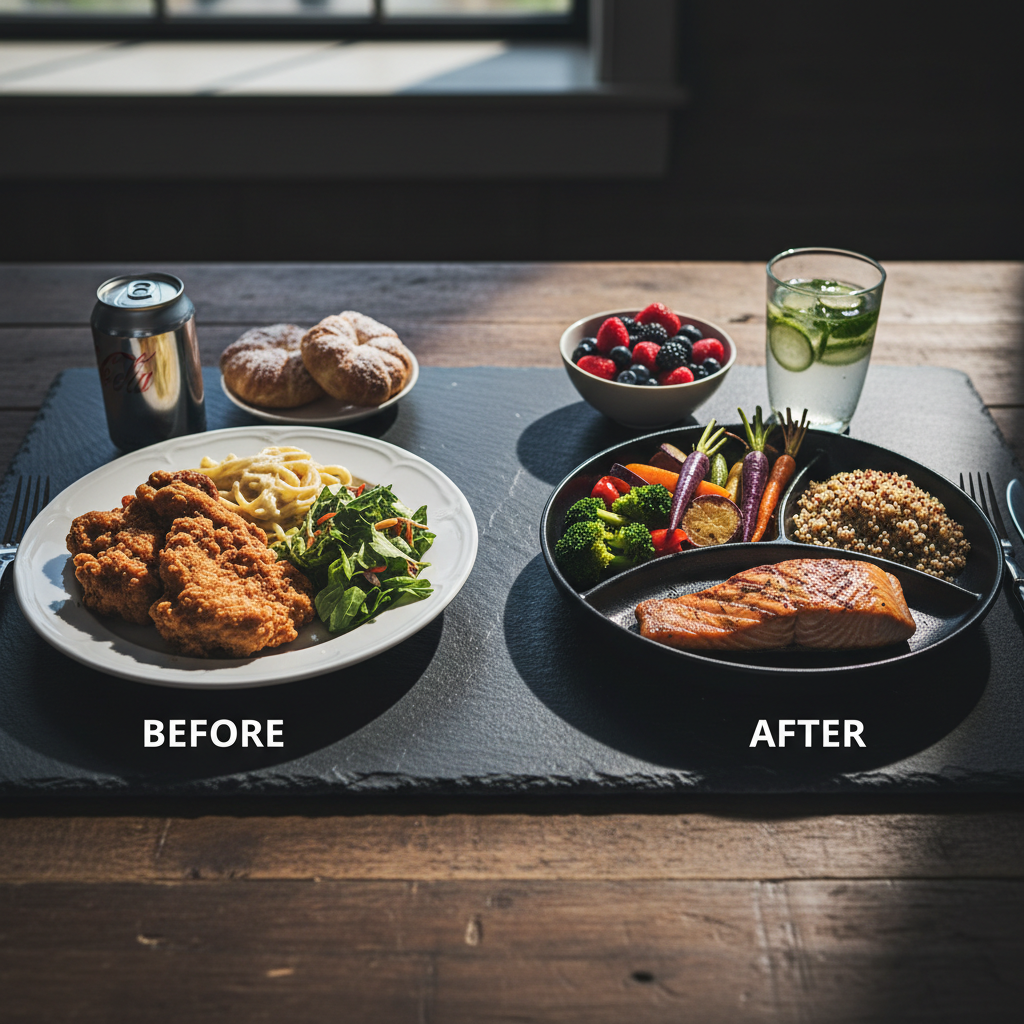
Start with nutritional function rather than fear. Ask what the food contributes and what comes with it. A packaged soup may offer vegetables and protein but contain very high sodium. A protein bar may be convenient but contain little fiber and substantial added sugar. A sweetened cereal may display vitamin claims while its first ingredients are refined grain and sugar. Context determines whether the product is a helpful tool, an occasional food, or a poor default.
Use a five-part label review. First, check the serving size and whether you realistically eat that amount. Second, examine protein and fiber because they often influence fullness. Third, compare added sugar. Fourth, assess sodium, especially across foods eaten frequently. Fifth, review saturated fat and the ingredient list. None of these numbers should be judged in isolation.
Ingredient length is not a reliable health score. Some nutritious foods contain many ingredients; some low-quality products contain only three. Names that sound unfamiliar are not automatically dangerous. Conversely, familiar ingredients such as sugar, salt, and refined flour can dominate a product. The important questions are quantity, purpose, nutritional profile, frequency, and total dietary pattern.
Marketing terms require skepticism. “Natural,” “keto,” “protein,” “GLP-1 friendly,” “clean,” “made with whole grains,” and “no artificial colors” do not establish overall quality. Compare the Nutrition Facts panel and full ingredients. A product can meet one desirable criterion while remaining high in sodium, saturated fat, or added sugar.
A practical 2026 meal-building method
You do not need to reproduce a perfect pyramid at every meal. Use a flexible four-part builder. Begin with a protein anchor. Add at least one vegetable or fruit, with more variety across the week. Include a fiber-rich carbohydrate when it fits your needs. Add an appropriate source of unsaturated fat or use a protein food that already contains it.
For breakfast, this could be plain Greek yogurt with berries, oats, and walnuts. It could be eggs with vegetables and whole-grain toast. A plant-based option might combine tofu, beans, vegetables, and potatoes. The exact combination matters less than whether it provides enough nutrition and satisfaction to support the hours that follow.
Lunch could be lentil soup with a salad and fruit, a salmon grain bowl with vegetables, or a chicken-and-bean wrap with crunchy vegetables. Dinner could include fish, chicken, tofu, tempeh, lean meat, or legumes; a generous vegetable serving; and potatoes, brown rice, quinoa, or another appropriate carbohydrate.
Snacks are optional. If you need one, select it for a purpose: fruit and nuts for portable energy, yogurt for protein and calcium, vegetables with hummus for fiber and satisfaction, or cheese with fruit if that combination fits your needs. Constant grazing on low-satiety snack products can make the overall pattern less aligned with the guidance even when meals look balanced.
| Meal part | Choose from | Why it helps |
|---|---|---|
| Protein anchor | Fish, eggs, poultry, beans, lentils, tofu, yogurt, appropriate lean meat | Supports protein needs and meal satisfaction |
| Produce | Vegetables, fruit, herbs, varied colors | Adds fiber, micronutrients, water, and food volume |
| Fiber-rich carbohydrate | Beans, oats, potatoes, brown rice, barley, whole-grain bread | Provides energy, fiber, and complementary nutrients |
| Healthy fat | Olive oil, avocado, nuts, seeds, fish | Supplies essential fats and supports satisfaction |
A realistic grocery framework for following the guidance
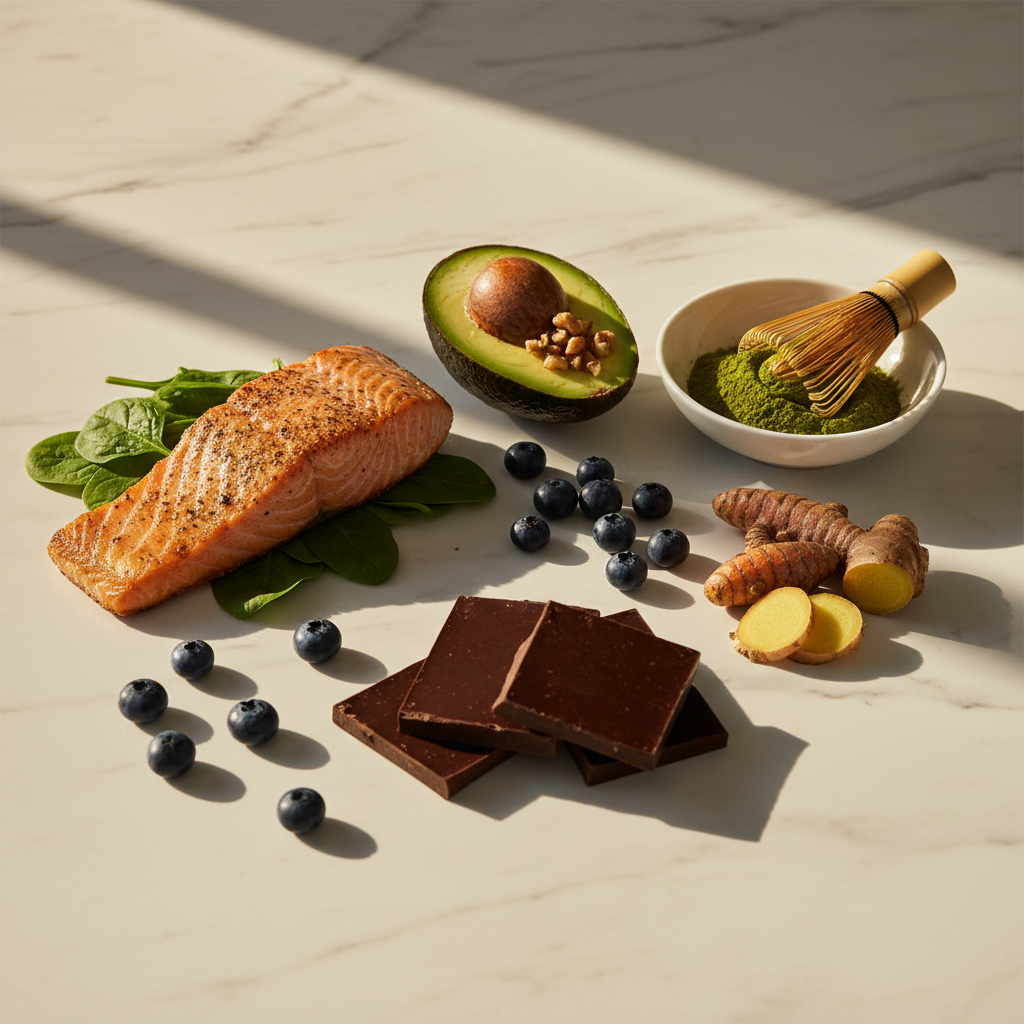
Organize shopping by meal function instead of collecting isolated “superfoods.” Choose several proteins you will actually prepare, multiple vegetables and fruits, a few dependable fiber-rich carbohydrates, useful fats, and convenience foods that reduce friction. The best grocery list is one that becomes meals before food spoils.
- Proteins: eggs, plain yogurt, cottage cheese, fish, poultry, tofu, tempeh, canned beans, dry lentils, or other options appropriate for your household.
- Vegetables: a combination of fresh and frozen choices, including leafy greens, cruciferous vegetables, peppers, carrots, onions, tomatoes, and culturally familiar staples.
- Fruits: fresh, frozen, or canned without excessive added sugar. Buy a mix of quick options and longer-lasting varieties.
- Fiber-rich carbohydrates: oats, potatoes, beans, lentils, brown rice, barley, quinoa, whole-grain bread, or whole-grain pasta.
- Fats and flavor: olive oil, nuts, seeds, avocado, herbs, spices, citrus, vinegar, and sauces that make vegetables and proteins enjoyable.
- Convenience supports: frozen vegetables, canned fish, low-sodium beans, prepared whole grains, rotisserie chicken when appropriate, and minimally sweetened yogurt.
Budget matters. Beans, lentils, eggs, oats, potatoes, frozen vegetables, seasonal fruit, canned fish, and bulk grains can provide strong nutritional value at lower cost. Expensive powders, wellness shots, exotic berries, and influencer-branded snacks are not necessary for following the federal guidance.
Plan overlap. If dinner uses roasted vegetables, prepare extra for lunch. If you cook beans, use them in soup, a grain bowl, and a wrap. If herbs are likely to wilt, use them in sauce early in the week. This logistical layer determines whether a real-food pattern survives a busy schedule.
Seven mistakes to avoid when interpreting the new food pyramid
- Turning guidance into a purity test. A sustainable diet can include convenience foods, restaurant meals, and enjoyable foods that are not maximally nutrient-dense.
- Assuming protein has no upper practical limit. More is not automatically better, and protein should not displace fiber-rich plants or other needed foods.
- Believing all processing is harmful. Freezing, canning, pasteurization, fermentation, cooking, and fortification can improve safety, access, convenience, or nutrition.
- Judging food by one front-label claim. “High protein,” “low carb,” and “natural” are not complete nutritional evaluations.
- Ignoring portions and total pattern. Nutrient-dense foods still contribute energy, and one less-nutritious food does not ruin an otherwise strong pattern.
- Eliminating entire food groups without a reason. Avoidance can create gaps, cost more, and make eating socially difficult.
- Using national guidance as medical treatment. Disease management and medication-related diets require individualized advice.
The most productive interpretation is additive: which vegetables, fruits, legumes, proteins, whole grains, and healthy fats can you add consistently? Addition often improves a pattern more reliably than creating a long forbidden-food list.

When the general guidance is not enough
Population guidance must be adapted for medical conditions. Chronic kidney disease may change protein, potassium, phosphorus, sodium, or fluid needs. Diabetes management may require attention to carbohydrate amount, distribution, medications, and glucose response. Celiac disease requires strict gluten avoidance. Food allergies require ingredient and cross-contact precautions. Gastroparesis may make some high-fiber or high-fat meals difficult to tolerate.
Pregnancy and breastfeeding change energy and nutrient needs. Older adults may need special focus on protein, hydration, vitamin B12, calcium, vitamin D, appetite, chewing, and food access. Athletes need enough total energy and carbohydrate to support training, even when public discussion focuses heavily on protein. Children need age-appropriate portions and a supportive feeding environment rather than adult dieting rules.
People with current or previous eating disorders should approach restrictive messages carefully. “Real food” language can become harmful when interpreted as moral superiority, contamination fear, or rigid avoidance. A qualified eating-disorder professional can help translate nutrition advice into a flexible and safe pattern.
Food access is also a health factor. A person choosing among affordable shelf-stable options is not failing because every item is not fresh or minimally processed. Canned, frozen, dried, and fortified foods can be valuable. Good guidance should improve decisions within a person’s reality, not shame them for circumstances outside their control.
How FoodIdentifier can help you apply—not replace—the guidance
A food scanner is most useful when it turns label information into understandable comparisons. FoodIdentifier can help estimate calories and nutrients from a meal photo, examine a nutrition label, identify ingredients, compare alternatives, and connect you with calculators or educational guides. These tools can reduce friction, but their outputs remain estimates and general information.
Use scanning to answer a specific question. Does this meal contain a useful protein source? Is fiber low? How does sodium compare with another product? What portion did the estimate assume? Which ingredients matter for an allergy? The goal is not to assign moral value to food. It is to make the next decision more informed.
Photo-based estimates are affected by lighting, hidden oils, mixed dishes, portion size, preparation method, and ingredients that cannot be seen. Correct the result when you know more than the image. Barcode and label information can also change when manufacturers reformulate products. For medical decisions, verify with the product label and a qualified professional.
Frequently asked questions
What is the new food pyramid for 2026?
People use “new food pyramid 2026” to describe the updated federal nutrition guidance released with the Dietary Guidelines for Americans, 2025–2030. The official central message is “Eat Real Food.” The guidance emphasizes whole, nutrient-dense foods—including protein foods, dairy, vegetables, fruits, healthy fats, and whole grains—and recommends reducing highly processed foods high in refined carbohydrates, added sugars, excess sodium, unhealthy fats, and certain additives.
Did the USDA replace MyPlate in 2026?
Federal nutrition communication changed with the 2025–2030 Dietary Guidelines and the RealFood.gov presentation. Because names and graphics can change, use the current HHS/USDA guidance itself rather than relying on an old plate or pyramid image circulating online.
Does the 2026 guidance say to eat unlimited protein?
No. Prioritizing nutrient-dense protein does not mean unlimited portions or that every person needs a high-protein diet. Needs vary with age, body size, pregnancy, activity, health conditions, total energy intake, and other factors.
Are all packaged foods considered unhealthy?
No. Packaging alone does not determine nutritional quality. Frozen vegetables, canned beans, plain yogurt, whole-grain bread, and minimally processed foods can support a nutritious diet. Examine the ingredient list, added sugars, sodium, saturated fat, fiber, protein, and serving size.
What is the easiest way to follow the new guidance?
Build most meals around one protein food, one or more vegetables or fruits, a fiber-rich carbohydrate when appropriate, and a source of unsaturated fat. Then use labels and ingredient lists to compare packaged options.
Is this guidance appropriate for diabetes, kidney disease, or pregnancy?
The guidelines are population-level advice, not an individualized medical diet. People managing diabetes, kidney disease, food allergies, digestive disorders, pregnancy, eating disorders, or medications should discuss major diet changes with a qualified clinician or registered dietitian.
Sources and editorial notes
This guide is educational and does not provide medical diagnosis or treatment. FoodIdentifier reviewed current federal guidance and supporting public-health resources. Claims were written conservatively where individual needs or evolving policy communication may differ.