Home › Blog › Gut Health Foods 2026
Best Gut Health Foods 2026 — The Complete Guide to Fixing Your Gut Through Diet
- 🥛 Top fermented foods: yogurt, kefir, kimchi, sauerkraut, kombucha — add live bacteria to your gut
- 🌾 Top fiber foods: oats, lentils, beans, chia seeds — feed your existing good bacteria
- 🧄 Top prebiotics: garlic, onions, asparagus, bananas — fertilizer for your microbiome
- 🫐 Top polyphenols: blueberries, dark chocolate, olive oil — reduce gut inflammation
- 🚫 Biggest gut killers: ultra-processed foods, artificial sweeteners, excessive alcohol
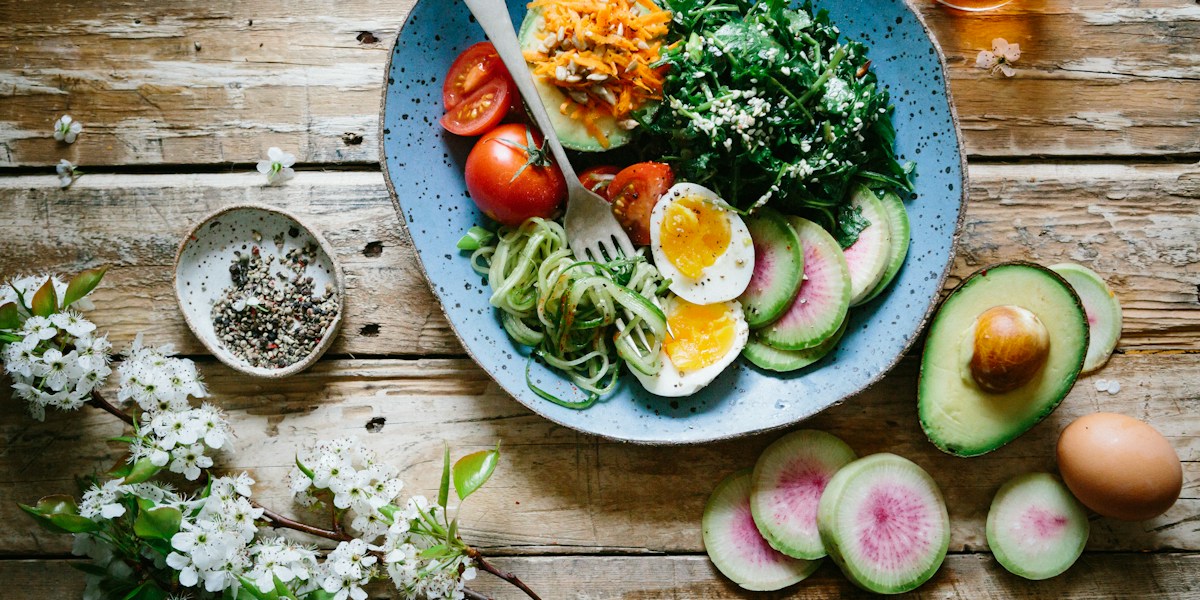
Fermented foods, high-fiber vegetables, and prebiotic-rich ingredients are the foundation of a healthy gut microbiome in 2026.
Gut health has exploded as the #1 searched health topic of 2026 — and for good reason. Scientists now understand that your gut microbiome (the 38 trillion bacteria living in your digestive tract) affects everything from your immune system and mental health to your weight and energy levels. The foods you eat are the single most powerful tool you have to shape this ecosystem.
This guide covers the 20 most powerful gut health foods backed by current research, what to avoid, a practical 7-day meal plan, and the trending "fibermaxxing" strategy that nutritionists are recommending in 2026. You can scan any of these foods with the free AI food scanner to get instant nutrition data and fiber content.
Why Gut Health Is the #1 Health Topic of 2026
Research published in the last two years has fundamentally changed how we think about the gut. The gut-brain axis — a direct chemical communication line between your digestive system and your brain — means that gut bacteria literally produce neurotransmitters including serotonin (95% of which is made in your gut) and dopamine precursors. Poor gut health is now directly linked to depression, anxiety, brain fog, and poor sleep.
At the same time, gut microbiome diversity is strongly correlated with healthy body weight, metabolic function, and immune resilience. The people with the widest variety of gut bacteria tend to be leaner, healthier, and more energetic. And the single most powerful way to increase microbiome diversity is through a varied, plant-rich, fermented-food diet.
Best Fermented Foods for Gut Health
Fermented foods are the most direct way to add beneficial bacteria (probiotics) to your gut. Unlike supplements, they also contain the nutrients and compounds those bacteria need to survive in your digestive tract. Stanford University research found that a diet high in fermented foods significantly increased microbiome diversity in just 10 weeks — outperforming a high-fiber diet alone.

High-Fiber Foods That Feed Your Good Gut Bacteria
While fermented foods add bacteria to your gut, fiber feeds the bacteria already there. Prebiotics and dietary fiber are the food source for your beneficial gut bacteria — without enough fiber, your good bacteria literally starve, and harmful bacteria fill the gap. Most Americans eat only 10–15g of fiber per day. The recommended minimum is 25–38g. Top gut health practitioners in 2026 are recommending 35–50g for optimal microbiome diversity.
Upload a photo of any gut health food to see exact fiber, calories, and macros. Free, no signup.
📷 Scan Food Now🧠 AI Nutrition CoachPrebiotic Foods — The Fertilizer Your Gut Bacteria Need
Prebiotics are a specific type of fiber that selectively feeds beneficial bacteria — particularly Bifidobacterium and Lactobacillus strains. They act as fertilizer for your gut garden. The best prebiotic foods are common, inexpensive, and easy to add to any meal.
- 🧄 Garlic: Fructooligosaccharides (FOS) — one of the most potent prebiotic foods. Raw garlic is more effective than cooked.
- 🧅 Onions: Inulin + FOS — cheap, versatile, and one of the best microbiome boosters.
- 🌱 Asparagus: High inulin content — particularly good for feeding Bifidobacterium strains.
- 🍌 Underripe bananas: Resistant starch — acts as prebiotic. Riper bananas have less resistant starch (more sugar).
- 🥣 Oats: Beta-glucan — feeds bacteria AND reduces LDL cholesterol simultaneously.
- 🍏 Jerusalem artichoke: Highest inulin concentration of any food — use in small amounts initially.
- 🌰 Flaxseeds: Mucilaginous fiber — forms a gel that feeds bacteria and protects gut lining.
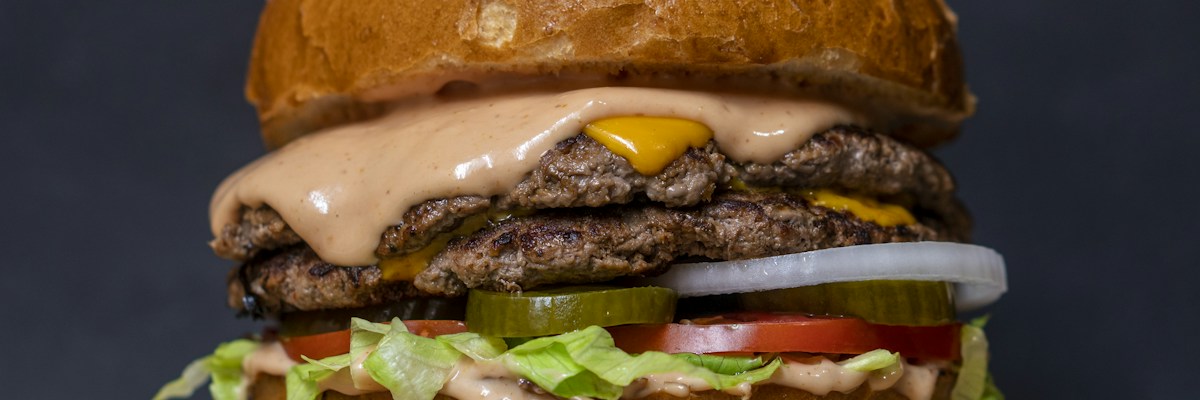
Foods That Damage Your Gut Microbiome (Avoid These)
7-Day Gut Health Meal Plan for 2026
This meal plan is designed to maximize microbiome diversity through variety — the single best predictor of gut health. Aim for 30+ different plant foods per week (including herbs, spices, nuts, seeds). Each day includes fermented foods, prebiotic foods, and high-fiber options.
Fibermaxxing — The #1 Gut Health Trend of 2026
"Fibermaxxing" is 2026's biggest nutrition trend — deliberately maximizing your daily fiber intake to 35–50g through whole foods. The trend emerged from gut health research showing that most people eat barely a third of what their microbiome needs to thrive. Fibermaxxing is not a fad — it is essentially evidence-based microbiome medicine applied to everyday eating.
The key is variety over quantity: eating 30+ different plant foods per week does more for gut microbiome diversity than eating a huge amount of one fiber source. Rotate your vegetables, switch up your grains and legumes, and vary your fruits week by week. Use the AI Nutrition Coach to get personalized fiber and gut health meal recommendations based on your diet preferences.
Frequently Asked Questions — Gut Health Foods
❓ What are the best foods for gut health in 2026?
The top gut health foods are fermented foods (yogurt, kefir, kimchi, sauerkraut), high-fiber foods (oats, beans, lentils, vegetables), prebiotic foods (garlic, onions, bananas, asparagus), and polyphenol-rich foods (blueberries, olive oil, dark chocolate). These feed beneficial bacteria and improve the gut microbiome.
❓ What foods should I avoid for gut health?
Avoid ultra-processed foods, artificial sweeteners, excessive alcohol, fried foods, and high-sugar foods. These disrupt the gut microbiome, feed harmful bacteria, and increase intestinal inflammation.
❓ How long does it take to improve gut health through diet?
Gut microbiome changes begin within 24-48 hours of dietary changes, but meaningful improvement in symptoms like bloating, energy, and digestion typically takes 2-4 weeks of consistent dietary change.
❓ Are fermented foods better than probiotic supplements?
Fermented foods (yogurt, kefir, kimchi) generally provide a wider variety of live bacteria strains than supplements, plus prebiotic fiber that feeds those bacteria. Stanford research found fermented foods significantly increased microbiome diversity more than a high-fiber diet alone in a short-term study.
❓ What is fibermaxxing and does it help gut health?
Fibermaxxing is the 2026 trend of deliberately maximizing daily fiber intake to 38g+ for men and 25g+ for women. It helps gut health by feeding beneficial bacteria, improving stool transit time, reducing inflammation, and stabilizing blood sugar. Most people eat only 10-15g daily.
❓ Can gut health affect weight loss?
Yes. A healthy gut microbiome improves metabolic function, reduces inflammation that promotes fat storage, improves insulin sensitivity, and helps regulate hunger hormones like ghrelin and leptin. Poor gut health is increasingly linked to difficulty losing weight.
🔗 Related Tools & Guides
Scan your meals to track fiber, identify gut-friendly foods, and get personalized nutrition guidance. No signup, no app needed.
📷 Scan Food Now⭐ Start $1 TrialDisclaimer: This article is for educational purposes only and is not a substitute for medical advice. Gut health information is based on current peer-reviewed research. Consult your doctor or registered dietitian before making significant dietary changes, especially if you have digestive conditions.