Home › Blog › Intermittent Fasting 16/8 Guide
Intermittent Fasting 16/8 Complete Guide 2026 — How to Start, What to Eat, and Real Results
- ⏰ What it is: Fast 16 hours, eat within an 8-hour window daily (e.g., 12pm–8pm)
- ☕ During the fast: Water, black coffee, plain tea only — no calories
- 🥗 Breaking the fast: Start with protein-rich food — eggs, chicken, Greek yogurt
- ⚖️ Expected results: 0.5–1.5 lbs/week when combined with a calorie deficit
- 🔢 First step: Calculate your calorie target with the TDEE Calculator
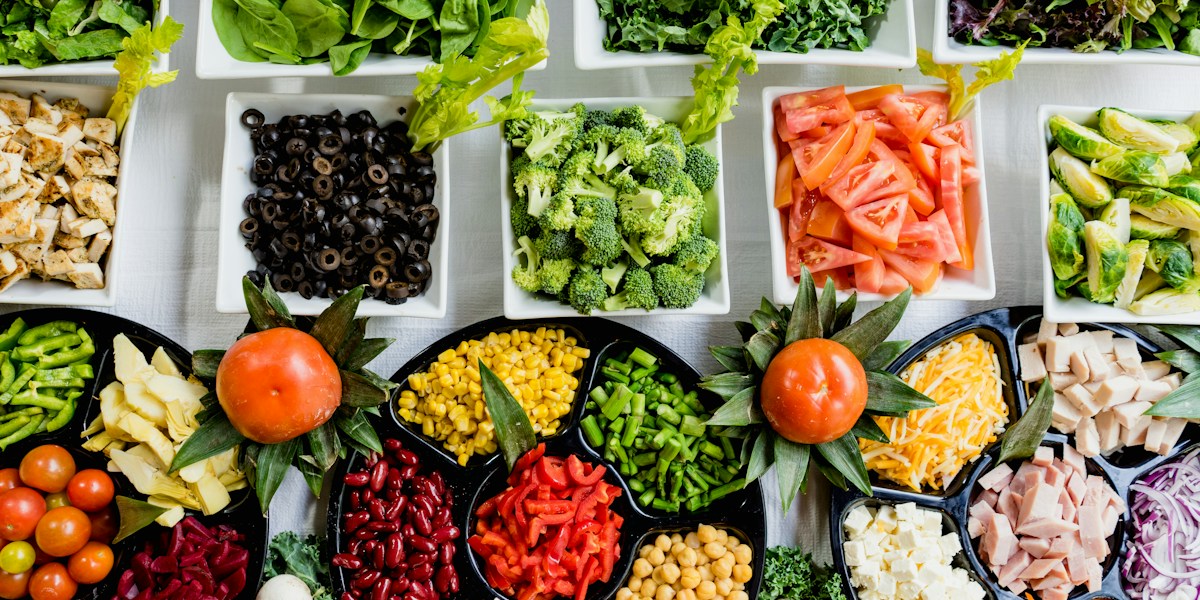
16/8 intermittent fasting involves eating all your daily calories within an 8-hour window — the simplest and most popular fasting method in 2026.
16/8 intermittent fasting is currently the most searched diet method on Google, and for good reason: it is simple to understand, requires no special food purchases, and a growing body of research shows it helps with weight loss, blood sugar control, metabolic health, and even longevity markers. This guide gives you everything you need to start today.
What Is 16/8 Intermittent Fasting?
16/8 refers to 16 hours of fasting followed by an 8-hour eating window, repeated daily. Unlike traditional diets that restrict what you eat, 16/8 restricts when you eat. Most people find the 16-hour fast easy because it includes sleep — for example, eating from 12pm to 8pm means you sleep through most of the fast.
During the fasting window, you can only consume zero-calorie beverages: water, black coffee, and plain tea. During the 8-hour eating window, you eat your normal meals — though most people naturally eat less because the compressed window reduces total eating opportunities.
How to Start 16/8 Intermittent Fasting — Step by Step
Best Eating Windows for Different Lifestyles
What to Eat in Your 8-Hour Window

The most common mistake with 16/8 is thinking the fasting schedule alone causes weight loss. It doesn't — what you eat in your window determines your results. The fasting window creates a calorie-reduction opportunity; the food choices determine whether you actually hit a deficit.
Photograph any meal during your eating window for instant calories and macros. Free, no signup.
📷 Scan Meal Now🔥 Find Your Calorie TargetWhat Breaks a Fast — The Definitive List
Realistic 16/8 Results — Week by Week
Results vary significantly based on how well you control calories inside the eating window. The fasting schedule does not create a calorie deficit on its own — but it makes a deficit easier to maintain by reducing eating opportunities and lowering hunger hormones over time.
Benefits of 16/8 Intermittent Fasting Beyond Weight Loss
- Improved insulin sensitivity: Fasting periods allow insulin levels to drop, reducing insulin resistance — the key driver of type 2 diabetes and metabolic syndrome.
- Autophagy (cellular repair): After 12–16 hours of fasting, your body initiates autophagy — a process that clears damaged cell components. This is linked to reduced aging markers and disease prevention.
- Reduced inflammation: Multiple markers of systemic inflammation decrease during fasting periods. Chronic inflammation is the root cause of most modern diseases.
- Mental clarity: Many people report improved focus and cognitive performance during the fasted state, linked to elevated ketone production and norepinephrine release.
- Simplified eating: Fewer meals means less meal planning, less food prep, and less decision fatigue — a practical benefit that helps long-term adherence.
Common 16/8 Mistakes That Kill Your Results

Frequently Asked Questions — 16/8 Intermittent Fasting
❓ What is 16/8 intermittent fasting?
16/8 intermittent fasting means fasting for 16 hours per day and eating only within an 8-hour window. For example, eating between 12pm and 8pm, then fasting from 8pm until noon the next day. During the fasting window, you can drink water, black coffee, and plain tea.
❓ How much weight can you lose with 16/8 intermittent fasting?
Results vary widely. Most people lose 0.5–1.5 pounds per week combining 16/8 fasting with a modest calorie deficit. Studies show average fat loss of 0.8–1.3% body weight per week during the first 8–12 weeks. Long-term success depends on what you eat during the feeding window, not just the fasting schedule.
❓ Can I drink coffee during intermittent fasting?
Yes. Black coffee (no milk, no sugar, no cream) does not break a fast and may actually enhance fat burning by boosting metabolism 3–11%. Plain water, black coffee, and unsweetened tea are all safe during the fasting window.
❓ What breaks a fast?
Any food or drink containing significant calories breaks a fast. This includes: milk or cream in coffee, protein shakes, diet sodas with artificial sweeteners (debated), bone broth, and any solid food. Water, black coffee, and plain tea do not break a fast.
❓ Is intermittent fasting safe for women?
16/8 fasting is generally safe for most healthy women. However, some research suggests women may be more sensitive to caloric restriction affecting hormones. Women with hormonal issues, who are pregnant, breastfeeding, or have a history of eating disorders should consult a doctor before starting any fasting protocol.
❓ Should I exercise during intermittent fasting?
You can exercise during fasting, and it may enhance fat burning. Fasted cardio (light to moderate cardio before breaking the fast) is particularly effective for fat oxidation. For strength training, consider training near the end of your fasting window or shortly after breaking your fast, when you can consume protein immediately post-workout.
❓ What should I eat to break my fast?
Break your fast with protein-rich, nutrient-dense foods. Best options: eggs, Greek yogurt, chicken, salmon, lentils, or a protein smoothie. Avoid breaking your fast with high-sugar foods or large carbohydrate meals — after 16 hours fasting, blood sugar spikes are more pronounced.
🔗 Related Tools & Guides
Scan meals during your eating window to see exact calories and macros. Make sure your window works for fat loss. Free, no signup.
📷 Scan Food Now⭐ Start $1 TrialDisclaimer: This guide is for educational purposes only and is not a substitute for medical advice. Intermittent fasting is not suitable for everyone. Consult your doctor before starting if you are pregnant, have diabetes, a history of eating disorders, or take medications that require food intake.