Home › Blog › High Protein Foods for Weight Loss
High-Protein Foods for Weight Loss 2026 — Top 30 Ranked by Protein Density
- 🏆 #1 Animal protein: Chicken breast — 31g protein per 165 calories. Hardest to beat.
- 🥚 Best budget protein: Eggs — 6g per egg, 78 calories, complete amino acids.
- 🐟 Best for fat loss: Tuna (canned in water) — 25g protein per 100 calories.
- 🫘 Best plant protein: Lentils + Greek yogurt + edamame — complete protein coverage.
- 🎯 Daily target: 0.7–1g per pound of body weight (use the Protein Calculator)
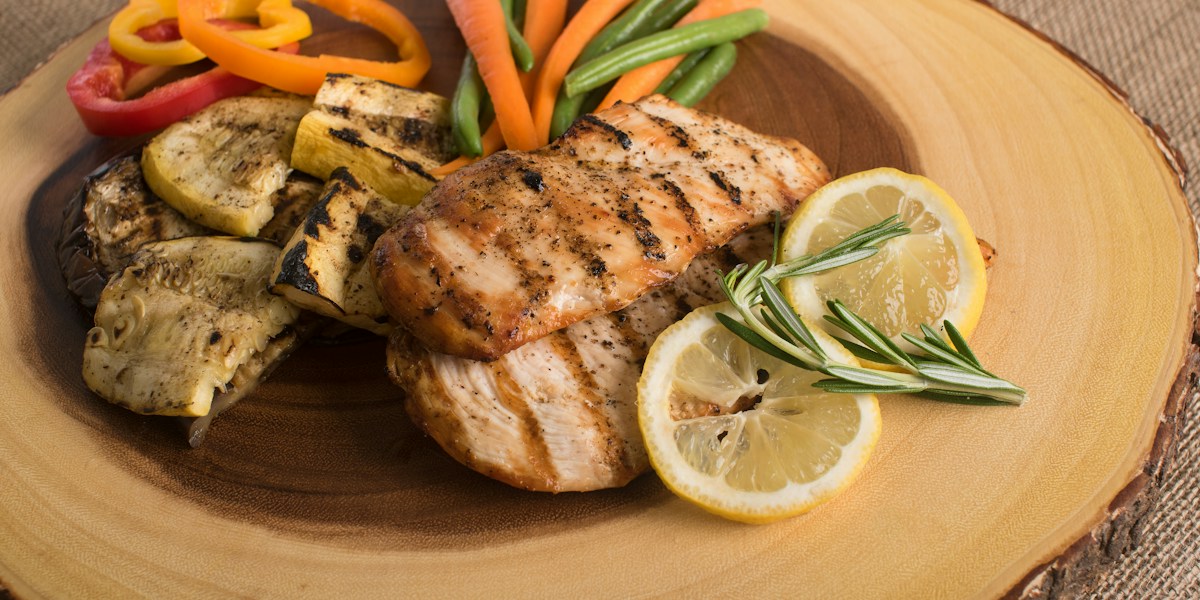
Chicken breast, eggs, salmon, Greek yogurt and lentils are among the most protein-dense foods for weight loss.
If there is one dietary change with the most scientific support for weight loss, it is increasing protein intake. Studies consistently show that high-protein diets lead to spontaneous calorie reduction of 400+ calories per day, better muscle retention during fat loss, and dramatically reduced hunger. This guide ranks the top 30 protein foods by protein density (grams of protein per calorie) — the most useful metric for weight loss.
Why Protein Is the #1 Weight Loss Macronutrient
Protein works for weight loss through four distinct mechanisms that no other macronutrient can match:
- Satiety: Protein raises levels of fullness hormones (PYY, GLP-1, CCK) and lowers the hunger hormone ghrelin — more powerfully than carbs or fat. Studies show people on high-protein diets eat 400+ fewer calories daily without consciously trying to restrict.
- Thermic effect: Your body burns 20–30% of protein calories just through digestion. Compare this to 5–10% for carbs and 0–3% for fat. This means 100 calories of protein effectively only delivers 70–80 calories to your system.
- Muscle preservation: During a calorie deficit, high protein intake preserves lean muscle mass. Since muscle burns more calories at rest, keeping your muscle means keeping your metabolism elevated throughout your weight loss.
- Blood sugar stability: Protein has a minimal glycemic effect, preventing the blood sugar crashes that drive hunger, cravings, and overeating — the main reason people fail on low-calorie diets.
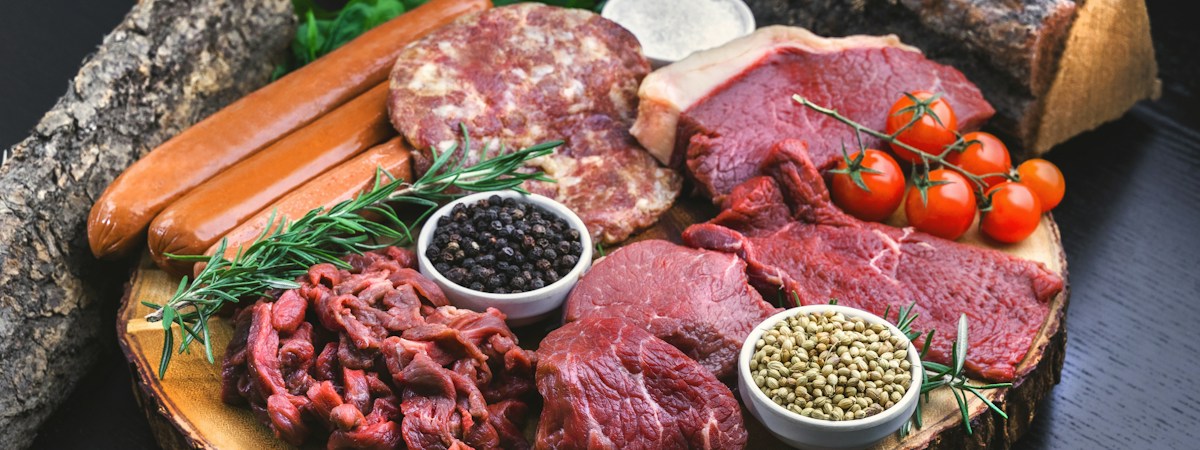
Top 15 Animal Protein Sources — Ranked by Protein Density
Get exact protein, calories, and macros from any food photo. Free, no signup.
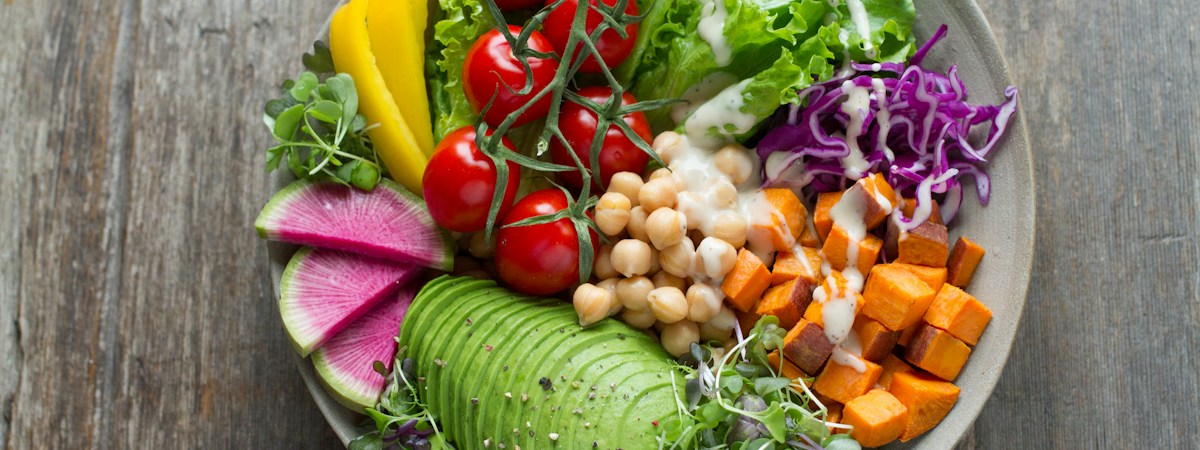
📷 Scan Food Now💪 Protein CalculatorTop 15 Plant Protein Sources — Best for Vegetarians & Vegans
How Much Protein Do You Actually Need to Lose Weight?
The minimum for general health is 0.36g per pound (0.8g/kg). But for weight loss and muscle preservation during a deficit, research consistently supports 0.7–1g per pound (1.6–2.2g/kg). For a 160-pound person, that is 112–160g of protein per day.
Use the free Protein Calculator to get your exact daily protein target based on your weight, goal, and activity level. Then pair it with the TDEE Calculator to know your total calorie target — then simply fill that budget with high-protein foods from this list.
High-Protein Meal Ideas — 30g+ Protein Per Meal
Frequently Asked Questions — High-Protein Foods
❓ How much protein do I need to lose weight?
For weight loss, aim for 0.7–1g of protein per pound of body weight (1.6–2.2g per kg). A 160-pound person needs 112–160g protein daily. Higher protein intake preserves muscle during a calorie deficit, reduces hunger, and burns slightly more calories through digestion (the thermic effect of food).
❓ What is the highest protein food per calorie?
The most protein-dense foods per calorie are: egg whites (11g protein per 50 calories), non-fat Greek yogurt (10g per 55 calories), tuna in water (25g per 100 calories), chicken breast (31g per 165 calories), and cottage cheese (14g per 80 calories).
❓ Is protein powder necessary for weight loss?
No. Protein powder is a convenient supplement but not necessary. You can hit your protein targets entirely through whole foods. However, protein shakes are useful when you struggle to eat enough solid protein or need a fast, portable meal that keeps you full.
❓ Does eating more protein really help with weight loss?
Yes — protein is the most satiating macronutrient. High-protein diets reduce hunger hormones (ghrelin) and increase fullness hormones (PYY). Studies consistently show people on high-protein diets eat 400+ fewer calories per day without trying to restrict. Protein also has a higher thermic effect — your body burns 20–30% of protein calories just digesting it.
❓ What are the best plant-based protein foods for weight loss?
Top plant proteins for weight loss: tempeh (31g per cup), edamame (17g per cup), lentils (18g per cup cooked), black beans (15g per cup), tofu (20g per cup), and quinoa (8g per cup). These also provide fiber, which further increases satiety.
❓ Can I eat too much protein?
For healthy adults, eating up to 3.5g of protein per kg of body weight daily appears safe long-term. Very high protein intake (beyond what your body uses) will be converted to energy or stored as fat. Unless you have kidney disease, high protein intake is generally safe. The bigger concern is replacing fiber-rich foods with protein foods — balance both.
🔗 Related Tools & Guides
Upload any food photo and get exact protein, calories, and macros in seconds. Free, no signup, no app needed.
📷 Scan Food Now⭐ Start $1 TrialDisclaimer: Nutritional values are estimates based on USDA FoodData Central data. Individual food values vary by brand, preparation method, and source. Consult a registered dietitian for personalized dietary planning, especially if you have kidney disease or other medical conditions that affect protein requirements.