Home › Blog › What to Eat to Lose Belly Fat
What to Eat to Support Healthy Fat Loss 2026 — 15 Science-Backed Foods
- 🥑 Best foods: Avocado, oats, lentils, salmon, Greek yogurt, green tea, eggs, berries, broccoli, almonds
- 🚫 Worst foods: Sugary drinks, refined carbs, trans fats, alcohol, processed snacks
- 🔬 Key mechanism: Belly fat responds best to soluble fiber + calorie deficit + reduced cortisol
- 📉 Realistic goal: 1–2 inches waist reduction in 4–8 weeks with consistent changes
- 📷 Track your meals: Use the free calorie scanner to see exactly what you are eating
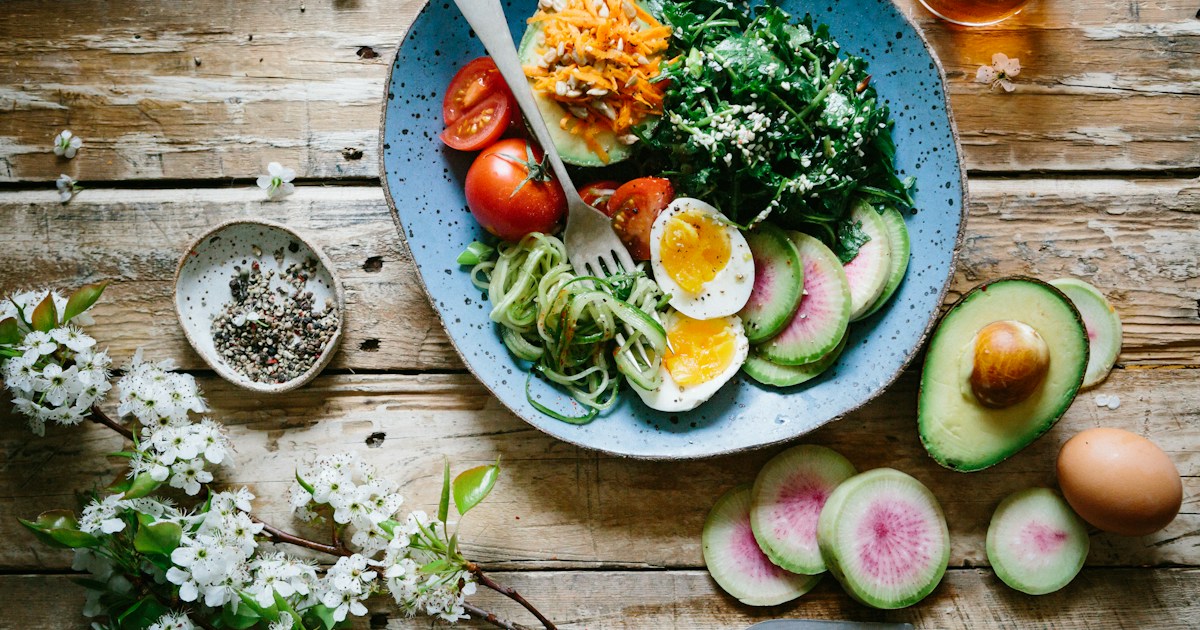
The Science of Belly Fat Loss — What Actually Works
Belly fat is not just an aesthetic concern. Visceral fat — the fat surrounding your internal organs — is metabolically active. It produces inflammatory compounds, increases insulin resistance, raises the risk of heart disease, type 2 diabetes, and certain cancers. It responds differently to diet than subcutaneous fat (the fat under your skin).
The three dietary mechanisms that most consistently reduce visceral fat in clinical research:
- Calorie deficit: No specific food melts belly fat without a calorie deficit. Use the Calorie Deficit Calculator to set your daily target.
- Soluble fiber intake: Each 10g increase in soluble fiber per day is associated with a 3.7% reduction in visceral fat over 5 years, independent of total calories.
- Reduced cortisol: Chronic stress elevates cortisol, which directly promotes visceral fat storage. High cortisol also drives carbohydrate cravings.
The 15 foods below are effective because they address all three mechanisms: they're filling (supporting the calorie deficit), high in soluble fiber, and several actively reduce cortisol or inflammation.
15 Best Foods to Eat to Lose Belly Fat
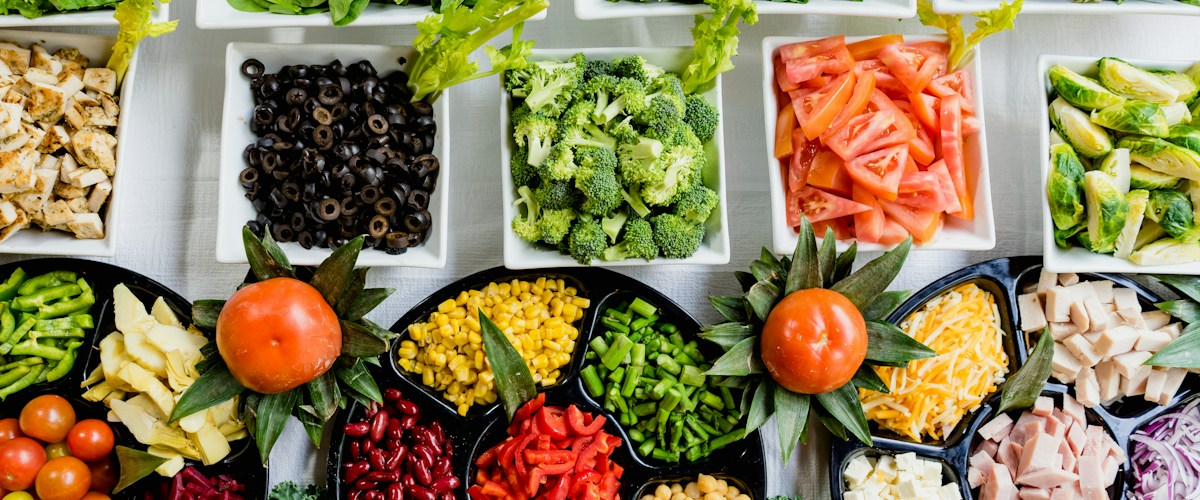
Upload any food photo — get instant calories, fiber, protein, and fat. Free, no signup, works in your browser.
📷 Scan My Meal — Free💎 Start $1 TrialWorst Foods That Cause Belly Fat — Cut These First
5-Day Flat Belly Meal Plan — High Fiber, High Protein, Low Sugar
How to Calculate Your Belly Fat Loss Calorie Deficit
No meal plan works without understanding your personal calorie numbers. Start by calculating your TDEE — the number of calories your body burns daily. Then subtract 300–500 kcal to create a deficit that produces steady fat loss without triggering muscle loss.
- Step 1: Use the TDEE Calculator to find your daily maintenance calories
- Step 2: Use the Calorie Deficit Calculator to set your fat loss target
- Step 3: Use the Macro Calculator to set your protein, carb, and fat targets
- Step 4: Photograph each meal with the free calorie scanner to verify you are hitting your numbers
Lifestyle Factors That Accelerate Belly Fat Loss
- 😴 Sleep 7–9 hours: Poor sleep increases ghrelin (hunger hormone) by 28% and cortisol — directly increasing visceral fat storage. Sleep is not optional for belly fat loss.
- 🧘 Manage stress: Chronic cortisol elevation redirects fat storage to the abdomen. Even 10 minutes of daily meditation reduces cortisol measurably.
- 🚶 Walk 8,000+ steps daily: Low-intensity movement dramatically improves insulin sensitivity, which is the key mechanism linking belly fat to metabolic disease.
- 💧 Drink water before meals: 500ml of water before each meal reduces meal calorie intake by 13% on average in clinical studies.
- 📱 Track what you eat: People who track food intake consistently lose 2–3x more weight than those who do not. The AI food scanner makes tracking fast enough to actually do every day.
FAQ — What to Eat to Lose Belly Fat
❓ What foods help lose belly fat fast?
Foods that help reduce belly fat: high-fiber foods (oats, legumes, vegetables) that reduce visceral fat, protein-rich foods (chicken, fish, eggs, Greek yogurt) that preserve muscle and reduce hunger, fermented foods (yogurt, kefir, kimchi) that improve gut health linked to fat storage, and green tea which contains EGCG shown to reduce abdominal fat. No single food melts belly fat — a consistent calorie deficit with these foods is the mechanism.
❓ What causes belly fat?
Belly fat (visceral fat) is caused by a sustained calorie surplus, high cortisol (stress hormone), poor sleep quality, excess alcohol, high sugar intake (especially fructose), low physical activity, and hormonal changes (especially declining estrogen or testosterone with age). Visceral fat is metabolically active and releases inflammatory compounds — making it more harmful than subcutaneous fat.
❓ Can I target belly fat with diet?
You cannot spot-reduce fat from the belly specifically — fat loss happens systemically across your body. However, certain dietary patterns do preferentially reduce visceral (belly) fat: reducing refined carbohydrates and added sugars, increasing soluble fiber, reducing alcohol, and following a calorie deficit all produce measurable reductions in waist circumference in clinical studies.
❓ What foods to avoid for belly fat?
Foods strongly linked to increased belly fat: sugary drinks (liquid calories, high fructose corn syrup), refined carbohydrates (white bread, pastries, white pasta), trans fats (partially hydrogenated oils), excess alcohol (liver prioritizes alcohol metabolism, halts fat burning), processed meats, and stress-eating trigger foods. Reducing these produces measurable waist circumference reduction within 4–8 weeks.
❓ How much belly fat can I lose in a month?
A realistic and safe fat loss rate is 0.5–1 lb per week, meaning 2–4 lbs of total fat loss per month. Belly fat may reduce at a similar or slightly faster rate since visceral fat responds well to dietary changes. Faster loss is possible but increases risk of muscle loss. A 500–750 kcal daily deficit achieved through diet and light exercise is a sustainable starting point.
❓ Does sugar cause belly fat?
Yes, excess sugar — particularly fructose from added sugars and sugary drinks — is strongly linked to visceral fat accumulation. Fructose is metabolized in the liver and converted to fat when consumed in excess. It also does not suppress the hunger hormone ghrelin like glucose does, meaning liquid calories from soda and juice do not reduce hunger. Cutting sugary drinks is one of the fastest ways to reduce calorie intake and belly fat.
❓ Is fiber good for belly fat?
Yes. Soluble fiber in particular is strongly linked to reduced visceral fat. A study found that each 10g increase in daily soluble fiber intake was associated with a 3.7% reduction in visceral fat over 5 years — without any other dietary changes. Soluble fiber sources: oats, lentils, black beans, apples, avocado, and flaxseeds.
❓ Does green tea burn belly fat?
Green tea contains EGCG (epigallocatechin gallate), a catechin that has been shown in multiple studies to slightly increase fat oxidation — particularly abdominal fat. The effect is modest (an extra 60–80 kcal burned per day) but meaningful over time. Drinking 2–4 cups of unsweetened green tea daily provides the dose used in research.
🔗 Related Tools & Guides
Photograph any meal and get instant calories, fiber, and nutrition facts. No signup. No app. Start right now.
📷 Scan Food Now — Free💎 Start $1 Trial⚕️ Educational Use Only
FoodIdentifier provides estimated nutrition information and educational health content. This information is not intended as medical advice and should not replace consultation with a qualified healthcare professional. Individual results vary. Consult your doctor before making significant dietary changes, especially if you have pre-existing health conditions.
📚 Sources
Last updated: March 2026 · Author: FoodIdentifier Editorial Team